

Fast Shipping
Carrier information

20k products
Payment methods

24/7 Support
Unlimited help desk

2-day Delivery
Track or off orders
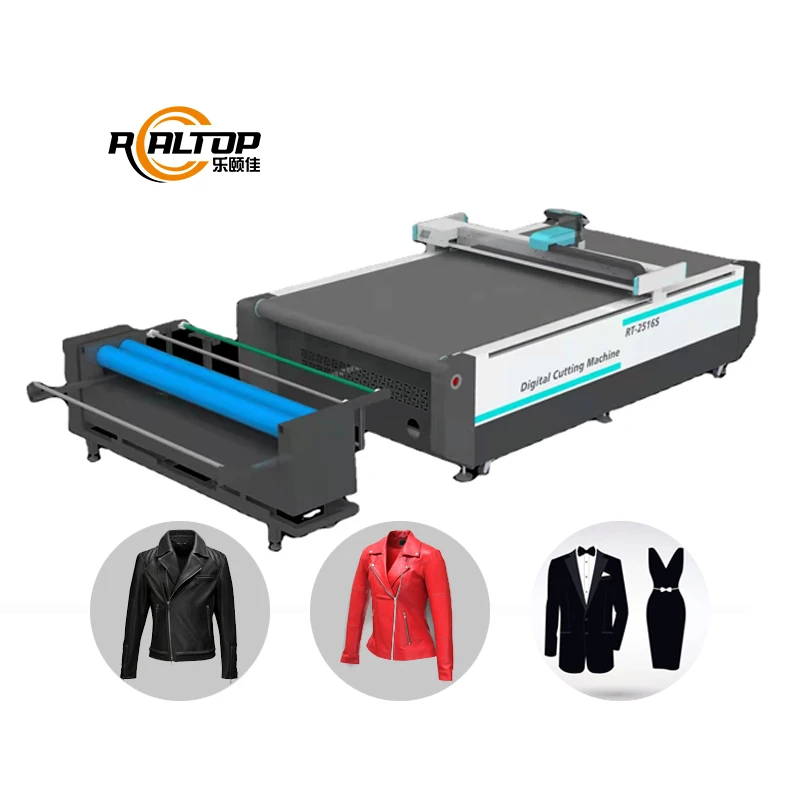
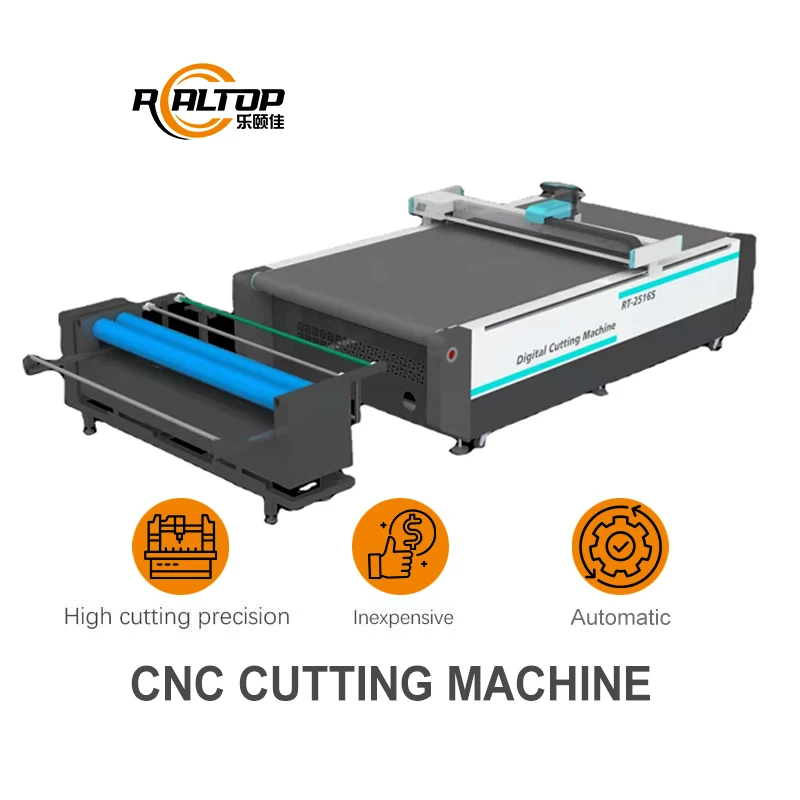
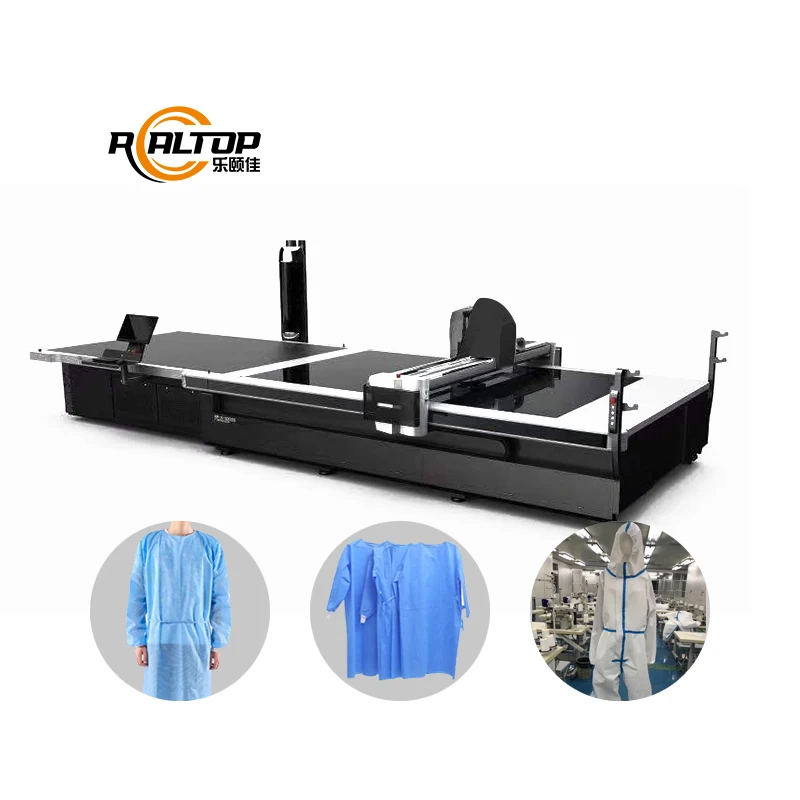
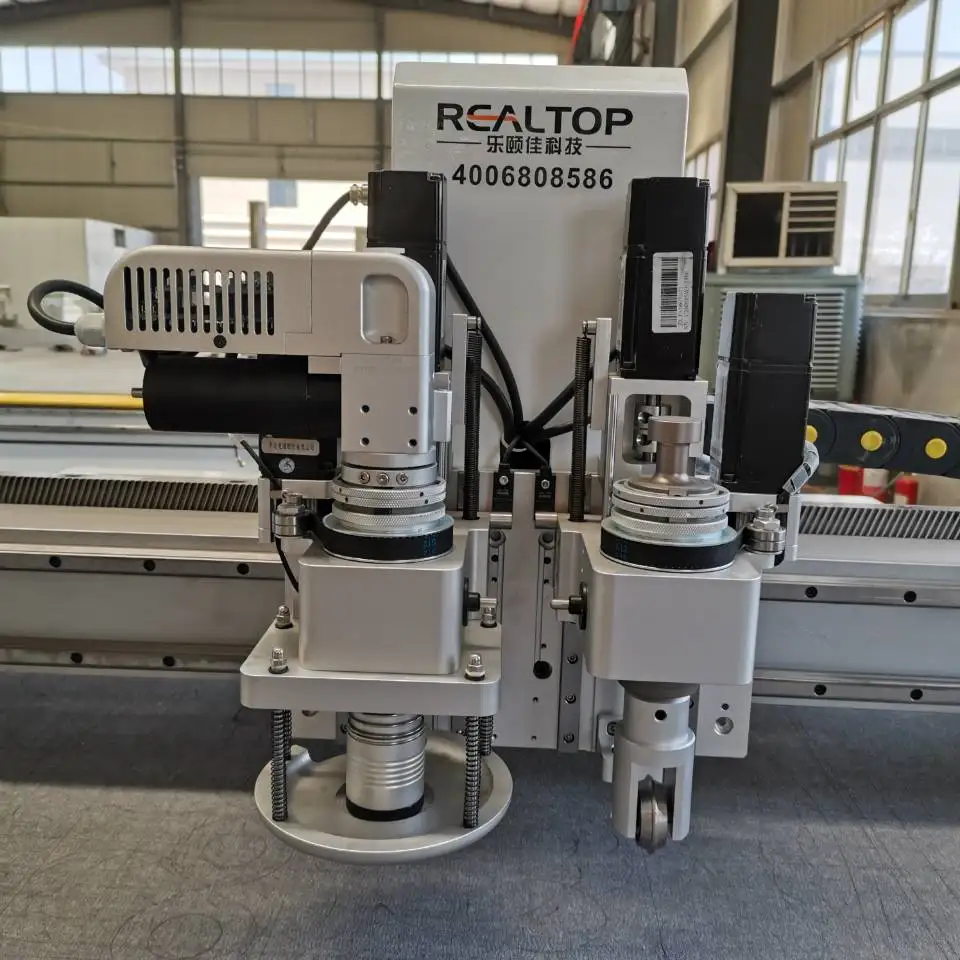
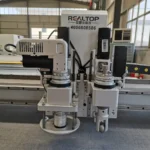
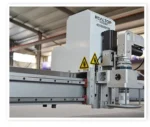
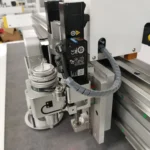
Specified tool head and vacuum zoning — a single 1600×2500 mm flatbed configured with oscillating knife, drag knife, creasing wheel and CCD positioning options, so corrugated box sample cutting is matched to board flute and ply rather than forced through a generic blade setup.
Technical Specifications
| Parameter | Value |
|---|---|
| Product Type | CNC Oscillating Knife Cutting Machine |
| Working Area | 1600 × 2500 mm |
| Machine Size (Overall) | 3450 × 2300 × 1250 mm |
| Rated Power | 9 kW |
| Voltage | 380V ±10% |
| Translational Velocity | 800–1200 mm/s |
| Cutting Speed | 200–800 mm/s (varies by material) |
| Cutting Thickness | ≤100 mm (varies by material) |
| Repeated Accuracy | ≤0.1 mm |
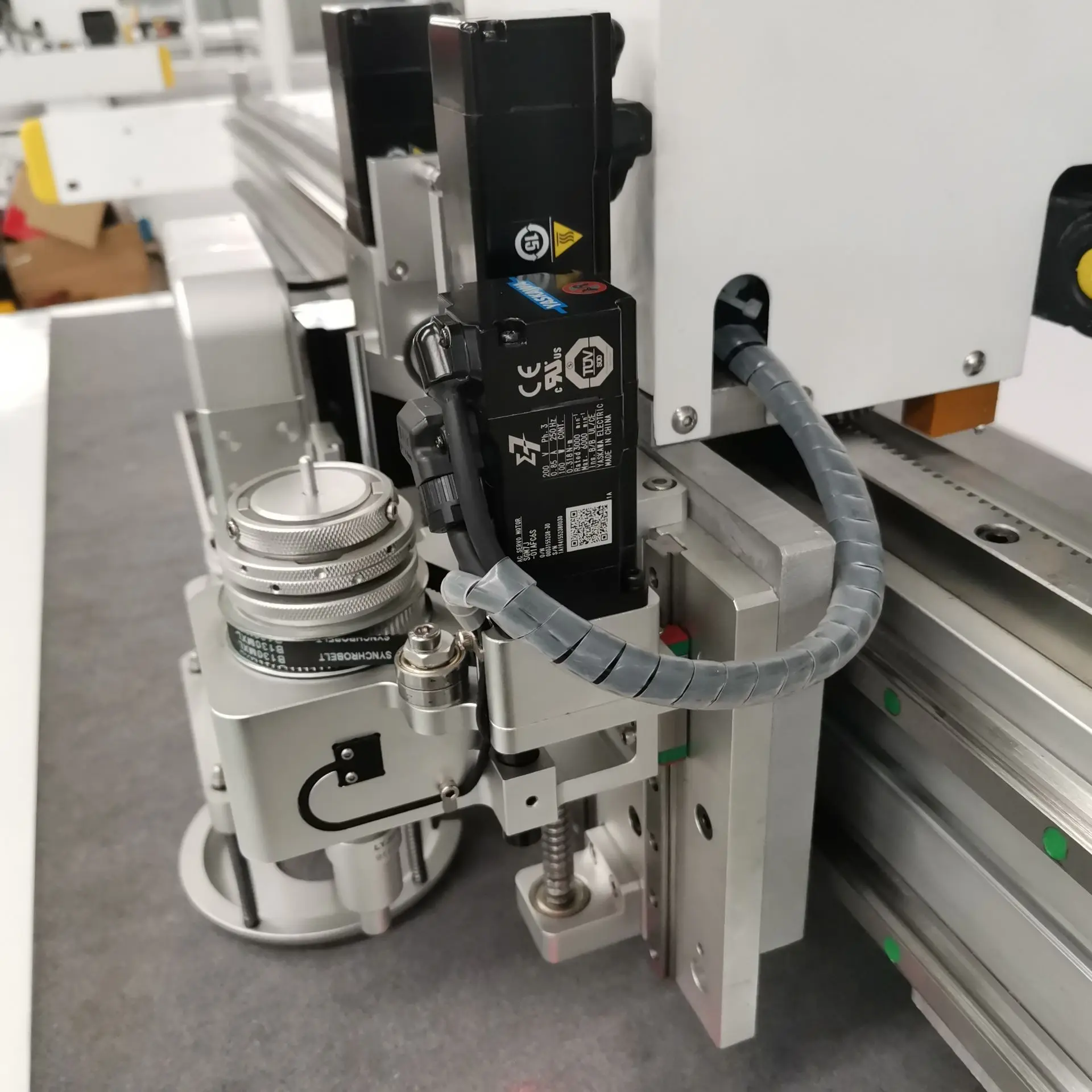
| Transmission System | Digital servo motor, linear guide, synchronous belt, ball screw |
| Rail Option | Taiwan Hiwin |
| Servo Motor Brand Options | Delta or Panasonic (IP67) |
| Tool Head Types | Oscillating knife, pneumatic knife, high-power vibrating knife, circular knife, V-cutting knife, drag knife, creasing wheel, dotted line knife, punching, brush |
| Visual Positioning Options | Small CCD mark point, panoramic camera recognition, projection positioning |
| Working Table | Flat vacuum adsorption (magnesium-aluminum alloy, PVDF coated, anodic and hard oxidation) |
| Vacuum Pump | 7.5 kW, integrated aviation aluminum shell with built-in silencer sponge |
| Safety Devices | Infrared induction blocking, anti-collision beam sensors, emergency stop |
| Optional Configuration | Conveyor belt (Germany imported), auto feeding system |
| Control System | CNC (HP-GL compatible format) |
| Software Language Options | English, Russian, Italian, Chinese (customizable) |
| Cutting Method | Blade physical cutting (no laser, no burnt edge) |
| Assembly State | Fully assembled |
| Warranty | 1 year free warranty, lifetime technical support |
| Standards | CE (referenced in documentation) |
Application Suitability
| Application | Material or Output |
|---|---|
| Corrugated box sample making | Single, double and triple-wall corrugated cardboard, creasing and cutting in one setup |
| Packaging prototype development | Plastic box sheet, PVC, PP, PE, sticker and film |
| Multi-layer carton short runs | Grey board, fiberboard and composite packaging board |
| Graphic display and POP stands | Foam board, honeycomb cardboard and corrugated plastic |
| Gasket and seal prototyping | Rubber, PTFE, ETFE and non-woven sealing materials |
Why a Machine Spec’d Only on Bed Size Will Disappoint on Corrugated
A working area tells you how big a sheet fits on the table, but nothing about whether the blade will cut through triple-wall board cleanly or whether the vacuum will hold a small die-cut insert in place. Buyers who specify a CNC oscillating knife cutting machine based on bed dimensions alone often discover tool head limitations, vacuum dead zones and CCD recognition lag only after the machine lands on their floor. The real specification happens when you match the flute profile, ply count and part geometry to the tool head, vacuum zoning and camera type before the order is placed. [NEED_CITE: corrugated flute profiles and cutting resistance per ply]
Matching Tool Heads to Corrugated Flute Profiles
Single-wall B-flute board cuts cleanly with a standard oscillating knife, while double-wall or triple-wall stacks require a high-power vibrating knife to push through without crushing the flute structure. A creasing wheel mounted on the same carriage scores fold lines in the same pass, eliminating a separate creasing step. Drag knives handle sticker and film overlays applied to the board surface. Selecting the right combination on a single CNC oscillating knife cutting machine carriage avoids tool change downtime during short sample runs.
CCD Positioning for Printed Contour Samples
When a packaging sample includes printed graphics that must align with cut and crease lines, the camera system needs to track registration marks at production speed without losing lock. A small CCD mark-point camera handles pre-printed targets on flat sheets, while panoramic camera recognition scans the full contour of warped or slightly misaligned board. Projection positioning projects the cut path onto the sheet surface so operators can verify alignment visually before the blade engages. The chosen method depends on print registration tolerance and the degree of board distortion after storage. [NEED_CITE: CCD registration accuracy on warped corrugated substrates]
What the Specification Table Actually Means for Your Floor
The 1600 × 2500 mm working area accommodates most standard corrugated sheet sizes used in packaging sample rooms, and the 3450 × 2300 mm overall footprint dictates the clear floor space required around the machine for material loading and part removal. The 7.5 kW vacuum pump with integrated silencer sponge reduces ambient noise in a shared workshop environment where designers and operators work near the cutting table. Repeated accuracy of ≤0.1 mm with Taiwan Hiwin linear guides ensures that crease lines and cut paths stay registered across long production runs, which matters when a sample must match a folding carton die exactly. The 380V ±10% supply requirement must be confirmed against the local grid frequency before shipment, because a 50 Hz motor on a 60 Hz network will run the vacuum pump and servo drives outside their rated envelope. [NEED_CITE: voltage and frequency standards by export market]
The Cost of Guessing the Configuration
A machine quoted with a single oscillating knife head will struggle on double-wall board, leaving crushed flutes and ragged edges that make the sample look unprofessional to the buyer’s client. Insufficient vacuum zoning means small die-cut parts lift off the table during cutting, producing dimensional errors or blade strikes on the table surface. Ordering without a sample cutting report on the actual board stock leaves cutting speed, edge quality and achievable thickness as unknowns until commissioning day. [NEED_CITE: vacuum hold-down force requirements per corrugated ply count]
Why Procurement Conversations Start with the Material
An in-house design team covers both knife cutting and creasing tooling under one roof, so a packaging sample maker does not need to source a separate creasing machine. Tool head and table configurations are specified per material and production volume, meaning a short-run sample room gets a different setup than a high-volume carton die-cutting line. CCD camera positioning options are confirmed against the buyer’s print registration tolerance before the order is finalized. Voltage, plug type and control language are locked down during the specification phase, preventing rework after delivery. Sample cutting on the buyer’s own corrugated board stock is completed before commitment, with a cutting report documenting edge quality, achievable thickness and cycle time. [NEED_CITE: CE machinery directive requirements for industrial cutting equipment]
Documentation & Verification
- Machine specification sheet listing confirmed tool heads and vacuum zone count
- Electrical schematic with voltage and frequency locked to target market
- Sample cutting report on buyer’s corrugated board stock before order
- Tool head and table configuration list matching the quoted material stack
- Software licence and HP-GL file format compatibility note
- Factory test record with repeatability measurement logged per axis
Installation, Commissioning & Support
- Clear floor space of at least 4000 × 3000 mm around the 3450 × 2300 mm machine footprint
- Dedicated 380V ±10% circuit rated for 9 kW continuous draw with correct frequency
- Machine ships fully assembled; requires forklift unloading and leveling on a flat concrete floor
- First-run parameter setting includes vacuum zoning calibration for the buyer’s smallest part size
- Operator training covers tool head changeover, CCD mark-point teaching and crease depth adjustment
- Spare parts list includes oscillating knife blades, creasing wheels and vacuum table seals
What to Prepare Before Requesting a Quotation
Share the corrugated board types, flute profiles and maximum ply count you intend to cut, along with the smallest part dimension in your typical sample layout. Confirm your local voltage, frequency and plug standard, and specify the control language your operators require. If you already use a nesting or CAD workflow, send a sample file so HP-GL compatibility can be verified before the quotation is issued.
Frequently Asked Questions
Q: How do I choose between oscillating knife and high-power vibrating knife for corrugated board?
A: Single-wall and light double-wall flutes cut cleanly with a standard oscillating knife. Triple-wall and heavy double-wall stacks need a high-power vibrating knife to penetrate without crushing the flute. The correct tool head is confirmed by a sample cutting test on your actual board stock before the order is placed.
Q: Which CCD positioning method suits printed corrugated samples?
A: Small CCD mark-point cameras track pre-printed registration targets on flat sheets. Panoramic camera recognition handles warped or slightly misaligned board by scanning the full contour. Projection positioning lets the operator verify the cut path visually before the blade engages.
Q: Does vacuum zoning affect small die-cut parts on corrugated board?
A: Yes. If a vacuum zone is larger than the part, suction leaks around the edges and hold-down force drops. The zone layout must be specified so that the smallest part in your sample set sits fully within an active vacuum zone during cutting.
Q: What must I confirm about voltage and frequency before shipment?
A: The standard supply is 380V ±10%, but the frequency (50 Hz or 60 Hz) must match your local grid. Plug type and control software language also need to be confirmed during specification, because changing them after dispatch requires electrical rework and software reloading.
Q: What does the sample cutting report cover?
A: It documents the cutting edge quality, achievable thickness, cutting speed and crease line accuracy on your own corrugated board stock. This report is completed before order commitment so you know the machine configuration will handle your actual production material.


商品评价
Clear filtersThere are no reviews yet.