


Fast Shipping
Carrier information

20k products
Payment methods

24/7 Support
Unlimited help desk

2-day Delivery
Track or off orders
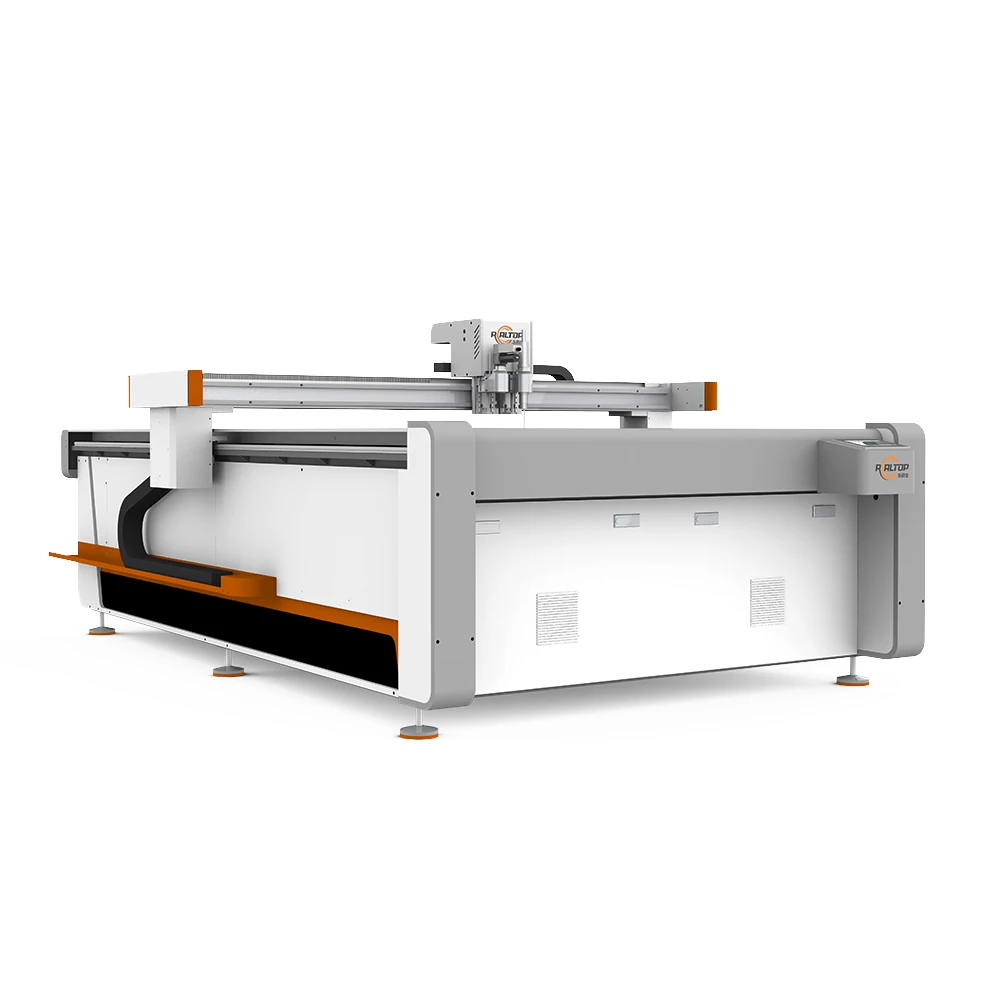
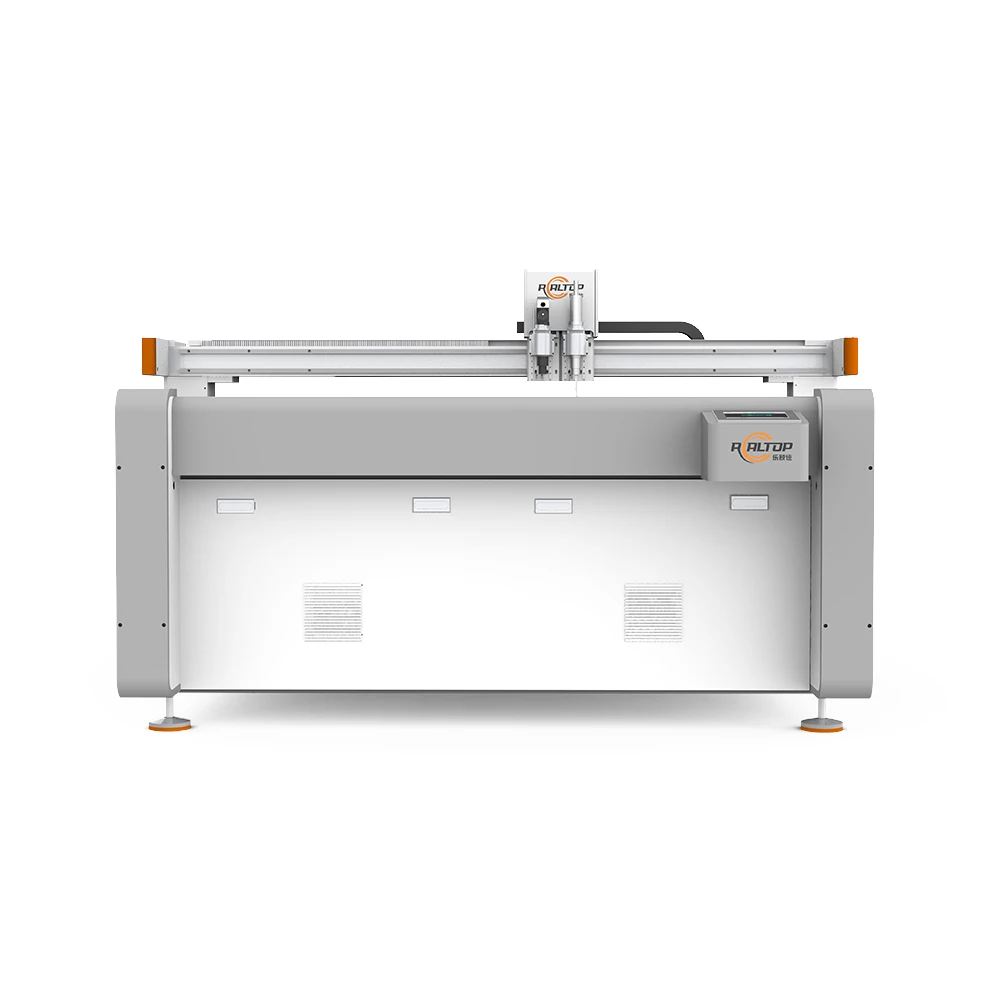
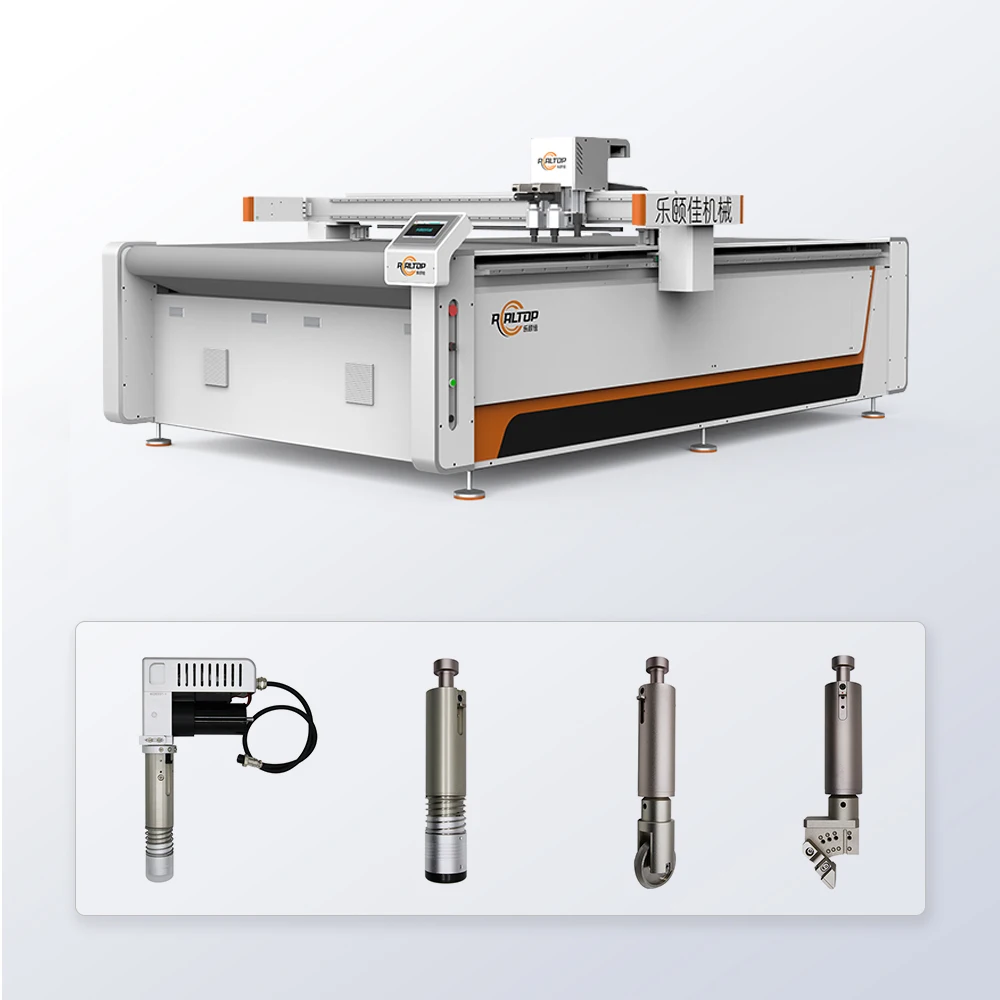
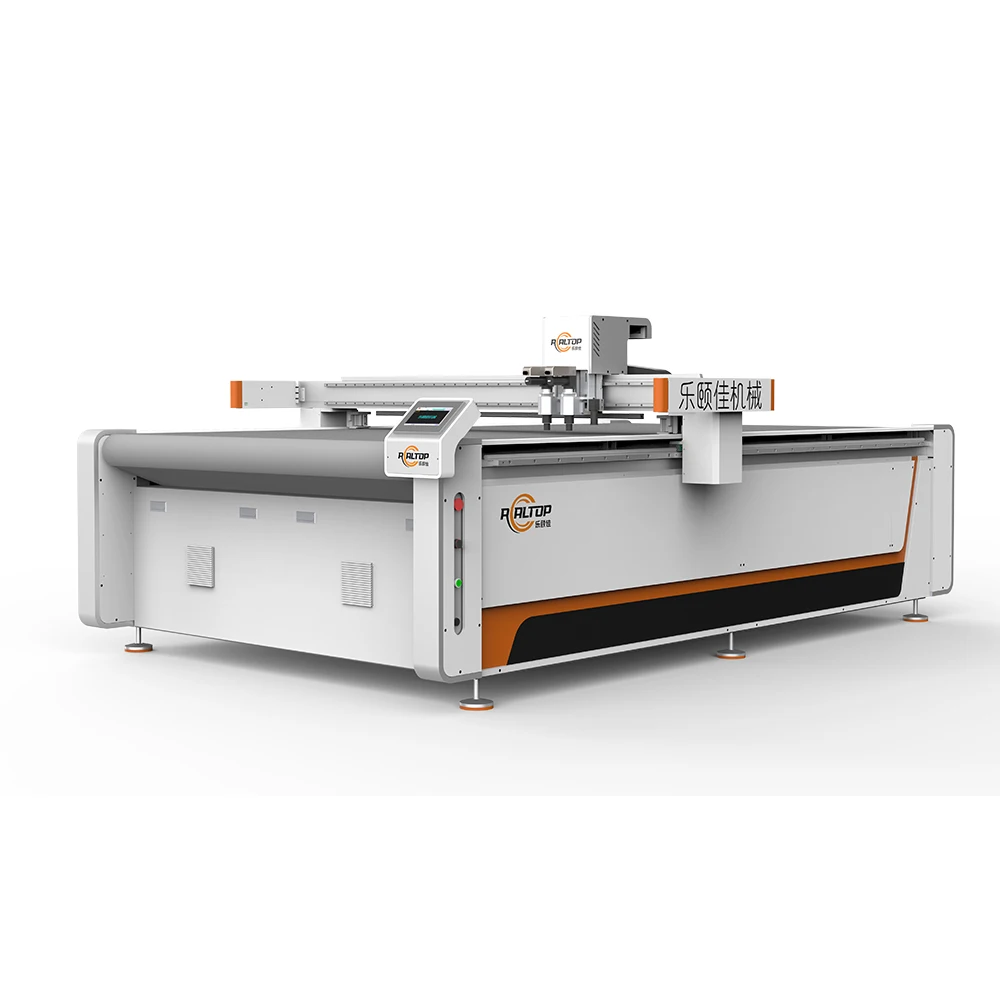
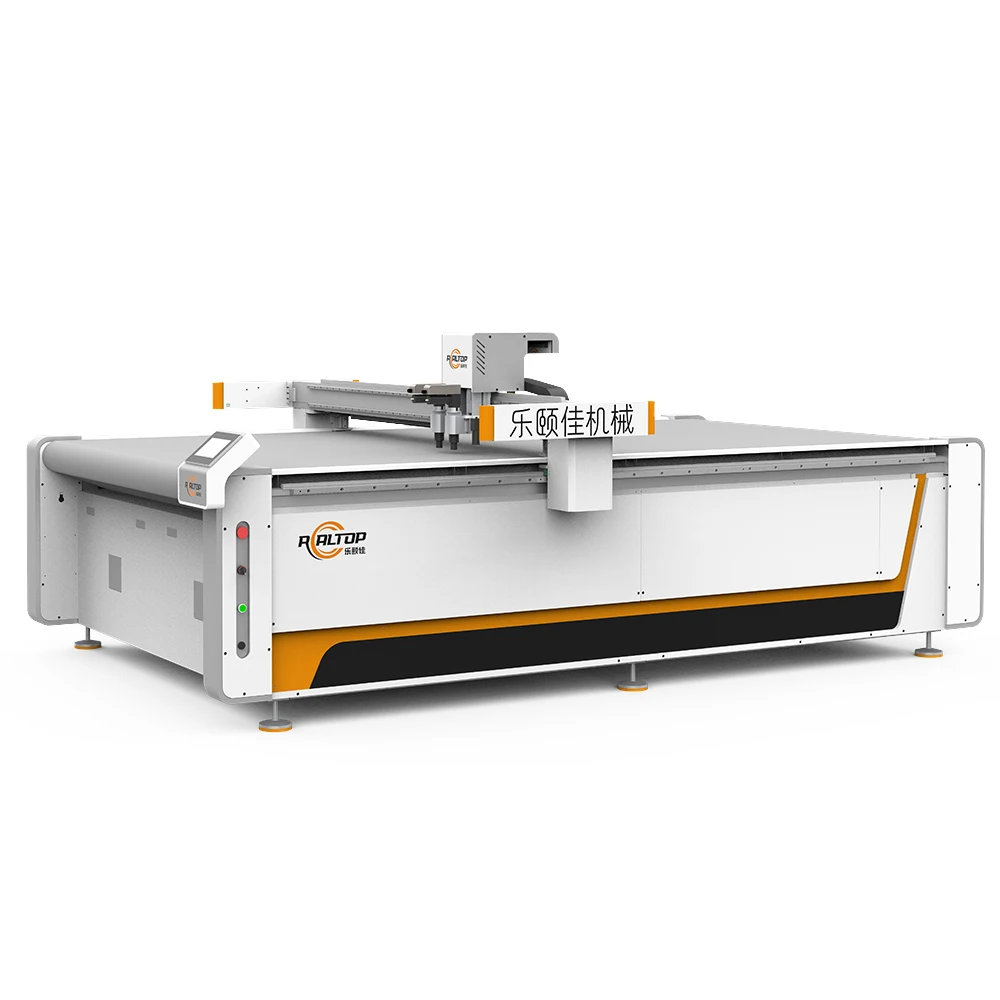
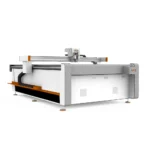
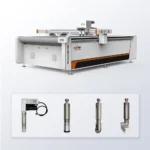
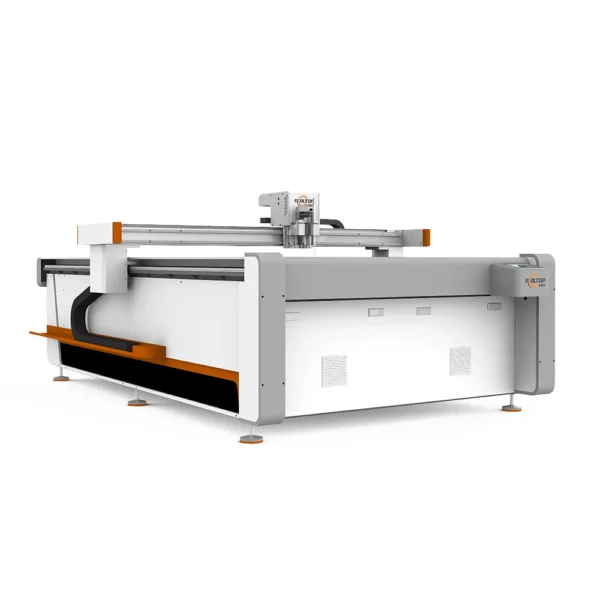
Multi-Tool Head Configuration — The 1625 (STD) flatbed digital cutting machine matches oscillating knife, creasing wheel, V-groove knife and milling tool to your specific cardboard and packaging material stack rather than forcing a single cutting method.
Technical Specifications
| Parameter | Value |
|---|---|
| Model | 1625 (STD) |
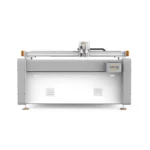
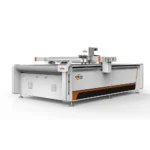
| Product Type | Flatbed Digital Cutting Machine / Oscillating Knife Cutting Table |
| Cutting Area | 1600 × 2500 mm |
| Cutting Thickness | Up to 40 mm |
| Cutting Speed | 0 – 1500 mm/s |
| Cutting Accuracy | ±0.1 mm |
| Tools Available | Oscillating knife, Driven rotary knife, Creasing wheel, Kiss cutting tool, Pneumatic knife, Milling tool, V-groove knife |
| Vacuum Table | Aluminum bellows vacuum table |
| Vacuum Pump | 9 kW |
| Machine Frame | Heavy-duty frame with precision-ground surface |
| Control System | PLC control panel with dedicated packaging box structure design software |
| Servo Motors | Multiple options (Panasonic, Delta, Dorna) (source value — verify against manufacturer catalog) |
| Voltage Options | 110V, 220V, 380V (configurable before shipment) |
| Profile Format | PLT, DXF, AI, PDF |
| Safety Device | Infrared sensor device and emergency stop device |
| Machine Size | 3300 × 2100 × 1350 mm |
| Language Options | English, Russian, Italian, Chinese (special languages customizable) |
| Certifications | CE |
Application Suitability
| Application | Material or Output |
|---|---|
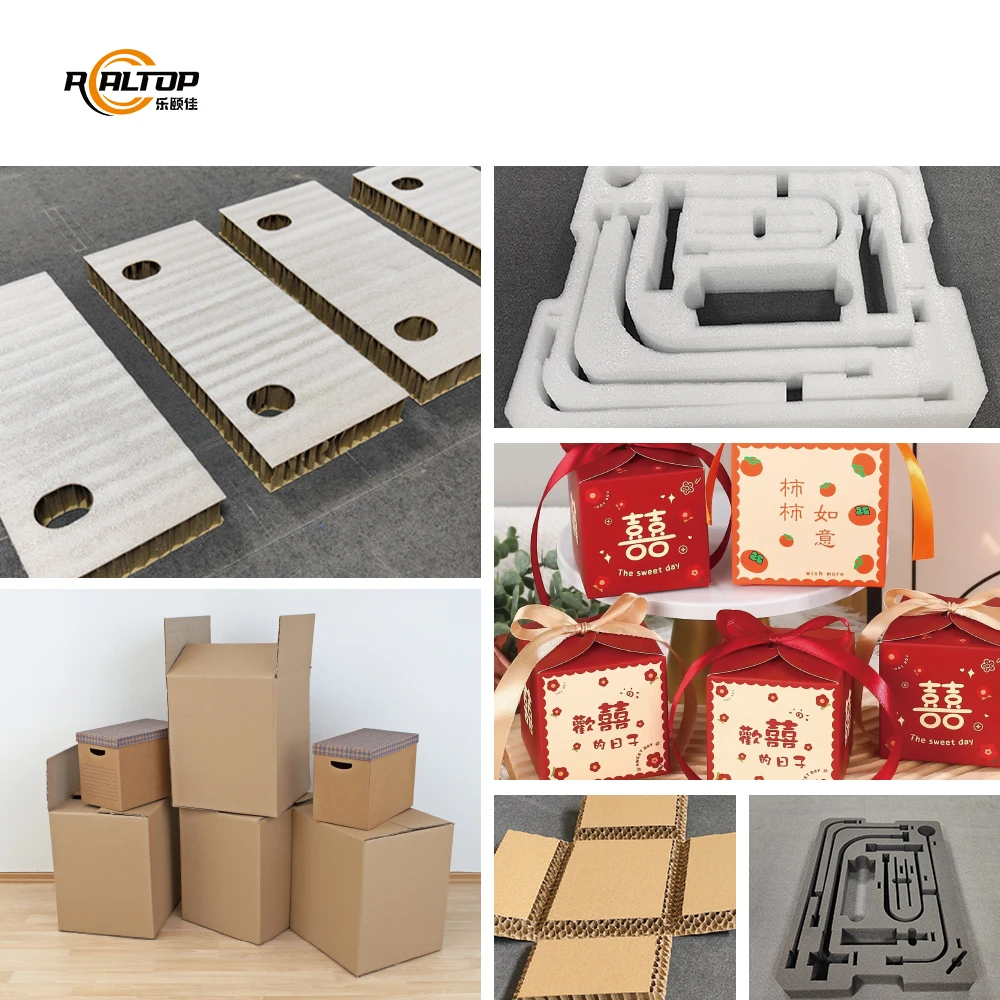
| Packaging sample making | Single-wall and double-wall corrugated cardboard, folding carton stock, greyboard up to 40 mm |
| Display and POS production | Foam board, honeycomb paper, PVC foam, corrugated plastic |
| Gasket and seal cutting | PTFE, rubber, compressed fiber sheet, aramid composite |
| Automotive interior components | Sound insulation foam, carpet backing, non-woven felt |
| Footwear and luggage components | Leather, synthetic leather, EVA foam, textile uppers |
| Composite panel processing | Carbon fiber prepreg, fiberglass mat, aramid fiber sheets |
Why Your Sample Board Dictates Every Machine Setting
The CNC oscillating knife cutting table specifications you need become clear only after cutting your actual production material, not a generic sample.
I have stood in workshops in Amman where a machine was signed off on standard three-layer corrugated board, then the buyer switched to five-layer double-wall stock for their real orders. The knife pressure was insufficient to cut through, the creasing wheel depth fell short, and every parameter had to be recalibrated under production pressure [NEED_CITE: typical corrugated board flute profile differences between single and double wall]. That kind of miscalculation delays seasonal shipments and erodes buyer trust. The 1625 (STD) is specified per material and volume from the start so the configuration you pay for is the configuration you actually run.
Tool Head Selection Against Material Behavior
Different packaging materials demand distinct cutting actions. An oscillating knife handles corrugated cardboard and thick foam without crushing the flute structure, while a driven rotary knife suits continuous long cuts on thinner stock. A creasing wheel scores fold lines on carton without breaking the surface fiber, and a V-groove knife produces sharp-angle folds on rigid board. The 1625 (STD) supports all these tool heads, allowing configuration around the materials that dominate your daily production.
Vacuum Hold-Down for Small Geometry Parts
When cutting small carton inserts or narrow gasket strips, a single-zone vacuum table lets edges lift under knife force, producing dimensional drift and ragged edges. The aluminum bellows vacuum table on this flatbed digital cutting machine maintains consistent suction across its surface area, holding small parts flat throughout the cut cycle [NEED_CITE: vacuum hold-down requirements for CNC cutting of small geometry parts]. The 9 kW pump delivers the suction capacity needed for dense corrugated stock without requiring a separate compressor.
Reading the Specs That Matter in Production
Cutting accuracy at ±0.1 mm means the die-free sample you produce fits the same registration as a production die-cut run, so your client approves the sample knowing the final order matches. The 0–1500 mm/s cutting speed range is configurable per tool head and material: a creasing wheel on 300 gsm carton runs slower than an oscillating knife on foam board to maintain crease integrity. The PLC control panel integrates dedicated packaging box structure design software that imports PLT, DXF, AI and PDF files directly, removing the conversion step that often loses layer and fold-line data. Voltage options of 110V, 220V and 380V are confirmed before production, matching the buyer’s workshop supply without a post-delivery transformer workaround.
What Happens When Configuration Is Skipped
Choosing a machine on working area alone is the most common route to a production floor problem. A table that accommodates your sheet size but lacks the correct tool head produces crushed corrugated flutes on double-wall board or frayed edges on technical textiles. Insufficient vacuum zoning causes thin PVC or small gasket pieces to shift mid-cut, pushing dimensions outside the ±0.1 mm tolerance and scrapping the batch. Software that cannot import your existing nesting files means redrawing every pattern, adding hours to each job changeover [NEED_CITE: common CNC cutting machine configuration mismatches at installation].
Why Procurement Goes Through This Equipment Line
In-house design covers both knife and laser cutting technologies, so the cutting method is matched to your material rather than forced into whichever machine is available. Tool head and table configurations are specified against your material type, thickness and daily volume, not offered as a fixed package. CCD camera positioning is available for printed contour work on pre-printed carton and signage boards. Software compatibility with your existing PLT, DXF, AI or PDF nesting workflow is confirmed before the order goes into production. Sample cutting on your own material is completed and documented before you commit, verifying edge quality, depth and cycle time against your production standard.
Documentation & Verification
- Machine specification sheet listing tool head and table configuration matched to your material
- Electrical schematic with voltage and phase confirmed for your workshop supply
- Sample cutting report on your own cardboard or packaging material before order
- Factory test record showing cutting accuracy and cycle time on your production pattern
- Operation and maintenance manual in your selected control language
- Software licence and file format compatibility note for your existing workflow
Installation, Commissioning & Support
- Machine footprint of 3300 × 2100 mm requires a level floor with clearance for sheet loading on the 1600 × 2500 mm table
- Dedicated electrical circuit matching confirmed voltage (110V, 220V or 380V) before power-on
- 9 kW vacuum pump wired on a separate breaker to avoid voltage drop during cutting cycles
- PLC control panel parameter setup calibrated to your specific cardboard thickness and tool head combination
- Operator training covering tool changeover, nesting software import and vacuum zone configuration
- Spare parts list covering oscillating knife blades, creasing wheel inserts and vacuum table seals
Preparing Your Inquiry
Send the actual cardboard grades and thicknesses you run in production, not a generic sample. Specify your daily sheet volume, target creasing and cutting patterns, and any existing nesting software or file formats in your workflow. Confirm your workshop voltage, frequency and preferred control panel language so the 1625 (STD) arrives configured for your floor from day one.
Frequently Asked Questions
Q: How do I select the right tool head for my cardboard and packaging material?
A: Corrugated cardboard up to 40 mm typically requires an oscillating knife to avoid flute crushing, while folding carton suits a creasing wheel for fold lines and a kiss cutting tool for perforations. The tool head is matched to your material type, thickness and edge quality requirement during the specification stage before production begins.
Q: How does vacuum table zoning handle small packaging parts?
A: The aluminum bellows vacuum table on the 1625 (STD) provides consistent hold-down across its working area, with a 9 kW pump delivering sufficient suction for small carton inserts and narrow strips that would otherwise lift during cutting and cause dimensional drift.
Q: Which voltage and language options are confirmed before shipment?
A: Voltage is selectable from 110V, 220V or 380V to match your workshop supply, and the control panel language — including English, Russian, Italian, Chinese or a custom language — is set before dispatch so operators can begin work immediately on arrival.
Q: Can I send my own material for sample cutting before committing?
A: Yes. You send your actual production cardboard or packaging material, and a sample cutting report is produced documenting edge quality, cutting depth, crease integrity and cycle time against your specifications before you place the order.
Q: What file formats and nesting workflows does the software support?
A: The dedicated packaging box structure design software imports PLT, DXF, AI and PDF files directly. Compatibility with your existing nesting workflow is confirmed during the specification stage to prevent data loss or redraw delays at installation.


商品评价
Clear filtersThere are no reviews yet.