

Fast Shipping
Carrier information

20k products
Payment methods

24/7 Support
Unlimited help desk

2-day Delivery
Track or off orders
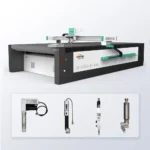
Custom tool head specification — every gasket material we cut gets matched with a knife profile, oscillation frequency and vacuum zoning plan based on sample testing before the machine is built.
Technical Specifications
| Parameter | Value |
|---|---|
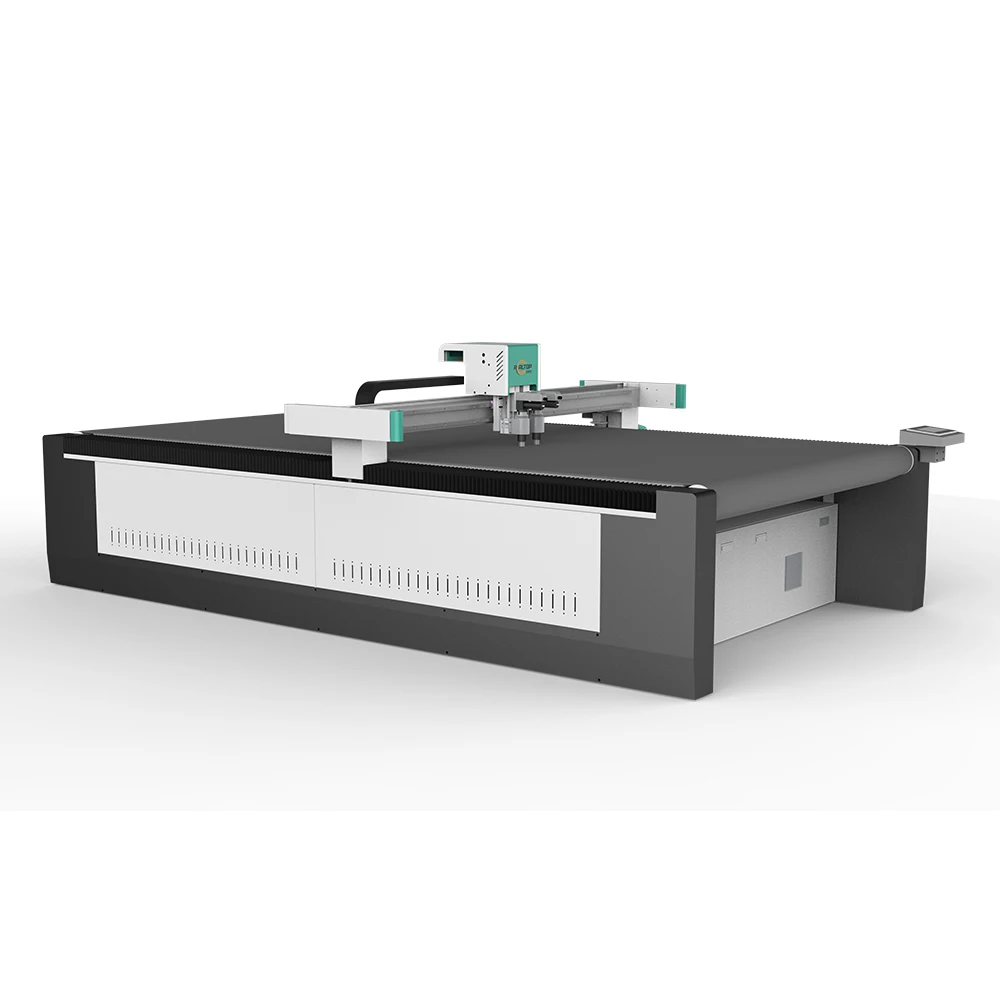
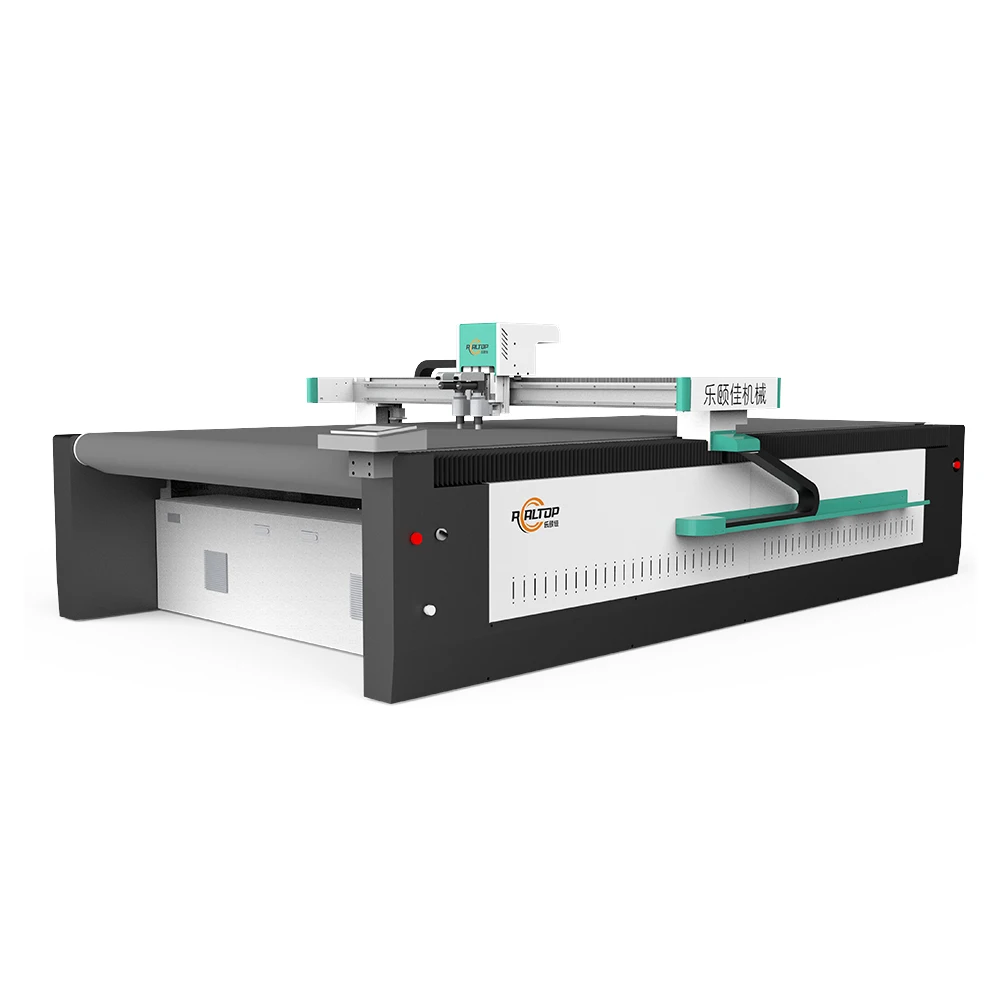
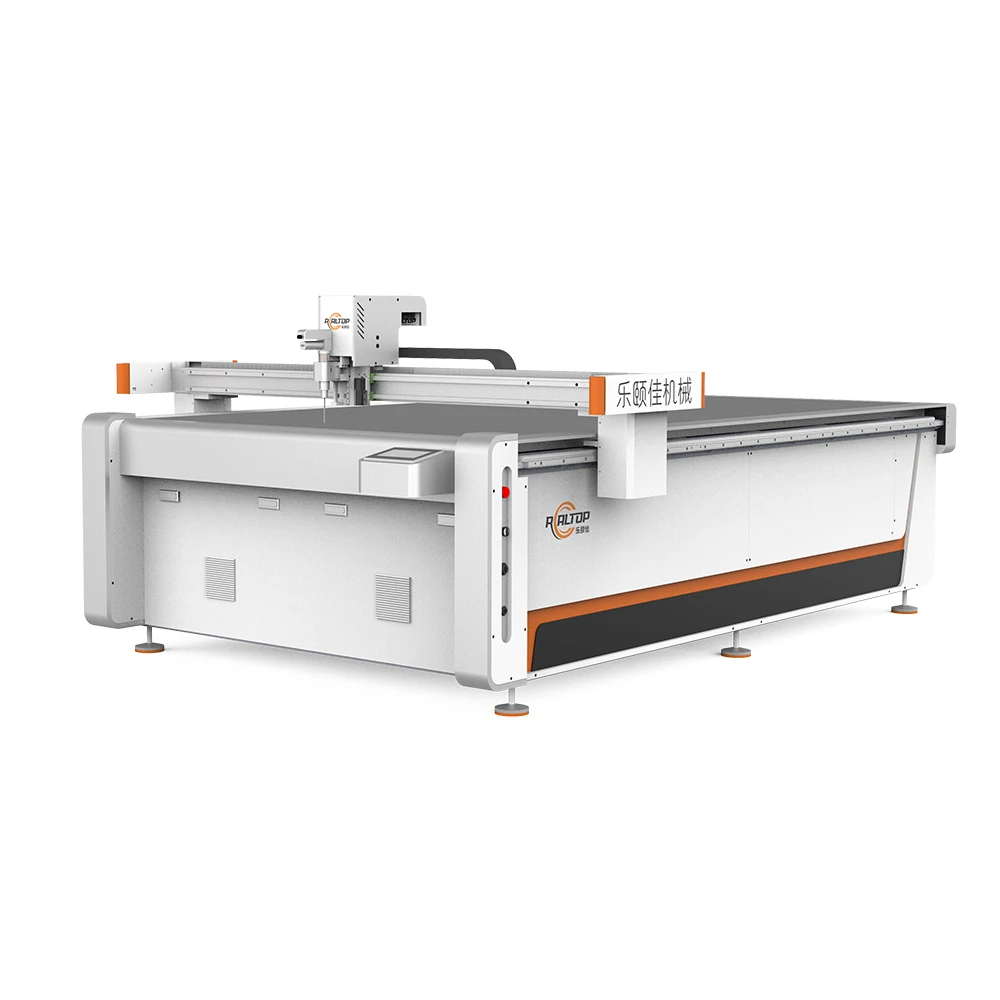
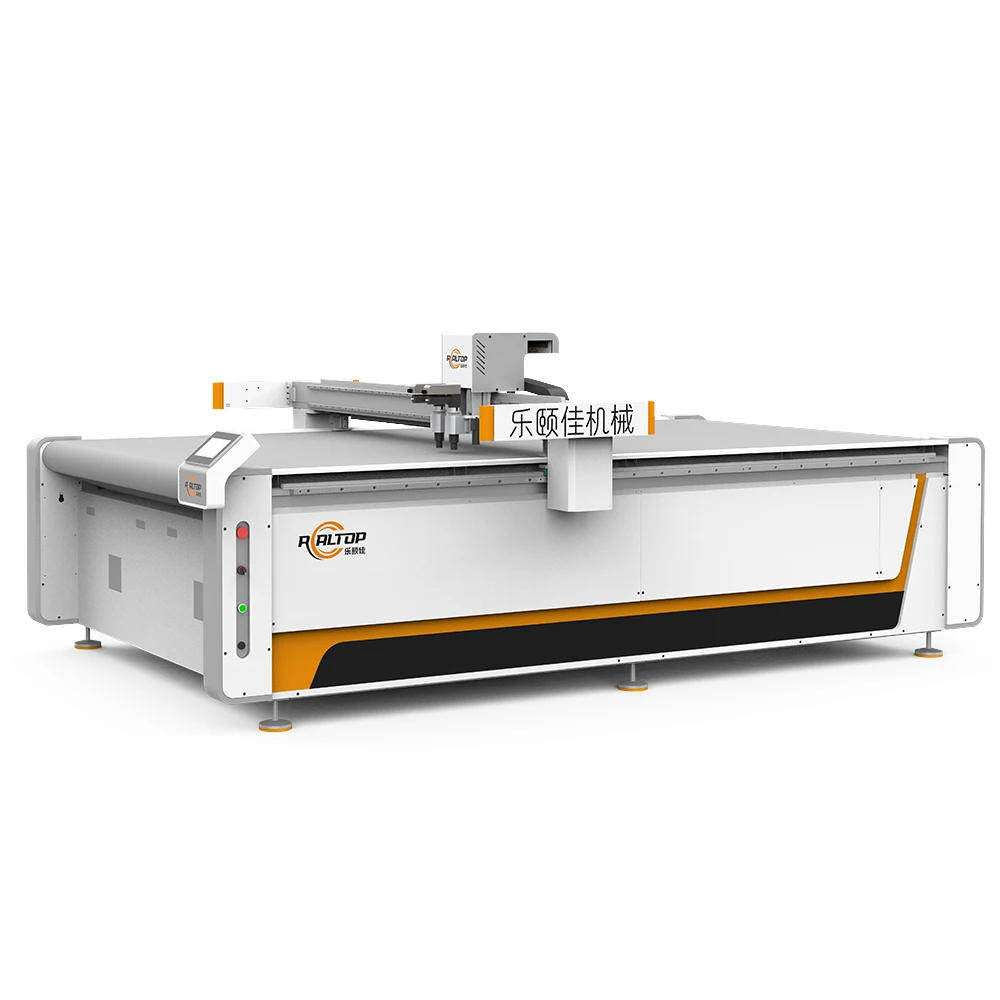
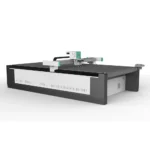
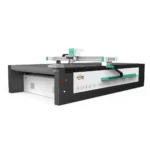
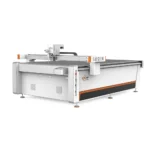
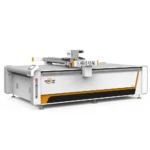
| Product Type | CNC Oscillating Knife Gasket Cutting Machine |
| Working Area | 1600 × 2500 mm |
| Cutting Thickness Capacity | ≤ 30 mm |
| Cutting Accuracy | ±0.1 mm |
| Maximum Cutting Speed | 0–2000 mm/s |
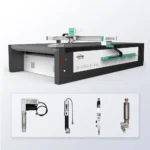
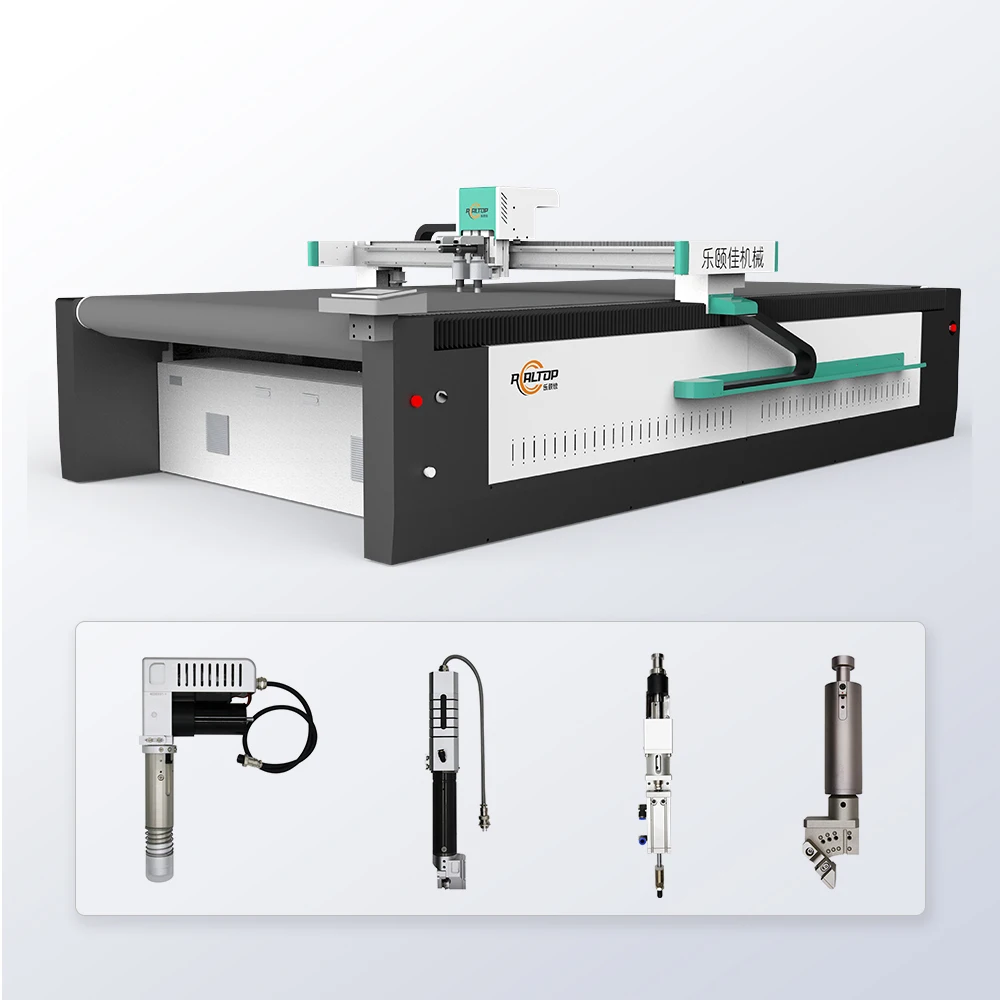
| Tool Head Options | Oscillating knife, Driven rotary knife, Creasing wheel, Kiss cutting tool, Pneumatic knife, Milling tool, V groove knife |
| Vacuum Table Type | Aluminum bellows vacuum table |
| Vacuum Pump Power | 9 kW |
| Control System | PLC control panel with optional display languages |
| Servo Motor Options | Panasonic, Delta, Dorna (basis to be confirmed) |
| Voltage Options | 110V, 220V, 380V |
| Supported File Formats | PLT, DXF, AI, PDF |
| Safety Devices | Infrared sensor device, emergency stop device |
| Machine Dimensions | 3300 × 2100 × 1350 mm |
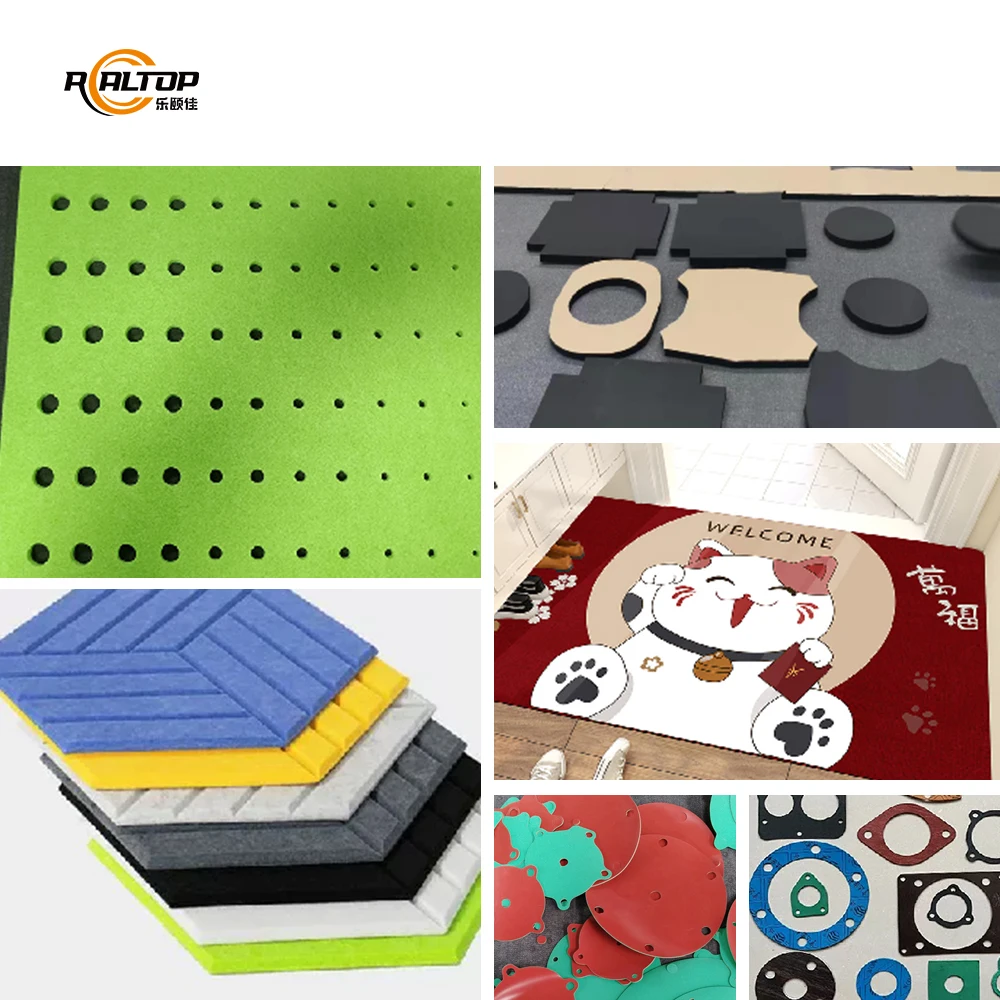
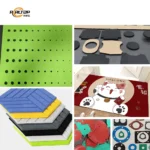
| Applicable Materials | Fabric, Cardboard, Carton, Mats, PVC, EVA, Leather, Acrylic, Foam, PTFE, Rubber |
Application Suitability
| Application | Material or Output |
|---|---|
| Aerospace gasket and seal cutting | Carbon fiber prepreg, aramid honeycomb, ceramic fiber composites |
| Automotive sealing components | Sealing strips, acoustic felt, damping pads, battery insulation sheets |
| Industrial pipeline and machinery gaskets | PTFE, rubber, composite non-asbestos fiber sheets |
| Wind power insulation fabrication | Mica board, epoxy glass cloth laminates, insulation composites |
| Sporting goods composite cutting | Foam-core sandwich panels, EVA midsole blanks, carbon reinforcement patches |
What "Cutting Thickness ≤ 30mm" Actually Means for Your Gasket Material
The rated thickness is a mechanical ceiling, not a guarantee across every composite you run.
I remember a customer cutting steel-reinforced asbestos gaskets who bought a CNC oscillating knife gasket cutting machine based on the working area alone. Their material was well under the thickness limit, but the wire mesh reinforcement chewed through knife edges at a rate that brought production to a stop within weeks. The specification matched on paper. The reality on the shop floor told a different story. A cold-cutting CNC oscillating knife gasket cutting machine handles most fiber and elastomer gasket stock cleanly, but composite materials with metallic or mineral reinforcement need a different tool head conversation altogether [NEED_CITE: abrasive wear rates on oscillating knife edges cutting reinforced composites].
Cold-Cutting Process and Composite Integrity
Thermal cutting methods leave a heat-affected zone on gasket edges, which changes the sealing properties of materials like PTFE, aramid fiber and compressed non-asbestos sheet. The oscillating knife process here is entirely mechanical. The blade vibrates at high frequency to slice through the material without generating friction heat, so the cut edge retains the original compressibility and recovery characteristics the gasket was engineered for. This matters when a flange gasket must maintain its seal across thermal cycling and bolt-load variation in service.
Interchangeable Tool Heads for Material-Specific Gasket Work
A single gasket shop often runs PTFE one day, compressed fiber the next, and rubber sheet the day after. Each of those materials responds differently to blade geometry and oscillation frequency. The tool head options on this machine — oscillating knife, driven rotary knife, pneumatic knife, milling tool and V groove knife — let the operator match the cutting action to the material structure rather than forcing a compromise. A driven rotary knife handles continuous-curve profiles in thin rubber cleanly, while a pneumatic knife delivers the downward force needed for denser compressed fiber stock [NEED_CITE: tool head selection criteria for industrial gasket materials].
Reading the Specification Sheet Against Your Production Reality
The 1600 × 2500 mm working area accommodates full sheets of standard gasket material, reducing the need for pre-cutting or panel joins on large flange gaskets. The ±0.1 mm cutting accuracy is relevant when producing sealing components for high-pressure hydraulic or pneumatic systems, where dimensional drift causes leak paths. The 9 kW vacuum pump paired with an aluminum bellows vacuum table provides the hold-down force needed to keep thin gasket sheets flat during cutting, though zoning configuration determines whether small stamped gasket parts stay secure or lift at the edges during high-speed passes [NEED_CITE: vacuum hold-down requirements for thin flexible gasket materials].
The Hidden Cost of Skipping the Sample Cut
When a buyer commits to a gasket cutting configuration without sending material for a sample test, the tool head selection is a guess. A wrong blade profile produces frayed edges on fiber composites, crush marks on foam-core gaskets, or delamination on multi-layer sealing laminates. The machine runs, the parts come off the table, but the edge quality triggers rejection at the assembly stage. Fixing that after delivery means a site visit, new tooling and lost production days [NEED_CITE: edge quality rejection rates in gasket manufacturing].
Why This Configuration Path Works for Gasket Producers
The in-house design team covers both knife and vacuum table engineering, so tool head selection and table zoning are specified together against your material stack rather than treated as separate line items. Every order starts with a sample cutting report on the buyer’s actual gasket stock, documenting knife type, speed setting, edge quality and cycle time before the configuration is locked. Software compatibility with PLT, DXF, AI and PDF nesting workflows is confirmed before the build begins, so your existing design files transfer without conversion errors. Voltage, plug type and control language are finalized before shipment to match the destination workshop’s electrical infrastructure and operator requirements.
Documentation & Verification
- Sample cutting report on your specific gasket material with edge quality photographs
- Tool head and vacuum table configuration list matched to your material thickness range
- Electrical schematic and voltage confirmation document for your local power supply
- Software licence with PLT, DXF, AI and PDF file format compatibility verification
- Factory test record on your gasket profile before machine dispatch
- Operation and maintenance manual in your selected control language
Installation, Commissioning & Support
- 3300 × 2100 mm footprint requires level concrete floor with clearance for sheet loading on both long sides
- 9 kW vacuum pump draws dedicated circuit separate from the PLC and servo drive supply
- Machine ships with table and frame assembled; vacuum pump and control cabinet connect on site
- First-run parameter setting includes vacuum zoning calibration for your smallest gasket part size
- Operator training covers tool head changeover procedure and blade replacement intervals
- Spare parts list includes oscillating knife blades, rotary knife discs and vacuum table seal strips
Before You Request a Quote
To specify a CNC oscillating knife gasket cutting machine accurately, we need your gasket material type, typical sheet thickness, the smallest and largest gasket profile dimensions you produce, and your local voltage and frequency standard. If you run reinforced or abrasive composite stock, send a sample sheet so we can run cutting trials and document the tool head selection before the machine configuration is finalized.
Frequently Asked Questions
Q: How do I select the right tool head for my gasket material?
A: Tool head selection depends on material composition, thickness and edge quality requirement. Fiber composites typically use an oscillating knife, thin rubber sheets cut cleanly with a driven rotary knife, and denser compressed stock needs a pneumatic knife for adequate downward force. We run a sample cut on your material before specifying the tool head.
Q: Will small gasket parts lift off the vacuum table during cutting?
A: Small parts lift when vacuum zoning is not configured for their size. The aluminum bellows vacuum table on this machine supports zoning adjustment so suction concentrates under the cutting path. We test your smallest gasket profile during sample cutting to confirm hold-down before finalizing the table setup.
Q: Can the software import my existing nesting files?
A: The control system supports PLT, DXF, AI and PDF file formats. We verify compatibility with your specific nesting software output before the order is confirmed, so your existing gasket profiles and nesting layouts transfer without file conversion or re-drawing.
Q: How is cutting accuracy verified on composite gasket materials?
A: The ±0.1 mm accuracy specification is validated during the factory test using your material and gasket profile. We measure finished part dimensions against your drawing tolerances and document the results in the factory test record that ships with the machine.


商品评价
Clear filtersThere are no reviews yet.