


Fast Shipping
Carrier information

20k products
Payment methods

24/7 Support
Unlimited help desk

2-day Delivery
Track or off orders
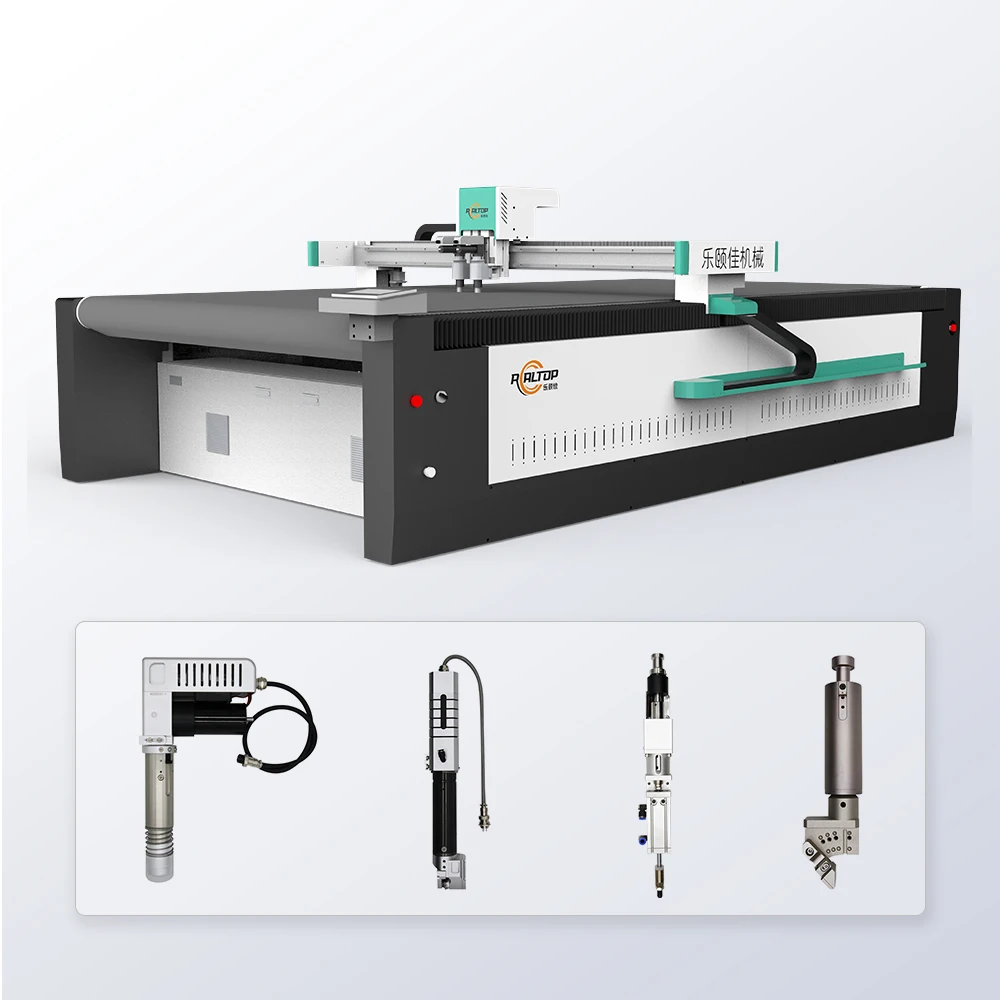
Configurable tool heads — matched to your gasket density and thickness, with sample cutting on your actual material before we schedule production.
Technical Specifications
| Parameter | Value |
|---|---|
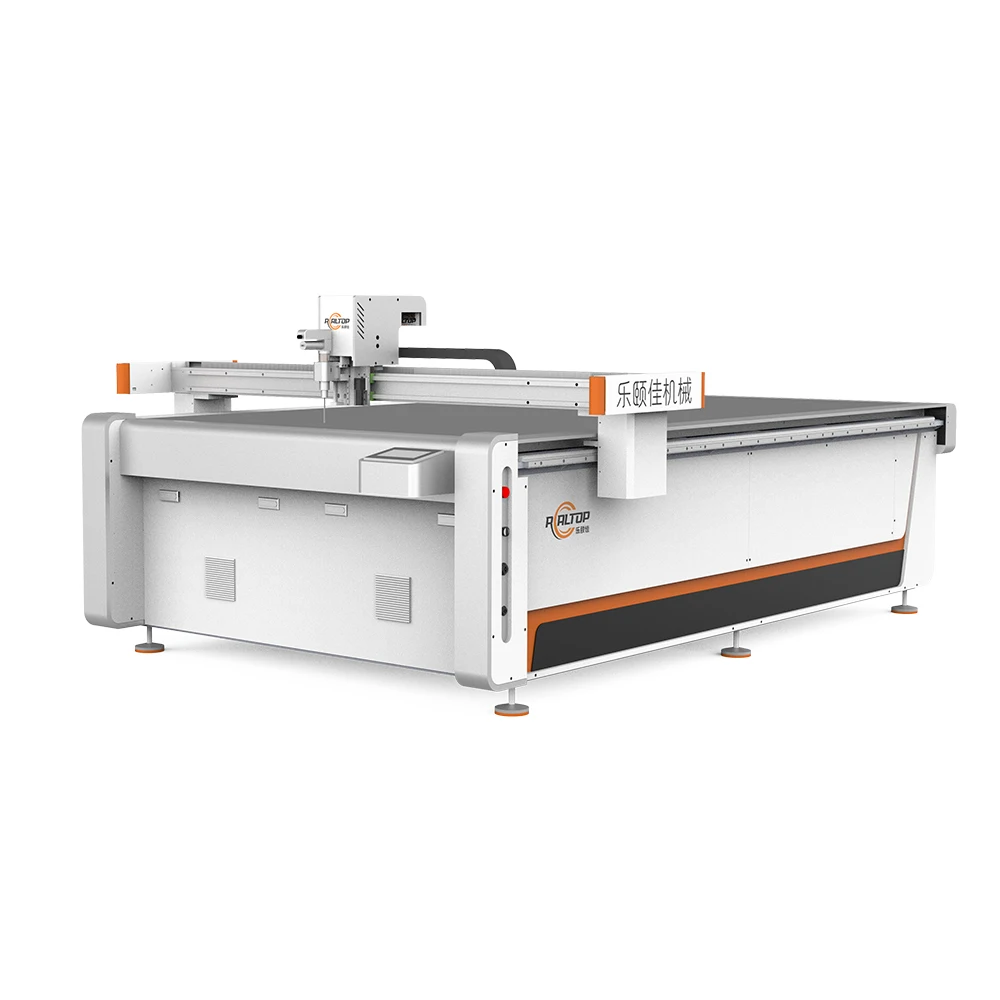
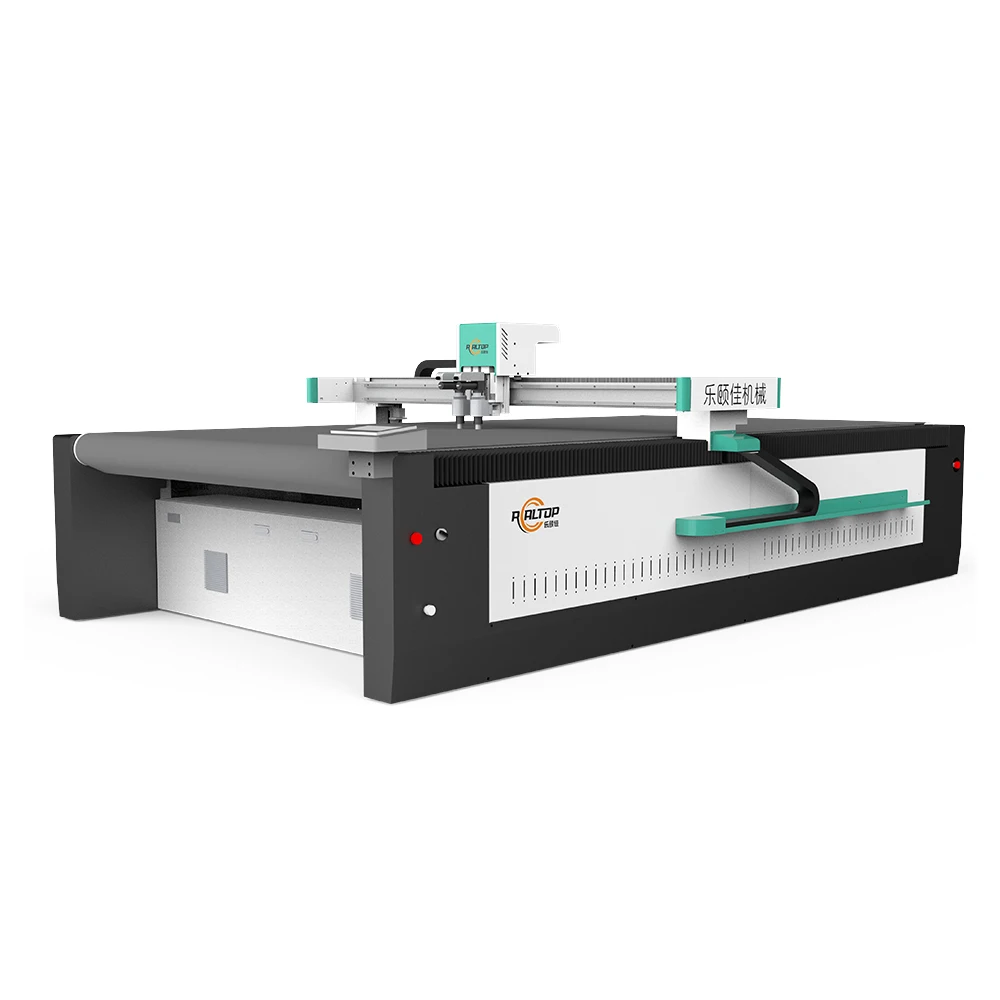
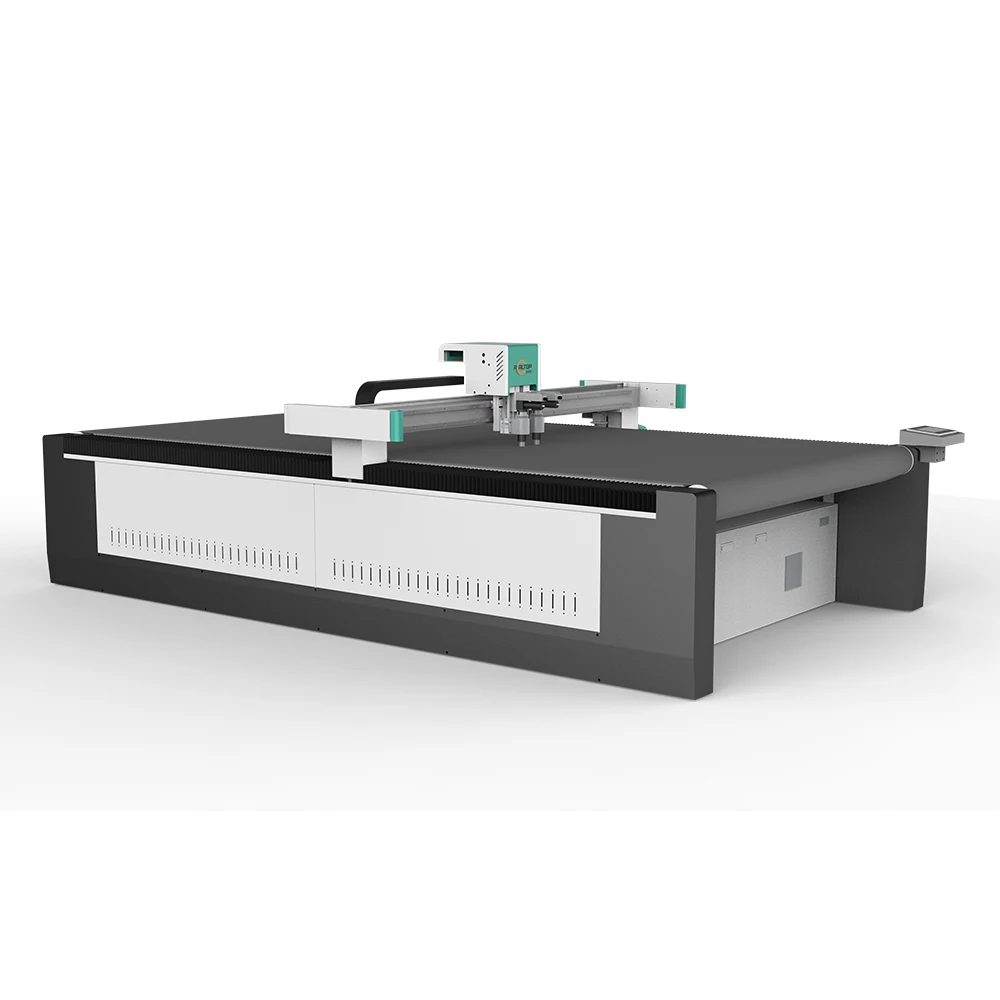
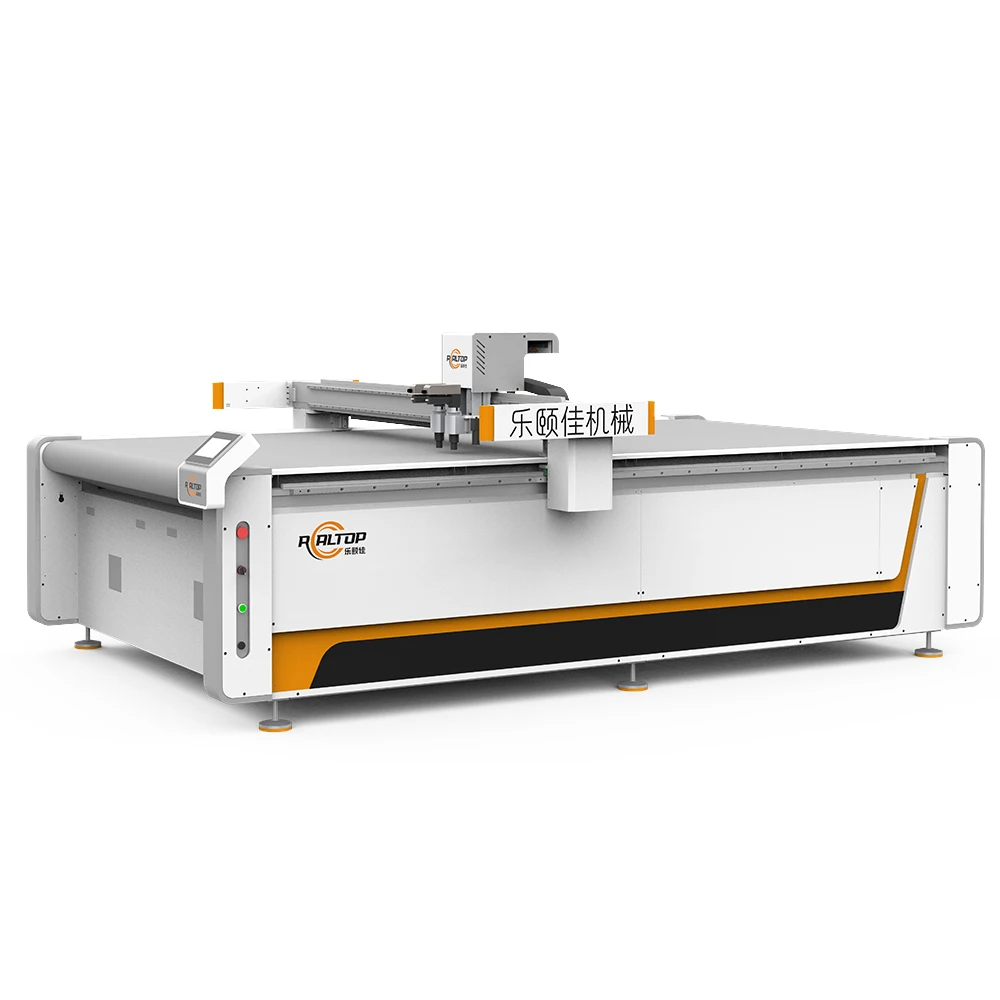
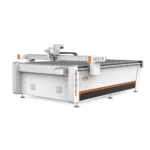
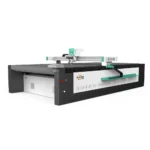
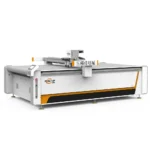
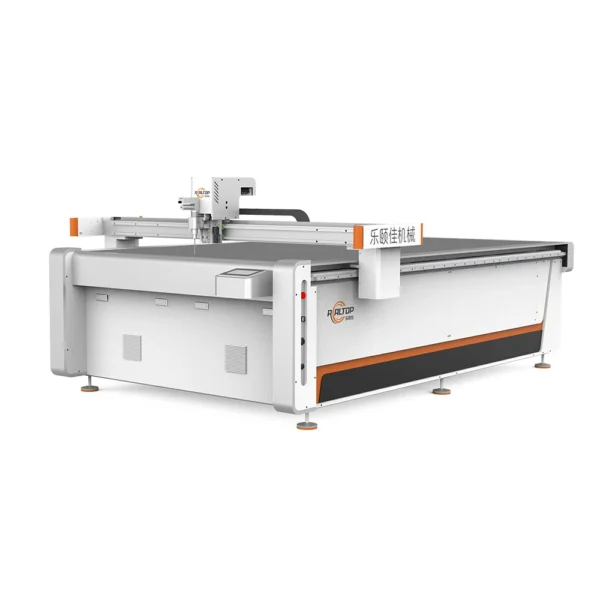
| Product Type | CNC Oscillating Knife Cutting Machine |
| Working Area | 1600 × 2500 mm |
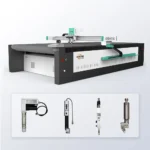
| Available Tool Heads | Oscillating knife, Driven rotary knife, Creasing wheel, Kiss cutting tool, Pneumatic knife, Milling tool, V-groove knife |
| Cutting Thickness Range | Up to 30 mm |
| Cutting Speed | 0–2000 mm/s |
| Positional Accuracy | ±0.1 mm |
| Vacuum Pump Power | 9 kW |
| Control System | PLC control panel |
| Compatible File Formats | PLT, DXF, AI, PDF |
| Voltage Options | 110V / 220V / 380V (configurable) |
| Safety Devices | Infrared sensor, emergency stop |
| Overall Dimensions | 3300 × 2100 × 1350 mm |
| Language Options | English, Russian, Italian, Chinese, custom available |
| Certification Basis | CE (scope to be confirmed per configuration) |
Application Suitability
| Application | Material or Output |
|---|---|
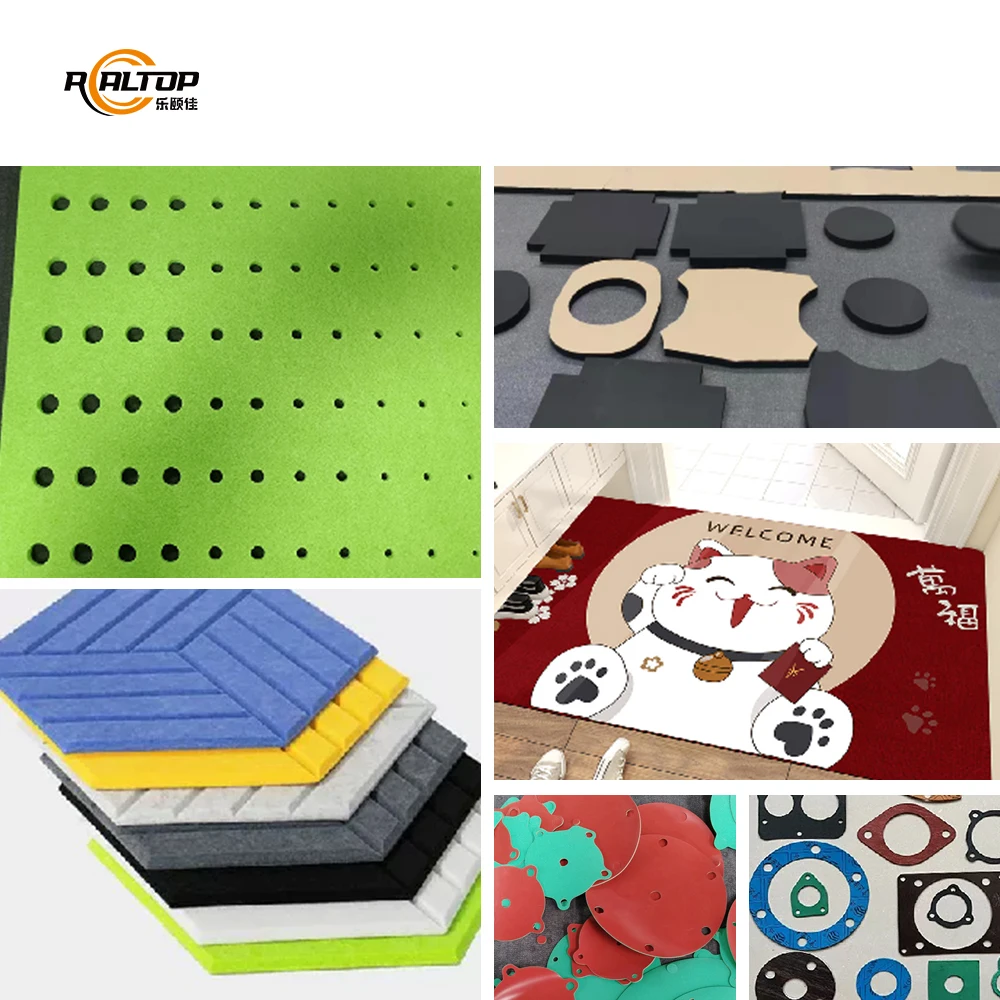
| Aerospace gasket and seal production | Composite prepreg, aramid honeycomb, PTFE sheets |
| Automotive interior and sealing components | Acoustic felt, damping pads, carpet, rubber gaskets |
| Rail transportation acoustic and damping materials | Multi-layer felt, closed-cell foam, composite boards |
| Wind power blade core preforms | PVC foam core, infusion mesh, balsa contour boards |
| Sporting goods composite fabrication | Carbon fiber prepreg, fiberglass sheets, EVA foam |
What the Spec Sheet Doesn’t Tell You About Tool Head Selection
Picking the cutting tool before confirming your exact gasket material is the single most common mistake in this equipment class.
A buyer in Stuttgart ordered an oscillating knife cutter rated for standard silicone sheet, then switched to high-hardness graphite composite gaskets during their production ramp. The knife head couldn’t handle the abrasive filler, edge quality degraded within the first shift, and daily output dropped to a fraction of what they had planned. The machine sat idle while they waited for a pneumatic knife conversion kit shipped from Jinan [NEED_CITE: tool head and material compatibility verification].
That failure wasn’t the machine’s fault. It was a specification gap. When we talk about CNC oscillating knife cutting table specifications, the tool head list matters more than the speed number. Silicone, felt, PTFE, graphite composite, and aramid each demand a different cutting action, and forcing one head across materials produces ragged edges, crushed foam layers, or premature blade wear that operators blame on the machine itself.
Mapping Tool Heads to Gasket Material Behavior
The oscillating knife handles most non-metallic gasket stock up to moderate thickness, producing clean edges on silicone, rubber, and standard felt. When you move to abrasive composites like graphite-filled sheets, the pneumatic knife option takes over with a stiffer blade path that resists deflection under load. For multi-layer automotive acoustic pads, the driven rotary knife maintains edge consistency through the stack without delaminating the bond between layers. Each tool head on this CNC oscillating knife cutting table specifications sheet exists because a specific material class demands it, and the selection should follow your production reality rather than a generic recommendation.
Vacuum Zoning and the Small-Part Problem
Gasket cutting generates a high volume of small, irregularly shaped parts that are prone to lifting off the table surface during the final cut passes. A single-zone vacuum table loses grip as the cut path opens relief slots through the material, letting air bleed in and reducing hold-down force exactly where it’s needed most. The aluminum bellows vacuum table on this system provides full-surface adsorption across the 1600 × 2500 mm work area, keeping small flange gaskets and narrow seal strips pinned to the bed through the last pass [NEED_CITE: vacuum hold-down effectiveness on small gasket profiles]. When evaluating CNC oscillating knife cutting table specifications, confirm whether the table zones can be isolated to match your typical part geometry.
Reading the Numbers That Actually Matter on the Shop Floor
The ±0.1 mm positional accuracy figure determines whether your gasket will seat properly on a machined flange face, especially on aerospace and automotive sealing profiles where bolt-hole patterns leave minimal tolerance. Cutting speed rated at 0–2000 mm/s describes the maximum traverse rate, but your real throughput depends on material density, thickness, and the number of internal cutouts per part — a 3 mm silicone sheet cuts faster than a 20 mm aramid composite board at the same path complexity. The 9 kW vacuum pump is sized to maintain suction across the full table area with dense, non-porous gasket stock; porous materials like open-cell foam may require lower pump loading. File format compatibility with PLT, DXF, AI, and PDF means your existing CAD nesting output should import without conversion, though you should verify this with a test file before placing the order [NEED_CITE: CAD file format compatibility in CNC cutting workflows].
The Hidden Cost of Skipping Material Trials
When a gasket machine ships without a sample cutting report on your specific material, you inherit the full risk of discovering incompatibilities on your production floor. I’ve seen buyers accept delivery, spend days on installation and operator training, then find that the standard oscillating knife leaves micro-tears on their PTFE sheet that fail pressure testing. Retrofitting a different tool head after the fact adds downtime, freight cost for the conversion kit, and lost production days. The CNC oscillating knife cutting table specifications only become meaningful when validated against the actual stock you will run, at the thickness and volume you intend to produce. A ten-minute cut on your sample material reveals more than a full spec sheet [NEED_CITE: pre-shipment material trial best practices].
Why Buyers Specify Here Before Ordering
In-house design covers both knife and laser cutting technology, so the cutting method gets matched to your gasket material rather than forcing one platform to do everything. Tool head and table configuration are specified line-by-line against your material data sheet, not pulled from a default package. CCD camera positioning is available for printed contour tracking when your gaskets require cut-to-print registration. Software file format compatibility is confirmed with your nesting output before the order enters production. Voltage, plug type, and control language are locked in during the specification review, not left to assumption at the packing stage. Sample cutting runs on your own material are standard procedure before we schedule your machine build, giving you a physical reference for edge quality and cycle time.
Documentation & Verification
- Electrical schematic confirming voltage and frequency for your facility before build starts
- Tool head and table configuration list matched to your gasket material data sheet
- Sample cutting report on your supplied material showing edge quality and dimensional check
- Factory test record documenting run-off on your specified gasket profile before crating
- Software license with confirmed file format compatibility against your nesting workflow
- Spare parts list listing blades, knife holders, and wear items with reorder codes
Installation, Commissioning & Support
- 9 kW vacuum pump requires a dedicated circuit separate from the PLC control panel supply
- 3300 × 2100 × 1350 mm overall footprint needs level concrete floor with anchor provision
- Machine ships with tool heads pre-mounted; field assembly limited to gantry and electrical connection
- First-run parameter setting includes vacuum zone mapping for your gasket part geometry
- Operator training covers tool head changeover between oscillating knife and driven rotary knife
- Blade replacement schedule based on your material abrasiveness provided at handover
What to Include With Your Inquiry
Send us the exact gasket material type, density, and maximum thickness you plan to cut, along with your largest sheet dimension and typical part profile. Specify your facility voltage, frequency, and plug standard, plus the control panel language your operators require. If you have an existing nesting workflow, share a sample output file so we can confirm format compatibility before quoting.
Frequently Asked Questions
Q: How do I choose between the oscillating knife and pneumatic knife for my gasket material?
A: The oscillating knife suits most standard silicone, rubber, and felt gaskets up to 30 mm. For abrasive graphite composites or reinforced PTFE, the pneumatic knife provides a stiffer cutting action that resists blade deflection. We run a sample cut on your actual material to confirm which head produces the edge quality your application requires before finalizing the configuration.
Q: Does the vacuum table hold small gasket parts securely during the final cut passes?
A: The aluminum bellows vacuum table provides full-surface adsorption across the 1600 × 2500 mm area, maintaining grip on small flange gaskets and narrow seal strips. If your parts are particularly small or have extensive internal cutouts, we review your part geometry to confirm whether zone isolation is necessary and configure the table accordingly.
Q: How is cutting accuracy verified before the machine ships?
A: Each machine undergoes a factory test run using a standard dimensional check pattern, and the ±0.1 mm positional accuracy is measured and recorded in the test report. When you provide your own gasket material for a sample cut, we measure the finished part against your drawing tolerances and include those results in the sample cutting documentation.
Q: What electrical and language details need confirming before shipment?
A: We need your facility voltage, phase, frequency, and plug type to wire the machine correctly for your market. The PLC control panel supports English, Russian, Italian, Chinese, and custom languages, which we set during production. These details are locked in during the specification review stage so there are no surprises at commissioning.
Q: Can I see how the machine cuts my specific material before placing an order?
A: Yes. Send us your gasket material sample with the thickness you plan to run, and we produce a sample cutting report showing edge quality, dimensional accuracy, and cycle time on that specific stock. This report accompanies your quotation so you can evaluate cutting performance against your production requirements before committing.


商品评价
Clear filtersThere are no reviews yet.