



Fast Shipping
Carrier information

20k products
Payment methods

24/7 Support
Unlimited help desk

2-day Delivery
Track or off orders
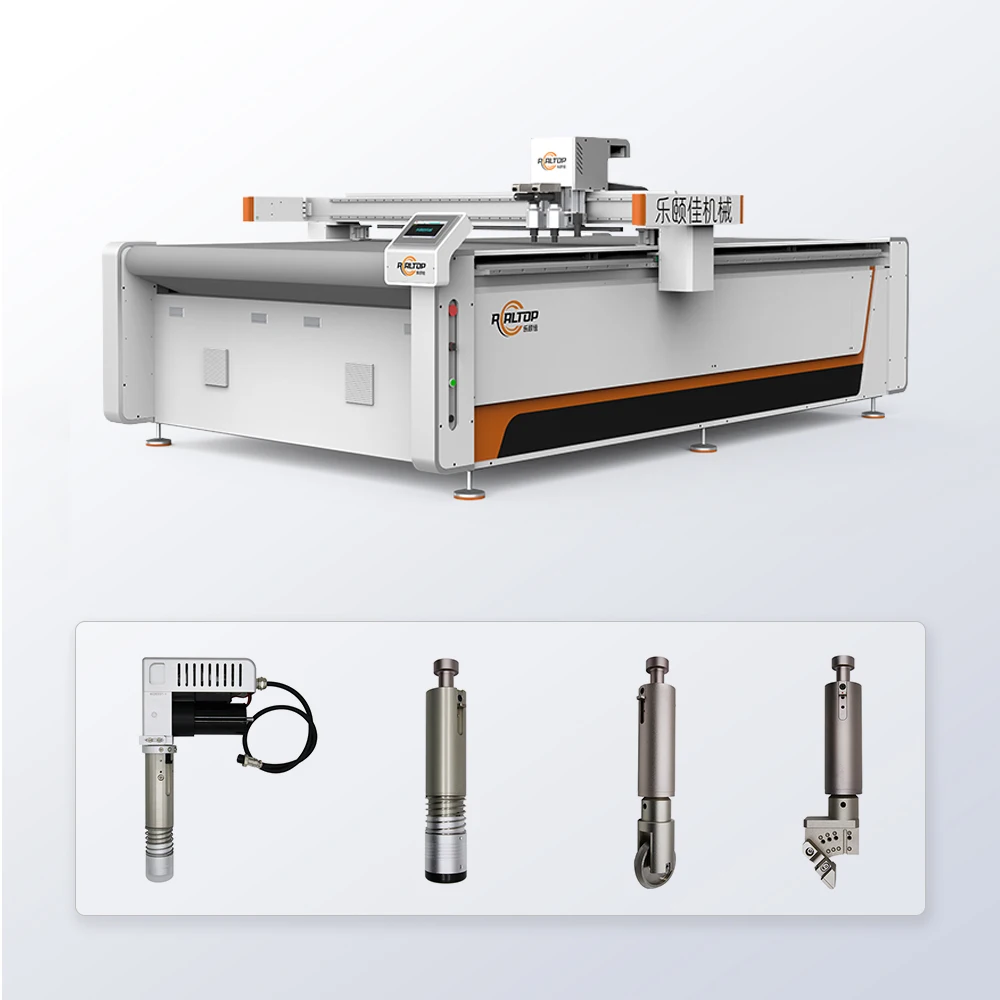
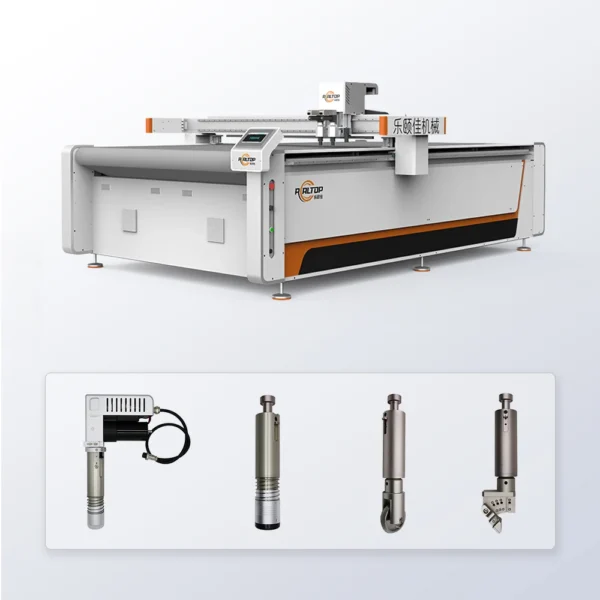
Tool-to-Material Mapping — every oscillating knife, creasing wheel and V-groove head is selected against the buyer’s flute count and board weight rather than offered as a default bundle.
Technical Specifications
| Parameter | Value |
|---|---|
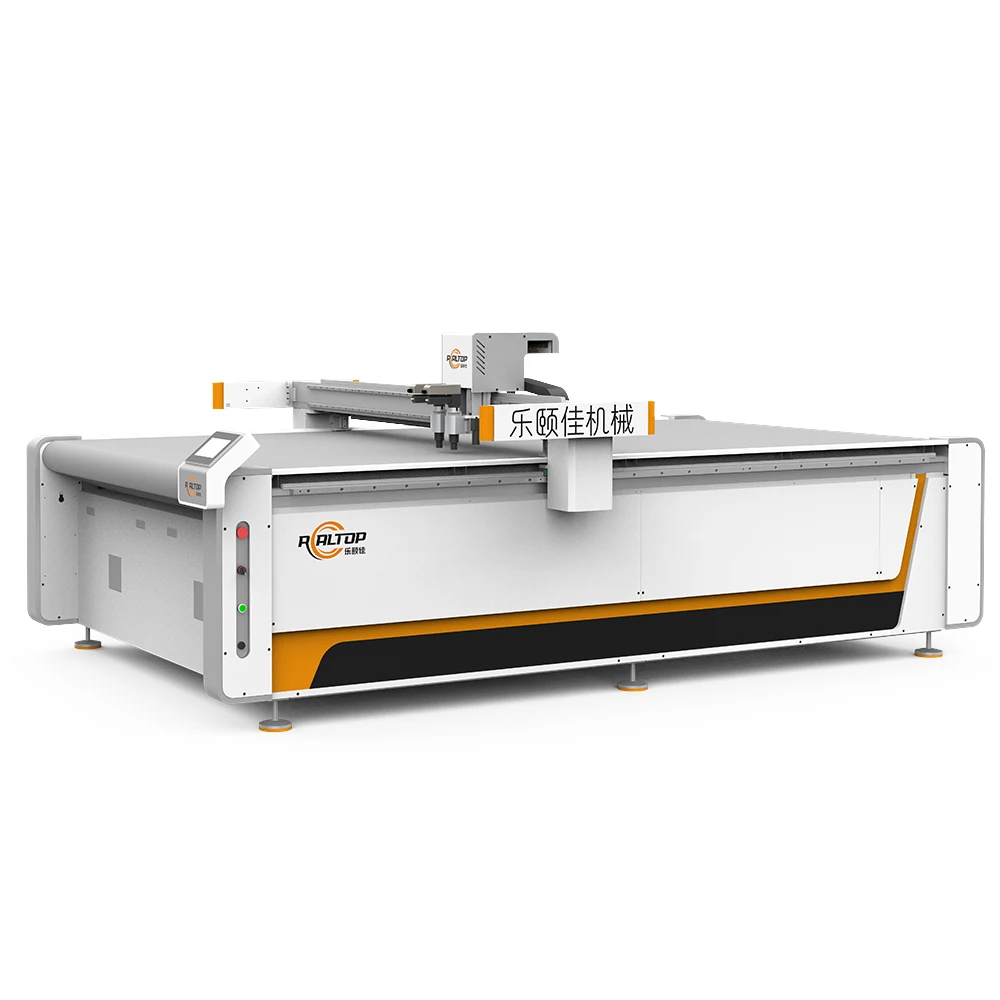
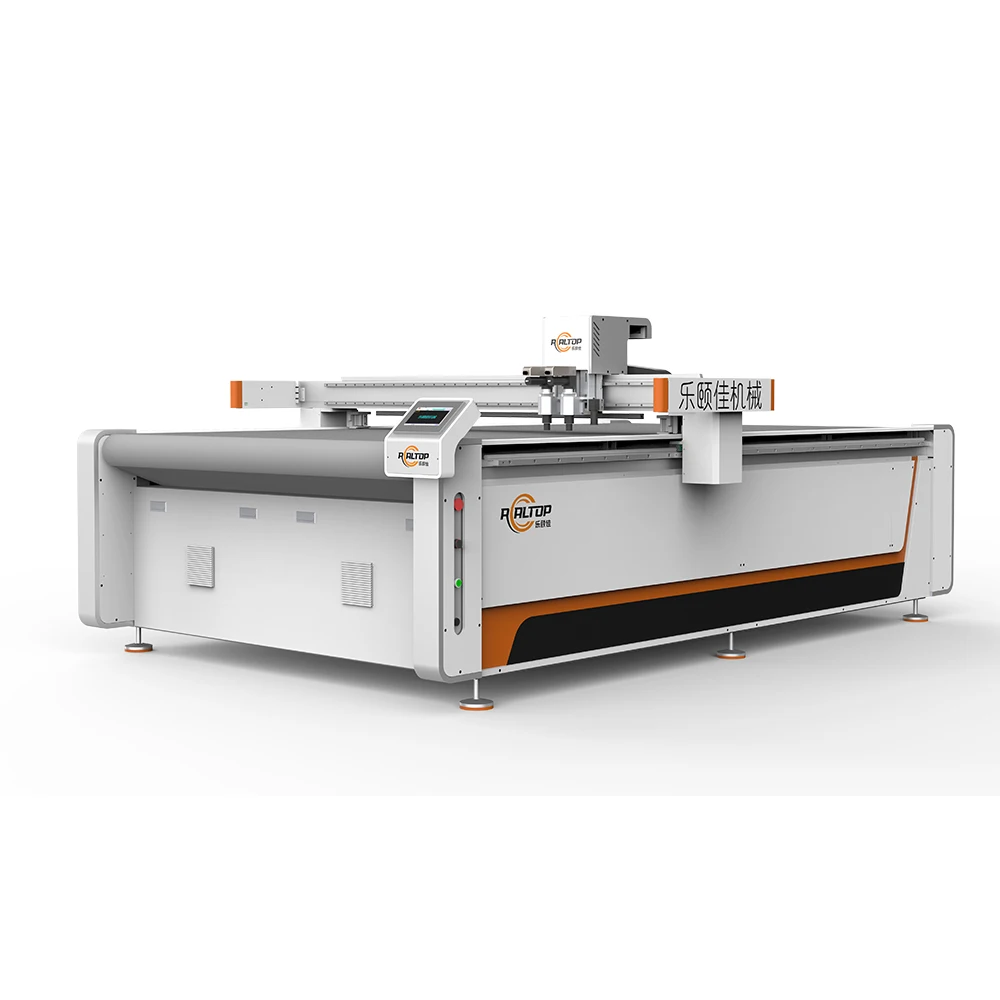
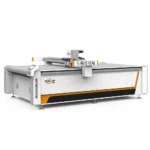
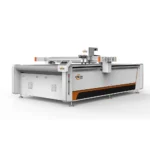
| Product Type | CNC Oscillating Knife Cutting Machine |
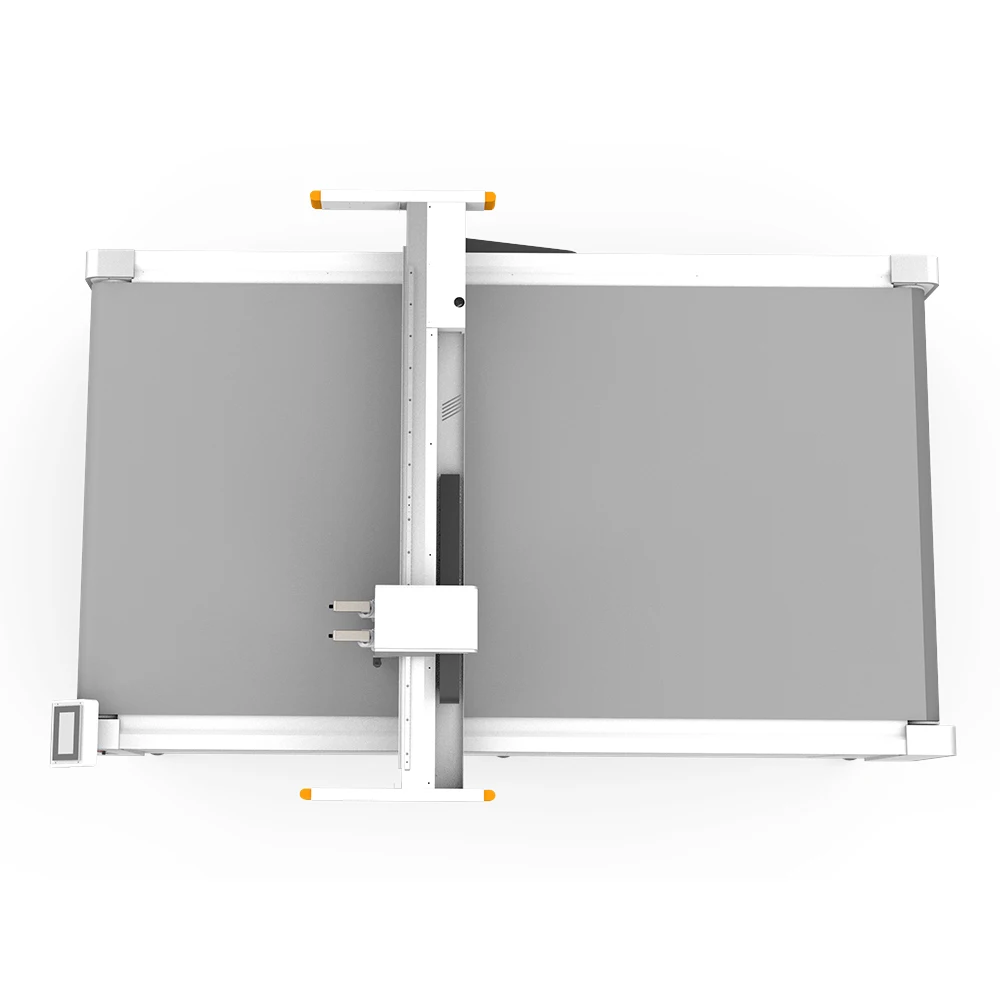
| Working Area | 1600 × 2500 mm |
| Cutting Speed | 0 – 1500 mm/s |
| Cutting Thickness | Up to 40 mm |
| Cutting Accuracy | ±0.1 mm |
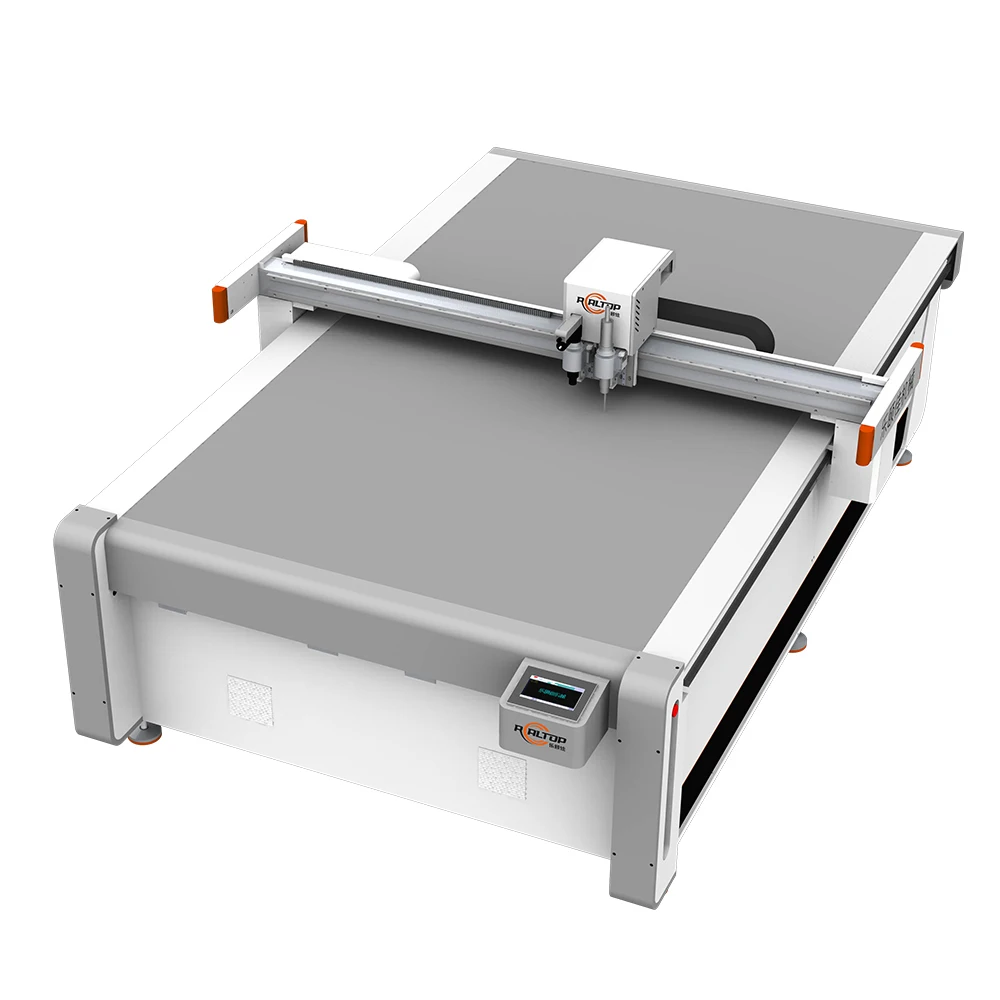
| Tool Head Options | Oscillating knife, Driven rotary knife, Creasing wheel, Kiss cutting tool, Pneumatic knife, Milling tool, V-groove knife |
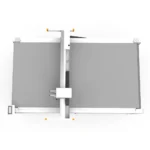
| Vacuum Table | Aluminum bellows vacuum table |
| Vacuum Pump | 9 kW |
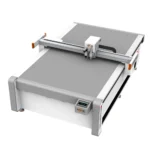
| Control System | PLC control panel with intuitive interface |
| Servo Motor Options | Panasonic, Delta, Dorna |
| Profile Format | PLT, DXF, AI, PDF |
| Voltage Options | 110V, 220V, 380V |
| Language Options | English, Russian, Italian, Chinese; special languages customizable |
| Safety Device | Infrared sensor and emergency stop |
| Machine Size | 3300 × 2100 × 1350 mm |
| Dedicated Software | Packaging box structure design software |
| Standards | CE |
Application Suitability
| Application | Material or Output |
|---|---|
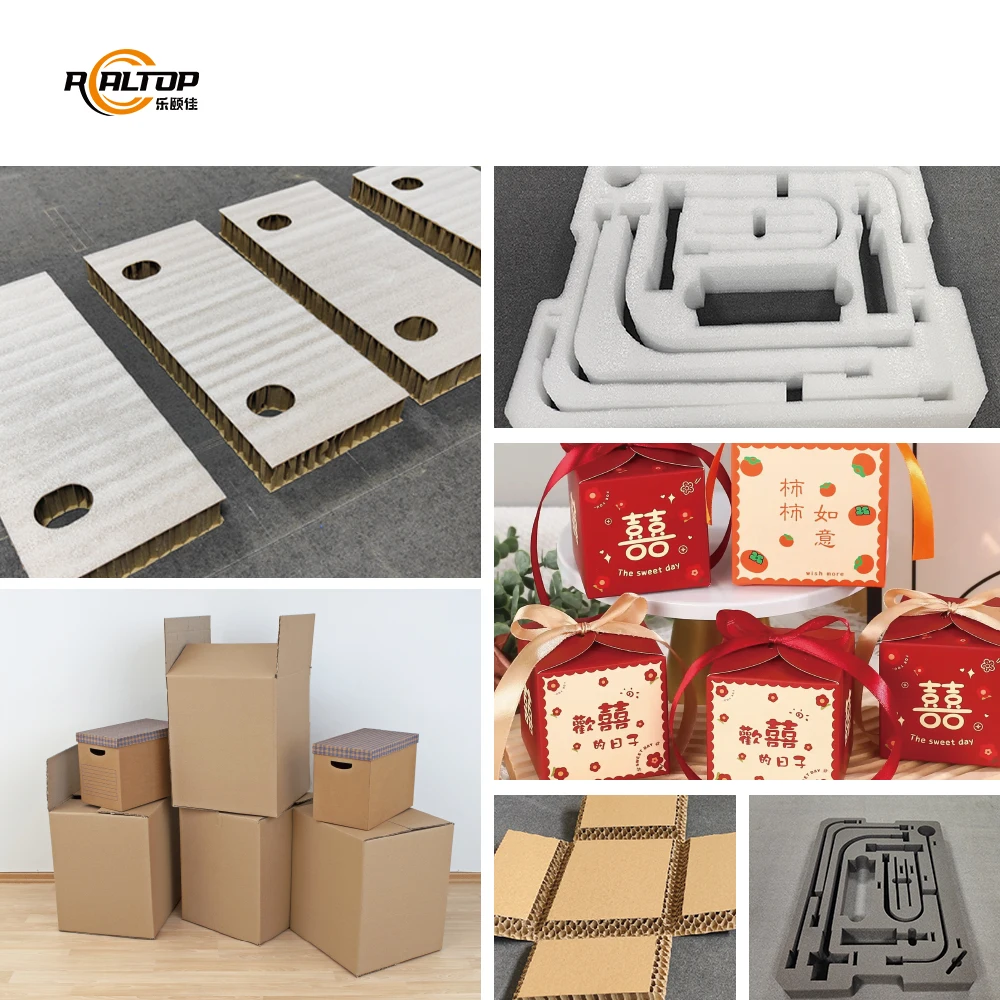
| Corrugated box sample making | E-flute, B-flute, BC-flute corrugated board |
| Folding carton prototyping | Greyboard, cardstock, art paper, specialty paper |
| Protective packaging inserts | EVA, EPE, PU foam sheets |
| Gasket and seal cutting | Rubber mats, PTFE, composite sheets |
| Short-run luxury packaging | Velvet, fleece, non-woven fabric, synthetic leather |
| Retail display blanks | PVC, PET, thin plastic sheets |
Why Corrugated Flute Density Dictates the CNC Oscillating Knife Cutting Machine Specifications You Actually Need
A machine rated only by working area and top speed will crush thin flutes or leave ragged edges on double-wall board the moment production starts.
Buyers often specify a 1600 × 2500 mm bed and assume the knife head is universal. In practice, E-flute corrugated at 0.8 mm wall thickness demands a different oscillation frequency and blade angle than BC-flute at 4.5 mm. When the wrong tool head meets a high-speed feed rate, the flute structure collapses before the blade finishes its stroke, producing crushed edges that fail box compression tests [NEED_CITE: corrugated flute crush thresholds under oscillating blade load]. I have watched packaging lines run three shifts of B-flute samples with no issue, then switch to a double-wall short run and scrap an entire batch because the knife amplitude was set for single-wall. Choosing the correct CNC oscillating knife cutting machine specifications means locking the tool head to the material, not to the brochure headline.
Tool Head Selection Across Flute Types and Board Weights
A single platform carrying oscillating knife, driven rotary knife, creasing wheel, kiss cutting, pneumatic knife, milling and V-groove heads lets the operator switch tools per job rather than force one blade through incompatible stock. For B-flute and E-flute corrugated, the high-frequency oscillating knife delivers clean shear cuts without crushing the flute tips, while the creasing wheel produces score lines that fold without cracking the liner. When the job shifts to greyboard or multi-ply cardstock, the V-groove knife cuts partial-depth channels for rigid box hinges, and the kiss cutting tool scores self-adhesive label stock without penetrating the backing. This CNC oscillating knife cutting machine configuration keeps every packaging substrate on one table.
Vacuum Table Zoning and Small-Blank Stability
The aluminum bellows vacuum table provides full-surface adsorption across the 1600 × 2500 mm bed, but small packaging blanks — die-cut cosmetic inserts or pharmaceutical carton sleeves — sit in isolated zones where a single open area can lift the sheet mid-cut. The 9 kW vacuum pump maintains negative pressure even when most of the table is uncovered, though zoning the table into segments that match the blank footprint prevents edge lift during high-speed contour cuts [NEED_CITE: vacuum hold-down requirements for small-format corrugated blanks]. On a recent Middle East project, a client producing luxury rigid boxes ran 200 × 150 mm greyboard blanks; we partitioned the vacuum zones to match the nesting layout and eliminated the tail-lift that had been causing the oscillating knife to catch and tear the trailing edge.
Reading the Specifications That Actually Govern Edge Quality
Cutting accuracy of ±0.1 mm matters most when packaging die-lines carry tight registration between print and cut — a 0.3 mm drift on a cosmetic carton can shift the window cutout off the printed border. The 0 – 1500 mm/s speed range is a ceiling, not a production constant; real cutting speed depends on board density, and pushing BC-flute to the upper limit generates heat that softens the blade edge. Servo motor selection — Panasonic, Delta, or Dorna — influences acceleration response on short-line segments common in carton geometry, where the head reverses direction every few millimeters. The PLC control panel with intuitive interface stores per-material presets so an operator does not re-enter oscillation frequency, blade offset and feed rate when switching from E-flute to EVA foam. Profile format support for PLT, DXF, AI and PDF means the dedicated packaging box structure design software imports the buyer’s existing die-line files without re-draw.
The Hidden Cost of Skipping the Sample Cut
A machine can pass a factory test on standard B-flute and still fail on the buyer’s actual stock if the board arrives with higher moisture content or lower ring crush than the sample used during commissioning. I once spent a full week in a Dubai workshop adjusting knife depth and presser foot pressure because the client’s corrugated board had absorbed humidity during sea freight, softening the flutes enough to produce ragged cuts at full speed. Without a sample cutting report generated on the buyer’s own material — at the buyer’s actual flute count and ply weight — the configuration list remains a guess [NEED_CITE: effect of corrugated moisture content on oscillating knife edge quality]. The cost of that guess shows up as scrapped sheets, re-cut orders and missed shipment windows.
Why Procurement Through This Channel Reduces Configuration Risk
An in-house design team covers both knife cutting and laser cutting, so a buyer producing mixed-material packaging — corrugated boxes plus acrylic display stands — can match the cutting method to each substrate rather than force one technology across the range. Tool head and table configuration is specified per material and daily volume before the order is placed, not swapped after delivery. CCD camera positioning is available for printed contour work where die-line registration must track pre-printed marks at production speed. Software compatibility is confirmed by importing the buyer’s actual PLT or DXF files during the quotation stage, eliminating the post-install discovery that a nesting workflow does not translate. Voltage, plug type and control language — English, Russian, Italian, Chinese or a special language — are locked on the electrical schematic before production begins.
Documentation & Verification
- Factory test record run on buyer’s corrugated flute type and board weight before dispatch
- Electrical schematic confirming voltage, plug type and phase for target market
- Tool head and vacuum table configuration list matched to quoted material range
- Sample cutting report with edge and crease quality photographs on buyer’s own stock
- Dedicated packaging software licence with file format compatibility note
- Operation and maintenance manual in confirmed control language
Installation, Commissioning & Support
- 3300 × 2100 × 1350 mm machine footprint requires level concrete floor with anchor points
- 9 kW vacuum pump needs a dedicated circuit separate from the 380V or 220V main drive
- Machine ships in sectional frame; on-site assembly aligns the aluminum bellows table to ±0.1 mm flatness
- First-run commissioning tests oscillating knife and creasing wheel on buyer’s actual corrugated stock
- Operator training covers PLC preset storage for each flute type and board weight in the confirmed language
- Spare blade and creasing wheel kit sized to cover the first production cycle
Preparing Your Inquiry
Provide the corrugated flute type, board thickness and maximum sheet size you intend to cut, along with the daily volume target and whether you run printed die-lines that need contour recognition. Specify the local voltage and frequency, the control language your operators need, and the file formats your design team currently uses. If your board stock varies in moisture content or density, request a sample cutting report on your own material before confirming the configuration.
Frequently Asked Questions
Q: How do I match the tool head to my corrugated flute type?
A: Single-wall E-flute and B-flute typically run on the high-frequency oscillating knife for clean shear cuts, while BC-flute and double-wall board may need the pneumatic knife for added downforce. The creasing wheel pairs with each flute to produce fold lines without cracking the liner. Submit your flute profile and board weight so the tool head list is built around your actual stock.
Q: Will small packaging blanks lift off the table during cutting?
A: The aluminum bellows vacuum table paired with the 9 kW pump provides strong hold-down, but small blanks leave most of the table surface uncovered, reducing effective suction per square centimeter. Zoning the vacuum area to match your nesting layout concentrates negative pressure under the blanks and prevents edge lift at higher cutting speeds.
Q: Can the machine track printed die-lines on pre-printed corrugated?
A: CCD camera positioning is available as an option for printed contour recognition. The system reads registration marks and adjusts the cut path in real time. Confirm the mark size, contrast and placement on your printed stock so the camera specification matches your production speed and print quality.
Q: What file formats does the packaging software accept?
A: The dedicated packaging box structure design software imports PLT, DXF, AI and PDF profiles. Before order confirmation, we import a sample of your existing die-line files to verify layer mapping, crease line interpretation and nesting compatibility so there are no format surprises after installation.
Q: How are voltage and control language confirmed before shipment?
A: The electrical schematic is finalized during the quotation stage, listing voltage — 110V, 220V or 380V — plug type and phase for your market. Control language is set to English, Russian, Italian, Chinese or a custom language. Both are locked on the specification sheet and signed off before production begins.


商品评价
Clear filtersThere are no reviews yet.