


Fast Shipping
Carrier information

20k products
Payment methods

24/7 Support
Unlimited help desk

2-day Delivery
Track or off orders
Customized Tool Head Configuration — each oscillating knife, creasing wheel and punch setup is matched to your specific flute profile and board density before the machine ships.
Technical Specifications
| Parameter | Value |
|---|---|
| Model | RT-R2513 |
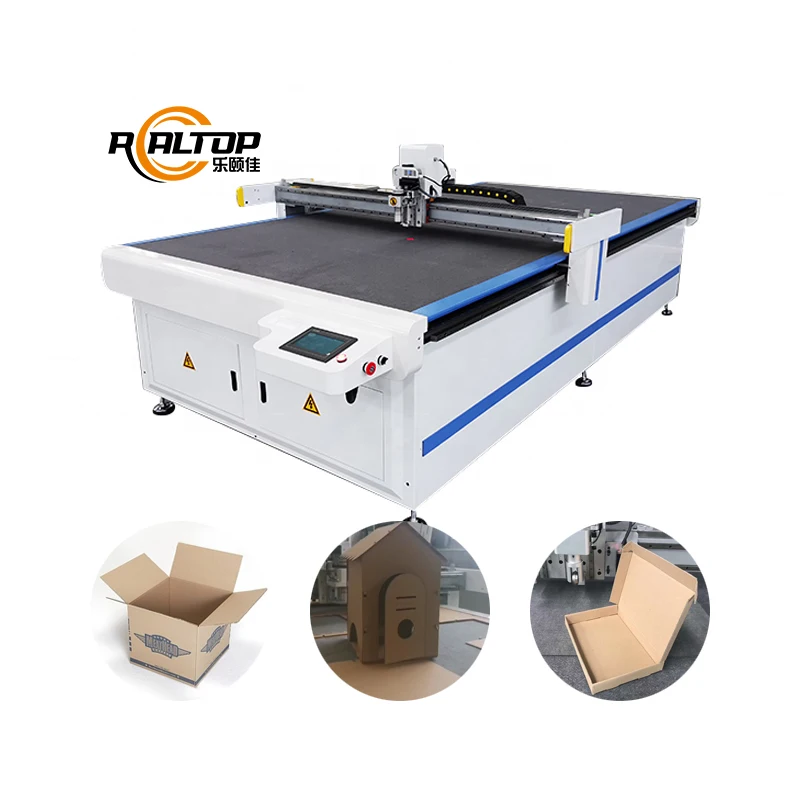
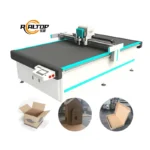
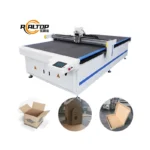
| Product Type | CNC Oscillating Knife Cutting Machine |
| Working Area | 2500 × 1300 mm |
| Machine Dimensions | 3550 × 1910 × 1400 mm |
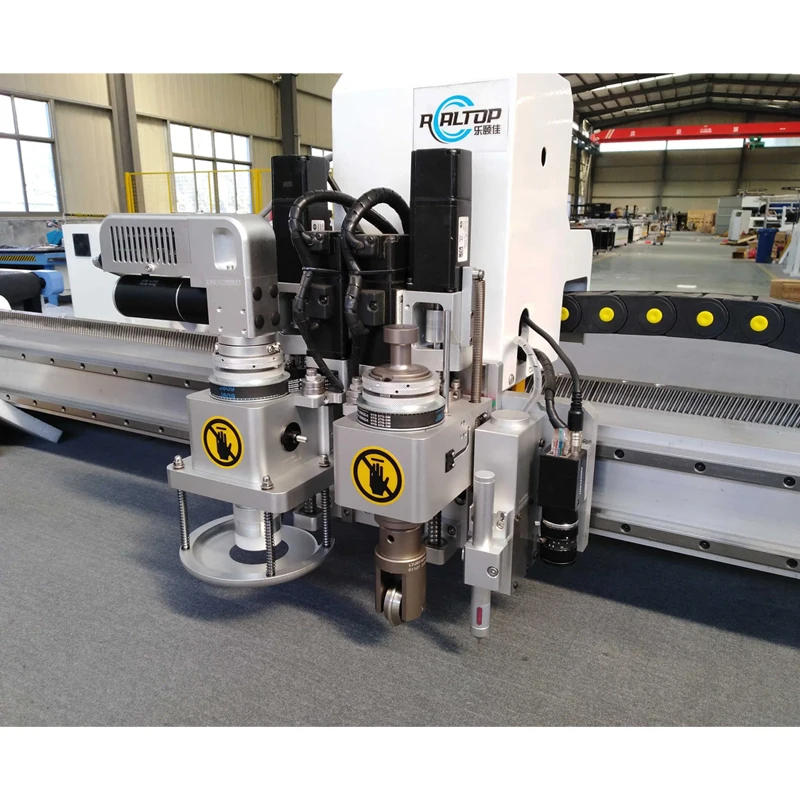
| Cutting Tools | Oscillating knife, creasing tool, kiss-cut knife, round punch |
| Cutting Thickness | ≤18 mm (basis not stated in source — confirm material type and density) |
| Fixing Method | Vacuum adsorption system |
| Vacuum Table | Aluminum alloy honeycomb structure |
| Vacuum Pump | 7.5 kW |
| Rated Power | 9 kW |
| Voltage | 380 V (frequency to be confirmed per market) |
| Servo System | Dongling servo (Delta servo motor available) |
| Transmission | Imported straight-line square guide, rack drive |
| Repeated Accuracy | <0.05 mm |
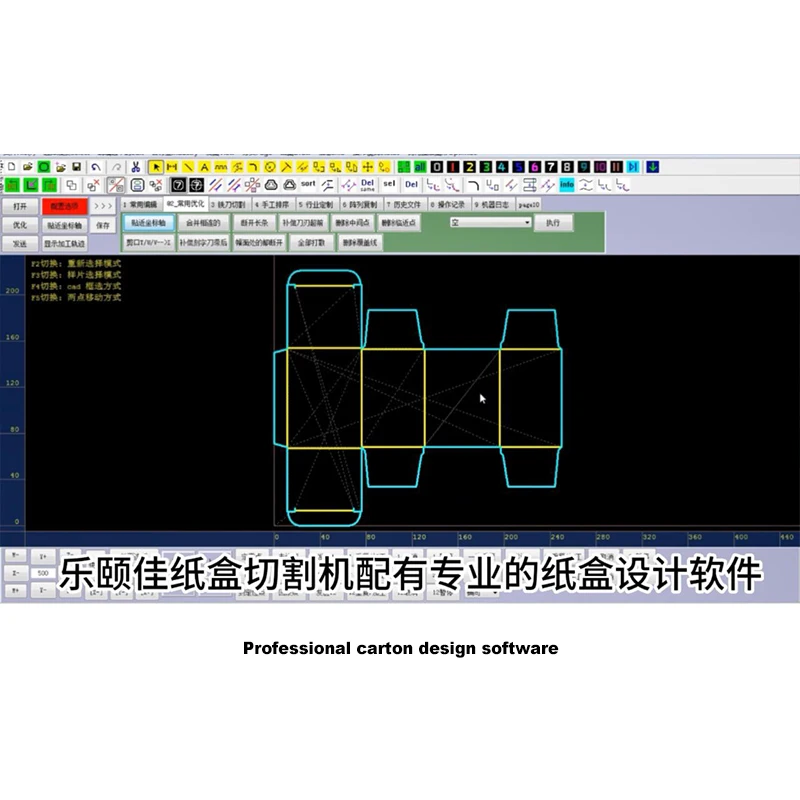
| Profile Formats | DXF, OLT, PDF, AI |
| Data Transfer | Ethernet port |
| Safety Devices | Infrared sensors, emergency stop |
| Felt Belt | Wear-resistant anti-pull composite fiber |
| Blade Supply | 10 oscillating blades included |
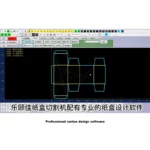
| Software | Professional carton nesting software, multi-language support |
| Warranty | 1 year (excluding felt and knife blades) |
| Delivery Time | <30 working days |
Application Suitability
| Application | Material or Output |
|---|---|
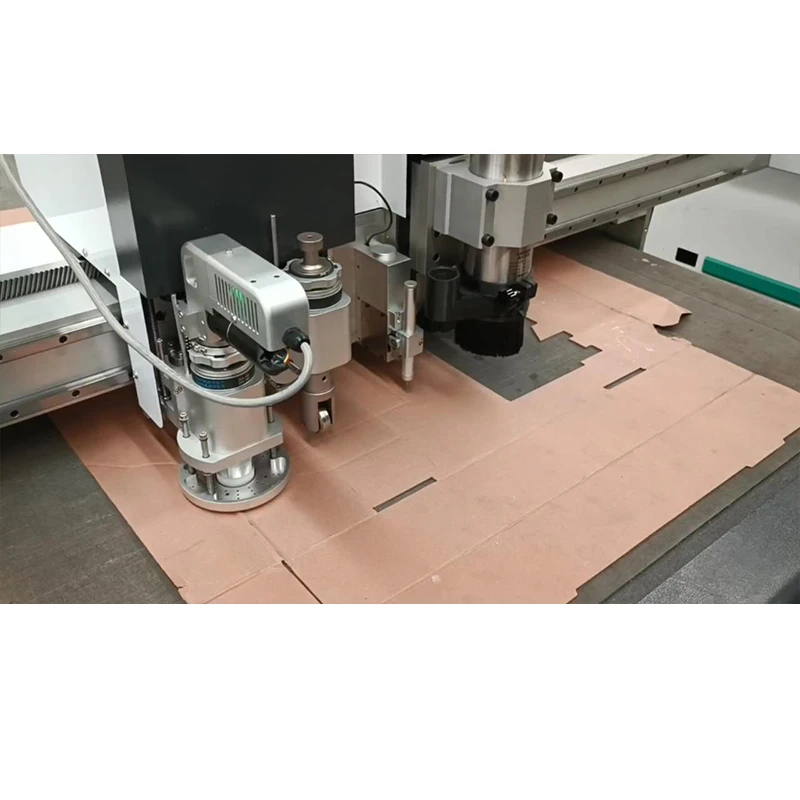
| Packaging carton sample making | Corrugated board, grey board, coated stock |
| Sticker and label contour cutting | Vinyl, PP paper, adhesive-backed sheet |
| Gift box and display prototyping | Folding carton, art card, laminated board |
| Short-run die-free box production | Single and double-wall corrugated, solid fibre |
| Large-format electrical carton packaging | Thick corrugated and composite board |
| Express and snack food box sampling | E-flute and B-flute corrugated |
Why Cutting Depth Claims Fail on Your Actual Board
The published thickness figure only matters when tied to a specific board grade and flute.
I once stood on a shop floor in Riyadh watching a machine stall on double-wall corrugated after it had run perfectly on standard grey board during the demo. The quoted cutting depth looked adequate on paper, but the material density and laminate coating changed everything. The crew lost nearly three days re-tuning knife pressure, oscillation frequency and feed rate. When evaluating CNC oscillating knife cutting machine specifications, the number on the spec sheet means very little unless it references your exact material stack [NEED_CITE: cutting depth varies with board density and flute profile]. Always request a sample cut report on your own stock before committing to an order.
Matching the Knife Tool to the Board Grade
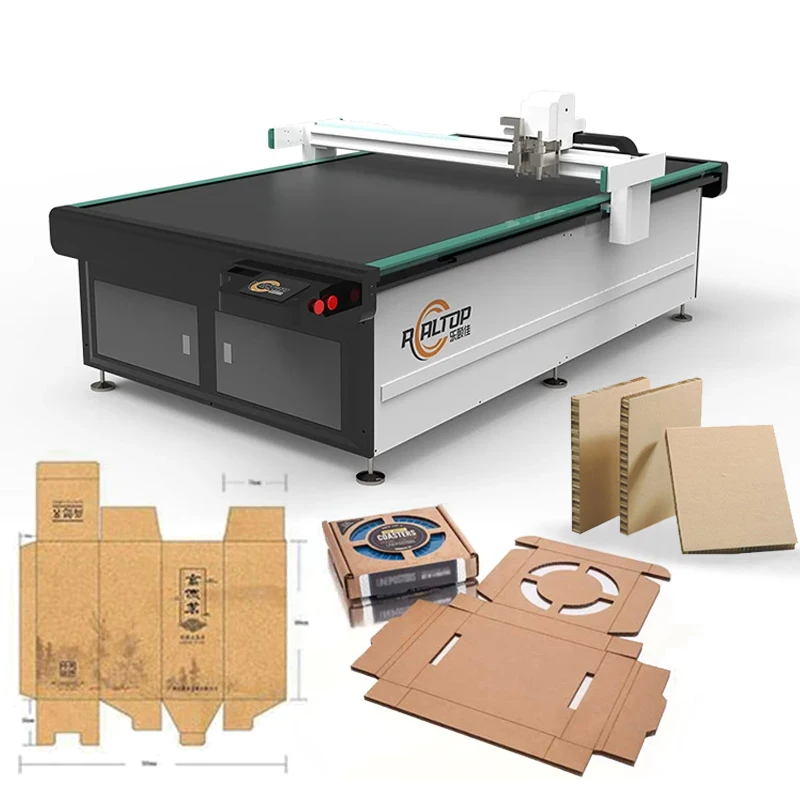
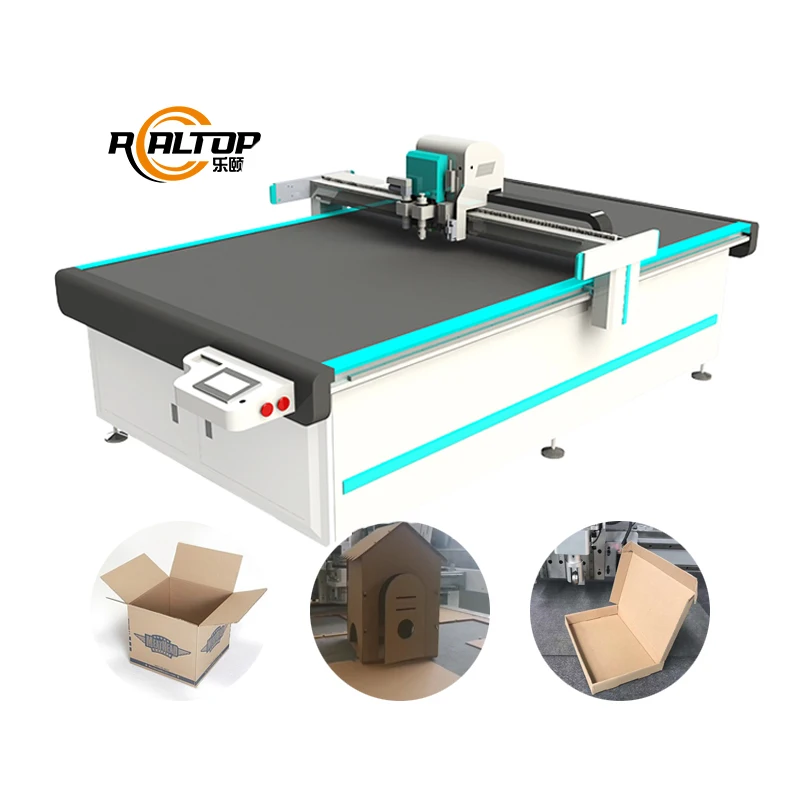
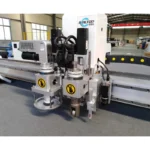
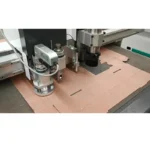
Selecting the correct tool head for each packaging material is the single most consequential decision in the purchase process. The RT-R2513 offers an oscillating knife for through-cutting corrugated and solid board, a creasing tool for fold lines on carton stock, a kiss-cut knife for stickers and labels, and a round punch for registration or ventilation holes. Running a kiss-cut blade on 3 mm grey board will crush the fibres and leave ragged edges, just as an oscillating knife on thin vinyl will tear rather than slice. The correct CNC oscillating knife cutting machine configuration pairs each tool with the material’s density and thickness range.
Vacuum Zoning and Small-Part Hold-Down
The aluminum honeycomb vacuum table on this unit addresses a problem that shows up the moment your nesting layout includes small carton blanks or narrow label strips. Undivided vacuum zones lose suction over areas not covered by material, allowing offcuts and small parts to lift during the cut. A zoned follow-cutting-area adsorption system concentrates suction only where the knife is working, which matters when production layouts contain mixed blank sizes. Without it, small parts shift mid-cut and the entire nest must be scrapped [NEED_CITE: vacuum table zoning impact on small-part cutting accuracy]. The 7.5 kW pump provides sufficient draw for corrugated board across the full 2500 × 1300 mm bed.
Reading the Specs That Actually Matter
The repeated accuracy of <0.05 mm determines whether crease lines align with cut edges on multi-panel gift boxes, where even slight misregistration causes visible fold deviation on the finished carton. Rack-and-pinion transmission on imported linear guides maintains positional accuracy across the full travel length, which matters on long runs where belt-driven systems can drift as the belt stretches. The 9 kW rated power covers the oscillating knife motor, vacuum pump and servo drives simultaneously without tripping breakers during peak draw. Ethernet data transfer avoids the file corruption issues common with USB-dependent workflows on busy shop floors. The professional carton nesting software accepts DXF, OLT, PDF and AI files directly, eliminating the re-drawing step that adds hours to sample turnaround.
The Cost of Overlooking Configuration Details
Choosing a machine on working area alone is how packaging shops end up with a bed that fits the sheet but cannot handle the caliper. I have watched converters discover after delivery that their standard vacuum pump could not hold down nested small blanks at cutting speed, forcing them to slow the feed rate and lose throughput on every job. Others find that the software will not import their designer’s AI files, so every artwork package must be manually re-drawn into the nesting program [NEED_CITE: software file format compatibility in packaging workflows]. These are not warranty issues — they are specification gaps that surface only when the first real production job runs.
Why Source This Machine Here
In-house design covers both the knife tooling logic and the vacuum table layout, so configuration decisions are made by the engineering team that built the machine rather than a third-party integrator. Every RT-R2513 leaves the factory with a tool head and table configuration list matched to the buyer’s stated material type, thickness and daily volume. CCD camera positioning for printed contour tracking is available as a configuration option for sticker and label producers who need mark recognition at production speed. Voltage, frequency and system language are confirmed before production begins, not discovered at the destination port. Sample cutting on the buyer’s own material is completed and documented before the order advances to manufacturing.
Documentation & Verification
- Machine specification sheet listing confirmed tool head and vacuum zone configuration
- Electrical schematic with voltage and frequency matched to destination market
- Sample cutting report on buyer’s own corrugated or carton stock
- Software licence and file format compatibility note for DXF, OLT, PDF, AI
- Factory test record documenting repeated accuracy and tool change sequence
- Packing photographs showing crate condition and accessory inventory
Installation, Commissioning & Support
- 3550 × 1910 mm footprint requires level concrete floor with clearance for material feed on both sides
- 380 V supply on a dedicated circuit rated for the 9 kW total draw plus vacuum pump inrush
- Machine ships partially assembled; gantry and tool head carriage require on-site alignment
- First-run calibration covers knife depth, creasing pressure and vacuum zone mapping for your board grade
- Operator training includes tool change procedure, nesting software import and daily felt belt inspection
- 10 oscillating blades supplied; spare felt belt and additional blades ordered as consumable spares
Preparing Your Enquiry
Share the exact board grades, flute profiles and caliper range you intend to cut, along with your typical daily blank volume and maximum sheet size. Confirm the voltage and frequency at your facility, the control language your operators require, and whether your artwork workflow relies on DXF or AI files. If your production includes printed sticker or label contour work, specify the mark type and register tolerance so the CCD option can be evaluated before quotation.
Frequently Asked Questions
Q: How is the ≤18 mm cutting thickness verified for corrugated board?
A: The published figure depends on material density, flute profile and laminate coating. We run a sample cut on your actual board stock to confirm whether the oscillating knife achieves a clean through-cut at full speed, and document the result in a cutting report before you commit to the order.
Q: Which tool head combination suits double-wall and E-flute carton?
A: Double-wall corrugated typically requires the oscillating knife at full stroke with a matching creasing tool for fold lines, while E-flute and solid fibre can run with reduced oscillation amplitude. We specify the tool head list based on your material sample and confirm performance during factory testing.
Q: Does the vacuum table hold small nested carton blanks securely?
A: The zoned honeycomb table concentrates suction in the active cutting area, which prevents small blanks from lifting even when surrounding material has already been removed. Zone performance is validated on your nesting layout during the pre-shipment test run.
Q: Can the CCD option track printed marks on sticker artwork at speed?
A: The CCD camera contour recognition option is configured for your specific mark type and spacing. Tracking accuracy at production feed rate is verified on your printed stock during sample testing, so you know the capability before the machine ships.
Q: Does the nesting software integrate with our existing design files?
A: The carton nesting software imports DXF, OLT, PDF and AI formats directly. We confirm file compatibility with a sample artwork package from your workflow during the pre-order stage to avoid re-drawing bottlenecks after delivery.


商品评价
Clear filtersThere are no reviews yet.