




Fast Shipping
Carrier information

20k products
Payment methods

24/7 Support
Unlimited help desk

2-day Delivery
Track or off orders
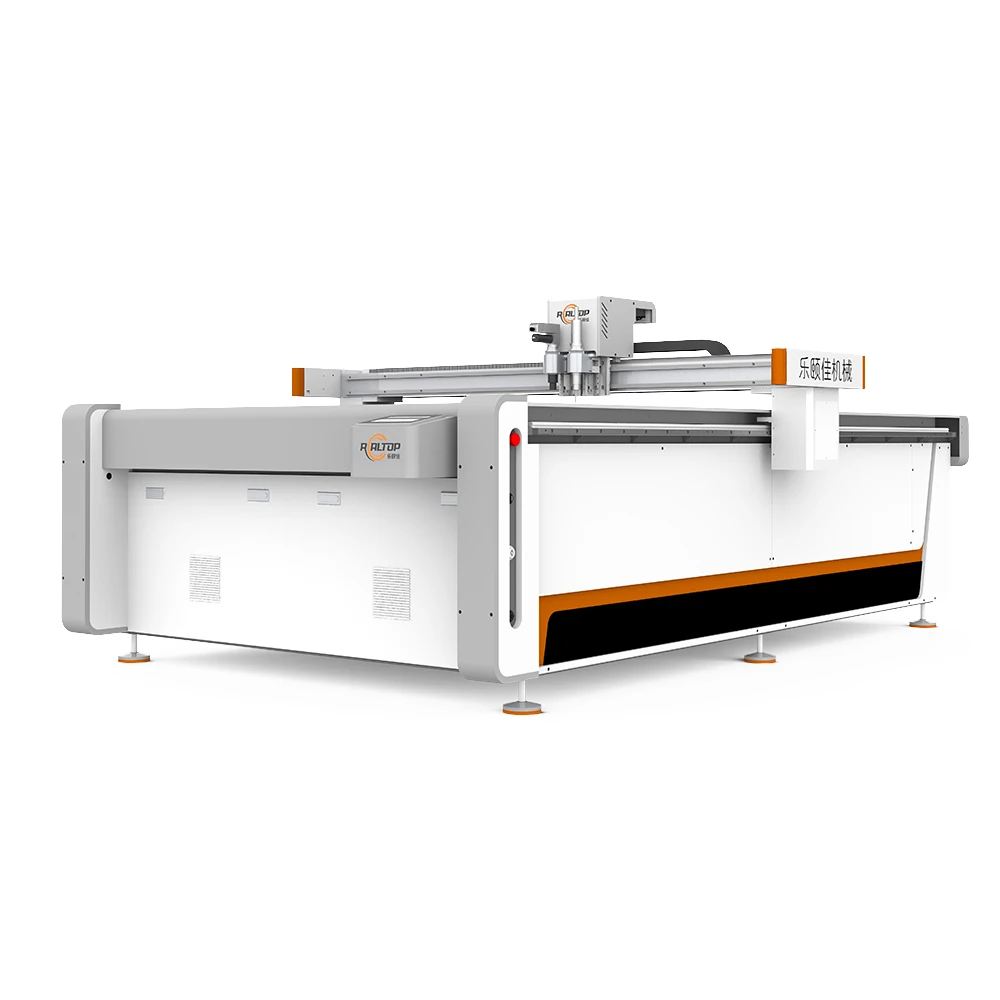
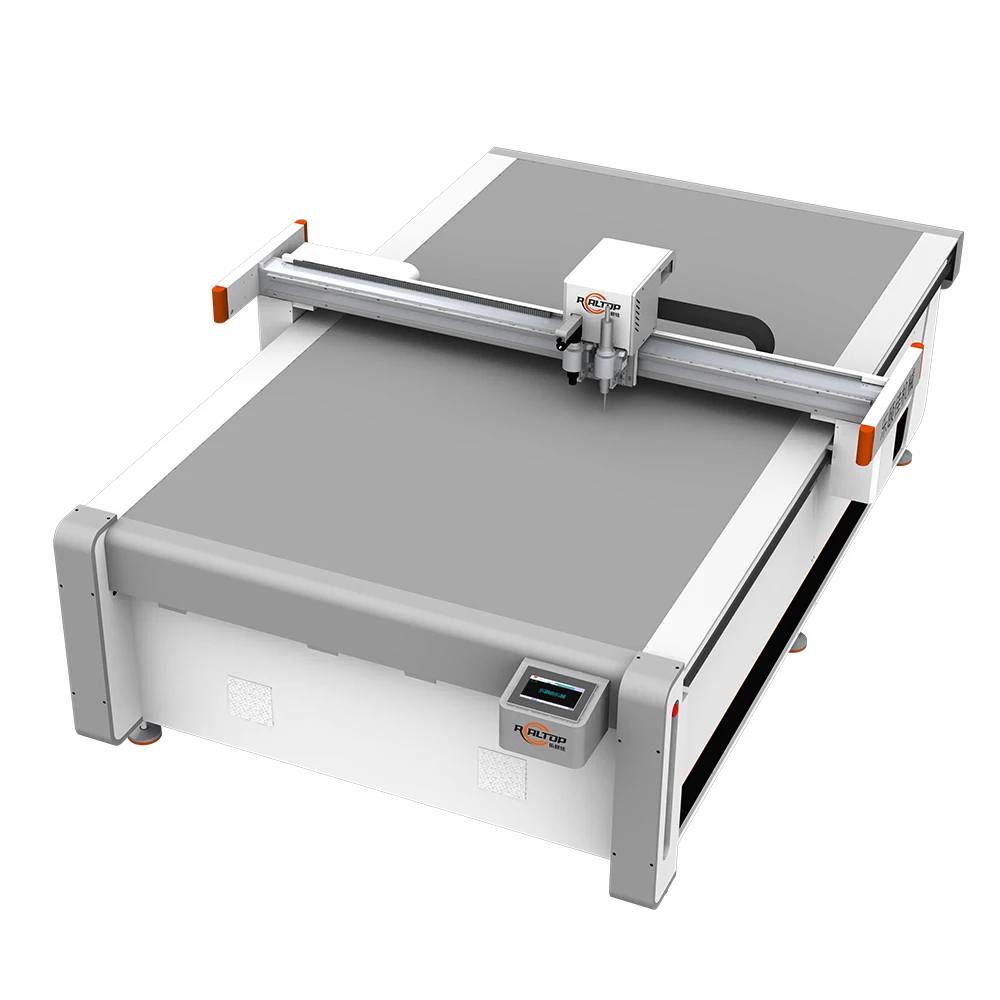
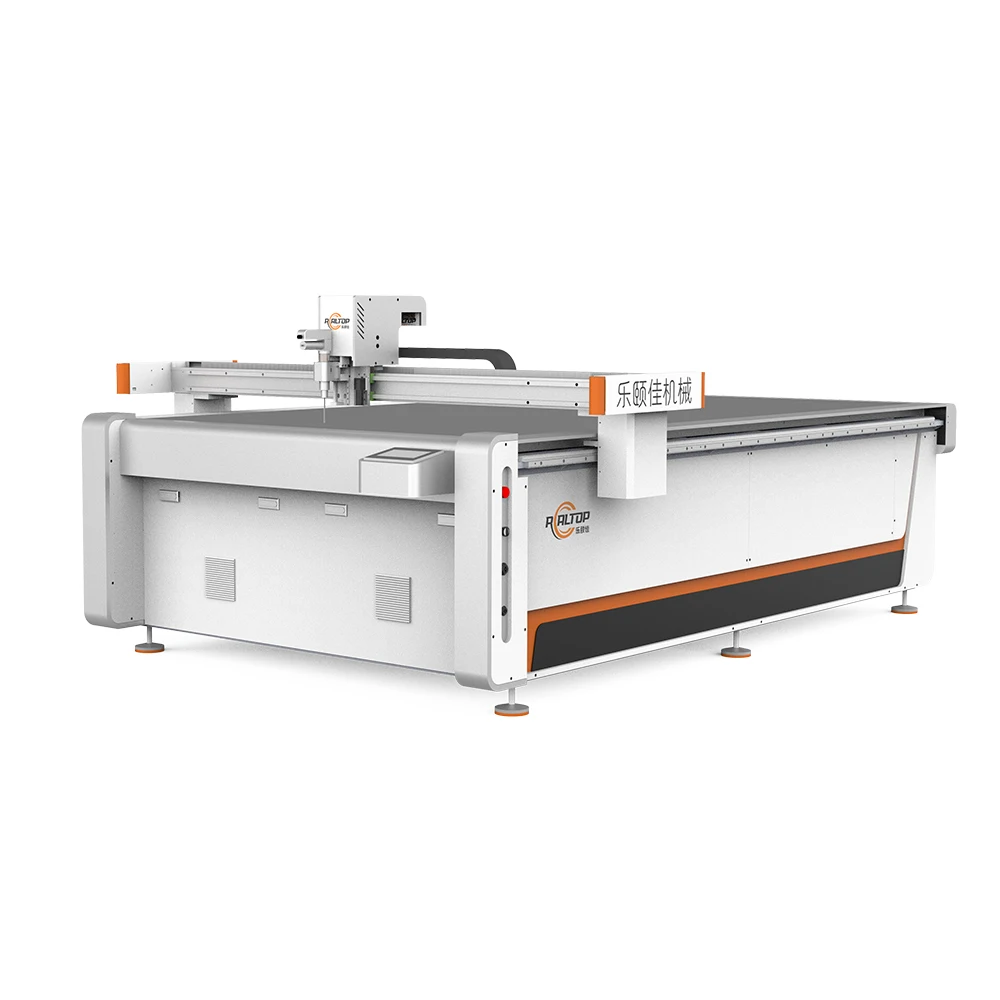
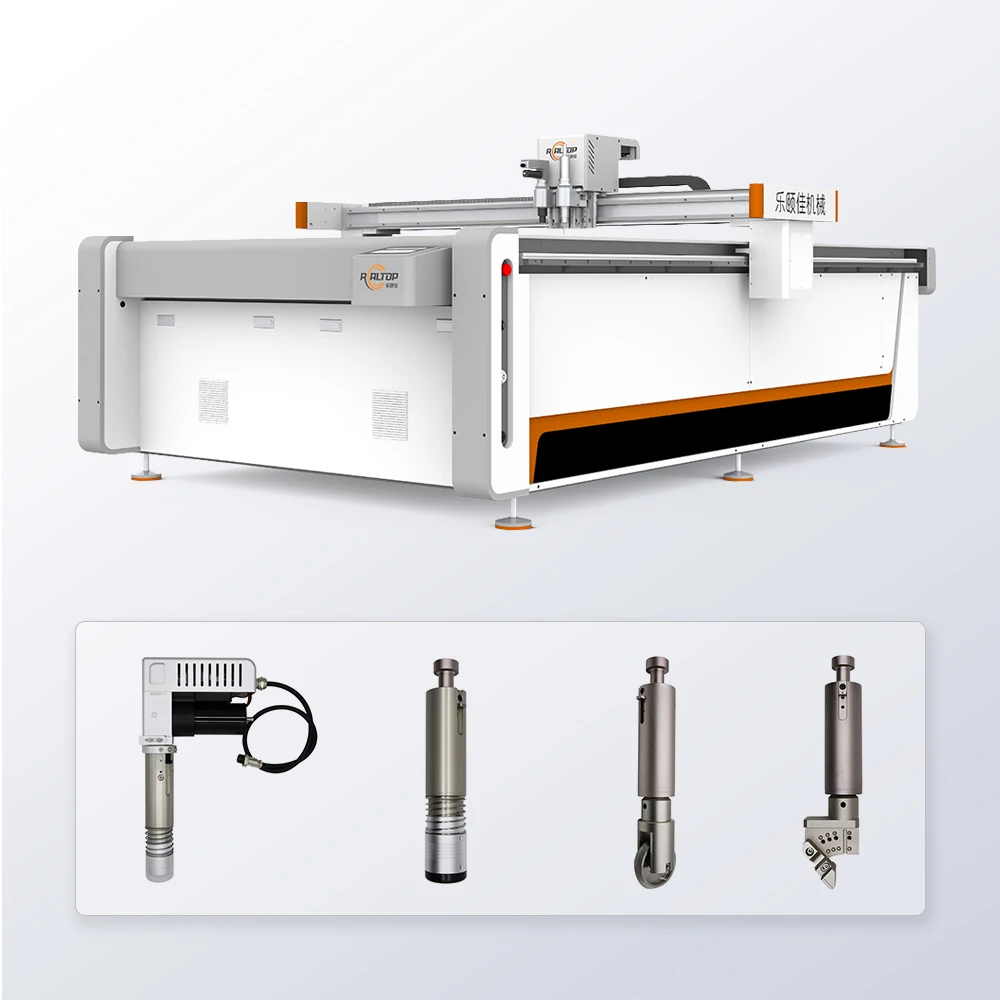
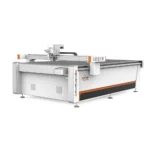
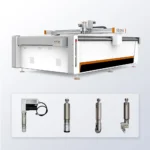
Tool head matched to substrate — Every oscillating knife, creasing wheel and V groove option on this 1625 CNC knife cutting table is selected against your actual corrugated flute, foam density or composite layup, not picked from a default list.
Technical Specifications
| Parameter | Value |
|---|---|
| Product Type | CNC Oscillating Knife Cutting Machine |
| Model | 1625 |
| Working Area | 1600 × 2500 mm |
| Cutting Speed | 0–1500 mm/s |
| Cutting Thickness | ≤ 40 mm |
| Cutting Accuracy | ±0.1 mm |
| Tool Head Options | Oscillating knife, Driven rotary knife, Creasing wheel, Kiss cutting tool, Pneumatic knife, Milling tool, V groove knife |
| Vacuum Pump | 9 kW |
| Vacuum Table | Aluminum bellows vacuum table |
| Machine Frame | Heavy-duty frame with precision-ground surface |
| Servo Motors | Panasonic, Delta, Dorna (multiple options) |
| Control System | PLC control panel |
| Voltage Options | 110V, 220V, 380V |
| Profile Format Compatibility | PLT, DXF, AI, PDF |
| Safety Device | Infrared sensor device and emergency stop |
| Machine Size | 3300 × 2100 × 1350 mm |
| Assembly State | Fully assembled |
| Language Options | English, Russian, Italian, Chinese, custom languages available |
| Certification | CE (source value — verify against manufacturer catalog) |
Application Suitability
| Application | Material or Output |
|---|---|
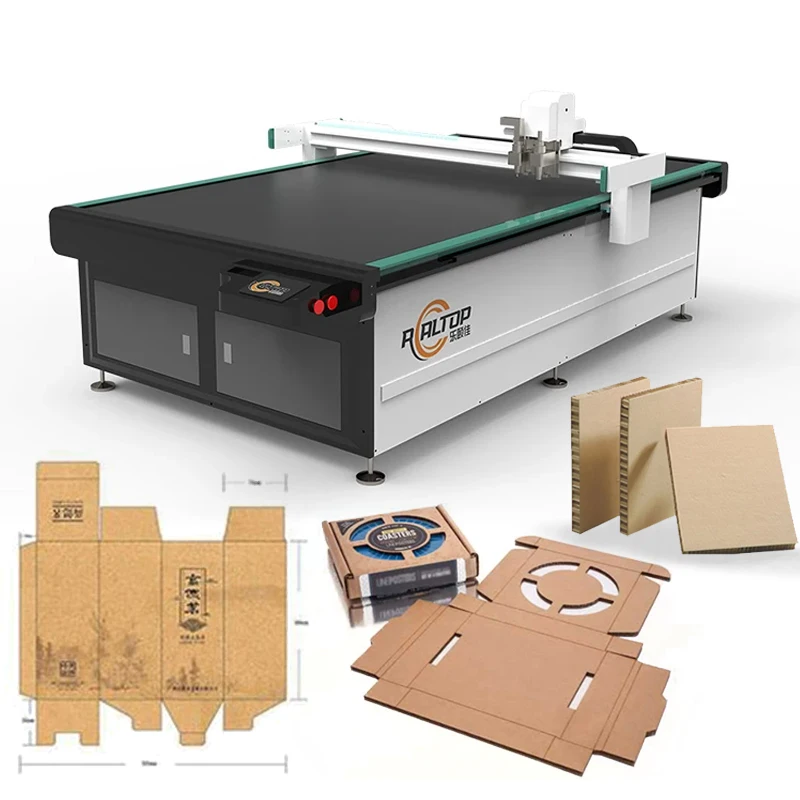
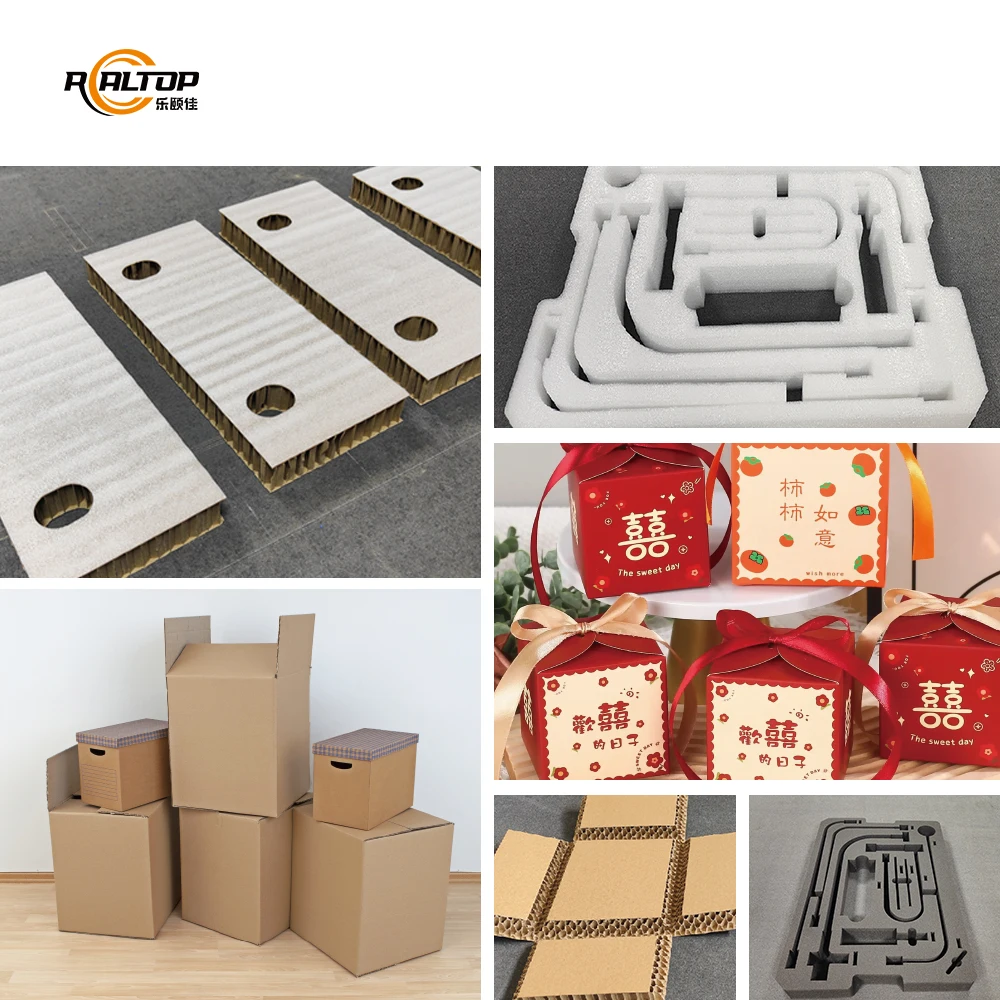
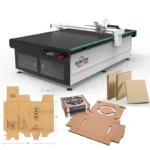
| Corrugated carton sample making | E-flute, B-flute, BC-flute corrugated cardboard |
| Greyboard and rigid box prototyping | Greyboard, cardstock, art paper, specialty paper |
| Protective foam insert production | EVA foam, EPE foam, PU foam |
| Gasket and seal cutting | Rubber mats, PTFE, composite gasket sheet |
| Textile and soft packaging | Velvet, fleece fabric, non-woven fabric |
| Plastic and adhesive packaging | PVC, PET, thin plastic sheets, adhesive-backed materials |
| Leather packaging trim | Leather, synthetic leather |
Why "Working Area" Is the Wrong Starting Point for CNC Oscillating Knife Cutting Machine Specifications
The first question should always be what you are cutting, not how big the table is.
I spent years installing machines in Jinan workshops before moving into specification work, and the pattern is always the same. A packaging factory orders a flatbed cutter based on sheet dimensions, then discovers the oscillating knife cannot push through their BC-flute board at production speed, or the vacuum zones are too wide to hold small carton blanks flat. The cutting area is only useful if the tool head, vacuum zoning and drive system are matched to the material you actually run. When I configured a honeycomb cardboard line for a West African packaging plant, standard corrugated samples cut cleanly but coated board dulled blades within days and left fuzzed edges that cut throughput in half. That job changed how I approach every CNC oscillating knife cutting machine specification — I do not set parameters without seeing the buyer’s real substrate [NEED_CITE: material hardness and coating impact on oscillating knife blade wear].
Selecting the Tool Head by Flute Profile and Foam Density
The 1625 offers seven interchangeable tool options, and choosing the right one determines whether you get a clean edge or a crushed substrate. An oscillating knife handles standard single and double-wall corrugated cleanly at the rated cutting speed, but dense EVA inserts for protective packaging typically need the pneumatic knife for deeper single-pass penetration. Creasing wheels and V groove knives come into play when the same sheet needs fold lines or chamfered edges alongside cut contours, so a carton sample maker can produce a finished blank without moving the sheet to a second station.
Vacuum Holding Force and Small Part Stability
The 9 kW pump paired with the aluminum bellows vacuum table generates holding pressure across the full 1600 × 2500 mm bed, which matters when cutting lightweight cardstock or thin non-woven fabric that tends to lift under the knife. On packaging runs with many small nested parts, inadequate zoning lets individual pieces shift before the cut completes, producing scrap instead of saleable blanks. The table configuration should be reviewed against your typical nest layout so that vacuum zones align with the smallest piece in your most common job [NEED_CITE: vacuum table zoning requirements for small nested packaging parts].
Reading the Specs That Actually Affect Your Output
The ±0.1 mm cutting accuracy figure governs how tightly crease lines register against printed graphics on carton face stock — a half-millimetre drift shows immediately when a folding carton is assembled. The 0–1500 mm/s cutting speed range is achievable on thin art paper and cardstock, but thicker BC-flute and 40 mm foam inserts require slower passes to maintain edge quality, so your real throughput depends on the material mix in your order book. The heavy-duty frame with precision-ground surface keeps the gantry parallel to the table over long production runs, preventing the gradual drift that turns good nests into waste after a few hundred sheets. Servo motor selection between Panasonic, Delta and Dorna options allows the drive response to be matched to the inertia demands of dense composite materials versus lightweight corrugated [NEED_CITE: servo motor tuning for varying material density on CNC knife tables].
The Hidden Cost of a Misconfigured Knife Cutting Table
Wrong tool head selection on coated or abrasive substrates accelerates blade wear and produces ragged edges that force secondary trimming. When the vacuum table zones are too broad for the part geometry, small carton components lift and shift mid-cut, generating scrap and resetting your nesting yield. Voltage and plug type confirmed too late mean a machine arrives on site and sits idle until a transformer or adapter is sourced locally, delaying commissioning by weeks [NEED_CITE: voltage mismatch delays in industrial equipment installation].
Why Source This CNC Oscillating Knife Cutter Here
In-house design covers both knife and laser cutting, so the cutting method is matched to your substrate rather than forced into one technology. Tool head and table configuration are specified against your material type, thickness and daily volume before the order is placed. Sample cutting runs on your actual honeycomb board, coated carton or EVA foam confirm edge quality and depth before commitment. Software file format compatibility with PLT, DXF, AI and PDF workflows is verified so your existing design files load without conversion. Voltage, plug type and control language are locked down before shipment so the machine powers up in your local language on day one.
Documentation & Verification
- Machine specification sheet with confirmed tool head and table configuration for your substrate
- Electrical schematic and voltage confirmation matching your facility supply
- Sample cutting report on your corrugated or foam material with edge quality photos
- Software licence and file format compatibility note for PLT, DXF, AI, PDF
- Operation and maintenance manual in your selected control language
- Spare parts list matched to your chosen tool heads and blade types
Installation, Commissioning & Support
- Machine arrives fully assembled at 3300 × 2100 × 1350 mm, requiring floor space plus clearance for sheet loading
- 9 kW vacuum pump requires dedicated circuit; confirm local voltage matches 110V, 220V or 380V configuration
- PLC control panel commissioned on site with parameters set to your primary material thickness
- Operator training covers tool head changeover across all seven options in your configuration
- Blade and knife consumable schedule provided based on your substrate abrasiveness
- Routine belt and servo inspection intervals documented in your control language manual
What We Need to Specify Your Machine Correctly
Send the material type, flute profile or foam density, maximum sheet thickness and the typical part sizes in your packaging range. Confirm your facility voltage and frequency, the control language your operators need, and whether your current design workflow uses PLT, DXF, AI or PDF files. If you can ship a sample of your actual coated board or composite substrate, we will run a cutting test and return the results before you commit to the order.
Frequently Asked Questions
Q: How do I select the correct tool head for my corrugated flute type?
A: E-flute and B-flute typically run well with the standard oscillating knife at higher speeds. BC-flute and heavier double-wall grades may need adjusted oscillation frequency or the pneumatic knife for clean single-pass cuts. Foam inserts above 20 mm density benefit from the pneumatic knife option. We confirm the tool head after running your actual material sample.
Q: What voltage and language options are available for export markets?
A: The machine is configurable for 110V, 220V or 380V supply. Control panel language options include English, Russian, Italian and Chinese, with custom languages available on request. Voltage, plug type and language must all be confirmed before production starts to avoid delays at commissioning.
Q: Will the vacuum table hold small packaging parts securely?
A: The aluminum bellows table with 9 kW pump provides full-surface holding, but zone adequacy depends on your smallest nested part dimension. We review your typical nest layout during specification to confirm the vacuum zoning matches your part geometry and prevents lift during cutting.
Q: Is the software compatible with our existing packaging design files?
A: The control system accepts PLT, DXF, AI and PDF formats. File compatibility is verified during the specification stage so your current design workflow transfers directly to the machine without format conversion or nesting software replacement.
Q: Can we see cutting results on our own material before ordering?
A: Yes. Send a sample of your actual substrate — coated board, honeycomb, EVA foam or composite — and we run a cutting test documenting edge quality, achievable depth and cycle behaviour. The sample cutting report is provided before you confirm the order.


商品评价
Clear filtersThere are no reviews yet.