








Fast Shipping
Carrier information

20k products
Payment methods

24/7 Support
Unlimited help desk

2-day Delivery
Track or off orders
Configured cutting zones — vacuum hold-down mapped to your corrugated flute and grey board density before shipment, verified on sample stock rather than default settings.
Technical Specifications
| Parameter | Value |
|---|---|
| Model | RT-D2516/RT-S2516 |
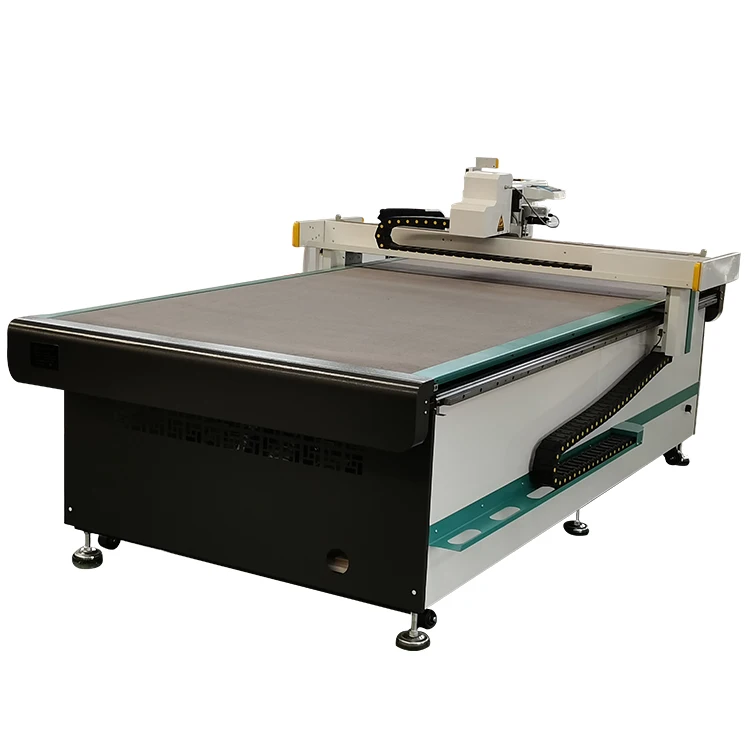
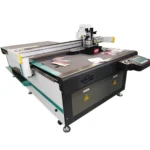
| Product Type | CNC Digital Cardboard Sample Cutting Machine |
| Working Area | 1600 × 2500 mm |
| Machine Size | 3450 × 2300 × 1250 mm |
| Rated Power | 9 kW |
| Vacuum Pump | 7.5 kW |
| Working Table | Flat vacuum table with auto feeding |
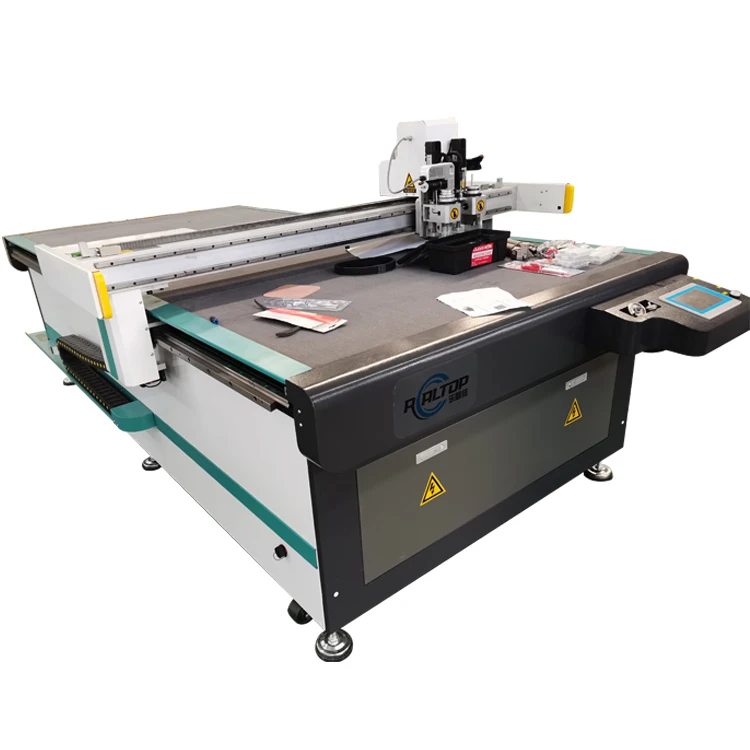
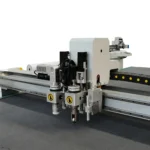
| Multifunctional Head | Swiss imported knife; vibration full cutting, half cutting, cursor location |
| Safety Device | Infrared sensors |
| Translational Velocity | 800–1200 mm/s |
| Cutting Speed | 200–800 mm/s (according to different cutting materials) |
| Repeated Accuracy | ≤0.1 mm |
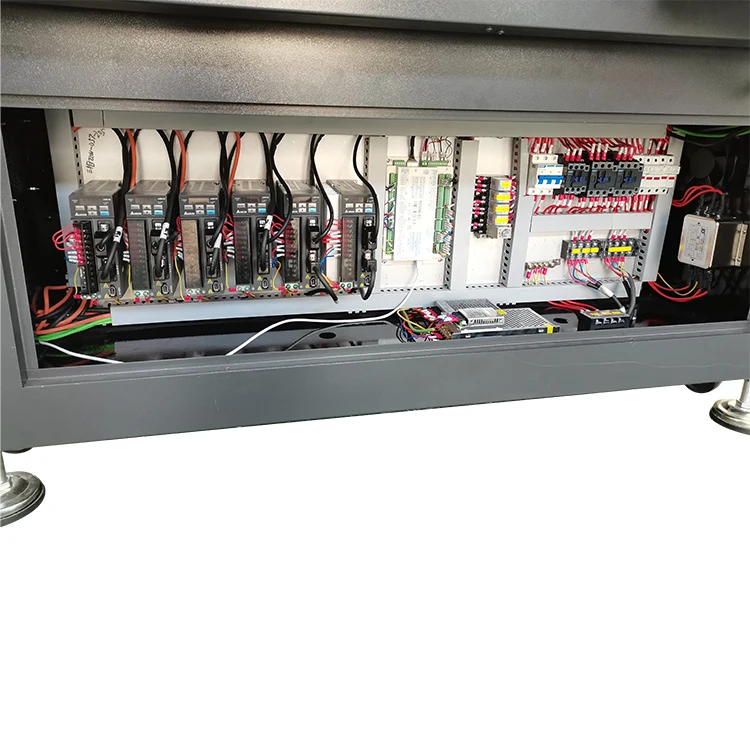
| Transmission System | Digital servo motor, linear guide, synchronous belt, imported ball screw |
| Servo Motor | Japanese Yaskawa |
| Guide Rail | Taiwan Hiwin |
| Conveyor Belt | Germany imported |
| Instruction System | HP-GL compatible format |
| Voltage | 380V ± 10% |
| Max Cutting Thickness (Pneumatic Tool) | Up to 70 mm (basis not stated in source) |
| Functions | Cutting, creasing, marking |
| Standards | CE |
Application Suitability
| Application | Material or Output |
|---|---|
| Carton sample prototyping | Corrugated paper board, single and double wall flute profiles |
| Rigid box short-run production | High-density grey board, chipboard |
| Gift box and display packaging | Cardboard, laminated board stock |
| Sticker and label contour cutting | Printed vinyl, adhesive-backed board |
| Gasket and industrial die-cutting | Rubber, PVC, soft glass, silicon |
| Garment and leather pattern cutting | Leather, sponge composite leather, flexible fabric |
What Board Grade Reveals About Your CNC Oscillating Knife Cutting Machine Specifications
A cutting table specified on working area alone will fail the moment you switch from E-flute sample stock to double-wall production board.
I spent years running technical support across workshops in the Middle East and Africa, and the most common shutdown I witnessed was not a motor failure or a software crash. It was a knife head stalling halfway through a sheet of high-density grey board because the machine had been sold on bed size, not on the actual material the buyer intended to run. Corrugated board compresses under vacuum; grey board resists the blade laterally. These two behaviors demand different tool head pressures, different oscillation frequencies, and often different vacuum zoning strategies. Choosing a digital cardboard sample cutting machine without matching these variables to your board grade is the fastest way to halt a sample room for hours. [NEED_CITE: cutting force requirements by board grade and flute profile]
Tool Head Selection Across Flute and Board Density
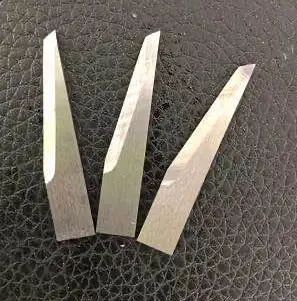
The multifunctional head on this CNC oscillating knife cutting machine specifications package carries a Swiss imported knife supporting vibration full cutting and half cutting in the same pass. Full cutting drives through corrugated layers for carton outlines, while half cutting scores crease lines without penetrating the bottom liner. On B-flute and C-flute board, the oscillation frequency keeps the blade moving through the air gap without crushing the flute structure. For rigid grey board above 1.5 mm, the drag knife or pneumatic tool option applies sustained downward pressure that a standard oscillating head cannot maintain alone.
Vacuum Hold-Down and Small Part Stability
Corrugated board has internal air channels that reduce effective vacuum grip compared to solid board. The flat vacuum table with auto feeding on this machine addresses thin stock and film stability during high-speed passes, but carton sample work often produces small internal cutouts — ventilation slots, handle holes, locking tabs. When the vacuum zone is larger than the part itself, airflow pulls through the cut kerf and the piece lifts mid-pass. Specifying vacuum zoning around your typical part geometry is part of the configuration conversation, not an afterthought once the machine arrives on your floor. [NEED_CITE: vacuum table zoning practices for digital flatbed cutting]
Reading the Specs That Actually Matter for Packaging Work
The repeated accuracy of ≤0.1 mm matters most when your carton sample layout places multiple panel versions on a single sheet, and registration must hold across successive cuts and crease lines. A Yaskawa digital servo paired with Hiwin linear guides and an imported ball screw provides the positional consistency that stepper-driven systems struggle to maintain over a 2500 mm travel. The HP-GL compatible instruction system allows direct file import from common packaging CAD platforms, avoiding the manual re-draw that introduces dimensional drift. Cutting speed ranges from 200 to 800 mm/s depending on material density — a grey board crease runs slower than a corrugated through-cut, and the servo system adjusts without manual intervention between tool changes.
The Cost of Skipping the Sample Cut
I once configured a cutting table for a carton plant where the sample phase used standard E-flute corrugated board without issue. When production started on a dense laminated grey board for luxury packaging, the knife pressure was insufficient and the blade stalled mid-sheet, stopping the line for two hours while we adjusted tooling parameters. After that experience, my first step with any buyer is to request the actual board stock — corrugated grade, flute type, thickness, and lamination — and run a documented sample cut before finalizing configuration. Skipping this step means discovering edge crush, incomplete crease depth, or vacuum lift only after the machine is installed and your sample room has deadlines to meet. [NEED_CITE: material-specific tooling configuration for digital cutting tables]
Why Buyers Source This Configuration Here
Realtop maintains in-house design and production covering both knife and laser cutting technologies, which means the cutting method is matched to your board grade rather than forced into a single platform. Tool head and table configurations are specified per material and production volume, not selected from a default menu. Software compatibility with your existing packaging CAD is confirmed before the order is placed, and voltage and control language are set to your workshop standards. Every machine ships with a sample cutting report run on the buyer’s own material, so you see edge quality and crease depth before the crate leaves Jinan.
Documentation & Verification
- Machine specification sheet listing configured tool head, vacuum zoning, and board thickness range
- Electrical schematic with 380V ± 10% supply confirmation and local plug type
- Sample cutting report on your corrugated grade and grey board stock before dispatch
- Software licence and HP-GL file format compatibility note for your packaging CAD workflow
- Factory test record documenting positional accuracy and crease depth on specified materials
Installation, Commissioning & Support
- Power supply verification for 9 kW rated load plus 7.5 kW vacuum pump on dedicated circuit
- Floor leveling on the 3450 × 2300 mm footprint with clearance for auto feeding conveyor
- Yaskawa servo calibration and Hiwin guide rail alignment checked after transport
- Vacuum zone mapping and pressure test on your board stock during first commissioning run
- Spare knife blades, creasing wheels, and belt segments included in initial parts package
- Daily guide rail cleaning schedule and vacuum pump filter maintenance intervals documented
What to Include in Your Inquiry
Send your primary board grades with flute type and thickness, along with typical carton sample dimensions and the CAD software you currently use for packaging design. Include your workshop voltage and frequency, and note whether your sample room handles short-run production in addition to prototyping. This information lets us specify the correct tool head, vacuum zoning, and software interface before building your machine.
Frequently Asked Questions
Q: How is the cutting tool head chosen for different board grades?
A: Flute profile, board density, and thickness determine whether the oscillating knife, drag knife, or pneumatic tool is specified. Corrugated board uses oscillation to avoid crushing flutes, while high-density grey board requires sustained downward pressure. The multifunctional head supports vibration full and half cutting, and creasing wheels are added where fold lines are needed on the same carton layout.
Q: Does vacuum zoning affect small carton part cutting?
A: Internal cutouts like handle slots and locking tabs can lift if the vacuum zone extends beyond the part boundary. Zone configuration is specified around your typical carton geometry so that airflow holds the workpiece through the complete cutting and creasing cycle without edge movement or misregistration on the flat vacuum table.
Q: Can the software import files from our existing packaging CAD?
A: The instruction system supports HP-GL compatible format, which covers most packaging design platforms. File format compatibility is confirmed during the inquiry stage, and a test file import is run before the order is finalized so your design team does not need to redraw carton layouts manually.
Q: What does the sample cutting report cover before I commit?
A: Your actual board stock is cut on the configured machine, and the report documents edge quality, crease depth, flute condition on corrugated layers, and dimensional accuracy against your CAD file. This lets you evaluate tool head performance and vacuum hold-down on your specific materials before the machine enters production.


商品评价
Clear filtersThere are no reviews yet.