


Fast Shipping
Carrier information

20k products
Payment methods

24/7 Support
Unlimited help desk

2-day Delivery
Track or off orders
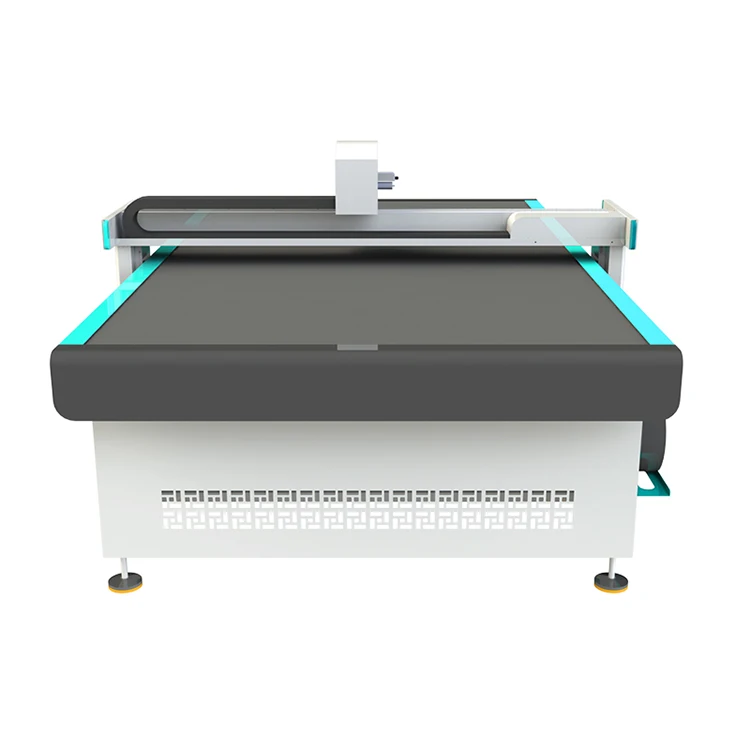
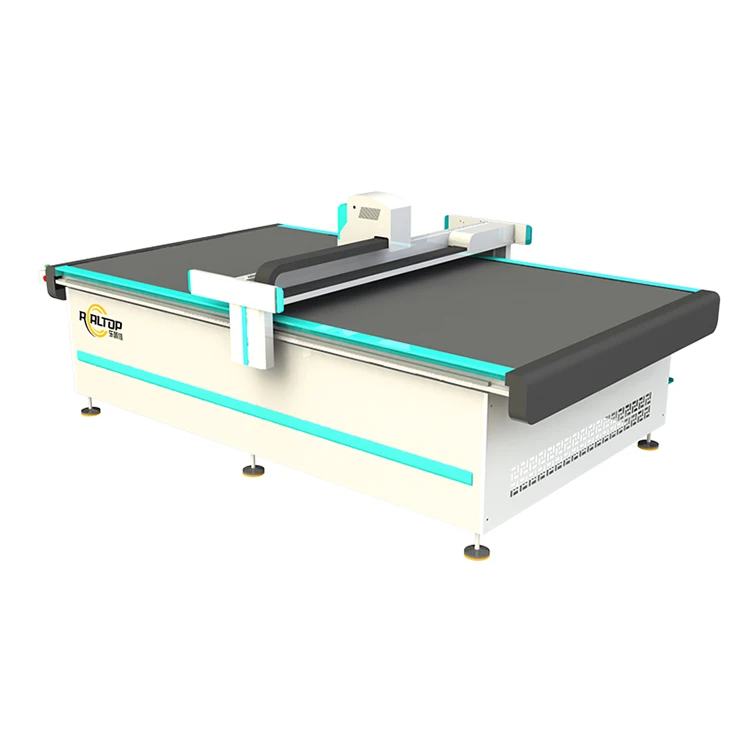
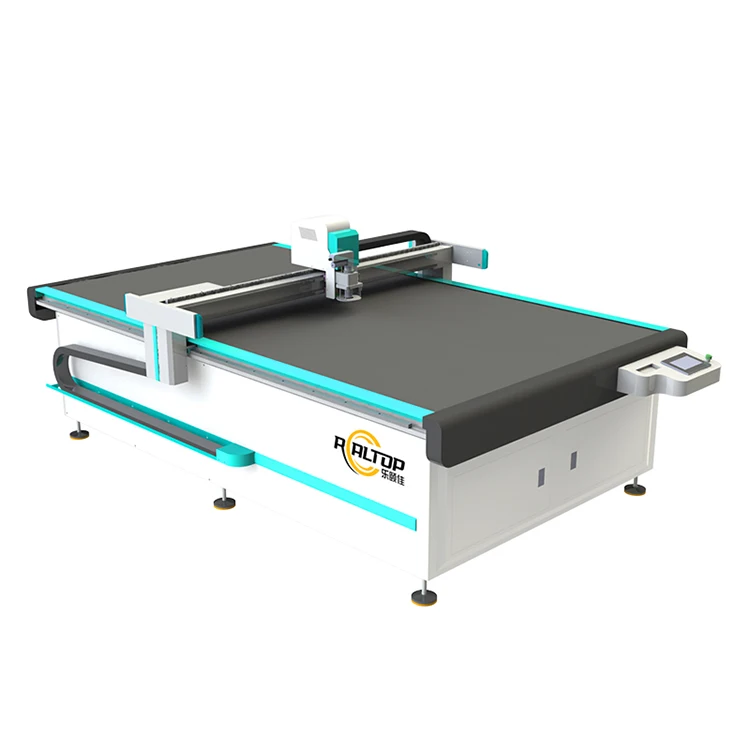
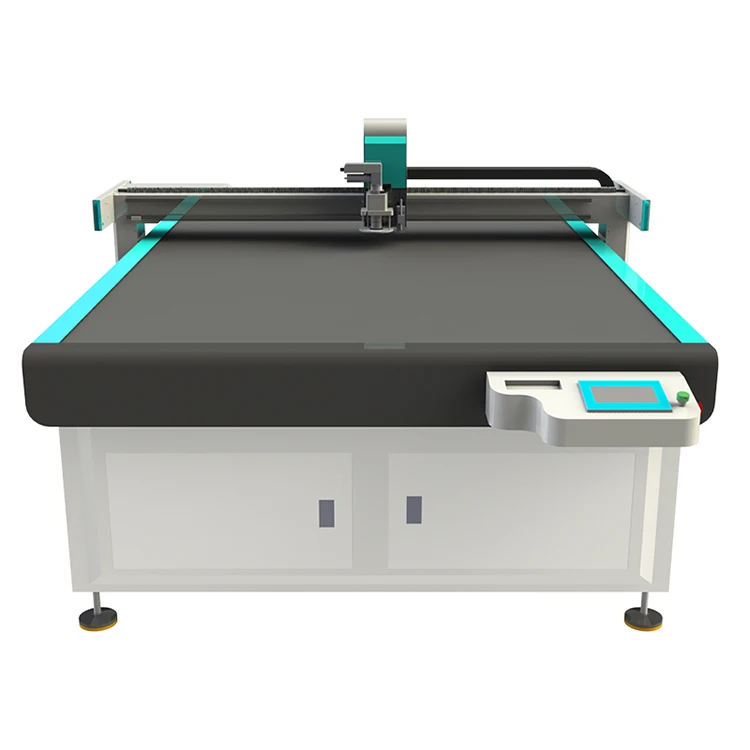
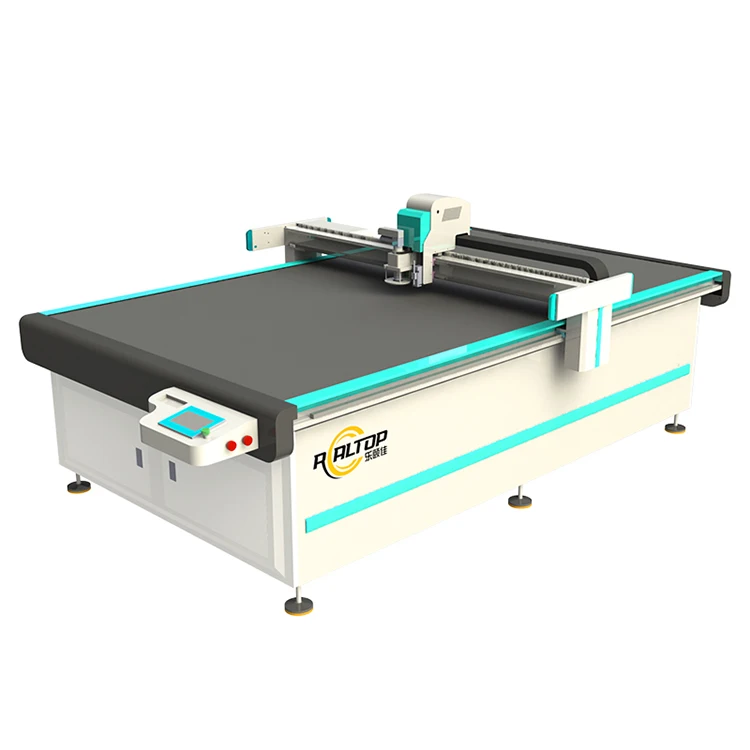
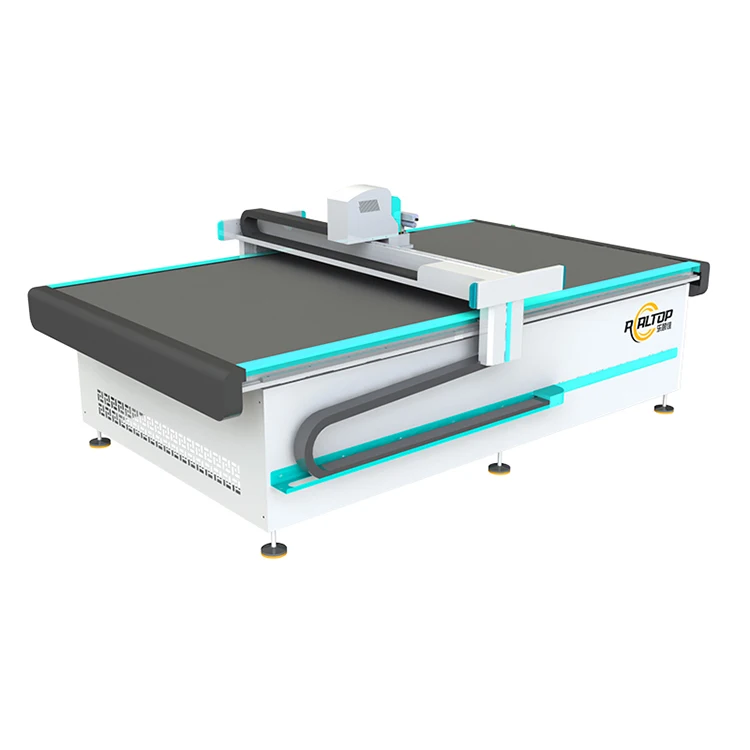
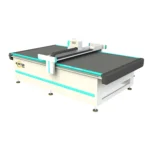
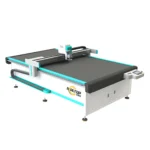
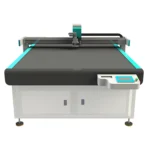
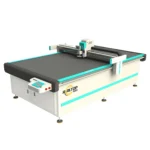
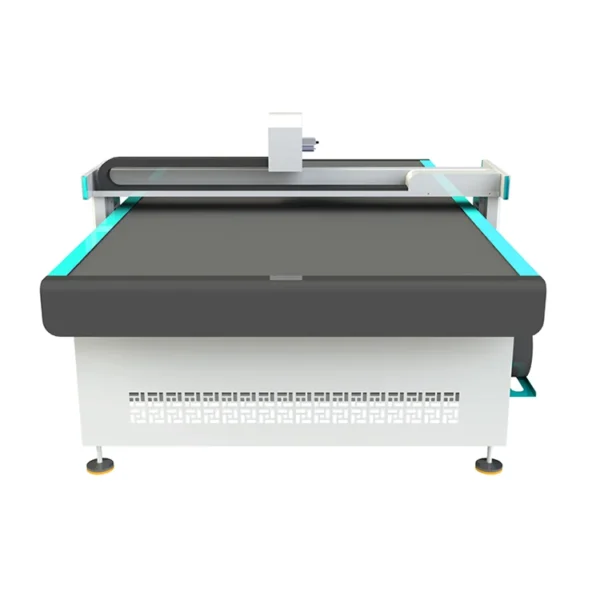
Swiss oscillating knife configured per stock — Our RT-D2516 / RT-S2516 ships with blade amplitude and vacuum zoning matched to the flute profile you actually run, not a generic setting.
Technical Specifications
| Parameter | Value |
|---|---|
| Product Type | CNC Flatbed Digital Cutting Machine |
| Model | RT-D2516 / RT-S2516 |
| Working Area | 1600 × 2500 mm |
| Overall Dimensions (L×W×H) | 3450 × 2300 × 1250 mm |
| Table Type | Flat working table with vacuum and auto-feeding conveyor |
| Vacuum Pump | 7.5 kW |
| Tool Head | Swiss-imported oscillating knife (vibration full/half cutting, cursor location) |
| Translational Speed | 800–1200 mm/s |
| Cutting Speed | 200–800 mm/s (basis not stated in source — confirm material/thickness/tool) |
| Repeated Accuracy | ≤ 0.1 mm |
| Transmission System | Digital servo motor, linear guide, synchronous belt, ball screw |
| Servo Motor | Japanese Yaskawa |
| Linear Guide | Taiwan Hiwin rail |
| Conveyor Belt | Germany imported |
| Rated Power | 9 kW |
| Voltage | 380V ± 10% |
| Instruction System / File Format | HP-GL compatible format |
| Safety Device | Infrared sensors |
| Standards | CE |
Application Suitability
| Application | Material or Output |
|---|---|
| Corrugated box prototyping and sampling | Single, double and triple-wall corrugated board |
| Cardboard puzzle cutting | Grey board, white card stock, laminated chipboard |
| Packaging sample making | Folding carton stock, display-grade board, micro-flute |
| Flexible material cutting | Leather, sponge composites, PVC, soft glass, silicon, rubber |
Why Tool Head Choice Matters More Than Working Area
A CNC oscillating knife cutting machine for packaging sample making is often specified on bed size alone, leaving the knife amplitude and tool selection to chance. The blade that cuts 300 gsm card cleanly will crush E-flute or leave ragged fibers on triple-wall.
When the tool head is mismatched, the shop floor spends days adjusting downforce and speed to compensate for a hardware problem. The result is compressed flute profiles on corrugated samples, delaminated edges on laminated board, and nesting yield that drops because the kerf is inconsistent across the sheet [NEED_CITE: oscillating knife amplitude and material thickness correlation]. Buyers who discover this after delivery end up re-ordering tool heads and re-commissioning the machine.
Matching Blade Amplitude to Flute Profile
The Swiss-imported oscillating knife on the RT-D2516 / RT-S2516 supports vibration full cutting, half cutting and cursor location in one head. For packaging work, the critical variable is how far the blade strokes vertically during each oscillation cycle. Thin card and micro-flute need a short, fast stroke to shear fibers cleanly without dragging. Heavier double-wall and triple-wall board needs* before the next oscillation. Selecting this parameter before the machine ships avoids the compressed-edge problem that shows up when a generic setting meets a thick substrate.
Vacuum Zoning for Small Packaging Parts
The 7.5 kW vacuum pump pulls air through the flat working table to hold material in place during cutting. For full-sheet corrugated sampling, a single large zone is usually sufficient because the board covers most of the table surface. Once a production run shifts to small carton blanks or puzzle pieces, large open zones lose suction where the sheet has already been cut away. Configuring the table into smaller independent zones ensures that vacuum concentrates under the remaining material, preventing lift on parts as small as a few centimeters across [NEED_CITE: vacuum table zoning effect on small part hold-down].
How Servo and Rail Selection Affects Registration
The Yaskawa digital servo motors drive the head along Taiwan Hiwin linear guides with synchronous belt and ball screw transmission. The resulting repeated accuracy of ≤ 0.1 mm matters when a packaging sample requires multiple tool passes — full cut for the outline, half cut for the fold line, and creasing wheel for the hinge. If the head does not return to the same coordinate on each pass, the fold line drifts relative to the cut edge and the sample will not assemble square. This tolerance also governs how tightly nested parts can be placed on a sheet before kerf overlap damages adjacent pieces.
The Hidden Cost of Skipping a Sample Cut
Ordering a CNC oscillating knife cutting machine for packaging sample making on paper specifications alone leaves the actual edge quality to assumption. A corrugated board from one mill may have a different liner adhesion and moisture content than a nominally identical grade from another, and the blade that works on one tears the other. Running the buyer’s own stock through the machine before commitment produces a sample cutting report that shows whether the chosen oscillating knife amplitude, vacuum zone layout and cutting speed deliver acceptable edges on that specific material [NEED_CITE: corrugated board liner adhesion variance between mills]. Without this step, commissioning extends from days into weeks of parameter tuning on the shop floor.
Why Sourcing This Machine Here
The RT-D2516 / RT-S2516 is produced by Realtop in a facility that builds both oscillating knife and laser cutting platforms under one roof. This means the cutting method is matched to the material rather than forced into a single technology. Tool head and table configurations are specified per material thickness and production volume, not taken from a default catalog page. Voltage, plug type and control language are confirmed before production starts so the machine arrives ready to connect. Software compatibility with the buyer’s existing HP-GL workflow is verified during the order stage. A sample cutting report on the buyer’s own corrugated or card stock accompanies the quotation.
Documentation & Verification
- Machine specification sheet with confirmed working area and tool head list
- Electrical schematic matching target market voltage and frequency
- Sample cutting report produced on buyer-supplied corrugated or card stock
- Tool head and vacuum table configuration list per material type
- Software licence and HP-GL file format compatibility confirmation note
- Factory test record covering repeated accuracy and cut edge quality
Installation, Commissioning & Support
- Requires a level concrete floor capable of supporting the 3450 × 2300 mm footprint plus operator clearance
- Dedicated 380V ± 10% circuit with rated capacity above the 9 kW machine plus 7.5 kW vacuum pump draw
- Delivered with conveyor and gantry pre-assembled; vacuum pump and tool head commission on site
- First-run parameter setting covers oscillation amplitude, cutting speed and vacuum zone mapping per material
- Operator training includes blade replacement, vacuum zone switching and HP-GL file import workflow
- Spare oscillating knife blades and conveyor belt wear parts listed in the supplied spares schedule
Preparing Your Enquiry
To size the configuration correctly, we need the material type, thickness range and maximum sheet dimensions you plan to run, along with the daily sample or short-run volume. Confirm your workshop voltage and frequency, the plug standard required, and the language for the control interface. If you use an existing nesting or design system, share a sample file so we can verify HP-GL import before the order is finalized.
Frequently Asked Questions
Q: What conditions determine the 200–800 mm/s cutting speed range?
A: That speed window applies across the range of materials the RT-D2516 / RT-S2516 handles, from thin card to thick corrugated and flexible composites. The actual speed for a given job depends on material thickness, flute profile, knife amplitude setting and the number of tool passes required. We confirm the achievable speed on your specific stock during the sample cutting stage.
Q: How is the oscillating knife configured for different board grades?
A: The Swiss-imported head supports adjustable vibration amplitude for full cutting and half cutting. Thin micro-flute and card stock need a shorter stroke for clean fiber shear, while double and triple-wall corrugated requires a longer*ing is chosen during sample testing on your material before the machine ships.
Q: Can the vacuum table hold small carton blanks without lifting?
A: The 7.5 kW pump feeds a flat vacuum table that can be configured with independent zones. When cutting small packaging parts, active zones concentrate suction under the remaining material rather than pulling across the entire bed. The number and size of zones are specified to match the smallest part in your production mix.
Q: How does the HP-GL format connect to our existing design software?
A: The instruction system accepts HP-GL compatible files, which most packaging CAD and nesting applications can export. We verify the import path with a sample file from your workflow during the order stage, and supply a software licence and file format compatibility note with the machine documentation.
Q: What electrical details need confirming before shipment?
A: The standard configuration runs on 380V ± 10%, but the exact voltage, frequency, plug type and control panel language must match your local installation. These details are confirmed in the electrical schematic before production starts so the machine connects without transformers or rewiring on arrival.


商品评价
Clear filtersThere are no reviews yet.