




Fast Shipping
Carrier information

20k products
Payment methods

24/7 Support
Unlimited help desk

2-day Delivery
Track or off orders
Carrier information
Payment methods
Unlimited help desk
Track or off orders
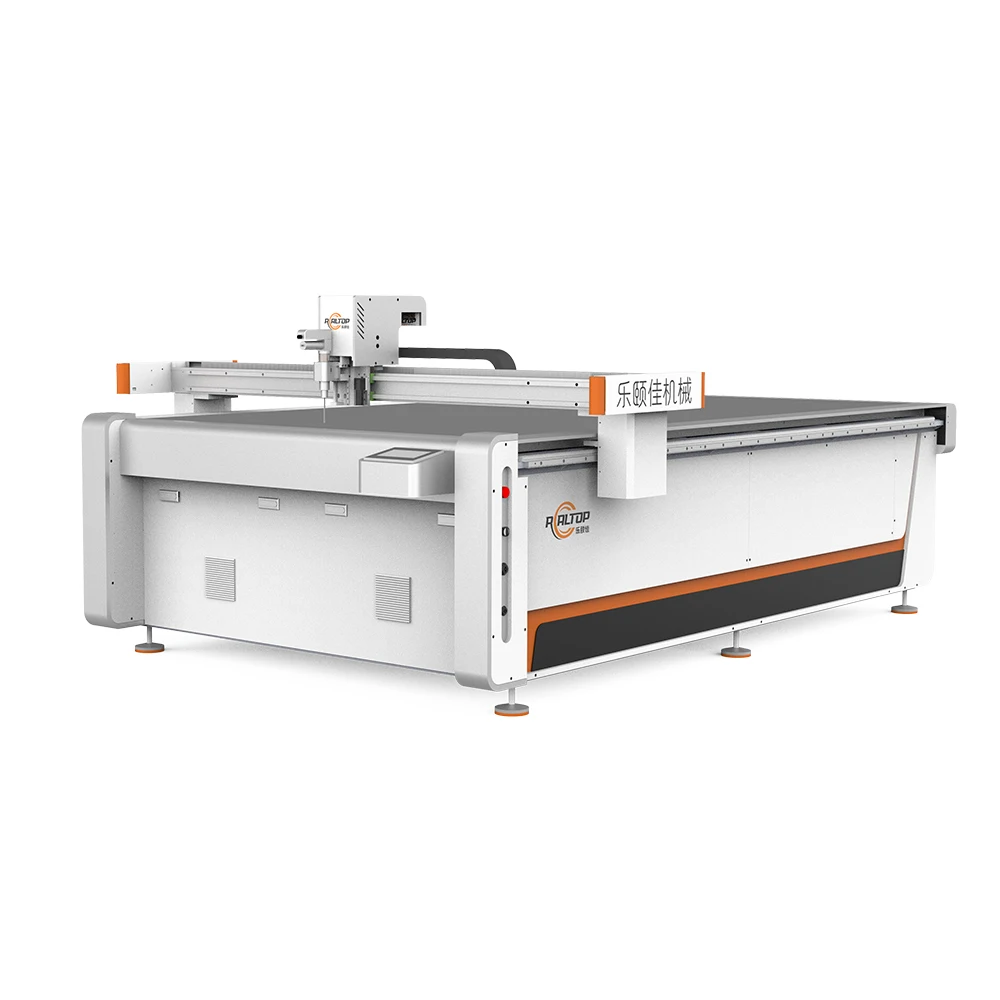
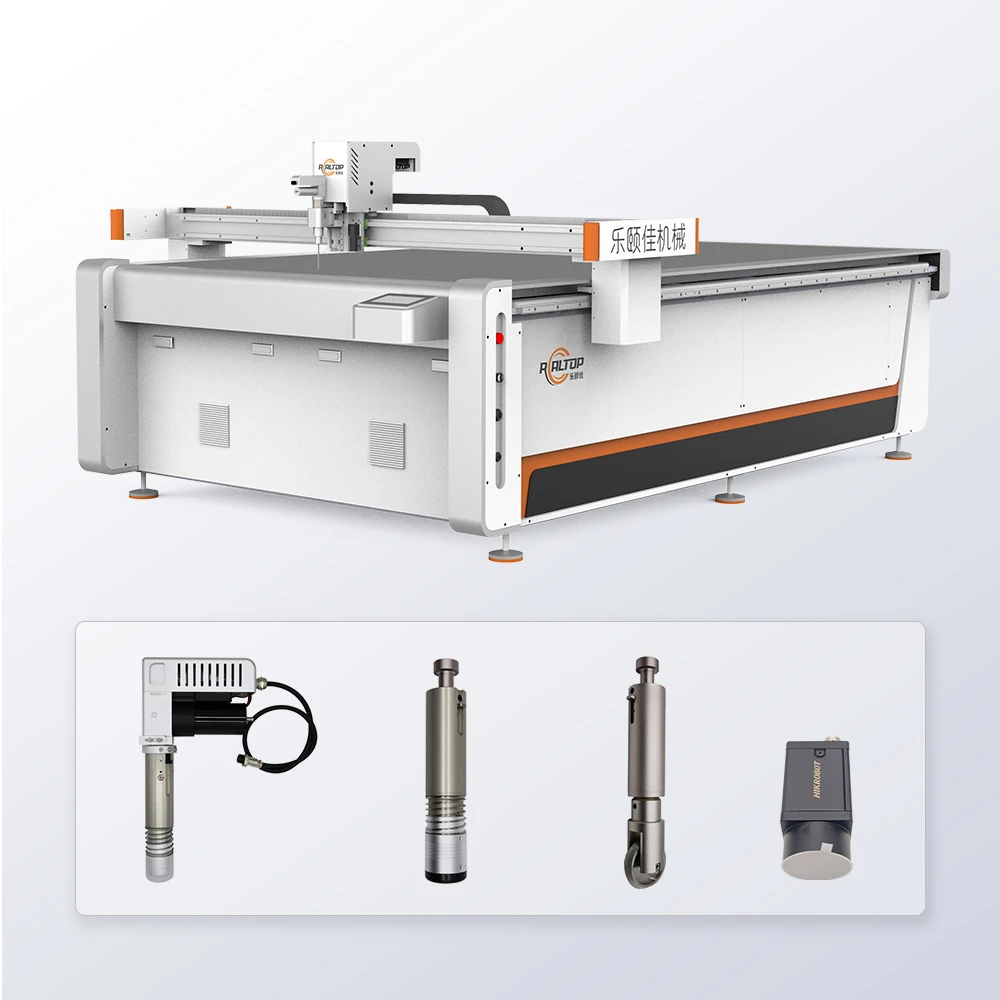
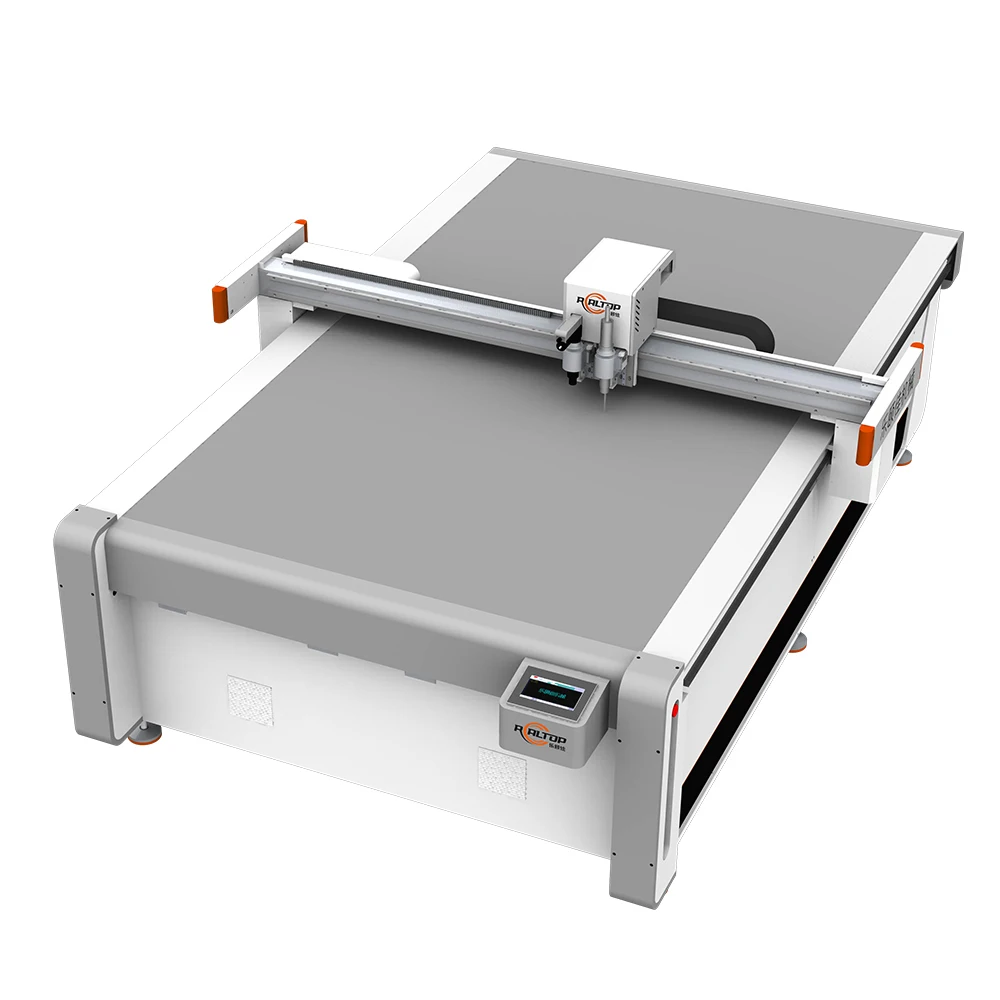
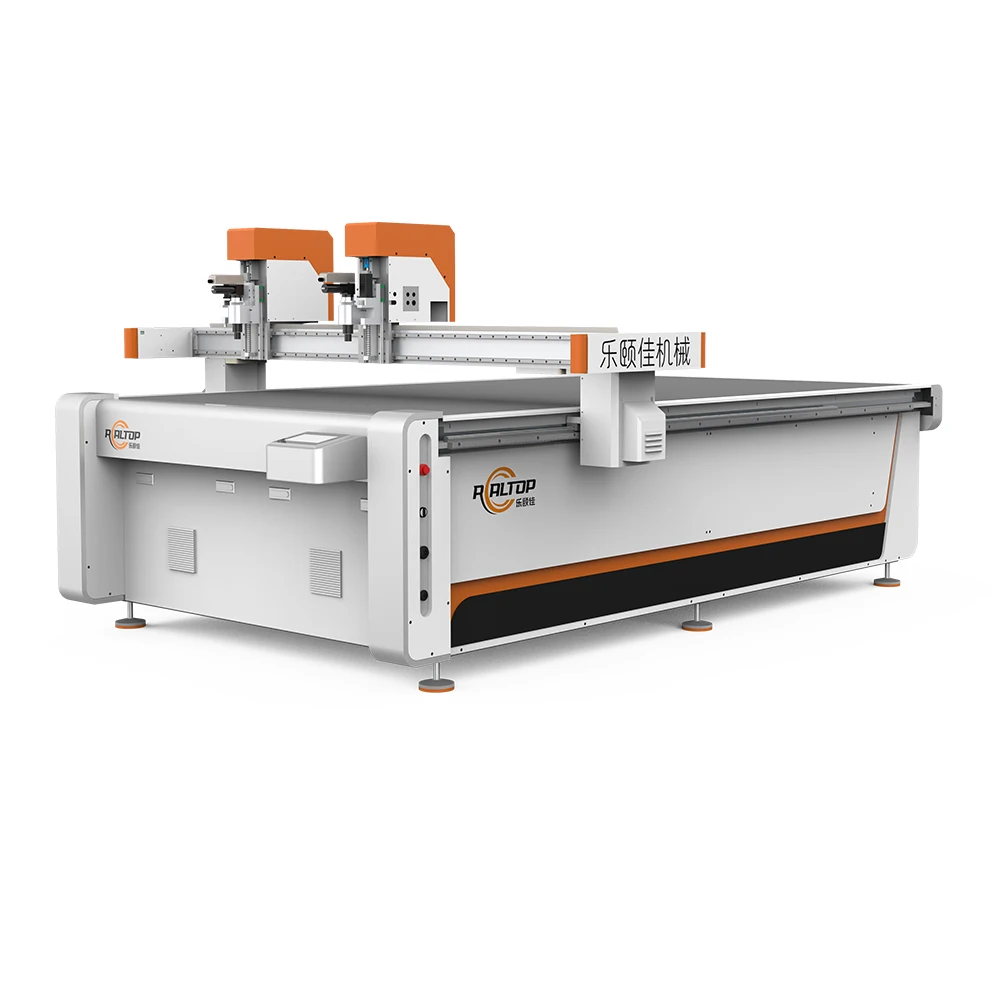
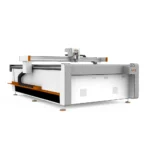
Tool Head Matched to Board Grade — oscillating knife, creasing wheel and V-groove tools selected per flute profile and sheet density, not sold as a generic multi-tool package.
| Parameter | Value |
|---|---|
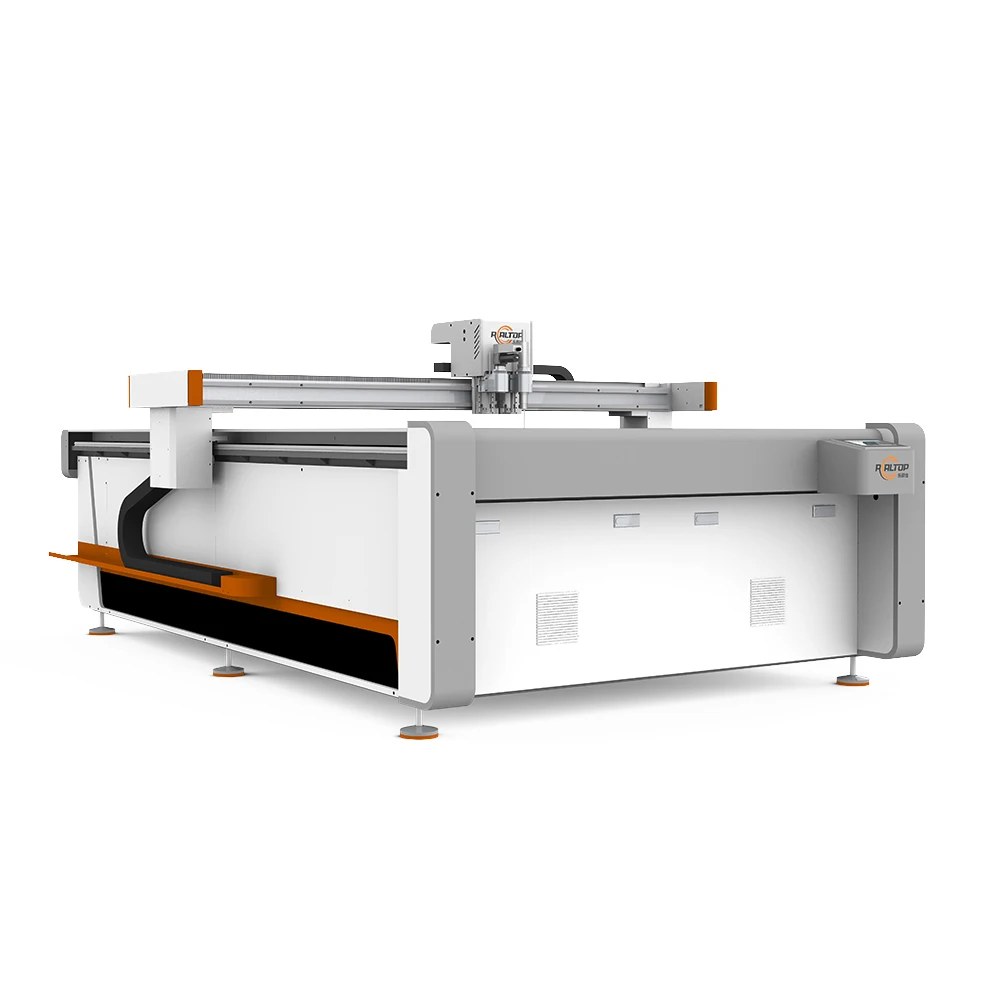
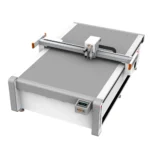
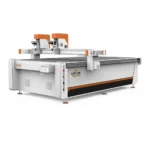
| Product Type | CNC Oscillating Knife Cutting Machine for Packaging |
| Working Area | 1600×2500 mm |
| Tool Options | Oscillating knife, Driven rotary knife, Creasing wheel, Kiss cutting tool, Pneumatic knife, Milling tool, V-groove knife |
| Cutting Speed | 0–1500 mm/s |
| Cutting Thickness | ≤40 mm (basis not stated in source — confirm material, flute type and layer structure) |
| Cutting Accuracy | ±0.1 mm |
| Vacuum Table | Aluminum bellows vacuum table with zone control |
| Vacuum Pump | 9 kW |
| Servo Motor Options | Panasonic, Delta, Dorna |
| Control System | PLC panel with dedicated packaging box structure design software |
| File Formats | PLT, DXF, AI, PDF |
| Voltage Options | 110V, 220V, 380V |
| Interface Languages | English, Russian, Italian, Chinese (customizable) |
| Safety Devices | Infrared sensor, emergency stop |
| Machine Dimensions | 3300×2100×1350 mm |
| Certifications | CE |
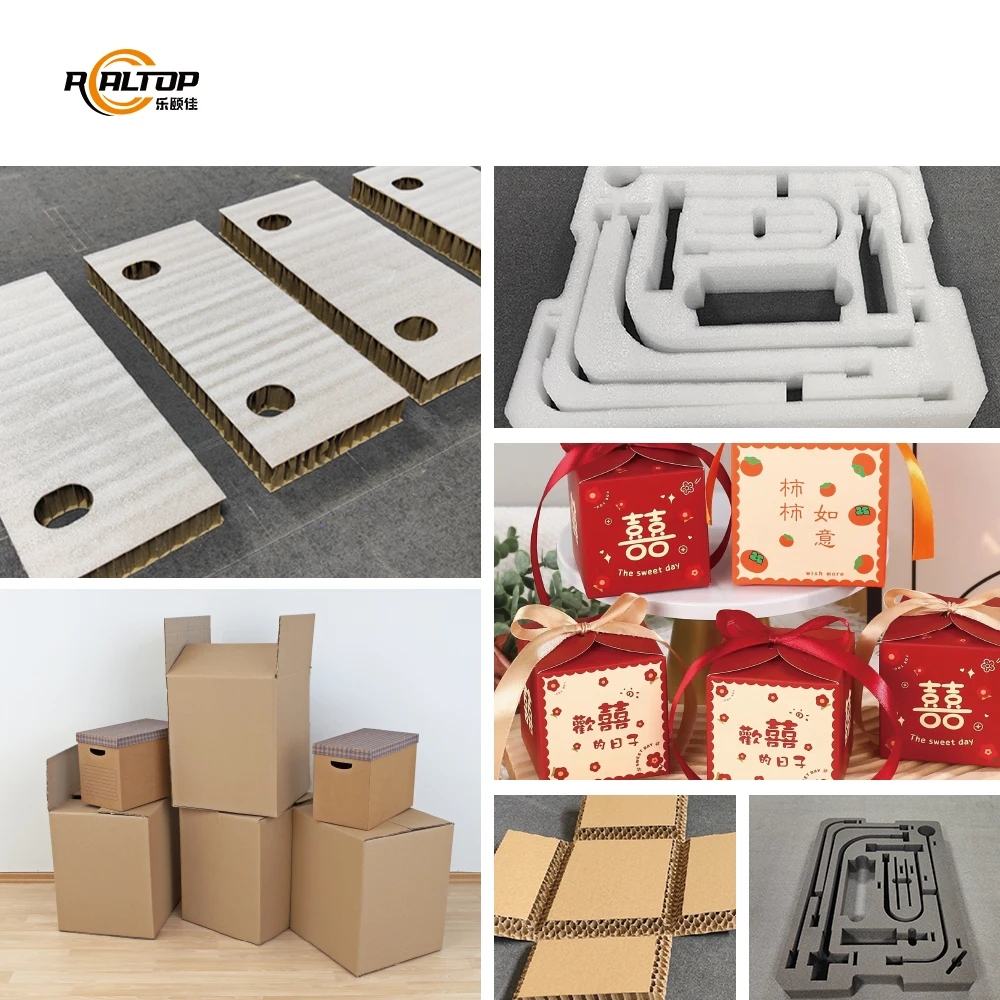
| Application | Material or Output |
|---|---|
| Packaging sample prototyping | Corrugated board (E-flute, B-flute, BC-flute), greyboard, art paper, cardstock |
| Short-run custom packaging | Specialty paper, adhesive-backed sheets, thin PVC and PET |
| Foam insert fabrication | EVA, EPE, PU foam for protective packaging contours |
| Gasket and liner cutting | Rubber mats, PTFE, non-woven fabric, velvet and fleece |
| Leather and synthetic cutting | Natural leather, synthetic leather for packaging accents and cases |
Real cutting depth depends on flute structure, board density and tool head selection — not a single number on a spec sheet.
I once configured a carton sample cutting table for a Middle East buyer who sent corrugated samples. We dialled in the oscillating knife, tested the cuts and shipped. Two days after commissioning he called: the machine was crushing edges on high-GSM greyboard he had not mentioned. The line stopped. That incident changed how I take orders — every inquiry now starts with the buyer’s actual material on the table, not a catalogue thickness claim [NEED_CITE: material variability in corrugated and greyboard packaging grades]. A CNC oscillating knife cutting machine for packaging must be validated against the specific board grade, flute count and moisture content the buyer runs daily.
Corrugated E-flute behaves differently under an oscillating knife than double-wall BC-flute. The oscillating knife handles most single and double-wall profiles cleanly, but dense greyboard above a certain GSM requires a pneumatic knife or adjusted stroke frequency to prevent delamination. The creasing wheel produces a scored fold line without penetrating the liner — wrong wheel width leaves a weak crease or tears the top sheet. This CNC oscillating knife cutting machine for packaging offers seven tool positions so the buyer assigns one tool per operation rather than forcing a single blade through incompatible materials [NEED_CITE: tool head selection principles for flatbed digital cutters].
A full-sheet vacuum hold works until you cut a small insert or a narrow flap. Once the surrounding material is removed, the remaining piece can lift under knife drag, producing a ragged edge or a missed cut. The aluminum bellows vacuum table on this unit divides into controllable zones, letting the operator activate only the section under the workpiece. For packaging sample makers running nested small boxes and dividers, zone selection keeps flat stock pinned through the final pass. The 9 kW vacuum pump provides the suction reserve needed when multiple zones are active simultaneously.
The ±0.1 mm cutting accuracy matters most on scored crease lines that must align with printed graphics after folding. Servo motor choice — Panasonic, Delta or Dorna — affects how tightly the head tracks tight-radius corners on intricate box structures. The PLC control panel runs dedicated packaging box structure design software alongside standard PLT, DXF, AI and PDF import, so a sample maker can generate box templates in-house or accept files from a client’s CAD workflow. Cutting speed up to 1500 mm/s applies to straight runs on thin stock; dense board and tight contours require reduced feed to maintain edge quality. Voltage configurable across 110V, 220V and 380V means the electrical specification must be locked before production begins, not assumed at order [NEED_CITE: voltage and frequency standards by export market].
A buyer who specifies working area alone and skips the material test often discovers the problem after the machine is bolted to the floor. Wrong tool head on greyboard produces crushed fibres along the cut line, making the sample look torn rather than sheared. Insufficient vacuum zoning lets small flap pieces shift mid-cut, throwing off the ±0.1 mm tolerance. Language and control interface left unconfirmed means the operator stares at an unfamiliar script during commissioning. These failures are not machine defects — they are specification gaps that surface at the worst possible moment [NEED_CITE: common commissioning failures in digital cutting installations].
In-house engineering covers both knife and laser cutting, so the buyer selects the method that fits the material rather than forcing one technology across every substrate. Tool head and vacuum table configuration are specified per material and production volume, documented in the quotation rather than left as a generic promise. CCD camera positioning is available for printed contour work where registration to a printed mark is required. Software compatibility and file format support are confirmed before the order enters production. Sample cutting on the buyer’s own material is standard practice — thickness, edge quality and crease integrity are recorded before commitment.
To specify this CNC oscillating knife cutting machine for packaging correctly, send the board grades and flute profiles you cut most often, along with typical sheet dimensions and daily sample volume. Confirm your workshop voltage and the control language your operators need. If you run a specific packaging CAD system, share a sample file so we verify import and nesting compatibility before quotation.
Q: How is the ≤40 mm cutting thickness validated for my specific board?
A: We cut samples on your actual corrugated or greyboard stock and record edge quality, crease integrity and dimensional accuracy. The result confirms which tool head and stroke setting suits your material, rather than relying on a catalogue maximum that may not apply to your flute profile or density.
Q: Which tool head should I use for corrugated versus greyboard?
A: The oscillating knife handles most corrugated flutes cleanly. High-GSM greyboard often needs a pneumatic knife or adjusted stroke to prevent fibre crushing. The creasing wheel scores fold lines without penetrating the liner. Each tool is assigned to a material and operation in the configuration list.
Q: Will small packaging samples lift off the table during cutting?
A: The aluminum bellows vacuum table uses controllable zones. The operator activates only the zone under the workpiece, keeping small flaps and inserts pinned after surrounding material is removed. The 9 kW pump maintains suction across active zones throughout the cutting cycle.
Q: Can I import my existing packaging CAD files directly?
A: The system accepts PLT, DXF, AI and PDF files alongside the dedicated packaging box structure design software. We test your sample file before order confirmation to verify import accuracy, layer recognition and nesting workflow compatibility with your current process.
Q: What electrical and language details must be confirmed before shipment?
A: Voltage (110V, 220V or 380V), plug type and phase must match your workshop supply. The PLC interface language — English, Russian, Italian, Chinese or a custom option — is set before dispatch. These are documented in the electrical schematic and specification sheet provided with the quotation.
CURABITUR ALIQUET QUAM POSUERE
Will be used in accordance with our Privacy Policy
No account yet?
Create an Account


商品评价
Clear filtersThere are no reviews yet.