





Fast Shipping
Carrier information

20k products
Payment methods

24/7 Support
Unlimited help desk

2-day Delivery
Track or off orders
Flute-matched tool configuration — Every corrugated cutting table leaving our Jinan facility ships with a test report run on the buyer’s exact board grade and flute profile, not just a generic sample from stock.
Technical Specifications
| Parameter | Value |
|---|---|
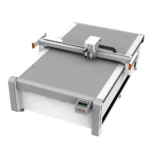
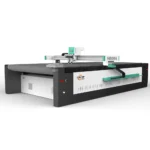
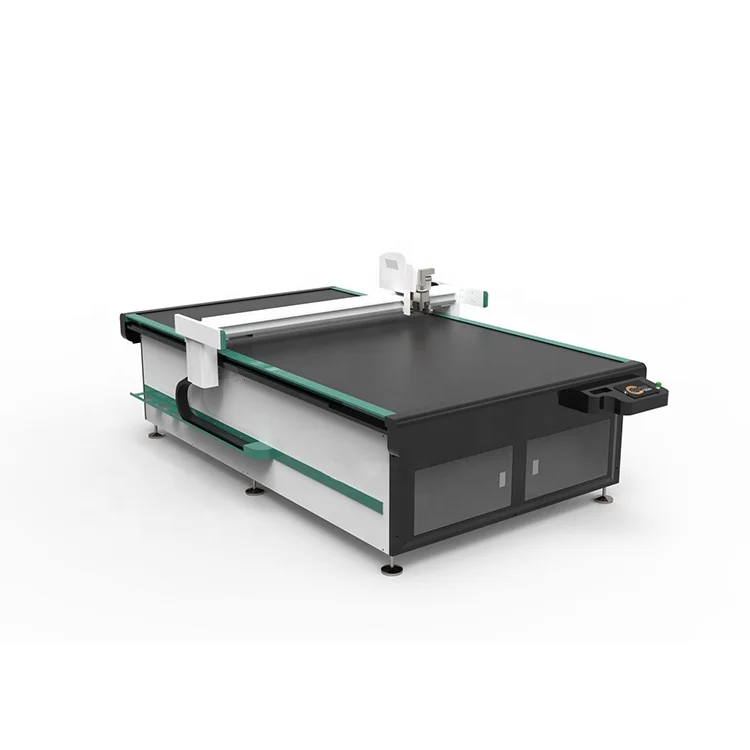
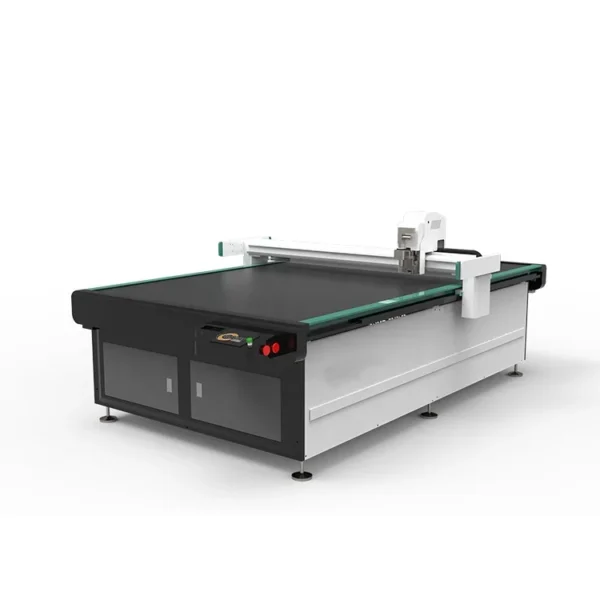
| Product Type | CNC Oscillating Knife Cutting Machine |
| Working Area | 1600×2500 mm |
| Overall Dimensions (L×W×H) | 3450×2300×1250 mm |
| Rated Power | 11 kW |
| Working Table | Flat working table with vacuum hold-down |
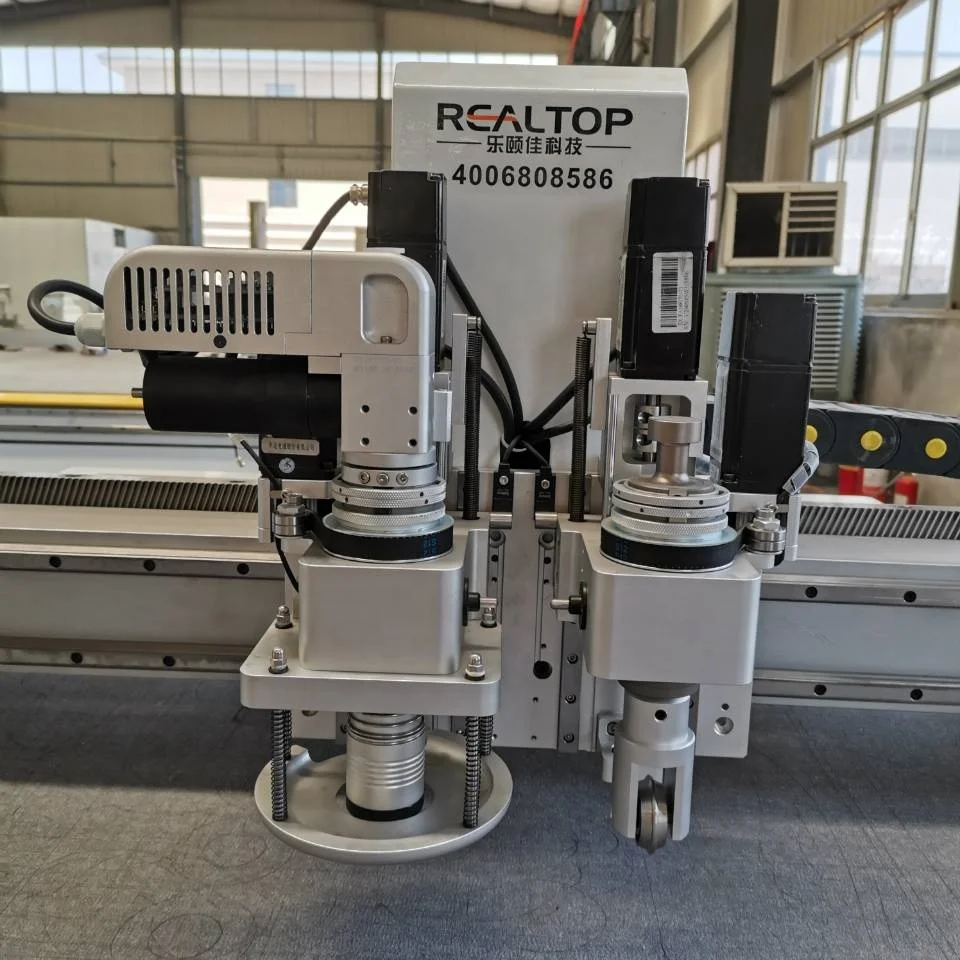
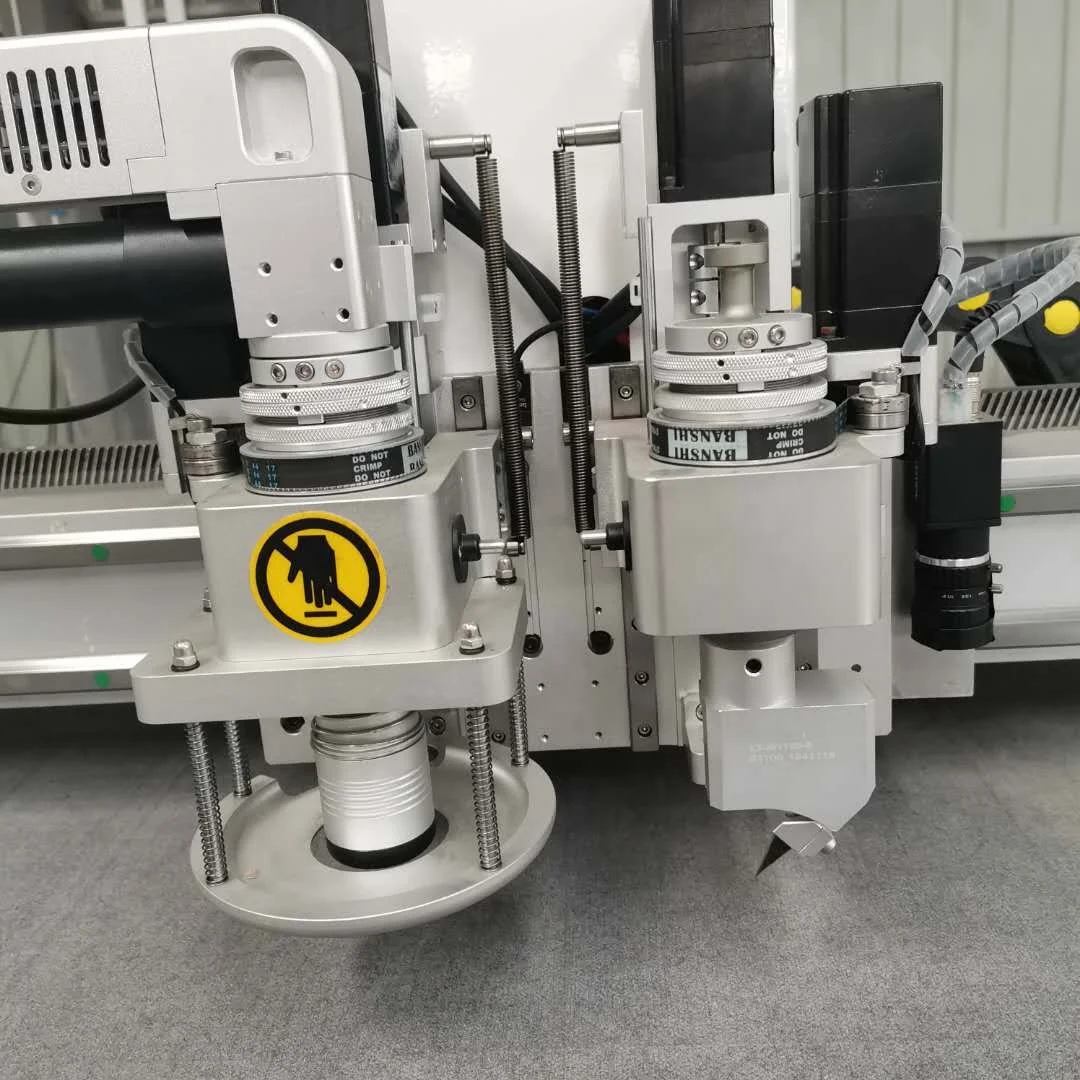
| Multifunctional Head | Swiss imported knife with vibration full cutting, half cutting and cursor location |
| Safety Device | Infrared sensors |
| Translational Velocity | 800–1200 mm/s |
| Cutting Speed | 200–800 mm/s depending on material |
| Repeated Accuracy | ≤0.1 mm |
| Transmission System | Digital servo motor, linear guide, synchronous belt, ball screw (imported) |
| Instruction System | HP-GL compatible format |
| Voltage | 380V ±10% |
| Servo Motor | Japanese Yaskawa |
| Conveyor Belt | Germany imported |
| Vacuum Pump | 7.5 kW |
| Auto Feeding | Included |
| Linear Guide | Taiwan Hiwin rail |
Application Suitability
| Application | Material or Output |
|---|---|
| Corrugated gift box prototyping | E, B, C flute corrugated board up to short-run sample volumes |
| Carton sample making | Single and double-wall corrugated stock for die-line validation |
| Packaging converter short runs | Mixed flute profiles on the same table with tool change |
| Small-batch gift box production | Digital die-cutting replacing manual die tooling for fast turnaround |
| Leather and flexible material cutting | Leather, clothing textiles, sponge composite leather, PVC, soft glass, silicon, rubber |
Why Specifying Only Working Area Fails on Corrugated Board
The real question is whether the oscillation frequency and knife geometry match your flute structure, not just whether the sheet fits on the table.
I have watched packaging shops buy a CNC oscillating knife cutting machine for packaging and carton sample making based purely on bed size, then discover on day one that the standard knife head crushes E-flute instead of shearing it cleanly. The board compresses, the crease line wanders, and the sample looks nothing like what the client approved. [NEED_CITE: corrugated flute compression during digital cutting]
When the substrate changes — say from standard B-flute to a high-glue specialty paper used in luxury gift boxes — the material sticks to the knife edge, builds up through the shift, and forces the operator to stop and clean every few dozen sheets. That downtime is never in the brochure.
Knife Head Selection Across Flute Profiles
The Swiss imported multifunctional head on this oscillating knife CNC cutting table supports both full-cut and half-cut vibration modes. Full cut handles the perimeter die-line through the entire board thickness, while half cut scores the crease without penetrating the bottom liner. Switching between modes is a tool-head change, not a machine change, which matters when a sample maker runs a gift box prototype in the morning and a shipping carton mock-up in the afternoon.
The oscillation frequency must be tuned to the flute pitch. E-flute at roughly 300 flutes per meter demands a different vibration profile than C-flute at around 130. Running the wrong frequency leaves micro-tears on the cut edge that become visible after printing and lamination.
Vacuum Zoning for Lightweight Packaging Stock
Corrugated gift box stock is light relative to its surface area, and the cutting head exerts lateral force during direction changes. The 7.5 kW vacuum pump pulls the sheet flat against the table, but zoning is what actually holds small parts. Without independent vacuum zones, a small insert card or a narrow box panel can lift at the trailing edge once surrounding waste is removed, throwing off the ≤0.1 mm repeat accuracy. [NEED_CITE: vacuum table zoning impact on small part registration]
When I set up a table for a shop that runs both large carton blanks and small cosmetic box inserts on the same machine, we map the vacuum zones to the nesting layout before the first production run. It takes an hour and prevents days of rework.
Reading the Spec Sheet for Production Reality
The 200–800 mm/s cutting speed range is material-dependent: dense double-wall corrugated sits at the lower end, while single-face E-flute runs comfortably toward the upper range. The Yaskawa digital servo motor and Taiwan Hiwin linear guide together maintain registration across the full 1600×2500 mm working area, which matters when a die-line has registration marks at opposite corners.
The HP-GL compatible instruction system integrates with common packaging CAD packages, but file format compatibility should be confirmed before order — not after the machine arrives and the shop’s nesting software cannot export a readable path. The 11 kW rated power covers the cutting head, vacuum pump, conveyor drive and control system together; verify that your facility’s 380V supply can dedicate a clean circuit at ±10% tolerance.
What Happens When Configuration Is Wrong
A drag knife forced through C-flute leaves a ragged trailing edge and delaminates the top liner. A creasing wheel set too deep on E-flute cracks the surface instead of folding it. Either defect means the sample gets rejected by the client, the shop blames the machine, and the machine sits idle while the supplier argues about material suitability. [NEED_CITE: packaging sample rejection causes in digital cutting]
I saw a carton sample shop lose an entire client relationship because their machine was configured for flat card stock and nobody re-tested when the client switched to a laminated corrugated gift box. The glue layer melted onto the knife, the edge sealed shut, and half the samples tore on opening.
Why Source This Oscillating Knife Cutter Here
Both knife and laser cutting technologies are designed and built in-house at the Jinan facility, so the cutting method is matched to the material rather than forced into one platform.
Tool head and table configuration is specified per material and production volume — not pulled from a default list. CCD camera positioning is available for printed contour work on pre-printed packaging samples. Software compatibility with the buyer’s existing packaging CAD and nesting workflow is confirmed before the order is released to production.
Voltage, control language and specification customization is handled before shipment, not discovered at installation. Sample cutting on the buyer’s own corrugated board grade and flute profile is standard practice before any commitment, so the test report reflects production reality.
Documentation & Verification
- Machine specification sheet matching your confirmed flute profile and board thickness range
- Electrical schematic with 380V ±10% circuit requirement and dedicated breaker sizing
- Tool head and table configuration list showing oscillating knife, half-cut and cursor settings per material
- Sample cutting report run on your own corrugated board grade before order release
- Software licence and HP-GL file format compatibility note covering your packaging CAD workflow
- Factory test record documenting repeatability and edge quality on your material batch
Installation, Commissioning & Support
- Floor space of 3450×2300 mm plus operator clearance on three sides for the flat working table
- Dedicated 380V ±10% circuit rated for 11 kW continuous draw with clean earth grounding
- Machine ships partially assembled; vacuum pump and conveyor belt require on-site connection and tensioning
- First-run parameter tuning on your corrugated flute type for oscillation frequency and cutting depth
- Operator training covers HP-GL file import, nesting layout and vacuum zone mapping per job
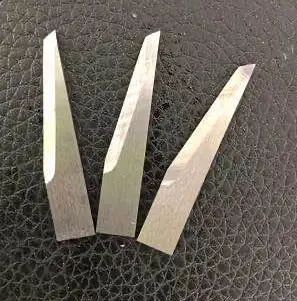
- Spare oscillating knife blades and drag knife tips included with recommended replacement intervals
- Weekly linear guide inspection and monthly synchronous belt tension check on the Hiwin rail system
What to Include in Your Inquiry
Send the exact corrugated board grades and flute profiles you run most often, along with typical sheet sizes and daily sample volume. If your packaging CAD outputs something other than HP-GL, name the software and version so we can confirm file path compatibility before quoting. Also confirm your facility voltage and frequency — 380V at 50 Hz is standard here, but configurable — and the control panel language your operators need.
Frequently Asked Questions
Q: Which tool head is correct for my corrugated flute type and board thickness?
A: E-flute typically runs a high-frequency oscillating knife for clean shearing, while B and C flute use lower oscillation with a heavier blade to avoid flute crushing. Half-cut mode handles crease scoring without penetrating the bottom liner. We confirm the head selection by running a sample cut on your actual board before the order is finalized.
Q: How does vacuum table zoning affect small-part hold-down on lightweight packaging stock?
A: Lightweight corrugated sheets can lift at the edges once surrounding waste is removed, especially on small box inserts or narrow panels. Independent vacuum zones keep each section locked to the table surface. We map the zone layout to your most common nesting patterns during commissioning so registration holds across the entire run.
Q: Can the CNC system import my existing packaging CAD file format and nesting layout?
A: The instruction system is HP-GL compatible, which covers most packaging CAD packages. If your software outputs a proprietary format, we need the file type and version before order so we can verify the import path. This avoids discovering incompatibility after the machine arrives at your facility.
Q: What voltage and frequency options are available for my target market?
A: The standard configuration is 380V ±10% at 50 Hz. Voltage and frequency can be adjusted for your facility supply before production begins. We require a confirmed electrical schematic match before the machine ships, so your electrician knows the exact breaker rating and wiring gauge needed on arrival.
Q: How is sample cutting on my own material arranged before I commit to a full order?
A: You send a batch of your actual corrugated board — the same grade and flute profile you will run in production. We cut your die-lines, document edge quality, crease accuracy and cycle time, then send you the sample pieces along with a written test report. Configuration is adjusted based on those results before any order is released.


商品评价
Clear filtersThere are no reviews yet.