







Fast Shipping
Carrier information

20k products
Payment methods

24/7 Support
Unlimited help desk

2-day Delivery
Track or off orders
Material-driven tool configuration — Every oscillating knife, creasing wheel and vacuum zone is matched to your board grade and flute profile, so edge quality is proven on your own stock before shipment.
Technical Specifications
| Parameter | Value |
|---|---|
| Model | 1625 |
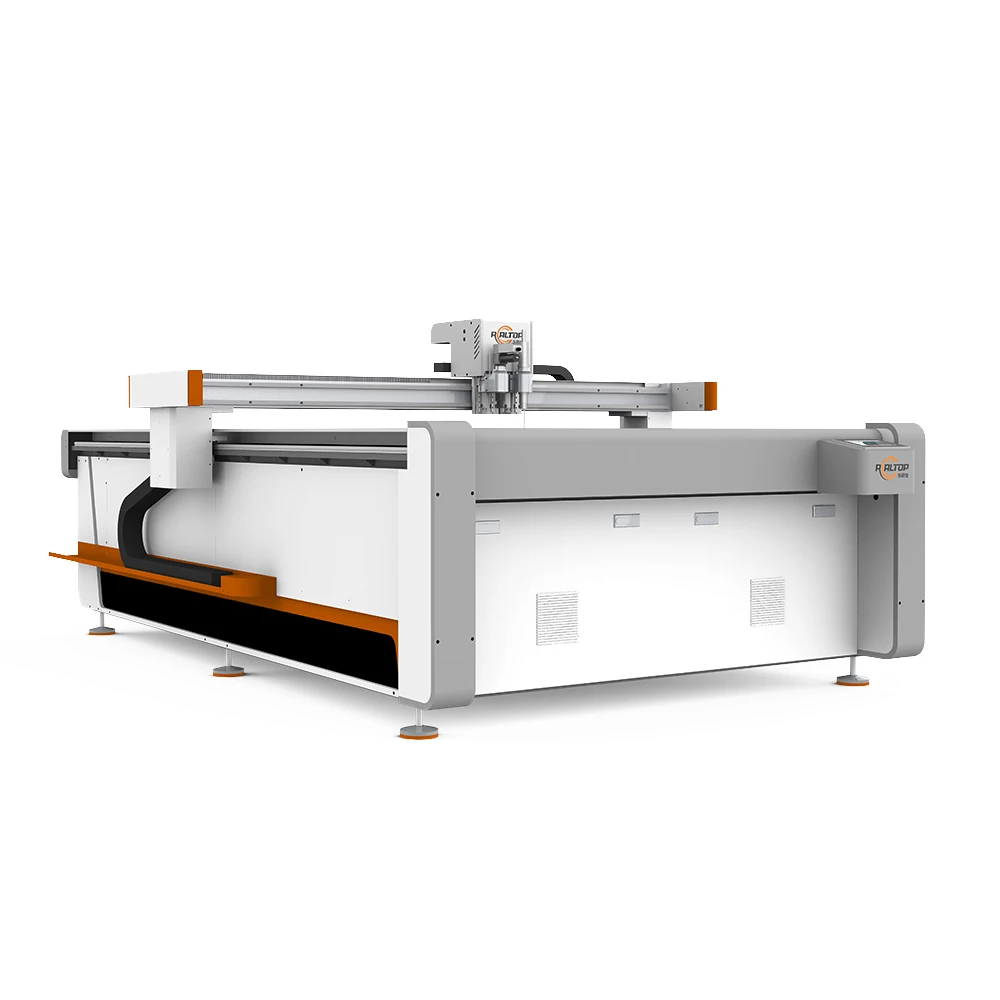
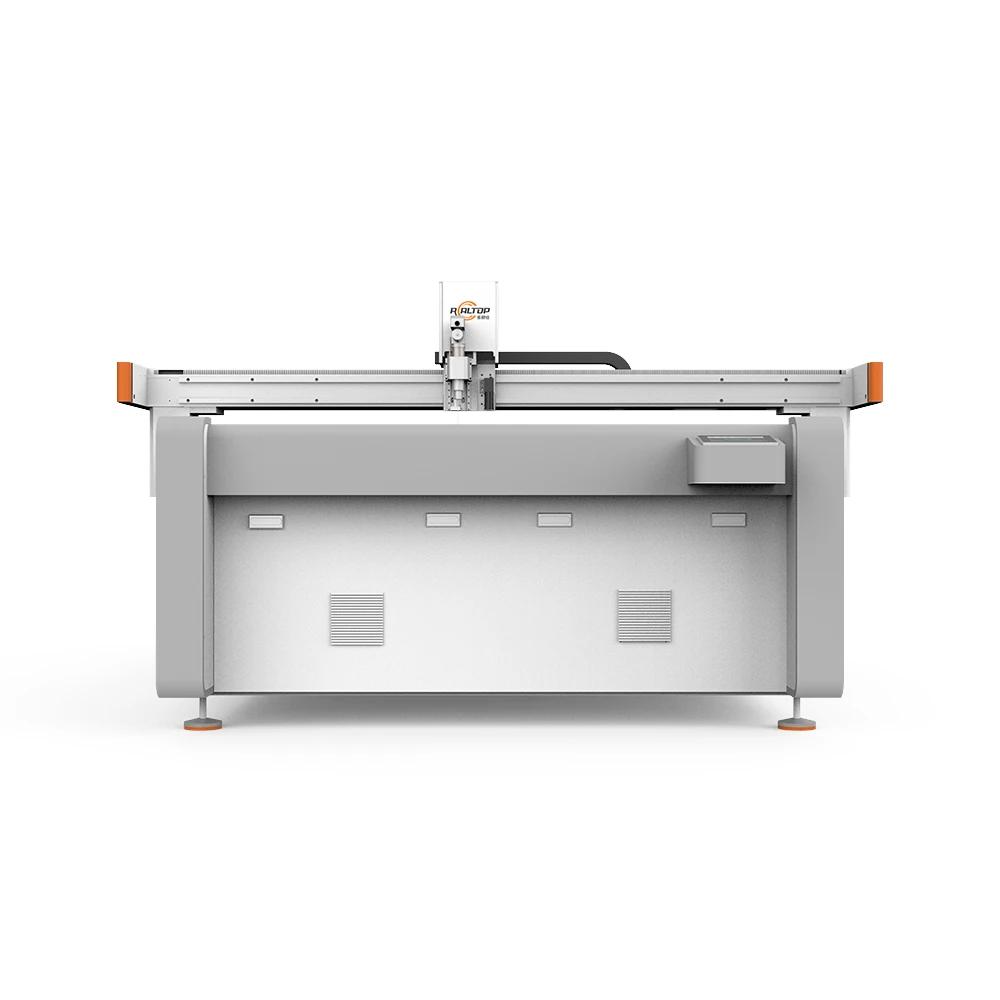
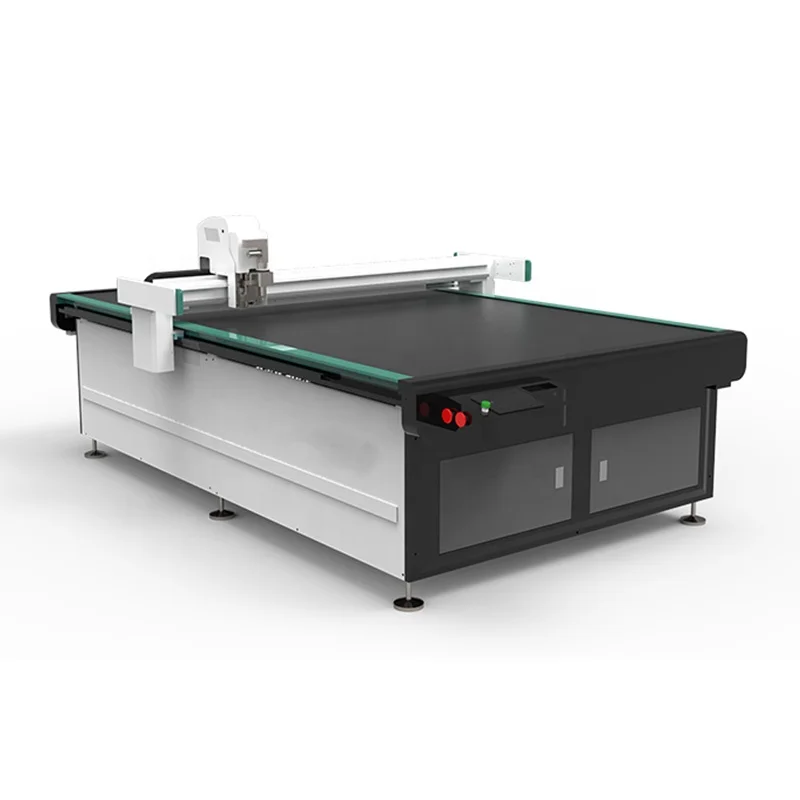
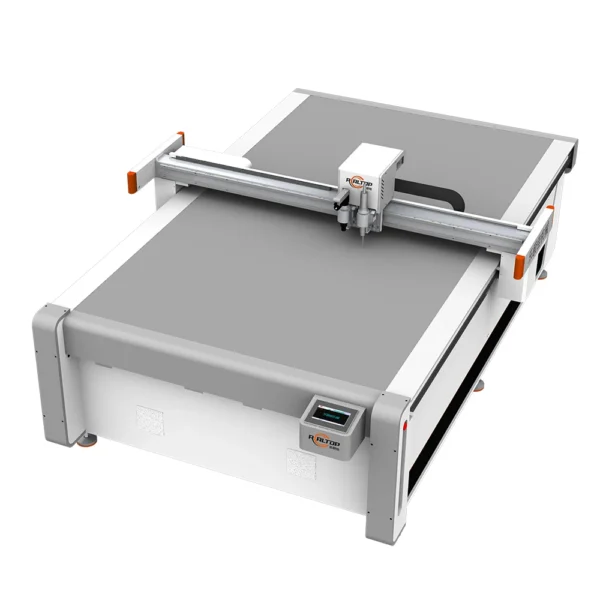
| Product Type | CNC Oscillating Knife Cutting Machine for Packaging |
| Working Area | 1600×2500 mm |
| Tool Head Options | Oscillating knife, Driven rotary knife, Creasing wheel, Kiss cutting tool, Pneumatic knife, Milling tool, V groove knife |
| Cutting Speed | 0-1500 mm/s |
| Cutting Thickness | ≤ 40mm (basis not stated in source — confirm material type and density) |
| Cutting Accuracy | ±0.1 mm |
| Vacuum Pump | 9KW |
| Vacuum Table | Aluminum bellows vacuum table |
| Voltage Options | 110V, 220V, 380V (frequency to be confirmed) |
| Control System | PLC control panel |
| Servo Motor Options | Panasonic, Delta, Dorna |
| Software Compatibility | PLT, DXF, AI, PDF; dedicated packaging box structure design software |
| Safety Device | Infrared sensor device and emergency stop device |
| Machine Size | 3300×2100×1350 mm |
| Language Options | English, Russian, Italian, Chinese (special languages customizable) |
| Machine Frame | Heavy-duty frame with precision-ground surface |
| Certification | CE |
Application Suitability
| Application | Material or Output |
|---|---|
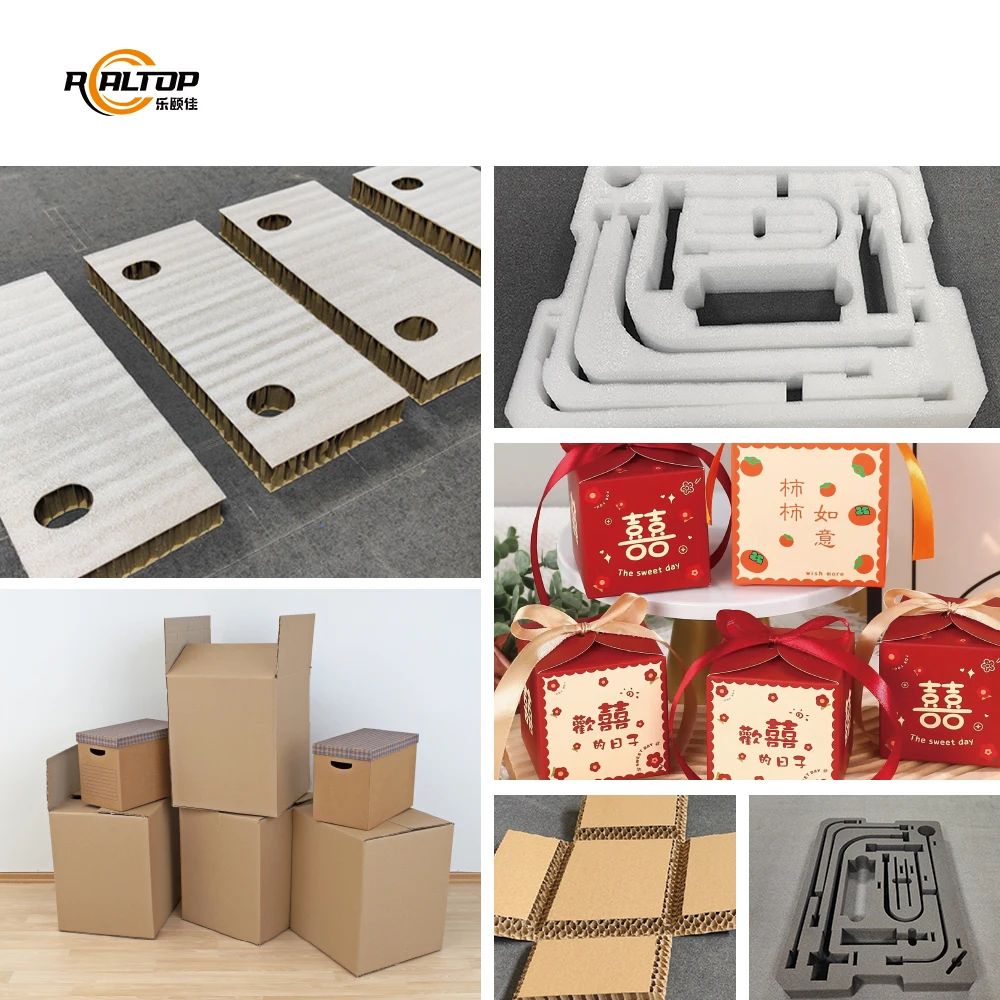
| Corrugated carton box sample making | Single-wall, double-wall and triple-wall corrugated board |
| Packaging prototype and short-run production | Folding carton board, grey board, honeycomb board |
| Point-of-purchase display fabrication | PVC, EVA, foam board, acrylic |
| Gasket and protective insert cutting | Rubber, PTFE, leather, fabric, mats |
What Flute Profile and Board Grade Actually Mean for Tool Selection
A cutting table specified on working area alone will fail when the material changes.
I spent years on the assembly floor in Jinan before moving into technical sales, and the most common argument I hear is about cutting pressure. Last year, a Middle Eastern buyer sent us standard grey board for sample testing. The cuts came out perfectly. But his actual production material was five-layer corrugated, and the standard knife pressure simply could not penetrate it. We spent three full days on-site readjusting parameters and swapping knife blades before the machine ran smoothly. A CNC oscillating knife cutting machine for packaging must be configured around the heaviest and thickest board you plan to run, not the lightest sample you send for testing [NEED_CITE: material density and cutting force requirements for corrugated board grades].
Matching the Tool Head to the Board Structure
Packaging sample making involves more than just cutting outlines. You need creasing wheels for fold lines, kiss-cutting tools for peel-off sections, and V-groove knives for rigid box construction. The 1625 accommodates these tool heads on a single gantry. The operator selects the required tool in the software, and the machine executes the sequence without manual head changes. This approach works for design studios moving from physical die-cut moulds to digital files for short-run carton prototypes.
Vacuum Hold-Down for Small Blanks and Nested Layouts
When cutting small carton blanks, the main risk is material lift. Once the knife penetrates the board, the upward drag can shift a piece that is not fully secured, ruining the tolerance. The aluminum bellows vacuum table on this unit is paired with a 9KW pump. The zoning is configured so that only the active cutting area pulls vacuum, maintaining hold-down force even when the sheet is mostly cut through [NEED_CITE: vacuum zoning principles for CNC flatbed cutting tables].
How Accuracy and Control Affect Fold-Line Registration
The ±0.1 mm cutting accuracy is critical for packaging, where a crease line that is off by a fraction of a millimetre will cause the box to fold out of square. The PLC control panel manages the motion, and the servo drives are selectable from Panasonic, Delta or Dorna depending on the buyer’s preference and local service availability. This repeatability matters when you are running a batch of fifty sample boxes and the fiftieth must match the first.
The Real Cost of Skipping the Sample Cut
Buyers sometimes skip sending their own board for testing, assuming that a machine rated for a certain thickness will handle their specific flute profile. But cutting depth is only half the story. A five-layer corrugated board with high-density fluting requires a different oscillating frequency and knife angle than a single-wall board of the same nominal thickness. When this mismatch is discovered after shipment, the remedy involves sourcing different tooling, recalibrating pressure settings, and often flying a technician to the site. The downtime and travel cost far exceed the time it takes to run a proper sample test [NEED_CITE: on-site commissioning costs for CNC cutting equipment].
Why the Configuration Conversation Matters Before the Quotation
We build both knife and laser cutting systems in-house, which means we can match the cutting method to the material rather than forcing one approach. For packaging work, the CNC oscillating knife cutting machine for packaging is typically the right choice, but the exact tool head combination depends on your material mix. Before we issue a quotation, we confirm the tool head and table configuration list, specifying which knife, creasing wheel and vacuum zoning suit your board grades. We also confirm voltage, plug type and control panel language for your destination market.
Documentation & Verification
- Factory test record on your specific board grade and flute profile before dispatch
- Tool head and vacuum table configuration list matched to your material mix
- Electrical schematic with voltage, plug type and frequency confirmed for your market
- Software licence with file format compatibility note for your existing CAD workflow
- Operation and maintenance manual in your selected control language
Installation, Commissioning & Support
- Heavy-duty frame requires a level concrete floor; machine footprint is 3300×2100 mm
- 9KW vacuum pump and servo drives require dedicated circuit matching confirmed voltage
- Machine ships with tool heads pre-mounted; gantry alignment verified during on-site commissioning
- First-run parameter setting performed on your board stock to establish baseline cutting data
- Spare parts list includes oscillating knife blades, creasing wheels and vacuum table seals
Starting the Technical Conversation
To specify the right configuration, we need to know your primary board types, flute profiles and maximum sheet dimensions. Tell us your local voltage and frequency, the control language your operators prefer, and whether your existing packaging CAD files are in DXF, AI or another format. If you have mixed materials like foam board or PVC in your workflow, list those as well so we can include the appropriate tool heads in the initial configuration.
Frequently Asked Questions
Q: Which tool head do I need for single-wall versus double-wall corrugated board?
A: Single-wall corrugated typically uses a standard oscillating knife with a specific angle, while double-wall or heavier grades may require a pneumatic knife or higher-frequency oscillation to penetrate cleanly. Creasing wheels are selected based on the flute height to ensure the fold line crushes the flutes without tearing the liner. We confirm the exact tooling after testing your actual board samples.
Q: How is vacuum table zoning configured for small carton blanks?
A: The aluminum bellows vacuum table is divided into zones so that only the area under the active cutting path pulls vacuum. This prevents small, lightweight blanks from lifting or shifting when the knife exits the material. The 9KW pump provides sufficient flow to maintain hold-down force even when the sheet is heavily nested with small parts.
Q: Does the software import my existing packaging CAD files?
A: The dedicated packaging box structure design software imports PLT, DXF, AI and PDF formats. Before order confirmation, we verify that your existing CAD files open correctly and that the nesting workflow matches your production sequence. If your files use a proprietary format, we discuss conversion options during the technical review.
Q: What voltage and control language are confirmed before shipment?
A: Voltage options include 110V, 220V and 380V, with frequency confirmed for your market. The control panel language is written into the contract — standard options are English, Russian, Italian and Chinese, with special languages available on request. The electrical schematic is provided before production so your electrician can prepare the site.
Q: Can I send my own board samples for a test cut?
A: Yes, and we strongly recommend it. Send your heaviest and most challenging board grade, including any PVC or foam materials you plan to cut. The sample cutting report documents edge quality, crease depth and cutting parameters, giving you a verified baseline before the machine ships [NEED_CITE: sample cutting report format for CNC packaging cutting equipment].


商品评价
Clear filtersThere are no reviews yet.