



Fast Shipping
Carrier information

20k products
Payment methods

24/7 Support
Unlimited help desk

2-day Delivery
Track or off orders
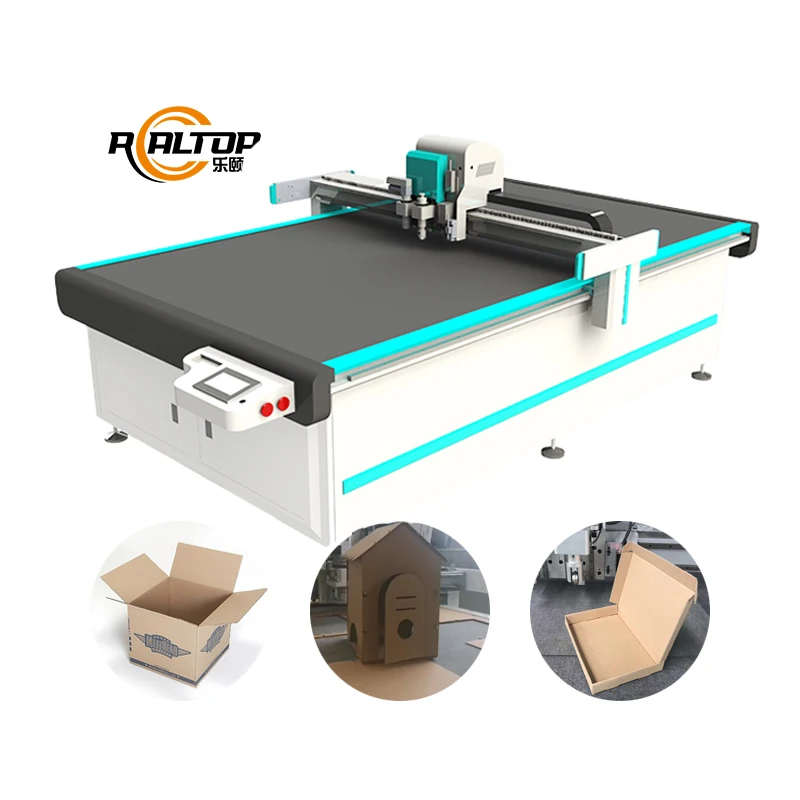
In-house Knife System Engineering — oscillating and drag knife configurations matched to corrugated density and flute profile before the order is finalized.
Technical Specifications
| Parameter | Value |
|---|---|
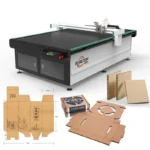
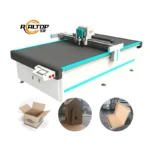
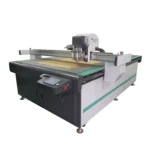
| Product Type | CNC Oscillating Knife Cutting Machine |
| Model | RT-D2516/RT-S2516 |
| Working Area | 1600 × 2500 mm |
| Machine Footprint | 3450 × 2300 × 1250 mm |
| Rated Power | 9 kW |
| Vacuum Pump | 7.5 kW |
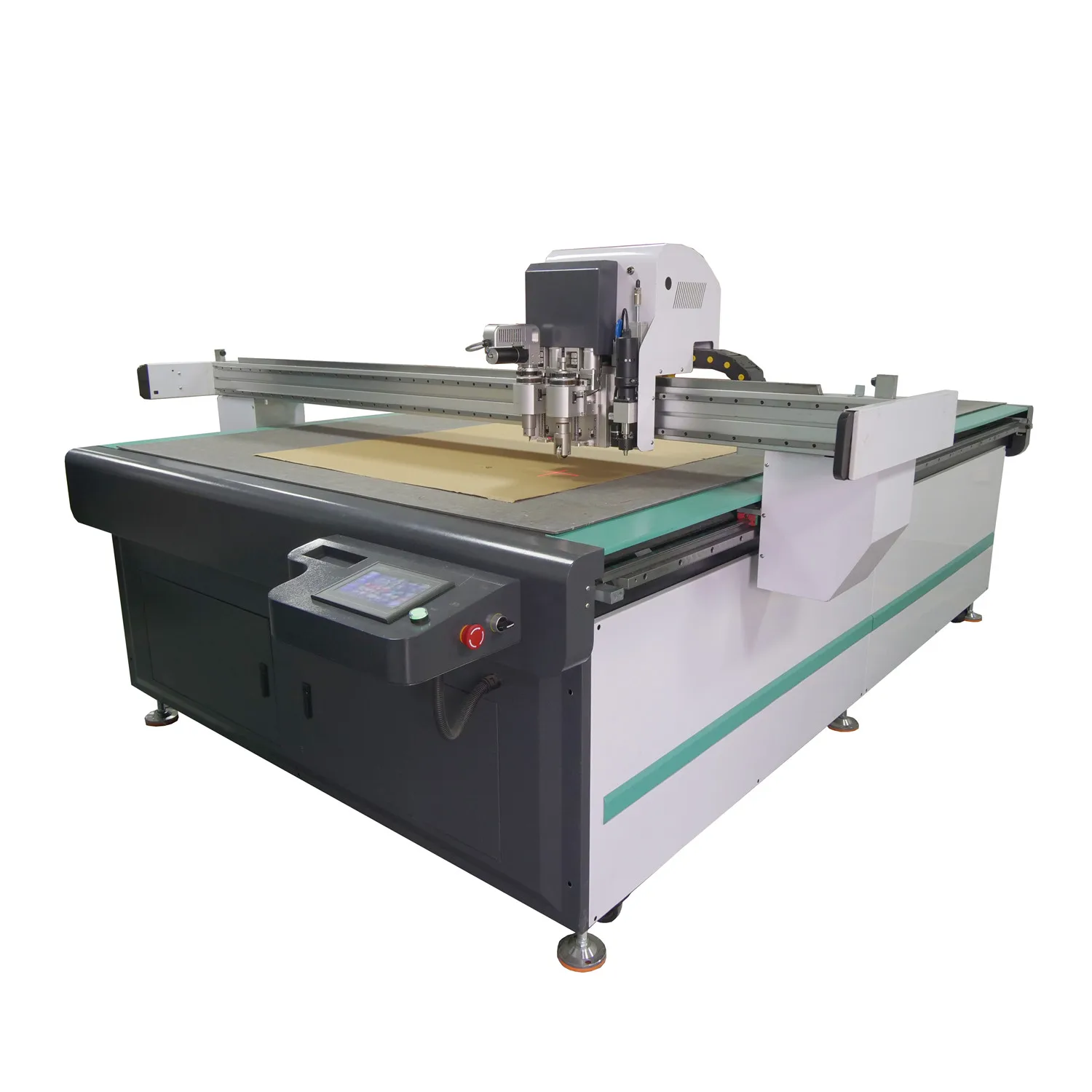
| Table Surface | Aluminum alloy honeycomb vacuum adsorption platform |
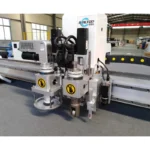
| Multifunctional Head | Swiss imported knife with vibration full cut, half cut, and cursor location |
| Translational Velocity | 800 – 2000 mm/s |
| Cutting Speed | 200 – 800 mm/s (varies with material) |
| Cutting Thickness | ≤ 100 mm (varies with material) |
| Repeatability | ≤ 0.1 mm |
| Drive System | Taiwan Delta digital servo motors and drivers |
| Linear Guidance | Taiwan Hiwin linear guides, synchronous belt, ball screw |
| Instruction Format | HP-GL compatible |
| Voltage | 380 V ± 10% |
| Conveyor Belt | Germany imported (basis to be confirmed) |
| Safety Devices | Infrared sensors and emergency stop |
| Software | Professional carton nesting and cutting design (included), multi-format import |
| Language Options | English, Russian, Italian, Chinese; custom languages available |
| Assembly State | Fully assembled |
| Standards | CE (verify inclusion for specific shipment) |
Application Suitability
| Application | Material or Output |
|---|---|
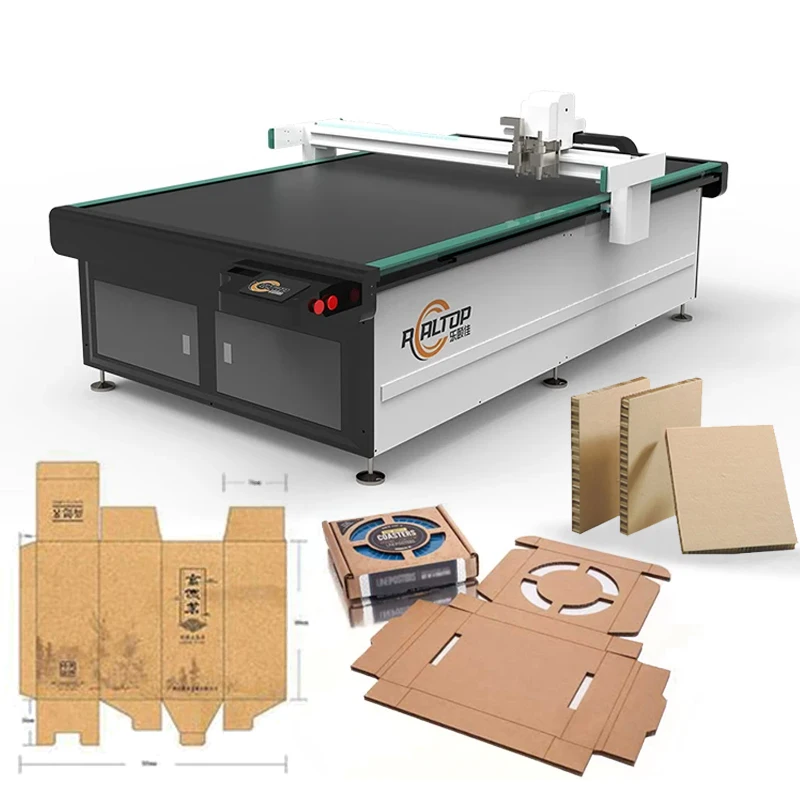
| Corrugated carton sample making | Single, double, and triple-wall corrugated board for die-free prototyping |
| Short-run packaging production | Folding carton stock, greyboard, and honeycomb paper panels |
| Sticker and label contour cutting | Self-adhesive vinyl, printed sticker sheets on release liner |
| Flexible packaging component cutting | PVC sheets, soft rubber gaskets, and foam inserts |
| Signage substrate processing | Foam board, corrugated plastic, and lightweight composite panels |
Why the Material Test Must Happen Before the Quote
A cutting depth rating on paper means nothing until your specific board grade runs across the table.
Many buyers specify a CNC oscillating knife cutting machine based on working area alone, only to discover the configured tool head struggles with their actual flute profile or recycled board density. Corrugated board from different mills varies in crush resistance, moisture content, and adhesive stiffness, all of which change the downward force and oscillation frequency needed for a clean cut. I have seen a standard three-wall configuration stall on high-moisture recycled board in a coastal workshop, requiring a full week of pressure and vacuum recalibration on site [NEED_CITE: corrugated board density variation across humidity zones]. Sending your own sheet stock for a trial cut eliminates that gamble.
Tool Head Selection for Corrugated and Carton Stock
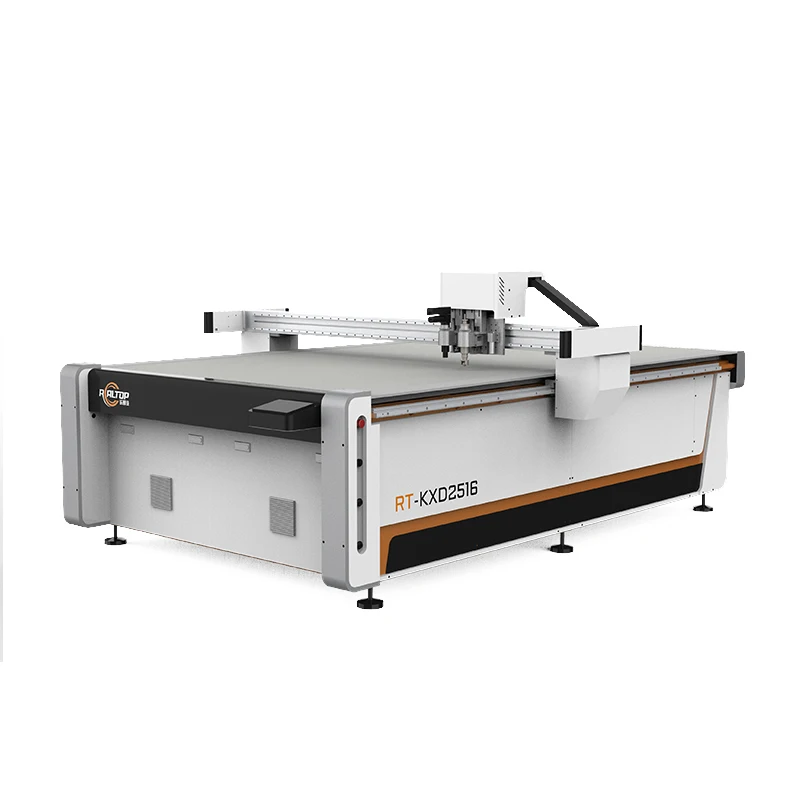
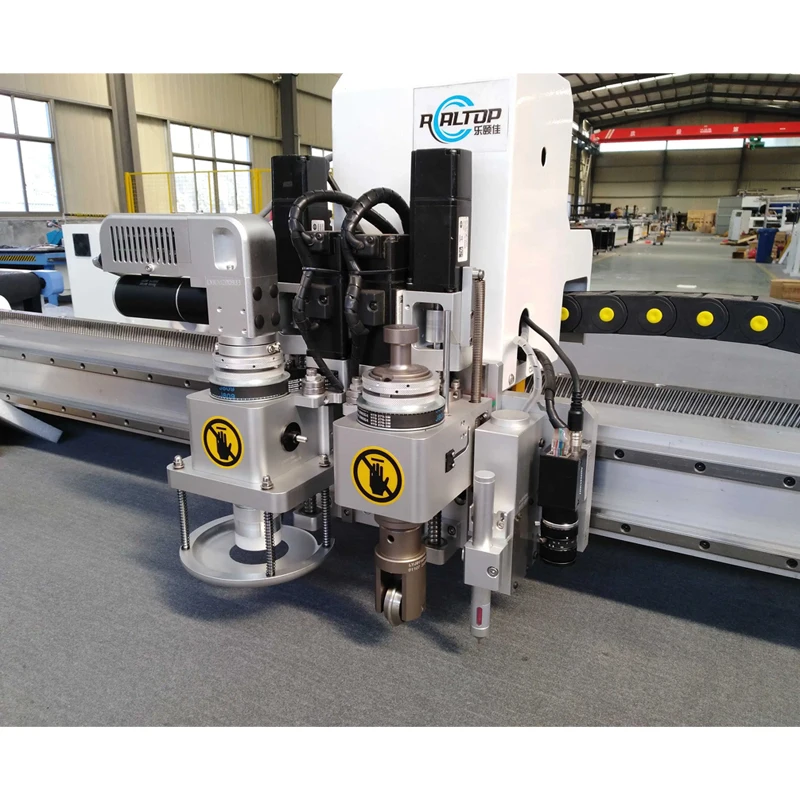
The Swiss imported multifunctional head on this unit delivers vibration full cutting, half cutting, and cursor location in a single tool station. Full-cut mode handles through-cutting of corrugated board up to the rated thickness, while half-cut mode scores crease lines for folding carton prototypes without penetrating the bottom liner. Switching between these modes on the same head eliminates the tool-change downtime that slows down sample rooms running mixed jobs [NEED_CITE: oscillating knife tool change intervals on mixed packaging jobs].
Vacuum Zoning That Actually Holds Small Parts
The aluminum alloy honeycomb platform provides zoned vacuum adsorption, meaning only the active cutting region draws full suction. This matters when you move from a full-sheet corrugated cut to a small sticker contour job — without zoning, the outer table area wastes vacuum capacity, and small die-cut shapes can lift at the edges during high-speed passes. The 7.5 kW vacuum pump paired with honeycomb cells keeps corrugated panels flat without requiring a separate blower for each zone.
What the Spec Sheet Numbers Mean on the Floor
The Taiwan Delta servo motors and Hiwin linear guides deliver the ≤ 0.1 mm repeatability stated in the specification, but repeatability only translates to edge quality when the vacuum hold-down is adequate for the sheet size in use. A 1600 × 2500 mm working area accommodates most standard corrugated sheets, yet operators cutting narrow strips need to confirm the vacuum zoning covers the strip width to prevent lateral drift. The cutting speed range of 200 – 800 mm/s reflects material dependence: dense double-wall board demands the lower end for clean edges, while single-face corrugated and sticker materials can run at higher speeds. The HP-GL compatible instruction system and included carton nesting software accept standard packaging CAD file formats, though buyers should verify their existing design software exports a compatible vector path before the machine ships.
The Cost of Skipping the Configuration Conversation
Choosing a tool head based on catalog defaults rather than your material profile produces ragged corrugated edges, crushed flute structures on the cut face, or incomplete kiss-cuts on sticker stock. A vacuum table specified without zoning wastes pump capacity and allows small carton components to shift during contour passes. Software incompatibility discovered after delivery means days of manual path conversion before the first sample is cut [NEED_CITE: packaging file format interoperability between CAD systems].
Why Buyers Come Back for the Second Machine
The design team engineers both knife and laser cutting systems in-house, so the cutting method is matched to your material rather than forced into one technology. Tool head and table configurations are specified per your corrugated grade, flute type, and daily sample volume before the order is placed. Sample cutting on your own board stock is completed and documented before you commit. Voltage, control language, and plug type are confirmed against your workshop supply before production begins. Software compatibility is verified with your existing nesting workflow to avoid post-delivery file conversion bottlenecks.
Documentation & Verification
- Machine specification sheet listing confirmed tool head and vacuum zone configuration
- Electrical schematic with voltage and frequency match for your local supply
- Sample cutting report on your corrugated or sticker material with edge photos
- Software licence documentation with accepted file format compatibility list
- Factory test record showing cut quality on your specified board thickness
- Operation and maintenance manual in your selected control language
Installation, Commissioning & Support
- The 3450 × 2300 mm footprint requires a level concrete floor with clearance for sheet loading
- Dedicated 380 V ± 10% circuit rated for the combined 9 kW machine and 7.5 kW vacuum pump draw
- Machine ships fully assembled, requiring only power connection and vacuum hose attachment on site
- First-run parameter tuning for your corrugated board density and flute profile during commissioning
- Operator training covering tool head mode switching, vacuum zone assignment, and nesting software workflow
- Spare knife blades, vacuum seals, and drive belts included in the initial parts kit
What We Need to Quote Accurately
Send the actual corrugated board grades, flute profiles, and sticker materials you run daily, along with the maximum sheet dimensions and typical sample volume. Confirm your workshop voltage, frequency, and preferred control language so the electrical and interface configuration is locked before build. If you use a specific packaging CAD system, provide a sample export file so nesting software compatibility is verified before shipment.
Frequently Asked Questions
Q: How does cutting thickness differ between corrugated board and foam on this machine?
A: The ≤ 100 mm rating applies to softer materials like foam and sponge composites. Corrugated board is typically cut at much lower thicknesses, but the flute density and liner weight determine the actual achievable depth. A sample cut on your specific board grade confirms the practical limit before you order.
Q: Which tool head modes do I need for carton sample making?
A: Vibration full cut handles through-cutting the board outline, while half cut scores crease lines for folding without penetrating the bottom liner. Cursor location assists with precise positioning for drill holes or registration marks. All three modes run from the same Swiss imported head, reducing changeover time.
Q: Does the vacuum table need re-zoning when switching from large sheets to small stickers?
A: The honeycomb platform uses zoned follow-cut adsorption, so the system activates only the cells under the cutting head. This holds small sticker parts flat without wasting pump capacity on empty table area, and re-zoning happens automatically as the head moves.
Q: Can the nesting software import files from my existing packaging CAD system?
A: The included software supports multiple format imports and is HP-GL compatible. Buyers should provide a sample export file from their current CAD workflow before shipment so format compatibility and path interpretation are verified in advance.
Q: Is voltage and language customization handled before the machine ships?
A: Yes. Standard voltage is 380 V ± 10%, but buyers must confirm local supply frequency and plug type before production. Control language options include English, Russian, Italian, and Chinese, with custom languages available on request and documented in the shipped manual.


商品评价
Clear filtersThere are no reviews yet.