

Fast Shipping
Carrier information

20k products
Payment methods

24/7 Support
Unlimited help desk

2-day Delivery
Track or off orders
Tool Head Matched to Board Grade — We specify oscillating knife, drag knife and creasing wheel combinations per flute profile and material density, verified on your actual stock before order confirmation.
Technical Specifications
| Parameter | Value |
|---|---|
| Model | RT-D2516 / RT-S2516 |
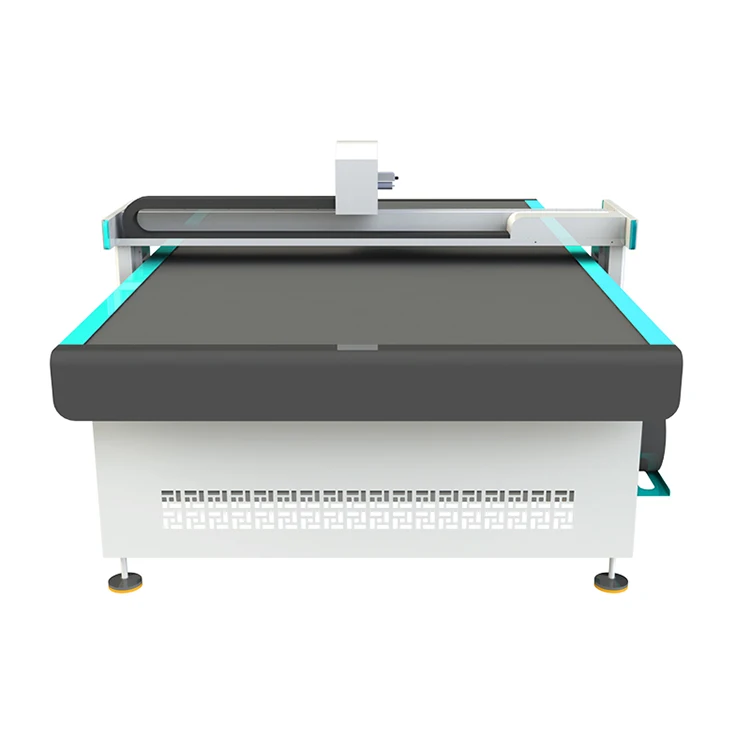
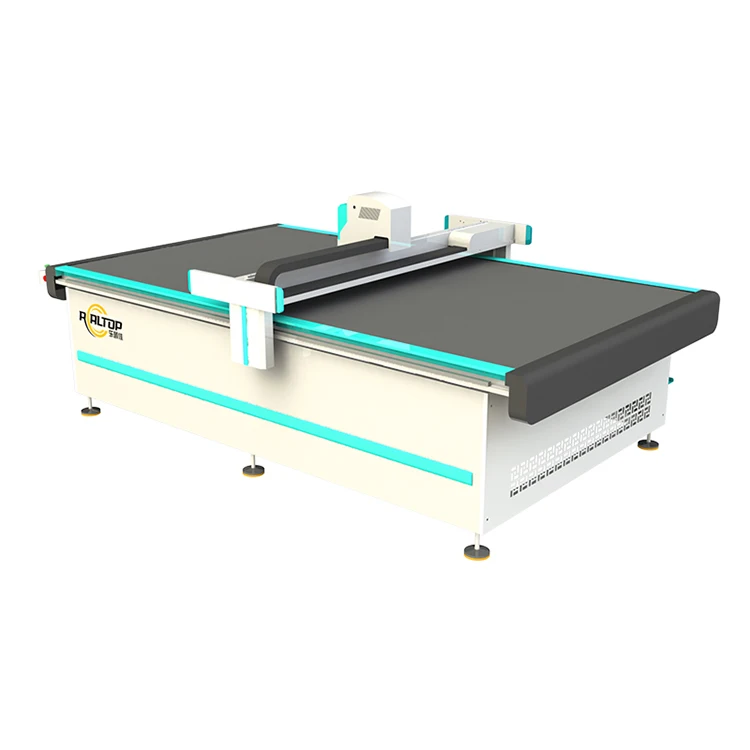
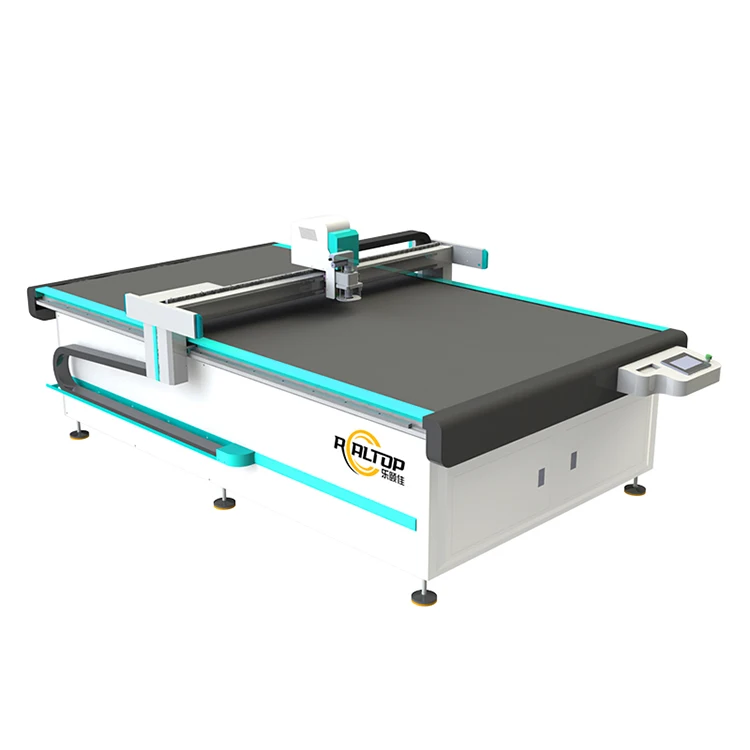
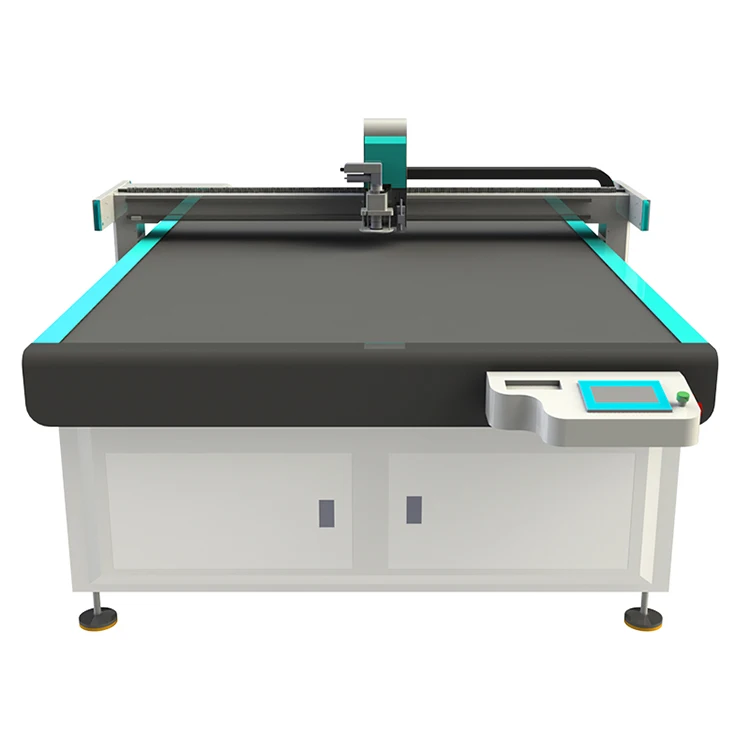
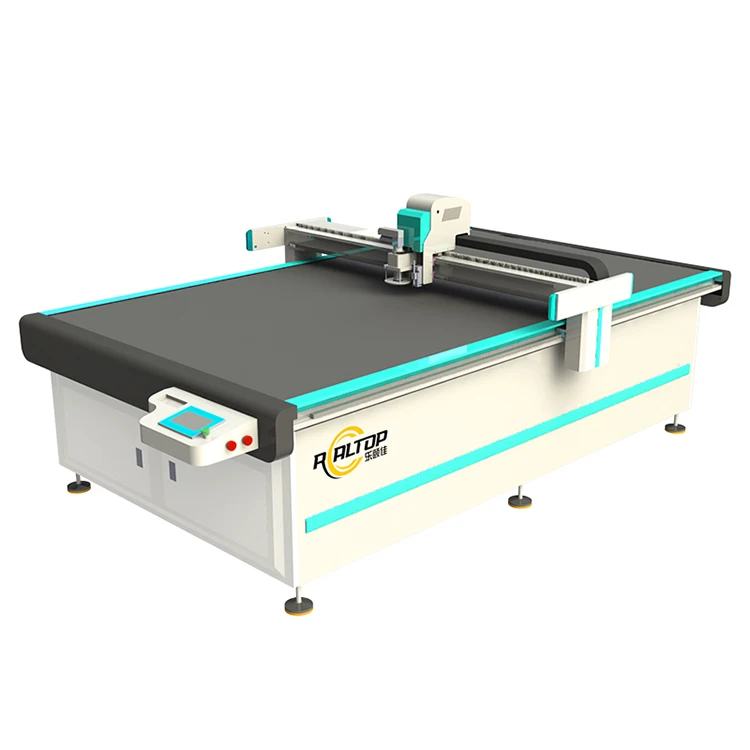
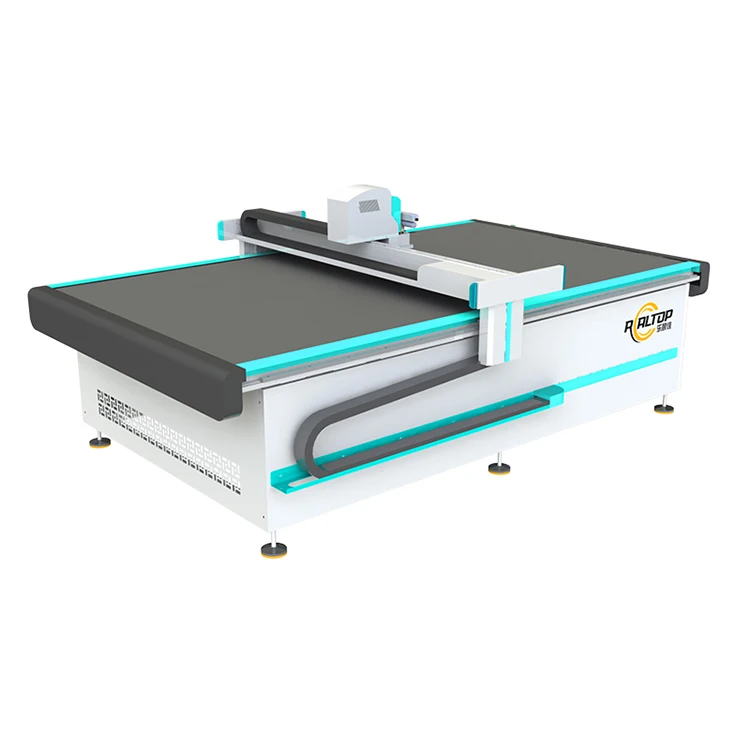
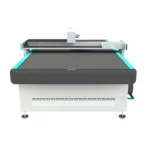
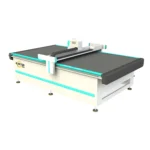
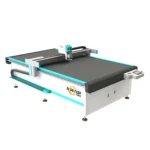
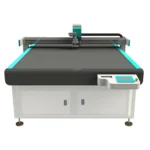
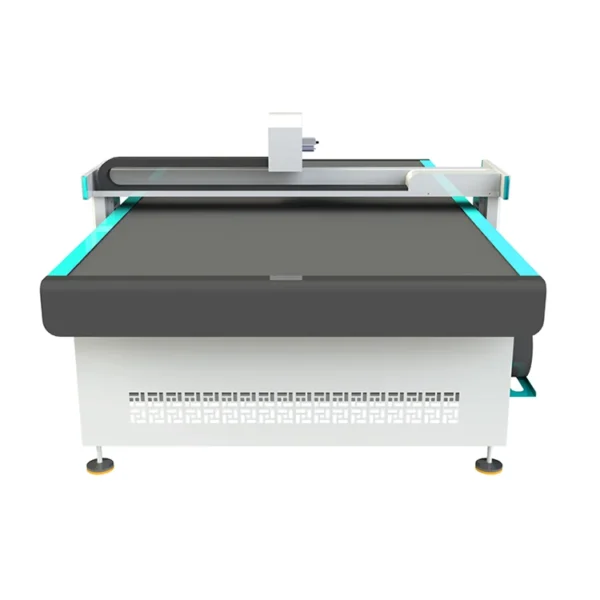
| Product Type | CNC Oscillating Knife Carton Sample Cutting Machine |
| Working Area | 1600 × 2500 mm |
| Machine Overall Dimensions (L × W × H) | 3450 × 2300 × 1250 mm |
| Rated Power | 9 kW |
| Voltage & Frequency | 380V ±10% |
| Work Table Type | Flat working table with 7.5 kW vacuum pump |
| Multifunctional Tool Head | Swiss imported knife with oscillating full cutting, oscillating half cutting and cursor location |
| Translational Velocity | 800 – 1200 mm/s |
| Cutting Speed | 200 – 800 mm/s (basis not stated in source — confirm material type and thickness) |
| Repeatability | ≤ 0.1 mm |
| Transmission System | Digital servo motor, linear guide, synchronous belt, ball screw (imported components) |
| Instruction System / File Format | HP-GL compatible format |
| Drive Components | Japanese Yaskawa servo motor, Taiwan Hiwin rail |
| Safety Device | Infrared sensors |
| Certification | CE |
Application Suitability
| Application | Material or Output |
|---|---|
| Carton and packaging sample making | Corrugated board (E, B, C flute), greyboard, folding carton stock |
| Gasket and composite fabrication | Rubber, silicon, PVC, sponge composite leather |
| Leather goods and footwear prototyping | Natural and synthetic leather, textile composites |
| Flexible sheet material processing | Soft glass, silicon, rubber, PVC sheets |
Why the Wrong Tool Head Ruins the Die-Line
A CNC Oscillating Knife Cutting Table specified without reference to the buyer’s actual board grade will produce ragged edges on E-flute or leave uncut fibers on double-wall corrugated. The cutting method must be matched to the exact material before the machine ships.
I remember a customer running E-flute corrugated that was significantly denser than our standard test B-flute stock. The oscillating knife could not achieve a clean through-cut at production speed, and the batch had to be reworked [NEED_CITE: tool head and material matching in digital die-cutting]. When the flute profile and board hardness are unknown at the time of order, the tool head is essentially a guess. That guess shows up as crushed flutes, incomplete creases, and rejected sample sheets that waste both material and delivery time.
Oscillating Knife, Drag Knife and Creasing Wheel Defined
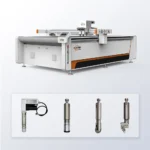
The Swiss-imported tool head on this CNC Oscillating Knife Cutting Table supports oscillating full cutting, oscillating half cutting, and cursor location. Full cutting drives the blade completely through corrugated board for die-line profiles, while half cutting scores the top liner for fold lines without severing the flute structure. Creasing wheels compress the board along fold axes, producing a clean hinge rather than a fractured edge. Selecting which tools to mount depends entirely on the sample geometry and the board grade running through the machine.
Vacuum Hold-Down and Small Blank Stability
The flat working table pairs with a 7.5 kW vacuum pump to secure sheets during high-speed knife travel. On packaging sample runs, blanks can be small and lightweight, especially toward the end of a nesting layout where surrounding material has already been removed [NEED_CITE: vacuum zoning requirements for small-part digital cutting]. Adequate vacuum zoning is necessary to prevent these small parts from lifting into the oscillating blade path, which causes edge chipping and can damage the knife tip. The flat table design requires the buyer to confirm that the vacuum zone layout matches the smallest blank dimension in their typical sample library.
Reading the Specification Sheet Against Real Work
The ≤ 0.1 mm repeatability specification is driven by Yaskawa servo motors and Hiwin linear rails. In packaging sample making, die-line accuracy determines whether a folded carton prototype closes correctly or gaps open at the glue flap. A cumulative positional drift beyond a few tenths of a millimeter across a 2500 mm sheet length means the final folded sample will not register, requiring the entire file to be re-cut.
Cutting speed is listed at 200 – 800 mm/s. This range spans vastly different material conditions: 800 mm/s may be achievable on thin PVC film, while 3 mm E-flute corrugated demands the lower end of that range to maintain edge quality. The translational velocity of 800 – 1200 mm/s governs non-cutting travel moves, which affects overall cycle time but not cut quality [NEED_CITE: distinction between cutting and traverse speed in flatbed digital cutters].
The HP-GL compatible instruction system must be verified against the buyer’s existing CAD and nesting software before order. If the current workflow exports DXF or AI files, a conversion step is needed, and any loss of layer information during that conversion can erase crease-line assignments that the tool head relies on.
What Happens When Configuration Is an Afterthought
Ordering a machine by working area alone is the most common shortcut, and it leads to problems that surface only after the machine is on the floor. A vacuum table without proper zoning for the buyer’s smallest blank size causes part lift during high-speed oscillating cuts. An underspecified tool head leaves crushed corrugated cores instead of clean cuts. Voltage and control panel language confirmed after production begins rather than before result in a machine that cannot be powered on at the destination without a transformer or that the operator cannot read [NEED_CITE: export equipment voltage and frequency verification]. Every one of these issues adds days of downtime to an installation that should take hours.
Why Buyers Come Back for the Second Machine
In-house design covers both the knife cutting platform and the software integration layer, so configuration decisions are made by the same team that builds the frame. The tool head and table configuration list is specified per material and production volume, not pulled from a generic options sheet. Sample cutting is performed on the buyer’s own corrugated board or flexible material before commitment, so edge quality is documented, not promised. Software compatibility with the buyer’s existing file format is confirmed during this same sampling stage. Voltage, plug type, and control language are locked in before production starts, eliminating the transformer and re-labeling surprises that delay commissioning.
Documentation & Verification
- Machine specification sheet covering tool head options, working area and vacuum pump rating
- Electrical schematic with voltage confirmation matching destination supply
- Sample cutting report produced on your corrugated board grade and flute profile
- Factory test record documenting repeatability measurement before dispatch
- Software licence and HP-GL file format compatibility note for your CAD workflow
- Spare parts list identifying knife blades, creasing wheels and vacuum table seals
Installation, Commissioning & Support
- Foundation must be level within 2 mm across the 3450 mm machine length to maintain rail alignment
- Dedicated 380V ±10% circuit with rated capacity above 9 kW to prevent servo motor fault codes
- Machine ships partially disassembled; reassembly of the gantry and tool head carriage required on site
- First-article cutting test on your corrugated stock to validate oscillating knife depth and creasing pressure
- Operator training covers HP-GL file import, vacuum zone activation and tool head changeover procedures
- Consumable spare kit includes oscillating knife blades and creasing wheel inserts for initial production period
What We Need to Quote Correctly
Send the exact corrugated board grade, flute profile, and sheet thickness you plan to run, along with a representative die-line file in your standard export format. Specify your workshop supply voltage and frequency, and whether your existing CAD system outputs HP-GL, DXF, or another format. If your typical sample includes blanks smaller than 150 mm on any side, let us know so vacuum table zoning can be configured before the table is built.
Frequently Asked Questions
Q: How do you verify cutting speed against my specific corrugated board grade?
A: We run your actual board sample through a test cut and record the achievable speed that produces a clean through-cut without edge crushing. The 200 – 800 mm/s range depends entirely on flute profile and board density, so the only reliable number is the one produced on your material during sampling.
Q: Will the vacuum table hold small packaging blanks without lifting?
A: Small blanks lose hold-down force as surrounding material is removed during the nesting cut. The flat table with the 7.5 kW pump must be zoned so that active vacuum is concentrated under the remaining blanks. We confirm zoning adequacy during the sample cutting stage using your actual die-line layouts.
Q: Which tool heads are standard and which are optional on this machine?
A: The Swiss-imported oscillating knife head with full cut, half cut and cursor location is included. Creasing wheels, drag knives and pen tools may be configured based on your material mix. The exact tool head list is documented in the configuration sheet before production begins.
Q: Does the HP-GL system work with my current CAD nesting software?
A: HP-GL compatibility must be verified against your specific CAD version and nesting workflow. Some systems require a post-processor to assign tool paths to separate layers. We confirm file import and layer recognition during the software compatibility check before the order is finalized.
Q: Can I send my own material for sample cutting before ordering?
A: Send your corrugated board, greyboard or flexible sheet stock along with a die-line file. We produce a sample cutting report documenting edge quality, achievable speed and crease definition on your exact material, so the purchase decision is based on test results rather than catalog claims.


商品评价
Clear filtersThere are no reviews yet.