



Fast Shipping
Carrier information

20k products
Payment methods

24/7 Support
Unlimited help desk

2-day Delivery
Track or off orders
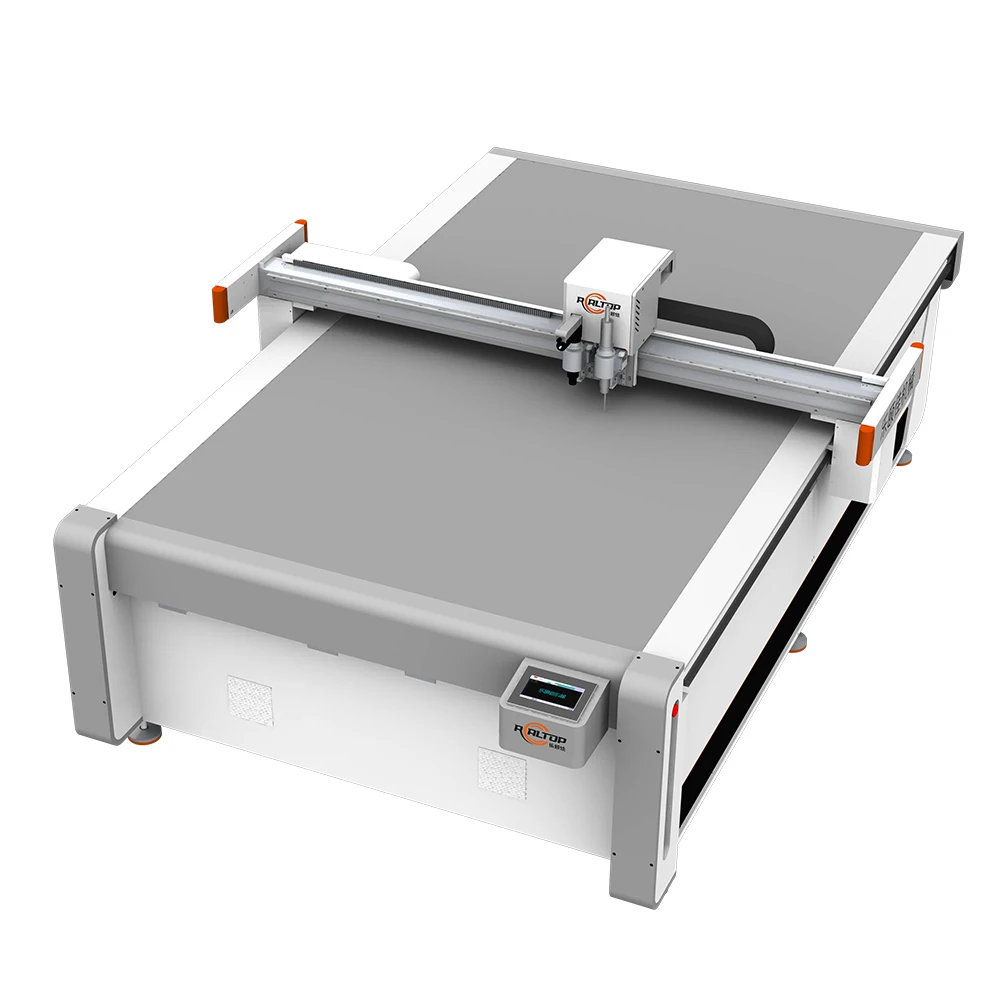
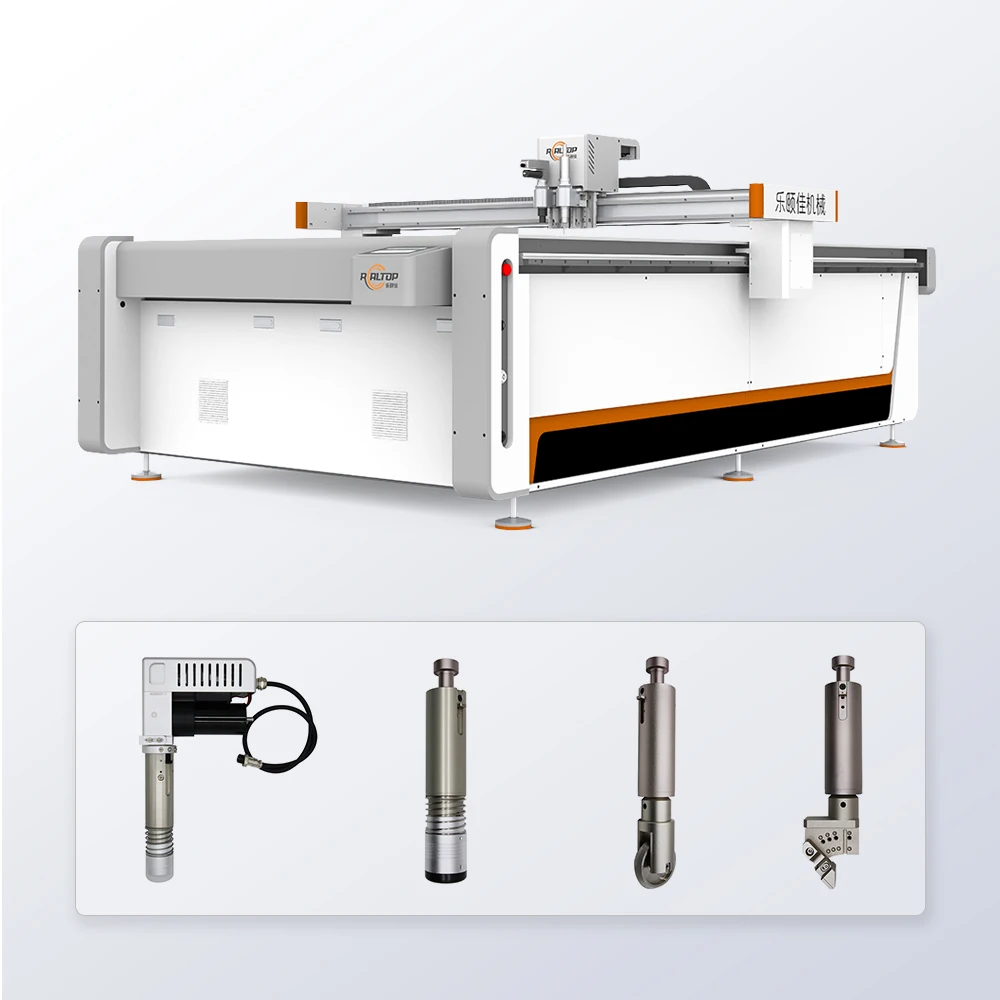
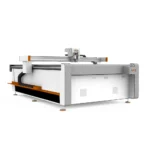
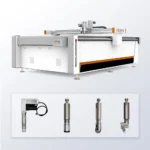
Precision Tool Head Configuration — matching oscillating and V-groove knives to honeycomb core density prevents crushed flutes and ragged edges on packaging runs.
Technical Specifications
| Parameter | Value |
|---|---|
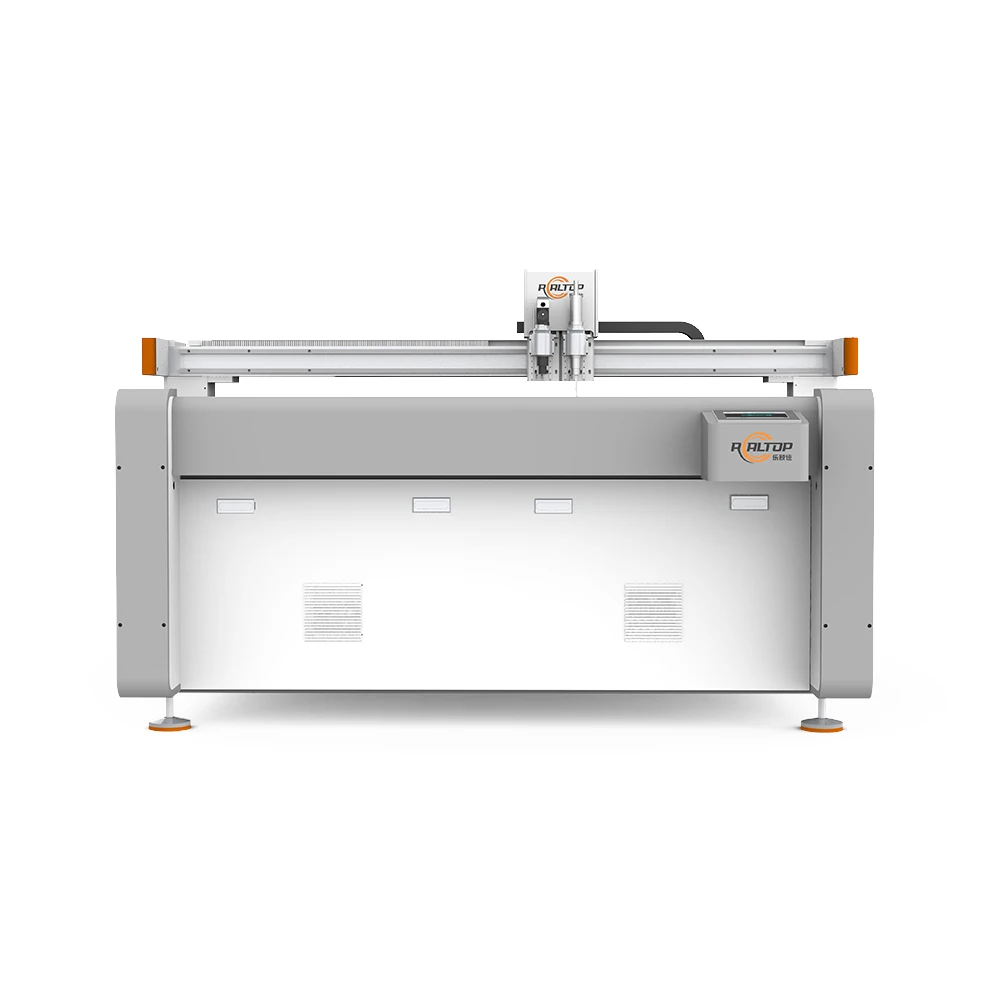
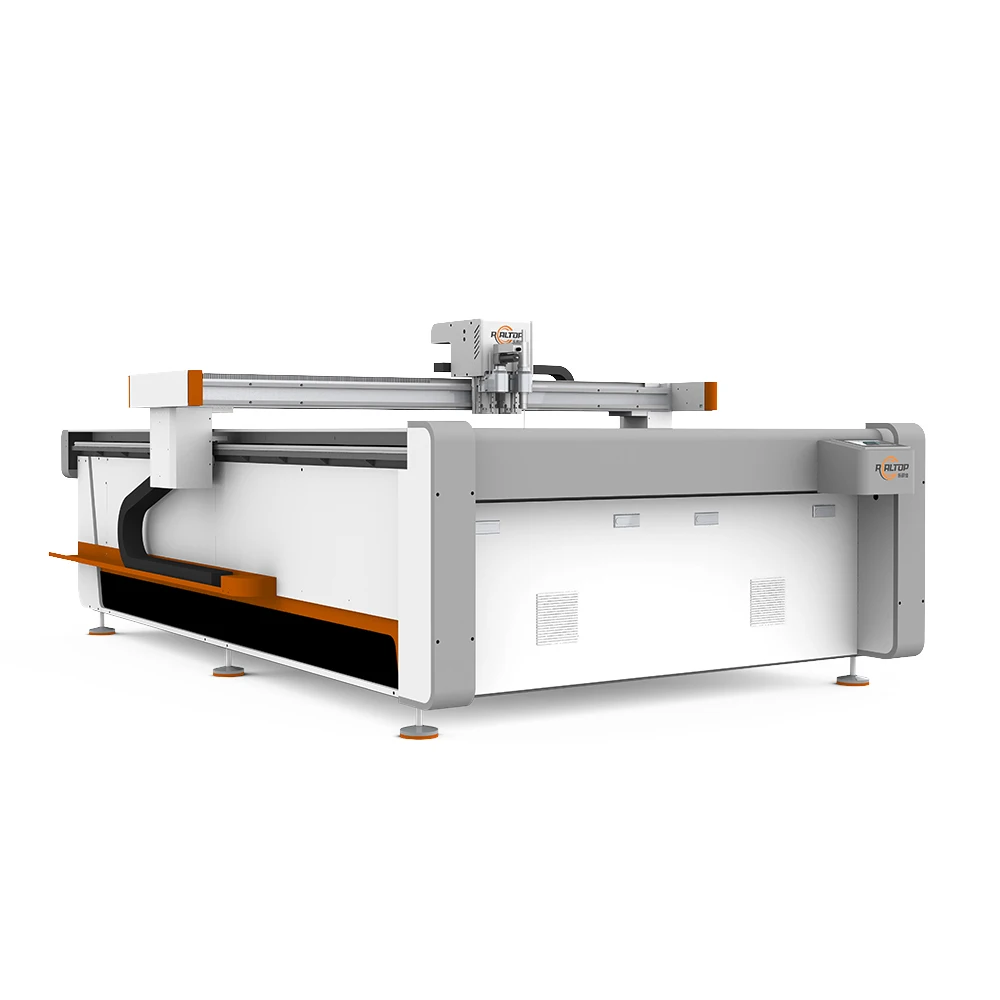
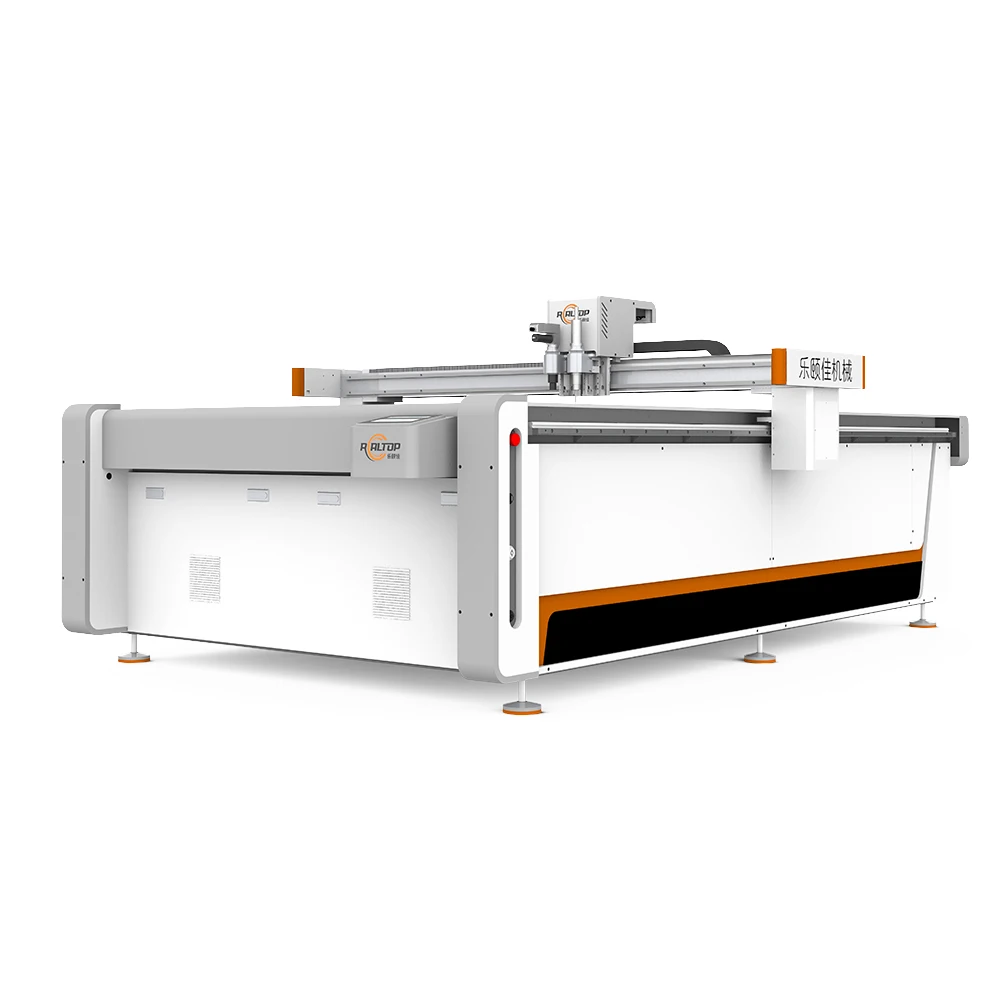
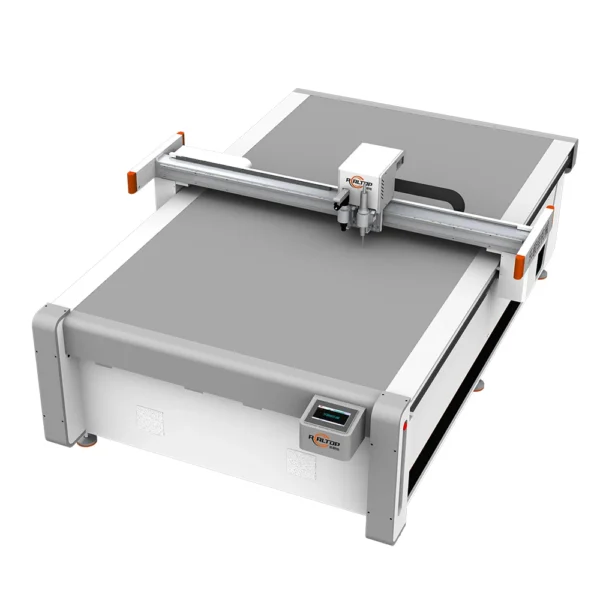
| Product Type | CNC Oscillating Knife Cutting Machine for Packaging |
| Working Area | 1600×2500 mm |
| Tool Head Options | Oscillating knife, Driven rotary knife, Creasing wheel, Kiss cutting tool, Pneumatic knife, Milling tool, V groove knife |
| Cutting Speed | 0–1500 mm/s |
| Cutting Thickness | ≤ 40 mm |
| Cutting Accuracy | ±0.1 mm |
| Vacuum Pump | 9 kW |
| Vacuum Table | Aluminum bellows vacuum table |
| Voltage Options | 110V, 220V, 380V |
| Control System | PLC control panel |
| Servo Motor Options | Panasonic, Delta, Dorna |
| Profile Formats | PLT, DXF, AI, PDF |
| Safety Devices | Infrared sensor, emergency stop |
| Machine Size | 3300×2100×1350 mm |
| Interface Languages | English, Russian, Italian, Chinese, custom options available |
Application Suitability
| Application | Material or Output |
|---|---|
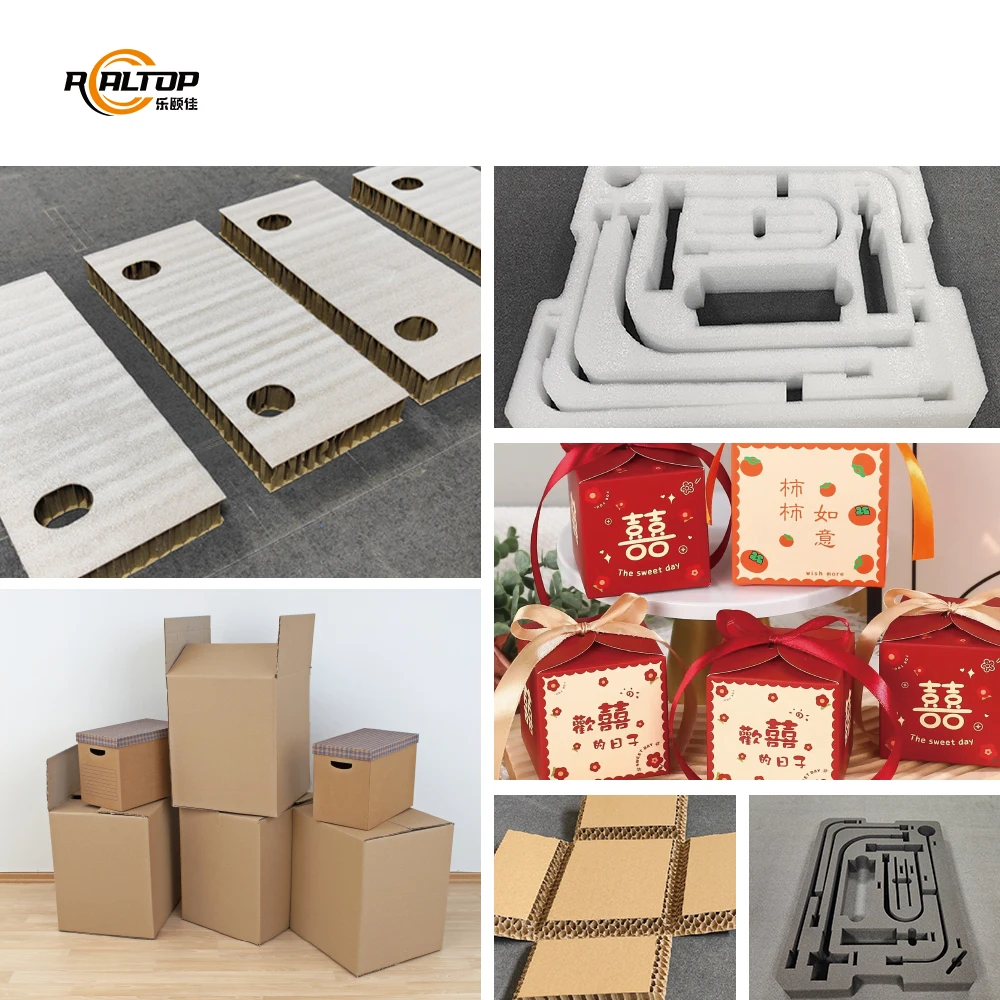
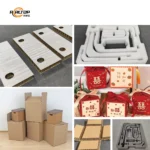
| Carton sample and prototype making | Greyboard, cardstock, art paper, specialty paper |
| Corrugated packaging short-run production | E-flute, B-flute, BC-flute corrugated cardboard |
| Honeycomb board V-grooving and folding | Honeycomb cardboard, composite panels |
| Foam insert and cushion cutting | EVA foam, EPE foam, PU foam |
| Gasket and protective pad fabrication | Rubber mats, non-woven fabric |
| Thin plastic and leather processing | PVC sheets, PET sheets, synthetic leather |
Why the Wrong Knife Head Ruins Honeycomb Board Before It Reaches the Folder
A V-groove knife and an oscillating knife are not interchangeable — each serves a distinct structural purpose on honeycomb and corrugated stock.
I once watched a packaging line scrap an entire batch of honeycomb display stands because the supplier quoted a CNC oscillating knife cutting machine for packaging based on working area alone, ignoring that the buyer needed clean 90-degree V-grooves in 10 mm honeycomb core. The oscillating knife cut through the face paper cleanly but left the inner honeycomb cells crushed and torn, so the folded panels cracked at every crease line [NEED_CITE: structural failure modes in honeycomb core folding]. When the cutting method does not match the internal structure of the board, no amount of post-press adjustment fixes the edge.
Tool Head Logic for Honeycomb and Corrugated Structures
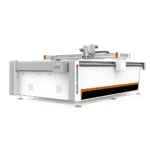
Honeycomb cardboard has a sandwich construction: two face liners bonded to a hexagonal paper core. The oscillating knife handles through-cuts and kiss-cuts on the face material, while the V groove knife removes a precise wedge from the core to allow folding without cracking. A CNC oscillating knife cutting machine for packaging configured with both tools lets the operator complete the perimeter cut and the fold groove in a single pass, keeping registration tight across the 1600×2500 mm bed.
Holding Thin Stock Flat Without Crushing the Core
The aluminum bellows vacuum table paired with the 9 kW pump pulls air through a porous surface, gripping the board across its full footprint rather than at isolated points. This matters especially when cutting small carton components or nested insert shapes where edge lift would push the knife off path. Zoned vacuum sections allow the operator to activate only the area under the current sheet, preserving suction strength for irregularly shaped blanks [NEED_CITE: vacuum table zoning principles for flatbed cutting].
Reading the Spec Sheet Against Real Board Behavior
The ±0.1 mm accuracy figure becomes meaningful when you consider that a typical B-flute corrugated sheet is around 3 mm thick; any deviation beyond a fraction of a millimetre shows up as misaligned crease lines after folding. The PLC control panel accepts PLT, DXF, AI, and PDF files, so packaging designers working in standard vector software send artwork directly without intermediate conversion. Servo drive options from Panasonic, Delta, or Dorna allow buyers to align the motion system with the service network available in their region. Cutting thickness up to 40 mm covers the majority of honeycomb and multi-wall corrugated grades used in protective packaging and point-of-sale displays.
The Cost of Skipping Material Verification
Buyers who specify a machine purely by bed size discover later that the standard oscillating knife cannot reach full depth on double-wall BC-flute or that the vacuum zones are too large for the small carton blanks they actually produce. Ragged edges on foam inserts force manual trimming, and crushed honeycomb cores reject at the gluing station. These problems surface only after the machine is installed and running production material, when changes are expensive [NEED_CITE: post-installation reconfiguration costs in digital cutting].
Why Buyers Source This Configuration Here
In-house design covers both knife cutting and table engineering, so the tool head and vacuum layout are specified together against the buyer’s actual board grade. Sample cutting on the buyer’s own honeycomb or corrugated material confirms edge quality and fold integrity before the order is finalized. Voltage, plug type, and control language are confirmed against the destination workshop, not left as defaults. Software file compatibility is verified with the buyer’s existing design workflow. CE documentation is prepared where applicable for the destination market.
Documentation & Verification
- Machine specification sheet listing selected tool heads and vacuum zone layout
- Electrical schematic with confirmed voltage and plug type for destination country
- Sample cutting report produced on buyer-supplied honeycomb or corrugated board
- Software licence and file format compatibility note for PLT, DXF, AI, PDF workflows
- Spare parts list covering knife blades, creasing wheels, and vacuum table seals
- Factory test record documenting cut accuracy and fold angle on buyer material
Installation, Commissioning & Support
- Floor space planning for the 3300×2100 mm footprint with rear and side access clearance
- Dedicated power circuit matched to confirmed 110V, 220V, or 380V supply and 9 kW vacuum pump
- Machine delivered in modular sections for workshop doorway and overhead clearance constraints
- First-run parameter tuning on buyer’s board thickness and flute type at commissioning
- Operator training on PLC panel in confirmed language with emergency stop and infrared sensor procedures
- Wear-part replacement schedule for oscillating knife blades and V-groove knife inserts
Preparing Your Inquiry
To size the configuration correctly, share the exact board grade, flute type, and thickness you cut most often, along with the maximum sheet dimensions and your typical daily volume. Let us know your workshop voltage and frequency, the control language your operators need, and whether you want sample cuts returned on your own material before committing to the build.
Frequently Asked Questions
Q: How do I confirm edge quality on my specific honeycomb cardboard before ordering?
A: Send a representative sheet of your actual board — including face paper weight and core cell size — and we run sample cuts using both the oscillating knife and V-groove knife. The finished samples, along with a cutting report noting tool selection and parameters, are returned to you for fold and glue-line evaluation before any purchase commitment.
Q: Which tool head should I specify for corrugated versus honeycomb board?
A: For standard corrugated flutes like E-flute or B-flute, the oscillating knife handles through-cuts while the creasing wheel scores fold lines. For honeycomb board and thicker composite panels, the V-groove knife removes a wedge of core material to produce clean folds. Both tool heads can be mounted on the same machine for mixed-material workshops.
Q: Can the machine run on my local voltage supply without an external transformer?
A: Voltage is configurable across 110V, 220V, and 380V options, and the correct plug type is fitted before dispatch. Confirm your workshop voltage and frequency during the inquiry stage so the electrical system and vacuum pump motor are matched to your supply from the factory, avoiding transformer losses on site.
Q: Will the software accept my existing packaging design files?
A: The PLC system imports PLT, DXF, AI, and PDF formats directly. Before the order, we verify that your design software exports clean vectors compatible with the cutting path generator, and we test nesting on a sample file you provide to confirm that kerf compensation and tool path order match your production workflow.
Q: How does the vacuum table handle small carton blanks that tend to lift?
A: The aluminum bellows table is divided into zones, and the 9 kW vacuum pump allows selective activation of zones under the active cutting area. This concentrates suction on smaller blanks, preventing edge lift during oscillating knife passes and keeping registration accurate across nested layouts of mixed-size packaging components.


商品评价
Clear filtersThere are no reviews yet.