

Fast Shipping
Carrier information

20k products
Payment methods

24/7 Support
Unlimited help desk

2-day Delivery
Track or off orders
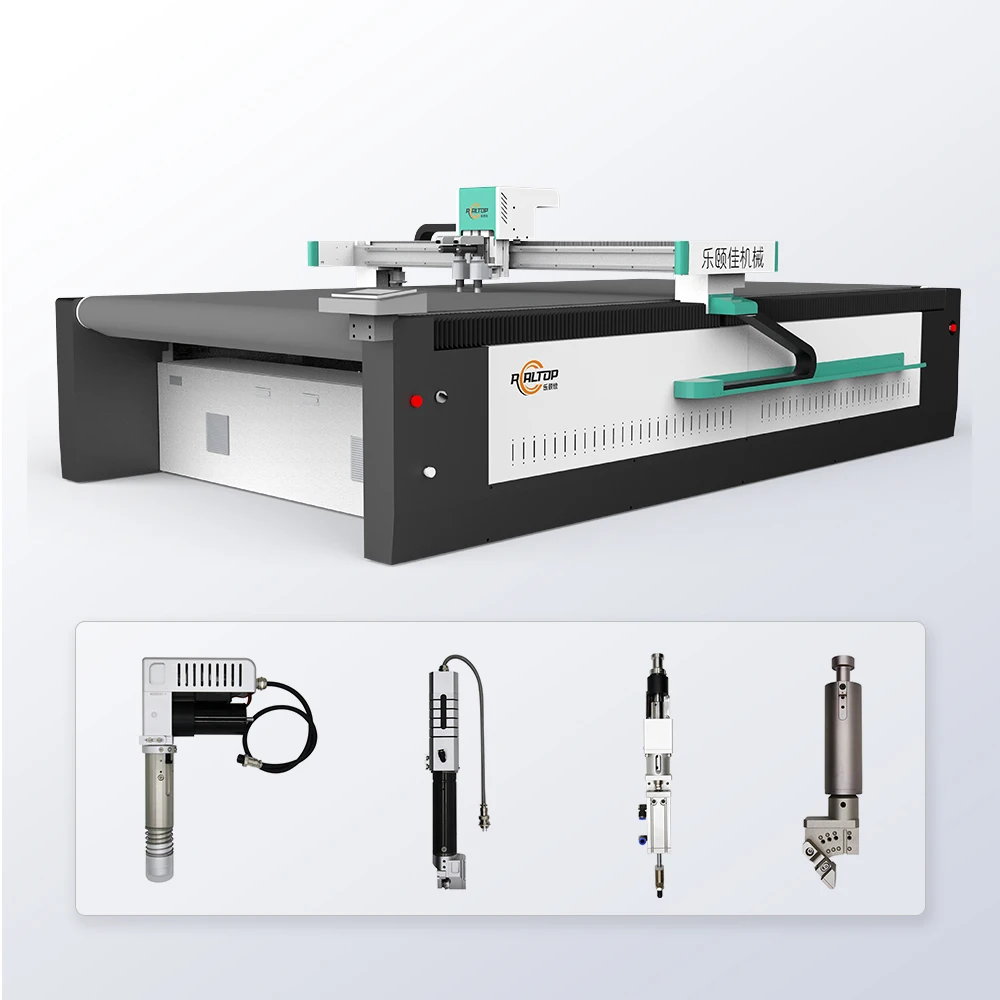
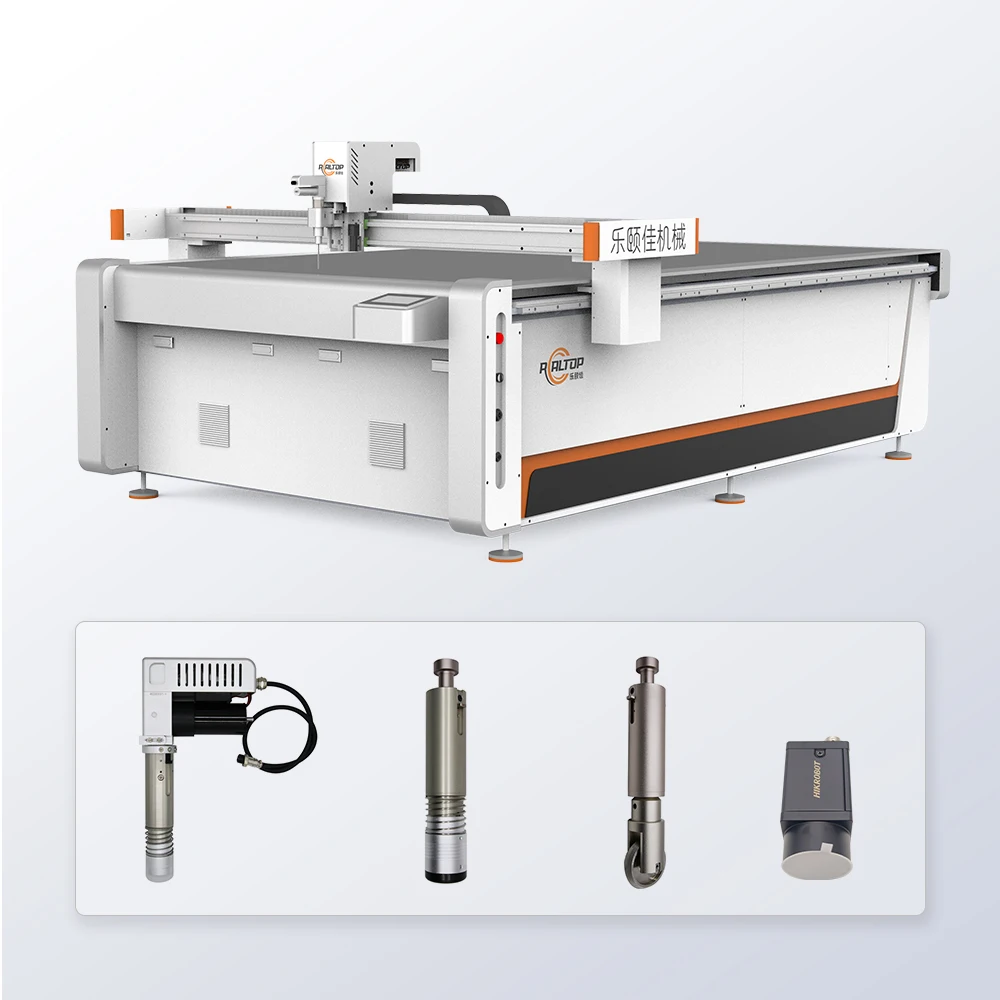
Precision Tooling per Material — every gasket compound behaves differently under the blade, and our in-house tooling library maps oscillating frequency, stroke, and knife geometry to specific sealing materials before a single cut is made.
Technical Specifications
| Parameter | Value |
|---|---|
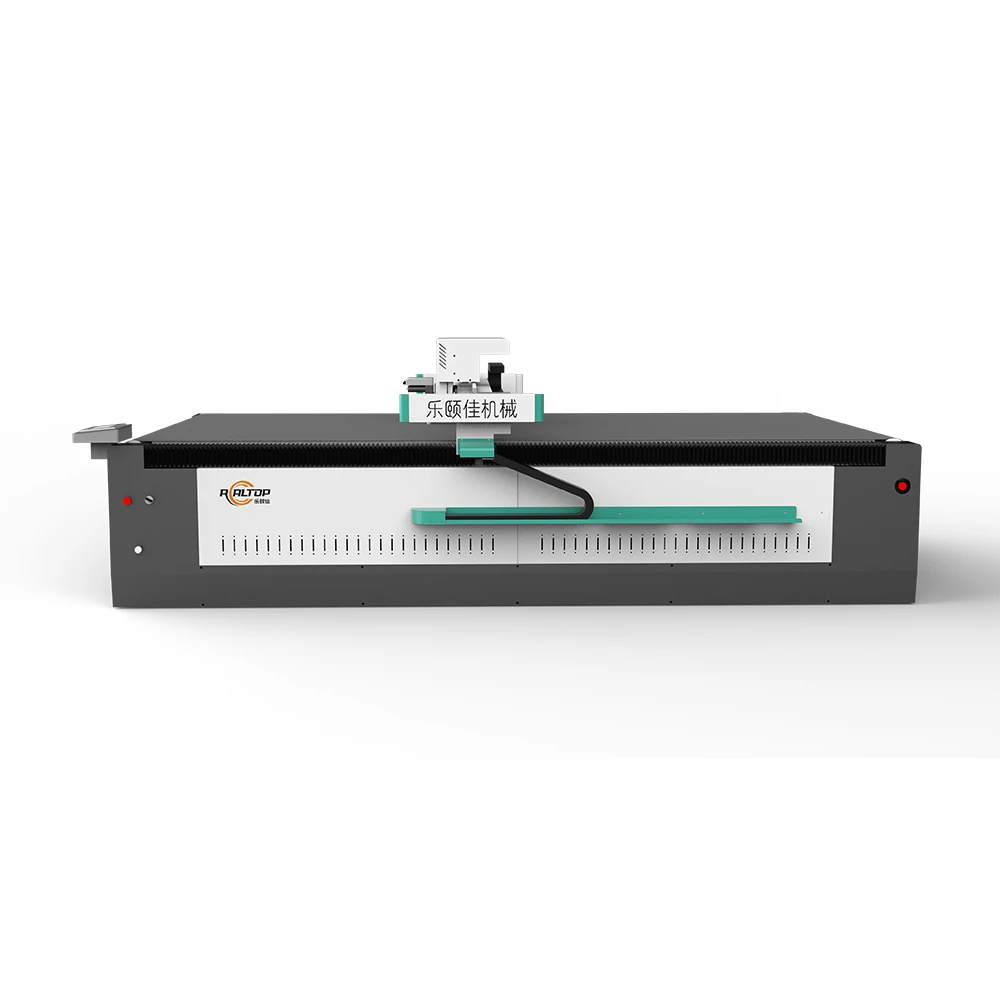
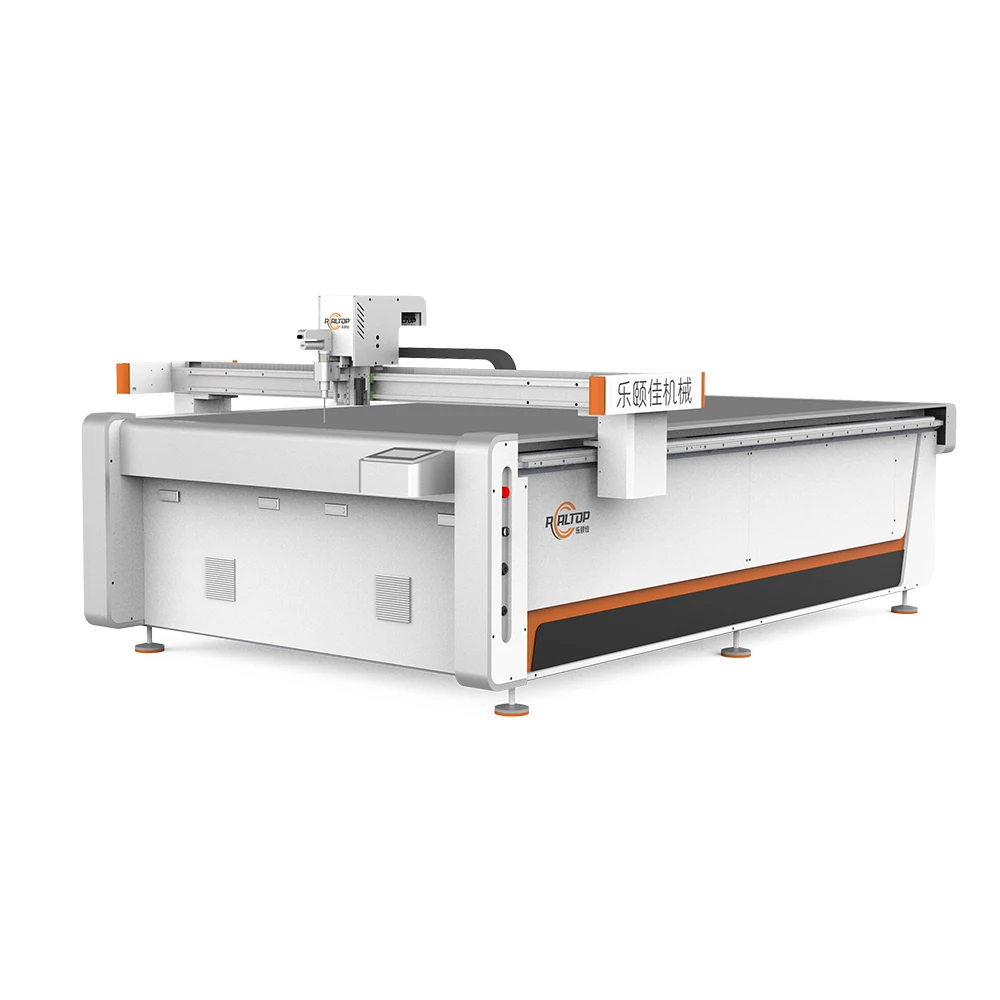
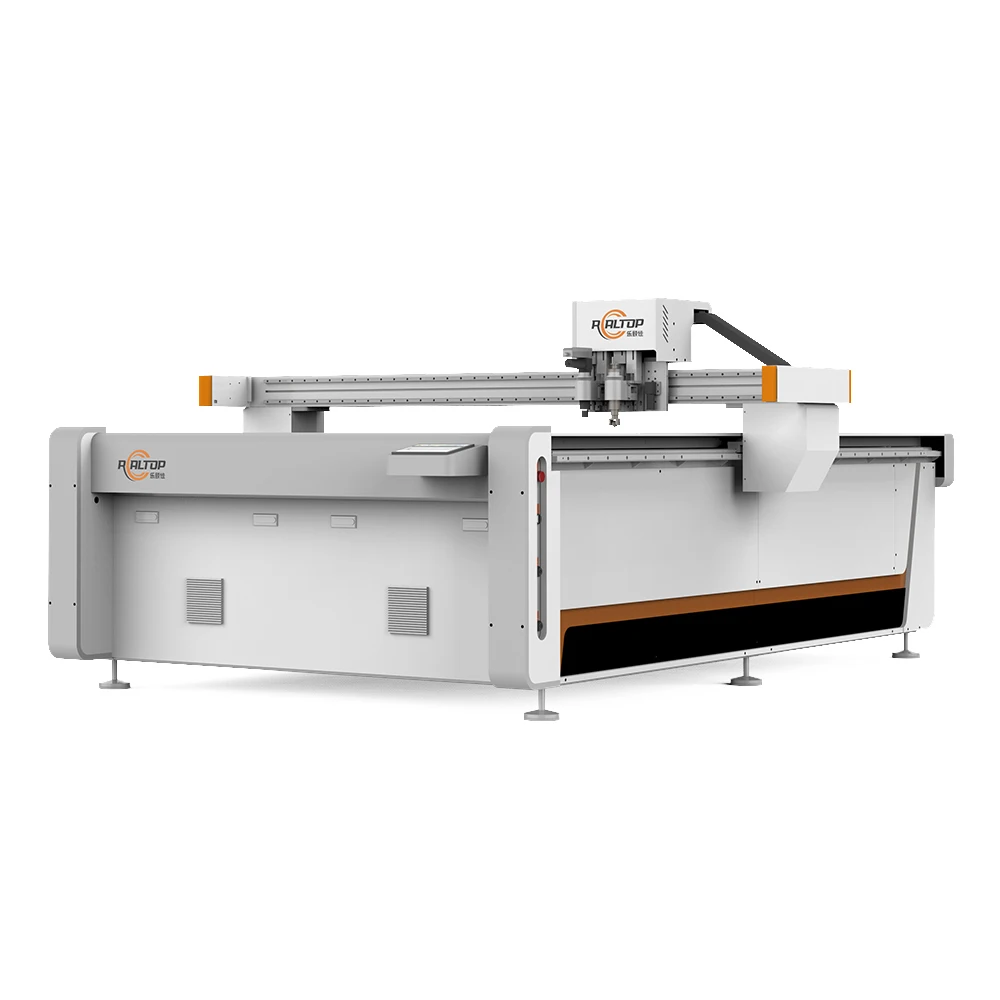
| Product Type | CNC Oscillating Knife Cutting Machine for Gasket |
| Working Area | 1600 × 2500 mm |
| Cutting Thickness Capacity | ≤ 30 mm (material dependent) |
| Cutting Speed Range | 0–2000 mm/s (basis to be confirmed by material and profile complexity) |
| Positioning Accuracy | ±0.1 mm |
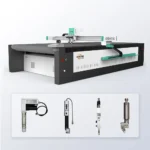
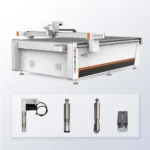
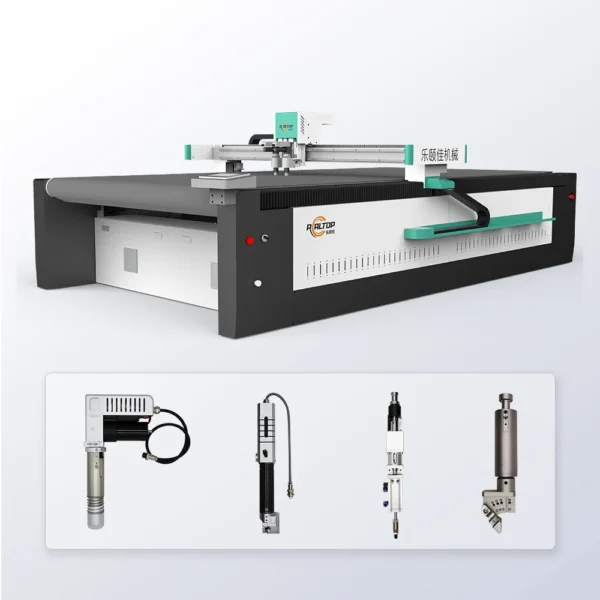
| Tool Head Options | Oscillating knife, Driven rotary knife, Creasing wheel, Kiss cutting tool, Pneumatic knife, Milling tool, V groove knife |
| Vacuum System | 9 kW pump with aluminum bellows vacuum table |
| Control System | PLC with multi-language display options |
| Compatible File Formats | PLT, DXF, AI, PDF |
| Electrical Supply | 110V / 220V / 380V options (frequency and phase configuration to be confirmed per destination market) |
| Machine Footprint | 3300 × 2100 × 1350 mm |
| Safety Systems | Infrared sensor array and emergency stop circuit |
| Servo Drive Options | Panasonic, Delta, or Dorna servo packages available |
| Compliance | CE declaration where applicable |
Application Suitability
| Application | Material or Output |
|---|---|
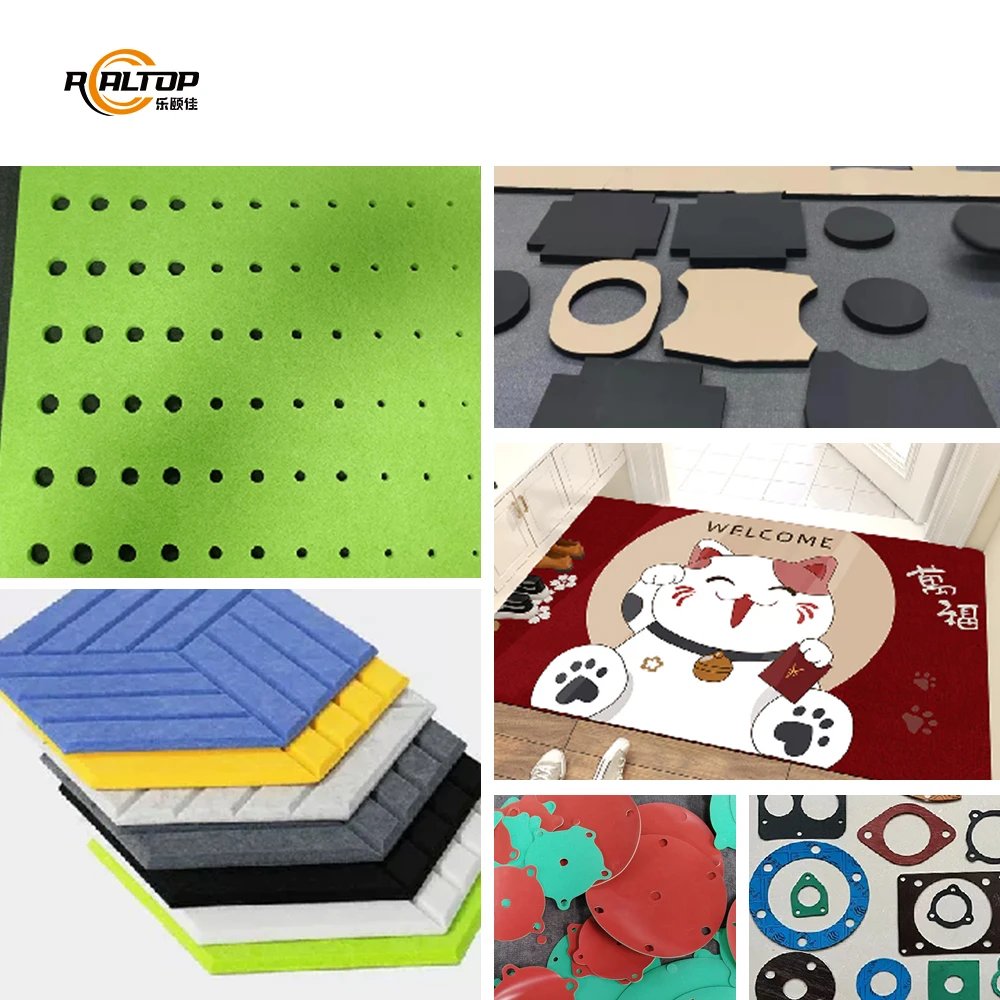
| Aerospace sealing and insulation | PTFE, aramid honeycomb, ceramic fiber blankets, composite gasket stock |
| Automotive gasket and sealing strip production | Filled PTFE sheets, rubber compound slabs, cork-rubber blends, non-asbestos fiber |
| Industrial flange and valve gaskets | Compressed non-asbestos fiber, graphite-laminated sheet, spiral wound filler |
| Wind turbine and energy sealing | Insulation board, composite panel gaskets, thermal barrier materials |
| General industrial maintenance gaskets | Cork, nitrile rubber, EPDM, silicone sheet, fiber-reinforced elastomers |
Why Blade Choice Matters More Than Machine Speed
Matching the tool head to the exact gasket compound eliminates edge delamination, burrs, and premature blade failure that no amount of speed adjustment can fix.
Many buyers focus on CNC oscillating knife cutting machine specifications like maximum travel speed, yet the real production bottleneck sits at the knife tip. I once configured a unit for a PTFE gasket shop running filled-graphite modified material. We set up pure PTFE parameters in the factory, shipped the machine, and discovered on-site that the filled compound produced heavy burring and chewed through blades within two days. The machine was capable — the tool head selection was not. That mismatch cost the buyer weeks of lost output while we redesigned the clamping pressure and oscillation stroke. When sourcing a gasket cutting system, the conversation must start with the exact material formulation, not the brochure speed number [NEED_CITE: gasket material composition variability and its effect on blade wear rates].
Oscillation Frequency and Material Response
The core of any CNC oscillating knife cutting machine for gasket work lies in how the knife vibrates through the stock. High-density materials like filled PTFE or compressed non-asbestos fiber demand higher oscillation frequency with shorter stroke to fracture cleanly through the cross-section. Softer compounds such as nitrile rubber or cork respond better to lower frequency with longer stroke, which allows the blade to part the material without tearing or leaving compression marks along the cut path. The oscillating knife, pneumatic knife, and V groove knife heads on this platform each serve a distinct material family, and selecting correctly is the difference between a clean seal-ready edge and a rejected part.
Vacuum Table Zoning for Small Gasket Profiles
Gasket cutting generates dozens of small, irregularly shaped parts that lift easily under knife drag. The aluminum bellows vacuum table on this unit delivers suction across the entire 1600 × 2500 mm working surface, but zoning matters just as much as total holding force. When cutting flange gaskets under 50 mm in diameter, concentrated vacuum in the cutting zone prevents individual parts from shifting mid-profile [NEED_CITE: vacuum hold-down principles for thin flexible sheet materials]. The 9 kW pump capacity provides the headroom needed for multi-zone configurations where different table sections activate independently, keeping small seals flat while larger profiles are being cut elsewhere on the bed.
Reading the Specs Against Real Gasket Production
Positioning accuracy of ±0.1 mm governs how closely finished gaskets match the CAD bolt-hole pattern — critical for flange seals where a misaligned hole creates a leak path under pressure. The 30 mm cutting thickness ceiling covers most industrial gasket stock, but effective single-pass depth depends on material density; a 6 mm filled PTFE sheet may require the same blade force as 15 mm of soft cork. The PLC control panel stores tooling profiles per material, so operators switching between a rubber compound run in the morning and a PTFE batch in the afternoon load saved parameters rather than recalibrating manually. File format compatibility with PLT, DXF, AI, and PDF means most shops can feed drawings directly from their existing CAD environment without intermediate conversion steps [NEED_CITE: CNC file format interoperability standards in cutting applications].
The Cost of Guessing Material Behavior
Specifying a gasket cutter based on working area alone creates downstream failures that surface only during production. A machine sized for 1600 × 2500 mm sheets may lack the knife downforce to penetrate filled-graphite PTFE at full thickness, leaving incomplete cuts that require manual finishing. Wrong tool head selection for foam-backed sealing materials produces crushed edges that compromise seal compression. Insufficient vacuum zoning on small O-ring profiles allows parts to drift during the final cut pass, ruining dimensional accuracy across an entire batch. These issues do not appear in the quotation — they appear on the shop floor, often weeks after installation [NEED_CITE: common causes of CNC cutting reject rates in gasket manufacturing].
Why Sourcing From a Knife-Cutting Specialist Matters
In-house design covering oscillating knife technology means tool head geometry is developed alongside the machine frame, not adapted from a third-party catalog. Every gasket material receives a documented tool head and table configuration list before order confirmation, so the buyer knows exactly which knife, stroke setting, and vacuum zone layout ships with their unit. Sample cutting on the buyer’s own material validates edge quality and dimensional accuracy before production commitment — not after the machine arrives. Voltage, control language, and PLC interface options are confirmed against the destination market’s electrical standards prior to build. The factory test record includes cutting trials on the specific gasket stock the buyer will run, not generic demonstration material.
Documentation & Verification
- Machine specification sheet listing confirmed tool head and vacuum zone configuration for your gasket stock
- Electrical schematic with voltage, frequency, and phase matched to your facility supply
- Sample cutting report on your actual gasket material showing edge quality and dimensional measurements
- Software licence and file format compatibility note for PLT, DXF, AI, and PDF workflows
- Factory test record documenting cutting accuracy and vacuum performance on your specified material thickness
Installation, Commissioning & Support
- Floor space planning around the 3300 × 2100 mm machine footprint with access clearance for sheet loading on the 1600 × 2500 mm bed
- Dedicated electrical circuit sized for 9 kW vacuum pump plus servo drive load at confirmed voltage and phase
- Assembly and leveling of aluminum bellows vacuum table sections with flatness verification across full working area
- First-run parameter setup including oscillation frequency, knife depth, and vacuum zoning for your primary gasket material
- Operator training on PLC interface in confirmed language, covering tool head changeover and profile loading from DXF or PLT files
- Spare parts list covering oscillating blades, knife holders, and vacuum table seals with recommended reorder quantities
What We Need to Configure Your Machine
To match the right tool head and vacuum layout to your gasket production, we need the specific material type and formulation you run most frequently, the thickness range and typical sheet dimensions, and whether your parts include profiles smaller than 50 mm that require concentrated vacuum zoning. Confirming your facility voltage, frequency, and preferred PLC display language upfront prevents rework after shipment. If you are uncertain about material behavior, send a sample sheet for cutting trials before we finalize the configuration.
Frequently Asked Questions
Q: How do I select the correct tool head for my gasket material?
A: Material density and composition determine the choice. Filled PTFE and compressed fiber respond to high-frequency oscillating knives with short stroke. Soft rubber and cork need lower frequency with longer stroke. Pneumatic knives suit thicker, less dense compounds. We run sample cuts on your actual material before finalizing the tool head selection, so edge quality is verified before the machine ships.
Q: Can this machine cut gasket materials thicker than 30 mm?
A: The 30 mm rating covers most standard gasket stock. Effective single-pass depth depends on material density — a dense filled PTFe sheet may require multiple passes at lower thickness settings, while soft cork can be cut in a single pass near the maximum. We confirm achievable cutting depth during sample trials on your specific material and thickness.
Q: How does vacuum zoning affect small gasket part accuracy?
A: Small gasket profiles under 50 mm can shift during cutting if vacuum suction is spread evenly across a large table. Multi-zone vacuum activation concentrates holding force directly beneath the cutting path, preventing part drift. The 9 kW pump and aluminum bellows table support configurable zoning to match your typical part size and layout density.
Q: Will my existing CAD files work with this cutting system?
A: The control system accepts PLT, DXF, AI, and PDF file formats, covering most CAD and nesting software outputs. Before order confirmation, we verify compatibility with your specific file export settings and nesting workflow to ensure clean import without intermediate conversion steps that could introduce dimensional errors.
Q: What electrical and language options are available for my market?
A: Voltage options include 110V, 220V, and 380V, with frequency and phase configured to your local supply standard. The PLC control panel supports multiple display languages, confirmed before build. Safety systems including infrared sensors and emergency stop circuits are wired to match destination market requirements under CE declaration where applicable.


商品评价
Clear filtersThere are no reviews yet.