

Fast Shipping
Carrier information

20k products
Payment methods

24/7 Support
Unlimited help desk

2-day Delivery
Track or off orders
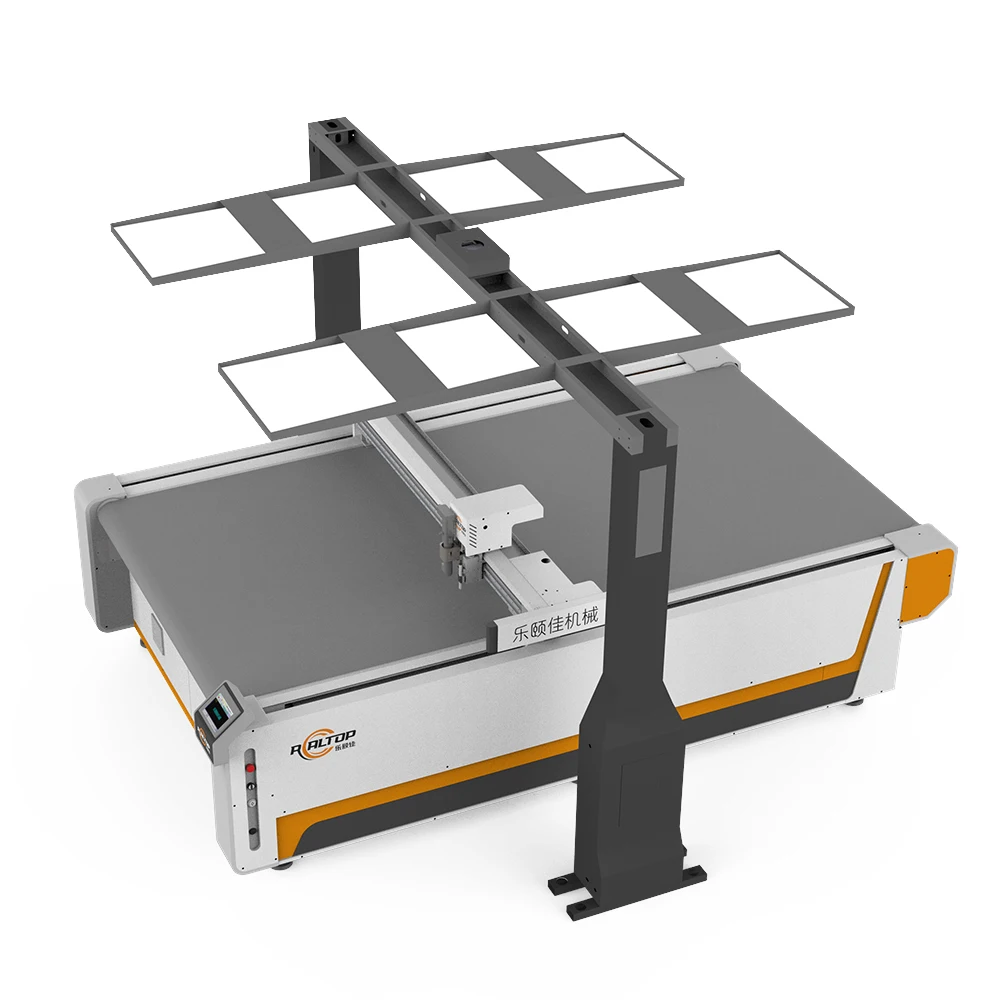
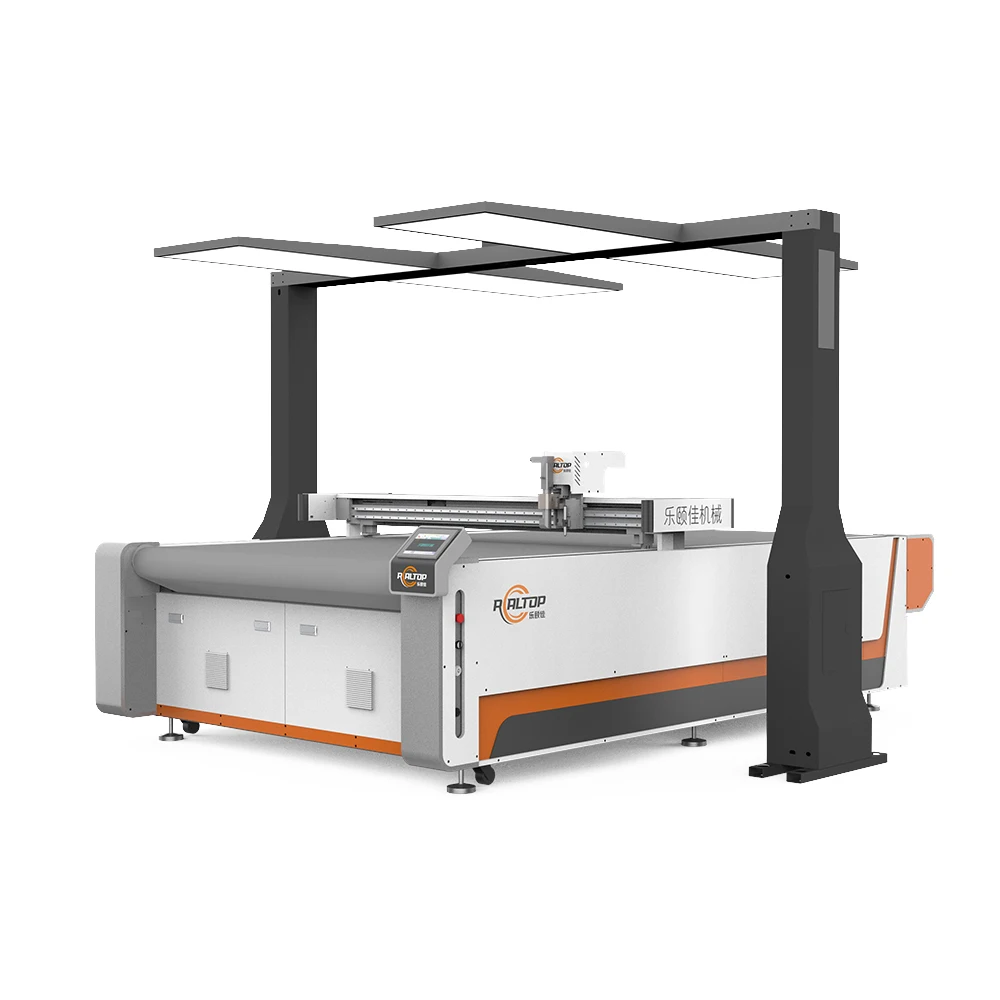
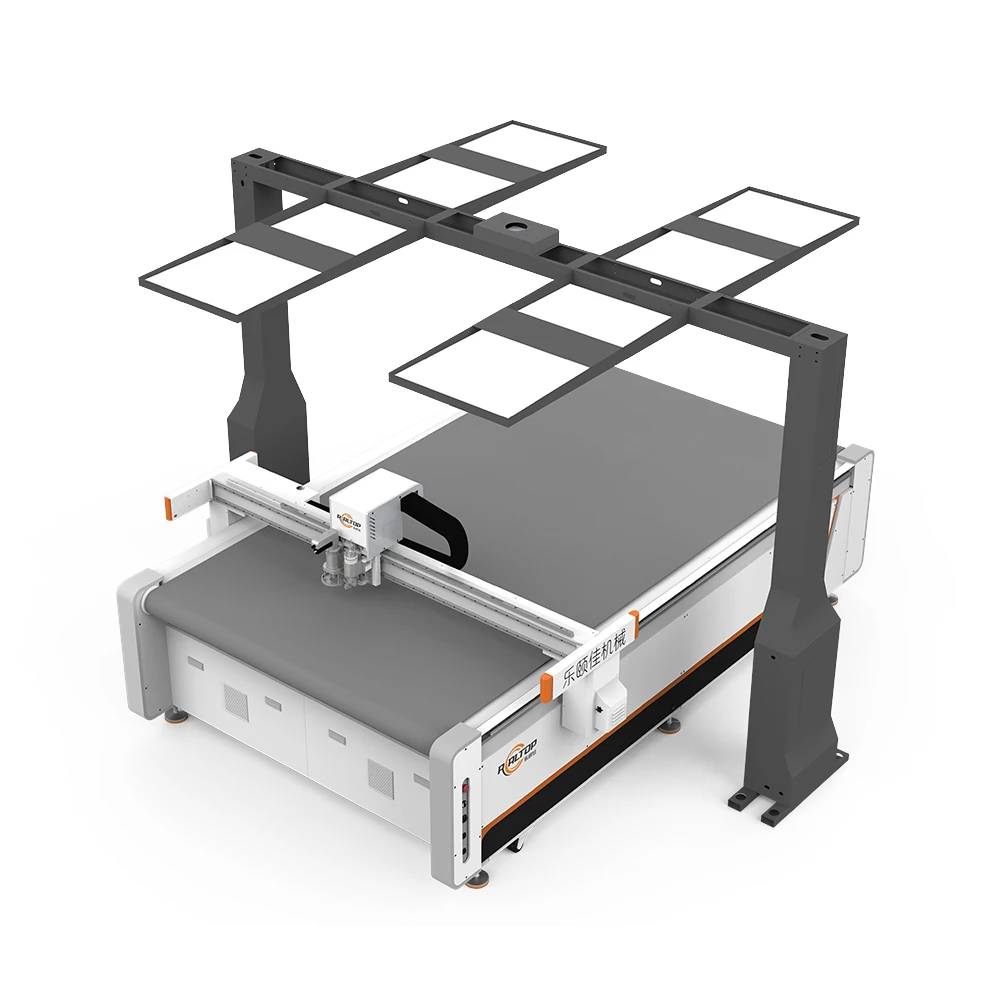
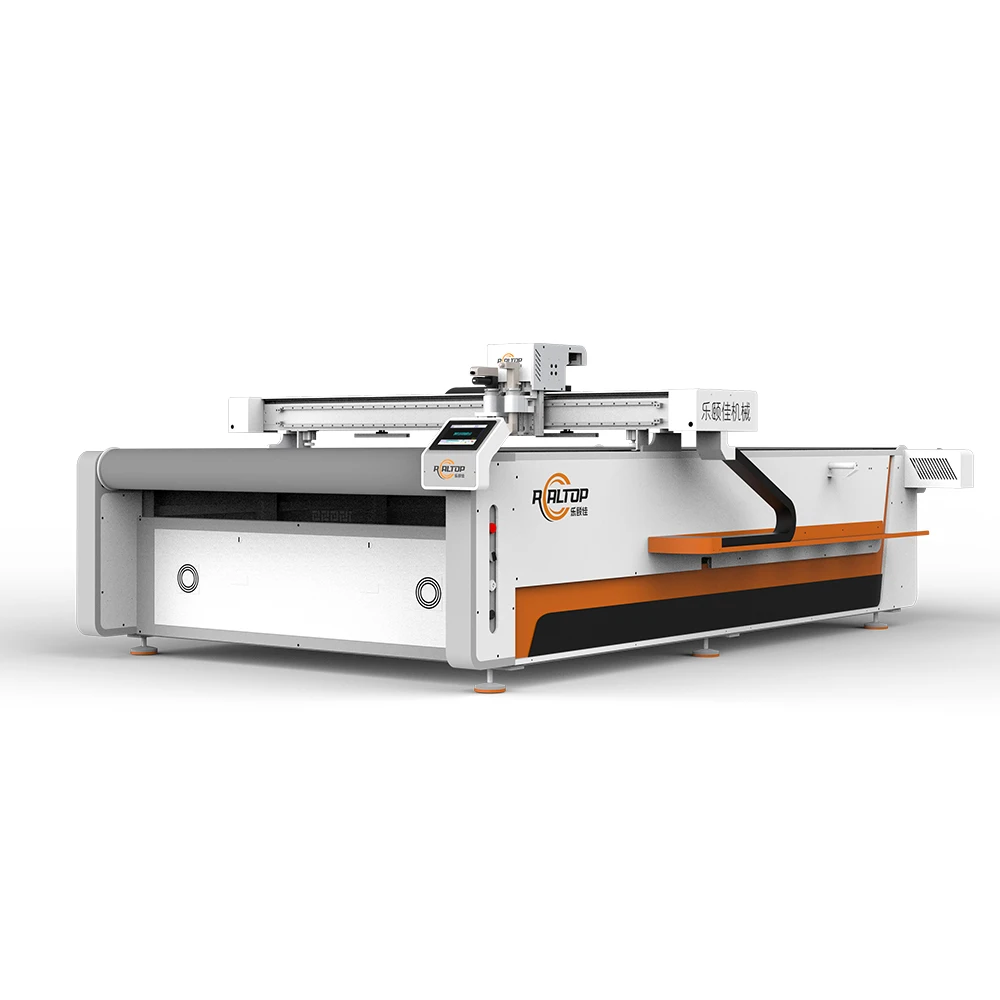
Knife-first configuration — Seven interchangeable tool heads matched to your exact fabric type and thickness before the order is placed, so a drop stitch processor never inherits a generic flatbed setup meant for apparel knits.
Technical Specifications
| Parameter | Value |
|---|---|
| Model | 1625 |
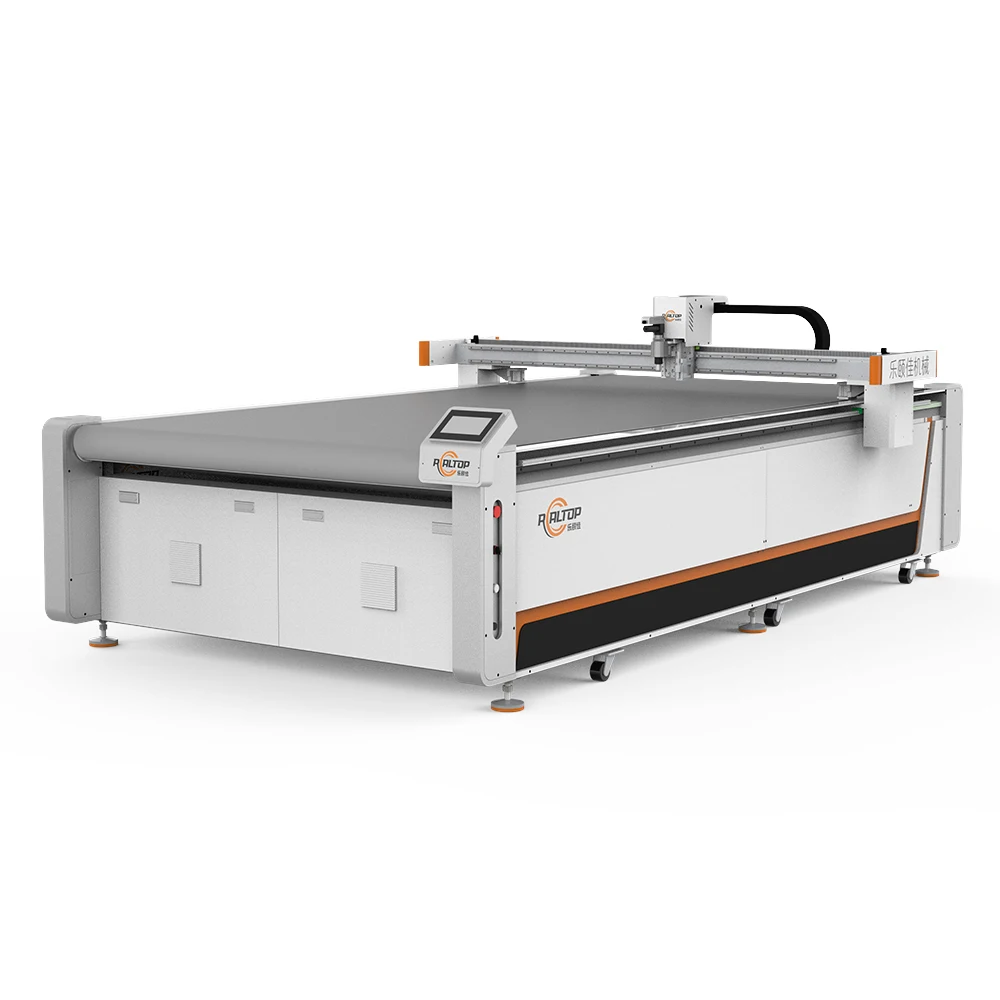
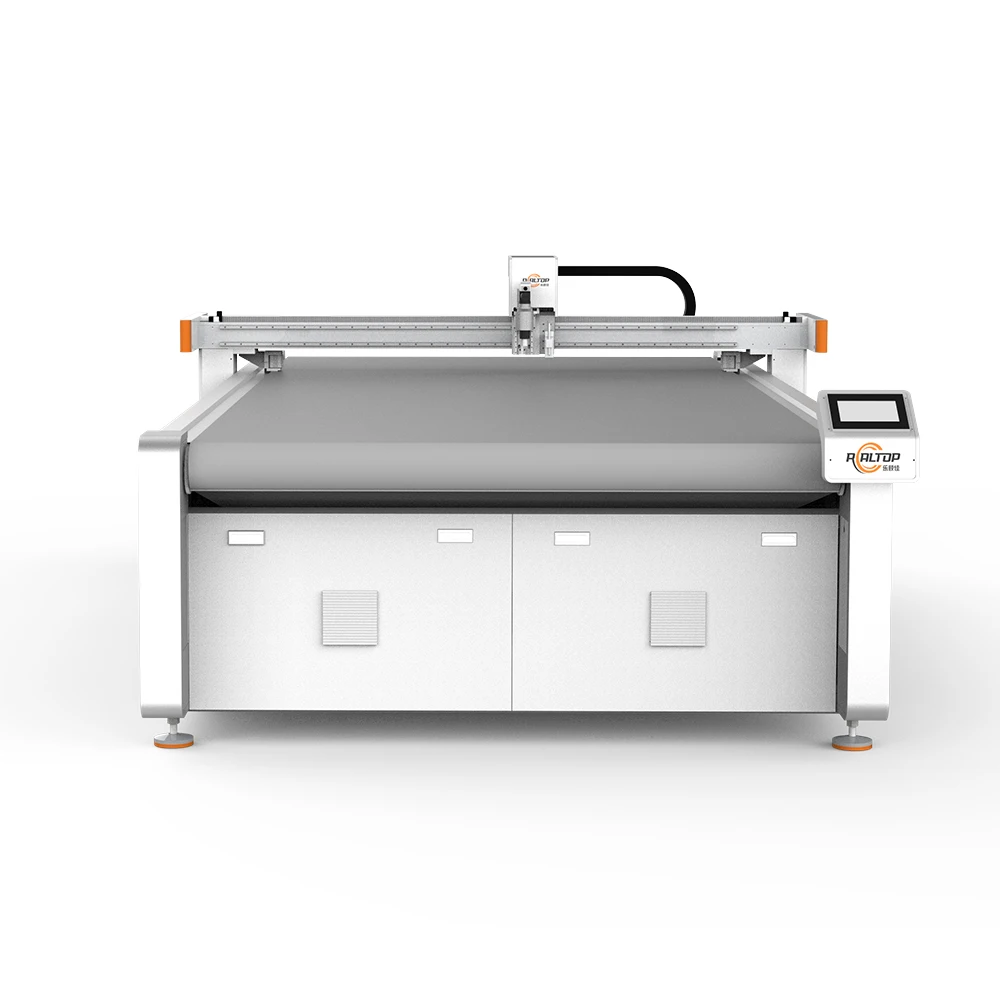
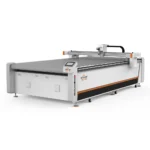
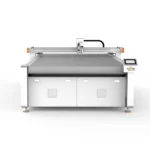
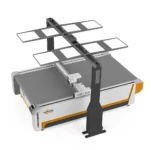
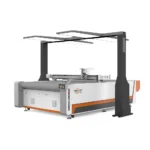
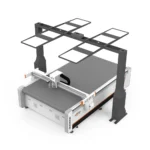
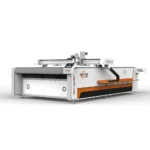
| Product Type | CNC Oscillating Knife Cutting Machine |
| Working Area | 1600×2500 mm |
| Tool Head Options | Oscillating knife, Driven rotary knife, Creasing wheel, Kiss cutting tool, Pneumatic knife, Milling tool, V-groove knife |
| Cutting Speed | 0–2000 mm/s |
| Cutting Thickness | Up to 30 mm (basis not stated in source — confirm block format, material and layer count) |
| Positioning Accuracy | ±0.1 mm |
| Vacuum Pump Power | 9 kW |
| Vacuum Table | Aluminum bellows vacuum table |
| Control System | PLC control panel |
| Servo Drive Options | Panasonic, Delta, Dorna |
| Voltage Options | 110V / 220V / 380V (frequency not specified in source) |
| File Formats Supported | PLT, DXF, AI, PDF |
| Language Options | English, Russian, Italian, Chinese (special languages customizable) |
| Safety Devices | Infrared sensor device and emergency stop device |
| Machine Size | 3300×2100×1350 mm |
| Standards | CE (verify applicability for destination market) |
Application Suitability
| Application | Material or Output |
|---|---|
| Inflatable SUP and PVC boat hull fabrication | Drop stitch fabric, double-wall PVC panels |
| Automotive interior trimming | Seat fabrics, carpets, PVC floor mats |
| Apparel and fashion manufacturing | Suits, knitwear, lace, multi-layer complex fabrics |
| Home textile production | Sofa fabrics, curtains, area rugs |
| Composite material processing | Carbon fiber prepreg, aramid, specialty laminates |
| General flexible material cutting | Cardboard, carton, EVA, leather, acrylic, foam, PTFE, rubber |
Why the Wrong Tool Head Ruins Drop Stitch on Day One
A machine specified by working area alone will not survive the first roll of coated drop stitch fabric.
When I first ran drop stitch on a flatbed configured for standard PVC mesh, the oscillating knife was set to a frequency and depth that worked fine on uniform material. Drop stitch is different: the woven top layer, the thousands of internal yarns, and the coated bottom surface react differently to the same blade stroke. The first pass pulled yarns loose, leaving a frayed channel that made the SUP panel unsealable. The buyer lost an entire batch of board skins before we swapped to a driven rotary knife with adjusted stroke parameters [NEED_CITE: oscillating versus rotary knife behavior on coated woven composites]. This is why the CNC oscillating knife cutting machine specifications you read on a brochure only matter once they are locked to your actual roll stock.
Matching Knife Type to Fabric Architecture
The 1625 carries seven tool head options, and the choice between them is not cosmetic. Oscillating knife handles most single-ply and light multi-layer textiles cleanly, but dense woven structures with internal yarn bundles — like drop stitch — often need a driven rotary knife to slice rather than punch through. Pneumatic knife suits thicker foam-backed laminates, while the V-groove tool scores fold lines on carton and packaging board. Selecting the right head before the machine leaves the factory avoids the blade-change downtime and edge-quality rework that appear once production starts.
Vacuum Hold-Down That Actually Grips Drop Stitch
Drop stitch fabric is stiff and springy. When the knife exits a cut, the internal yarn tension pushes the panel upward, and a weak vacuum zone lets the piece shift mid-path. The aluminum bellows table on this CNC oscillating knife cutting machine connects to a 9 kW pump, pulling the material flat across the full 1600×2500 mm bed [NEED_CITE: vacuum pressure requirements for rigid woven composite panels]. For small gusset pieces or narrow strip cuts, the table can be zoned so suction concentrates under the working area instead of bleeding across empty bed surface.
What the Numbers on the Spec Sheet Actually Mean
The ±0.1 mm positioning accuracy matters most when nesting SUP deck pads or automotive carpet blanks where a half-millimeter drift throws off the glue-line match downstream. Cutting speed rated to 2000 mm/s is achievable on open-weave textiles; on drop stitch or multi-layer carbon prepreg, the practical feed rate drops because the knife must fully penetrate the yarn matrix before the next stroke. The PLC control panel accepts PLT, DXF, AI and PDF files, which covers the export formats from most nesting and CAD packages used in textile and composite shops. Voltage options spanning 110V to 380V mean the servo drives — available in Panasonic, Delta or Dorna — can be wired to the buyer’s local supply before the crate is sealed.
The Cost of Skipping the Sample Cut
I have watched a buyer accept a machine based on a video of it cutting cotton jersey, then feed it 18 mm EVA foam and wonder why the edges came out crushed instead of sheared. A different buyer ran carbon prepreg on a bed zoned for large panels and lost small off-cut pieces to vacuum bleed. In both cases, a sample cutting session on the buyer’s own roll stock — with recorded blade type, stroke frequency, feed rate and vacuum zone map — would have caught the mismatch before the container shipped [NEED_CITE: material-specific sample testing for industrial cutting equipment].
Why Source This Platform From REALTOP
The design team handles both knife and laser cutting technologies in-house, so a buyer processing drop stitch today and acrylic signage tomorrow can match cutting method to material without forcing one technology to cover both. Tool head and table configurations are specified per material and production volume, not pulled from a default list. Software compatibility — file format import, nesting workflow, control language — is confirmed before the order is finalized. Voltage, plug type and interface language are set to the destination facility. And the sample cutting report on the buyer’s own material ships with the machine, so the first production run starts from verified parameters rather than guesswork.
Documentation & Verification
- Machine specification sheet listing all seven tool head options with recommended material pairings
- Electrical schematic and voltage confirmation matching your facility supply before dispatch
- Tool head and vacuum table configuration list locked to your stated fabric type and thickness
- Sample cutting report recorded on your own drop stitch or composite roll stock
- Software licence and file format compatibility note covering PLT, DXF, AI and PDF import
- Factory test record with positional accuracy verification at ±0.1 mm
Installation, Commissioning & Support
- Floor space requirement based on the 3300×2100 mm footprint plus roll-feed clearance on two sides
- Dedicated electrical circuit sized for the 9 kW vacuum pump plus servo drive inrush current
- Machine ships in a single assembly; bed leveling and belt tension checked on site at commissioning
- First-run parameter setting using the sample cutting report as the baseline for your material
- Operator training covers tool head swap procedure across all seven available knife types
- Spare blade and bellows seal kit included for the initial maintenance cycle
What We Need From You to Quote Correctly
Send the fabric type, nominal thickness, maximum sheet or roll width, and the daily linear meter volume you plan to cut. Confirm the voltage and frequency at your facility, the control language your operators read, and whether your existing nesting software exports in PLT, DXF, AI or PDF. If your material is coated, laminated or contains internal yarn structures like drop stitch, ship us a sample roll so we can run a cutting test and return a parameter report before you commit.
Frequently Asked Questions
Q: How do I choose the right tool head for drop stitch versus standard woven fabric?
A: Standard woven fabric usually cuts cleanly with the oscillating knife at moderate stroke frequency. Drop stitch fabric has internal yarn bundles and a coated surface that resist a punching blade, so the driven rotary knife often produces a cleaner edge. We run both heads on your sample roll and record which delivers the edge quality your sealing process requires before finalizing the configuration.
Q: Is the 30 mm cutting thickness valid for multi-layer drop stitch panels?
A: The stated thickness capacity depends on material density and layer bonding. Drop stitch panels compress differently than open-weave textiles or foam. We verify actual penetration depth by cutting a sample of your specific panel at production feed rate and document the result, rather than quoting a generic maximum that may not apply to your roll stock.
Q: Can the machine track printed contours on coated drop stitch for pattern matching?
A: CCD camera contour recognition is available as an option for printed registration marks. Coated and glossy surfaces can reflect ambient light and confuse optical sensors, so we test mark recognition on your actual printed material at full cutting speed before confirming the feature will perform reliably in your production environment.
Q: What voltage and language settings are confirmed before the machine ships?
A: Voltage is configurable across 110V, 220V and 380V, with frequency matched to your local grid. Control language defaults to English, Russian, Italian or Chinese, with other languages customizable. We send you an electrical schematic and language confirmation document for sign-off before the machine enters packing, so no rewiring or re-flashing is needed on arrival.
Q: How does vacuum zoning prevent small drop stitch pieces from lifting during cutting?
A: The aluminum bellows table can be divided into zones so suction concentrates only under the active cutting area. Small gussets and narrow strips lift when vacuum bleeds across empty bed surface, reducing hold-down force. We map the zone layout to your typical nest pattern and verify hold-down on your smallest production piece during the sample cutting session.


商品评价
Clear filtersThere are no reviews yet.