

Fast Shipping
Carrier information

20k products
Payment methods

24/7 Support
Unlimited help desk

2-day Delivery
Track or off orders
Tooling Matched to Material — every RT-D2516/RT-S2516 configuration is validated against sample fabric before the crate is sealed, eliminating the ragged-edge failures I used to chase across Lagos and Dhaka workshops.
Technical Specifications
| Parameter | Value |
|---|---|
| Model | RT-D2516 / RT-S2516 |
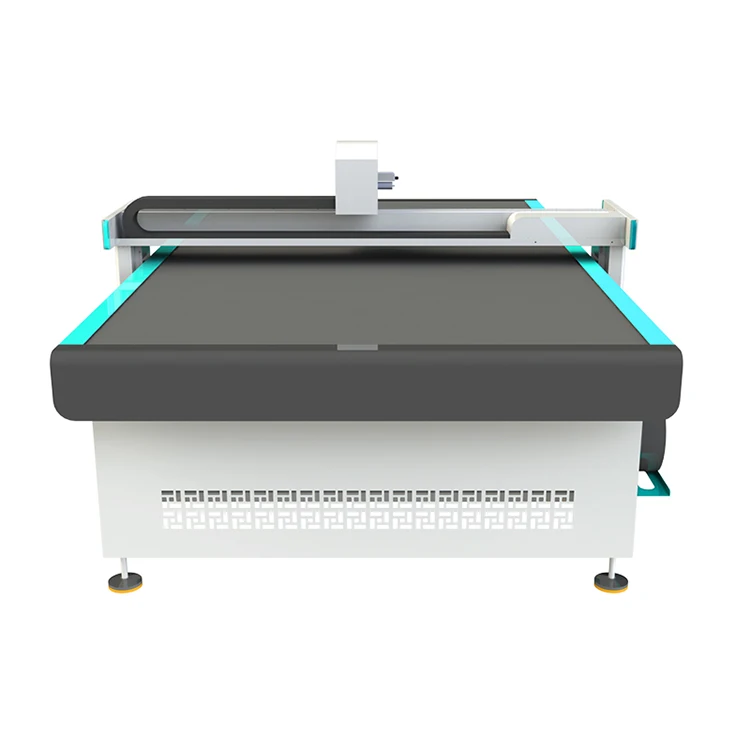
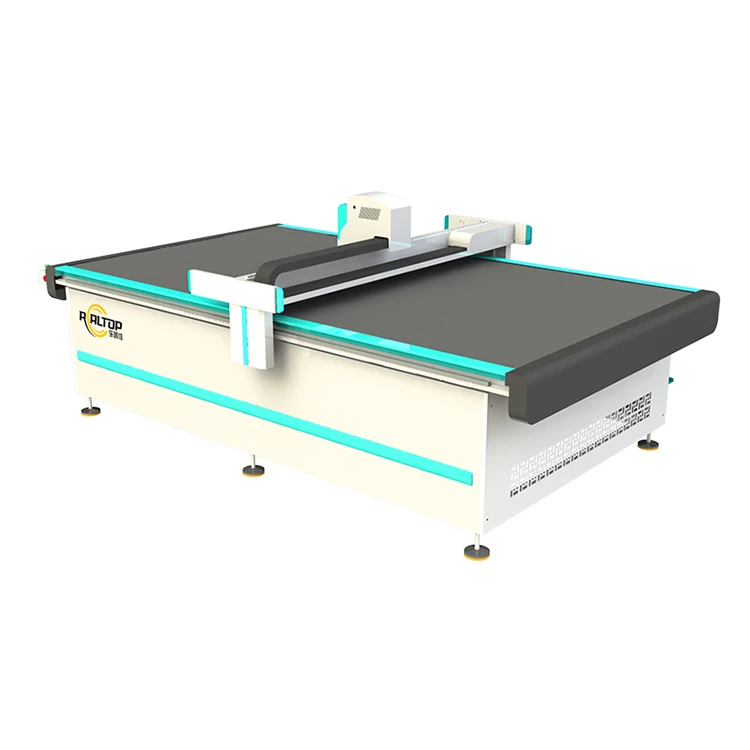
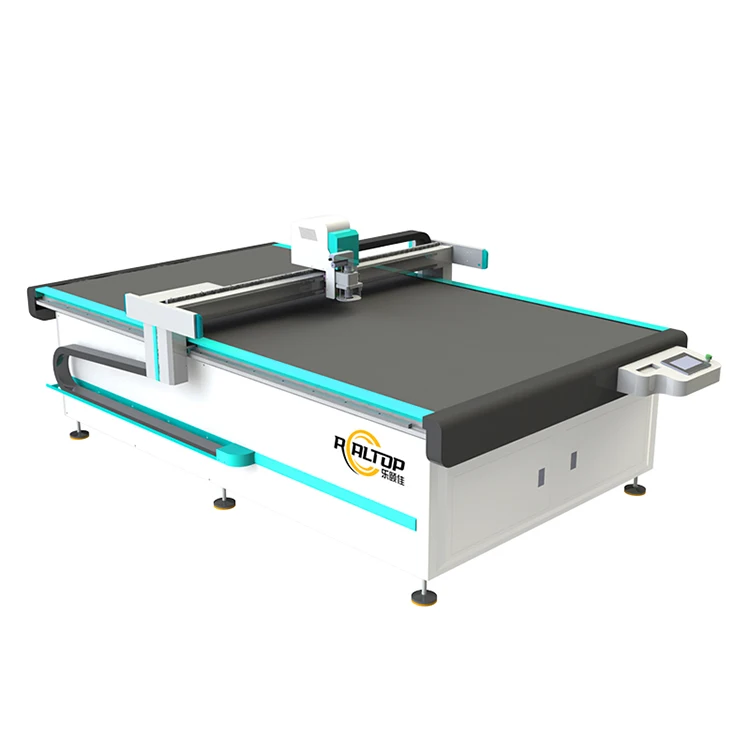
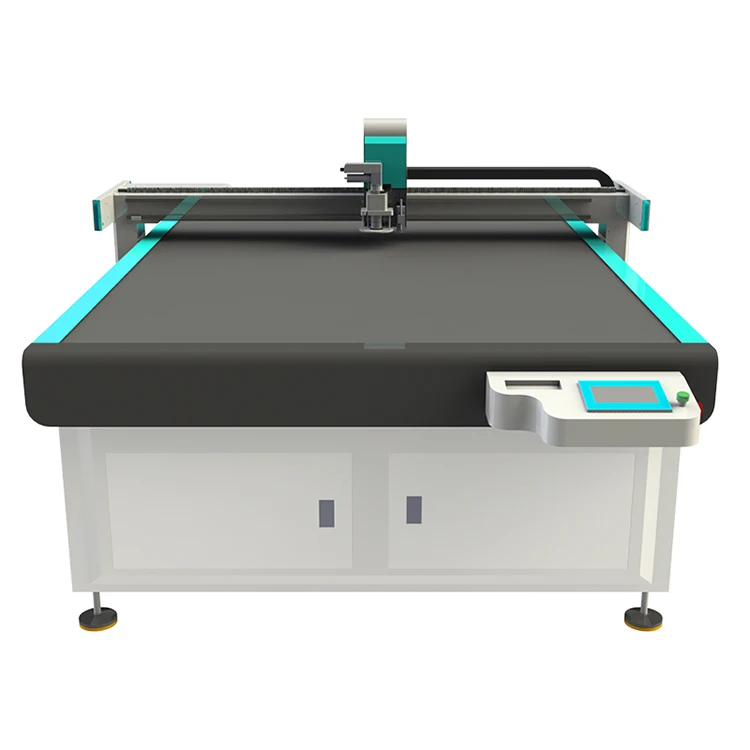
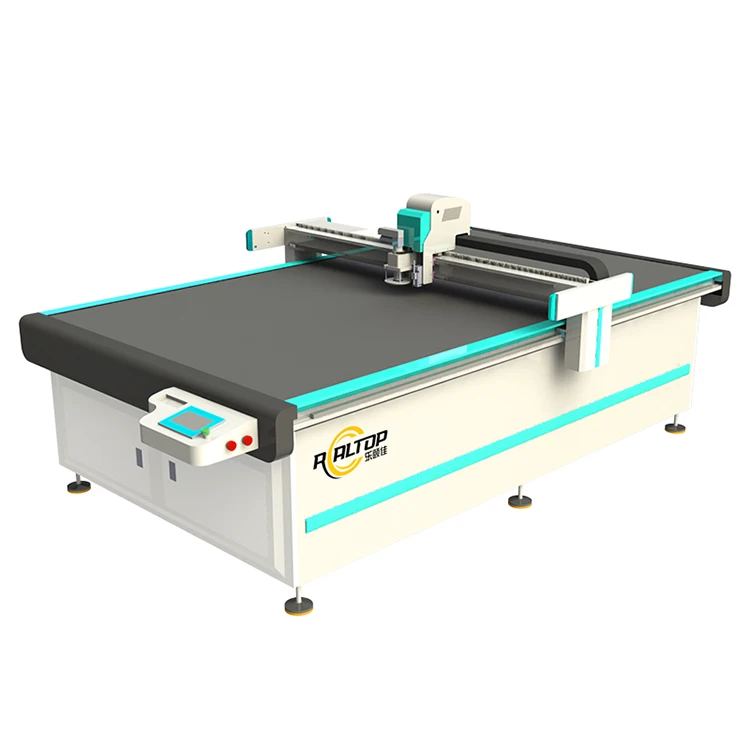
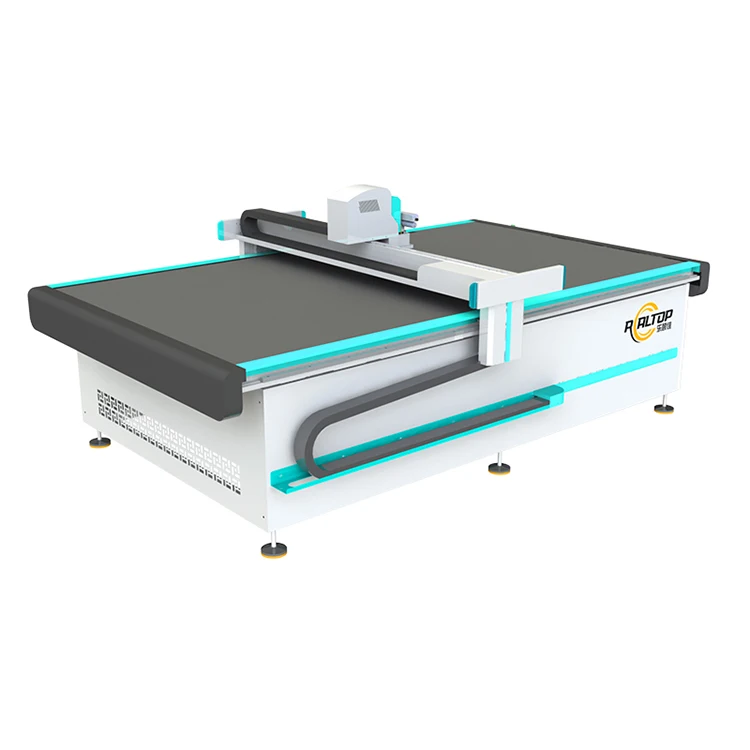
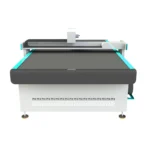
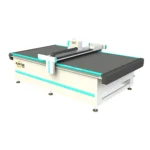
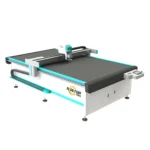
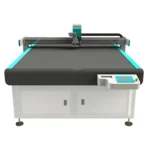
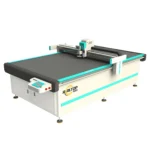
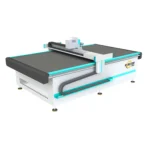
| Product Type | CNC Oscillating Knife Cutting Machine |
| Working Area | 1600 × 2500 mm |
| Overall Dimensions | 3450 × 2300 × 1250 mm |
| Rated Power | 9 kW |
| Vacuum Pump | 7.5 kW |
| Table Type | Flat working table with vacuum and auto feeding |
| Multifunctional Head | Swiss imported knife, vibration full cutting, vibration half cutting, cursor location |
| Tool Head Options | Multiple quick-change heads for different materials |
| Translational Velocity | 800–1200 mm/s |
| Cutting Speed | 200–800 mm/s depending on material |
| Repeated Accuracy | ≤0.1 mm |
| Transmission System | Digital servo motor, linear guide, synchronous belt, imported ball screw |
| Servo Motor | Japanese Yaskawa (Taiwan Delta optional) |
| Guide Rail | Taiwan Hiwin high-precision linear square rail with lubricating oil seal gear rack drive |
| Conveyor Belt | Germany imported |
| Safety Device | Infrared sensors |
| Instruction System | HP-GL compatible format |
| Voltage | 380V ±10% |
| Assembly State | Fully assembled |
| Standards | CE |
Application Suitability
| Application | Material or Output |
|---|---|
| Children’s denim trouser panels | Multi-layer denim, cotton twill, blended jean fabric |
| Garment and footwear components | Leather, synthetic leather, flexible textile composites |
| Automotive interior trim | Sponge composite leather, PVC, soft glass, silicon, rubber |
| Foam and gasket fabrication | Sponge, foam sheets, composite foam laminates |
| Flexible signage and protective covers | PVC, soft glass, silicon sheets |
Why Ragged Edges on Denim Start with the Wrong Tool Head
Specifying a cloth CNC cutting machine by working area alone ignores the variable that actually breaks the blade: material thickness and density at production speed.
When a buyer selects oscillating knife equipment based only on table size, the cutting head often meets a fabric stack it was never configured to handle. Denim for kids’ jeans can range from lightweight chambray to heavyweight 14 oz twill, and the difference in blade load is substantial. On one installation in West Africa, a production line stopped entirely because the knife edge chipped within the first shift on a heavier denim weight than the original sample. The downtime cost more than the tooling itself [NEED_CITE: field failure patterns in textile cutting operations]. Choosing the correct oscillating knife or drag knife configuration begins with a physical sample test, not a catalogue comparison.
Oscillating Frequency and Blade Life Across Fabric Weights
The Swiss imported knife on this cloth CNC cutting machine delivers both vibration full cutting and vibration half cutting modes. Full cutting mode suits dense, multi-layer denim stacks where the blade must penetrate completely through each stroke. Half cutting mode handles single-ply or lighter woven fabrics where a full oscillation would push the material ahead of the blade. Switching between modes at the control level rather than changing the physical tool keeps changeover short between jobs of different garment sizes.
Quick-Change Head Logic for Mixed Production Floors
The multiple quick-change head system means the RT-D2516/RT-S2516 can move from denim panels to sponge composite leather without manual recalibration of the tool holder. A drag knife head handles thinner vinyl or pattern paper, while the oscillating knife takes over for foam and layered fabric. This matters on floors running kids’ jeans alongside padded accessories, where forcing one head across all materials produces either crushed foam or frayed denim edges [NEED_CITE: tool head selection impact on edge quality in flexible material cutting].
Linear Guidance and Traverse Stability at Speed
Taiwan Hiwin linear square rails with gear rack drive maintain positional accuracy during high-speed traverses at 800–1200 mm/s. On a 1600 × 2500 mm working area, the carriage must cross significant distances between nested pattern pieces. Any deflection in the rail system compounds into cumulative error across a full lay of denim panels. The lubricating oil seal gear rack drive prevents lint and denim dust from entering the gear mesh, which is a constant contamination source in textile environments.
Vacuum Zoning and Conveyor Feed for Continuous Lay Cutting
The 7.5 kW vacuum pump paired with the flat working table holds multi-layer fabric stacks flat during oscillating knife penetration. Germany-imported conveyor belt material resists the abrasion from denim fibers and rivet hardware that standard belts shed within weeks. Auto feeding advances the next lay segment once the current nest is cleared, maintaining continuity across long production runs of children’s jean panels without manual repositioning of the fabric roll.
What Happens When Configuration Is Skipped
Choosing the cheapest head option and skipping the sample cutting report leads to predictable consequences. Denim edges arrive at the sewing line with pulled threads that require manual trimming. Foam layers compress unevenly, producing gasket pieces that fail dimensional checks. Small pattern pieces lift off the vacuum table mid-cut because the zoning was not matched to the nest layout, and the infrared sensors halt the machine repeatedly [NEED_CITE: vacuum hold-down requirements for small-part textile cutting]. These problems surface only after the machine is on the production floor, when returning it for reconfiguration is no longer practical.
Why Buyers Source This Configuration Here
In-house design covers both knife cutting and the broader cutting equipment range, so the tool head is matched to the material rather than forced from a single-technology catalogue. Sample cutting on the buyer’s actual denim or foam stock is completed before order confirmation, with edge quality documented in the cutting report. Voltage at 380V ±10% and the HP-GL instruction system are confirmed against the buyer’s existing nesting software before production starts. The fully assembled delivery state means the machine arrives ready for power connection and first-article testing, avoiding the alignment errors that occur when units are assembled on-site by untrained crews.
Documentation & Verification
- Machine specification sheet listing RT-D2516/RT-S2516 tool head and vacuum pump configuration
- Sample cutting report on buyer-supplied denim weight and layer count
- Electrical schematic with 380V ±10% circuit and Yaskawa servo wiring detail
- Software licence and HP-GL file format compatibility confirmation note
- Factory test record documenting repeated accuracy and cutting speed on target material
Installation, Commissioning & Support
- Floor space allocation for 3450 × 2300 × 1250 mm footprint with conveyor feed clearance
- Dedicated 9 kW circuit with 380V ±10% supply and correct phase rotation verified
- Fully assembled arrival eliminating on-site rail alignment and gantry assembly
- First-article cutting parameter setup on buyer’s actual denim roll stock
- Operator training on quick-change head swap and vibration mode selection
- Spare Swiss imported knife blades and Hiwin rail lubrication schedule handover
What to Share Before Quoting
Send the exact denim weight range, typical lay height, and daily panel volume target. Specify the local voltage standard and frequency, and confirm whether your existing nesting software exports HP-GL or requires a different format. If printed contour cutting is part of the workflow, note the mark type and registration method so the correct positioning system is included in the configuration.
Frequently Asked Questions
Q: How is cutting depth verified for my denim weight before the machine ships?
A: You send a roll sample of the actual fabric, including the heaviest weight in your range. We run a cutting test on the RT-D2516/RT-S2516 at production-relevant layer counts and document edge quality, blade wear, and achievable cutting speed in a sample cutting report that ships with the machine.
Q: Which tool head handles both heavyweight denim and thin pattern paper?
A: The quick-change system pairs an oscillating knife head for dense fabric stacks with a drag knife head for single-ply paper and vinyl. Switching between heads takes minutes at the tool holder, and the control system stores separate cutting parameters for each tool so operators do not re-enter settings manually.
Q: Does the vacuum table hold small kids’ jean pocket pieces without lifting?
A: The vacuum table zoning is configured to match your nest layout. Small parts concentrate vacuum through reduced zone openings, maintaining hold-down force on pocket and waistband pieces that would otherwise lift during the oscillating knife stroke.
Q: Can the control system import files from my existing nesting software?
A: The instruction system supports HP-GL compatible format, which covers most textile nesting platforms. We confirm file import compatibility and nesting workflow during the pre-order stage so there are no format surprises at commissioning.
Q: What voltage and interface language will the machine arrive with?
A: The standard voltage is 380V ±10%, and the control interface language is confirmed before production. We document the exact voltage, plug type, and language setting on the electrical schematic so your electrician knows what to expect before the crate is opened.


商品评价
Clear filtersThere are no reviews yet.