


Fast Shipping
Carrier information

20k products
Payment methods

24/7 Support
Unlimited help desk

2-day Delivery
Track or off orders
Cutting Method Matched to Material — oscillating, rotary, pneumatic, and milling heads specified against the gasket stock you actually run, not forced through a single blade type.
Technical Specifications
| Parameter | Value |
|---|---|
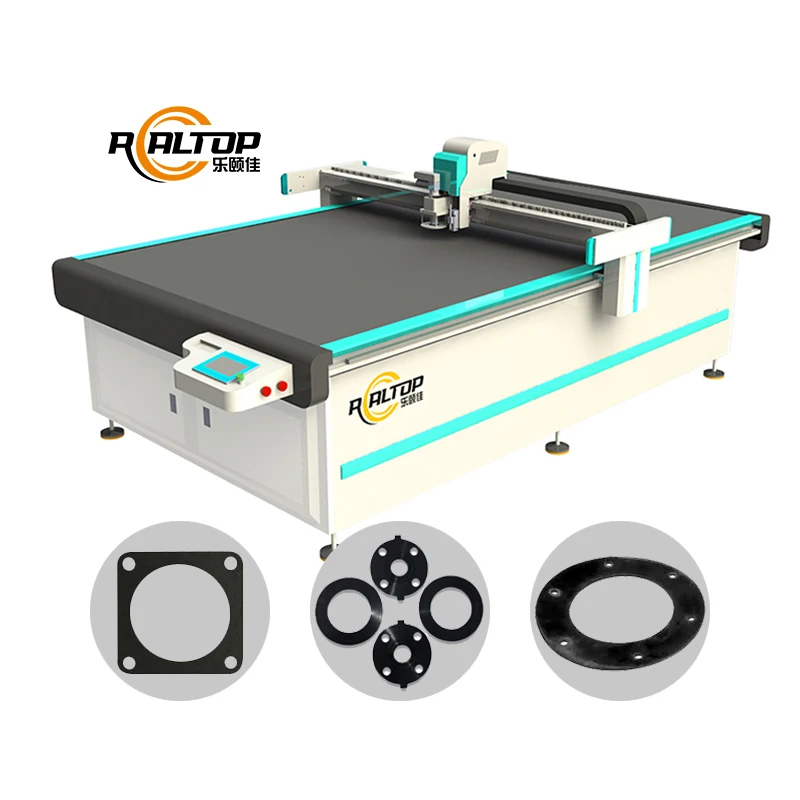
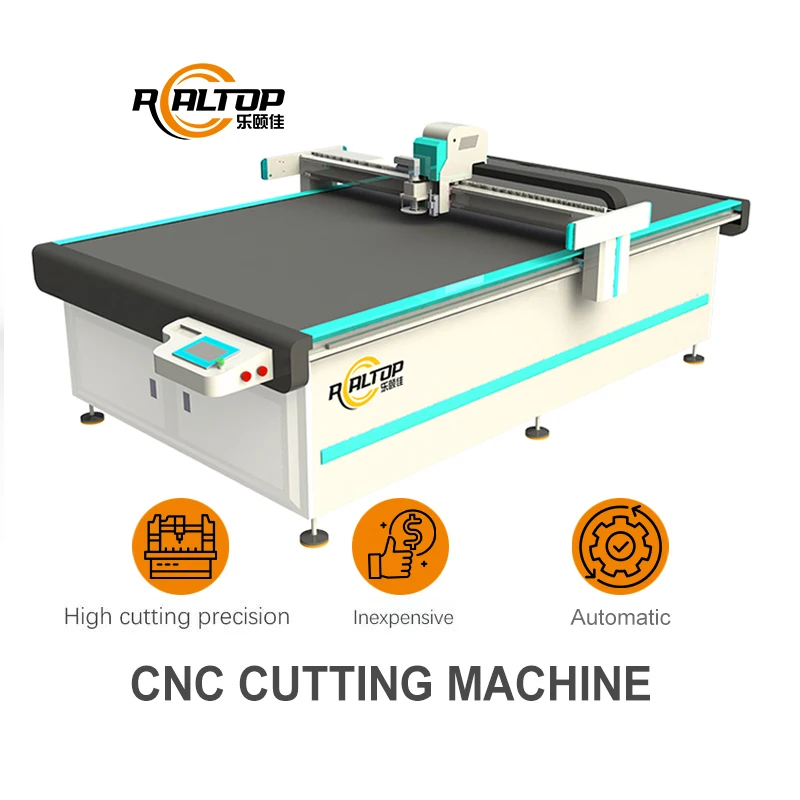
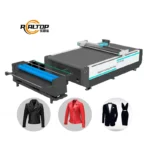
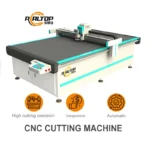
| Product Type | CNC Oscillating Knife Gasket Cutting Machine |
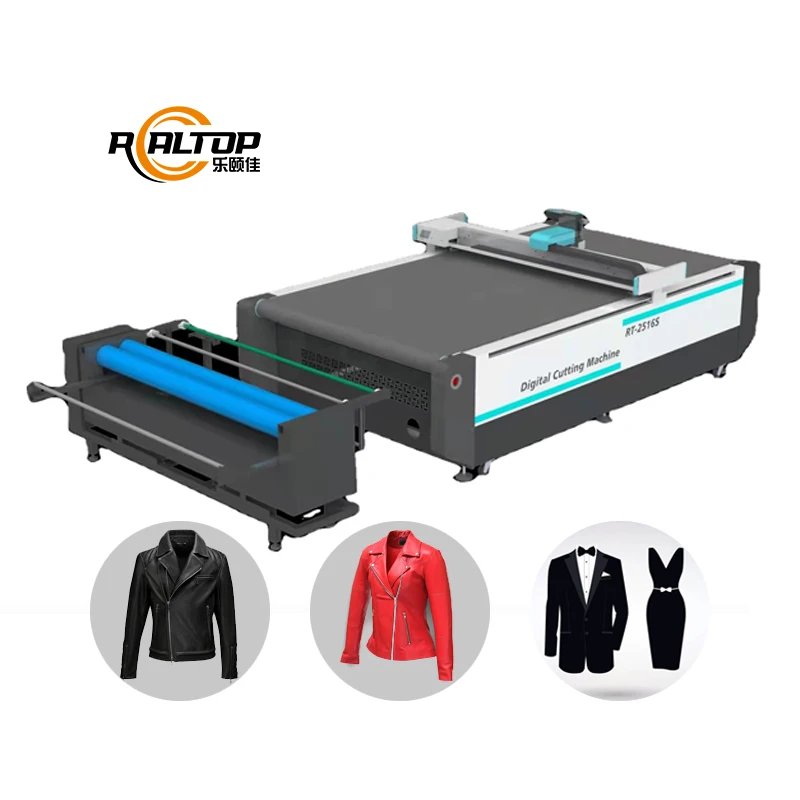
| Model | 2516 |
| Working Area | 1600 × 2500 mm |
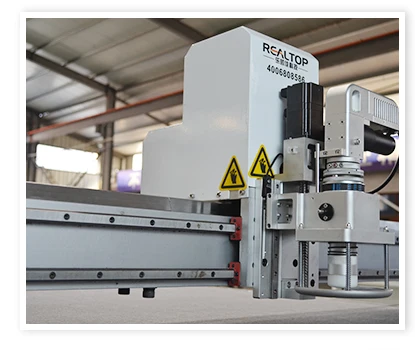
| Machine Size | 3300 × 2100 × 1350 mm |
| Cutting Speed | 0 – 2000 mm/s |
| Cutting Thickness | ≤ 30 mm |
| Cutting Accuracy | ± 0.1 mm |
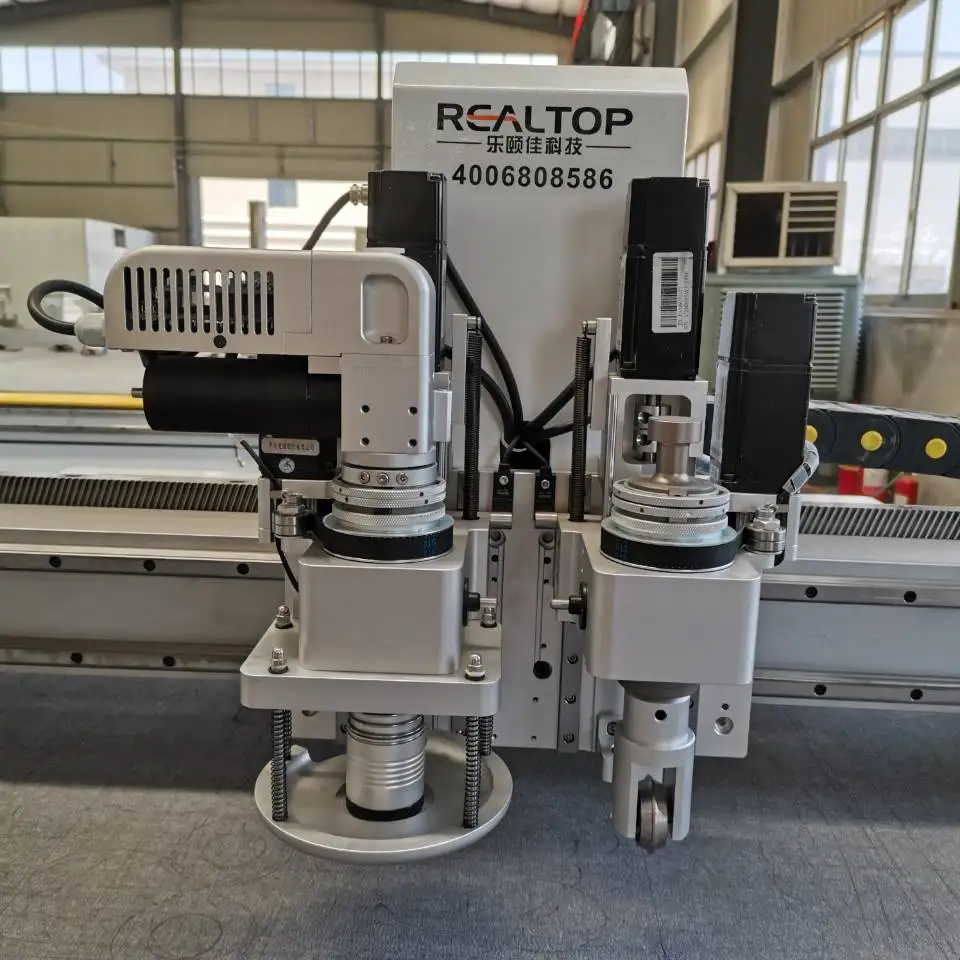
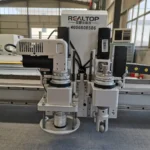
| Tool Head Options | Oscillating knife, Driven rotary knife, Pneumatic knife, Kiss cutting, Creasing wheel, Milling tool, V-groove knife |
| Vacuum Table | Aluminum bellows with high flatness |
| Vacuum Pump | 9 kW, aerospace-grade aluminum integrally cast |
| Voltage Options | 110V / 220V / 380V |
| Control System | PLC control panel with optional display languages |
| Software Compatibility | PLT, DXF, AI, PDF; supports English, Russian, Italian, Chinese (custom languages available) |
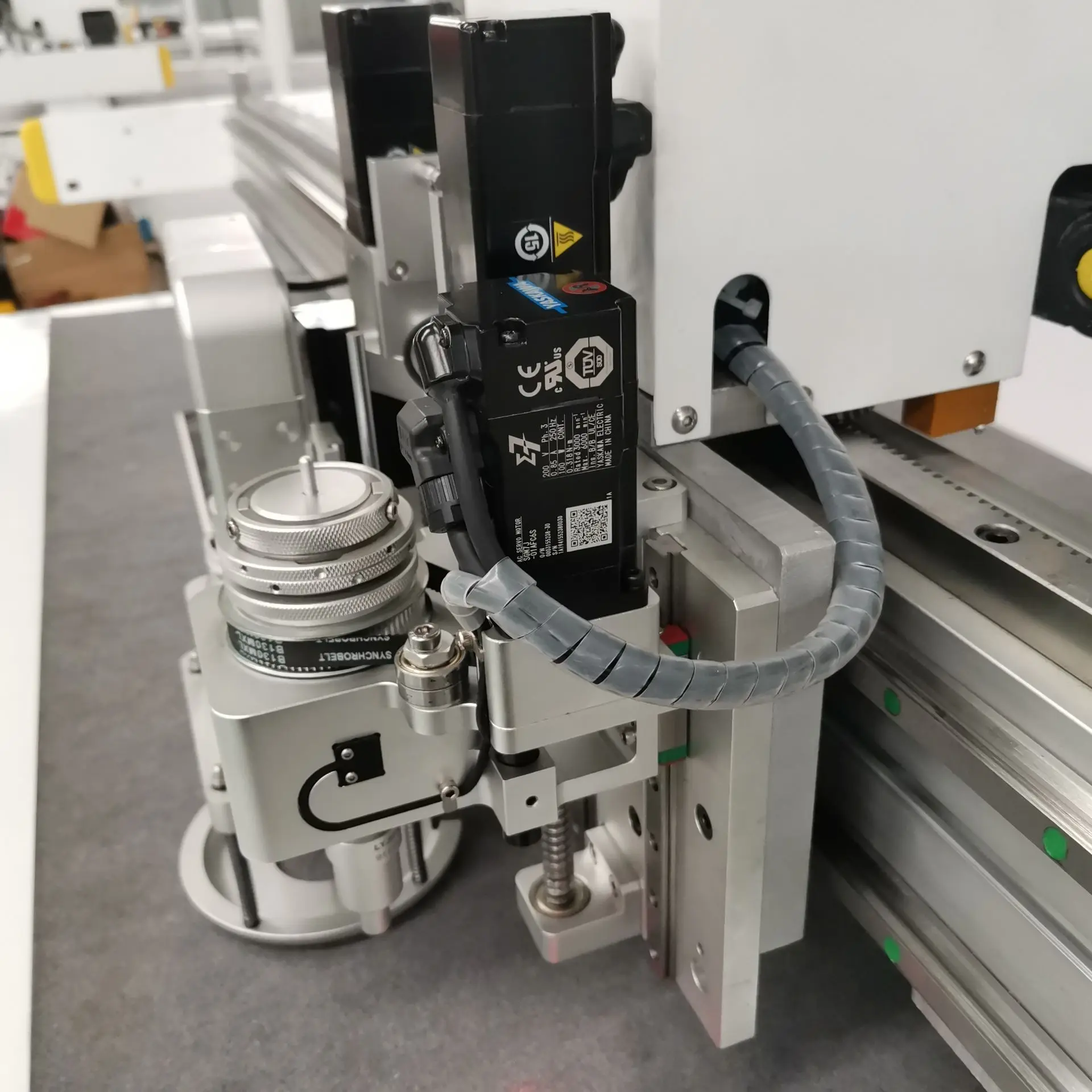
| Servo Motor Options | Panasonic, Delta, Dorna |
| Safety Devices | Infrared sensor and emergency stop |
| Certification | CE |
Application Suitability
| Application | Material or Output |
|---|---|
| Industrial gasket and seal production | PTFE sheets, reinforced rubber, composite gasket stock, non-asbestos fiber |
| Aerospace interior and sealing components | Carbon fiber prepreg, aramid honeycomb (Nomex), ceramic fiber blankets, thermal insulation foam |
| Automotive and rail interior trimming | Acoustic felt, damping pads, sealing strips, headliners, floor carpet blanks |
| Wind energy blade preparation | Fiberglass cloth, vacuum infusion mesh, PET and PVC foam core sheets |
| Sporting goods composite layup | Kevlar fabric, carbon fiber sheets, high-performance foam cores |
Why Material Thickness Alone Won’t Tell You Which CNC Oscillating Knife Gasket Cutting Machine You Need
The real question is what happens inside the cut when the blade meets your specific composite layup.
I have stood beside a gasket line where a machine chosen purely for bed size and travel speed chewed through standard rubber for two weeks, then hit a batch of metal-reinforced graphite and destroyed the oscillating knife assembly within three days. The downtime cost the buyer more than any price negotiation would have saved [NEED_CITE: industrial gasket production downtime costs in composite sealing operations]. Specifying a cutter by working area and cutting speed on paper ignores the density, fiber direction, and abrasiveness of what you are actually running. The knife force, oscillation frequency, and table hold-down all have to align with the material, not with a brochure line.
Blade Selection Across Gasket and Composite Stock
Choosing between an oscillating knife, driven rotary knife, and pneumatic knife is not an either-or decision — each material responds differently to the blade geometry and stroke. Dense PTFE sheets require the high-frequency stroke of the oscillating knife for a clean edge without delamination, while softer rubber gasket stock often cuts more efficiently under a driven rotary knife that pulls through the material. The milling and V-groove tools come into play when you are scoring or routing composite panels rather than through-cutting them. Getting this selection wrong on a CNC oscillating knife gasket cutting machine means ragged edges that fail seal pressure tests.
Vacuum Zoning and the Small-Part Problem
A 1600 × 2500 mm bed with a single vacuum zone will hold a large composite panel in place, but once the knife starts cutting small gasket profiles — bolt-hole seals, flange gaskets under 100 mm — the vacuum distribution across the remaining table area drops off and individual parts can lift during the final cuts [NEED_CITE: vacuum table zoning requirements for small precision-cut components]. The aluminum bellows table on this system provides high flatness, but zoning adequacy must be matched to the smallest part in your nesting layout. Without confirmation, you risk scrapped pieces at the end of every sheet.
What ±0.1 mm Accuracy Actually Means for Assembly
Aerospace flange gaskets and automotive thermal pads both demand tight dimensional repeatability because they seat into machined grooves or compression assemblies where a 0.3 mm deviation causes a leak path or uneven bolt load. The ±0.1 mm cutting accuracy here is measured under controlled factory conditions — achieving it in production requires the servo system, vacuum hold-down, and blade condition to all remain stable across the shift. This is the tolerance band where PLC-controlled motion and rigid frame construction matter, not just the stated number on a specification sheet.
The Configuration Mistakes That Show Up on Day Three
When a buyer specifies a machine based on cutting speed alone, the first week often runs smoothly on sample materials. Then production starts with a different material density, and the wrong tool head produces crushed foam cores or frayed fiber edges that the quality department rejects. I have seen a gasket fabricator receive a machine wired for 220V single-phase when their shop runs 380V three-phase, because voltage was treated as a checkbox rather than a confirmed specification [NEED_CITE: electrical specification mismatches in international industrial equipment procurement]. The control panel language may ship in a default setting that the operators on the floor cannot read. These are not engineering failures — they are procurement specification gaps that a pre-order sample cut and a confirmed configuration list would have prevented.
Why This Matters From the Knife Cutting Side
The in-house design team covers both knife and laser cutting paths, so the recommendation starts from your material rather than from one fixed technology. For gasket and composite applications, cold knife cutting avoids thermal damage to resin matrices and eliminates the fumes that laser processing generates on PTFE and rubber — a significant shop-floor consideration. The tool head and table configuration is specified per your material type and production volume, not pulled from a default package. Software compatibility with your existing DXF, PLT, or AI files is confirmed before the order enters production. Voltage, plug type, and control language are locked in on the electrical schematic before shipment. And the buyer’s own material is sample-cut on this platform before any commitment is made, so the edge quality, cutting depth, and achievable thickness are verified against real stock — not catalog promises.
Documentation & Verification
- Factory test record run on your gasket material thickness and type before dispatch
- Electrical schematic confirming voltage, plug configuration, and circuit requirements
- Tool head and vacuum table zoning list matched to your specified material
- Software licence and file format compatibility note for PLT, DXF, AI, and PDF imports
- CE declaration and operation manual in your selected control language
- Spare parts list covering blades, knife holders, and vacuum pump consumables
Installation, Commissioning & Support
- Requires a level concrete floor supporting the 3300 × 2100 × 1350 mm machine footprint plus material feed clearance
- Dedicated circuit matching confirmed 110V, 220V, or 380V supply with appropriate breaker rating
- 9 kW vacuum pump needs its own power drop and exhaust routing for continuous operation
- First-run commissioning includes cutting sample profiles on your supplied material to dial in knife pressure
- Operator training covers PLC panel navigation, tool head changeover, and nesting file import
- Blade replacement intervals and vacuum table maintenance schedule provided in the operations manual
What to Prepare Before Requesting a Quote
Send a sample of the actual gasket or composite material you intend to run — type, thickness, and whether it contains any reinforcing fibers or metallic layers. Specify the smallest and largest part profiles in your typical nesting layout so vacuum zoning can be assessed. Confirm the voltage and frequency available in your facility, the control language your operators need, and whether your existing design files are in DXF, PLT, AI, or another format.
Frequently Asked Questions
Q: How do I choose between oscillating, rotary, and pneumatic knife for my gasket material?
A: The choice depends on material density and edge quality requirements. Oscillating knives suit rigid PTFE and composite sheets where a high-frequency stroke delivers a clean through-cut. Driven rotary knives work well on softer rubber and foam where a continuous pulling cut reduces drag marks. Pneumatic knives handle thicker, tougher layups. Request a sample cut on your own stock to confirm which tool head produces the edge your assembly requires.
Q: Is the stated ≤ 30 mm cutting thickness achievable on reinforced gasket materials?
A: The 30 mm figure applies under specific material conditions and may not hold for dense, fiber-reinforced or metallic-laminated gasket stock. Actual achievable thickness depends on the composite structure and the tool head in use. Confirm your specific material through a pre-order sample cutting report that documents blade type, cutting passes, and edge quality on your stock.
Q: Will the vacuum table hold small gasket profiles without lifting?
A: Small parts such as bolt-hole seals and narrow flange gaskets can lift on tables with insufficient vacuum zoning, especially during final perimeter cuts. The aluminum bellows table provides high flatness, but the number and size of vacuum zones must be matched to your smallest typical part. Confirm zoning configuration against your nesting layout before the order enters production.
Q: Does the control software integrate with my existing nesting workflow?
A: The system accepts PLT, DXF, AI, and PDF file formats, but compatibility with your specific nesting software and workflow sequence should be verified before ordering. Confirm that the import chain preserves kerf compensation and tool path data, and request a software compatibility note that documents the tested file versions and any required conversion steps.


商品评价
Clear filtersThere are no reviews yet.