




Fast Shipping
Carrier information

20k products
Payment methods

24/7 Support
Unlimited help desk

2-day Delivery
Track or off orders
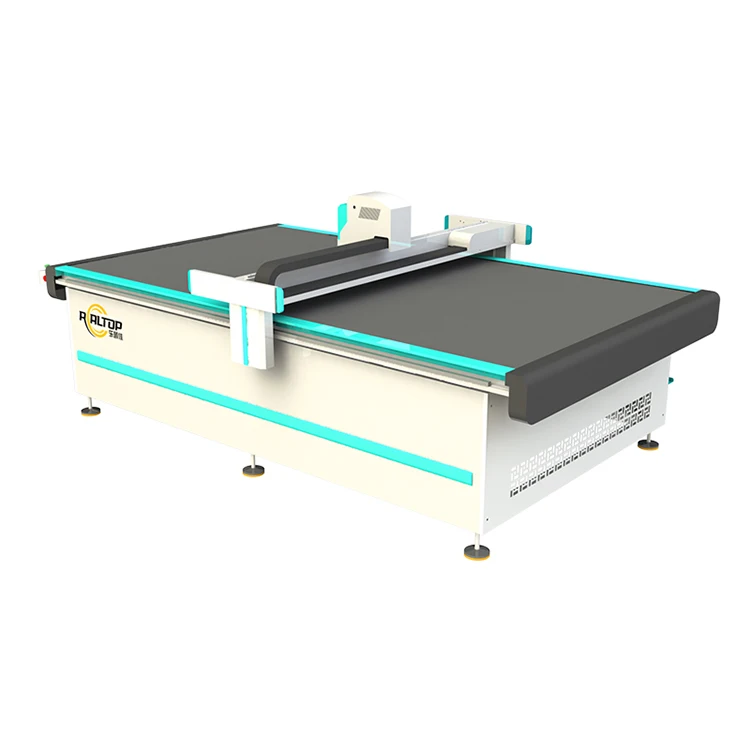
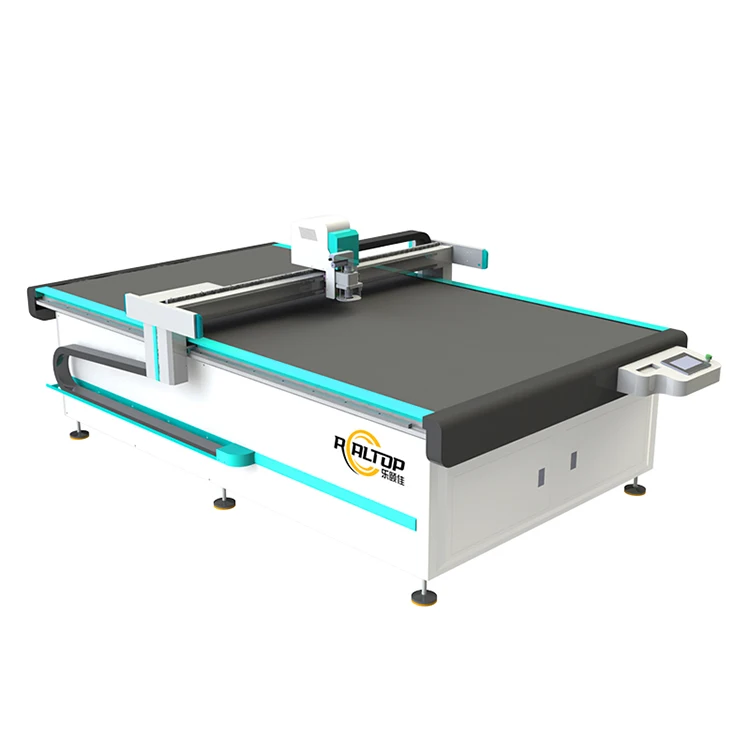
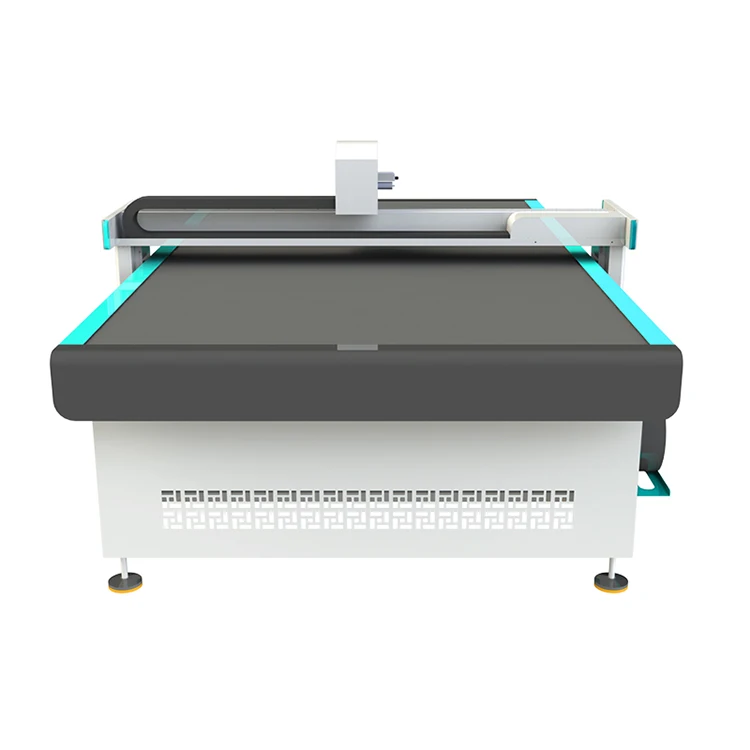
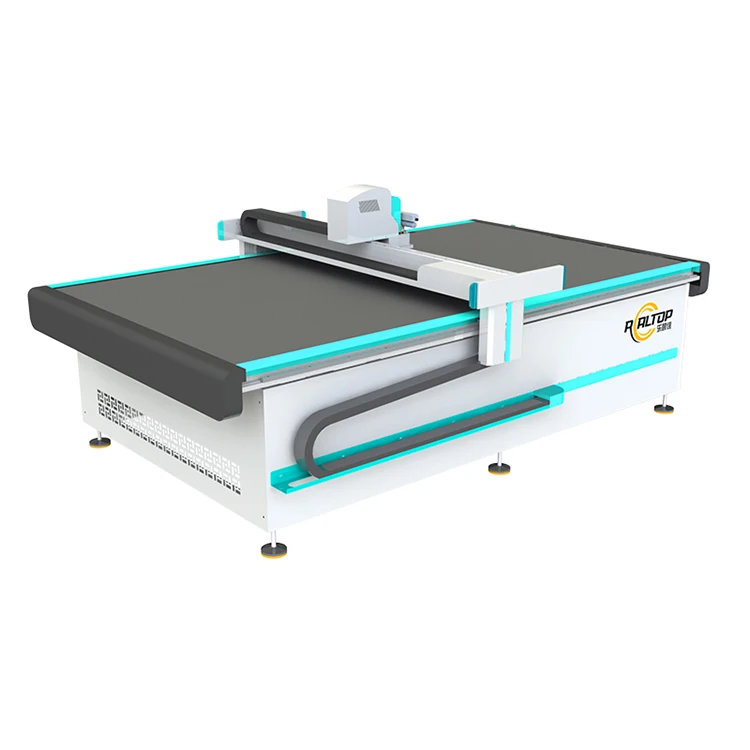
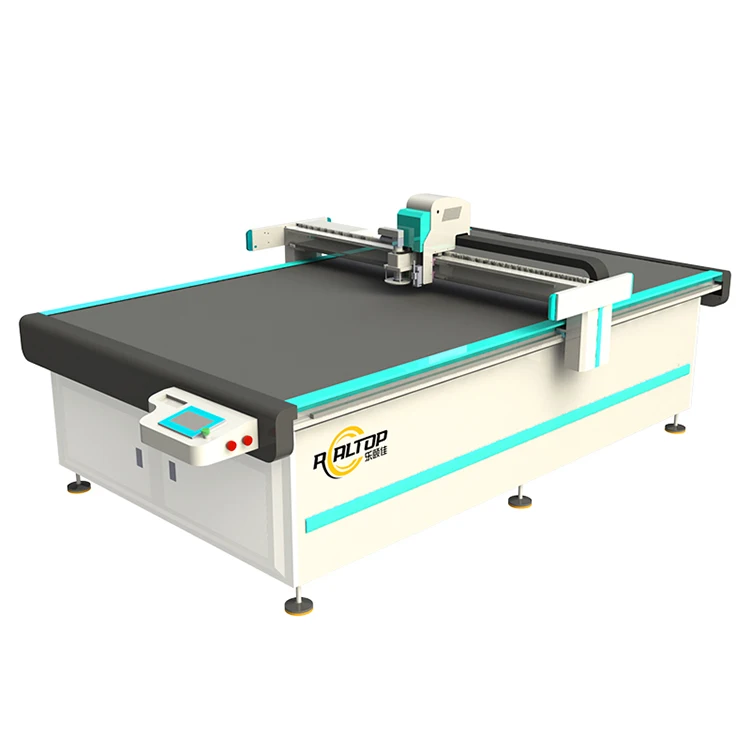
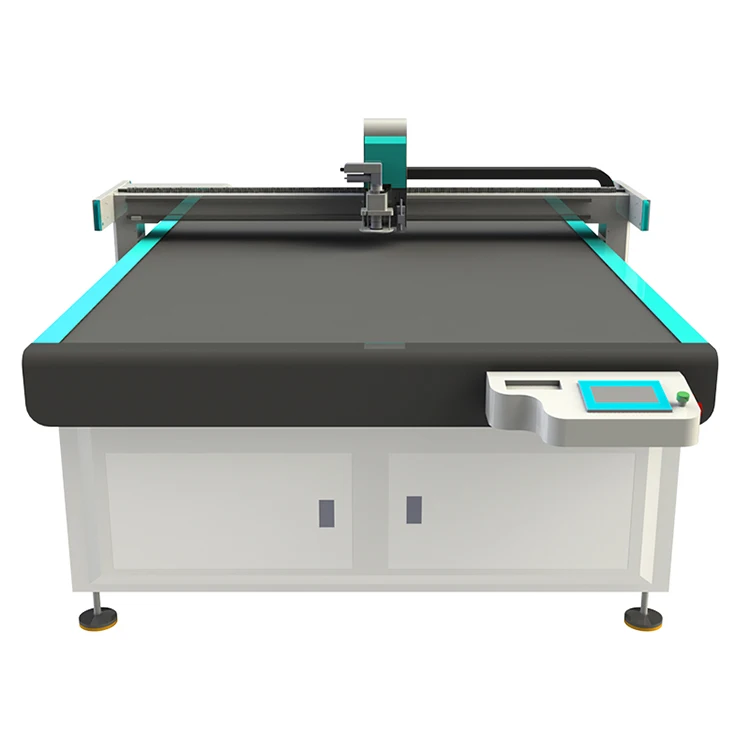
Oscillating Tooling Matched to Stock — every RT-D2516 / RT-S2516 leaves the factory with knife, creasing and vacuum zoning chosen against your actual board grade, not a default kit.
Technical Specifications
| Parameter | Value |
|---|---|
| Model | RT-D2516 / RT-S2516 |
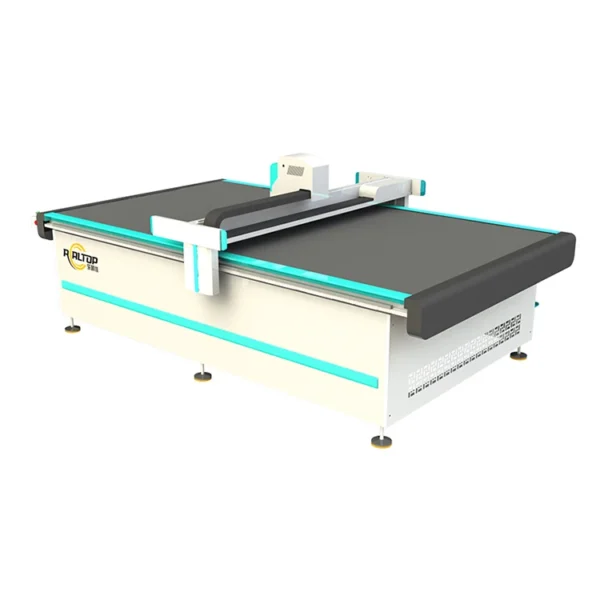
| Product Type | CNC Oscillating Knife Cutting Machine |
| Working Area | 1600 × 2500 mm |
| Overall Dimensions (L×W×H) | 3450 × 2300 × 1250 mm |
| Rated Power | 9 kW |
| Voltage | 380V ±10% (frequency to be confirmed per market) |
| Control System | CNC, HP-GL compatible format |
| Table Type | Flat vacuum table with auto-feeding conveyor |
| Tool Head | Swiss imported oscillating knife — full cut, half cut, cursor location |
| Translational Velocity | 800–1200 mm/s |
| Cutting Speed | 200–800 mm/s (basis not stated in source — confirm against material and thickness) |
| Repeated Accuracy | ≤0.1 mm |
| Transmission System | Digital servo motor, linear guide, synchronous belt, ball screw |
| Servo Motor | Japanese Yaskawa |
| Linear Guide | Taiwan Hiwin rail |
| Conveyor Belt | Germany imported |
| Vacuum Pump | 7.5 kW |
| Safety Device | Infrared sensors |
| Certification | CE |
| Warranty | 12 months whole machine, 3 months consumables |
Application Suitability
| Application | Material or Output |
|---|---|
| Packaging sample making | Corrugated board, folding carton stock, grey board up to working area |
| Carton prototyping | Creasing and half-cut lines on micro-flute and solid fibre |
| Garment and footwear | Leather, sponge composite, flexible textiles in nested layouts |
| Gasket and composite | PVC, silicon, rubber, soft glass sheet on flatbed table |
Why "Cutting Speed 200–800 mm/s" Is Not the Whole Story for CNC Oscillating Knife Cutting Machine Specifications
Speed figures mean nothing until the board grade, flute height and tool head are locked in. A micro-flute E board and a double-wall BC board react very differently to the same oscillating stroke. I learned this the hard way on an early carton sample machine where the quoted speed was tested on thin vinyl; when the customer ran 3 mm grey board, edges crushed and crease lines wandered, forcing a full return to the factory for a heavier oscillating head. That is why the RT-D2516 / RT-S2516 quotation always pairs the speed range with a sample cutting report on your own stock before the order is confirmed [NEED_CITE: cutting speed versus material density on flatbed knife tables].
Tool Head Selection Decides Edge Quality Before Anything Else
The Swiss imported oscillating head on this CNC oscillating knife cutting machine delivers full cut, half cut and cursor location in one station, which matters when a single packaging sample needs a through-cut perimeter plus crease lines for folding. Drag knives leave burrs on corrugated stock and crush foam, while oscillating action keeps the blade moving so fibrous materials part cleanly. Choosing the wrong head is the single most common reason a digital cutting table gets returned.
Vacuum Zoning Has to Match Your Smallest Part
A 1600 × 2500 mm table is wasted space if the vacuum zones cannot hold a small gasket or carton corner while the knife exits the cut. The flat vacuum table under this CNC oscillating knife cutting machine is zoned so operators can open only the section under the workpiece, preventing lift on thin films and light textiles that a full-table pull would drag into the blade path [NEED_CITE: vacuum zone layout on flatbed digital cutting tables].
Drive Components and What They Mean at the Bed
Yaskawa digital servos paired with Hiwin linear rails and a ball screw drive deliver ≤0.1 mm repeatability across the full 1600 × 2500 mm stroke. In carton prototyping that tolerance is the difference between a folding carton that snaps shut square and one that drifts out of register on the glue flap. For nested garment cutting, it keeps pattern pieces within the nesting software’s declared yield instead of accumulating drift over a long lay.
The Configuration Mistake That Shows Up Six Months Later
Buyers often spec a machine on working area alone, then discover the chosen tool head cannot handle the thickness they actually run day to day. A drag knife on 3 mm grey board produces ragged edges and tilted creases; the fix is a heavier oscillating head and revised vacuum zoning, both of which cost more than getting it right at quotation stage [NEED_CITE: tool head change cost on flatbed knife cutting machines]. That is why the RT-D2516 / RT-S2516 process starts with your material sample, not your floor plan.
Why Buyers Source This CNC Knife Table Here
In-house design covers both knife and laser cutting, so the method is chosen to suit the material rather than forced into one technology. Tool head and table configuration are written into the spec sheet per material and daily volume, not pulled from a default list. CCD camera contour recognition can be confirmed against your printed mark workflow before the order is locked. Software compatibility with your existing HP-GL based nesting or CAD system is verified in writing. Sample cutting on your own board, leather or gasket stock runs before commitment, producing an edge-quality report you can hold.
Documentation & Verification
- Machine specification sheet listing every selected tool head and vacuum zone
- Electrical schematic with voltage and frequency matched to your facility supply
- Sample cutting report on your own material with edge photographs
- HP-GL software licence and file format compatibility note
- Factory test record signed off against agreed tolerances
- Spare parts list with consumable knife blades and belt sections
Installation, Commissioning & Support
- 3450 × 2300 mm footprint requires level concrete floor with clearance for auto-feeding conveyor
- 9 kW rated power plus 7.5 kW vacuum pump need dedicated 380V ±10% circuits
- Machine ships in one frame; rails and gantry aligned on site during commissioning
- First-run parameter setting includes vacuum zone mapping for your sheet size
- Operator training covers tool head changeover and HP-GL file import workflow
- Consumable blade and conveyor belt stock listed for first-year maintenance
What to Send With Your Inquiry
Provide the material type, thickness range and maximum sheet size you run, together with daily volume and the file formats your CAD or nesting software exports. Note the local voltage and frequency, control language preference, and whether you need printed contour recognition. If possible, courier a stack of your actual stock so we can run sample cuts and return an edge-quality report before the specification is finalised.
Frequently Asked Questions
Q: How is cutting thickness verified against my specific material and sheet format?
A: You send a sample of the actual board, leather or gasket stock. We run it on the RT-D2516 / RT-S2516 with the proposed tool head, measure edge quality and achievable depth, and issue a written sample report before the order is confirmed.
Q: Which tool head suits my material and edge quality requirement?
A: Oscillating knife for fibrous and thicker stock where a drag knife would burr or crush, drag knife for thin vinyl and films, creasing wheel for folding carton score lines. The RT-D2516 / RT-S2516 spec sheet names the exact head chosen for your material.
Q: Is CCD camera contour recognition available for printed mark workflows?
A: Yes, CCD camera positioning is an option on this table. We confirm mark size, contrast and registration tolerance against your print layout before the camera is added to the build.
Q: How are voltage, plug type and control language confirmed before shipment?
A: The electrical schematic is reviewed with your facility supply details — 380V ±10% or otherwise — and plug type written into the order. Control panel language is set before the CNC system is shipped.
Q: What file formats does the software accept from my nesting system?
A: The control system accepts HP-GL compatible format. Before order, we verify import from your existing CAD or nesting software and note the file extensions and nesting workflow in the compatibility document.


商品评价
Clear filtersThere are no reviews yet.