




Fast Shipping
Carrier information

20k products
Payment methods

24/7 Support
Unlimited help desk

2-day Delivery
Track or off orders
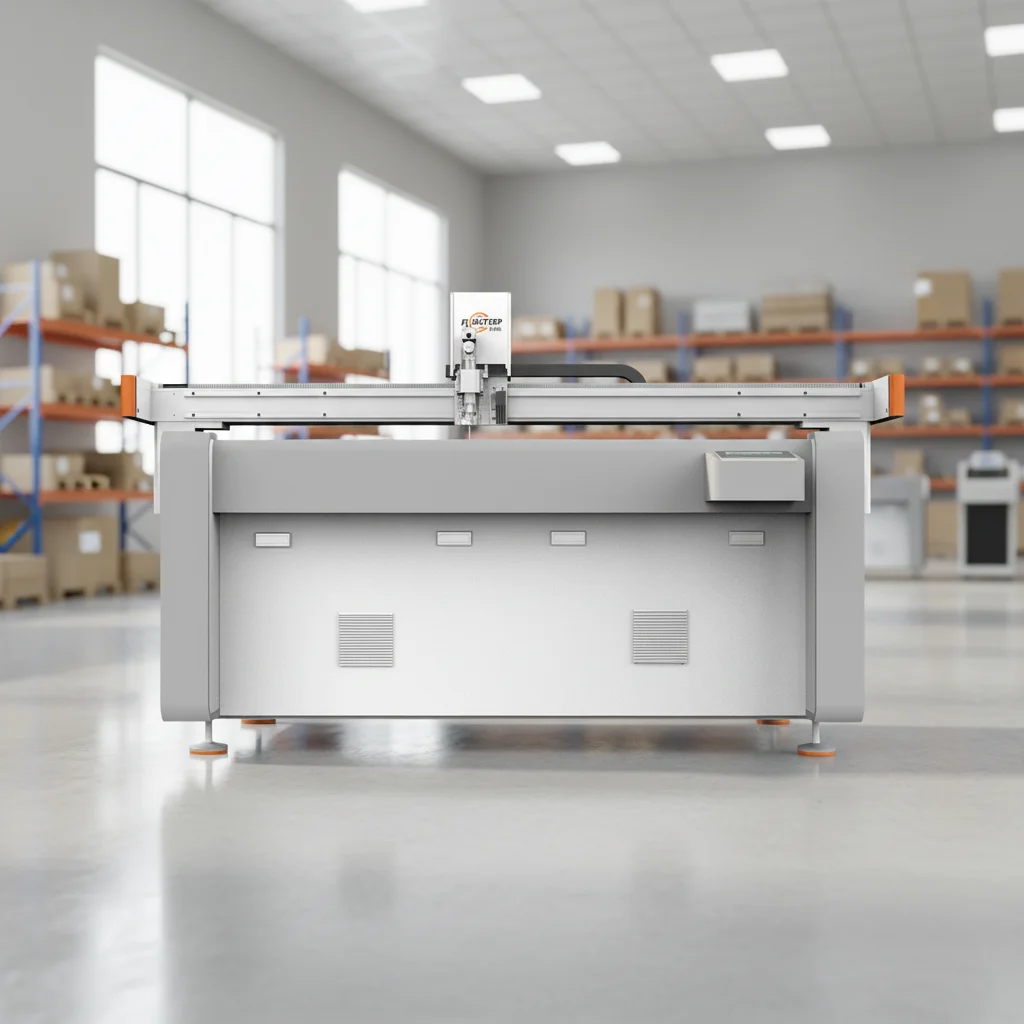
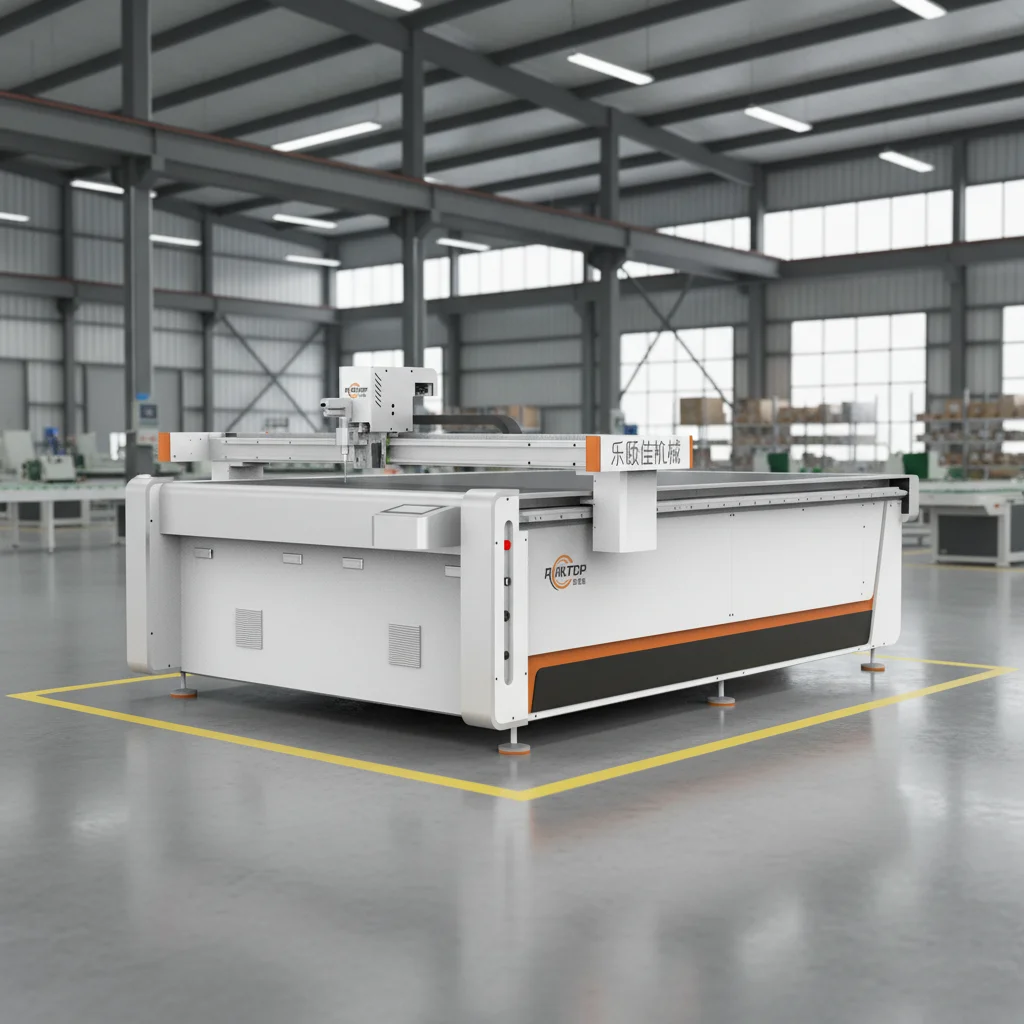
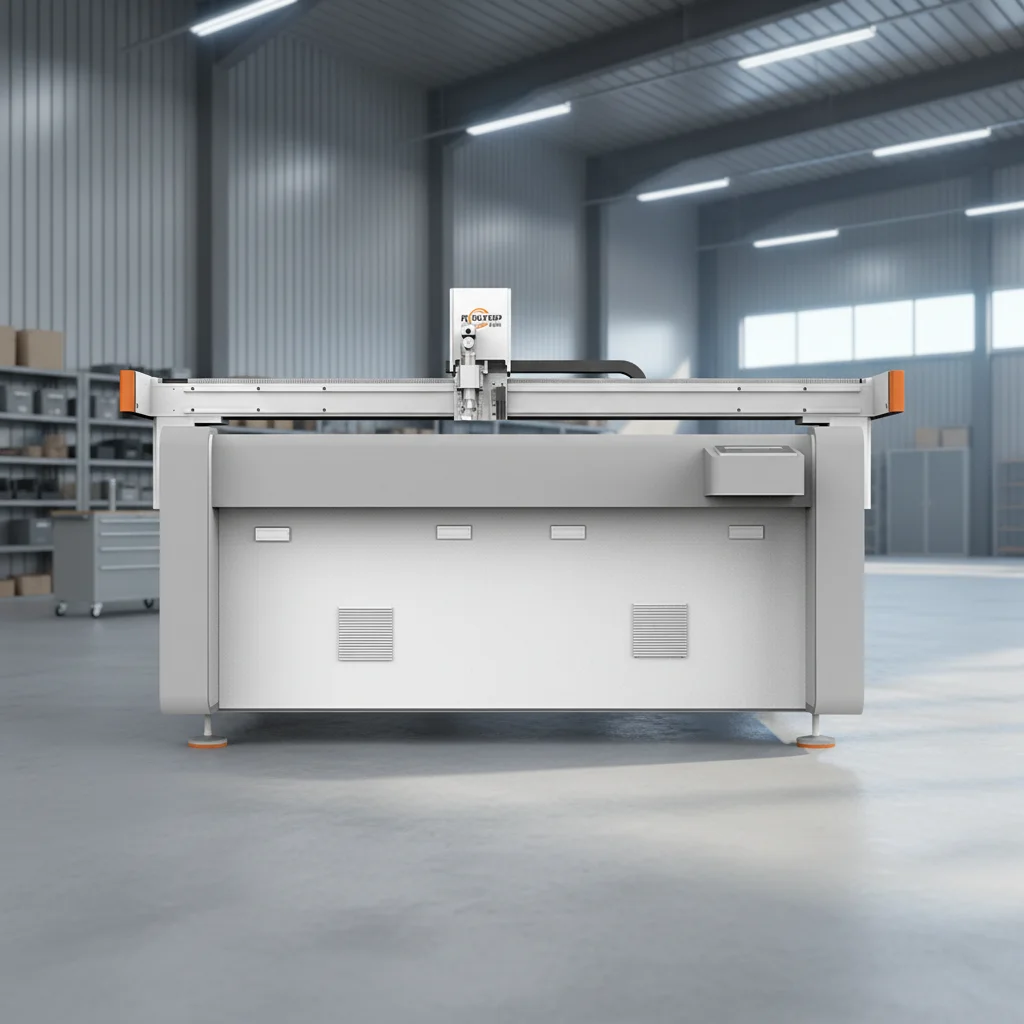
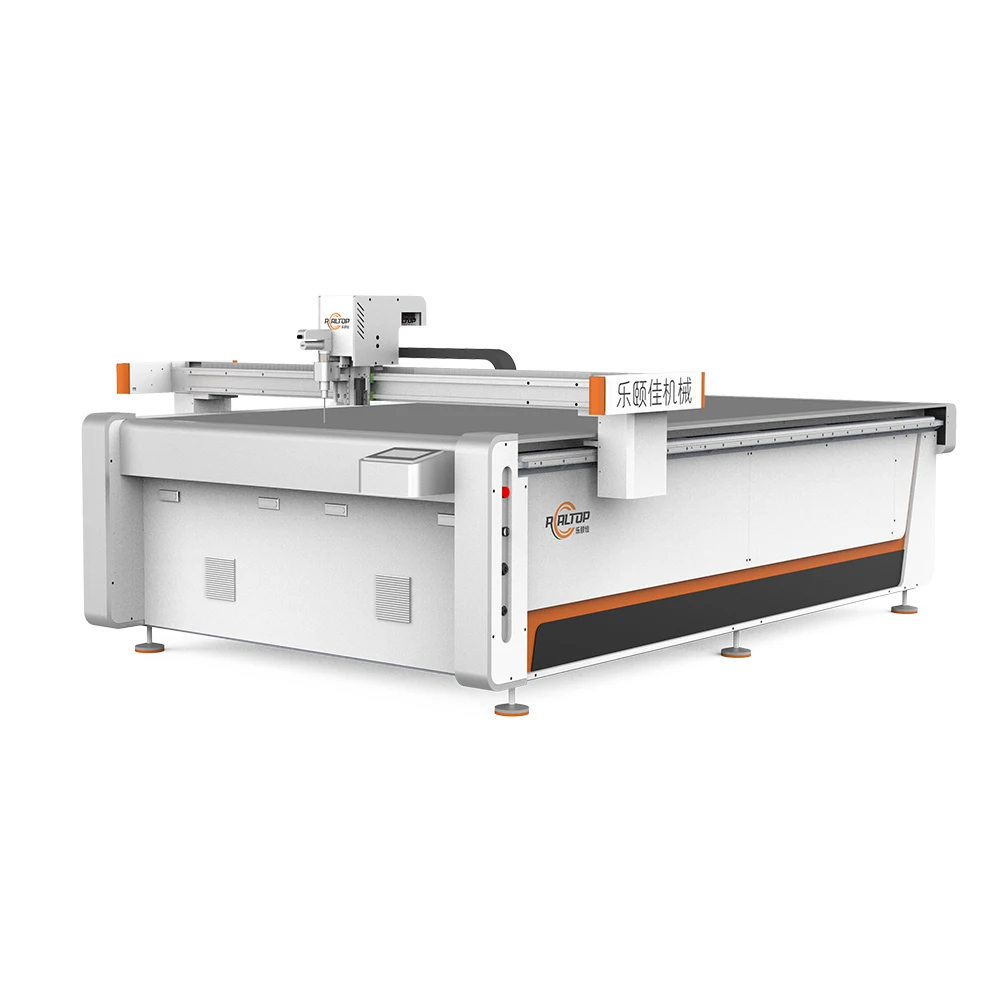
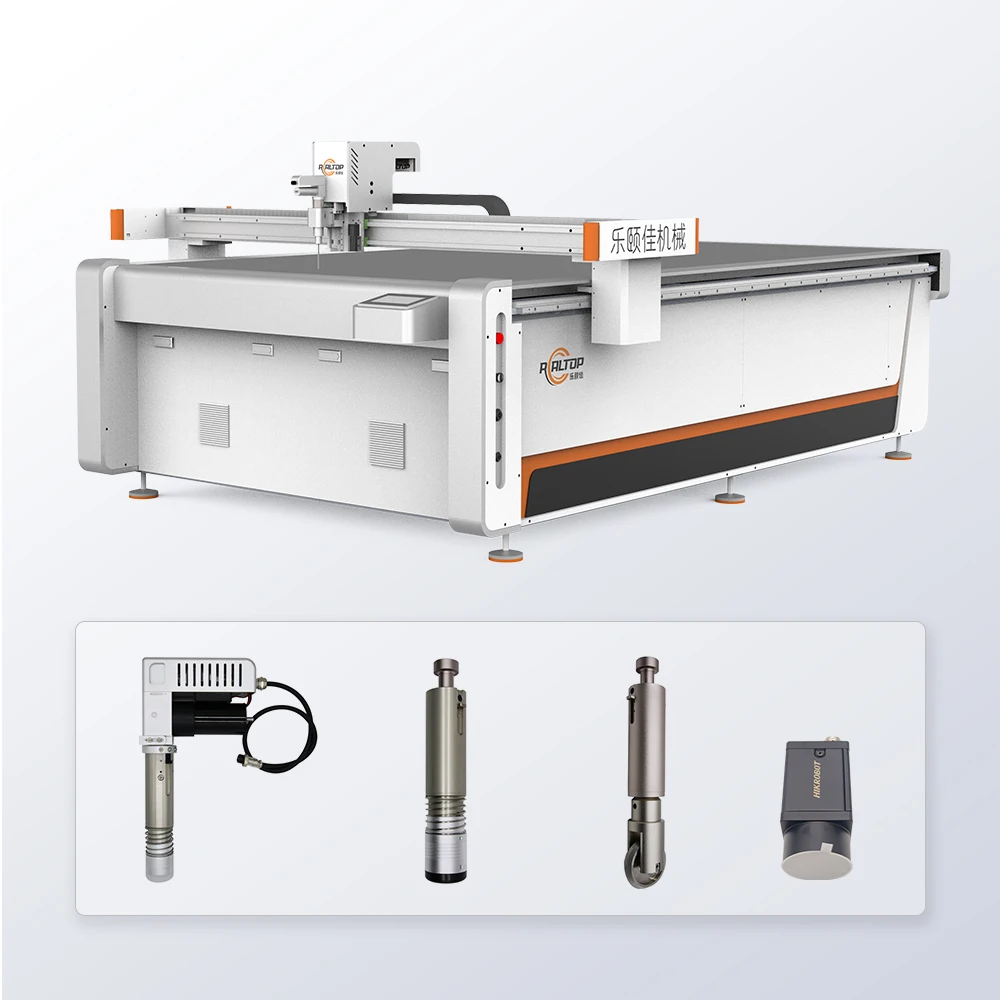
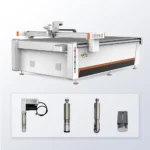
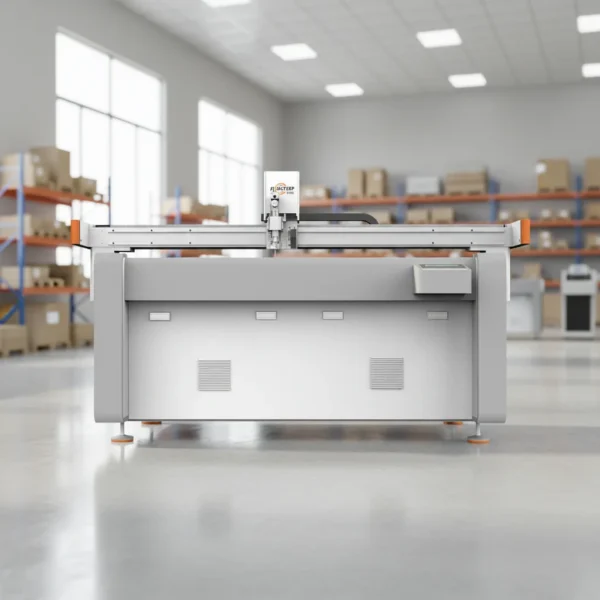
Tool Head Matched to Material — RT-D2516/RT-S2516 CNC oscillating knife cutting machine configured with oscillating, drag, creasing, and V-cutting tools selected per substrate density and edge requirement.
Technical Specifications
| Parameter | Value |
|---|---|
| Product Type | CNC Oscillating Knife Cutting Machine |
| Model | RT-D2516/RT-S2516 |
| Working Area | 1600 × 2500 mm |
| Machine Size | 3450 × 2300 × 1250 mm |
| Rated Power | 9 kW |
| Voltage | 380V ± 10% |
| Table Type | Flat working table or Auto feeding table (options) |
| Multifunctional Head | Swiss imported knife with vibration full/half cutting and cursor location; options include oscillating knife, pneumatic knife, high-power vibrating knife, circular knife, V cutting knife, drag knife, creasing wheel, dotted line knife, punching, brush |
| Safety Device | Infrared induction blocking, anti-collision, emergency stop |
| Translational Velocity | 800 – 2000 mm/s |
| Cutting Thickness | ≤ 100 mm (varies by material) |
| Repeated Accuracy | ≤ 0.1 mm |
| Transmission System | Digital servo motor, linear guide, synchronous belt, ball screw |
| Servo Motor Option | Delta (Taiwan) or Panasonic (Japan) |
| Instruction System | HP-GL compatible format |
| Supported File Formats | PLT, DXF, AI |
| Vacuum Table | Magnesium-aluminum alloy, fluorocarbon PVDF powder sprayed, anodic oxidation, integrated box adsorption platform with split box option |
| Vacuum Pump | 7.5 kW, aviation aluminum shell, built-in silencer sponge |
| Conveyor Belt | Germany imported (with auto feeding option) |
| Linear Guide | Taiwan Hiwin rail |
| Control Panel | Touch screen; English, Russian, Italian, Chinese (others customizable) |
| Visual Positioning | Small CCD camera mark point, panoramic camera recognition, projection positioning (options) |
| Assembly State | Fully assembled |
| Standards | CE |
Application Suitability
| Application | Material or Output |
|---|---|
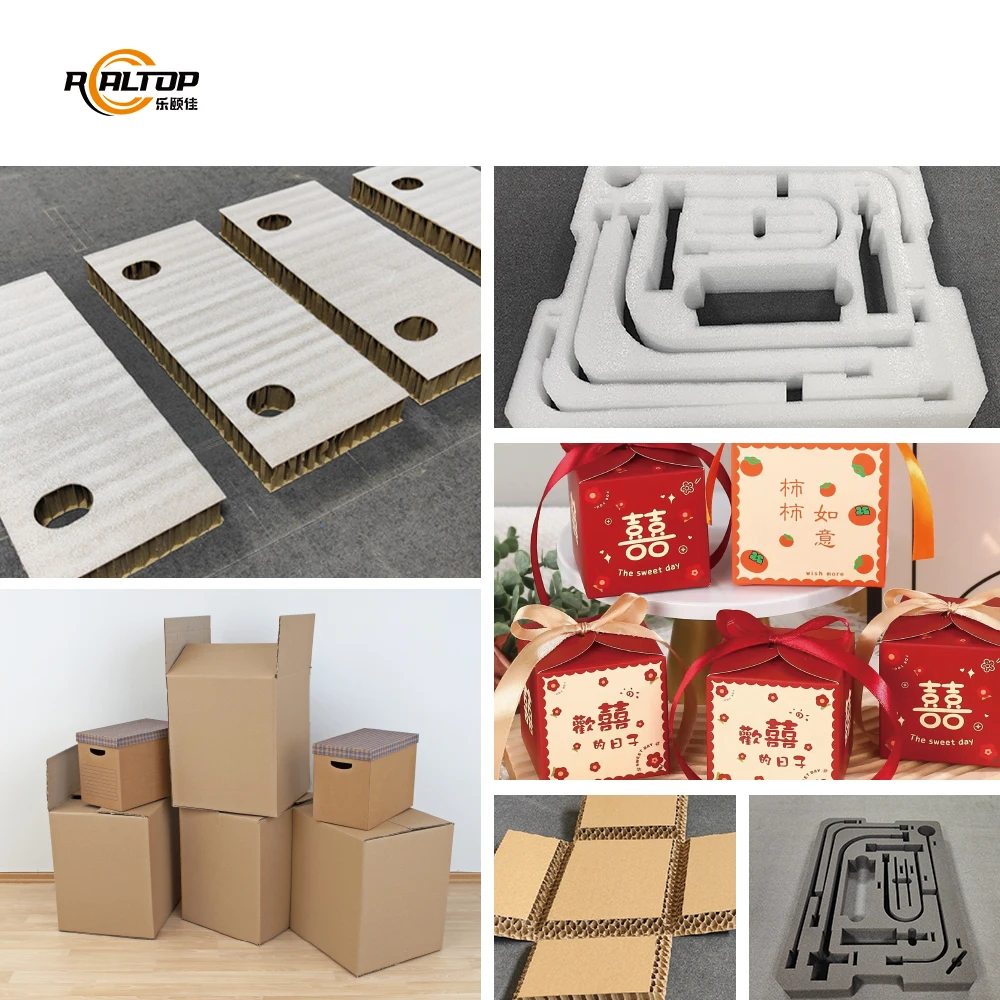
| Packaging & carton sample making | Corrugated cardboard, honeycomb cardboard — full cut, crease, slot in one setup |
| Signage & advertising | PVC sheet, sticker, film |
| Garment, footwear & leather goods | Leather, clothing flexible material, shoe material, luggage material |
| Automotive interior & gasket | Sponge composite leather, gasket material, rubber |
| Composite & foam fabrication | PU, EVA, XPE, foam board, carbon fiber, PTFE, ETFE |
| Soft furnishing & carpet | Carpet, non-woven fabric, cloth |
Why Tool Head Selection Matters More Than Working Area
When a machine is specified only by bed size, the tool head often ends up wrong for the material — producing ragged edges on foam, crushed honeycomb cores, or incomplete cuts on dense rubber. The RT-D2516/RT-S2516 CNC oscillating knife cutting machine addresses this by offering a modular multifunctional head system configured after material testing, not before.
I have seen packaging sample shops run E-flute corrugated on a drag knife and wonder why the crease lines crack during folding. The same shops switch to a creasing wheel paired with an oscillating knife for the outline cut, and the fold quality changes entirely. Material density and flute profile determine which tool head belongs on the gantry, and that decision must happen before the machine ships [NEED_CITE: CNC knife cutting tool head selection by material type].
Matching Oscillation Frequency to Substrate Density
The Swiss imported oscillating knife on the RT-D2516/RT-S2516 delivers vibration full cutting and half cutting, which suits mid-density foams and corrugated board where a clean shear edge is needed. For denser gasket materials like PTFE or compressed rubber, the high-power vibrating knife option increases stroke force to push through without delamination. Drag knives handle thin films and stickers where oscillation would tear the substrate. The CNC oscillating knife cutting machine tool head selection process starts with a sample cut on the buyer’s actual material to confirm which insert and frequency setting produces an acceptable edge.
Vacuum Zoning and Small-Part Stability
The magnesium-aluminum alloy vacuum table on this CNC knife cutting table features an integrated box adsorption platform with a split box option. This zoning capability matters when cutting small gaskets or packaging inserts — without it, the vacuum pulls evenly across the full 1600 × 2500 mm area and small parts lift or shift during the final cuts. The fluorocarbon PVDF powder spray and anodic oxidation treatment keep the surface flat and resistant to adhesive residue from sticker and film work [NEED_CITE: vacuum table zoning for small part CNC cutting].
Reading the Specs That Actually Govern Cut Quality
Repeated accuracy of ≤ 0.1 mm comes from the combination of Taiwan Hiwin linear rails, digital servo motors (Delta or Panasonic options), and ball screw transmission. In practice, this tolerance controls how tightly nested parts can be placed on a sheet, directly affecting material yield on expensive composites like carbon fiber pre-preg. The 7.5 kW vacuum pump with aviation aluminum shell maintains consistent suction across the working area; undersized pumps cause suction drop-off at the table edges, which shows up as dimensional drift on large-format corrugated sheets. Cutting thickness of ≤ 100 mm is a mechanical envelope — actual achievable depth depends on the material’s compressive strength and the tool head selected. The translational velocity range of 800 – 2000 mm/s applies to travel moves; cutting speed through dense rubber or honeycomb board is considerably lower and must be confirmed during sample testing.
The Cost of Skipping Material-Specific Configuration
A buyer who skips the sample cutting step and accepts a standard tool head package often discovers the problem during the first production week. Foam edges that should be clean show compression marks. Corrugated crease lines fracture instead of folding. Small sticker contours peel off the vacuum table mid-cut and jam the knife. These issues are not machine defects — they are configuration mismatches that become expensive once the production schedule is already committed [NEED_CITE: CNC cutting material mismatch production downtime].
Why Source This CNC Knife Cutting Table Here
In-house design covers both the knife tool head system and the vacuum platform, meaning the oscillating knife, creasing wheel, and V-cutting knife are engineered to mount on the same gantry without adapter compromises. Tool head and table configuration is specified per material and production volume after sample cutting on the buyer’s substrate. CCD camera positioning options — small mark-point, panoramic recognition, and projection — are confirmed against the buyer’s printed contour requirements before order. Software compatibility for PLT, DXF, and AI file formats is verified against the buyer’s existing nesting workflow. Voltage at 380V ± 10% and control panel language are locked in with an electrical schematic before production begins.
Documentation & Verification
- Machine specification sheet listing confirmed tool heads for your material type and thickness
- Electrical schematic with 380V ± 10% voltage and plug type locked before production
- Sample cutting report on your corrugated, foam, or gasket material showing edge quality achieved
- Tool head and vacuum table configuration list matched to your daily production volume
- Software licence with PLT, DXF, AI format compatibility confirmed against your nesting workflow
- Packing photographs showing fully assembled machine and accessory kit before crate closure
Installation, Commissioning & Support
- 3450 × 2300 mm footprint requires level concrete floor with clearance for auto-feeding conveyor extension
- 9 kW rated power plus 7.5 kW vacuum pump need dedicated 380V ± 10% three-phase circuit
- Machine arrives fully assembled; gantry alignment and vacuum seal verified on site
- Touch screen control language set to operator preference during commissioning visit
- Swiss oscillating knife inserts and creasing wheels included in first spare parts kit
- Hiwin linear rail lubrication schedule and vacuum pump silencer sponge inspection at defined intervals
What to Prepare Before Requesting a Quote
Send the material type, thickness, and sheet dimensions you will run most often, along with a daily volume target. Confirm your workshop voltage and frequency, preferred control language, and whether your existing CAD files are in PLT, DXF, or AI format. If you need CCD contour recognition for printed packaging, provide a sample of the printed sheet so mark tracking can be validated before the machine is configured.
Frequently Asked Questions
Q: How do I choose between an oscillating knife, drag knife, and creasing wheel for my material?
A: Oscillating knives suit mid-density foams and corrugated board where a sheared edge is needed. Drag knives handle thin films and stickers where vibration would tear the substrate. Creasing wheels produce fold lines on carton stock without cutting through. The RT-D2516/RT-S2516 multifunctional head accepts all three; selection is confirmed by sample cutting on your actual material before the configuration is finalized.
Q: What cutting thickness can each tool head achieve on corrugated, foam, and rubber?
A: The mechanical envelope allows up to 100 mm, but real achievable depth depends on material compressive strength. Dense rubber may limit the oscillating knife to shallower passes, while low-density foam can be cut near the maximum. A sample cutting report on your specific substrate confirms the depth and edge quality each tool head delivers.
Q: Does the CCD camera track printed marks reliably at production speed on corrugated and stickers?
A: The RT-D2516/RT-S2516 offers three visual positioning options — small CCD mark-point camera, panoramic recognition camera, and projection positioning. Tracking reliability depends on mark contrast, substrate reflectivity, and cutting speed. Printed samples are tested during configuration to confirm the camera option suited to your production workflow.
Q: How is vacuum table zoning set up for small parts that tend to lift during cutting?
A: The integrated box adsorption platform on this CNC knife cutting table includes a split box option that divides the 1600 × 2500 mm area into independent vacuum zones. Small gaskets and packaging inserts hold flat when suction is concentrated under the active cutting zone rather than spread across the full table surface.
Q: Which file formats are supported, and how is software compatibility confirmed?
A: The system accepts PLT, DXF, and AI formats with auto nesting and typesetting capability. Before order, your existing CAD files are imported and a test cut path is generated to confirm the nesting workflow integrates with your production pipeline without manual reformatting.


商品评价
Clear filtersThere are no reviews yet.