






Fast Shipping
Carrier information

20k products
Payment methods

24/7 Support
Unlimited help desk

2-day Delivery
Track or off orders
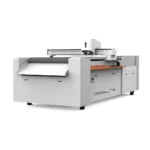
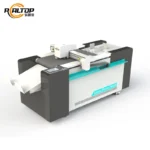
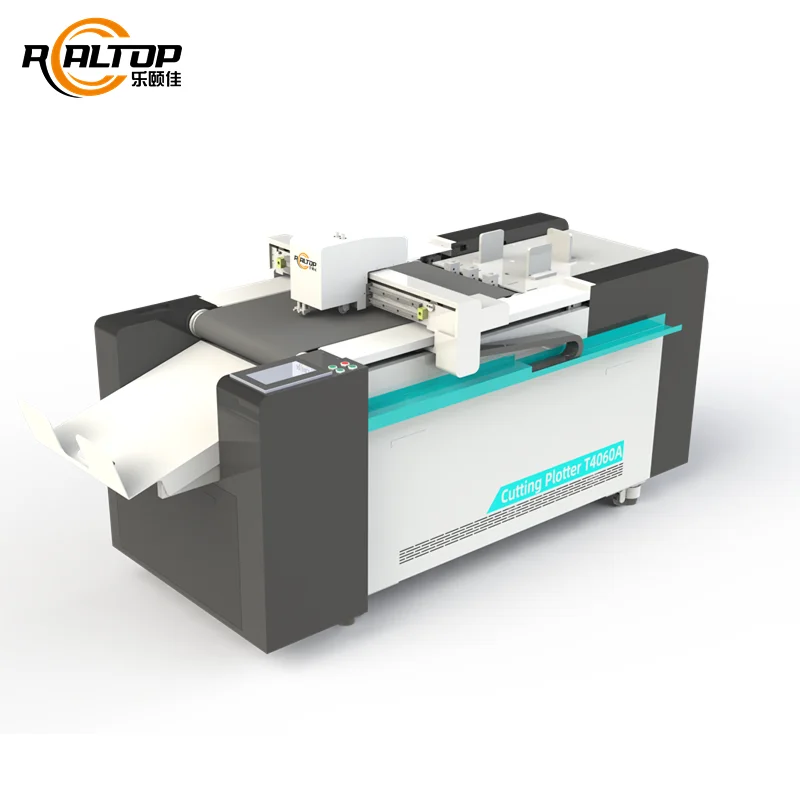
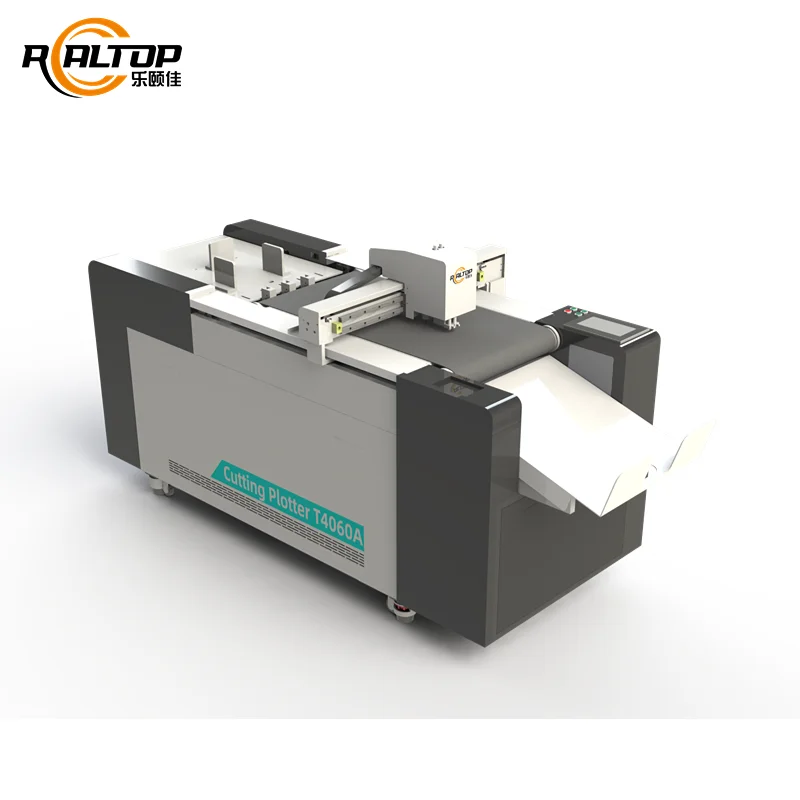
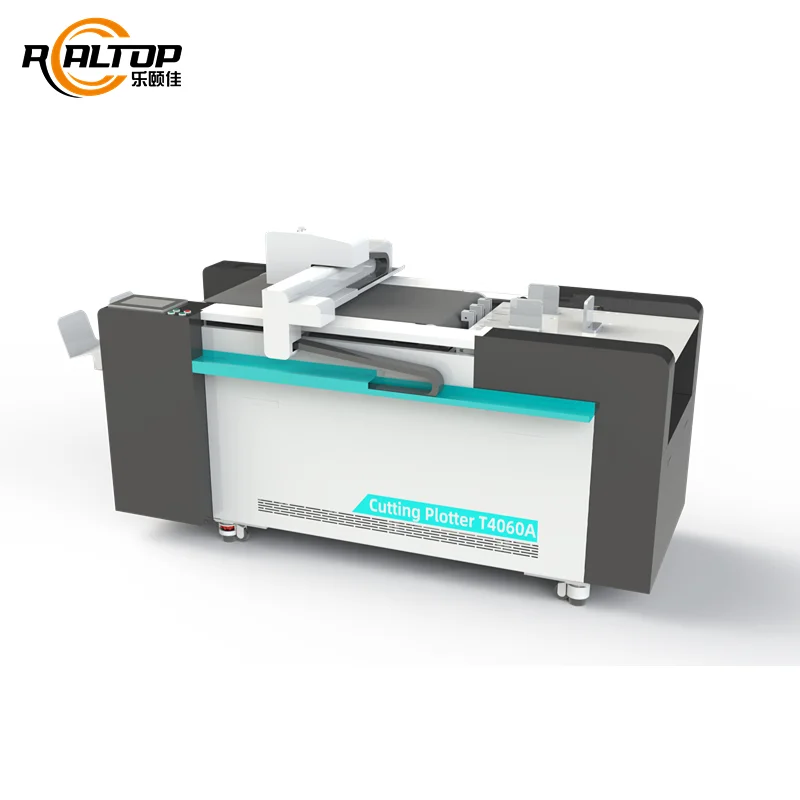
Validated Tool Head & Table Configuration — Each CNC flatbed cutting table is specified by the buyer’s material thickness, edge quality requirement, and production volume rather than sold by working area alone.
Technical Specifications
| Parameter | Value |
|---|---|
| Product Type | CNC Digital Cutting and Creasing Machine |
| Series | T series |
| Tool Head Functions | Cutting, creasing, kiss-cutting, dotted-line cutting |
| Automation Level | Fully automated (automatic feeding, cutting, and picking) |
| Control Panel | HD Touch Control Panel |
| Control System | Automatic intelligent control system |
| Positioning System | CCD auto positioning |
| Network Connectivity | Network port |
| Working Area | basis not stated in source |
| Cutting Thickness by Material | basis not stated in source |
| Positioning Accuracy | basis not stated in source |
| Repeatability | basis not stated in source |
| Voltage & Frequency | basis not stated in source |
| Rated Power | basis not stated in source |
| Overall Dimensions | basis not stated in source |
| Net Weight | basis not stated in source |
| Software & File Formats | basis not stated in source |
| Vacuum Zones | basis not stated in source |
| Language Options | basis not stated in source |
| Warranty | 12 months for whole machine |
| Lead Time | 7-10 working days (source value — verify against manufacturer catalog) |
| Customization | OEM & ODM supported |
| Certification | CE |
Application Suitability
| Application | Material or Output |
|---|---|
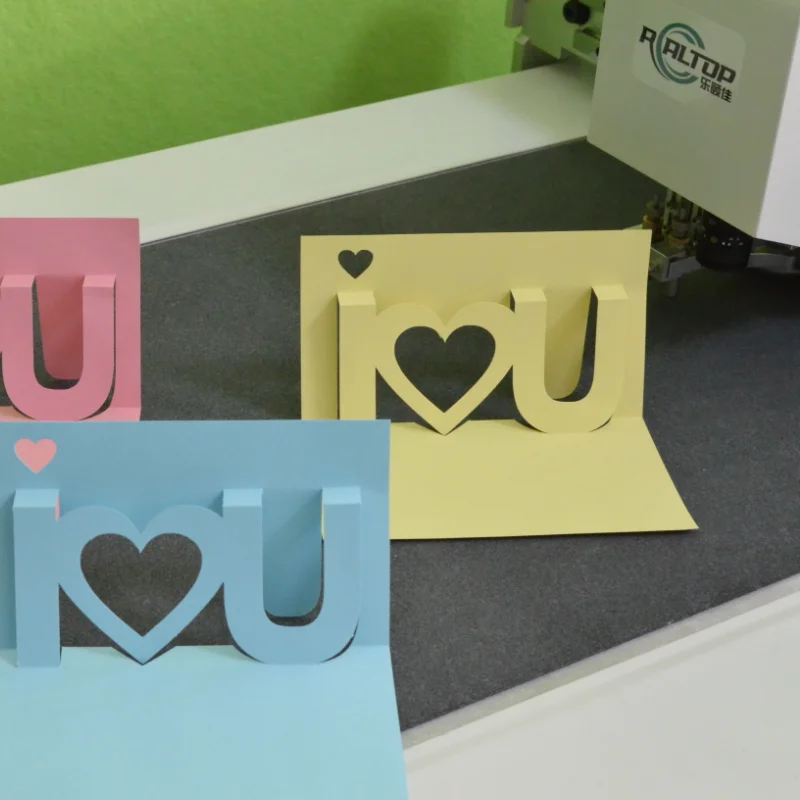
| Packaging sample making | Corrugated cardboard, E-flute, micro-flute board, grey board |
| Self-adhesive label die cutting | Vinyl, PP, PVC, coated paper, adhesive-backed films |
| Post-printing contour cutting | Printed carton stock, coated paper, composite sheet |
| Small batch production | Individualized packaging formats without die tooling |
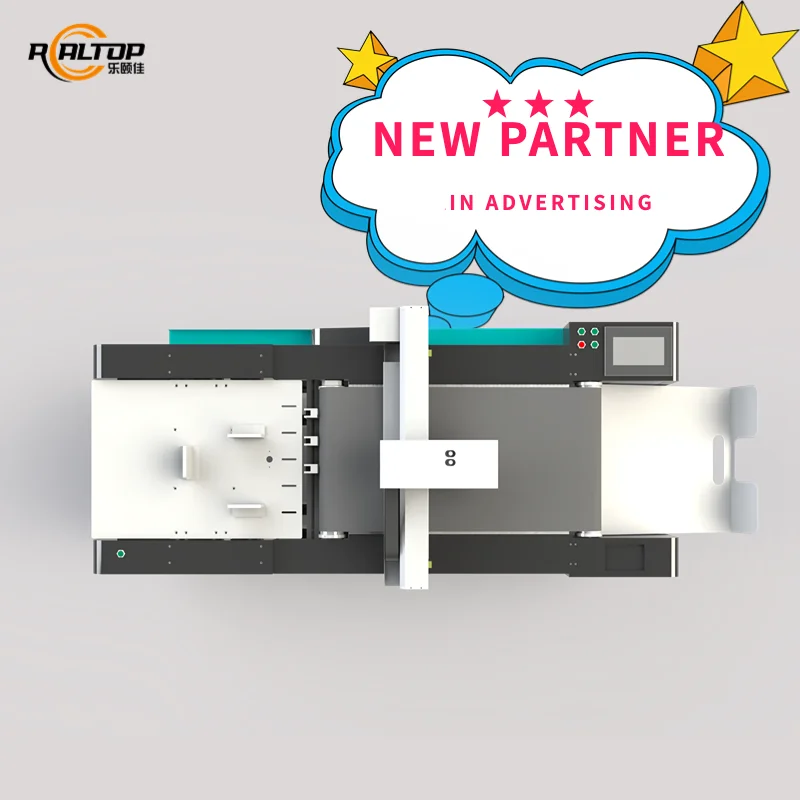
| Advertising label production | Self-adhesive films, PVC sheets, printable substrates |
Why the CCD Contour Promise Fails at Your Production Speed
A camera specified on paper often loses the printed mark once the table starts moving.
Several carton sample operations have reported that their CNC oscillating knife cutting table specifications looked acceptable in the quotation, yet the CCD system could not track registration marks reliably at full travel speed. The result is misaligned cuts on printed stock, scrapped sheets, and operators switching to manual alignment just to keep orders moving. The root cause is usually that the camera resolution, lighting geometry, and software algorithm were validated on a static test sheet rather than the buyer’s actual printed material running at production speed. [NEED_CITE: printed registration mark tracking standards in digital finishing]
Tool Head Combination Built Around Your Material Stack
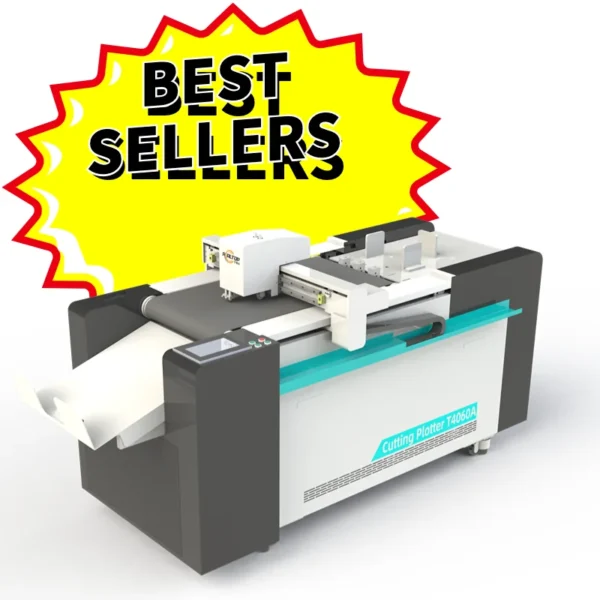
This machine integrates cutting, creasing, kiss-cutting, and dotted-line functions within a single multifunctional tool head assembly. For corrugated and coated paper applications, the creasing wheel and oscillating knife work in sequence so that a fold line and cut profile are completed in one pass. Kiss-cutting depth is adjustable for self-adhesive label work where the liner must remain intact. The CNC oscillating knife cutting table specifications here reflect a configuration intended for packaging and label environments rather than a generic flatbed setup.
CCD Positioning That Must Hold at Table Speed
The CCD auto positioning system is designed to read printed registration marks and align cut paths to the graphic contour. In post-printing workflows where each sheet may carry slight print-to-sheet variation, the camera must detect the mark, calculate the offset, and adjust the cut file before the tool head arrives. If the system only works at reduced speed, throughput drops to a level that defeats the purpose of automated digital finishing. [NEED_CITE: CCD positioning accuracy tolerance for short-run packaging]
How the Specs Translate to Daily Cutting Decisions
The automatic intelligent control system paired with the HD touch panel allows operators to load files, confirm CCD offsets, and adjust tool pressure without leaving the machine. Fully automated feeding, cutting, and picking means that once the file is verified and the material is staged, the workflow can run with minimal operator intervention. The network port enables file transfer from a design station directly to the machine, which matters in sample-making environments where file revisions happen multiple times per shift. Choosing between oscillating knife, drag knife, creasing wheel, or dotted-line tool is dictated by the material and the edge quality the end customer requires, not by what happens to be mounted on a demo unit.
What Happens When the Vacuum Zone Is Wrong for the Part Size
When vacuum table zoning is configured for large sheets and the job involves small carton components or narrow label strips, those parts can lift at the edges during cutting. The oscillating knife then pulls the material instead of shearing it cleanly, producing ragged edges or crushed flute structure. This failure mode is not visible in the CNC oscillating knife cutting table specifications until someone asks how many independent zones exist and whether the smallest zone covers the smallest part the buyer intends to produce. [NEED_CITE: vacuum zoning requirements for small-format digital cutting]
Why Buyers Source This Configuration From Us
In-house design covers both the knife cutting technology and the CCD integration, so the positioning system is matched to the machine’s travel speed rather than added as an aftermarket camera. Tool head and table configuration is specified per material type and production volume before the order is confirmed. The CCD camera positioning is validated against the buyer’s own printed marks, not a generic test chart. Software compatibility and file format support are confirmed during the inquiry stage to avoid discovering workflow gaps after delivery. Sample cutting on the buyer’s actual material takes place before commitment, providing a documented edge quality and accuracy baseline.
Documentation & Verification
- Sample cutting report on your cardboard or label stock with edge quality and CCD offset data
- Tool head and table configuration list matched to your stated material and daily volume
- Electrical schematic with voltage and frequency confirmed for your destination market
- Software licence and file format compatibility note for your existing design workflow
- Factory test record showing CCD tracking at production speed on your printed sheets
- Operation and maintenance manual in your specified control language
Installation, Commissioning & Support
- Dedicated power circuit sized to the confirmed voltage and rated power of your T series configuration
- Level floor requirement verified against the machine’s overall dimensions and net weight before delivery
- CCD camera calibration performed on-site using your printed material to confirm contour accuracy
- Tool pressure and depth settings adjusted during commissioning for your specific cardboard and label stocks
- Operator training covers file import, CCD offset verification, and creasing wheel pressure adjustment
- Spare parts list includes consumable blades, creasing wheels, and vacuum table seals for your first year
What to Include With Your Inquiry
Provide the specific material types you cut most often, including flute designation for corrugated or face stock and liner combination for labels. Confirm the maximum sheet size and the smallest part dimension in your typical nesting layout. State your local voltage, frequency, and required control panel language so that the CNC oscillating knife cutting table specifications can be locked to your facility before production begins.
Frequently Asked Questions
Q: How should I choose between oscillating knife and drag knife for my packaging materials?
A: Oscillating knife suits thicker corrugated and foam boards where a clean vertical cut through the full material depth is required. Drag knife works better on thin vinyl, adhesive films, and coated paper where continuous contour cutting is the priority. We recommend testing both on your actual stock before the tool head configuration is finalized.
Q: How can I verify the CCD camera tracks my printed marks at full speed?
A: Send us a batch of your typical printed sheets with your standard registration marks. We run them through the CCD positioning system at production travel speed and provide a test report showing offset accuracy and any missed marks. This validation happens before the order is confirmed.
Q: Which file formats does the system accept from my existing design software?
A: Common vector formats such as DXF, PLT, and AI are supported. We confirm compatibility with your specific software version and nesting workflow during the inquiry stage and document the result in a file format compatibility note before production begins.
Q: How is vacuum table zoning configured for small carton parts?
A: The table is divided into independent vacuum zones. We confirm the zone layout against your smallest part dimensions so that narrow strips and small components remain flat during cutting. Zone configuration is listed in the tool head and table configuration document before shipment.
Q: Can I arrange sample cutting on my own material before ordering?
A: Yes. Ship us your material samples along with a set of cut files. We produce finished pieces, document edge quality, CCD offset results, and cycle time, and send the samples and report back to you for evaluation before any commitment is made.


商品评价
Clear filtersThere are no reviews yet.