






Fast Shipping
Carrier information

20k products
Payment methods

24/7 Support
Unlimited help desk

2-day Delivery
Track or off orders
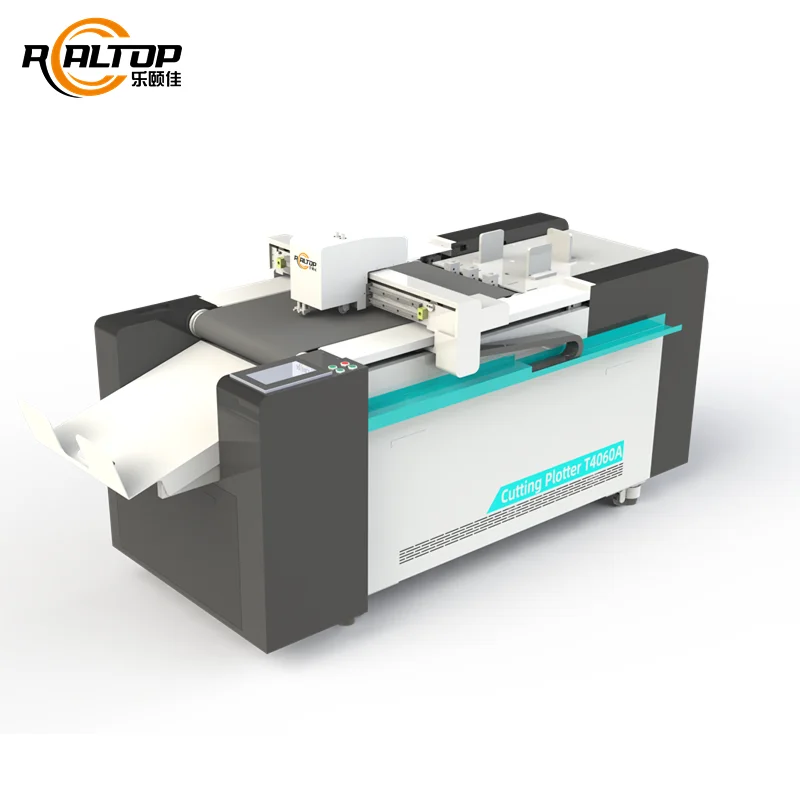
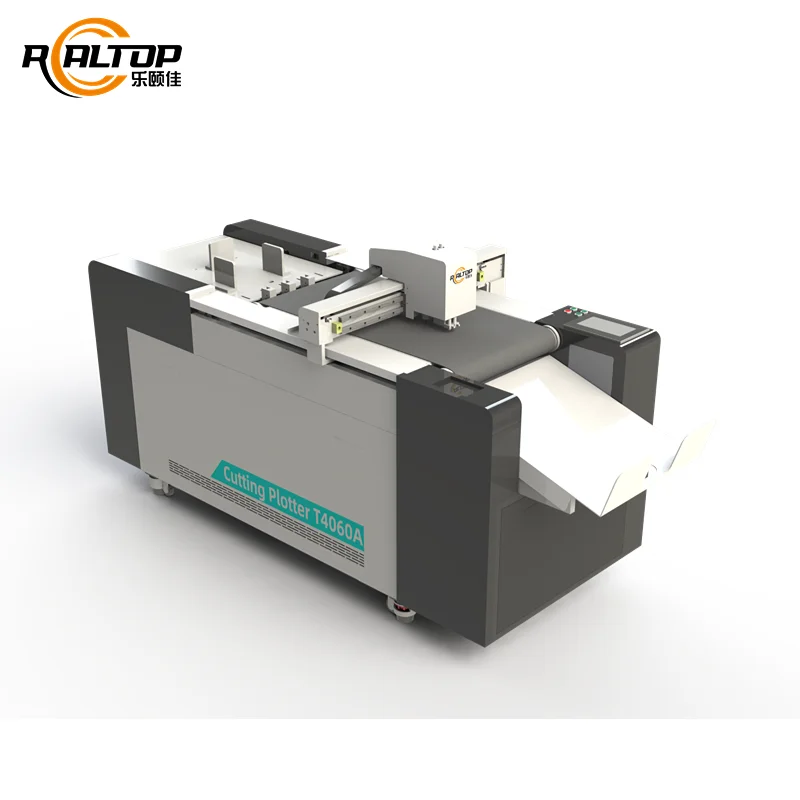
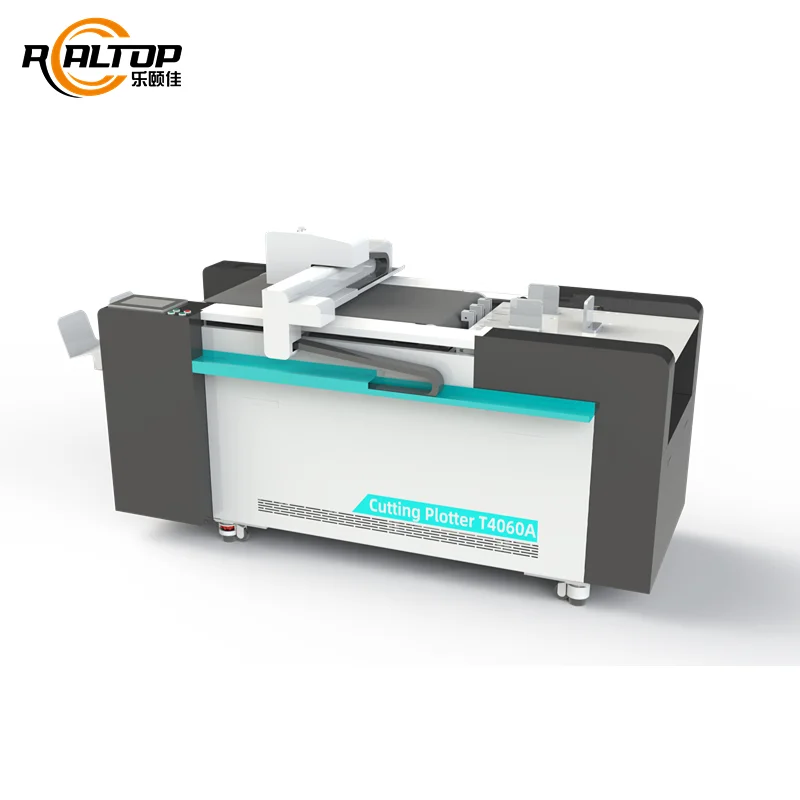
Cutting Method Matched to Material — our in-house design team pairs knife, creasing and CCD tooling to the exact substrate rather than forcing a single configuration across every packaging job.
Technical Specifications
| Parameter | Value |
|---|---|
| Product Type | CNC Digital Cutting and Creasing Machine |
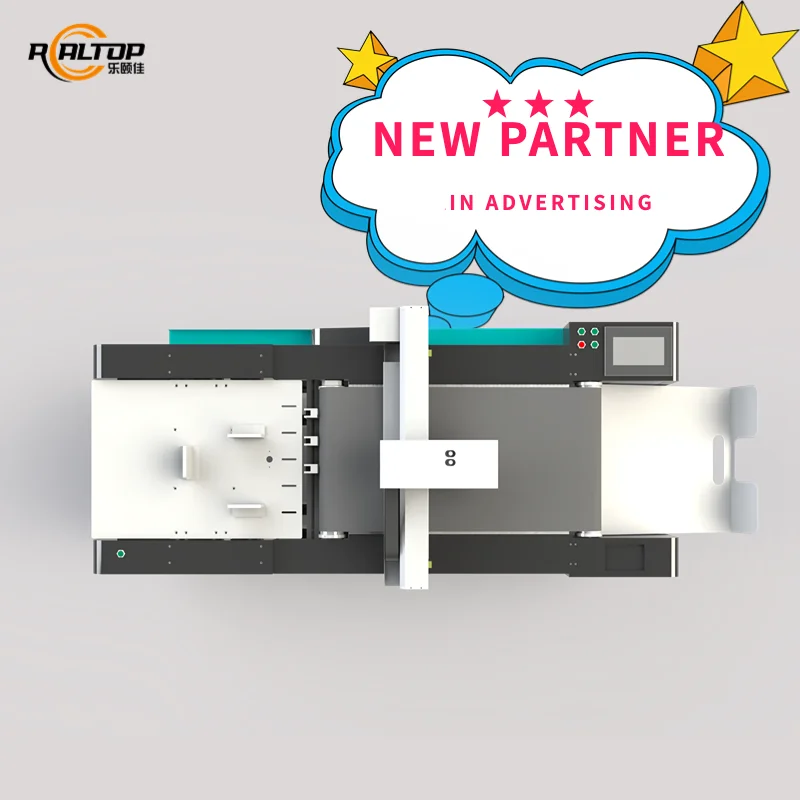
| Control System | Automatic control with HD touch panel |
| Tool Head Options | Cutting, creasing, kiss-cutting, dotted-line scoring |
| Feeding Workflow | Fully automatic feed, cut and pick |
| Positioning | CCD auto contour recognition |
| Network Connectivity | Ethernet port for file transfer |
| Working Area | Available across multiple table sizes (confirm with supplier) |
| Cutting Thickness Capacity | Dependent on substrate and tool selection (basis to be confirmed) |
| Positioning Accuracy | To be confirmed per table configuration |
| Repeatability | To be confirmed per table configuration |
| Vacuum Holding | Zoned vacuum table (zone count varies by table size) |
| Software Compatibility | Accepts common vector and CAD formats (confirm file type) |
| Voltage & Frequency | Configurable to destination market standard |
| Machine Footprint | Varies by selected working area |
| Certification | CE declaration available where applicable |
Application Suitability
| Application | Material or Output |
|---|---|
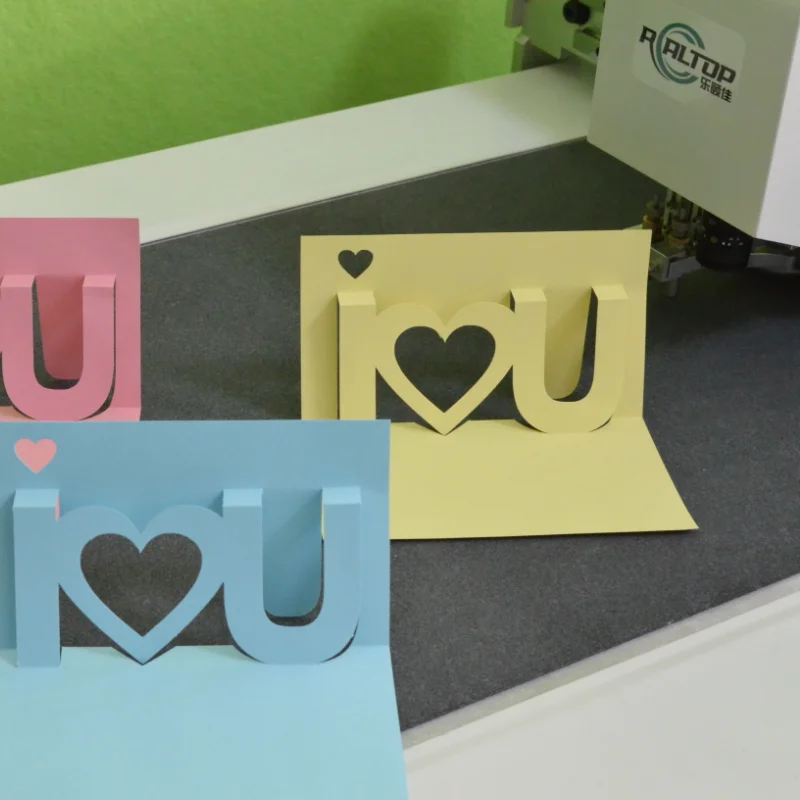
| Packaging sample making and short-run box prototyping | Corrugated cardboard, folding carton board, grey board |
| Pre-printed graphic contour cutting | Coated paper, self-adhesive vinyl and label stock |
| Point-of-purchase display and signage blank cutting | PP sheet, PVC sheet, foam board |
| Kiss-cut and half-through label production | Self-adhesive films and laminated sheets |
| Creasing and scoring for fold-line packaging | Single-face and double-face board stocks |
Why CCD Contour Recognition Fails at Real Production Speed
Confirming CCD tracking on your printed substrate before purchase prevents the most expensive kind of mismatch.
Many packaging and print shops specify a CNC digital cutting and creasing machine for packaging sample making based on working area and nominal speed, then discover during commissioning that the camera cannot reliably follow registration marks on their particular ink and stock combination. The result is mis-cut sheets, wasted material and idle operators while someone manually adjusts offset values. In our workshop we have watched otherwise capable machines produce scrap for hours because the printed contrast fell outside the sensor’s recognition window. The fix is never a firmware patch — it is a hardware and optics decision that had to be made before the order was signed. [NEED_CITE: printed registration mark contrast requirements for optical sensors]
Multifunction Tool Head for Diverse Packaging Substrates
The T series platform carries a single tool head carriage that accepts interchangeable blades, a creasing wheel and a kiss-cut module. Switching between full cut-through on folding carton and scored fold lines on heavier board takes a tool change, not a machine change. This keeps the CNC digital cutting and creasing machine for packaging sample making flexible enough to handle mixed job queues where the next sheet may be a different substrate entirely. Operators select the tool in software and the head indexes into position automatically.
CCD Positioning for Pre-Printed Graphics
When the job involves cutting around pre-printed artwork — labels, folding cartons with registered graphics, or promotional displays — the CCD camera locates printed marks and compensates for sheet distortion introduced during printing. On thin coated papers this is straightforward. On thicker corrugated or textured stocks the camera needs to read marks through surface variation, which is why we test on the buyer’s actual printed sheet before confirming the configuration. A sample cutting report documents tracking reliability at the agreed feed rate. [NEED_CITE: CCD registration accuracy on textured packaging substrates]
Reading the Specifications That Actually Matter
The multifunctional tool head determines what the machine can physically do to the material, so matching blade type and creasing wheel profile to your substrate range is more consequential than comparing nominal travel speed. Vacuum zone count matters when you cut small parts — insufficient zoning lets lightweight card lift off the table mid-cut, producing ragged edges or shifted contours. The HD touch control panel runs the nesting and toolpath software, so confirming that your existing design files import cleanly avoids a costly re-draw of every legacy template. Voltage and frequency must match the destination facility before the machine leaves the factory, because rewiring a servo drive on arrival is neither cheap nor fast.
The Cost of Specifying the Wrong Tool Configuration
Choosing a creasing wheel designed for thin carton board and then running three-layer corrugated will produce fold lines that crack or fail to penetrate, stopping the production line while parameters are adjusted remotely or a replacement wheel is shipped. We have seen packaging producers lose two full production days because the initial specification matched only one of their three common substrates. Selecting the tool head without confirming vacuum table zoning for small parts means lift and drift during cutting, generating scrap that is only noticed after an entire sheet is ruined. [NEED_CITE: creasing wheel selection for multi-layer corrugated board]
Why Buyers Source This Platform Here
The in-house design team covers both knife cutting and laser cutting technologies, so the recommendation is based on material suitability rather than pushing whichever machine is in stock. Every tool head and table configuration is specified per substrate and production volume, not quoted from a standard list. CCD camera positioning is verified on the buyer’s printed material before order confirmation. Software compatibility — file formats, nesting workflows and nesting licenses — is confirmed in writing before production begins. Sample cutting on the buyer’s own material is standard practice, not a paid extra.
Documentation & Verification
- Machine specification sheet listing confirmed tool head and table configuration
- Electrical schematic with voltage and frequency matched to destination country
- Sample cutting report produced on buyer’s own cardboard or PP sheet
- Software license with confirmed file format compatibility list
- Factory test record documenting positioning and cut quality before dispatch
- Operation and maintenance manual in agreed control language
Installation, Commissioning & Support
- Verify floor loading capacity against machine weight and table footprint before delivery
- Dedicated power circuit matching confirmed voltage and frequency specification
- Machine arrives partially assembled; table leveling and gantry alignment completed on site
- First-run parameter tuning performed on buyer’s substrate during commissioning visit
- Operator training covers tool changes, CCD calibration and nesting software workflow
- Spare blade and creasing wheel kit sized to expected production volume
Before You Request a Quote
Send us the exact substrate types, thicknesses and sheet dimensions you run most often, along with a sample of your printed material if CCD contour work is involved. Tell us your local voltage and frequency standard, preferred control language, and which design software your team currently uses so we can confirm file import before building the machine. If daily volume is a factor, include your typical batch sizes so we can match table size and automation level accordingly.
Frequently Asked Questions
Q: How do I confirm the CCD system tracks my specific printed marks at full speed?
A: Send us printed sheets from your actual production run. We run them through the CCD system at production feed rate and provide a sample cutting report showing tracking accuracy and contour alignment. If your ink or substrate contrast falls outside the sensor range, we identify this before the order is placed rather than during your commissioning.
Q: Which tool head setup is correct for my mix of cardboard, PP and self-adhesive materials?
A: Each substrate requires a different blade geometry and creasing wheel profile. We specify the tool head configuration based on the material list and thickness range you provide, then confirm cut and crease quality through sample testing on your actual stock before the machine ships.
Q: Will my existing design files open directly in the machine software?
A: We confirm file format compatibility before order. Send us a sample file from your current workflow and we verify import, nesting and toolpath generation on the control system. Any required conversion steps are documented in the software compatibility note included with your machine documentation.
Q: How can I verify cutting and creasing quality before committing to the purchase?
A: We run your material on the configured machine and send a sample cutting report with photographs and measured results. This covers cut edge quality, crease depth and CCD tracking accuracy, so you evaluate real output on your substrate before placing the order.
Q: What voltage, plug type and control language are confirmed before shipment?
A: We collect your facility voltage, frequency and plug standard during the specification stage and confirm them in the electrical schematic. Control panel language is set to your preference before factory testing, and the final configuration is documented in the specification sheet sent for your approval prior to dispatch.


商品评价
Clear filtersThere are no reviews yet.