




Fast Shipping
Carrier information

20k products
Payment methods

24/7 Support
Unlimited help desk

2-day Delivery
Track or off orders
Tool Head Specification by Material Behaviour — oscillating knife configuration matched to graphite, rubber and composite gasket density rather than selected from a generic catalogue.
Technical Specifications
| Parameter | Value |
|---|---|
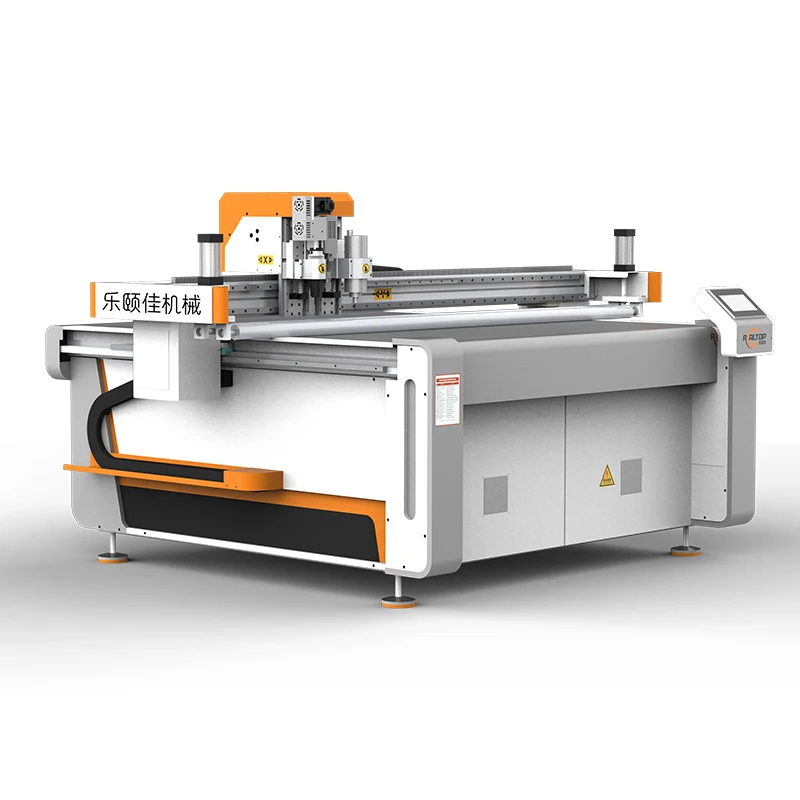
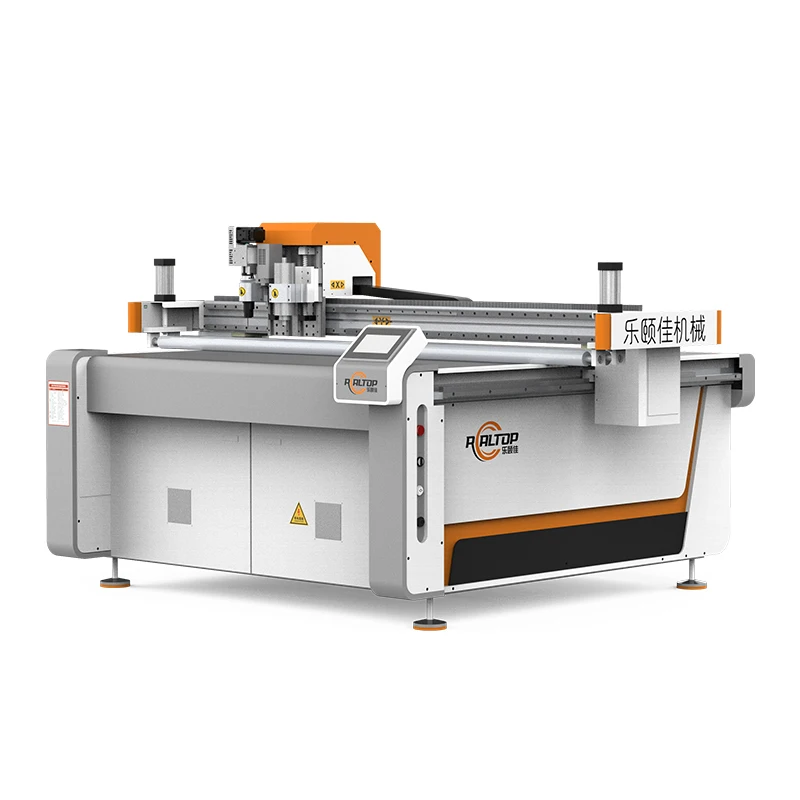
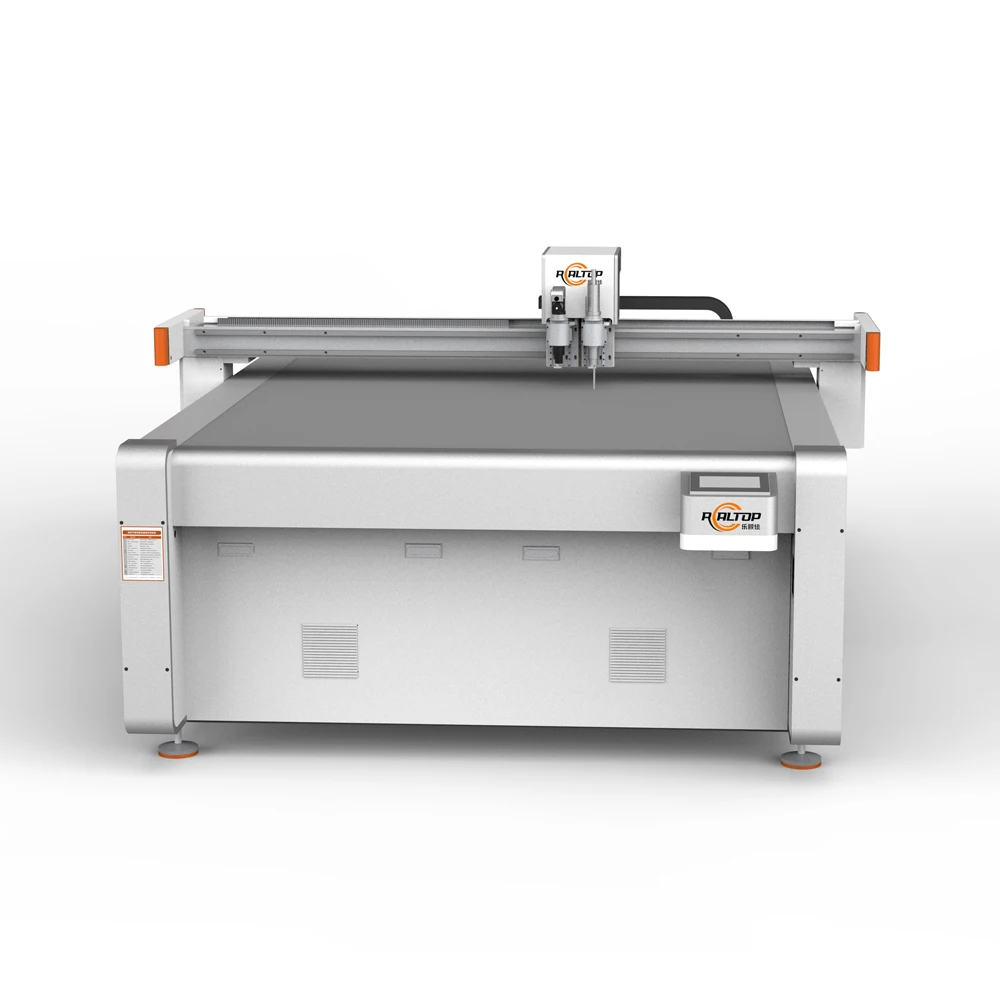
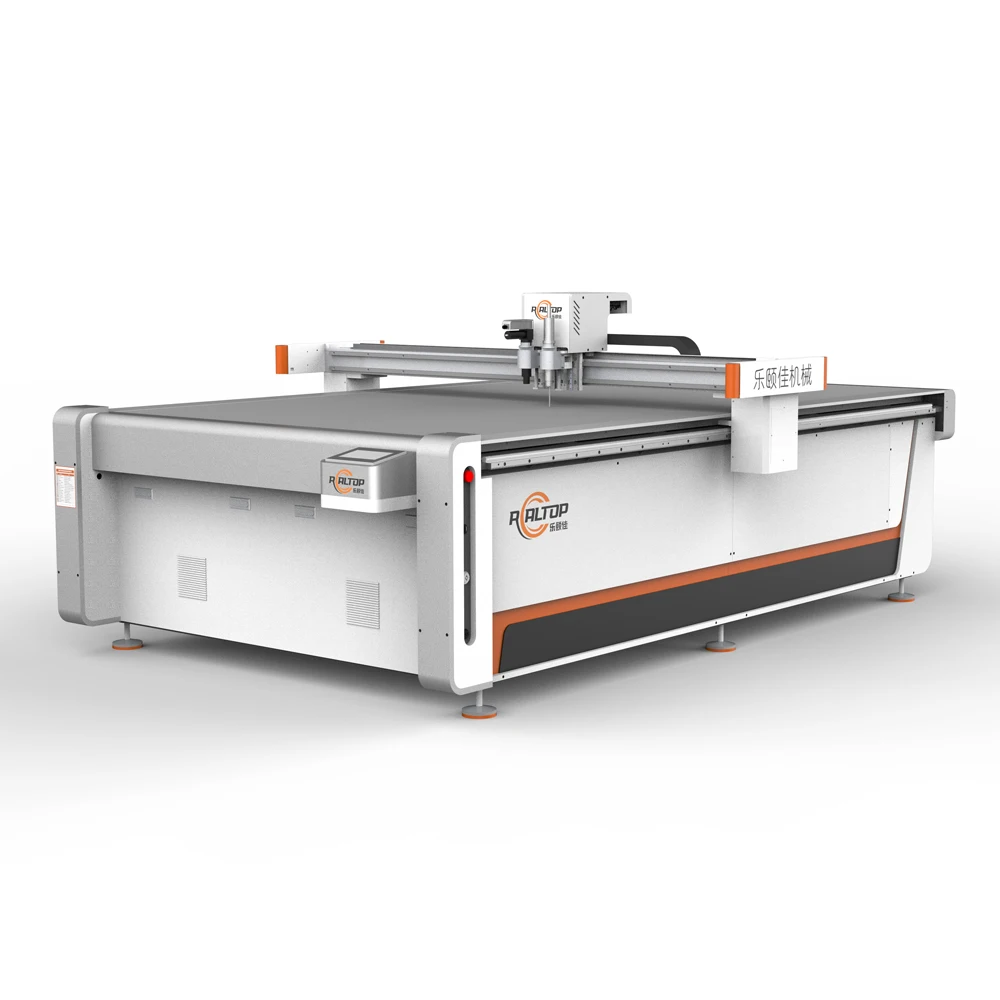
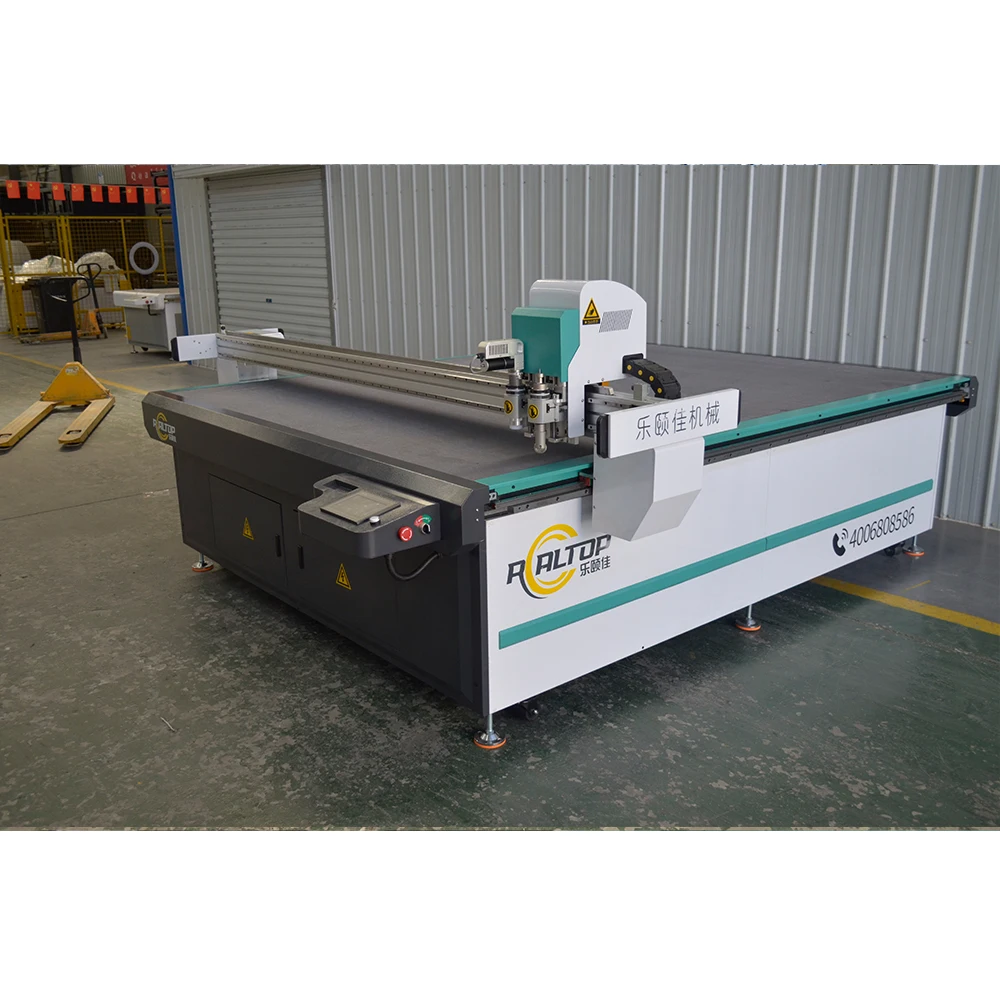
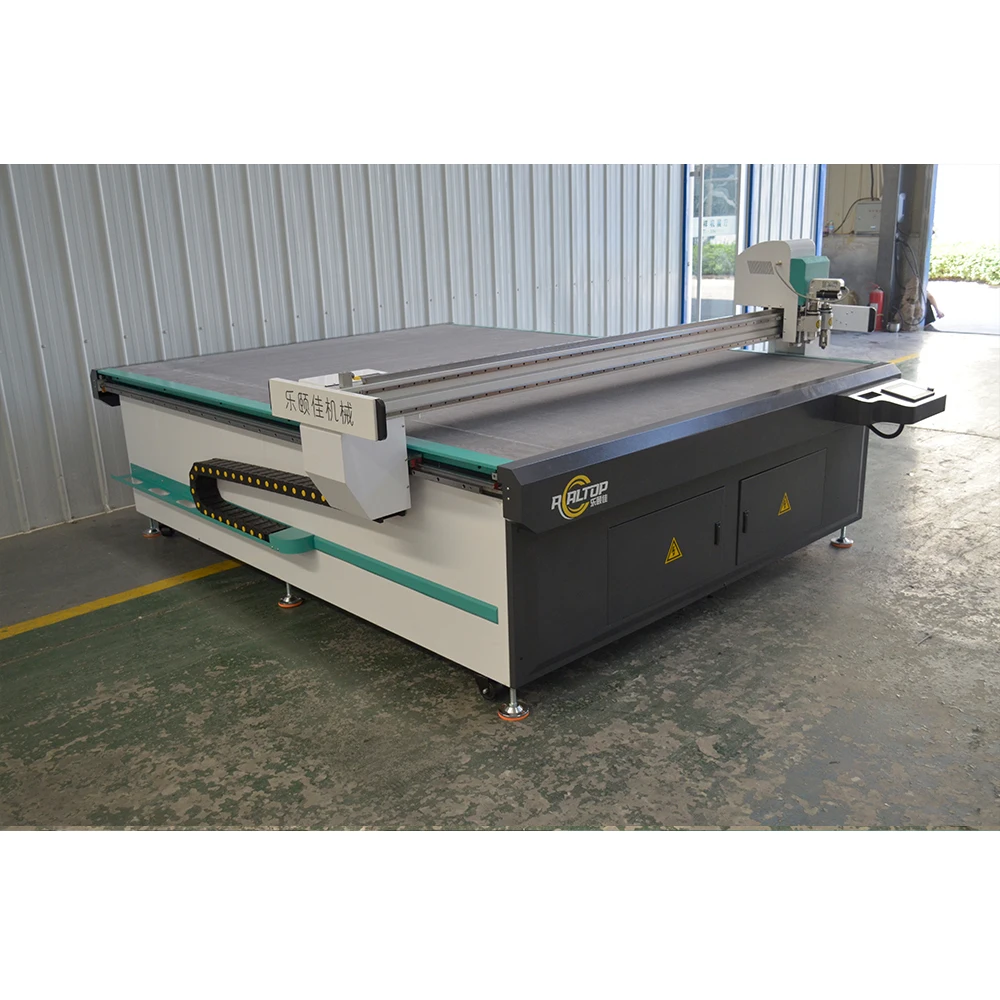
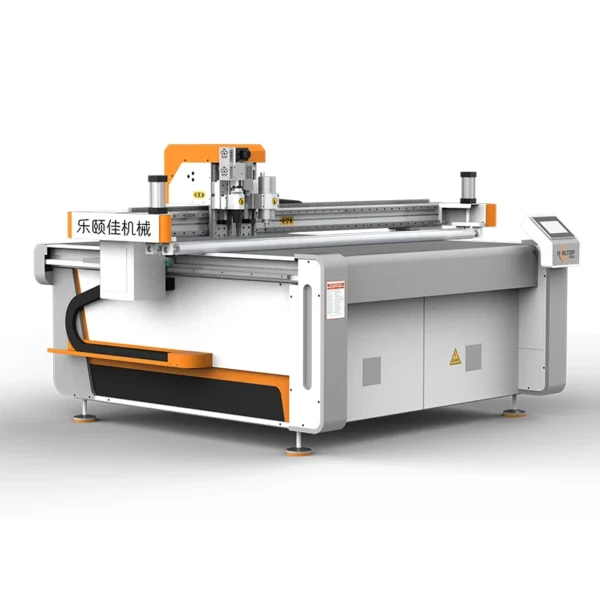
| Product Type | CNC Oscillating Knife Gasket Cutting Machine |
| Working Area | 1600 × 2500 mm |
| Machine Size | 3450 × 2300 × 1250 mm |
| Rated Power | 9 kW |
| Vacuum Pump | 7.5 kW |
| Working Table | Flatbed vacuum table |
| Multifunctional Head | Swiss imported oscillating knife — full cutting and half cutting modes |
| Cutting Thickness | 20 mm – 80 mm (basis not stated in source — confirm material type and density) |
| Repeated Accuracy | ≤ 0.1 mm |
| Translational Velocity | 800 – 1200 mm/s |
| Transmission System | Digital servo motor, linear guide, synchronous belt, ball screw |
| Guide Rail | Taiwan Hiwin rail |
| Servo Motor | Delta |
| Feeding System | Auto feeding with Germany imported conveyor belt |
| Instruction System | HP-GL compatible format |
| Safety Device | Infrared sensors |
| Voltage | 380 V ± 10 % |
Application Suitability
| Application | Material or Output |
|---|---|
| Automotive cylinder head and exhaust flange gaskets | Graphite, rubber, composite sealing sheets |
| Industrial pipe flange, valve and pump seals | PTFE, ETFE, rubber sheets across varying thicknesses |
| Low-to-medium volume gasket workshops replacing manual die-cutting | Digital nesting for rapid design changes and small batch runs |
| Soft flexible material processing | Leather, textile, cardboard, fiberglass, corrugated board, foam, PU, EVA, XPE, PVC, PP, PE |
Why Vacuum Zoning Decides Edge Quality on Small Gasket Parts
A flatbed vacuum table without reconfigurable zones will lose suction on small gasket profiles, causing material lift and ragged edges mid-cut.
When a gasket nesting layout contains parts smaller than the active vacuum zone, the surrounding uncovered area bleeds air and reduces hold-down force exactly where the oscillating knife applies lateral pressure. This is especially problematic with graphite and composite sealing materials that are brittle at thin gauges. I have seen production runs paused repeatedly because operators had to tape down individual parts after the first few cuts drifted [NEED_CITE: vacuum table zoning principles for CNC flatbed cutters]. The CNC oscillating knife gasket cutting machine specifications you evaluate should address zone layout before working area size.
Oscillating Knife Selection by Gasket Density
The multifunctional cutting head carries a Swiss imported oscillating knife with selectable full cutting and half cutting modes. For dense graphite sheets used in exhaust flange gaskets, full oscillation at higher frequency delivers a clean shear through the material cross-section. Softer rubber compounds for pump and valve seals respond better to reduced oscillation amplitude, which prevents the blade from dragging and deforming the cut face. Matching the tool head to the specific gasket material is a step that happens before the CNC oscillating knife gasket cutting machine specifications are locked, not after delivery.
Positioning Accuracy and File Format Compatibility
Repeated positioning accuracy of ≤ 0.1 mm matters most on cylinder head gasket profiles where bolt hole spacing must align within tight engine assembly tolerances. The HP-GL compatible instruction system accepts common gasket design file formats, allowing production files generated in industry CAD packages to load directly without manual re-drawing. This compatibility point should be verified against your existing nesting workflow before the order is confirmed, since gasket shops typically run dozens of profile variants per shift [NEED_CITE: HP-GL file compatibility in digital cutting systems].
Reading the Specs That Affect Daily Output
The 9 kW rated power covers the spindle drive, servo motion and vacuum pump draw together — a 7.5 kW vacuum pump alone accounts for most of that load, which tells you the vacuum system is sized for sustained hold-down across the full 1600 × 2500 mm bed. Delta servo motors paired with Taiwan Hiwin linear guides maintain positional repeatability under the vibration loads generated by the oscillating knife head, particularly when cutting thicker composite gasket sheets where lateral blade resistance is highest. Translational velocity of 800 – 1200 mm/s governs non-cutting travel speed between profiles; actual cutting speed through material depends on gasket density and thickness. The auto feeding system with Germany imported conveyor belt supports roll-fed gasket material, reducing manual loading time on high-mix production days. Infrared safety sensors pause the cutting head automatically when an operator enters the working zone during material changeover.
The Cost of Skipping the Material Test
I once configured a cutting line for a graphite gasket producer based on sample material they mailed to us. The oscillating knife cut cleanly through those samples at the specified thickness. When production rolls arrived at their facility, the graphite compound was noticeably harder, and the knife head produced chipped edges on cylinder head profiles. Parameters had to be rebuilt from scratch, and their production floor lost two full days while we adjusted oscillation frequency, feed rate and vacuum zone settings. This is why requesting a sample cutting report on your actual production material — not a generic reference sample — is essential before any gasket cutting equipment leaves the factory [NEED_CITE: material variation effects on digital knife cutting quality].
Why Procurement Starts with Configuration, Not Catalogue
In-house design and production across both knife and laser technologies means the cutting method is matched to the gasket material rather than forced through one process. Tool head and table configuration are specified per material type and production volume, documented as a standalone list before shipment. CCD camera positioning is available for printed contour gasket work where registration marks guide profile alignment. Software file format compatibility is confirmed against your CAD system before the order is finalised. Voltage, control language and plug configuration are verified for the destination market so the machine powers on correctly at commissioning [NEED_CITE: voltage and frequency standards by export market].
Documentation & Verification
- Machine specification sheet listing every installed tool head and its designated gasket material range
- Electrical schematic with confirmed voltage and plug type for your facility’s supply
- Sample cutting report produced on your own gasket material with measured edge quality and dimensional accuracy
- Factory test record documenting repeated positioning accuracy across a full production profile set
- Software licence and file format compatibility note for your existing nesting workflow
Installation, Commissioning & Support
- Floor space planning around the 3450 × 2300 × 1250 mm footprint with clearance for conveyor belt loading
- Dedicated 380 V ± 10 % circuit rated for the 9 kW total draw including the 7.5 kW vacuum pump
- On-site assembly and levelling of the flatbed vacuum table with Hiwin rail alignment verification
- First-run parameter tuning on your gasket material to set oscillation frequency, cutting depth and vacuum zone mapping
- Operator training covering tool head changeover between graphite and rubber compounds and HP-GL file import
- Spare parts list covering oscillating knife blades, conveyor belt sections and infrared sensor units
Before You Request a Quotation
Share your gasket material type, thickness range and typical nesting layout so we can specify the correct oscillating knife tool head and vacuum zone configuration. Include your daily profile volume and whether material arrives as sheets or rolls, along with your facility voltage and preferred control language. If you have an existing nesting software workflow, send a sample file so format compatibility can be confirmed before we quote.
Frequently Asked Questions
Q: How is cutting depth specified per gasket material?
A: The 20 – 80 mm thickness range requires confirmation against your specific material. Graphite sheets, rubber compounds and PTFE each respond differently to oscillating knife pressure, so the achievable depth depends on material density and hardness. We run a sample cutting test on your actual production material and document the tool head settings used.
Q: How does vacuum table zoning affect small gasket parts?
A: When nesting layouts contain profiles smaller than an active vacuum zone, uncovered areas bleed suction and reduce hold-down force. This causes material lift during cutting and produces ragged edges. Zone layout should be configured around your smallest typical gasket part, not just the largest sheet you process.
Q: Which oscillating knife tool head suits my material?
A: Dense graphite and composite gasket sheets require higher oscillation frequency for clean shear cuts. Softer rubber and PTFE compounds need reduced amplitude to prevent blade drag and face deformation. The tool head is selected during configuration based on your sample cutting report, not from a generic catalogue.
Q: What file formats does the control system accept?
A: The instruction system is HP-GL compatible, accepting common gasket design file formats generated by industry CAD packages. Compatibility with your specific nesting software should be verified with a sample file before shipment to avoid workflow interruptions at commissioning.
Q: Can the auto-feeding system handle roll-fed gasket material?
A: The conveyor auto-feeding system uses a Germany imported belt designed for continuous material advancement. Maximum roll width and weight capacity depend on your specific gasket material density and roll diameter. Confirm these parameters during configuration so the feeding system is rated for your production rolls.


商品评价
Clear filtersThere are no reviews yet.