








Fast Shipping
Carrier information

20k products
Payment methods

24/7 Support
Unlimited help desk

2-day Delivery
Track or off orders
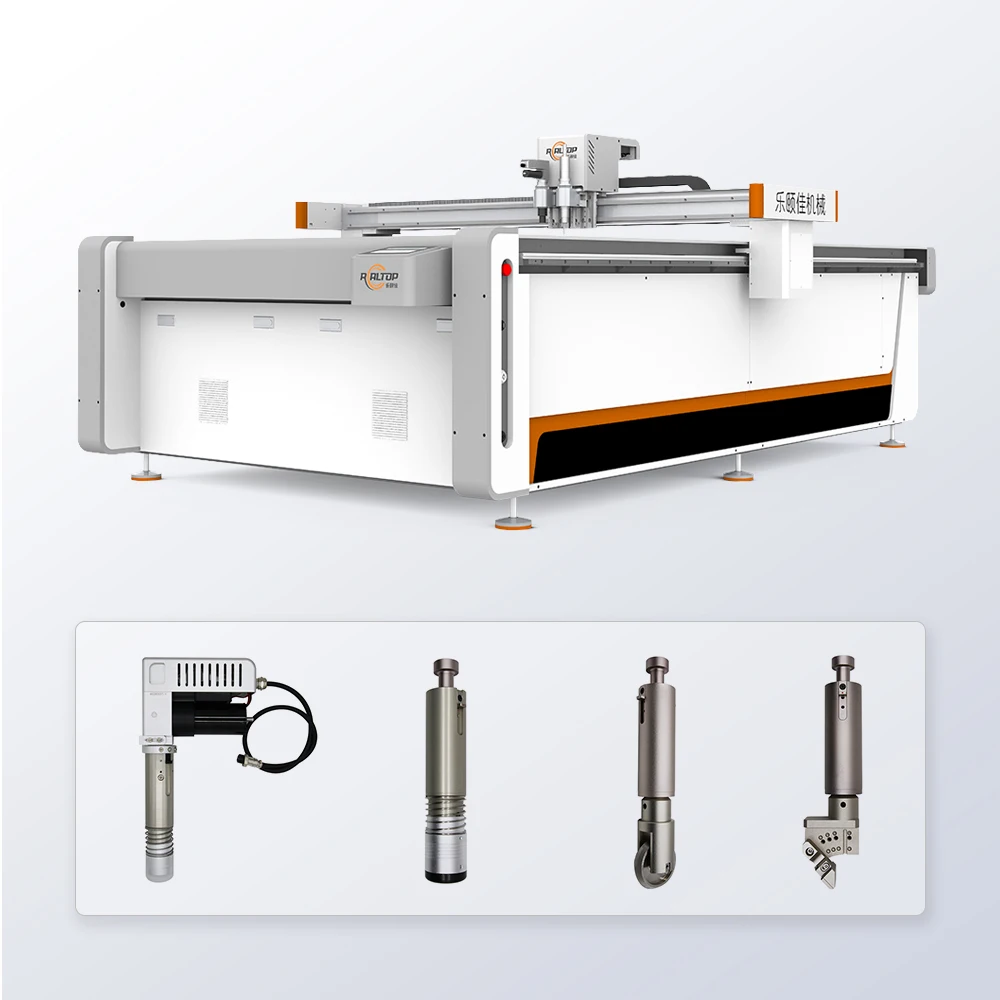
Tool Head Specificity — Every 1625 oscillating knife and creasing wheel combination is matched to the buyer’s actual corrugated flute profile and foam density before the machine enters production.
Technical Specifications
| Parameter | Value |
|---|---|
| Model | 1625 |
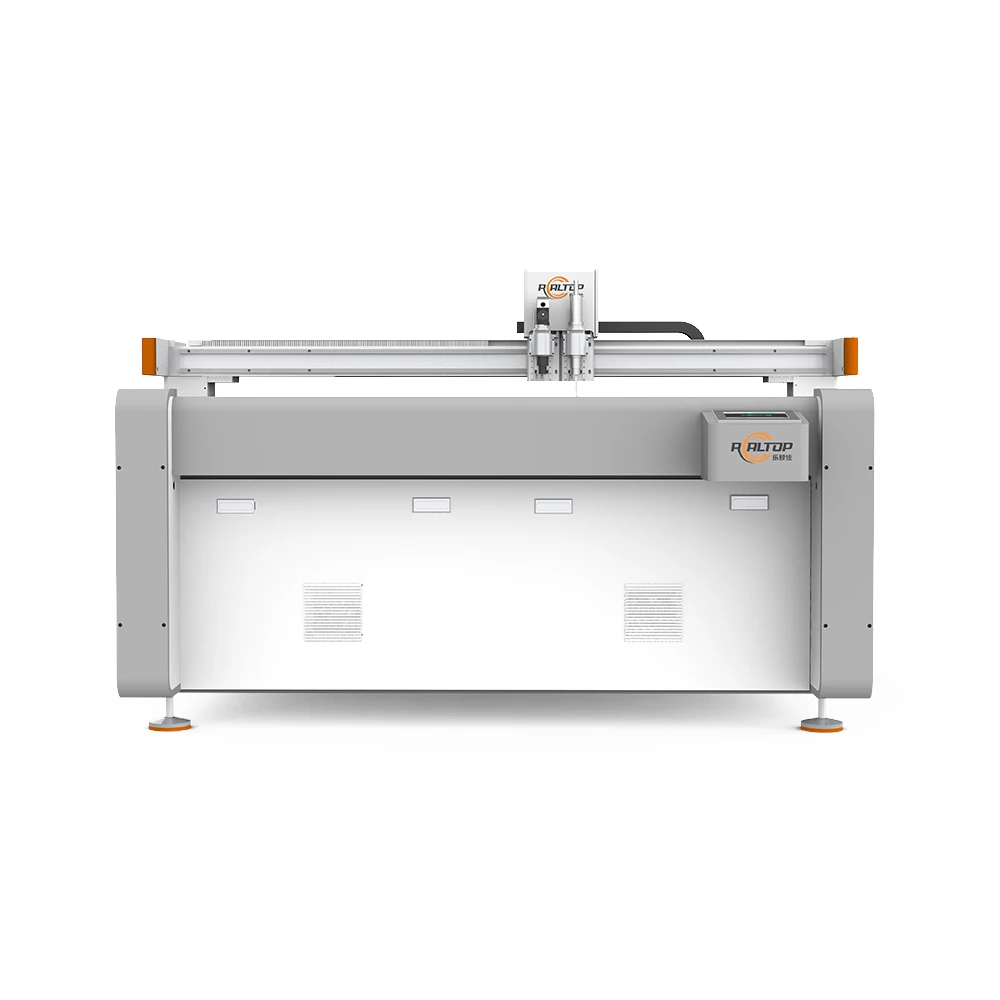
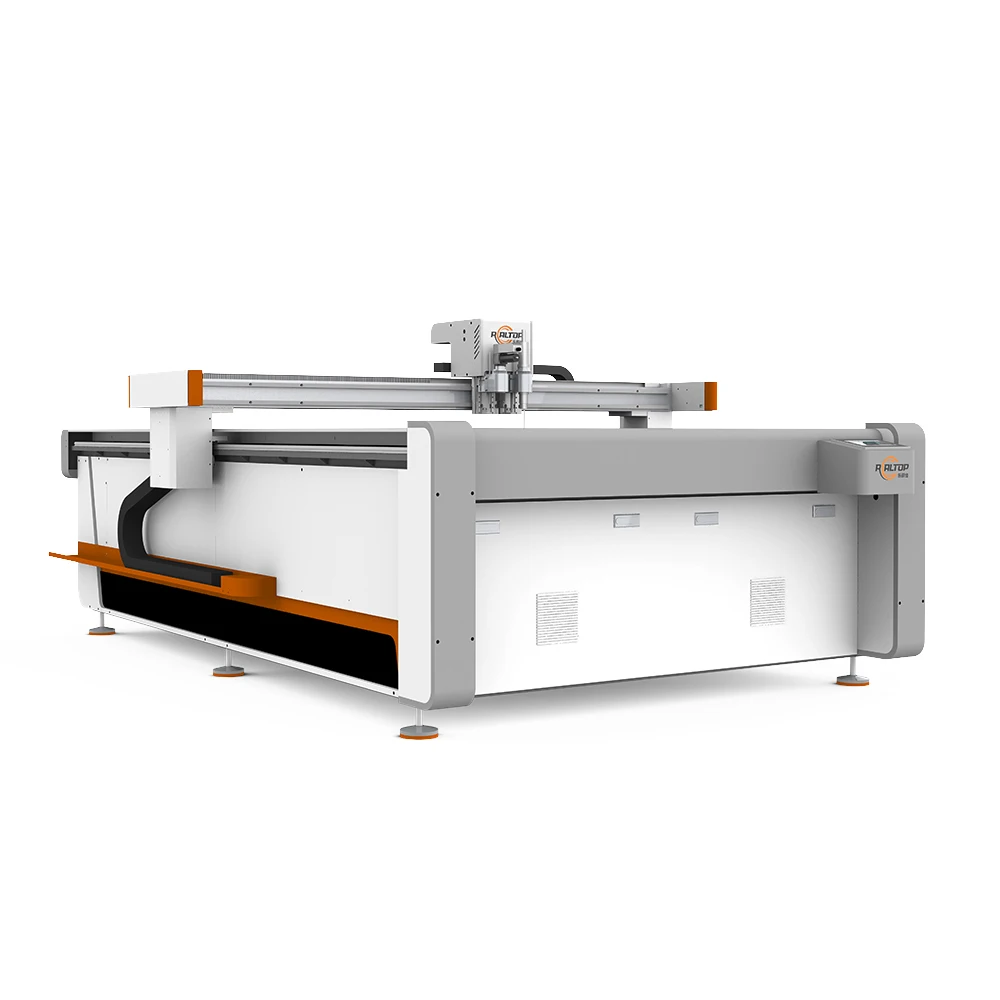
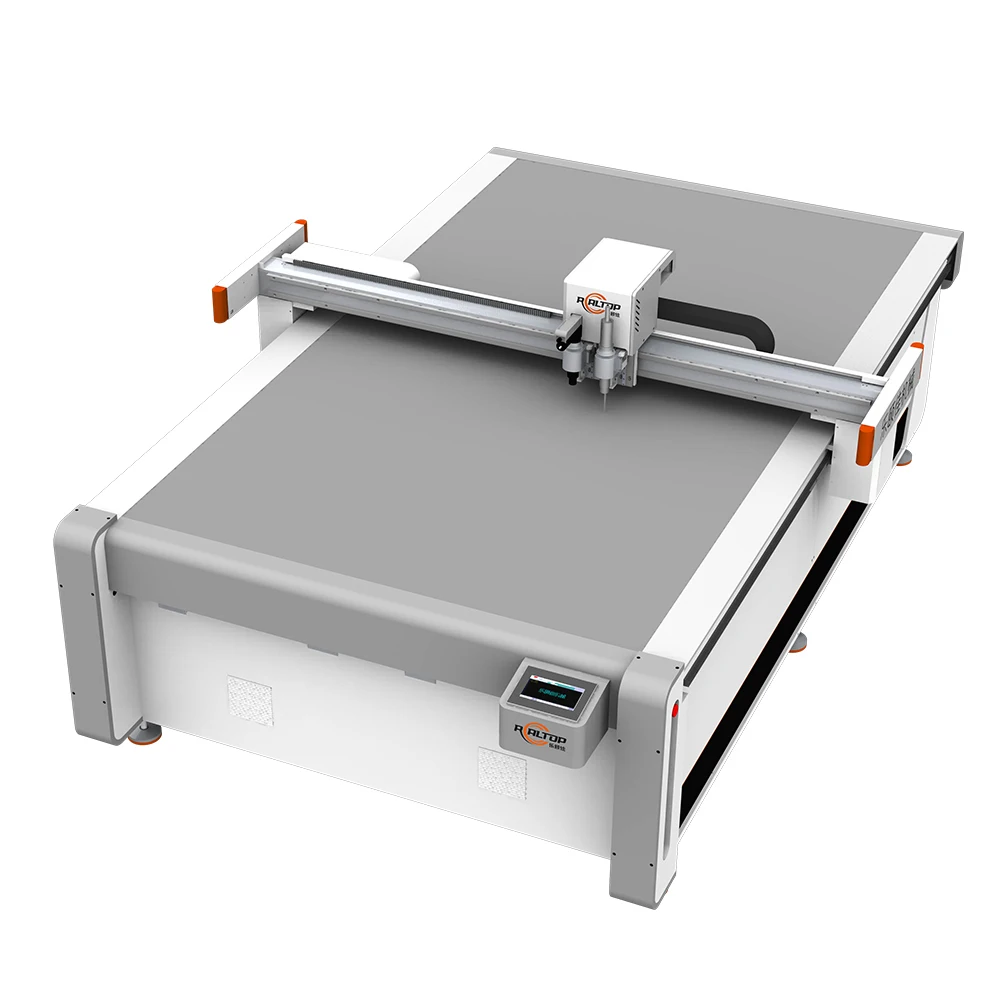
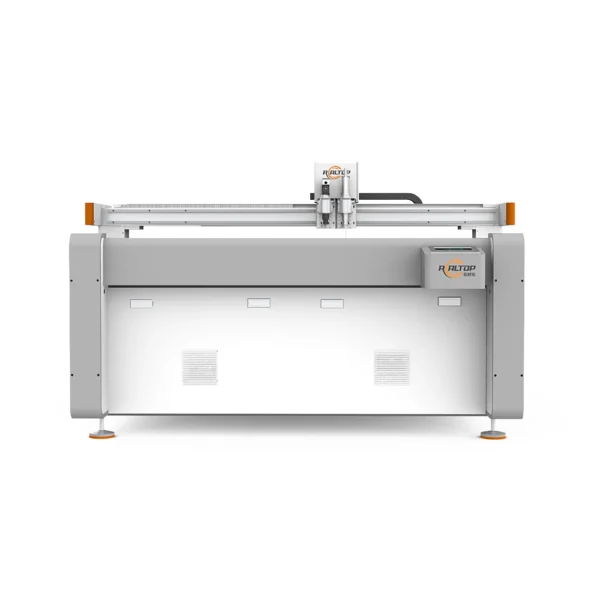
| Product Type | CNC Oscillating Knife Cutting Machine |
| Working Area | 1600 × 2500 mm |
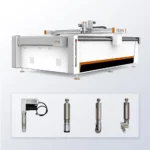
| Tool Head Options | Oscillating knife, Driven rotary knife, Creasing wheel, Kiss cutting tool, Pneumatic knife, Milling tool, V-groove knife |
| Applicable Materials | Fabric, Cardboard, Carton, Mats, PVC, EVA, Leather, Acrylic, Foam, PTFE, Rubber |
| Cutting Speed | 0–1500 mm/s |
| Cutting Thickness | ≤ 40 mm (basis not stated in source — confirm material density and tool configuration) |
| Cutting Accuracy | ±0.1 mm |
| Vacuum Pump | 9 kW |
| Vacuum Table | Aluminum bellows vacuum table |
| Control System | PLC control panel with dedicated packaging box structure design software |
| Servo Motor Options | Panasonic, Delta, Dorna |
| Voltage Options | 110V, 220V, 380V |
| Supported File Formats | PLT, DXF, AI, PDF |
| Safety Devices | Infrared sensor device, emergency stop device |
| Machine Size | 3300 × 2100 × 1350 mm |
| Language Options | English, Russian, Italian, Chinese, custom languages available |
| Standards | CE |
Application Suitability
| Application | Material or Output |
|---|---|
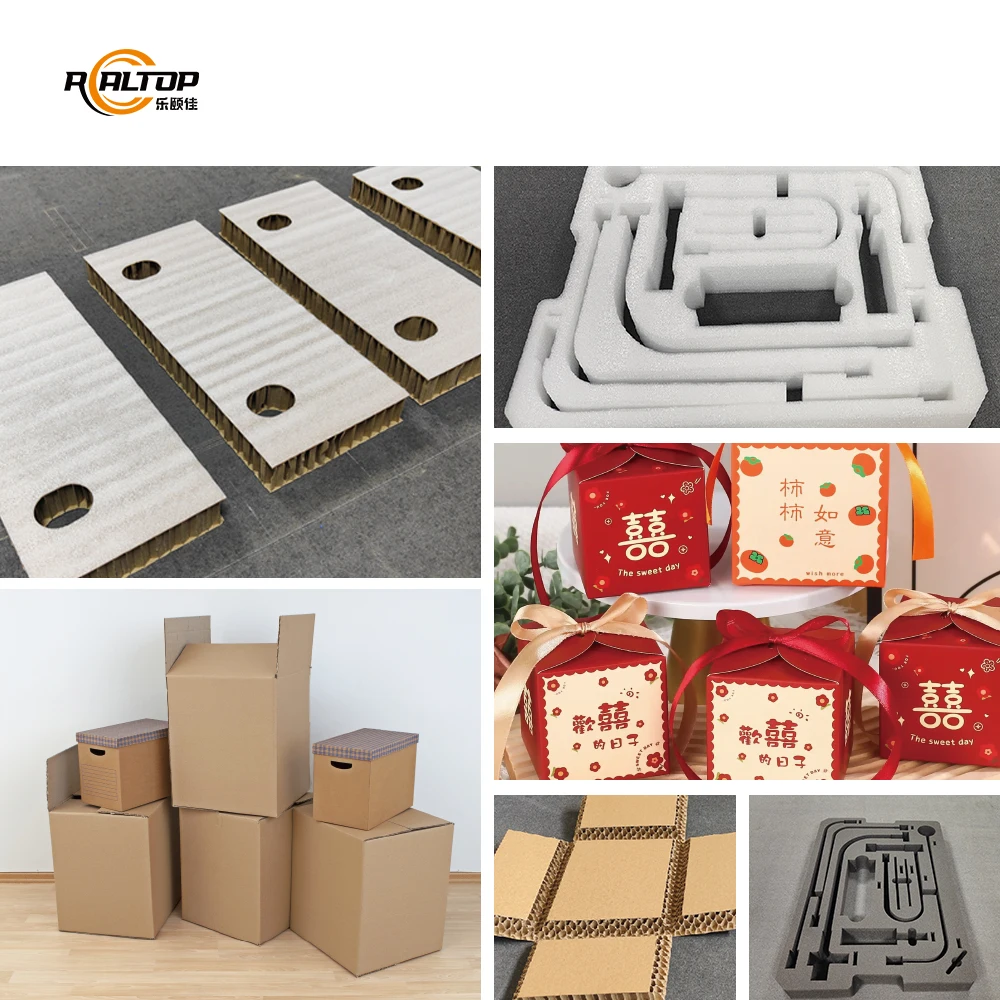
| Packaging sample making | E-flute, B-flute, and BC-flute corrugated cardboard for short-run prototypes replacing die-cut molds |
| Cat scratcher contour cutting | High-density multi-layer corrugated board and EVA foam blocks shaped into curved profiles |
| Protective insert production | EVA, EPE, and PU foam die-cut to match product contours inside shipping cartons |
| Display and carton prototyping | Greyboard, cardstock, art paper, and specialty paper folded and creased for retail packaging |
| Gasket and seal cutting | Rubber mats, PTFE sheets, and adhesive-backed composites for industrial sealing applications |
Why Corrugated Density Decides Your Tool Head Before Anything Else
A machine rated only by working area will fail the moment it meets high-density multi-layer corrugated.
I have watched buyers receive a flatbed cutter that performed well on standard single-wall board during the factory demo, only to discover it tears through the face paper on BC-flute or leaves crushed cores on dense cat scratcher stock. The oscillating knife that slices cleanly through E-flute at production speed will stall or deflect on triple-wall corrugated when the tool head lacks the stroke frequency and downward force required. Choosing a CNC oscillating knife cutting machine without specifying the exact flute type, layer count, and daily sheet volume is the fastest route to ragged edges and rejected samples [NEED_CITE: corrugated flute classification standards].
Knife Stroke, Frequency, and Material Response
The 1625 table offers oscillating knife, driven rotary knife, pneumatic knife, and creasing wheel tool heads, each responding differently to corrugated structure. Oscillating knives cut through layered flutes with a high-frequency vertical stroke that shears rather than crushes, keeping the flute profile intact on B-flute and BC-flute board. Driven rotary knives handle continuous curved cuts on EVA foam inserts where the blade must follow tight radii without lifting the material off the table surface. Creasing wheels score fold lines on greyboard and cardstock without penetrating the sheet, preserving structural rigidity for assembled packaging prototypes.
Vacuum Zoning and Small Part Hold-Down
The aluminum bellows vacuum table on the 1625 delivers full-surface adsorption across the 1600 × 2500 mm work area, but flat holding becomes critical when cutting small die-cut packaging components. Without adequate zoning, a 9 kW vacuum pump pulls air evenly across the entire bed, meaning a small carton blank in one corner receives the same suction as an empty zone on the opposite side. Proper zoning directs suction only beneath the sheet being processed, preventing lift on lightweight art paper and thin PVC sheets during high-speed contour passes. This is where CNC oscillating knife cutting machine specifications must account for the smallest part in your nesting layout, not just the largest sheet [NEED_CITE: vacuum hold-down principles for flatbed digital cutting].
Reading the Spec Sheet Against Your Material Stack
Cutting accuracy of ±0.1 mm depends on the servo drive system and the rigidity of the gantry during direction changes. Panasonic, Delta, and Dorna servo options are available, each offering different torque curves that affect corner sharpness on intricate packaging geometry. The PLC control panel integrates dedicated packaging box structure design software, allowing operators to import PLT, DXF, AI, and PDF files directly into the nesting workflow without exporting to a third-party nesting program. Cutting thickness is listed at ≤ 40 mm, but that figure only applies when material density, tool head selection, and cutting speed are all aligned — a 40 mm EVA foam block cuts differently from a 40 mm stack of BC-flute corrugated, and the tool configuration must reflect that difference before the first sheet is loaded.
The Cost of Skipping the Sample Cut
Buyers who approve a configuration based on working area alone often discover the gap when their first production run shows crushed foam cores, delaminated corrugated faces, or creasing lines that crack rather than fold. A driven rotary knife specified for foam may leave burrs on rubber gasket material, and a creasing wheel set for cardstock will fail to score thick greyboard cleanly. These mismatches do not appear on the spec sheet — they appear on the factory floor after the machine is installed and the buyer’s own material is loaded [NEED_CITE: tooling selection for oscillating knife cutting systems].
Why the Build Matters at This Specification Level
In-house design and production at our Jinan facility covers both knife tooling and table construction, so the tool head configuration is engineered alongside the vacuum table layout rather than sourced separately. Every 1625 leaves the assembly floor with a tool head and table configuration list that documents which knife type, stroke setting, and vacuum zone map matches the buyer’s material stack. Sample cutting on the buyer’s own corrugated, foam, or specialty paper is completed before shipment, generating a cutting report that records edge quality, achievable thickness, and cycle time on the actual material the machine will process in production. Voltage is confirmed against the buyer’s facility supply — 110V, 220V, or 380V — and the control language is set before the PLC panel is wired. Software compatibility is verified by importing the buyer’s existing PLT, DXF, AI, or PDF nesting files into the dedicated packaging design software during the factory test. CE documentation is prepared where applicable for the destination market.
Documentation & Verification
- Sample cutting report on buyer’s corrugated or foam material confirming edge quality before dispatch
- Tool head and vacuum table configuration list matched to buyer’s flute type and part geometry
- Electrical schematic and voltage confirmation document matching facility supply at destination
- Software licence and file format compatibility note for PLT, DXF, AI, and PDF workflows
- Factory test record with cutting accuracy measurement on buyer’s specified material
- Operation and maintenance manual with language option confirmed before shipment
Installation, Commissioning & Support
- Machine footprint of 3300 × 2100 mm requires level concrete floor with clearance for sheet loading on all sides
- 9 kW vacuum pump requires dedicated circuit matching confirmed 110V, 220V, or 380V supply
- Gantry and tool head assembly completed on-site with alignment verification against aluminum bellows table flatness
- PLC control panel powered on with language setting, file import test, and servo tuning to buyer’s material
- Operator training covers tool head changeover between oscillating knife, creasing wheel, and milling tool
- Spare parts list includes oscillating knife blades, creasing wheels, and vacuum table seals
What to Include in Your Inquiry
Send the exact corrugated flute type, layer count, foam density, or specialty paper weight you will cut most frequently, along with sheet dimensions and estimated daily volume. Confirm your facility voltage, frequency, and preferred control panel language so the electrical configuration and PLC interface are set before the 1625 leaves the assembly floor.
Frequently Asked Questions
Q: How do I know which tool head to choose for my corrugated flute type?
A: E-flute and B-flute board typically cut cleanly with an oscillating knife at standard stroke frequency, while BC-flute and multi-layer cat scratcher stock require higher downward force and adjusted cutting speed. Creasing wheels handle fold lines on greyboard and cardstock. We run sample cuts on your actual material to confirm the tool head before building the configuration.
Q: What cutting thickness can I expect on my specific material?
A: The spec sheet lists ≤ 40 mm, but real achievable thickness depends on material density, flute structure, and the tool head selected. A 40 mm EVA foam block and a 40 mm BC-flute corrugated stack demand different configurations. We verify cutting depth and edge quality on your material sample and document the result before order confirmation.
Q: Will the vacuum table hold small packaging parts during high-speed cutting?
A: The aluminum bellows vacuum table provides full-surface adsorption across the 1600 × 2500 mm area, and zoning directs suction beneath the active sheet rather than across the entire bed. We review your nesting layout to confirm the smallest part in your production mix will stay flat without lift during contour passes.
Q: Which voltage and control language will be configured for my facility?
A: The 1625 is configurable for 110V, 220V, or 380V, and the PLC control panel language is set before shipment from options including English, Russian, Italian, and Chinese. We confirm your facility supply specifications and preferred language during the order process and document both in the electrical schematic before dispatch.


商品评价
Clear filtersThere are no reviews yet.