


Fast Shipping
Carrier information

20k products
Payment methods

24/7 Support
Unlimited help desk

2-day Delivery
Track or off orders
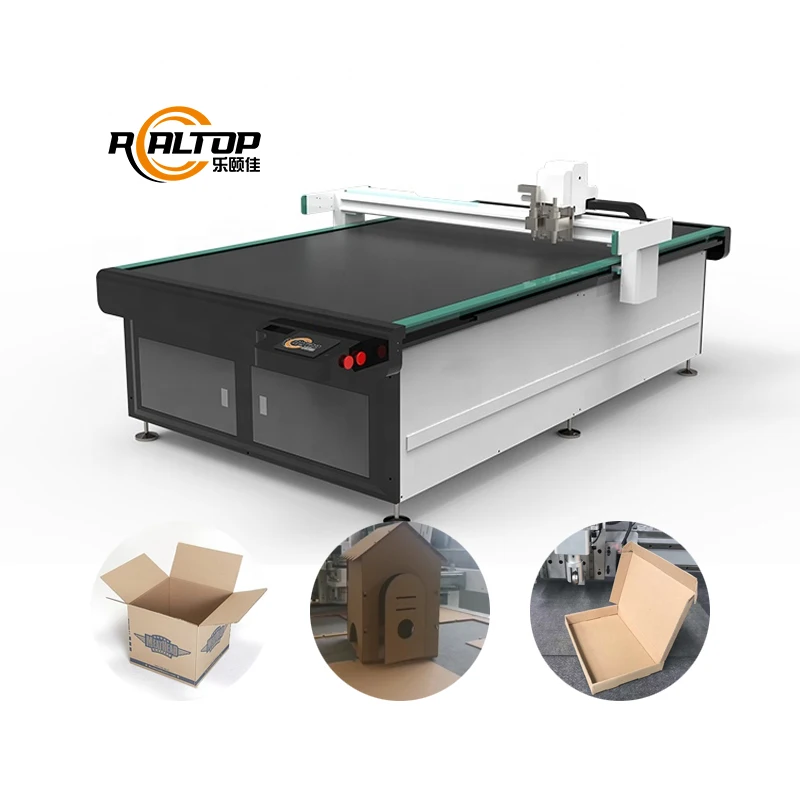
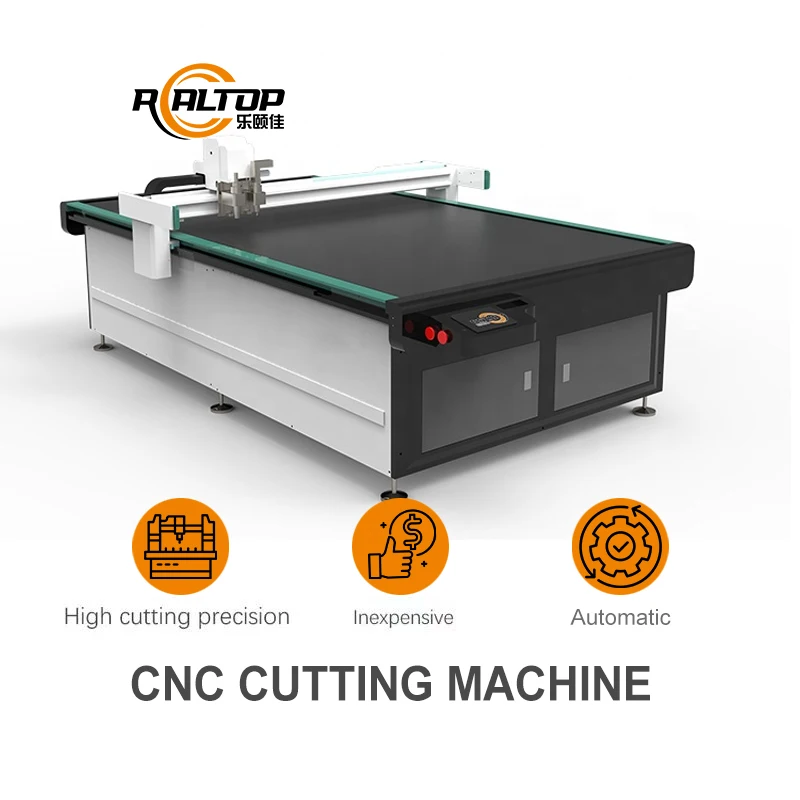
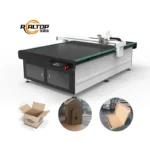
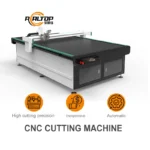
Configurable Knife and Table Setup — RT-D2516/RT-S2516 oscillating knife cutting table specified per board grade and flute profile rather than sold on working area alone.
Technical Specifications
| Parameter | Value |
|---|---|
| Product Type | CNC Oscillating Knife Cutting Table |
| Model | RT-D2516/RT-S2516 |
| Working Area | 1600 × 2500 mm |
| Machine Size | 3450 × 2300 × 1250 mm |
| Rated Power | 9 kW |
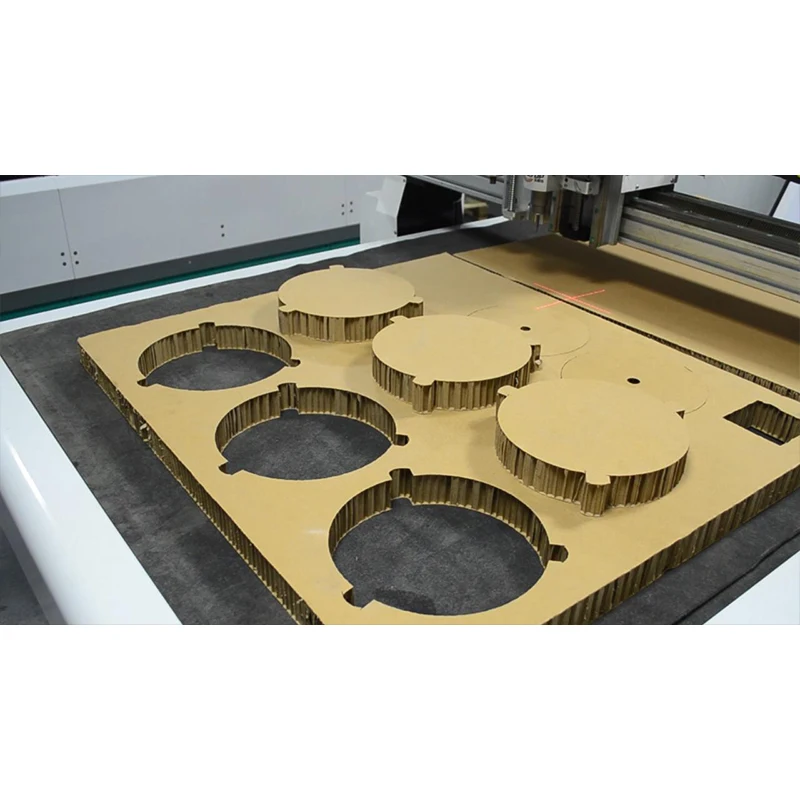
| Table Type | Aluminum alloy honeycomb vacuum adsorption platform |
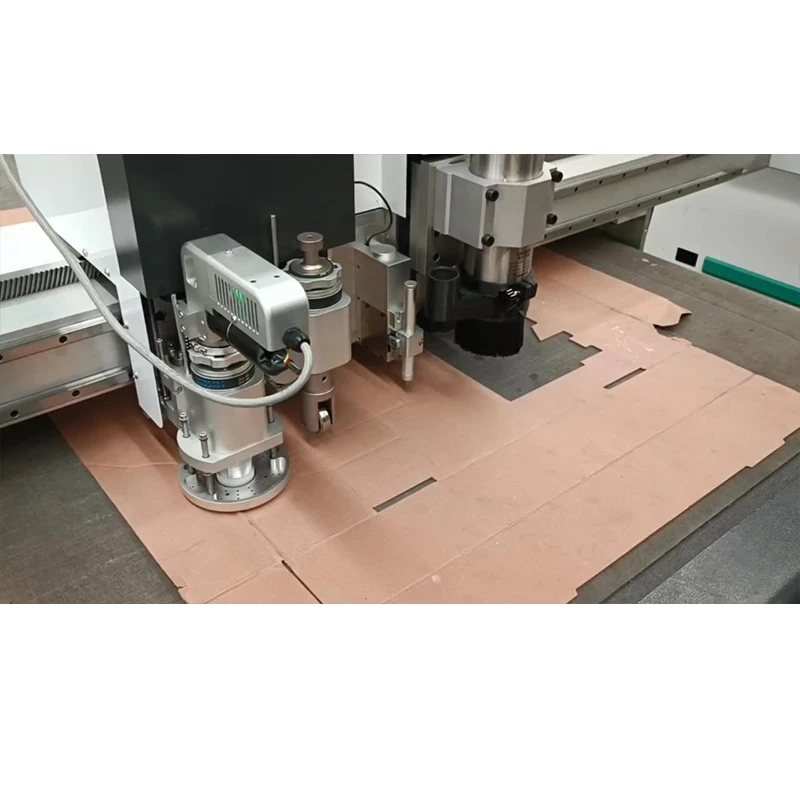
| Tool Head Type | Swiss imported knife with vibration full cutting, half cutting and cursor location |
| Translational Velocity | 800 – 1200 mm/s |
| Cutting Speed | 200 – 800 mm/s (varies with material) |
| Repeated Accuracy | ≤ 0.1 mm |
| Transmission System | Digital servo motor, linear guide, synchronous belt, ball screw |
| Guide Rail | Taiwan Hiwin rail |
| Servo Motor | Delta servo motor |
| Vacuum Pump | 7.5 kW |
| Instruction System | HP-GL compatible format |
| Voltage | 380V ± 10% |
| Safety Device | Infrared sensors |
| Control Language | English, Russian, Italian, Chinese (special languages customizable) |
| Feed System | Auto feeding with Germany imported conveyor belt |
| Standards | CE |
Application Suitability
| Application | Material or Output |
|---|---|
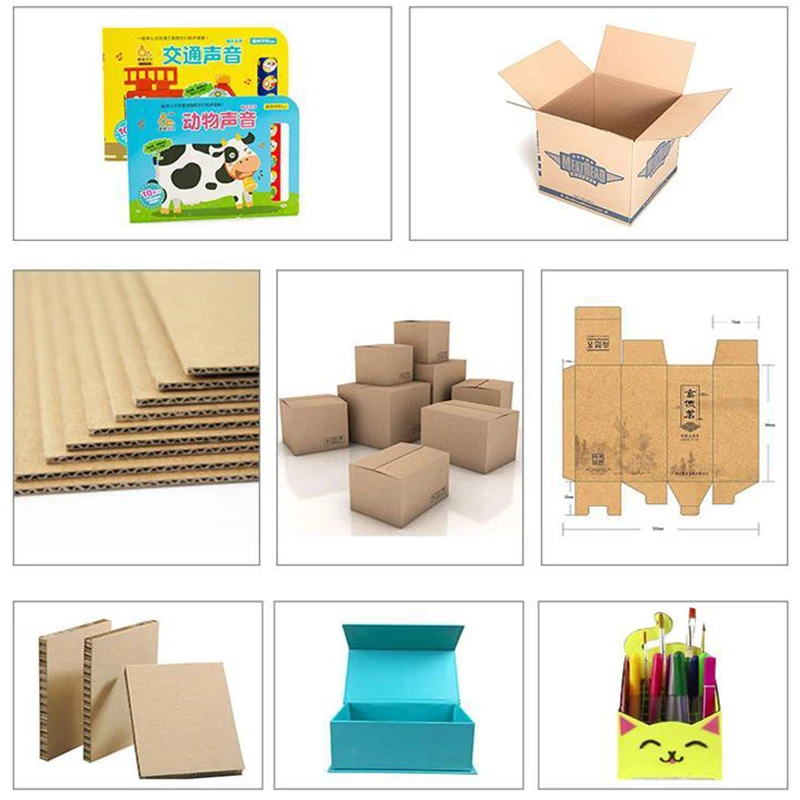
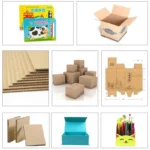
| Carton box packaging manufacturing | Corrugated board, single-face and double-wall flute profiles |
| Cardboard and paperboard sample making | Grey board, white card stock and coated paperboard |
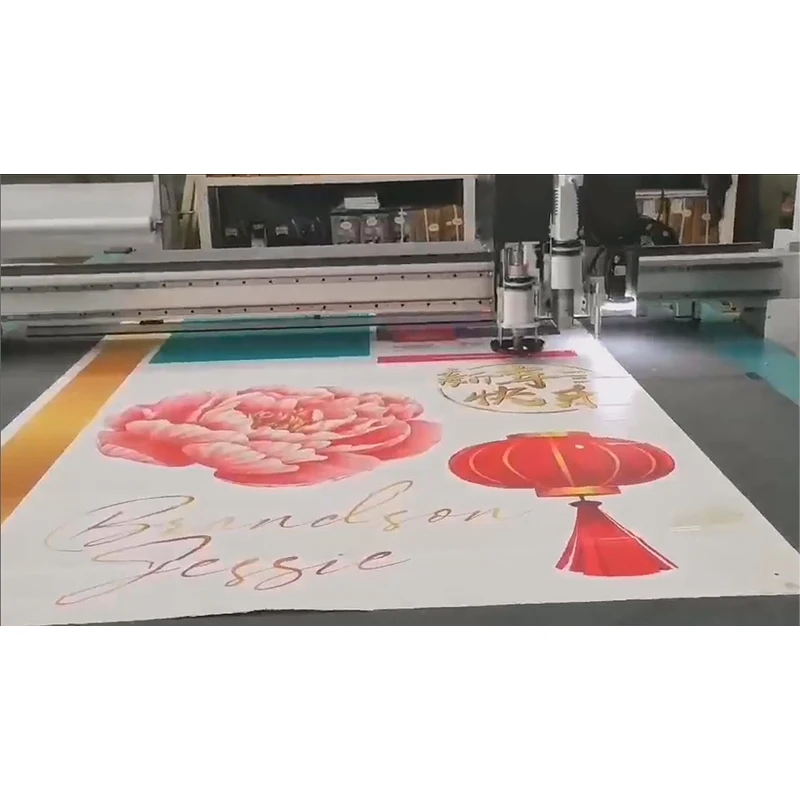
| Sticker and label contour cutting | Self-adhesive vinyl, printed label stock with registration marks |
| Gift box and premium packaging | Laminated paperboard, foil-covered board |
| Large electrical carton packaging | Heavy-duty triple-wall corrugated and honeycomb paperboard |
| Express paper box packaging | E-flute and B-flute corrugated sheets |
Why Board Thickness Alone Does Not Determine the Cutting Method
The correct tool head, vacuum zoning and blade stroke must be matched to the actual flute profile and lamination state, not just the caliper reading.
A packaging buyer often sends a material thickness and expects a machine recommendation based on that single number. In practice, a 3 mm E-flute sheet with a laminated film surface behaves entirely differently under an oscillating knife compared to a 3 mm grey board without coating. The laminate causes the blade to drag, producing frayed edges and delamination if the vibration frequency and downward pressure are not adjusted for that specific composite structure [NEED_CITE: material behavior under oscillating knife cutting conditions]. Specifying a CNC oscillating knife cutting table without a sample cut on the buyer’s own stock is how entire batches of packaging prototypes end up with crushed flutes and rejected edges.
Swiss Tool Head Configuration for Packaging Substrates
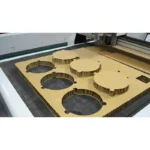
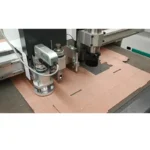
The RT-D2516/RT-S2516 integrates a Swiss imported knife head that performs full cutting, half cutting and cursor location within a single work cycle. For carton sample making, this means the same head can score a crease line and then cut the outline without a tool change, keeping registration tight across complex box templates. The oscillating frequency is adjustable to suit the density of the board, preventing the crushed edges that static drag knives leave on corrugated stock.
Vacuum Zoning That Holds Small Die-Cut Parts Flat
A 7.5 kW vacuum pump drives the aluminum honeycomb table, but raw suction is not the point — zone-following control is. When cutting small carton inserts or label shapes, only the active cutting zone draws vacuum, concentrating hold-down force where the blade is working. This prevents lightweight offcuts from lifting into the knife path, which would otherwise cause mis-cuts and material waste [NEED_CITE: vacuum hold-down principles in flatbed digital cutting].
Reading the Specifications Beyond the Working Area
The 1600 × 2500 mm working area accommodates standard packaging sheet sizes, but the engineering choices underneath that surface determine daily cutting quality. Delta servo motors paired with Taiwan Hiwin linear guides deliver ≤ 0.1 mm repeatability, which matters when a box template has multiple score-and-cut passes that must align precisely. The HP-GL compatible instruction system accepts standard packaging design file formats, so nesting software output from existing design workflows imports without file conversion. Translational velocity reaches 800 – 1200 mm/s for rapid positioning between cuts, while actual cutting speed ranges from 200 – 800 mm/s depending on board density and thickness.
The Hidden Cost of a Misconfigured Cutting Table
A buyer who selects a cutting table based on price and working area often discovers the real cost after installation. If the vacuum zoning is not configured for the actual part sizes being produced, small packaging components lift during cutting and generate scrap that accumulates across every shift. When the tool head lacks the correct oscillating frequency range for laminated board, operators slow the machine down manually to get acceptable edges, cutting throughput in ways that never appear on a specification sheet [NEED_CITE: productivity loss from incorrect tooling configuration]. These issues compound over weeks of production, turning what looked like a good capital decision into a persistent bottleneck.
Why Buyers Source This Equipment From the Builder Directly
In-house design covers both the mechanical frame and the tool head integration, so configuration decisions are made by the same team that assembles the machine. Every RT-D2516/RT-S2516 leaves the Jinan facility with a factory test record run on the buyer’s own material, not a generic demo sheet. Tool head and table configuration is documented per order, listing the exact knife type, creasing wheel and vacuum zone map specified for the buyer’s substrate range. Software compatibility is verified before the machine ships, confirming that the buyer’s nesting workflow and file formats import correctly. Voltage, plug type and control language are locked in at the order stage so the machine matches the facility on arrival.
Documentation & Verification
- Machine specification sheet listing confirmed tool head and vacuum zone configuration
- Electrical schematic with voltage and frequency matched to buyer facility
- Factory test record cut on buyer’s own board grade and flute profile
- Sample cutting report documenting edge quality and dimensional accuracy
- Software licence and file format compatibility note for nesting workflow
- Operation and maintenance manual with control language as specified
Installation, Commissioning & Support
- Floor space planning for 3450 × 2300 mm machine footprint plus material feed clearance
- Dedicated 380V ± 10% circuit with capacity for 9 kW machine plus 7.5 kW vacuum pump
- Assembly and leveling on-site with Hiwin rail alignment verification
- First-article cutting run on buyer’s production board to validate tool head parameters
- Operator training on HP-GL file import, nesting and vacuum zone adjustment
- Spare parts list covering Swiss knife blades, conveyor belt segments and sensor units
What to Prepare Before Requesting a Quotation
Send the specific board grades, flute profiles and any lamination details you run in daily production, along with typical sheet sizes and the range of box template dimensions. Confirm your facility voltage and frequency, the control language your operators need, and whether your current design software outputs HP-GL or another format. If you have short-run sample work with frequent design changes, note your average daily file count so the nesting workflow can be reviewed before the machine is configured.
Frequently Asked Questions
Q: How do I match the tool head type to my board thickness and flute profile?
A: Oscillating knife heads work across corrugated, grey board and laminated paperboard by adjusting vibration frequency and stroke depth. Flute profile matters as much as thickness — E-flute and B-flute respond differently to the same blade settings. We run a sample cut on your actual board before confirming the tool head configuration, so the edge quality and crease definition are verified on the substrate you will produce on daily.
Q: How is vacuum table zoning configured for small die-cut parts that tend to lift?
A: The aluminum honeycomb platform divides into independently controlled zones. During cutting, only the zone directly under the tool head draws full vacuum, concentrating hold-down force on the active area. This approach keeps small packaging inserts and narrow label strips flat without requiring a full-table vacuum draw, which reduces power consumption and prevents offcut migration into the blade path.
Q: What software file formats and nesting workflows are supported?
A: The HP-GL compatible instruction system imports standard packaging design outputs. Before order confirmation, we verify compatibility with your specific nesting software and file export format to ensure templates, score lines and cut paths transfer correctly. If your workflow uses a proprietary format, we test the import chain during the sample cutting stage and document the result in the compatibility note shipped with the machine.
Q: What voltage, plug and control language options are confirmed before shipment?
A: The standard supply is 380V ± 10%, but voltage and plug configuration are confirmed against your facility electrical specification at the order stage. Control language is selectable from English, Russian, Italian and Chinese, with special languages customizable. All three — voltage, plug and language — are recorded on the electrical schematic and specification sheet so there are no mismatches when the RT-D2516/RT-S2516 arrives on your floor.


商品评价
Clear filtersThere are no reviews yet.