



Fast Shipping
Carrier information

20k products
Payment methods

24/7 Support
Unlimited help desk

2-day Delivery
Track or off orders
Tool Head Matching Per Material — Every oscillating knife cutting configuration starts with a sample test on the buyer’s own corrugated flute type, foam density, or composite layup before we lock in the specification.
Technical Specifications
| Parameter | Value |
|---|---|
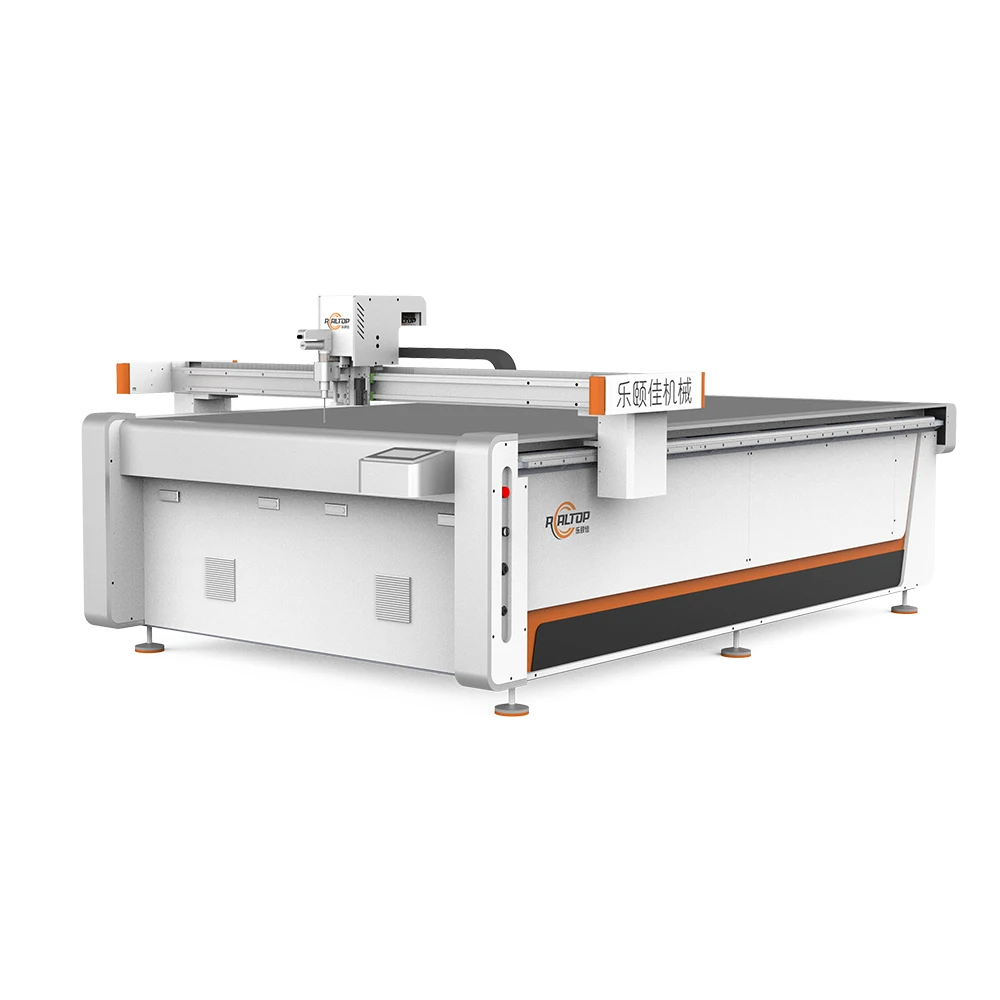
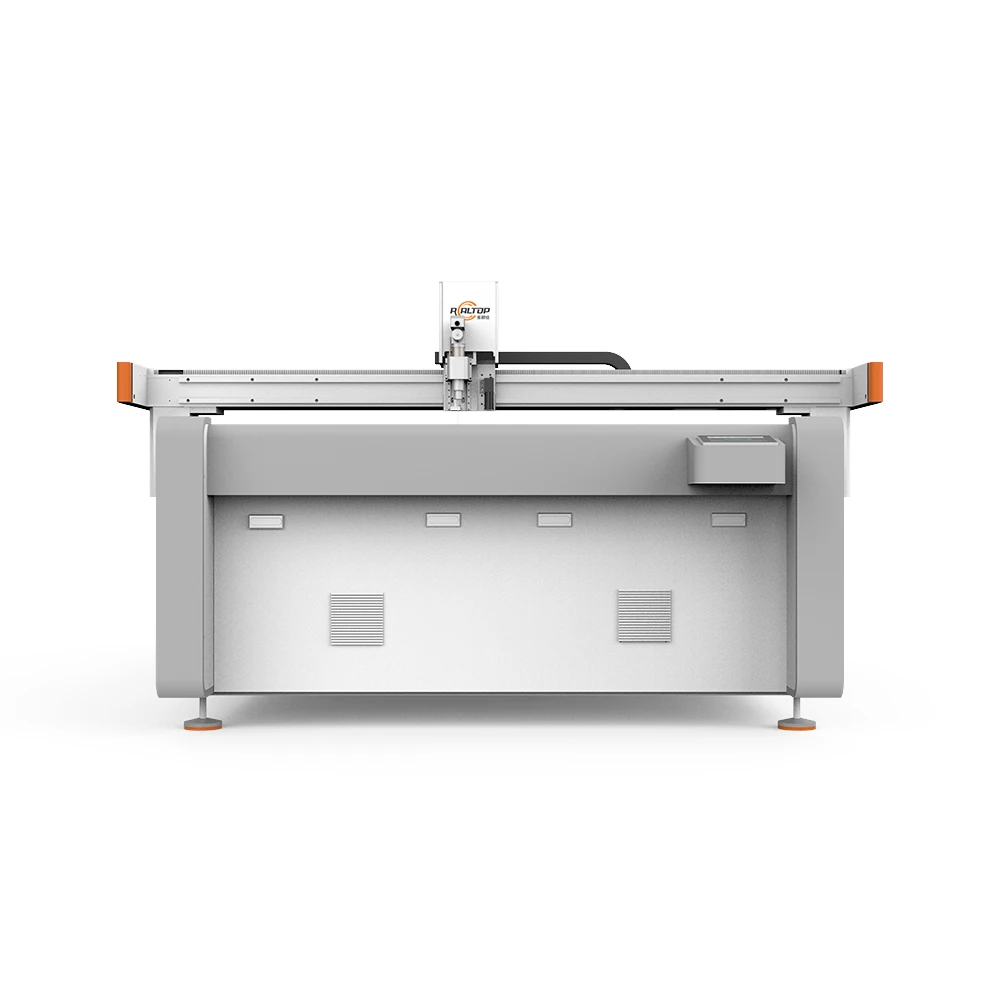
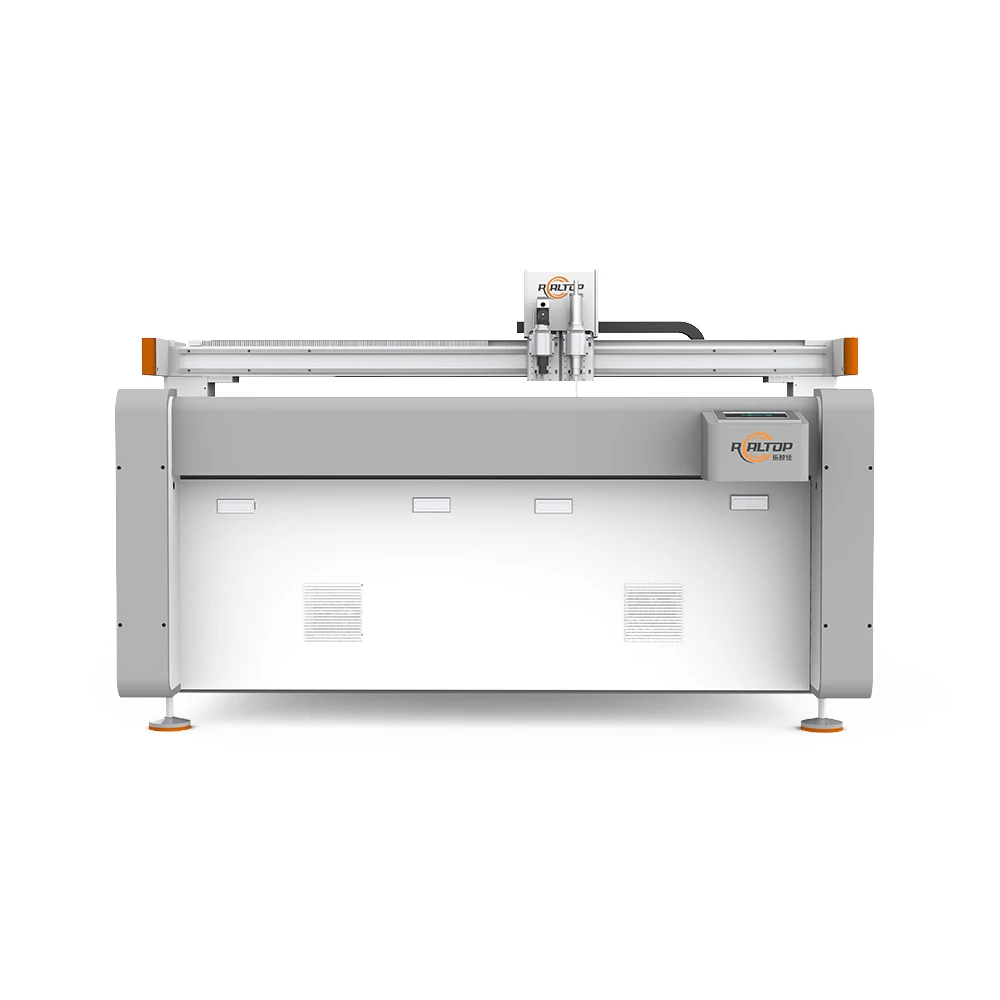
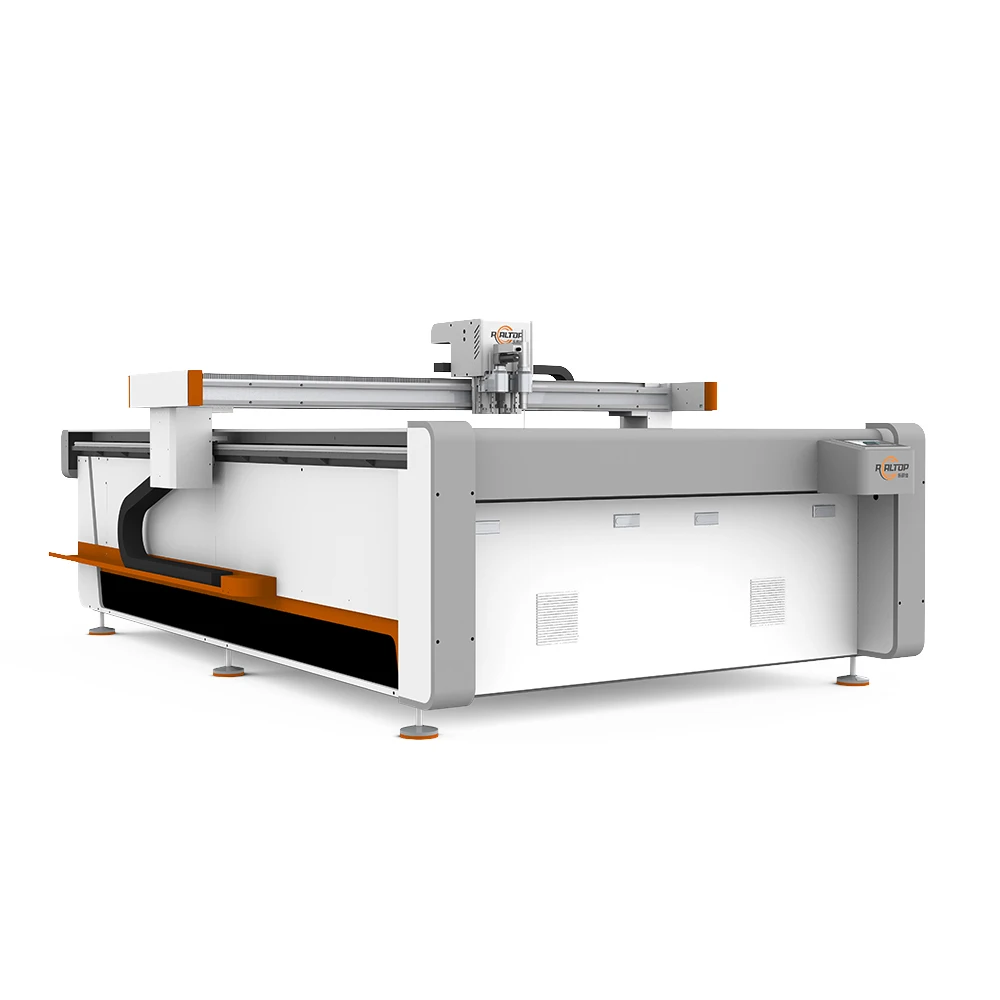
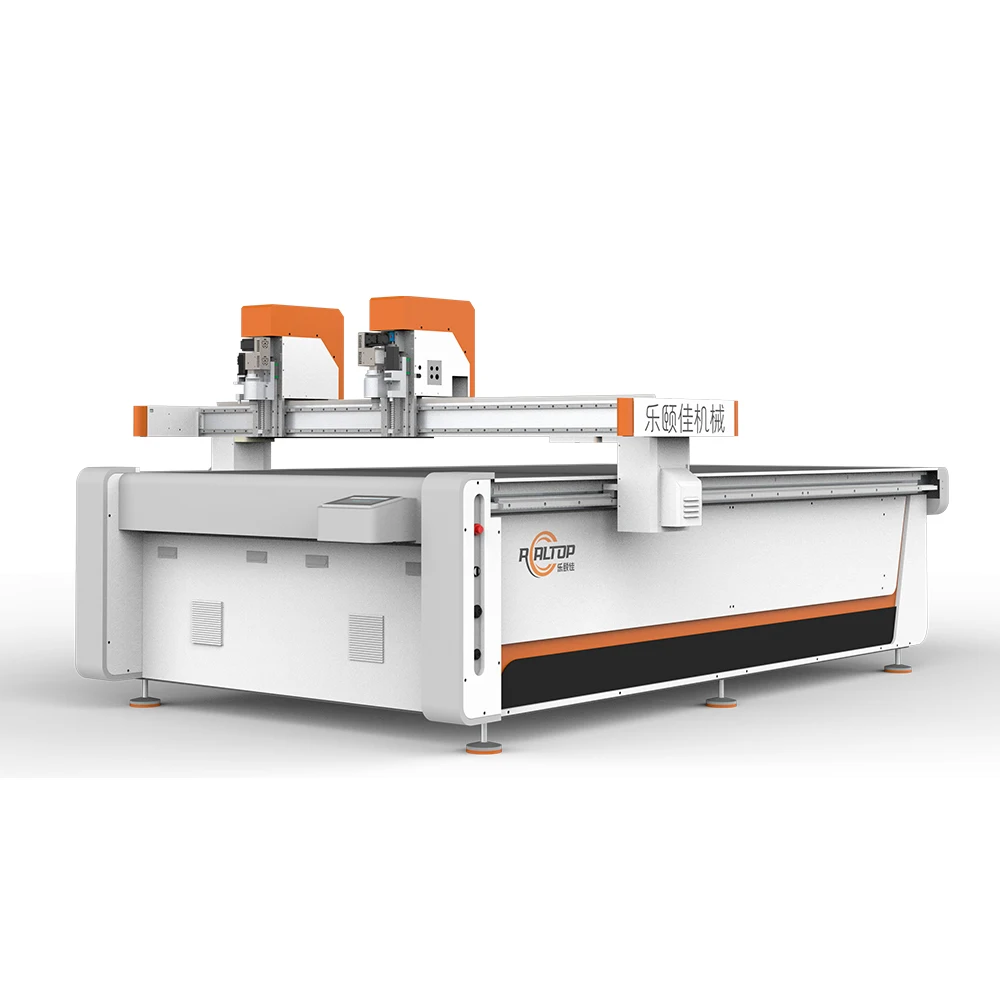
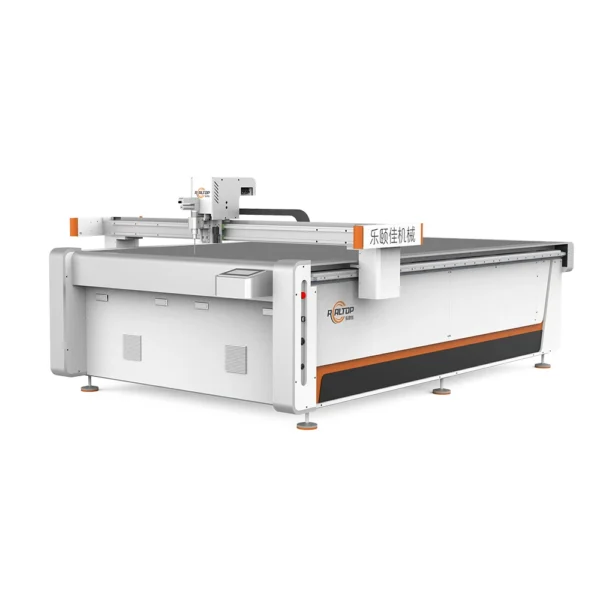
| Product Type | CNC Oscillating Knife Cutting Machine |
| Working Area | 1600 × 2500 mm |
| Tool Head Options | Oscillating knife, Driven rotary knife, Creasing wheel, Kiss cutting tool, Pneumatic knife, Milling tool, V groove knife |
| Cutting Speed | 0–1500 mm/s |
| Maximum Cutting Thickness | ≤ 40 mm (material dependent) |
| Cutting Accuracy | ±0.1 mm |
| Vacuum Pump | 9 kW |
| Vacuum Table | Aluminum bellows vacuum table |
| Control System | PLC control panel |
| Supported File Formats | PLT, DXF, AI, PDF |
| Voltage Options | 110V, 220V, 380V (configurable) |
| Servo Motor Options | Panasonic, Delta, Dorna |
| Safety Features | Infrared sensor device, emergency stop device |
| Language Options | English, Russian, Italian, Chinese (special languages customizable) |
| Machine Dimensions | 3300 × 2100 × 1350 mm |
| Certification | CE |
Application Suitability
| Application | Material or Output |
|---|---|
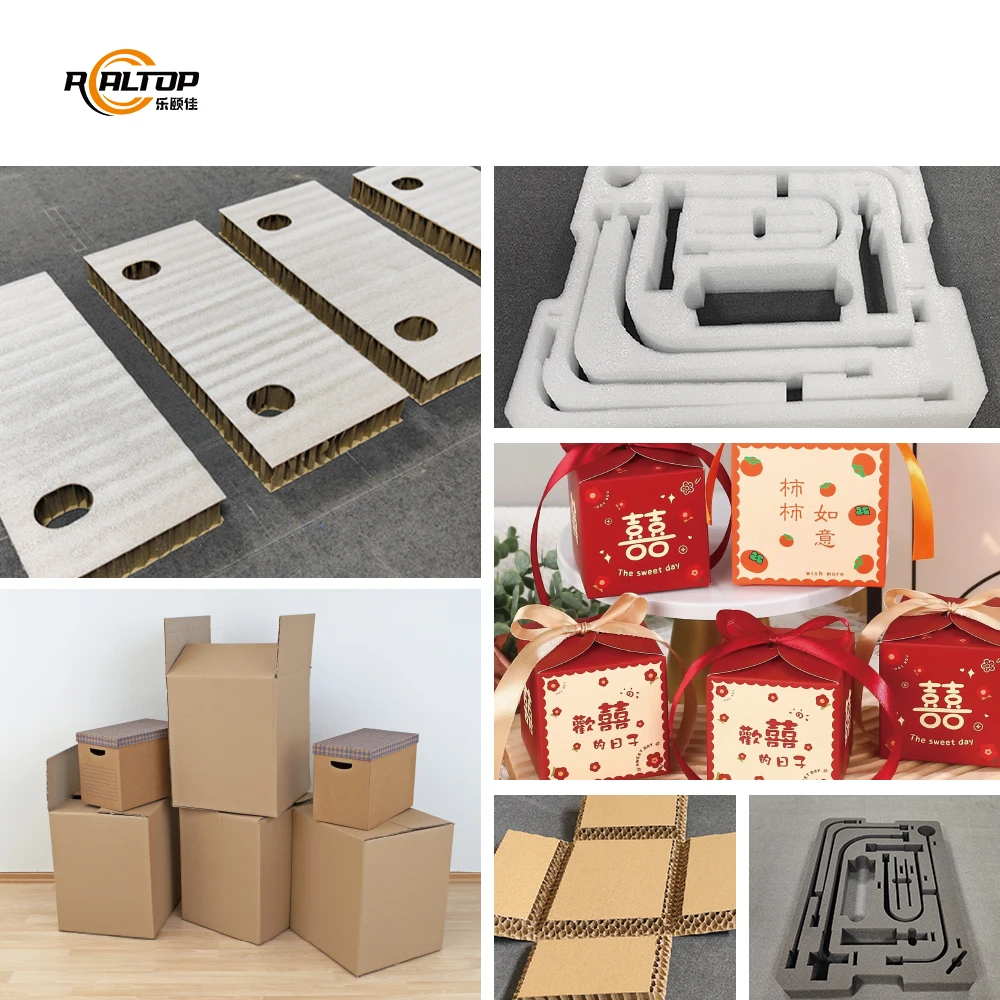
| Packaging sample making | E-flute, B-flute, BC-flute corrugated cardboard, greyboard, cardstock |
| Protective insert fabrication | EVA, EPE, PU foam, rubber mats at varying densities |
| Specialty paper converting | Art paper, velvet/fleece fabric, non-woven fabric sheets |
| Gasket and seal production | PTFE, rubber, composite sheet materials |
| Leather and soft goods cutting | Leather, synthetic leather, adhesive-backed materials |
| Thin plastic processing | PVC, PET sheets for packaging and display applications |
Why Material Thickness Claims Often Fail at Production Speed
Matching the tool head to your exact flute profile and cutting depth is the only way to guarantee edge quality across an entire run.
I have walked into packaging sample rooms where the board shows crushed edges on B-flute and delamination on BC-flute after just a few dozen cuts. The operator blames the software or the feed rate, but the real problem usually sits in the tool holder — a knife geometry chosen for general-purpose work rather than the specific material being processed. When a buyer specifies a CNC oscillating knife cutting machine based on table size alone, the thickness handling and edge finish often fall short once production volume increases [NEED_CITE:].
How Tool Head Selection Determines Cut Quality on Corrugated Board
Choosing between an oscillating knife and a pneumatic knife depends on the flute structure and whether the board is single-wall or double-wall. For E-flute corrugated cardboard used in retail packaging, an oscillating knife running at higher frequency delivers a clean edge without compressing the flute profile. For thicker BC-flute materials used in protective transit packaging, a pneumatic knife with a longer blade stroke cuts through the full depth without ragged tear-out.
Vacuum Table Zoning and Small-Part Holding Force
The aluminum bellows vacuum table with a 9 kW pump provides strong adsorption across the working area, but holding small die-cut shapes flat requires attention to zone configuration. When a packaging sample contains internal cutouts and narrow flaps, material lift during high-speed cutting produces dimensional drift that accumulates across a sheet. Confirming the vacuum zoning layout against the typical nesting pattern prevents rework and scrap [NEED_CITE:].
Reading the Specification Sheet Beyond Working Area
The 1600 × 2500 mm working area defines maximum sheet size, but the parameters that govern daily output quality are cutting accuracy at ±0.1 mm, servo drive response, and the available tool head range. Servo motor options include Panasonic, Delta, and Dorna, and each carries different response characteristics for high-frequency direction changes during intricate box geometry. The PLC control panel processes PLT, DXF, AI, and PDF files, which covers the standard outputs from packaging design software like ArtiosCAD and AutoCAD. Voltage configurability across 110V, 220V, and 380V means the electrical system can be matched to the destination market before the machine leaves the factory, avoiding transformer work on site.
The Cost of Skipping the Sample Cut Step
When a configuration is locked in without testing on the buyer’s actual material, the consequences surface during the first production week. Crushed flutes on corrugated board mean the sample does not fold cleanly along the crease line. Foam inserts cut with the wrong knife angle show compressed edges that do not seat properly in the carton. Adhesive-backed materials tear instead of kiss-cutting, leaving backing paper damage that ruins the entire sheet [NEED_CITE:].
Why This Configuration Approach Works
The in-house design team covers both knife and laser cutting technologies, so the cutting method is matched to the material rather than forced into a single process. Tool head and table configuration are specified per material type, thickness, and production volume rather than sold as a standard package. A sample cutting report on the buyer’s own corrugated board or foam is completed before the order is confirmed, documenting edge quality, achievable thickness, and cycle behavior. Software file format compatibility is verified against the buyer’s existing design workflow, and voltage, language, and control specifications are documented in the electrical schematic before shipment begins.
Documentation & Verification
- Machine specification sheet listing confirmed tool heads for your material range
- Electrical schematic with voltage and frequency matched to your facility
- Sample cutting report on your corrugated flute type and foam density
- Software licence and file format compatibility note for PLT, DXF, AI, PDF
- Factory test record documenting cutting accuracy across the working area
- Operation and maintenance manual in the confirmed control language
Installation, Commissioning & Support
- Foundation requires level floor capable of supporting 3300 × 2100 mm machine footprint
- Dedicated circuit matching confirmed voltage (110V, 220V, or 380V) with proper grounding
- Machine arrives assembled; vacuum pump and PLC panel require on-site connection
- First-run calibration verifies ±0.1 mm cutting accuracy on your material samples
- Operator training covers tool head changeover and creasing wheel pressure adjustment
- Spare parts list includes oscillating knife blades, creasing wheels, and vacuum seals
What to Prepare Before Requesting a Quote
Send a sample of the corrugated board, foam, or composite material you plan to cut, along with the maximum sheet size and typical nesting layout. Specify the daily volume and whether the output runs as packaging samples or production inserts. Confirm the local voltage and frequency, the preferred control language, and the design software you currently use for box structure files.
Frequently Asked Questions
Q: How do I know which tool head to choose for my corrugated board type?
A: The tool head depends on flute profile and cutting depth. E-flute typically uses an oscillating knife for clean edges, while BC-flute may require a pneumatic knife with longer stroke. We run a sample cut on your actual board to confirm the correct tool head and blade geometry before finalizing the configuration.
Q: What cutting thickness can this machine handle across different materials?
A: The machine cuts up to 40 mm, but real achievable thickness depends on material density and structure. Corrugated cardboard, EVA foam, and rubber each behave differently under the knife. A sample cutting report on your specific material confirms edge quality and depth capability before you commit to an order.
Q: Will small cut-out parts stay flat during high-speed cutting?
A: Holding small parts flat depends on vacuum table zoning and pump capacity. The 9 kW pump on the aluminum bellows table provides strong adsorption, but zone layout must match your typical nesting pattern. We review your most common sheet layout to confirm the zoning configuration suits your production geometry.
Q: Can the system read files from our existing packaging design software?
A: The control system accepts PLT, DXF, AI, and PDF formats, which covers outputs from most packaging design platforms. Before order confirmation, we verify file import compatibility against a sample file from your current workflow to ensure crease lines, cut lines, and dimensions transfer correctly.


商品评价
Clear filtersThere are no reviews yet.