


Fast Shipping
Carrier information

20k products
Payment methods

24/7 Support
Unlimited help desk

2-day Delivery
Track or off orders
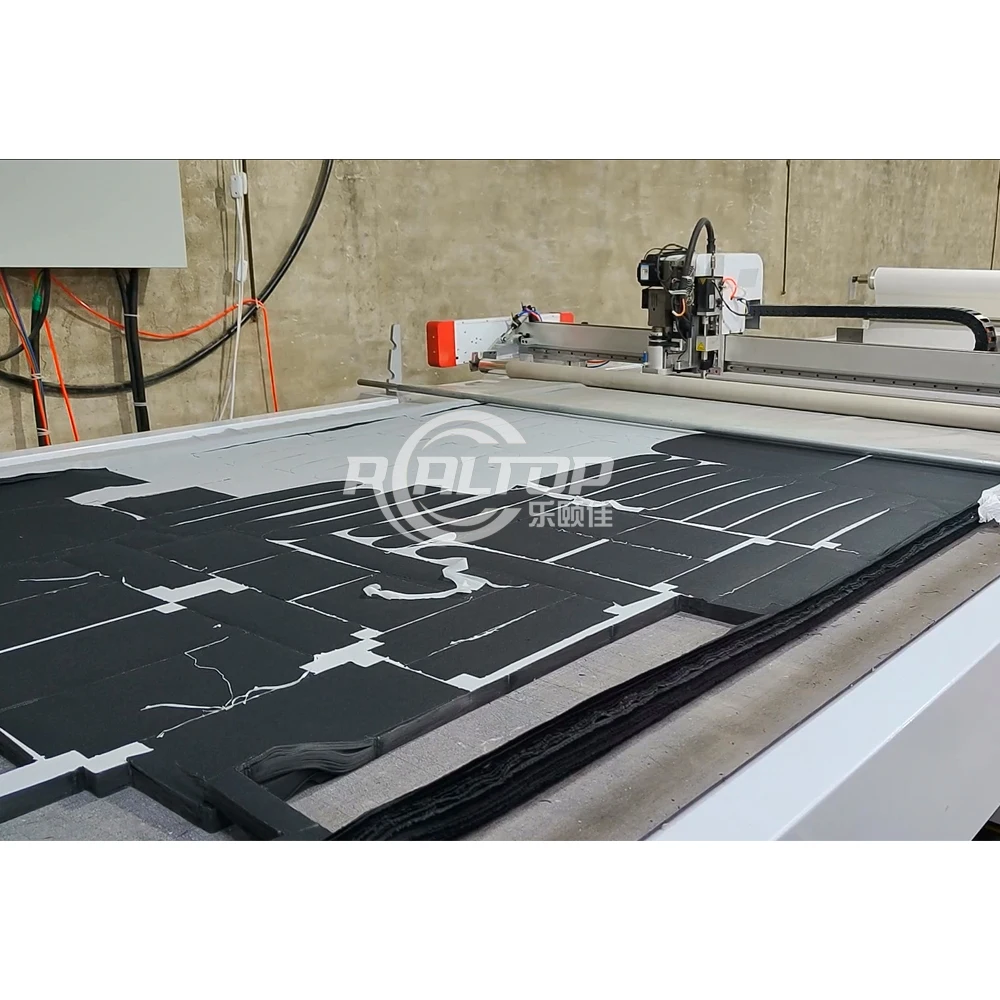
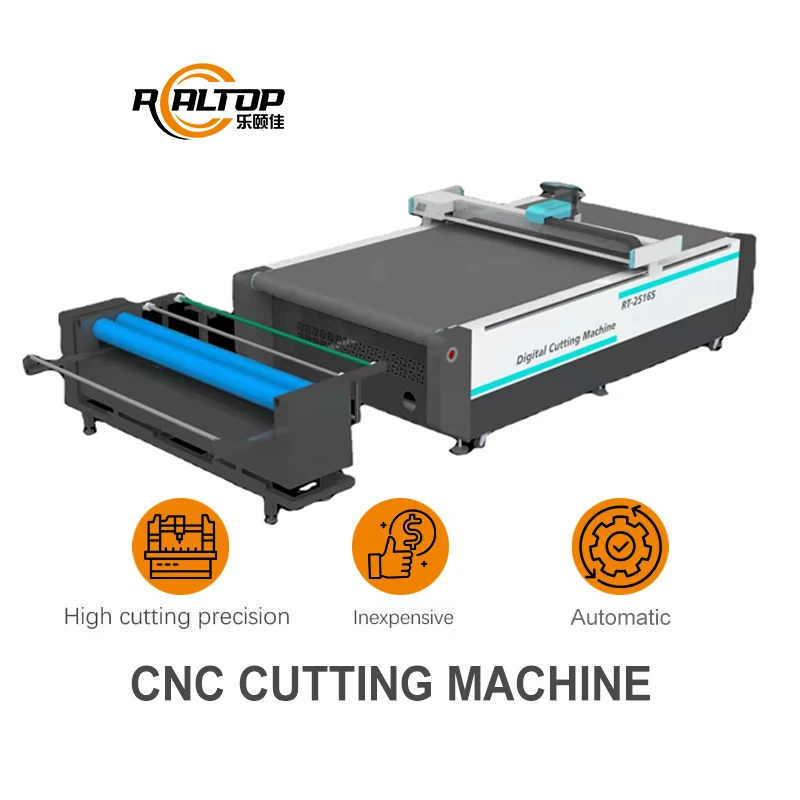
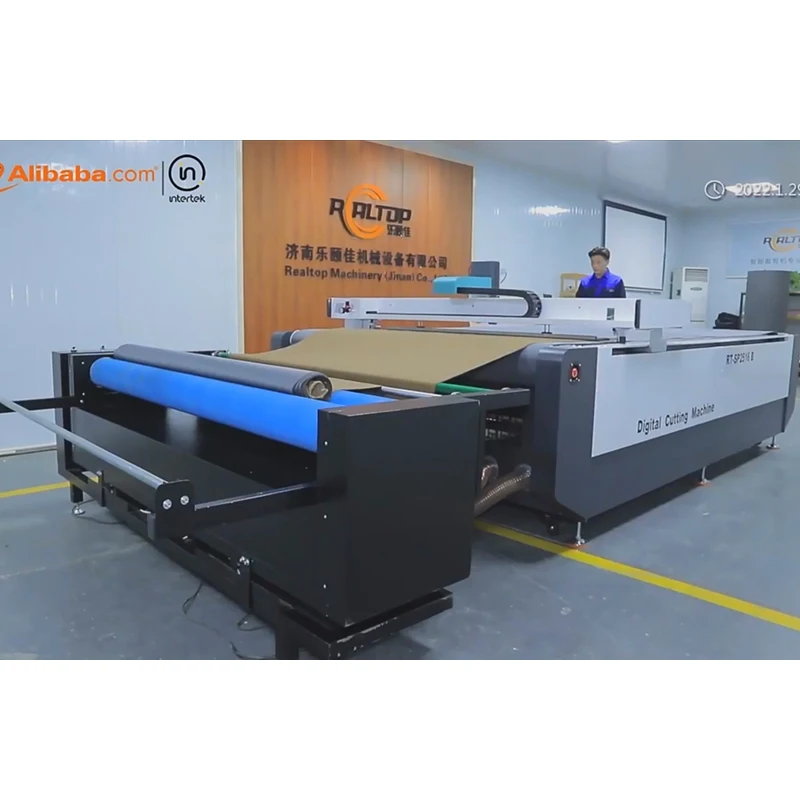
Material-Matched Configuration — The RT-D2516/RT-S2516 CNC oscillating knife cutting machine is specified by tool head, vacuum zoning, and drive layout against your actual fabric or leather sample before order confirmation, not just by working area.
Technical Specifications
| Parameter | Value |
|---|---|
| Model | RT-D2516/RT-S2516 |
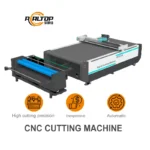
| Product Type | CNC Oscillating Knife Cloth Fabric Cutting Machine |
| Working Area | 1600 × 2500 mm |
| Machine Size (Overall) | 3450 × 2300 × 1250 mm |
| Rated Power | 9 kW |
| Table Type | Flat working table with aluminum countertop |
| Tool Head | Swiss imported oscillating knife — full cutting, half cutting, cursor location |
| Safety Device | Infrared sensors |
| Translational Velocity | 800–1200 mm/s |
| Cutting Thickness | Up to 50 mm depending on material density and structure (basis to be confirmed per sample) |
| Repeated Accuracy | ≤ 0.1 mm |
| Transmission System | Digital servo motor, linear guide, synchronous belt, ball screw |
| Drive Mechanism | Pinion and rack |
| Servo Motor | Delta / Panasonic (configurable) |
| Linear Guide | Taiwan Hiwin rail |
| Table Surface | High-precision aviation aluminum with internal wind-channel structure |
| Table Cloth | High-density felt |
| Vacuum Pump | 7.5 kW |
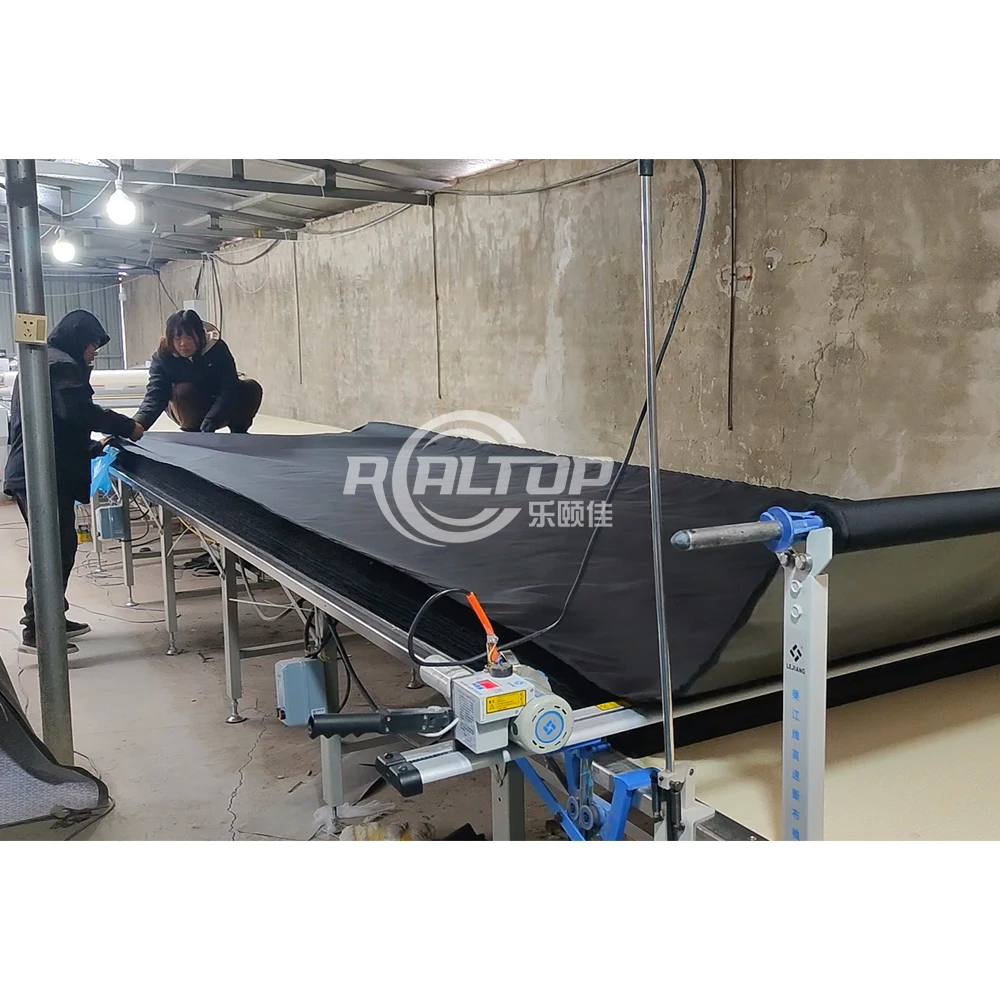
| Auto Feeding | Germany imported conveyor belt |
| Voltage | 380V ± 10% |
| Software / Formats | HP-GL compatible format |
| Language Options | English, Russian, Italian, Chinese, others customizable |
| Lathe Bed Structure | Overall welding, imported milling machine processing |
| Standards | CE (where applicable) |
Application Suitability
| Application | Material or Output |
|---|---|
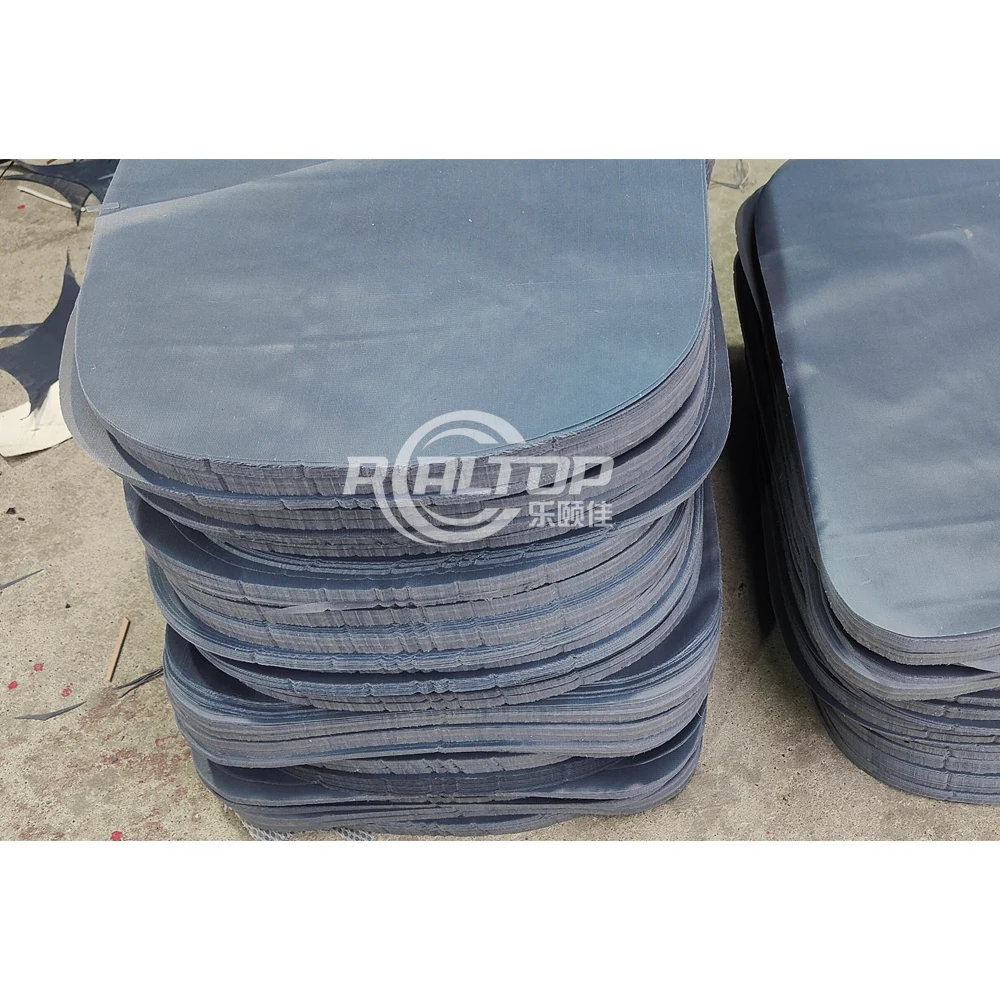
| Garment and footwear production | Single- and multi-layer cotton, polyester, silk, denim, lining fabrics |
| Leather goods manufacturing | Genuine leather, PU leather, sponge composite leather |
| Automotive interior trimming | Automotive upholstery leather, synthetic gasket, soft glass, PVC |
| Home furnishing and soft furnishing | Curtain fabric, upholstery textile, foam-backed composite |
| Bags and luggage production | Nylon, canvas, coated textile, rubber sheet |
| Packaging sample making | Carton, corrugated board, flexible gasket material |
Why "Cutting Thickness Up to 100 mm" Can Mislead Your Production Line
Actual cutting depth depends entirely on material density, layer count, and tool head selection — not a single catalog number.
I have watched buyers choose a CNC oscillating knife cutting machine based on the thickest material claim in a brochure, only to discover that their daily production stock behaves differently under the blade. A 50 mm block of bonded foam compresses under vacuum in a way that solid rubber at the same thickness does not. The vibration frequency that slices cleanly through garment silk may tear a composite leather backing if the wrong knife profile is loaded. Without sample cutting on the exact material you run, any published thickness figure is a starting point for discussion, not a guarantee [NEED_CITE: material compressibility and oscillating knife cutting depth relationships].
Oscillating Knife Versus Drag Knife: Matching Tool Head to Fabric Structure
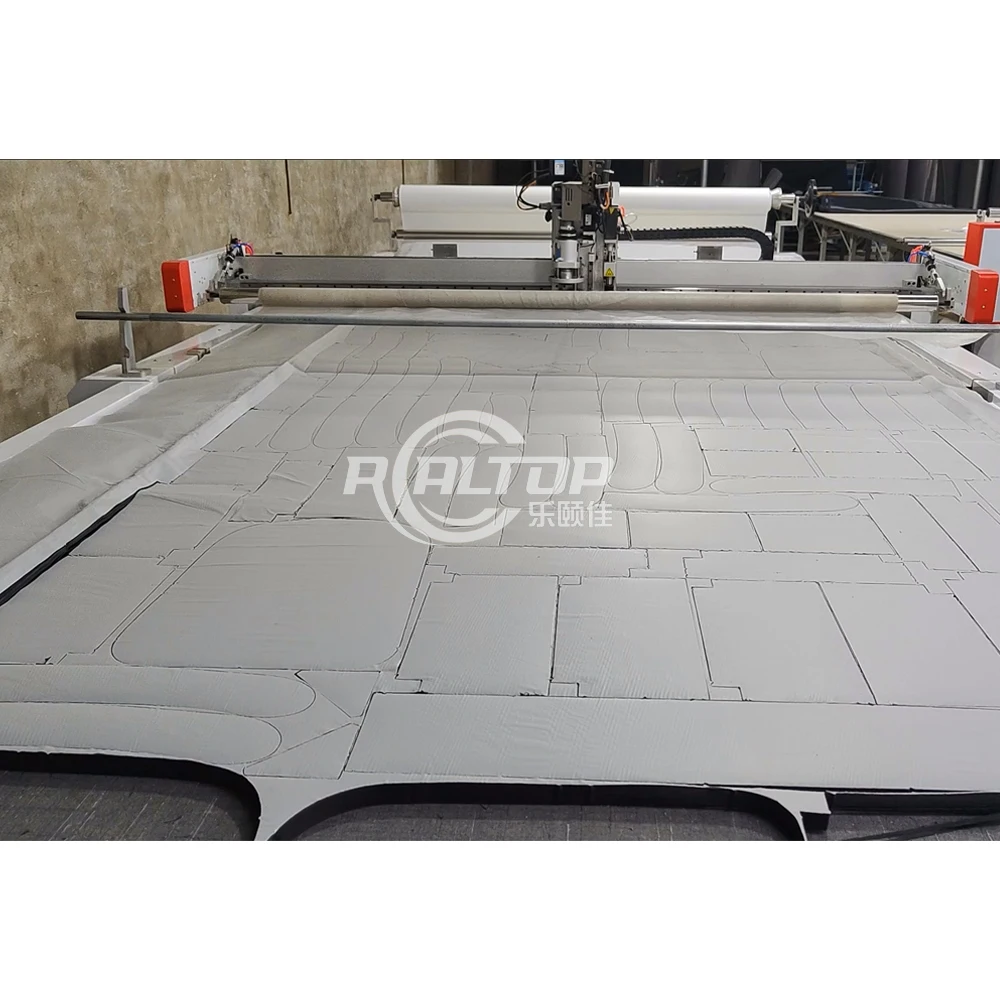
Selecting the right CNC oscillating knife cutting machine for your output begins with identifying which tool head addresses your material. The Swiss imported oscillating head on this table delivers full cutting and half cutting modes, suited to layered textile stacks and sponge composite leather where a drag knife would crush the foam core. For thinner woven fabrics or vinyl sheets, a drag knife or round knife attachment can produce cleaner travel on long contours. The modular tool holder design allows adding a marking pen or creasing wheel later as your product catalog expands.
Vacuum Suction and the Small-Part Problem
Fabric cutting generates offcuts that shift under high-speed tool travel if the table suction is uneven. The 1600 × 2500 mm aviation aluminum countertop here uses an internal wind-channel structure to distribute the 7.5 kW vacuum pump output across zones. High-density felt on the surface seals against irregular textile edges. When cutting small gasket pieces or intricate garment pattern sections, zoned suction prevents lift at the trailing edge of the cut path [NEED_CITE: vacuum table zoning requirements for CNC flatbed cutting].
Transmission Accuracy and Continuous Production Tolerance
The pinion-and-rack drive on Taiwan Hiwin linear rails, paired with Delta or Panasonic digital servo motors, holds repeated accuracy within 0.1 mm across the full working area. For multi-layer fabric cutting where pattern pieces must align through several plies, this tolerance prevents cumulative drift over long cutting runs. Translational velocity between 800 and 1200 mm/s keeps the oscillating blade engaged at production pace without sacrificing edge definition on curved contours.
The Cost of Skipping Material-Specific Configuration
When the tool head, vacuum zoning, and drive calibration are not matched to the buyer’s stock, the consequences show up on the factory floor within days. Ragged edges on composite leather require manual trimming downstream, slowing assembly throughput. Inadequate suction on small parts causes the blade to drag material sideways, producing scrap. Incorrect oscillation frequency on thick bonded foam leaves uncut fibers at the base of the cut, forcing rework. These failures are not machine defects — they are specification gaps that sample cutting before order would have revealed [NEED_CITE: industrial cutting quality loss from misconfigured tool parameters].
Why Source This Machine From This Factory
The in-house design team covers both knife and laser cutting technologies, so a buyer processing both textile and acrylic can match the method to the material rather than force one technology across all product lines. Tool head and table configuration are specified per material type and daily volume, not offered as a fixed package. Software file format compatibility is confirmed against your existing pattern design system before the order is placed. Sample cutting on the buyer’s own fabric, leather, or composite is standard before commitment, validating edge quality and cycle time. Voltage, plug type, and control language are locked in during the quotation stage to prevent on-site installation failure.
Documentation & Verification
- Machine specification sheet listing tool head, vacuum pump rating, and servo configuration for your order
- Sample cutting report on your own fabric or leather stock, showing edge quality and cycle time
- Electrical schematic confirming 380V ± 10% wiring and plug type for your facility
- Software license note and HP-GL file format compatibility confirmation
- Factory test record with repeatability measurement across the full 1600 × 2500 mm working area
- Packing photographs showing machine condition before crate closure
Installation, Commissioning & Support
- Floor space allocation for the 3450 × 2300 mm machine footprint plus operator access clearance
- Dedicated 380V ± 10% circuit rated for the 9 kW total draw, confirmed before shipment
- Table re-leveling and vacuum pump commissioning on the aviation aluminum countertop after arrival
- Servo drive calibration and oscillation frequency tuning on your production material during first run
- Operator training covering tool head changeover, nesting workflow, and HP-GL file import
- Spare parts list covering felt table cloth, knife blades, and vacuum seals for routine maintenance
What to Prepare Before Requesting a Quote
Send the material type, thickness range, and maximum sheet size you process daily, along with your target cutting volume and current nesting software workflow. Specify the local voltage and frequency standard at your facility, plus the control interface language your operators require. If you run printed fabrics that need contour tracking, confirm whether CCD camera positioning is part of your current production method so it can be included in the configuration review.
Frequently Asked Questions
Q: How do I choose between oscillating knife and drag knife for my fabric type?
A: Oscillating knife suits layered textile stacks and composite materials where a drag knife would crush internal foam or backing. For single-layer woven fabric or thin vinyl, a drag knife or round knife can offer cleaner contour travel. The modular tool holder on this table supports both, so the selection is confirmed after sample cutting on your stock.
Q: Why does the cutting thickness claim vary between 50 mm and 100 mm?
A: The achievable depth depends on material density, compressibility under vacuum, and the knife profile used. Bonded foam at 50 mm may cut cleanly while solid rubber at the same depth resists the blade. Sample cutting on your actual material establishes the real working thickness for your production, not a single catalog figure.
Q: What electrical details must I confirm before shipment?
A: Voltage, frequency, plug type, and circuit capacity must match your facility. This machine runs on 380V ± 10% with a 9 kW rated draw. The electrical schematic is confirmed during the quotation stage so that no rewiring or adapter issues arise when the machine arrives on your floor.
Q: Will small fabric parts lift off the table during high-speed cutting?
A: Zoned vacuum suction through the internal wind-channel aluminum countertop, combined with high-density felt, holds small pieces in place. Suction distribution is tested across the 1600 × 2500 mm working area during factory commissioning, specifically on the smallest part size in your pattern file.
Q: Can my existing pattern files import without conversion loss?
A: The system accepts HP-GL compatible format. Your current nesting software and file format are reviewed before order so that data conversion issues are resolved in advance. If your workflow uses a different format, software compatibility is confirmed or an alternative import path is arranged.


商品评价
Clear filtersThere are no reviews yet.