

Fast Shipping
Carrier information

20k products
Payment methods

24/7 Support
Unlimited help desk

2-day Delivery
Track or off orders
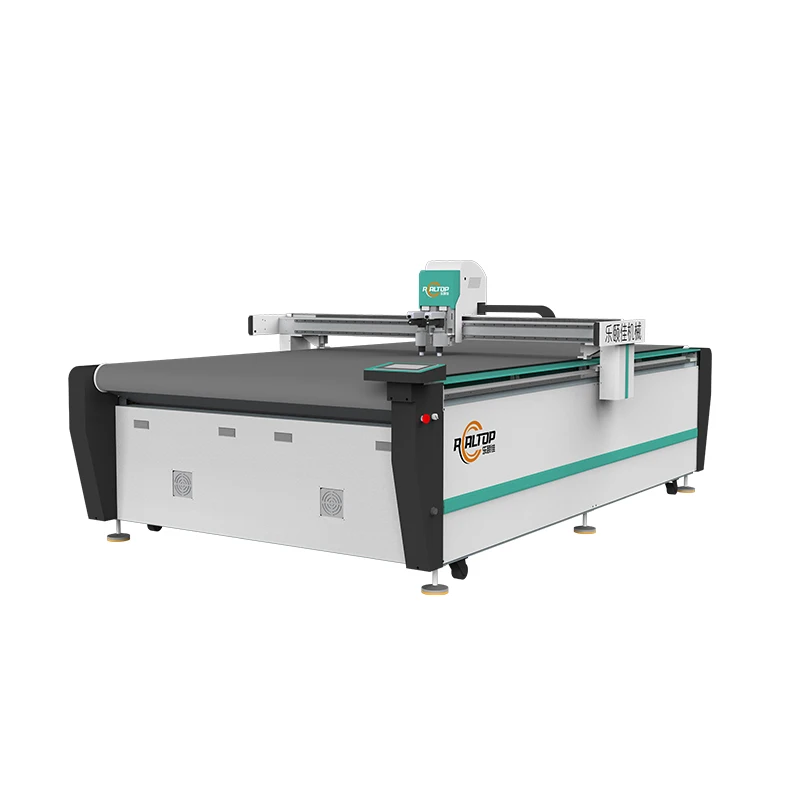
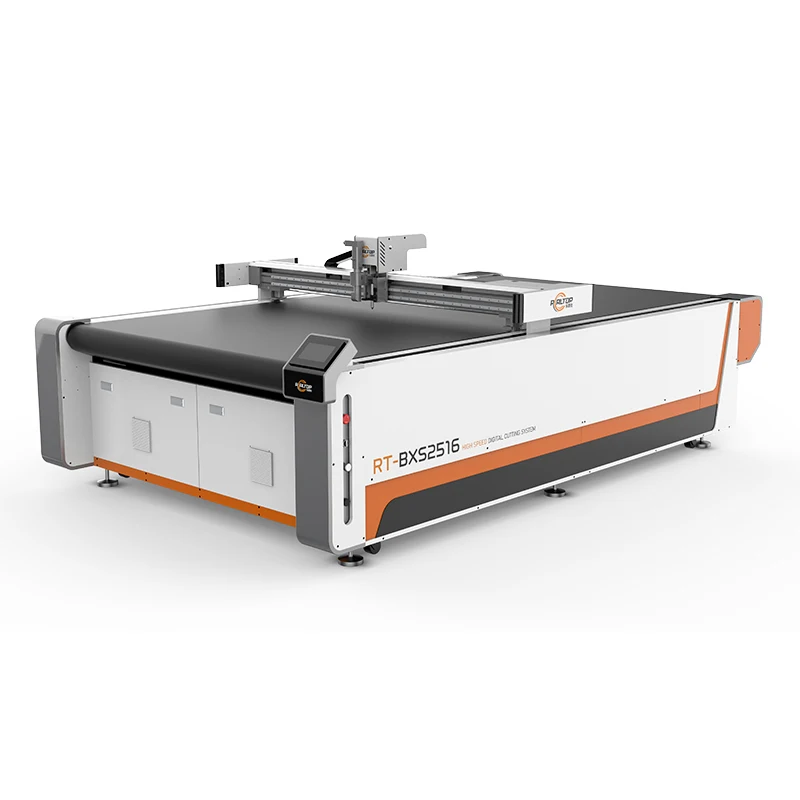
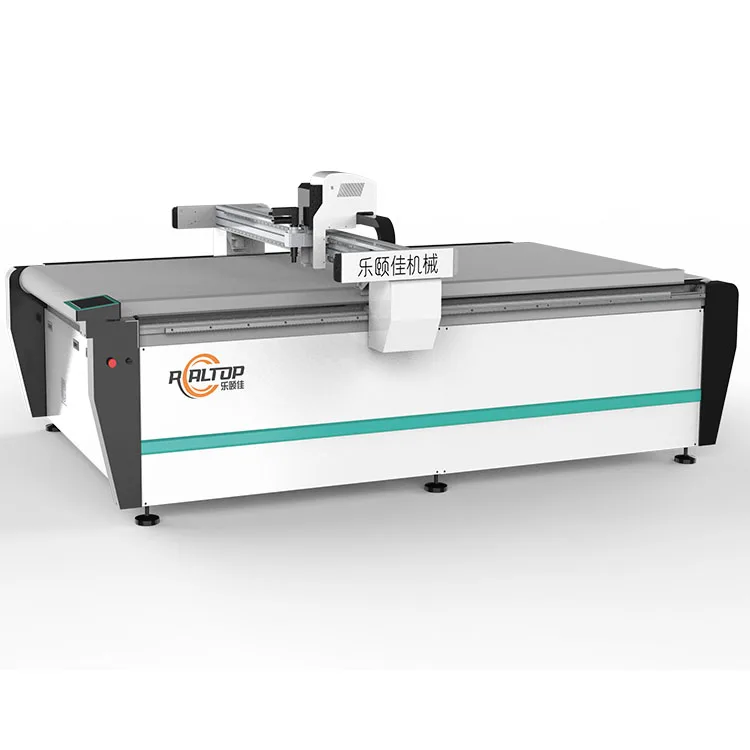
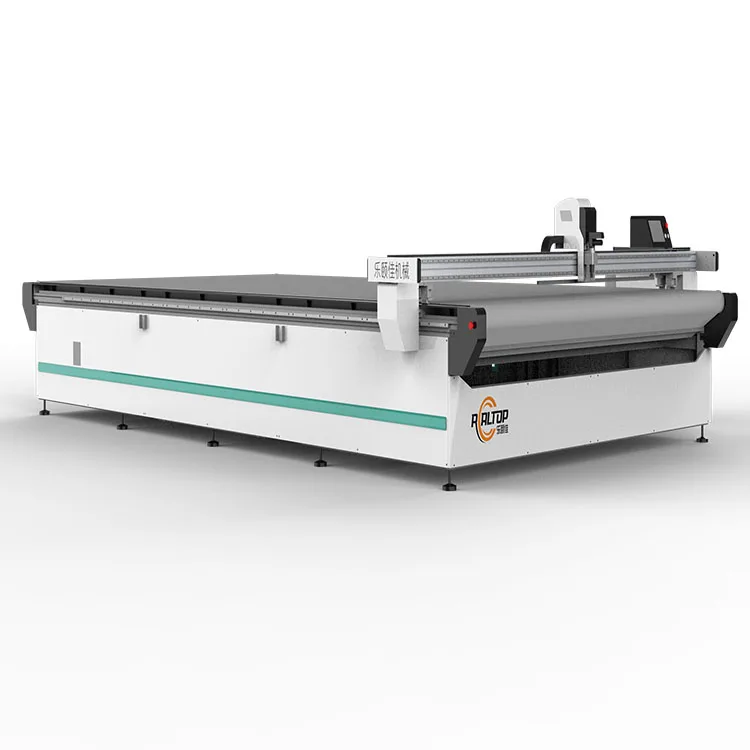
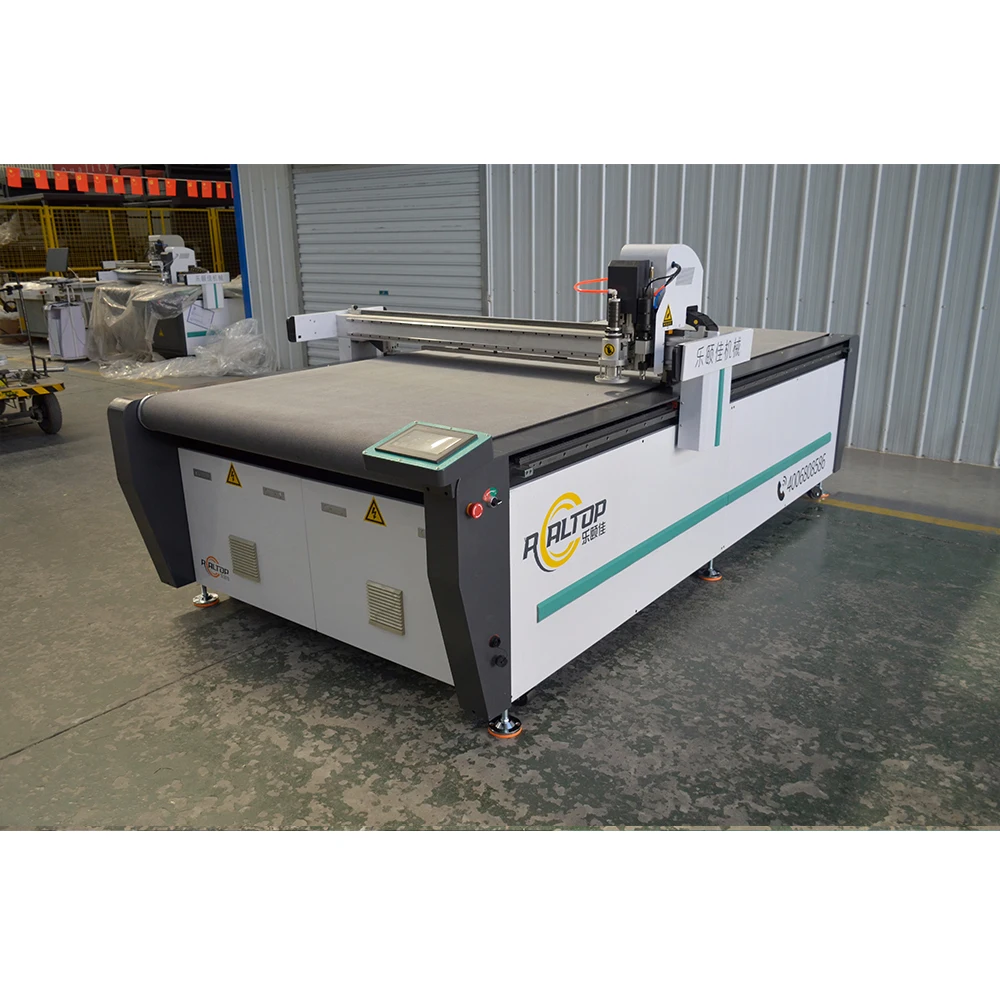
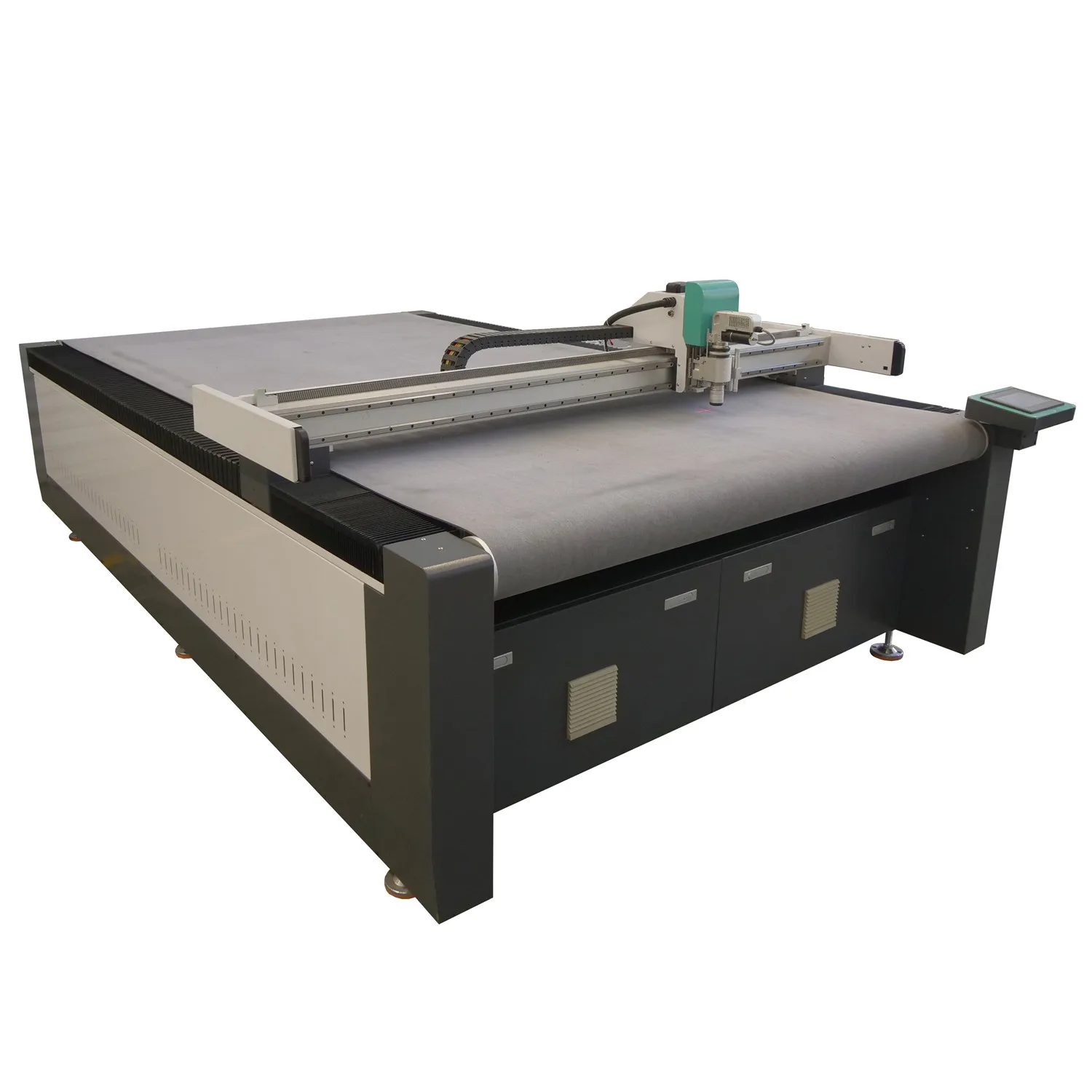
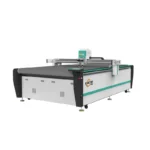
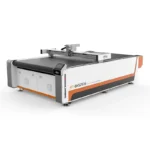
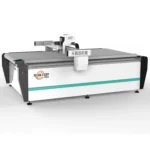
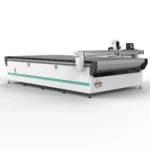
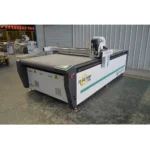
Multi-Tool Head Configuration — The RT-D2516/RT-S2516 platform supports oscillating, pneumatic, drag and creasing tools on a single gantry, letting fabric and composite producers match the knife to the ply rather than force one blade through every job.
Technical Specifications
| Parameter | Value |
|---|---|
| Model | RT-D2516/RT-S2516 |
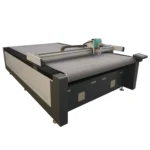
| Product Type | CNC Oscillating Knife Cutting Machine |
| Working Area | 1600 × 2500 mm |
| Machine Size | 3450 × 2300 × 1250 mm |
| Rated Power | 9 kW |
| Vacuum Pump | 7.5 kW |
| Table Surface | Magnesium-aluminum alloy, PVDF fluorocarbon powder coating, anodic oxidation |
| Table Configuration Options | Flat working table or auto-feeding table |
| Tool Head Options | Oscillating knife, pneumatic knife, high-power vibrating knife, circular knife, V-cutting knife, drag knife, creasing wheel, dotted-line knife, punching, brush |
| Knife Origin | Swiss-imported blade (full-cut and half-cut vibration, cursor location) |
| Visual Positioning Options | Small CCD mark-point positioning, panoramic camera recognition, projection positioning |
| Safety Devices | Infrared sensors, anti-collision, emergency stop |
| Translational Velocity | 800–2000 mm/s |
| Cutting Speed | 200–800 mm/s (varies with material) |
| Cutting Thickness | Up to 100 mm (material-dependent) |
| Repeated Accuracy | ≤ 0.1 mm |
| Transmission System | Digital servo motor, linear guide, synchronous belt, ball screw |
| Servo Motor | Delta (Panasonic optional) |
| Instruction Format | HP-GL compatible |
| Voltage | 380 V ± 10 % |
| Software | Auto typesetting; supports PLT, DXF, AI |
| Control Language | English, Russian, Italian, Chinese (customizable) |
| CE Declaration | Available on request |
Application Suitability
| Application | Material or Output |
|---|---|
| Garment and footwear production | Single- and multi-layer woven fabric, knit textile, non-woven, shoe upper leather, PU and EVA midsole stock |
| Automotive interior trimming | Composite headliner board, carpet, floor-mat foam, door-panel vinyl, sponge and sponge-backed textiles |
| Gasket and seal fabrication | PTFE, ETFE, rubber sheet, fiberglass-reinforced composite, soft sealing pad stock |
| Carton and packaging sample making | Corrugated cardboard, greyboard, PVC folding carton stock, sticker and film overlay |
| Soft furnishings and outdoor gear | Carpet tiles, upholstery foam, XPE and PU camping-mat rolls, PVC tarpaulin panels |
Why Specified Working Area Is Not Enough When Choosing a CNC Oscillating Knife Cutting Machine
A larger table does not guarantee a cleaner edge if the tool head and vacuum zoning were never matched to your actual fabric weight and ply count.
Buyers often send the sheet size first and leave material thickness as an afterthought. When the machine arrives, the oscillating frequency that slices through a single layer of cotton struggles against a coated ripstop or a five-ply automotive carpet. Ragged edges appear on the bottom ply, small pattern pieces lift off the table mid-cut, and the nesting yield the sales brochure promised never materializes on the shop floor [NEED_CITE: material thickness effect on oscillating knife edge quality]. Specifying the CNC oscillating knife cutting machine specifications against your heaviest and lightest real material — not just the working envelope — prevents these mismatches before the deposit is paid.
Matching Knife Type to Fabric Behavior
Fabric is not a single material category. A woven polyester tears cleanly under a high-frequency oscillating knife, while a TPU-coated technical textile demands a pneumatic knife that pushes through without delaminating the coating layer. Drag knives handle thin vinyl overlays but leave burrs on thicker foam. The RT-D2516/RT-S2516 mounts up to several of these tools on the same multifunctional head, so a single job file can assign each cut path to the blade geometry that suits that segment of the pattern. Swiss-imported blades rated for full-cut and half-cut vibration give operators a consistent starting point, and blade life can be tracked across jobs without swapping the entire head assembly.
Vacuum Zoning for Small and Nested Pattern Pieces
A 1600 × 2500 mm table area only holds material firmly if suction reaches the zone under each piece. The magnesium-aluminum alloy table surface is finished with PVDF fluorocarbon powder coating and anodic oxidation for flatness, while the 7.5 kW vacuum pump provides the negative pressure needed across multiple plies. When the nesting layout includes small collar inserts or gasket tabs measuring just a few centimeters, inadequate zoning lets those pieces drift during the final cut pass. Producers running mixed-size patterns should confirm the table’s zone grid with the factory before ordering, because retro-fitting internal baffles after delivery is rarely practical [NEED_CITE: vacuum table zoning and small-part hold-down].
How Servo Precision and Cutting Speed Interact on Fabric
The Delta or optional Panasonic servo motors drive linear guides and ball screws along the gantry, maintaining ≤ 0.1 mm repeated accuracy at translational speeds up to 2000 mm/s. However, cutting speed on fabric is governed more by blade engagement than by axis travel. A single layer of silk may tolerate 800 mm/s, while a twelve-ply denim lay-up requires slowing to 200 mm/s so the oscillating knife completes each stroke before the gantry advances. The HP-GL compatible instruction system accepts PLT, DXF, and AI files, letting the nesting software set speed zones per path rather than forcing a single feed rate across the entire marker.
What Happens When the Wrong Tool Head Ships with the Machine
I once configured an oscillating knife unit for a client who sent a standard cotton swatch for sampling, then switched to a TPU-laminated shell fabric on day one of production. The vibration frequency that worked on cotton compressed the laminate and pushed the coating away from the backing, leaving frayed edges on every panel. The entire first lay-up had to be re-cut on a pneumatic knife setting. That experience made me insist on receiving the buyer’s actual production fabric — not a reference sample — before finalizing tool head configuration. When the CNC oscillating knife cutting machine specifications list multiple tool options, each one exists for a reason, and the wrong default choice shows up as waste on the first shift [NEED_CITE: tool head mismatch and material waste in textile cutting].
Why Buy This Configuration from REALTOP
REALTOP designs and builds both knife and laser cutting platforms in-house at the Jinan facility, so when a buyer’s material falls between technologies the factory can recommend the method that actually fits rather than pushing one machine type. The design team specifies tool head, table zoning, and CCD positioning as a package tied to the buyer’s sample cutting report, not as isolated line items. Voltage, plug type, and control language are confirmed before production starts, and the electrical schematic ships with the documentation set. Because the frame, motion components, and vacuum table are all assembled and tested under one roof, the factory test record reflects the machine as it will arrive — not a generic bench setup.
Documentation & Verification
- Machine specification sheet listing every selected tool head and optional servo brand
- Electrical schematic with confirmed voltage, frequency, and plug type for the destination market
- Sample cutting report run on the buyer’s own fabric with measured edge quality and cutting speed
- Factory test record showing repeated accuracy across the 1600 × 2500 mm travel before crating
- Software license and file-format compatibility note covering PLT, DXF, and AI import paths
- Spare parts list identifying Swiss-imported blades, vacuum seals, and wear items by part number
Installation, Commissioning & Support
- Floor space of at least 4.5 × 3.5 m clear around the 3450 × 2300 mm machine footprint for material staging
- Dedicated 380 V ± 10 % three-phase circuit rated for the combined 9 kW machine plus 7.5 kW vacuum pump load
- Machine ships as a single-frame unit; gantry and control cabinet are bolted on-site during commissioning
- First power-up includes servo tuning, vacuum zone mapping, and test cuts on the buyer’s supplied fabric rolls
- Operator training covers tool head changeover, CCD camera calibration, and nesting file import from PLT, DXF, or AI sources
- Recommended spare blade inventory and vacuum seal replacement schedule provided before warranty period begins
Send the Right Details with Your Inquiry
Before requesting a quotation, share the exact fabric type, coating or laminate status, and the thickest multi-ply lay-up you plan to cut. Specify your local voltage and frequency, the control language your operators need, and the file format your existing CAD or nesting software exports. If your production includes printed contour work, note whether mark points or panoramic recognition better suits your workflow.
Frequently Asked Questions
Q: How do I select the correct tool head for my fabric and thickness?
A: Send a production sample of your heaviest and lightest material to the factory. The cutting lab tests each tool head option — oscillating, pneumatic, drag, or circular knife — and records edge quality and cutting speed. The sample cutting report becomes the basis for the tool head configuration written into your order specification.
Q: Does CCD contour recognition keep up at full cutting speed on printed fabric?
A: The small CCD camera handles mark-point positioning for discrete registration marks, while the optional panoramic camera covers larger printed contours across the full 1600 × 2500 mm area. Tracking performance depends on print contrast and mark size. Request a live positioning test on your printed layout before finalizing the vision option.
Q: What vacuum table zoning is available for small pattern pieces?
A: The magnesium-aluminum table is divided into suction zones matched to the 1600 × 2500 mm working area. Confirm with the factory that the zone grid covers your smallest nested parts, because insufficient zoning under small tabs or collar inserts allows material lift during the final cut pass.
Q: Which file formats does the nesting software accept?
A: The bundled auto-typesetting software imports PLT, DXF, and AI files via HP-GL compatible instruction paths. Before ordering, share a sample layout file so the factory can verify import accuracy, nesting yield, and kerf compensation settings against your actual pattern geometry.
Q: Can voltage, plug, and control language be customized before shipment?
A: Yes. The standard voltage is 380 V ± 10 %, and the control interface ships in English, Russian, Italian, or Chinese with other languages available on request. Plug type and electrical schematic are locked in during the specification confirmation stage so the machine matches the destination market on arrival.


商品评价
Clear filtersThere are no reviews yet.