


Fast Shipping
Carrier information

20k products
Payment methods

24/7 Support
Unlimited help desk

2-day Delivery
Track or off orders
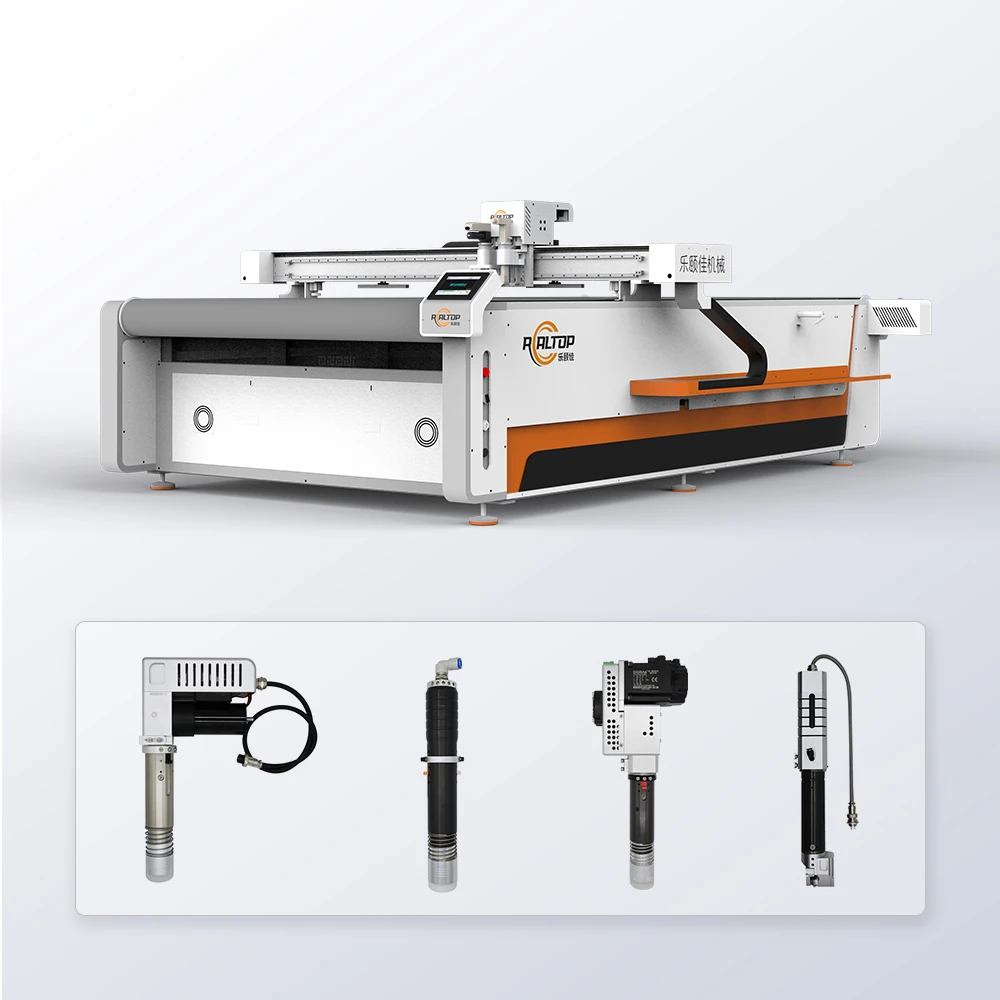
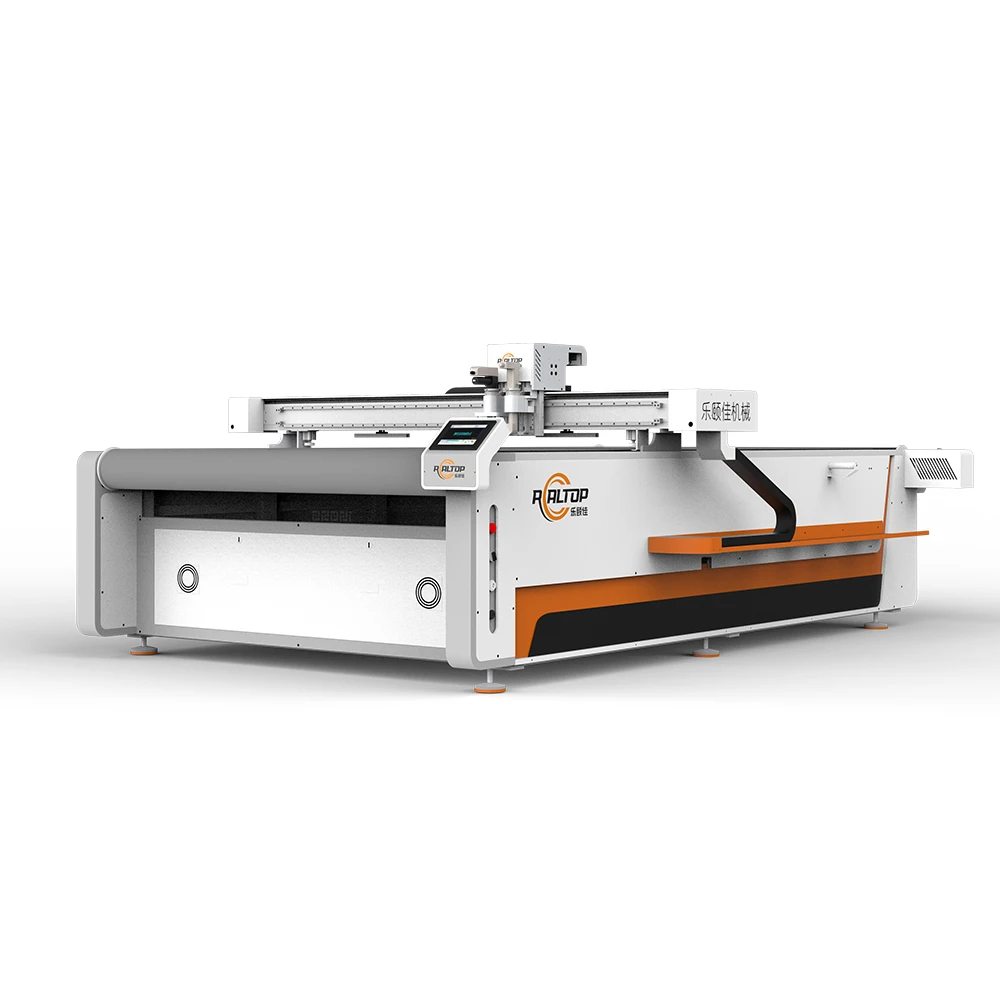
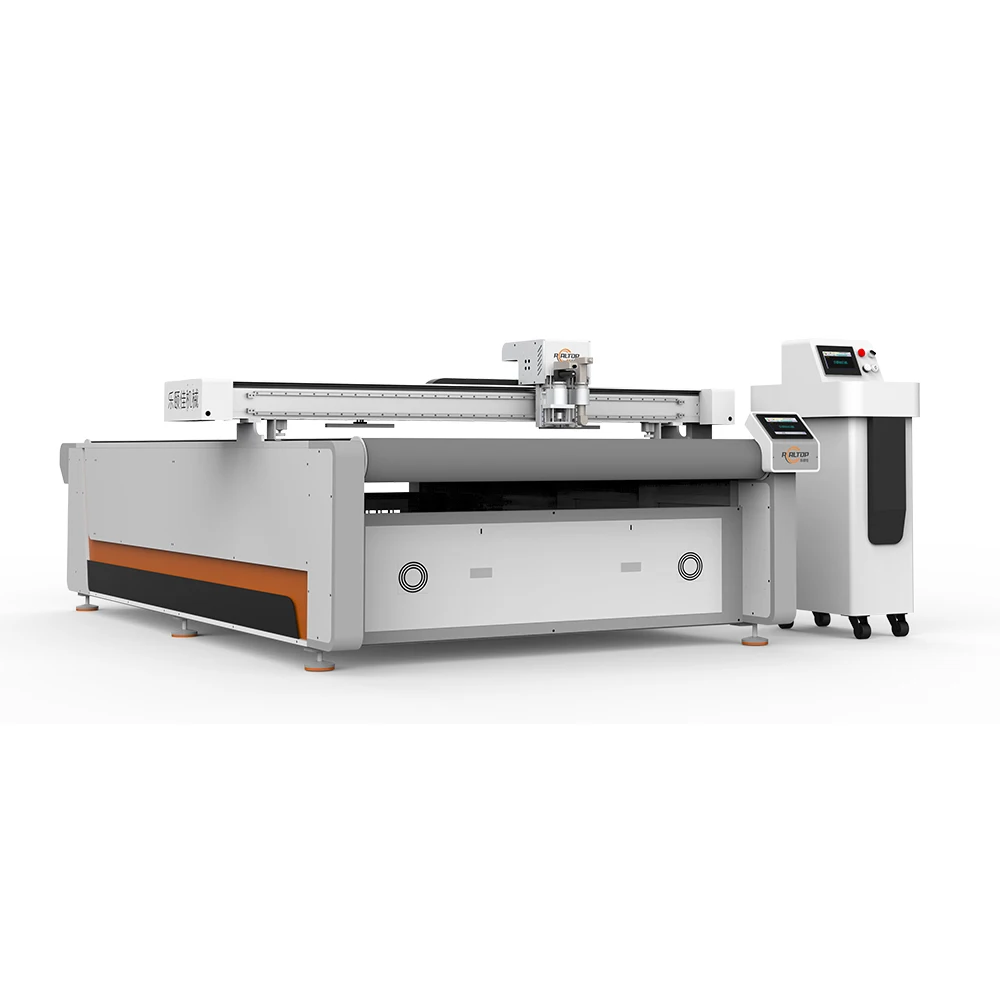
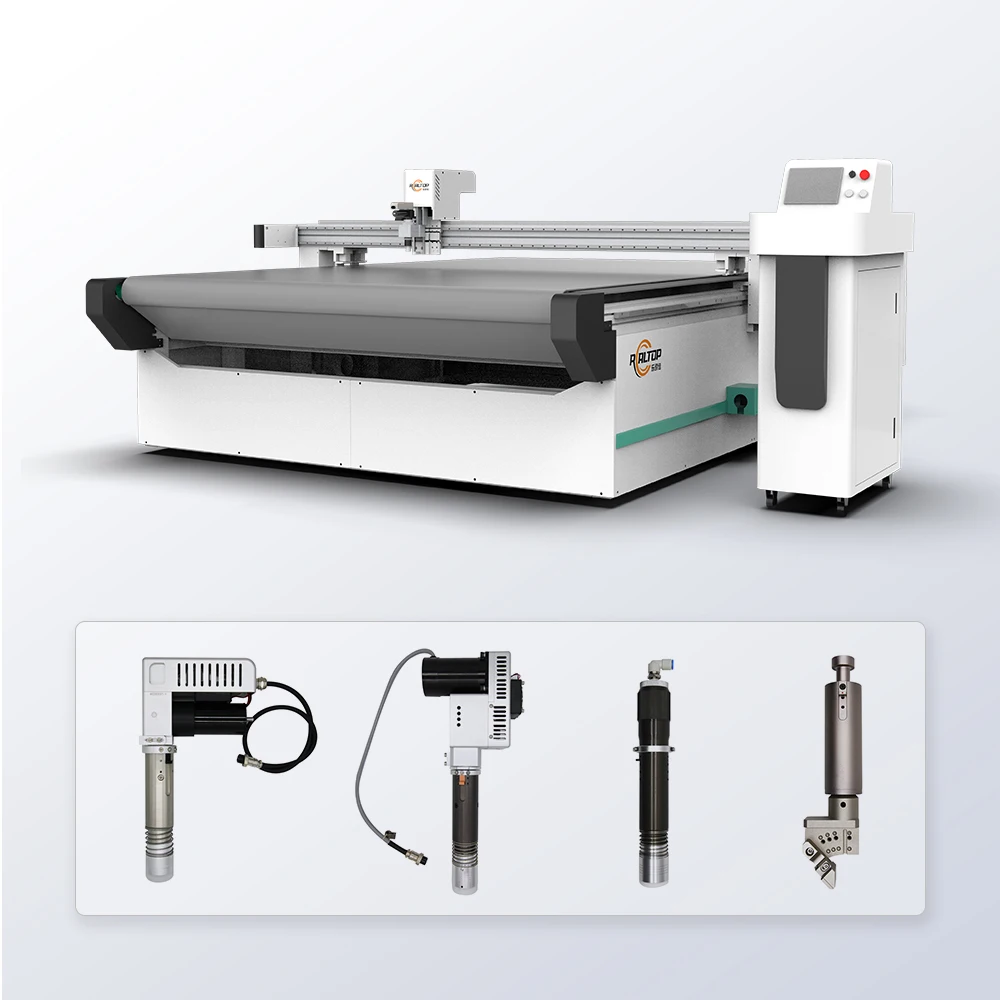
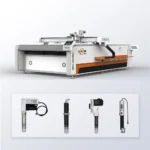
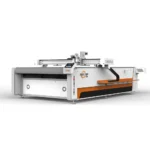
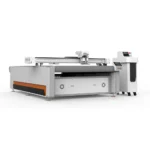
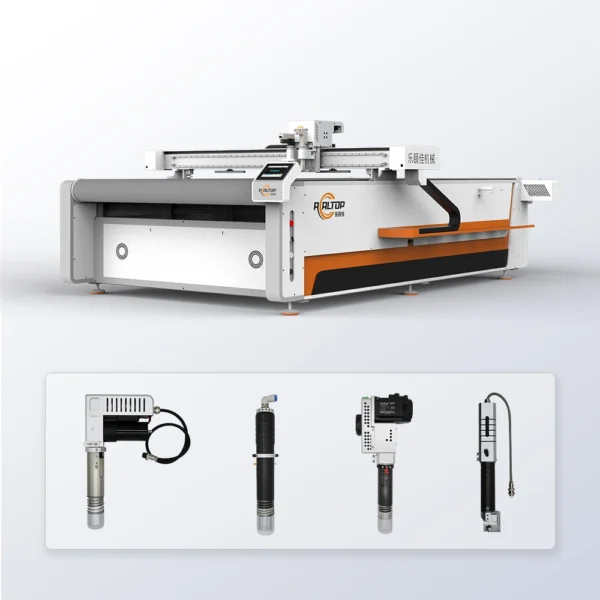
Knife and Laser Methods Matched Per Material — the RT-D2516/RT-S2516 flatbed table is configured with oscillating knife, drag knife or CCD positioning based on your fabric type, thickness and daily cutting volume.
Technical Specifications
| Parameter | Value |
|---|---|
| Product Type | CNC Oscillating Knife Cutting Machine |
| Model | RT-D2516 / RT-S2516 |
| Working Area | 1600 × 2500 mm |
| Machine Size | 3450 × 2300 × 1250 mm |
| Rated Power | 9 kW |
| Voltage | 380V ±10% (frequency to confirm 50/60 Hz) |
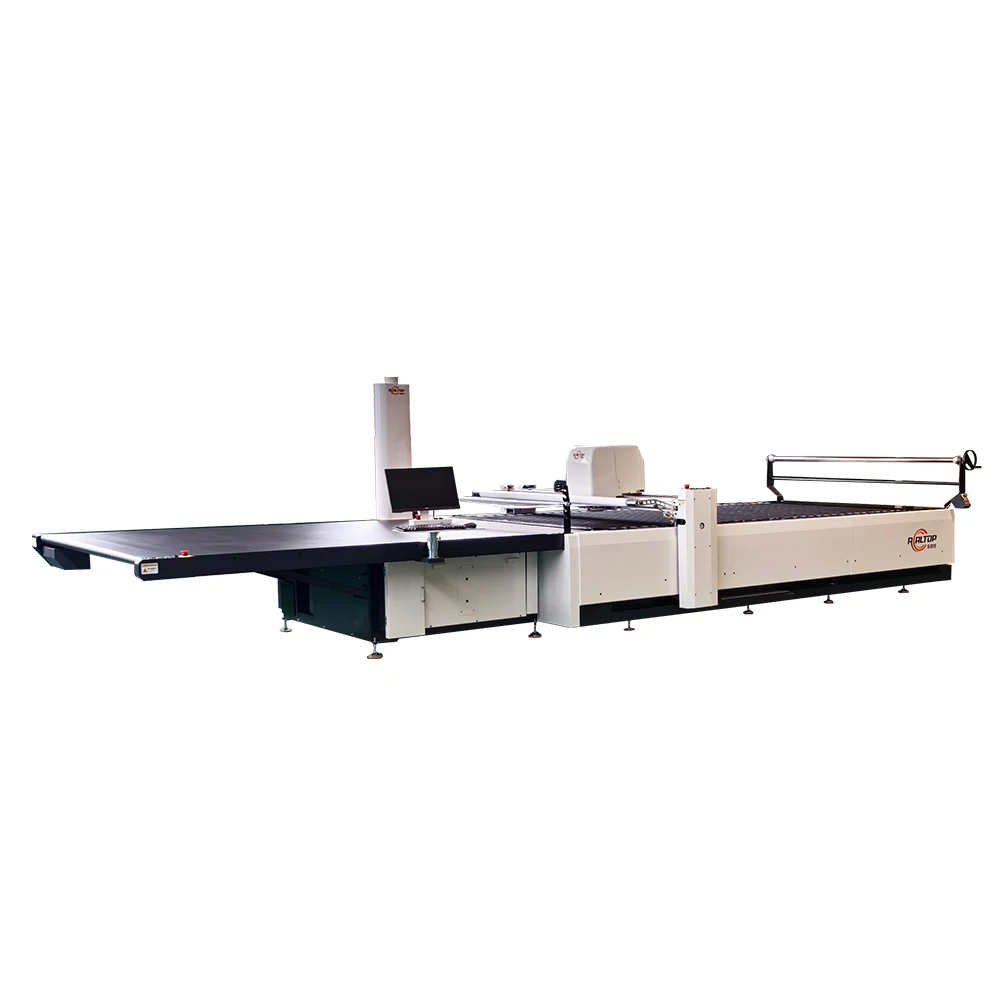
| Table Type | Flat working table or auto-feeding conveyor table |
| Translational Velocity | 800–2000 mm/s |
| Cutting Speed | 200–800 mm/s (varies by material) |
| Cutting Thickness | ≤100 mm (varies by material density) |
| Repeated Accuracy | ≤0.1 mm |
| Servo Motor | Delta (China) or Panasonic (Japan), selectable |
| Transmission | Digital servo motor, linear guide, synchronous belt, ball screw |
| Linear Guide | Taiwan Hiwin rail |
| Vacuum Pump | 7.5 kW, integrated aviation aluminum housing with silencer |
| Visual Positioning | Small CCD mark point, panoramic camera recognition, projection positioning (optional) |
| Conveyor Belt | Germany imported |
| Software Compatibility | PLT, DXF, AI file formats; HP-GL compatible |
| Control Panel | Touch screen, multiple language support |
| Safety Devices | Infrared induction blocking, beam anti-collision sensors, emergency stop with in-situ resume |
| Certification | CE (declaration available) |
| Warranty | 1 year |
Application Suitability
| Application | Material or Output |
|---|---|
| Garment and footwear production | Fabric, textile, shoe material, luggage material in single or multi-layer stacks |
| Automotive interior and gasket cutting | Leather, sponge composite leather, rubber, PU, sealing gasket materials |
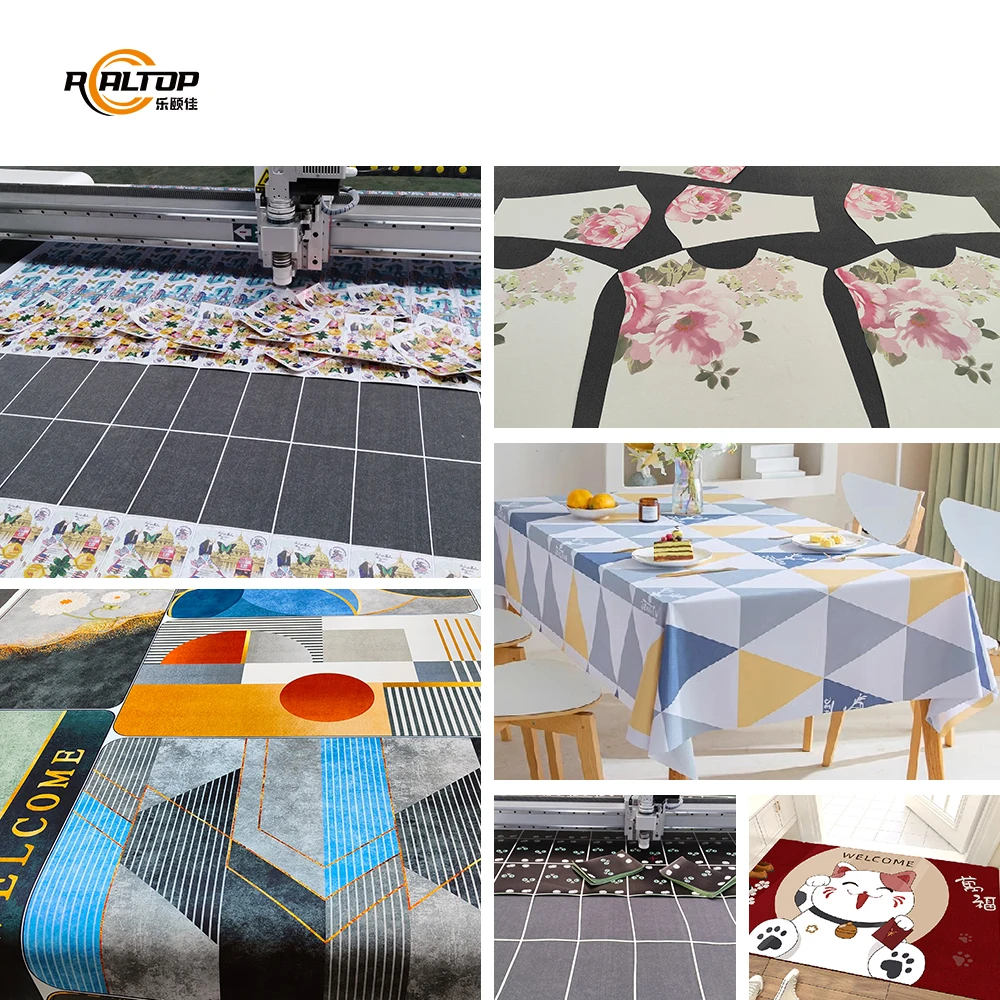
| Soft furnishing and carpet fabrication | Non-woven fabric, carpet, PU, EVA, XPE, composite materials |
| Packaging and graphic advertising | Corrugated cardboard, sticker, film, PVC sheet, foam board |
| Composite and foam processing | Carbon fiber, fiberglass, silicone, PP, PE, PTFE, ETFE |
What the Cutting Thickness Figure Actually Means for Your Material
Maximum thickness depends entirely on material density, not just the knife stroke.
Many buyers look at a headline number and assume it applies to every material they run. In reality, cutting 10 mm of dense rubber gasket demands a completely different tool head and feed rate than cutting 30 mm of loose-weave carpet. I once set up a table for a client based on their sample swatches, only to find their production rolls were a high-elasticity spandex blend that frayed instantly under the standard oscillating knife. That batch was wasted before we caught the mismatch. The RT-D2516/RT-S2516 is specified for ≤100 mm cutting thickness, but the practical limit on your line depends on whether you are slicing woven cotton, closed-cell foam or multi-layer leather stacks. CNC oscillating knife cutting machine specifications should always be validated against your actual production material, not a catalog figure [NEED_CITE: cutting depth verification standards for flexible materials].
Tool Head Selection by Material and Edge Requirement
The tool head is the single most consequential choice on this CNC oscillating knife cutting machine. An oscillating knife handles woven fabric and leather cleanly, while a pneumatic knife suits thicker sponge composite materials that crush under mechanical pressure. For contour work on printed vinyl or stickers, the drag knife follows curves without lifting the sheet. Creasing wheels and dotted-line knives handle packaging sample work on corrugated cardboard. Choosing the wrong head produces ragged edges on fabric or crushed cells in foam, and no amount of vacuum hold-down compensates for that mismatch.
CCD Positioning for Printed Contour Accuracy
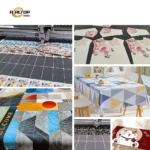
When your production involves cutting around pre-printed graphics on fabric, banners or automotive interior panels, the visual positioning system becomes essential. The small CCD camera reads mark points for registration, while the panoramic camera option recognizes full contours for high-volume printed textile cutting. Without reliable CCD tracking, operators spend excessive time aligning sheets manually, and misregistration compounds across a full table of nested parts. This system is configured based on whether your marks are high-contrast or embedded in busy print patterns [NEED_CITE: CCD positioning accuracy on printed flexible materials at production speed].
Reading the Specification Sheet for Your Workshop
A few parameters on this machine deserve closer inspection because they directly shape your daily output. The Delta or Panasonic servo motor choice affects positional repeatability over long production shifts; both maintain the ≤0.1 mm accuracy, but differ in service network availability depending on your region. The Taiwan Hiwin linear guides paired with ball screw transmission keep the gantry true across the full 1600 × 2500 mm working area, which matters when nesting large garment panels. The 7.5 kW vacuum pump with silencer-equipped housing provides consistent hold-down without excessive workshop noise, and the PVDF-coated magnesium-aluminum table surface resists scoring from repeated knife passes. Software accepting PLT, DXF and AI formats means your existing nesting files transfer without format conversion delays.
The Hidden Cost of Under-Specified Vacuum Zoning
Vacuum zoning is often treated as a secondary detail, but it causes some of the most frustrating production problems. When small fabric parts are nested across a large 1600 × 2500 mm table, insufficient zoning means the vacuum pulls evenly across the entire surface rather than concentrating suction where material actually sits. Small pieces lift during the knife return stroke, producing shifted cuts and wasted material. On the RT-D2516/RT-S2516, the magnesium-aluminum alloy table with PVDF coating and hard oxidation provides a flat sealing surface, but the zoning configuration must match your typical nesting layout. Buyers running small gasket or footwear pattern pieces need tighter zones than those cutting full-width carpet rolls [NEED_CITE: vacuum table zoning impact on small-part cutting accuracy].
Why Source This Machine Through a Cutting-Method Approach
This table is built by a team that produces both oscillating knife and laser cutting systems, which means the cutting method is matched to the material rather than forced into one technology. The tool head and table configuration are specified per material type, cutting depth and production volume before the order is finalized. Software compatibility with PLT, DXF and AI file formats is confirmed against your existing nesting workflow. Voltage at 380V ±10% is verified for your facility, with plug type and control language set before shipment. Sample cutting on your actual production material is performed before commitment, so edge quality and cutting speed are validated on real stock rather than generic swatches.
Documentation & Verification
- Machine specification sheet with confirmed tool head and vacuum zoning for your material
- Electrical schematic and voltage confirmation matching your facility supply
- Sample cutting report on your actual production fabric or composite material
- Software licence and file format compatibility note for PLT, DXF and AI import
- Factory test record documenting repeatability and cutting accuracy before dispatch
- CE declaration and operation manual with spare parts list included at shipment
Installation, Commissioning & Support
- Requires a level concrete floor to support the 3450 × 2300 mm machine footprint
- Dedicated 380V ±10% circuit with appropriate breaker for the 9 kW rated power draw
- Arrives fully assembled; conveyor table variant requires belt tensioning on site
- First-run parameter setup includes vacuum zoning calibration for your nesting layout
- Touch screen control configured to your operator language before delivery
- Spare knife blades, drag knife tips and vacuum seals provided in initial kit
Preparing Your Inquiry for Accurate Configuration
To specify the right tool head, table type and vacuum layout for your production, we need your material type and thickness range, typical sheet or roll dimensions, and daily cutting volume. Let us know your facility voltage and frequency, preferred control language, and whether you work with printed contour files requiring CCD positioning. Sending a roll or stack sample of your actual production material allows us to run a cutting test and confirm edge quality before the machine is built.
Frequently Asked Questions
Q: How is cutting thickness verified for my specific material?
A: The ≤100 mm figure is a mechanical stroke limit. Actual cutting depth depends on your material density and layer count. We run a sample cutting test on your production material to confirm the achievable thickness, edge quality and speed before finalizing the tool head and vacuum configuration for your RT-D2516 or RT-S2516 order.
Q: Which tool head prevents ragged edges on my fabric or crushed foam?
A: Tool head selection depends on material structure. Oscillating knives suit woven fabric and leather; pneumatic knives handle thick foam without cell compression; drag knives follow contours on thin vinyl. We recommend a specific head based on your sample cutting results, not a generic catalog option.
Q: Can the CCD camera track printed marks reliably at production speed?
A: CCD tracking performance depends on mark contrast, print density and cutting speed. The small CCD camera reads registration marks, while the panoramic option recognizes full contours. We test with your actual printed material to confirm the camera maintains accuracy at your target cutting speed.
Q: Will vacuum zoning hold my small parts during cutting?
A: Zoning effectiveness depends on part size relative to the vacuum zone layout. The PVDF-coated magnesium-aluminum table provides a flat sealing surface, but zone configuration must match your nesting pattern. We review your typical layout to specify zones that prevent small parts from lifting.
Q: Does the software work with my existing nesting files?
A: The system accepts PLT, DXF and AI formats with HP-GL compatible instructions. Before order confirmation, we test importing your actual production files to verify nesting workflows, layer recognition and cutting path output without manual rework or format conversion.


商品评价
Clear filtersThere are no reviews yet.