

Fast Shipping
Carrier information

20k products
Payment methods

24/7 Support
Unlimited help desk

2-day Delivery
Track or off orders
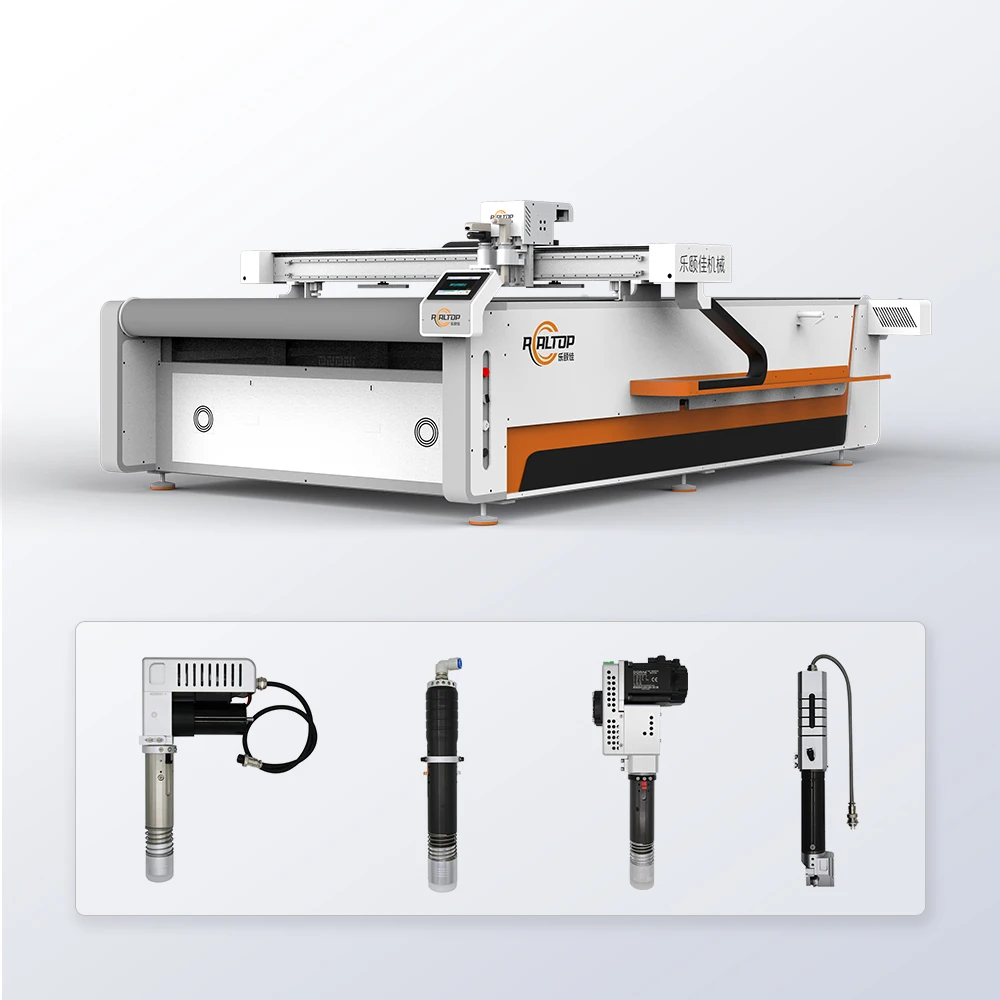
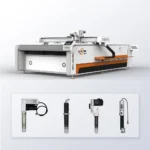
Configurable Tool Heads — Every cutting task starts with matching the oscillating knife, driven rotary knife or V-groove tool to the actual fabric density and ply count before order confirmation.
Technical Specifications
| Parameter | Value |
|---|---|
| Model | 1625 |
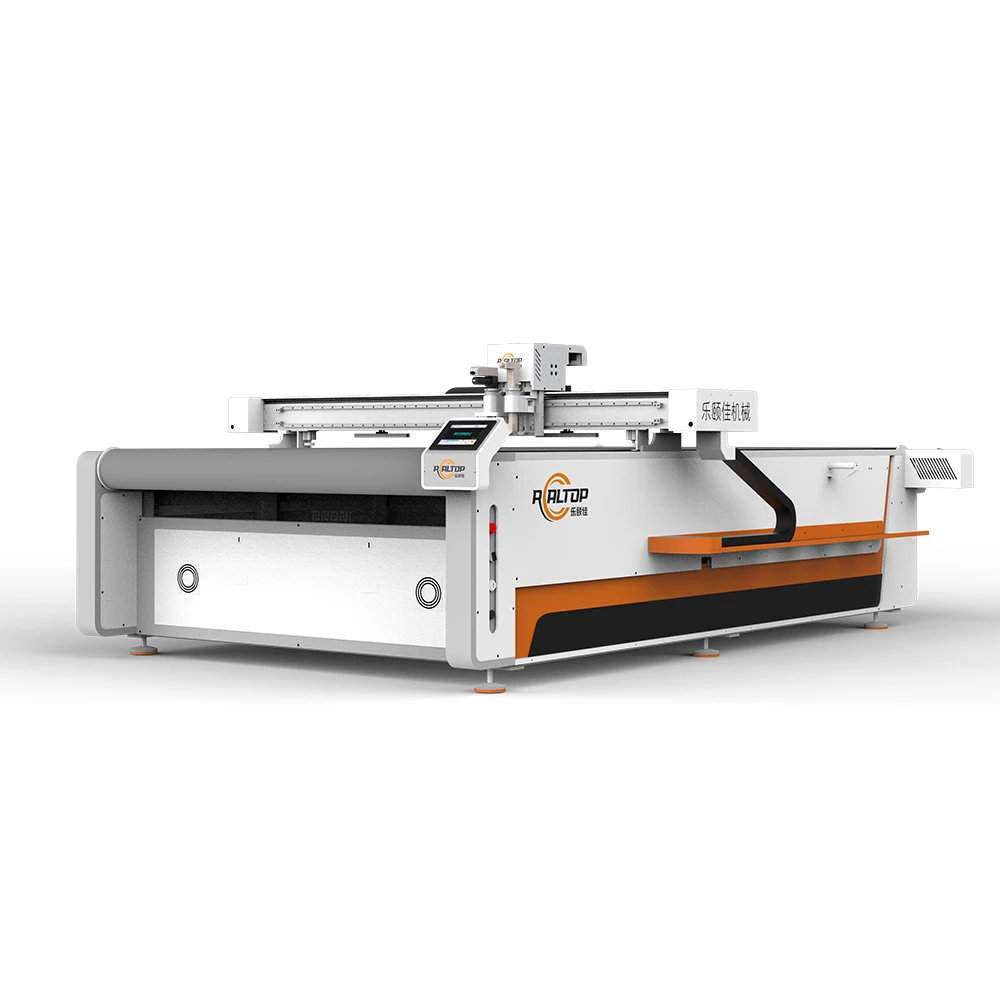
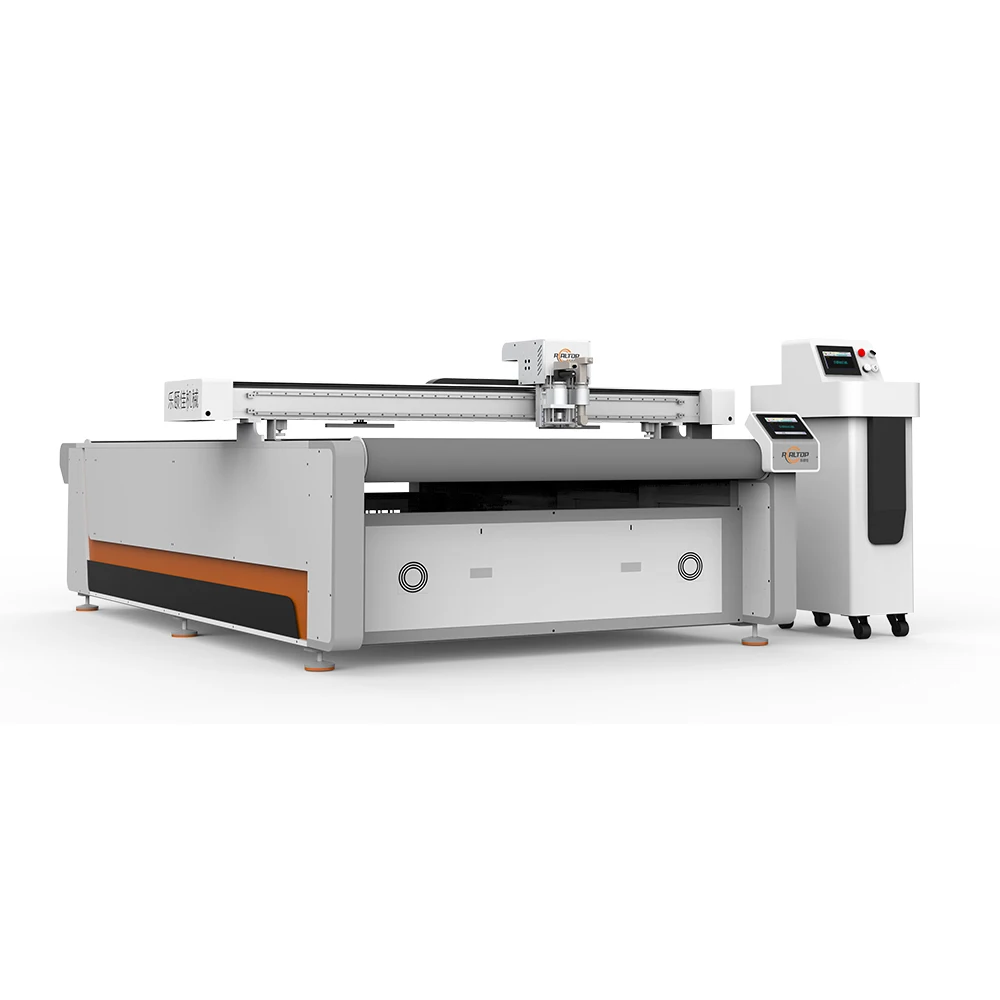
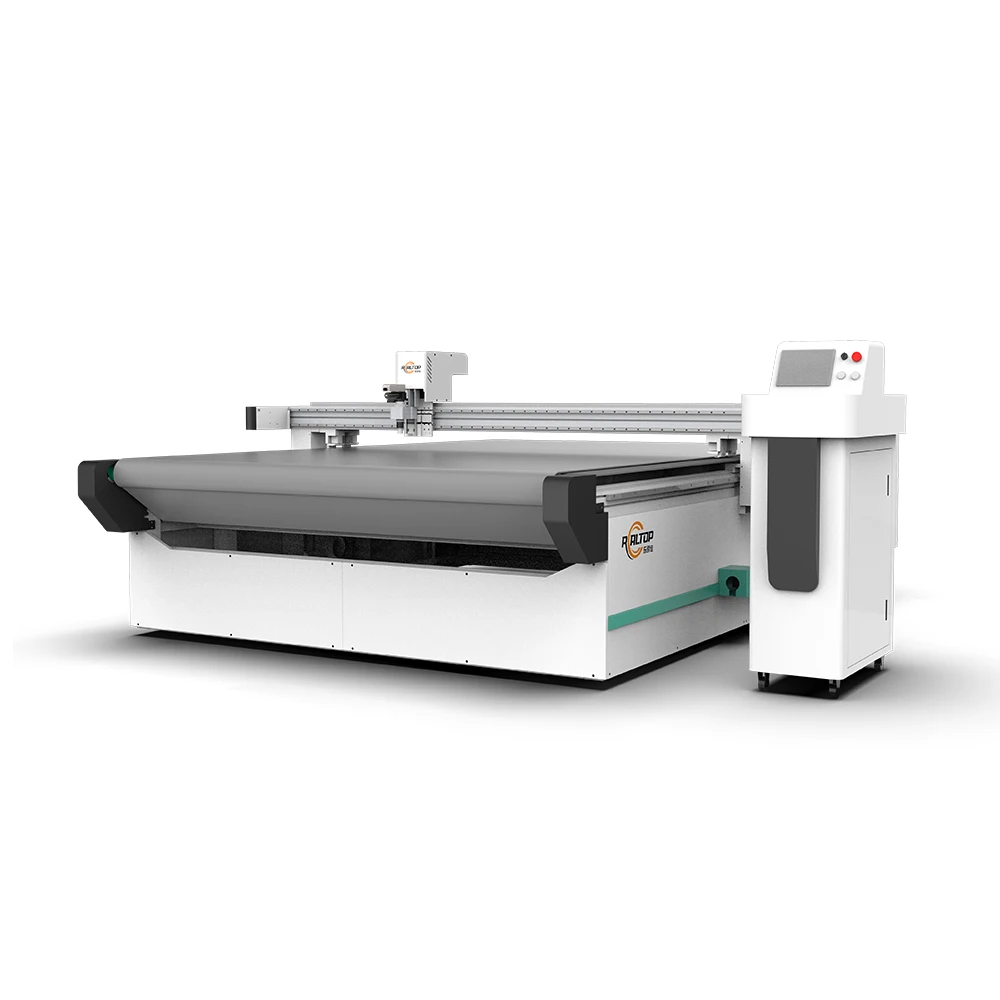
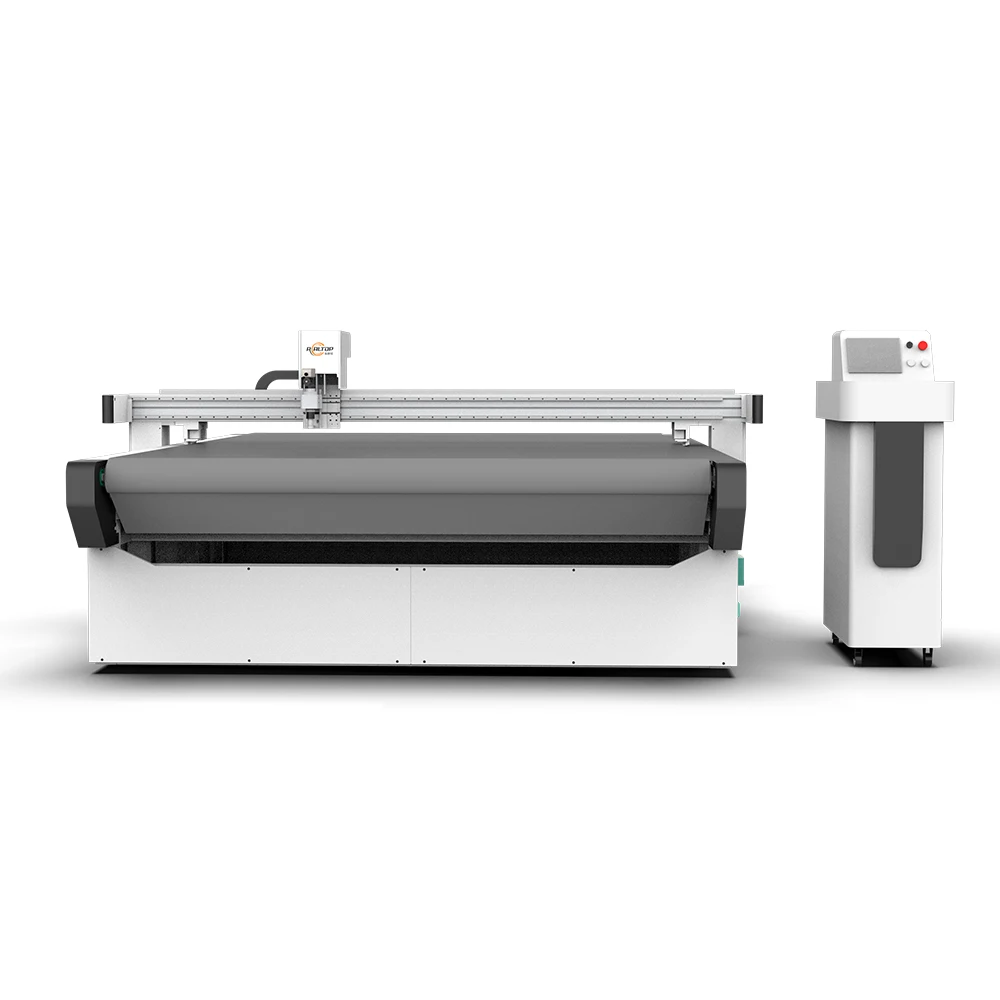
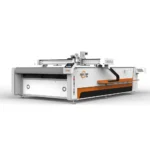
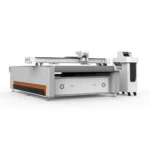
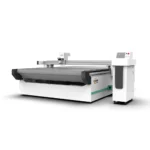
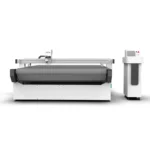
| Product Type | CNC Oscillating Knife Cutting Machine |
| Working Area | 1600 × 2500 mm |
| Tool Head Options | Oscillating knife, Driven rotary knife, Creasing wheel, Kiss cutting tool, Pneumatic knife, Milling tool, V-groove knife |
| Cutting Speed | 0 – 2000 mm/s |
| Repeat Positioning Accuracy | ± 0.1 mm |
| Cutting Thickness | Up to 30 mm (basis to be confirmed on buyer’s material) |
| Multi-layer Cutting | 30 – 50 mm (basis to be confirmed on buyer’s material and ply count) |
| Servo Drive Options | Panasonic, Delta, Dorna |
| Vacuum Table Type | Aluminum bellows vacuum table |
| Vacuum Pump Power | 9 kW |
| Supported File Formats | PLT, DXF, AI, PDF |
| Control System | PLC control panel |
| Language Options | English, Russian, Italian, Chinese, custom languages |
| Voltage Options | 110 V, 220 V, 380 V |
| Safety Device | Infrared sensor, emergency stop |
| Machine Size | 3300 × 2100 × 1350 mm |
| CE Declaration | Applicable |
Application Suitability
| Application | Material or Output |
|---|---|
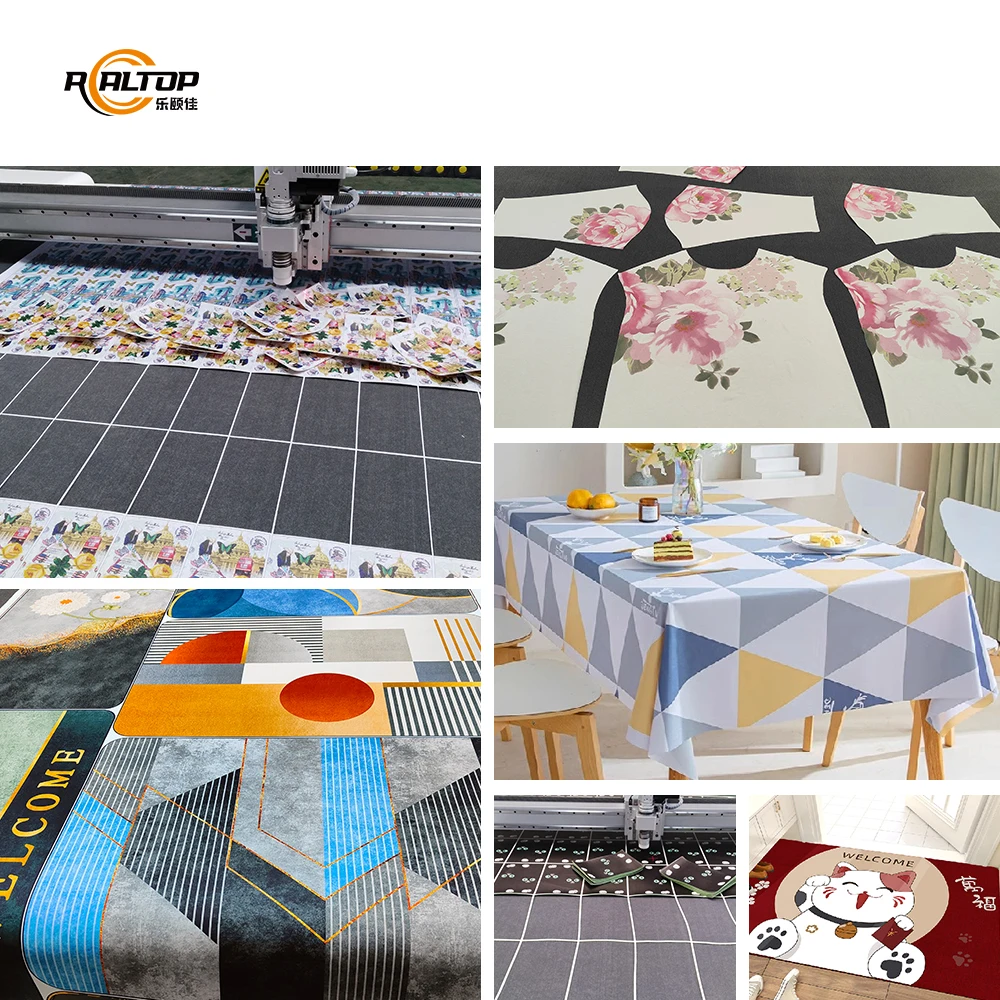
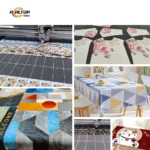
| Apparel and suit manufacturing | Single and multi-layer woven fabrics, knitwear, lace |
| Automotive interior trimming | Seat cover fabrics, carpet, PVC floor mats |
| Home textile production | Sofa upholstery fabrics, curtain panels, rugs |
| Composite material processing | Carbon fiber prepreg, aramid, specialty technical textiles |
Why the Tool Head Choice Defines Your Edge Quality
The cutting tool must be specified against your production material, not the brochure sample.
I have watched a perfectly tensioned satin ribbon come off a flatbed table with a clean edge, only for the same machine to tear through a multi-ply stack of that same ribbon and leave fibers hanging off every cut line. The difference was not the machine itself but the wrong knife profile pushing through uneven layers. Selecting the correct CNC Oscillating Knife Cutting Machine specifications starts with the fabric you actually run, not a generic thickness number [NEED_CITE: cutting force and blade frequency requirements by textile density].
Oscillating, Rotary and V-Groove Knives Explained
An oscillating knife moves up and down at high frequency to shear through flexible materials, making it suitable for most woven and knitted fabrics. A driven rotary knife spins continuously and handles tightly woven or coated textiles that tend to fray under vertical vibration. The V-groove knife removes a narrow channel of material, which is necessary when folding or creasing carton samples alongside fabric work.
Each tool head mounts to the same carriage on this CNC Oscillating Knife Cutting Machine, so a garment factory cutting lace one day and PVC-coated canvas the next can swap heads without changing machines. The critical step is running your production roll on the table before the order is locked in.
Holding Multi-Layer Layups Flat on the Cutting Bed
Flexible fabrics shift under knife pressure, especially when stacked thirty or fifty plies deep. The aluminum bellows vacuum table creates suction across the full 1600 × 2500 mm surface, pinning the bottom ply to the table so the blade passes through without dragging the stack sideways. Zoned vacuum control allows the operator to open only the section under the cutting head, keeping hold-down force concentrated where it matters [NEED_CITE: vacuum zoning practices for flexible material cutting tables].
Reading the Parameter Sheet Against Your Production Reality
The 0 – 2000 mm/s cutting speed range is measured on the drive system, not on your specific layup; a thirty-ply stack of dense canvas will cut slower than a single ply of lining fabric at the same setting. Repeat positioning accuracy of ± 0.1 mm means nested pattern pieces stay within tolerance for automated sewing lines downstream. The PLC control panel and multi-language interface let operators in different markets run the same file set without translation errors. File format support for PLT, DXF, AI and PDF covers the nesting software most textile and composite shops already use.
The Cost of Skipping the Sample Cut
When a buyer specifies working area and voltage but never sends production fabric for a trial, the first batch reveals problems that no parameter sheet could predict: ragged edges on a specific weave, delamination in a bonded composite, or insufficient vacuum grip on a slippery film. Reworking that batch costs more than the few days it takes to ship a material roll and confirm tool head settings [NEED_CITE: buyer verification steps for industrial cutting equipment].
Why Source This Machine From the Build Floor
The design team handles both knife and laser cutting technology in-house, so the cutting method is chosen to match your material rather than forcing every job onto one system. Tool head and table configuration are specified per buyer fabric, ply count and daily volume. Software compatibility is confirmed against your existing nesting files before the order goes to production. Voltage, plug type and control language are set for the destination market before the crate leaves the factory. Your material is cut on the production floor and a sample report is sent for approval before shipment.
Documentation & Verification
- Machine specification sheet listing all selected tool heads and servo drive brand
- Electrical schematic confirming voltage, frequency and plug type for your market
- Sample cutting report on your fabric or composite material with edge photos
- Tool head and table configuration list matched to your stated ply count
- Software licence and file format compatibility note for your nesting workflow
- Factory test record showing positioning accuracy and vacuum hold-down on your material
Installation, Commissioning & Support
- Floor space must accommodate 3300 × 2100 mm machine footprint plus material feed clearance
- Dedicated circuit required matching confirmed voltage option and 9 kW vacuum pump draw
- Machine ships as a single assembly; table leveling and gantry alignment checked on site
- First-run parameter tuning performed on your production material with operator present
- Spare oscillating and rotary knife blades listed with recommended change intervals
- Vacuum pump filter and bellows inspection added to weekly maintenance schedule
What to Send Before Requesting a Quote
Provide the fabric type, weight per square meter and whether you cut single ply or stacked layers so the correct tool head and vacuum zoning can be proposed. Confirm your local voltage and frequency, the control language your operators need, and the file formats your nesting software exports. If your production run involves a bonded or coated composite, send a roll sample so the cutting parameters can be verified on the actual material.
Frequently Asked Questions
Q: How is the right tool head selected for my fabric or composite?
A: You send a sample of your production material in the thickness and ply count you actually run. The material is test-cut with oscillating, rotary and V-groove knives on the table, and the results are compared for edge quality, delamination and cutting speed. The tool head that produces a clean edge without secondary trimming is specified in your order.
Q: How are cutting speed and thickness verified before I commit?
A: Your material is cut on the production floor at multiple speed settings and ply counts. A sample report documents the knife type, cutting speed, number of plies and edge condition achieved. These verified values form the basis of your quotation rather than a generic specification.
Q: Will the machine accept my existing nesting files?
A: The control system imports PLT, DXF, AI and PDF formats. Before the order is finalized, you send a sample nesting file and the output is checked for layer recognition, cut path order and any missing curves. Any format conversion needed is documented in the software compatibility note.
Q: What happens if the vacuum table cannot hold my small pattern pieces?
A: The aluminum bellows table uses zoned vacuum sections. During the sample cut, small pieces are placed in the cutting area and the vacuum pressure is tested at production speed. If hold-down is insufficient, zone settings are adjusted or a different table surface option is discussed before the order is confirmed.


商品评价
Clear filtersThere are no reviews yet.