


Fast Shipping
Carrier information

20k products
Payment methods

24/7 Support
Unlimited help desk

2-day Delivery
Track or off orders
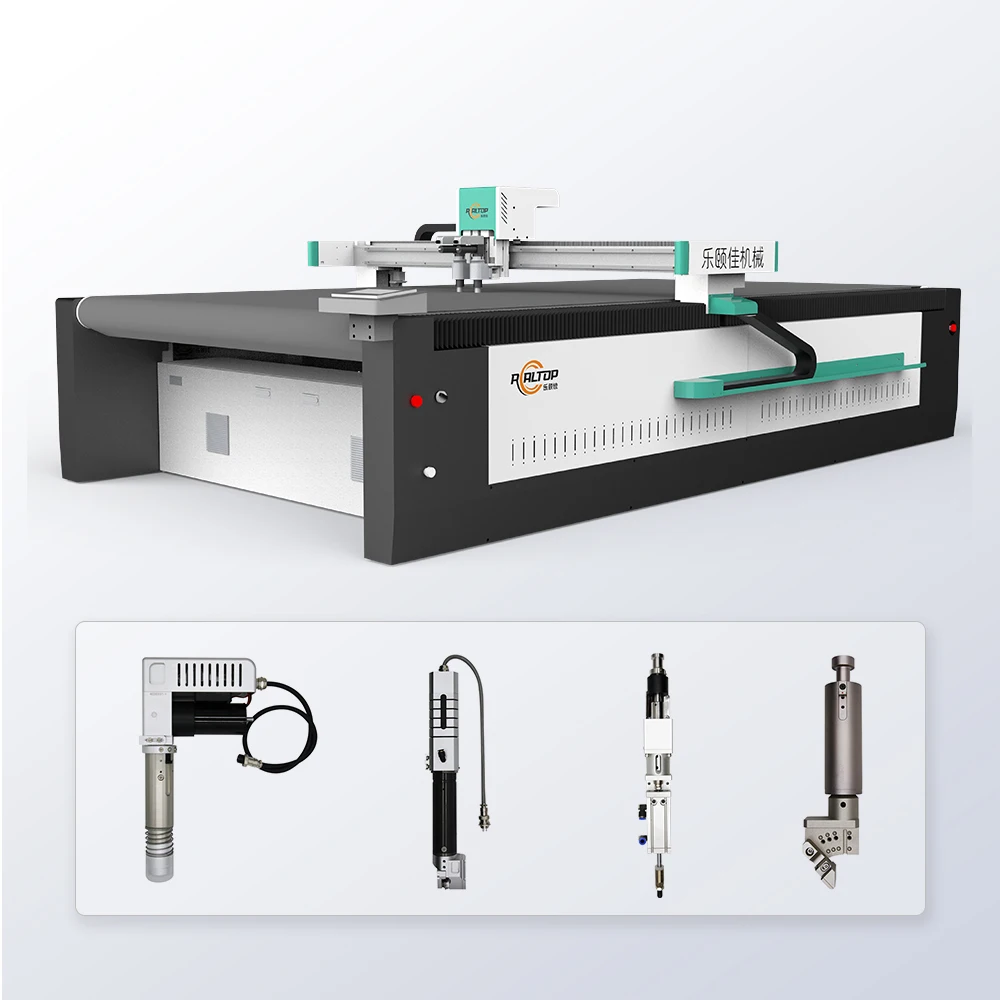
Custom Tool Head Mapping — We configure each oscillating and drag knife option against the buyer’s actual composite density and sheet format, preventing ragged edges and crushed core materials on the production floor.
Technical Specifications
| Parameter | Value |
|---|---|
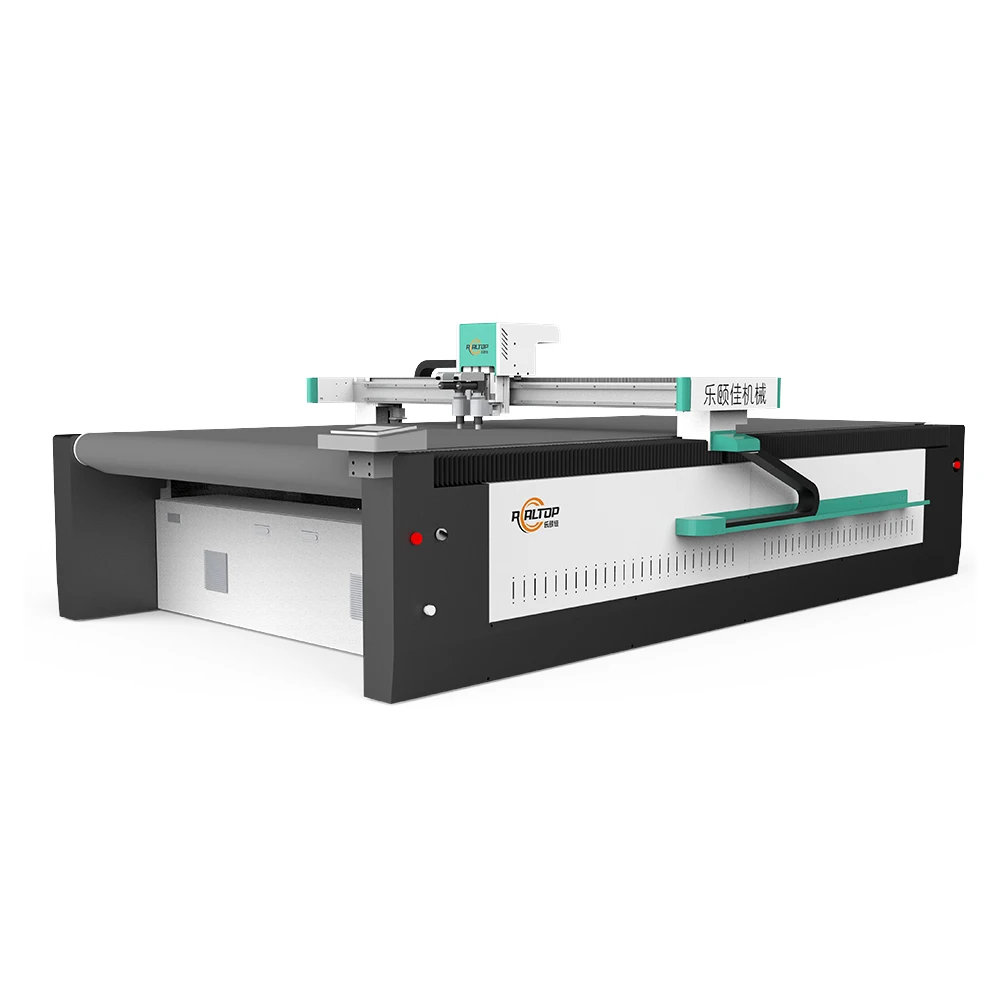
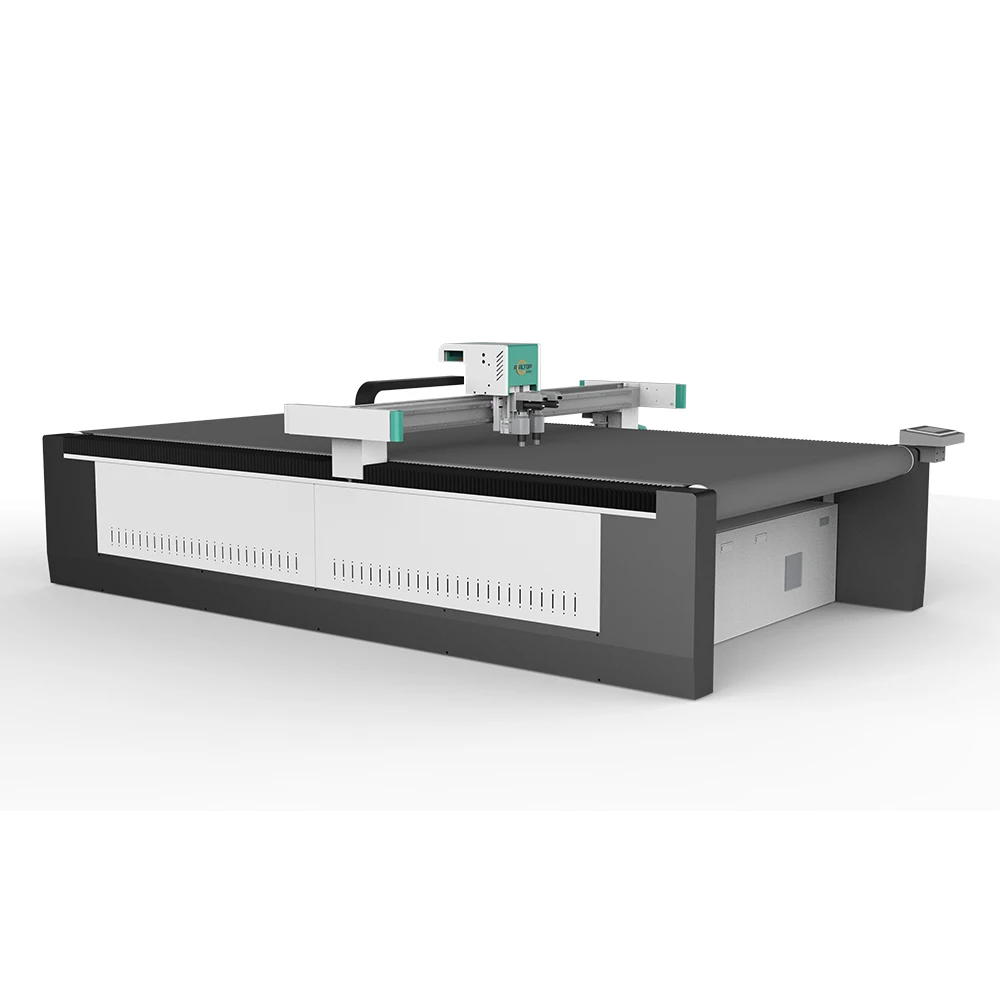
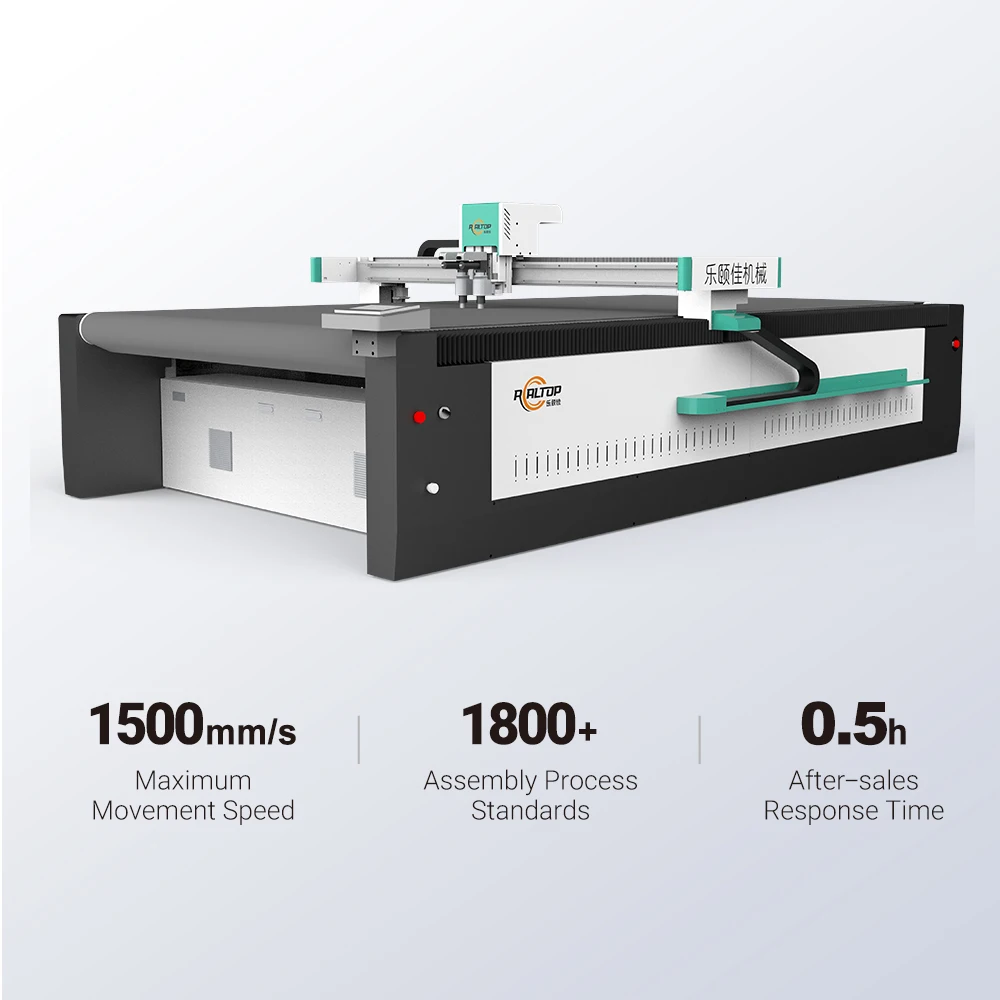
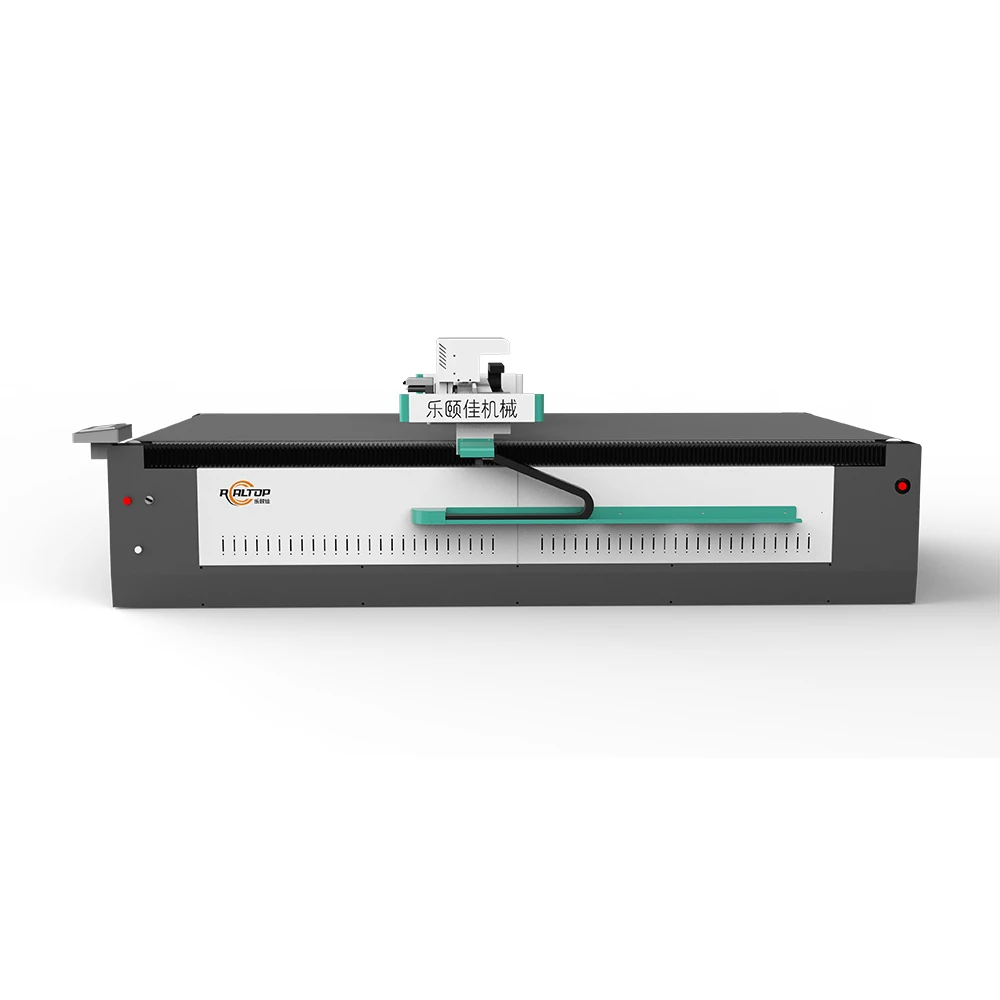
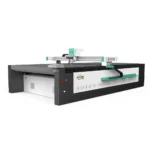
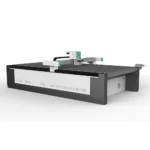
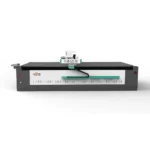
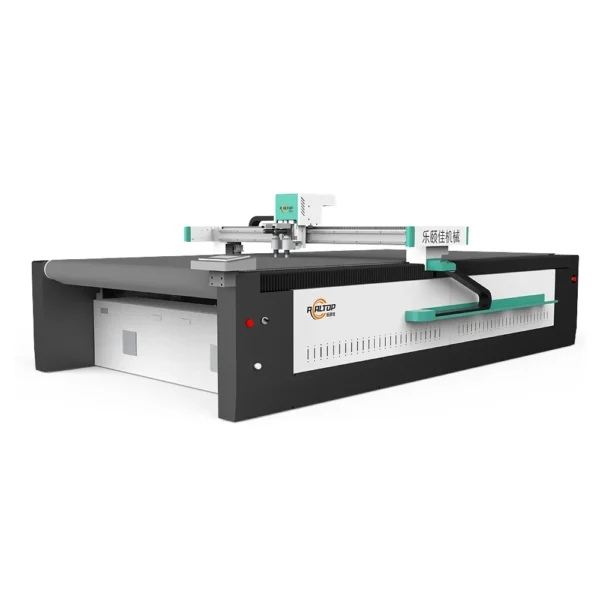
| Product Type | CNC Oscillating Knife Cutting Machine |
| Working Area | 1600 × 2500 mm |
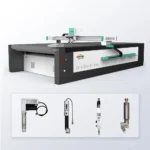
| Tool Head Options | Oscillating knife, Driven rotary knife, Creasing wheel, Kiss cutting tool, Pneumatic knife, Milling tool, V groove knife |
| Cutting Speed | 0–2000 mm/s |
| Cutting Thickness | ≤ 30 mm (basis not stated in source — confirm block format / material / thickness) |
| Cutting Accuracy | ±0.1 mm |
| Vacuum Pump Power | 9 kW |
| Vacuum Table | Aluminum bellows vacuum table |
| Control System | PLC control panel |
| Servo Motors | Panasonic, Delta, or Dorna options |
| Software File Formats | PLT, DXF, AI, PDF |
| Voltage Options | 110V, 220V, 380V |
| Safety Device | Infrared sensor device and emergency stop device |
| Machine Size | 3300 × 2100 × 1350 mm |
| Language Options | English, Russian, Italian, Chinese (custom languages available) |
| Standards | CE (declared) |
Application Suitability
| Application | Material or Output |
|---|---|
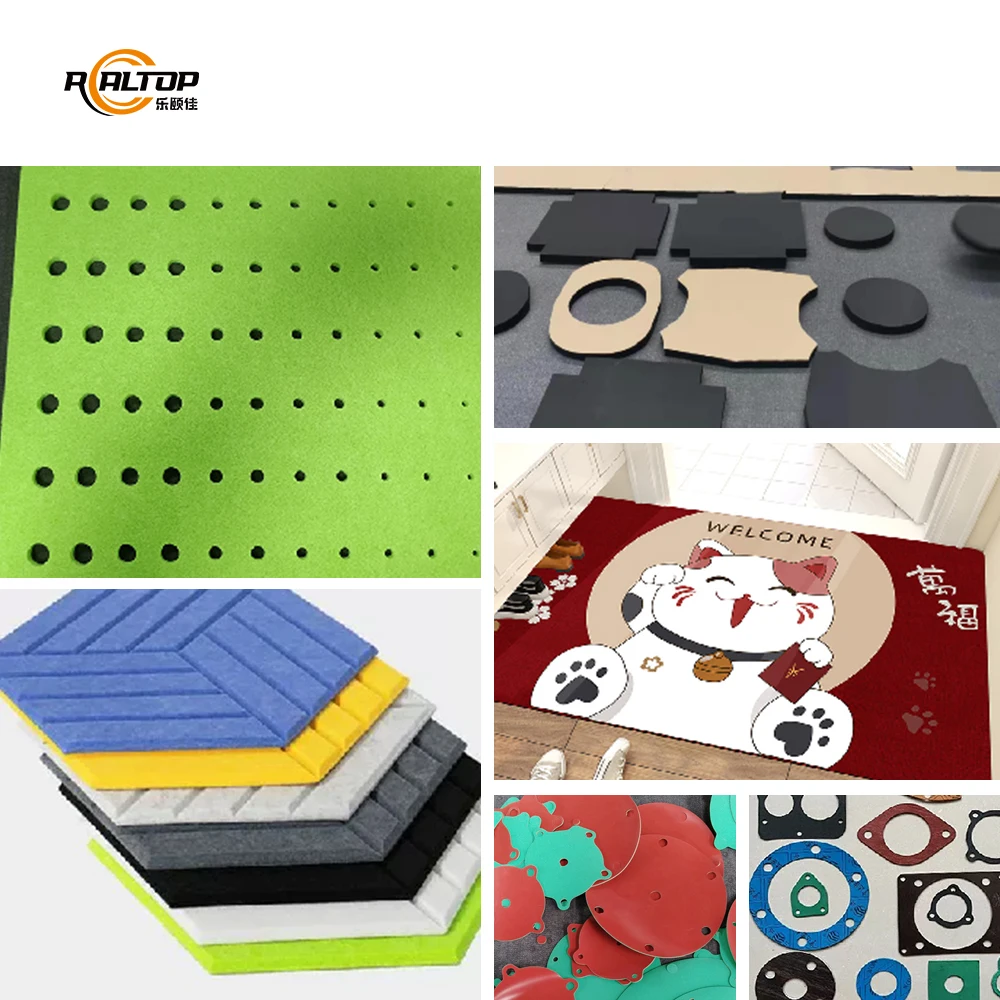
| Automotive acoustic insulation | PET felt, damping pads, headliner composites |
| Aerospace composite profiling | Carbon fiber prepreg, aramid honeycomb, thermal insulation foam |
| Wind energy preforms | Fiberglass cloth, vacuum infusion mesh, PET/PVC foam core |
| Industrial gasket fabrication | Rubber, PTFE, ceramic fiber blankets, sealing strips |
| Sporting goods layup | Kevlar, high-performance foam, carbon fiber sheets |
Why Material Density Invalidates the "30 mm" Thickness Claim
The published cutting thickness only holds when the material density and block format match the test conditions.
Too many composite producers discover after delivery that a machine rated for a given thickness on standard PET felt cannot penetrate recycled-fiber blends or high-density acoustic boards at production speed. The blade deflects, the edge frays, and the vacuum table loses grip on the offcuts [NEED_CITE: material density variations in recycled acoustic composites]. A CNC oscillating knife cutting machine specifications sheet means very little if the test sample was a soft, uniform foam and your daily stock is a stiff, layered panel. I have watched lines stall because the cutting depth was verified on one material and the purchase order covered three others. Always require a sample cutting report on your actual production stock before the machine leaves the factory.
Matching Tool Head Geometry to Composite Fiber Structure
Acoustic PET felt tears rather than shears when the wrong blade geometry meets the fiber orientation. The oscillating knife handles standard-density felt cleanly at high speed, but denser recycled blends demand a pneumatic knife or driven rotary knife to push through the matted layers without dragging. For carbon fiber prepreg and aramid honeycomb, the cold-cutting action of the oscillating head preserves resin integrity and avoids the thermal delamination that laser methods introduce. Selecting the correct CNC oscillating knife cutting machine specifications starts with the fiber structure, not the sheet thickness.
Vacuum Zoning and Hold-Down on Flexible Composites
Flexible acoustic sheets and thin prepreg layers lift off the table the instant the knife exits the cut path if the vacuum zone is too large for the part geometry. The 9 kW pump paired with an aluminum bellows vacuum table provides full-surface suction, but production planners must verify the zone layout against their smallest nested part [NEED_CITE: vacuum hold-down requirements for flexible composite cutting]. Undersized parts shift during the final pass, producing scrap that nesting software cannot recover. Confirming zone boundaries against the buyer’s actual nesting pattern prevents this failure mode before the machine ships.
Reading the Specification Sheet Against Real Production Conditions
The ±0.1 mm cutting accuracy figure depends on servo response and blade rigidity holding up across the full 1600 × 2500 mm travel. Panasonic, Delta, or Dorna servo options each carry different torque curves that affect cornering behavior on tight gasket profiles. The PLC control panel processes PLT, DXF, AI, and PDF files, but software compatibility with the buyer’s existing nesting workflow must be confirmed before the control firmware is locked. Cutting speed reaches 2000 mm/s on straight paths, yet complex contours with frequent direction changes demand slower feed rates to maintain the stated tolerance across the entire sheet.
The Cost of Skipping the Material Sample Step
Choosing a tool head based on a catalog description rather than a physical cut sample leads to compounding production losses. Ragged edges on acoustic panels require manual trimming that erodes the throughput advantage of digital cutting. Crushed foam cores in composite sandwiches fail downstream lamination checks. Insufficient vacuum zoning on small gasket parts generates lift-induced scrap that inflates raw material costs [NEED_CITE: scrap rate causes in digital composite cutting]. These failures share a common root: the configuration was locked before the buyer’s material touched the blade.
Why Procurement Teams Source This Configuration Here
In-house design covering both knife cutting and vacuum table engineering means the tool head and hold-down system are specified together against the buyer’s composite type, not sold as separate line items. Tool head and table configuration is documented per material and production volume, so a felt producer and a carbon fiber fabricator receive fundamentally different machine builds from the same platform. CCD camera positioning is available for printed contour work on composite skins where registration marks guide the cut path. Software compatibility is confirmed against the buyer’s nesting files before the order enters production. Sample cutting runs on the buyer’s actual stock before commitment, with a full report documenting edge quality, cutting speed, and dimensional accuracy. Voltage, plug type, and control language are locked in writing before fabrication begins.
Documentation & Verification
- Machine specification sheet listing each tool head option and its assigned composite material
- Electrical schematic confirming voltage, frequency, and plug type for the destination workshop
- Tool head and vacuum table configuration list matched to the buyer’s sheet size and part geometry
- Sample cutting report on buyer-supplied acoustic felt or composite stock with measured tolerances
- Software licence and file format compatibility note covering PLT, DXF, AI, and PDF import
- Factory test record documenting cutting accuracy across the full working area before crating
Installation, Commissioning & Support
- Foundation must support the 3300 × 2100 × 1350 mm footprint with level tolerance for vacuum seal integrity
- Dedicated circuit matching confirmed voltage (110V, 220V, or 380V) with independent breaker for the 9 kW pump
- Table segments arrive bolted; bellows seals require on-site alignment to maintain zone vacuum levels
- First-run calibration sets servo parameters against the selected Panasonic, Delta, or Dorna motor option
- Operator training covers tool head changeover procedures and PLC panel navigation in the confirmed language
- Spare blade and bellows seal inventory sized to the buyer’s daily cutting volume and shift pattern
Preparing Your Material Data for Configuration
Production planners should submit the specific composite material type, measured thickness range, and maximum sheet dimensions alongside their daily cutting volume. Include the local voltage and frequency standard, preferred control language, and the file formats currently used in your nesting software. If the stock includes recycled-fiber blends or variable-density laminates, send physical samples for cutting trials before the configuration is finalized.
Frequently Asked Questions
Q: How is the cutting thickness verified before shipment?
A: The ≤30 mm figure originates from internal testing under conditions not stated on the specification sheet. We run the buyer’s actual composite material on the machine and document achievable thickness, edge quality, and cutting speed in a sample cutting report that ships with the documentation package.
Q: Which tool head handles acoustic PET felt without fraying?
A: Standard-density PET felt cuts cleanly with the oscillating knife at high speed. Denser blends containing recycled fibers typically require the pneumatic knife or driven rotary knife to prevent fiber drag. The correct selection is confirmed during the sample cutting trial on your stock.
Q: Does the vacuum table zone small composite parts effectively?
A: The aluminum bellows table paired with the 9 kW pump delivers full-surface suction, but zone layout must match the buyer’s smallest nested part. We review the nesting pattern before production and adjust zone boundaries so undersized components remain fixed through the final cut pass.
Q: Can the control software import existing DXF nesting files?
A: The PLC system accepts PLT, DXF, AI, and PDF formats. We verify import compatibility with the buyer’s nesting software during the pre-order confirmation stage and document the result in a file format compatibility note included with the machine documentation.
Q: What voltage and language configuration ships with the machine?
A: Voltage is configurable across 110V, 220V, and 380V, and control language options include English, Russian, Italian, and Chinese with custom languages available. Both parameters are confirmed in writing before production begins and verified on the electrical schematic.


商品评价
Clear filtersThere are no reviews yet.