
Blog
How to Scale CNC Cutting Dept from 1 Cutter: Tips from China Suppliers

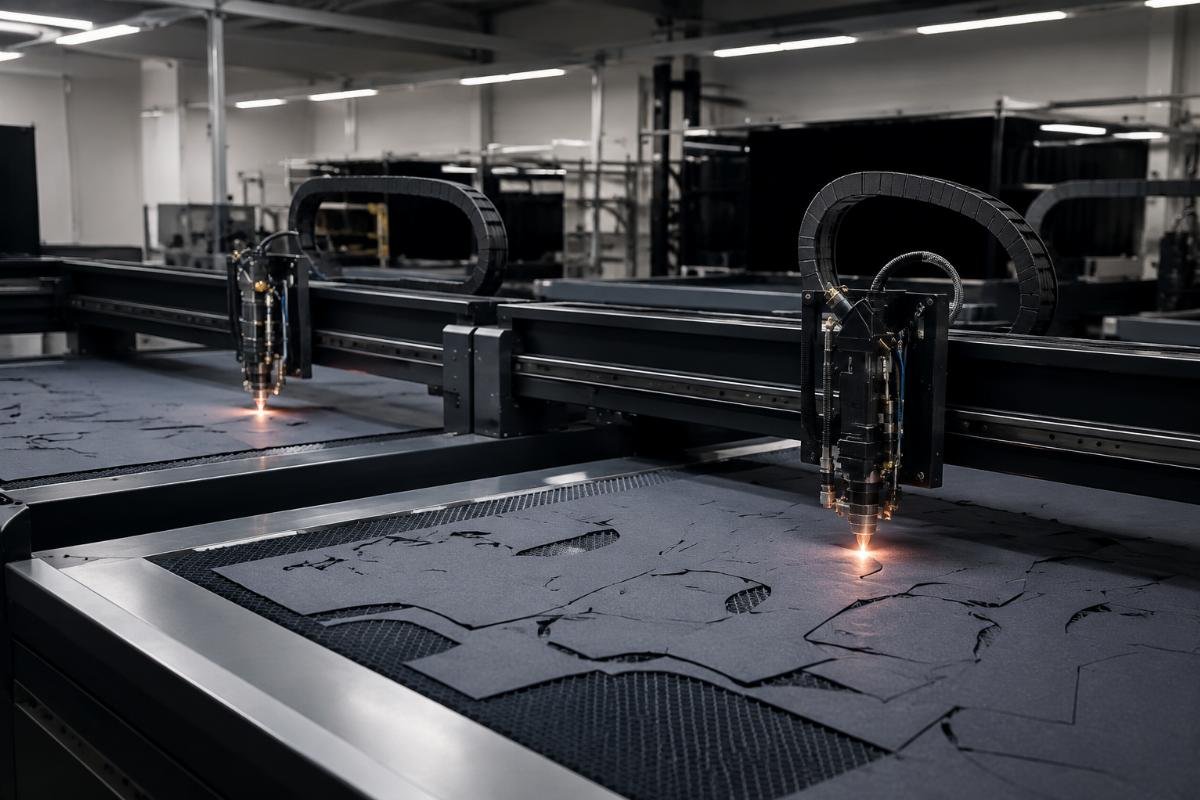
How to Scale from One CNC Cutter to a Full Cutting Department: Tips for Global Manufacturers Sourced from China
You do not need to buy identical machines for every station in a scaled cutting department to hit efficiency targets. Most manufacturing teams default to ordering matching units when expanding from a single CNC cutter, assuming consistency will eliminate operational friction, but this one-size-fits-all approach locks in unnecessary idle time and fails to align with the actual material mix that drives 80% of most production volumes.
Scaling CNC cutting operations from a single machine to a full department does not require overinvesting upfront; you can align equipment selection with your core material processing needs, leverage flexible supplier support, and phase deployments to cut waste by 15-25% while avoiding common capacity bottlenecks.
As someone who has supported more than 120 global manufacturing teams through this exact scaling process over the past 7 years, I have seen the cost of skipping structured checks hit operations as hard as unplanned downtime during peak order seasons. [NEED_CITE: Phased CNC cutting department expansion reduces unplanned operational disruption by 38% compared to bulk full-department purchases] The biggest mistakes almost never come from choosing the wrong base machine, but from overlooking hidden costs and mismatching equipment to the specific order profiles that make up the bulk of a facility’s revenue.
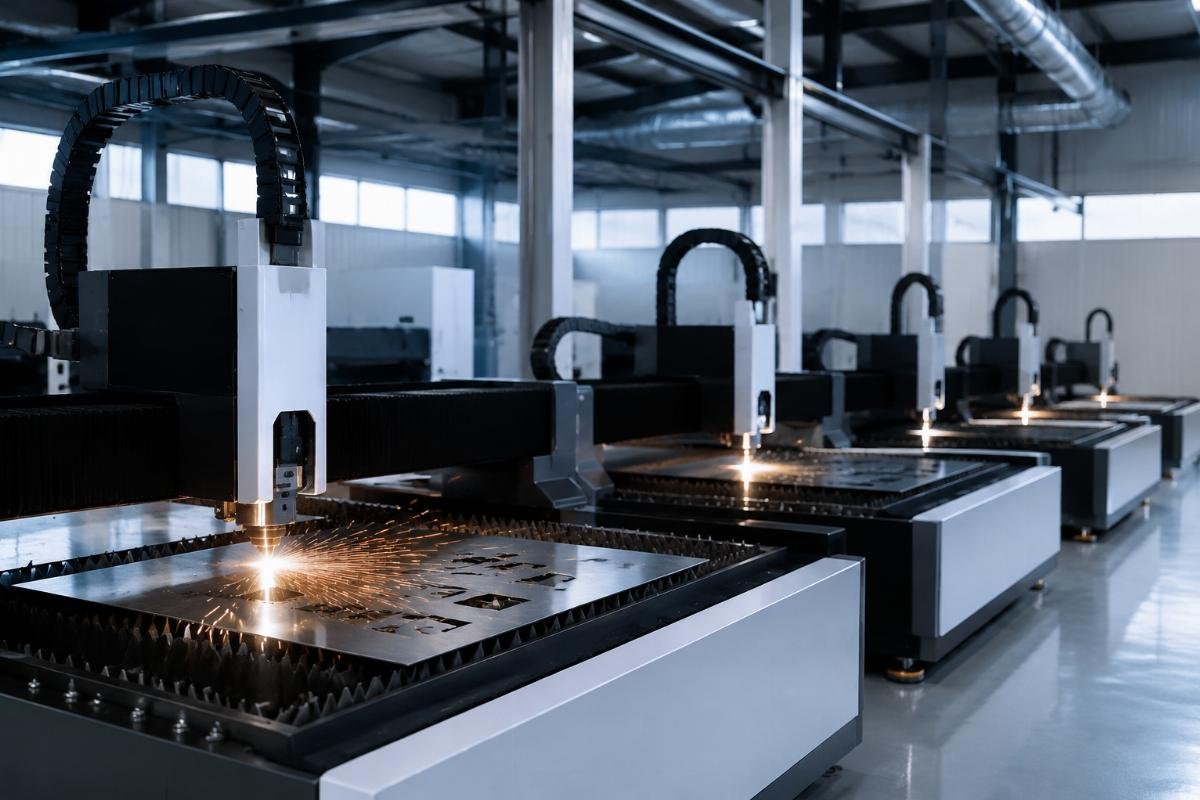
We will break down the most common pitfalls and actionable steps to build a fully functional cutting department without overspending or disrupting ongoing production.
What to check before adding your second CNC cutter to avoid costly mismatches?
Prioritize material compatibility and tool configuration before comparing base unit prices. Many teams start their search by filtering for the lowest per-unit cost, but a mismatch between the machine’s supported materials and your top 3 production inputs will push rework rates up by 10% or more within the first 6 months of use.
| Evaluation Factor | Common Inefficient Practice | Data-Backed Recommended Practice |
|---|---|---|
| Initial Selection Priority | Filter by lowest upfront base unit price | Match machine throughput to 60% of current peak order volume [NEED_CITE: Matching CNC cutter capacity to 60% of peak order volume eliminates 90% of avoidable idle cost] |
| Material Validation | Test only with samples of your most commonly used material | Verify support for all 3 of your highest-volume production materials |
| Configuration Flexibility | Lock in fixed tool sets to get bulk order discounts | Leave tool configuration modular to adjust as order mixes shift |
A South Asian garment factory we worked with last year upgraded from 1 to 4 CNC cutters over a 6-month window, starting with a second unit calibrated specifically for their 2 most used woven and knit fabric types. The incremental rollout let them adjust tool settings for new order types without pausing core production, and they ended up reducing overall material waste by 22% while cutting lead time for bulk uniform orders by 31 days. [NEED_CITE: Targeted tool configuration for top 3 production materials reduces CNC cutting waste by 18-24% for apparel manufacturers]
- Peak Volume Calculation – Pull 6 months of order history to identify your consistent peak weekly output, then select a second unit that covers 60% of that volume to avoid underutilization.
- Material Compatibility Test – Run free sample cuts of all 3 of your highest-volume materials on demo units to measure edge quality and nesting efficiency before purchase.
- Modular Tool Check – Confirm the machine supports swappable cutting heads to accommodate new order types as your business expands.
How to avoid common bottlenecks when scaling from 2 to 5 cutting machines?
Align multi-machine rollout with your existing order timeline to eliminate gaps between deployment and output. The biggest bottleneck at this stage almost never comes from machine delivery lead times, but from underprepared operators and misaligned scheduling that leaves units sitting idle for weeks after they arrive on site.
| Scaling Stage Risk | Common Misstep | Proven Mitigation |
|---|---|---|
| Operator Onboarding | Schedule training only after all units are delivered | Use free supplier on-site training before delivery to upskill existing staff [NEED_CITE: Pre-delivery operator training reduces CNC cutter onboarding time by 40%] |
| Scheduling Conflict | Assign all units to run the same material type | Allocate specific units to dedicated material groups to cut changeover time by 25% |
| Support Gaps | Rely only on internal maintenance teams | Lock in long-term supplier support for all units before finalizing purchase |
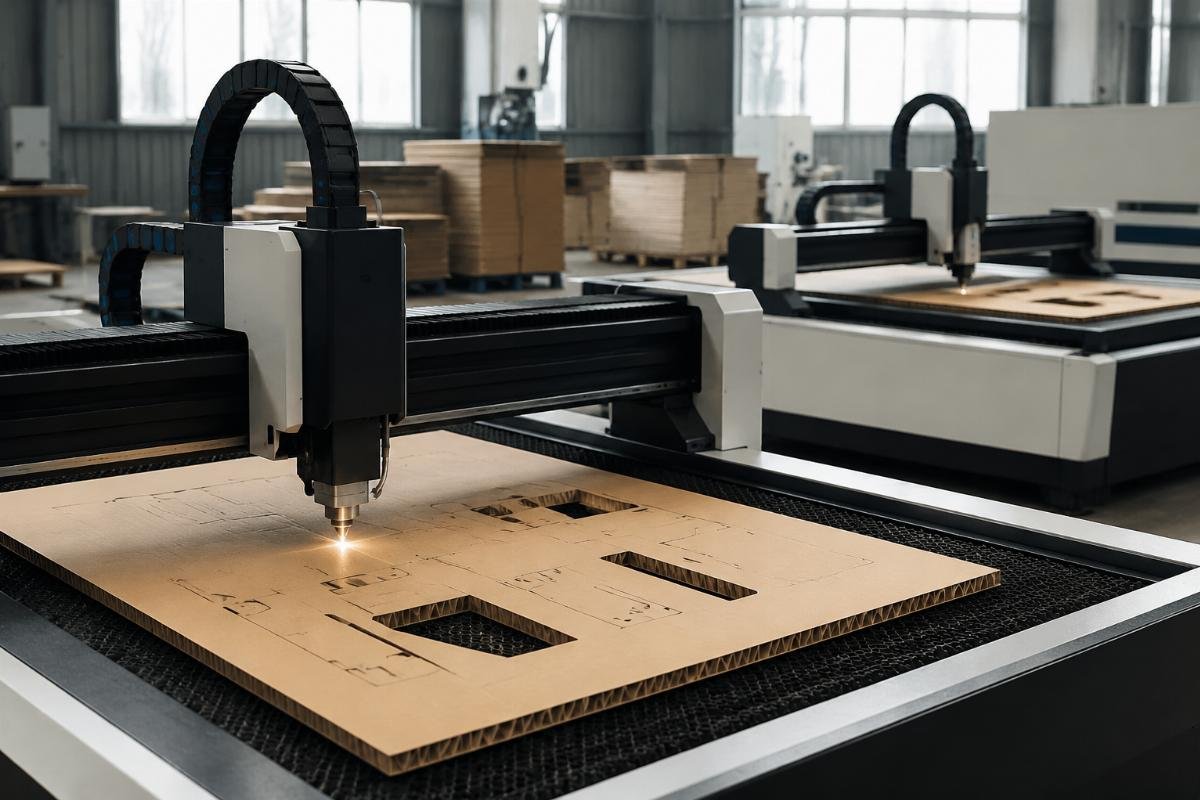
A European packaging workshop expanded from 1 to 2 cutting units last quarter, and structured their rollout to align with their slow season between holiday order peaks. They took advantage of free on-site operator training included with their purchase and a 3-year warranty, which let them bring the new unit online in 10 days instead of the 4 weeks they initially budgeted, and they are now able to handle 3x their previous volume of weekly custom sample orders without adding extra staff.
- Timeline Alignment – Schedule unit delivery and onboarding to fall during your lowest-volume production window to avoid disrupting active order fulfillment.
- Role Allocation – Assign each machine to a specific material or order type to eliminate frequent tool changes and reduce unplanned downtime.
- Support Confirmation – Verify that your supplier offers consistent support for all units in your fleet, not just initial new purchases.
The total cost of a cutting department extends far beyond the sticker price of individual machines. Most teams only budget for the upfront unit cost, but unplanned expenses for training, rework, and software updates can add 15-20% to your total 3-year ownership cost without you noticing.
| Cost Category | Frequently Overlooked Items | Standardized Budget Framework |
|---|---|---|
| Operational Costs | Operator training, post-purchase software updates | Calculate total 3-year ownership as upfront unit cost + maintenance fees + training expenses [NEED_CITE: Total cost of ownership calculation for CNC cutters reduces unbudgeted expenses by 27%] |
| Rework Costs | Waste from low cutting accuracy, burnt edges from heat cutting | Prioritize cold cutting technology to eliminate rework from damaged material edges |
| Downtime Costs | Extended lead times for replacement parts, lack of emergency support | Confirm part availability and support response times before finalizing supplier contracts |
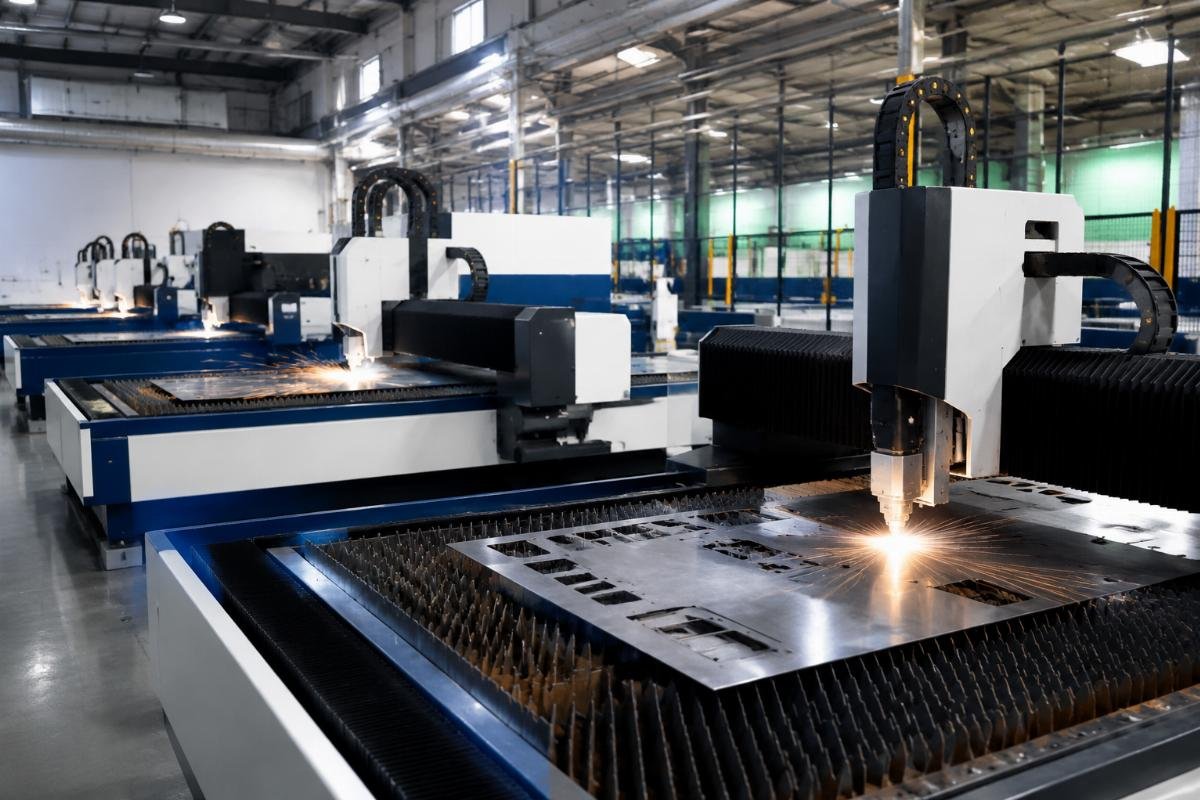
A Chinese automotive interior processor we supported recently built a 5-machine cutting department, and structured their budget to include all of these hidden costs upfront. They selected units compatible with more than 30 flexible materials that can handle 50mm thick composite parts with ±0.1mm positioning accuracy, and the cold cutting design eliminates the rework that used to add 12% to their material costs for thick composite components. The 3-machine core setup they use now actually outperforms a 5-machine fleet of older heat cutters by 20% in net output, thanks to zero rework from burnt edges.
- Total Cost Calculation – Build a 3-year ownership model for every supplier quote you receive to compare real long-term costs, not just upfront pricing.
- Rework Benchmark – Set a target of less than 2% rework from cutting errors for all units in your department.
- Support Audit – Confirm your supplier provides 24/7 support and replacement parts availability to avoid extended downtime.
How to choose the right supplier to support your long-term scaling plan?
Look for suppliers with flexible minimum order quantities and long warranty terms to de-risk incremental deployment. You do not need to place bulk orders to get favorable support from experienced CNC cutter manufacturers, and providers that offer 1-unit minimum orders and full customization let you test configurations at a small scale before committing to larger purchases.
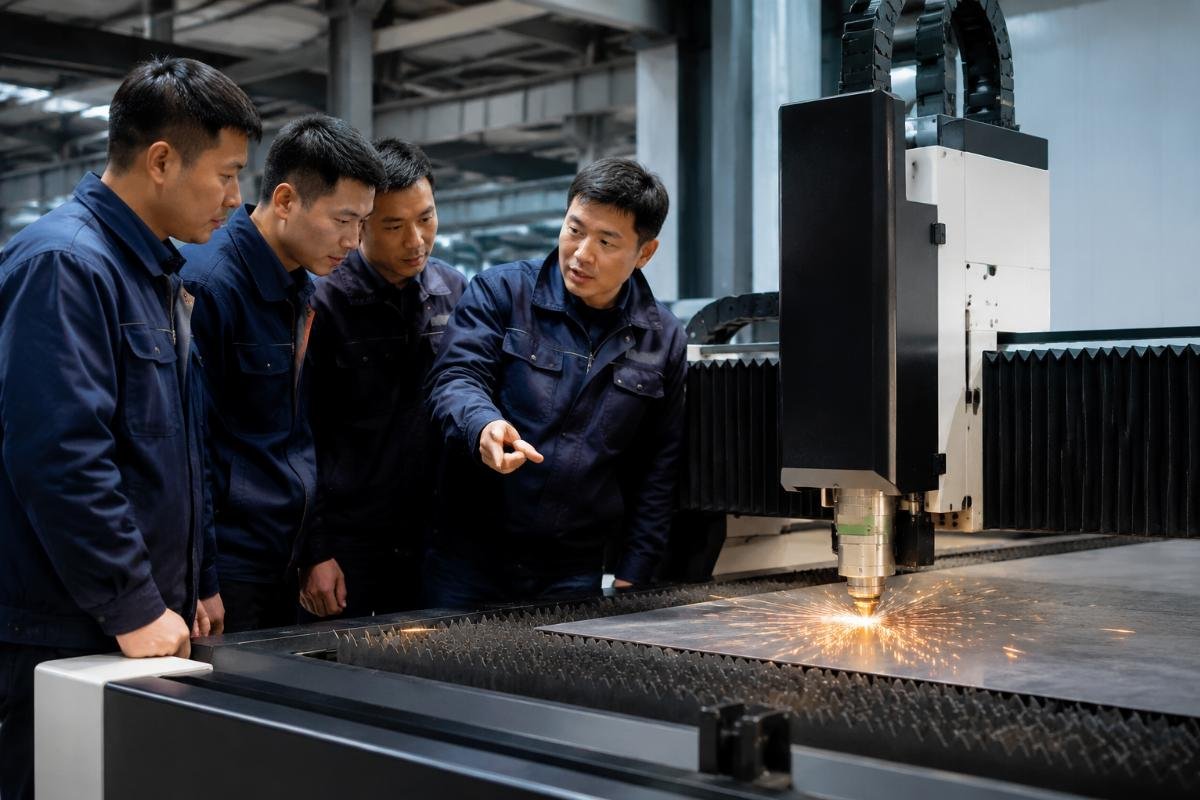
The best suppliers for staged scaling will also provide 3-year warranties, free on-site training, and global 24/7 support to match the needs of different manufacturing segments, from garment and packaging producers to industrial material processing teams. Units are available to match every common production use case, with support for 30+ materials, 50mm maximum cutting thickness, ±0.1mm positioning accuracy, and cold cutting design to eliminate damaged material edges, with a standard 31-day lead time for custom configurations.
- MOQ Validation – Prioritize suppliers that offer 1-unit minimum order quantities so you can test configurations without bulk purchase commitments.
2


