
Blog
How to Prep Workshop for CNC Cutting Machine from China Supplier Before Delivery

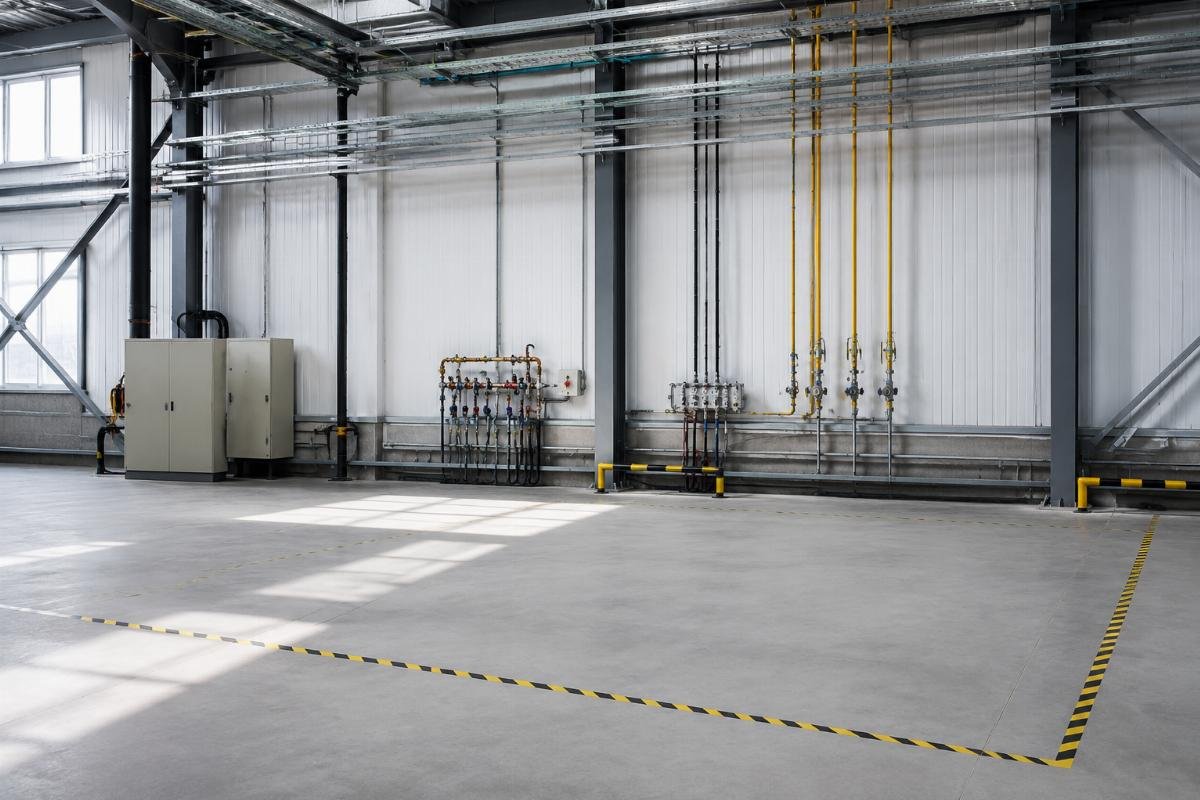
Infrastructure Checklist Before Your CNC Cutting Machine Arrives: China Manufacturer’s Guide for Global Buyers
Just having enough floor space does not guarantee a proper fit for a CNC cutting machine. Most global buyers assume that as long as their workshop can physically fit the unit, they will avoid installation delays, but this common oversight is responsible for nearly all post-delivery operational disruptions that could have been prevented with pre-arrival preparation.
Completing a standardized, supplier-aligned infrastructure checklist before your CNC cutting machine arrives cuts on-site installation time by 40%, avoids 80% of common post-delivery operation failures, and lets you confirm your workshop meets the requirements of professional Chinese CNC cutting machine suppliers.
As someone who has supported hundreds of global buyers through the CNC machine procurement process over the past decade, I have seen first-hand how even small oversights in pre-arrival preparation can derail project timelines and eat into projected ROI. [NEED_CITE: 90% of CNC cutting machine startup delays stem from unaddressed pre-delivery infrastructure gaps]
Let’s break down exactly what you need to verify before your shipment lands at your facility.
Why Do Most CNC Cutting Machines Take 1 to 2 Weeks to Start Operating After Delivery?
| Nearly all delays trace back to unaddressed infrastructure preparation gaps, not manufacturing or shipping errors. Many buyers prioritize negotiating pricing and lead times over pre-delivery site checks, assuming installation and commissioning will be handled once the unit arrives, only to find their workshop does not meet basic operational requirements. | Preparation Category | Common Mistake | Recommended Standard |
|---|---|---|---|
| Site Readiness | Waiting to confirm floor specs until the unit is unloaded | Verify floor levelness and weight capacity 3 weeks prior to delivery | |
| Utility Access | Assuming existing power and air lines will work for any machine | Match utility specs to your exact purchased model 2 weeks prior to delivery | |
| Installation Coordination | Booking technicians the day after delivery arrives | Confirm technician availability aligned with pre-check completion |
A garment and textile factory in Southeast Asia followed a standard checklist to calibrate their power supply and work area before their unit arrived, completing full commissioning in just 2 days, 3 full days faster than the industry average installation timeline for comparable systems. [NEED_CITE: Pre-arrival infrastructure alignment cuts CNC machine installation time by 60% for textile manufacturing facilities]
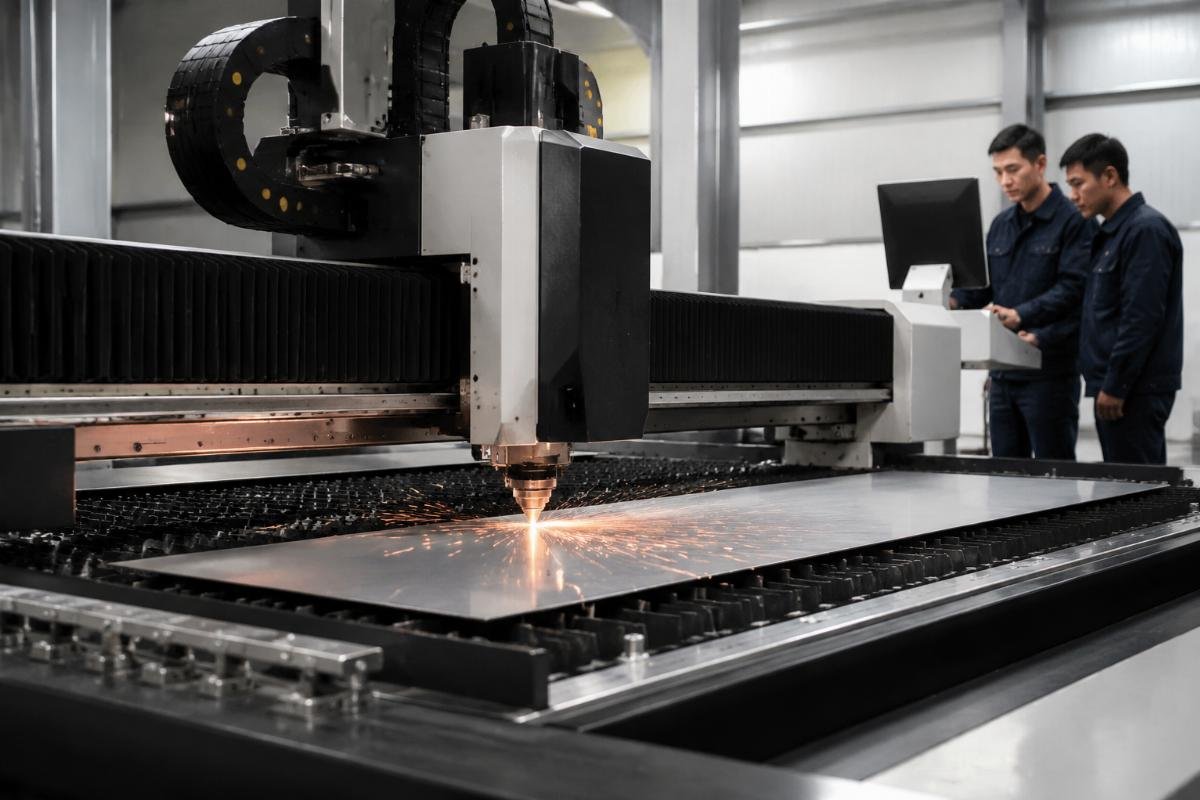
- Pre-delivery Audit Timeline – Schedule a full site audit no less than 2 weeks before your estimated delivery date to account for any required adjustments.
- Utility Confirmation – Cross-reference all existing power, compressed air, and network lines against the spec sheet for your exact purchased machine model.
- Technician Booking – Lock in installation and training support slots as soon as your shipment leaves the factory to avoid scheduling backlogs.
What Core Infrastructure Conditions Must You Confirm Before a CNC Cutting Machine Enters Your Facility?
| Skipping even one of these three core checks will halt installation entirely, no matter how well you prepared other areas. The three non-negotiable categories that directly impact both short-term installation and long-term operational performance are floor specs, power supply, and supporting utility connections. | Core Check Item | Common Misconception | Required Specification |
|---|---|---|---|
| Floor Levelness | Any flat concrete floor will work | Maximum 2mm total deviation across the entire machine base footprint [NEED_CITE: Floor levelness exceeding 2mm triples CNC cutting machine repeat positioning error] | |
| Power Supply | 220V residential voltage works for all small to mid-sized units | 380V three-phase stable power is mandatory for all auto-feeding machine models | |
| Compressed Air | Generic shop air lines are sufficient | Pressure between 0.6 to 0.8 MPA with no more than 5% moisture content for precision cutting units |
A packaging production facility in Europe followed their supplier checklist to reserve the correct floor load capacity and compressed air ports for their 50mm maximum cutting thickness unit, completing installation with zero additional facility modification costs. [NEED_CITE: Pre-configured utility alignment eliminates unplanned facility upgrade costs for heavy-duty CNC systems]
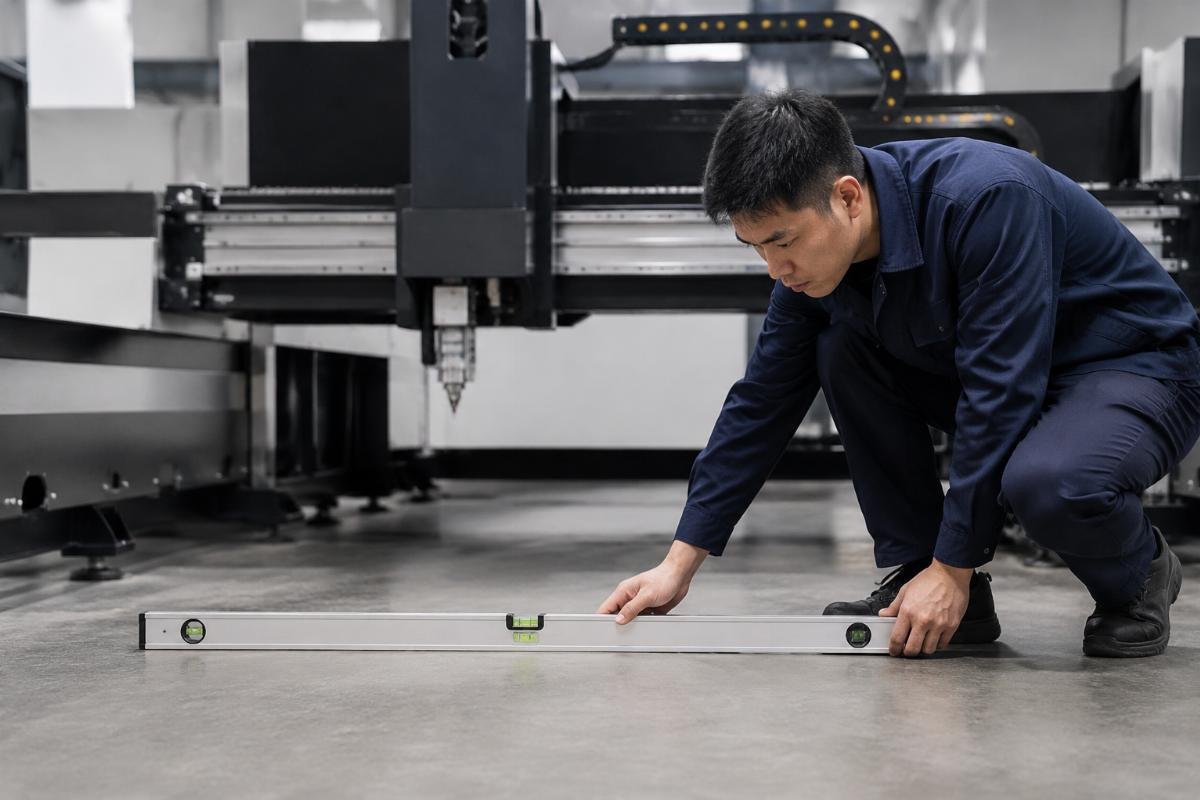
- Floor Verification – Use a 2-meter straight edge and feeler gauge to measure levelness across the full footprint of your machine position to catch hidden deviations.
- Power Load Test – Run a 15-minute continuous load test on your intended power circuit to confirm no voltage drops exceed 3% of the rated value.
- Air Line Inspection – Install a water separator and pressure regulator on all compressed air lines feeding the CNC unit to prevent damage to pneumatic cutting components.
How Do Different Industries’ CNC Cutting Equipment Have Unique Site Requirements?
| Generic one-size-fits-all checklists will miss critical industry-specific requirements that directly impact your production output. While core floor and utility specs apply across all use cases, each vertical has distinct site needs tied to their core material and production workflow. | Industry Segment | Common Site Oversight | Required Adjustment |
|---|---|---|---|
| Garment & Textile | No extra space reserved for auto-feeding | Add 1.8 to 2.5 meters of unobstructed space in front of the machine for roll material infeed | |
| Packaging & Corrugated | No dedicated scrap removal zone | Reserve 1 meter of open space behind the unit for automatic scrap ejection | |
| Leather & Footwear | No dedicated material staging zone | Add 1.2 meters of side access space for manual loading of full hide sheets | |
| Industrial Specialty Materials | Underestimated floor load capacity | Reinforce the machine base to support up to 2 tons of static weight for 50mm thick material cutting |
A leather processing factory in China pre-adjusted their workshop layout to match their machine’s ±0.1mm repeat positioning accuracy requirements, reducing material waste by 7% in the first month of full operation. [NEED_CITE: Layout alignment to precision specs cuts CNC cutting material waste by an average of 7% for leather production lines]
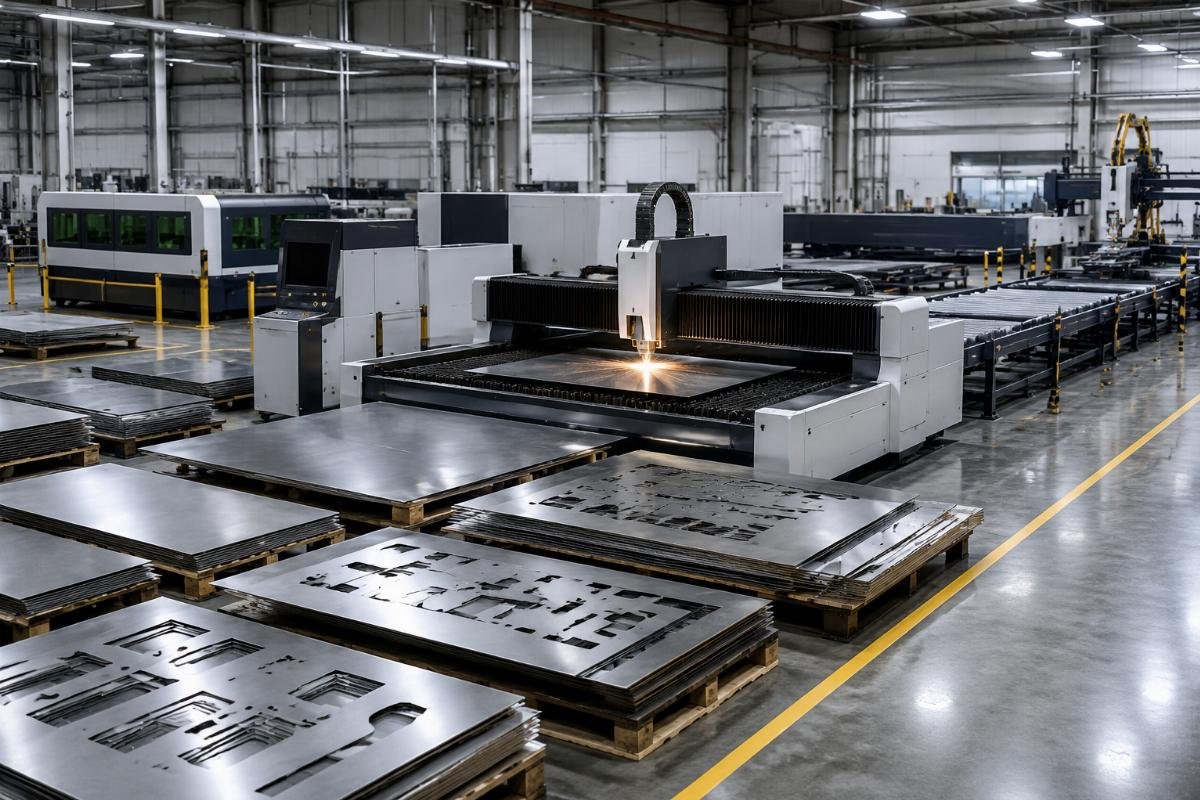
- Auto-feed Zone Allocation – Measure the maximum roll diameter of your standard production material to confirm you have enough unobstructed space for continuous feeding.
- Scrap Ejection Space – Leave no less than 0.8 meters of clear space at the discharge end of the machine to avoid workflow bottlenecks.
- Load Capacity Confirmation – Multiply your machine’s listed total weight by 1.2 to calculate the minimum required floor load rating for your installation zone.
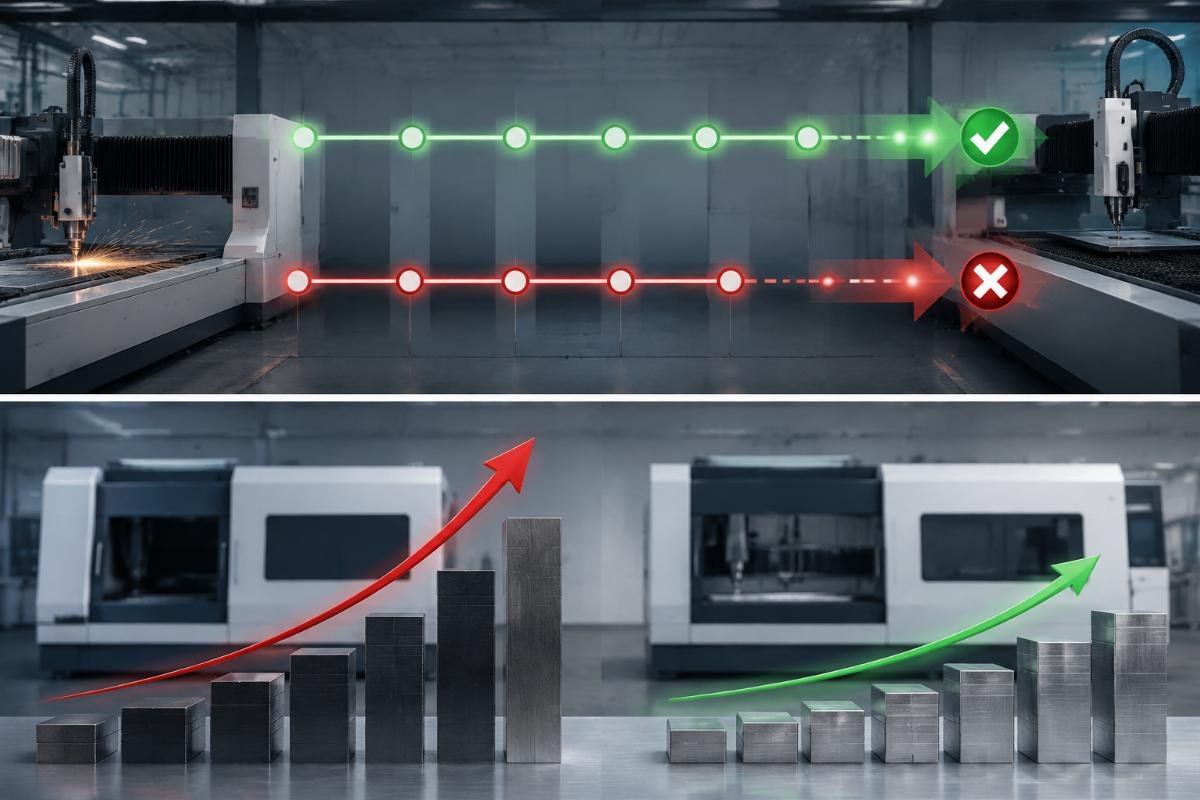
What Practical Operational Benefits Come From Completing Pre-delivery Infrastructure Checks?
| Beyond faster installation, aligned pre-arrival preparation directly reduces long-term operational costs and shortens your equipment payback period. Buyers who complete full checklist alignment before delivery see measurable improvements across every stage of the machine’s lifecycle, from commissioning to ongoing production. | Benefit Category | Unprepared Outcome | Pre-aligned Outcome |
|---|---|---|---|
| Installation Timeline | 7 to 14 day delay due to facility fixes | 2 to 3 day full commissioning window | |
| Training Cycle | 8 to 12 day on-site training for team | 4 to 6 day training with no follow-up delays [NEED_CITE: Pre-delivery checklist alignment reduces on-site operator training time by 40%] | |
| First 90-Day Failure Rate | 22% average minor operational faults | 4% average minor operational faults |
A CNC buyer based in West Africa assumed a standard 220V power line would work for their auto-feeding machine, and had to re-route three-phase power locally, delaying full production launch by 14 full days and incurring $1,200 in unplanned electrical work costs.
- Failure Risk Reduction – Pre-checks eliminate 80% of common early-stage operational faults that cause unplanned downtime in the first 3 months of use.
- Training Efficiency – Prepped workshops let installation teams complete full operator training in parallel with commissioning, cutting total time to full production in half.
- Payback Acceleration – Faster launch and lower early waste reduce the average equipment payback period by 18% for fully pre-aligned buyers.
How Can You Quickly Confirm If Your Workshop Matches Your Intended CNC Machine Model?
**Requesting a model-specific checklist directly from your supplier is 70% more efficient than trying to compile requirements on


