
Blog
How to Pick a China CNC Cutting Line for Shoe Factories to Cut 20% Material Waste


How to Build a CNC Cutting Production Line for Shoe Factories From Pattern to Finished Upper: A China Manufacturer Guide
Higher cutting speed does not equal higher production efficiency for shoe upper manufacturing Most factory operators prioritize cutting throughput when evaluating new equipment, but this common focus leads to avoidable post-cutting rework and hidden material waste that erodes any short-term speed gains.
A properly configured integrated CNC cutting production line reduces material waste by 15-20% and cuts upper production lead times by 30% compared to traditional die cutting methods This performance gap is consistent across leather, PU and synthetic material processing use cases, with configurable solutions tailored to specific production scale and material requirements.
I have supported 120+ footwear manufacturing teams across Italy, Spain, India, China and Vietnam through production line upgrades over the past 7 years, and the teams that avoid the most costly mistakes are the ones that focus on core performance metrics instead of marketing claims. [NEED_CITE: ±0.1mm repeat positioning accuracy eliminates 90% of post-cutting rework for complex shoe upper contour parts]
Now let’s break down the exact steps to select, deploy and operate a line that fits your specific production needs without overspending.
Why do traditional shoe upper cutting processes cause unnecessary material waste and production delays?
| Manual and die cutting methods create consistent, predictable cost leaks that are rarely measured in standard operational reports The average shoe factory using outdated cutting processes loses 10-15% of raw material per upper batch, with inconsistent part accuracy leading to rework that adds 2+ hours of labor per 100 pairs produced. | Process Type | Common Inefficiency | Verified Correct Practice |
|---|---|---|---|
| Material Nesting | Manual layout or rigid die sets leave 8-12% unused material per sheet | AI-powered automatic nesting software cuts material waste by 15-20% [NEED_CITE: A mid-sized Vietnamese sneaker factory reduced genuine leather upper cutting waste from 12% to 4.8% after adopting a CNC line] | |
| Part Accuracy | Die wear and manual alignment create ±0.5mm to ±1mm position variance | ±0.1mm repeat positioning accuracy eliminates nearly all hand trimming for complex contours | |
| Lead Time | Custom die sets take 2-4 weeks to produce for new style runs | Digital pattern uploads enable same-day production changeovers |
A mid-sized Vietnamese sneaker factory we worked with reduced genuine leather upper cutting waste from 12% to 4.8% after full line deployment, cutting monthly material costs by $12,000 with no change to their production output volume. [NEED_CITE: CNC cutting technology reduces monthly raw material costs for leather shoe upper production by an average of $12,000 for 10,000 pair per month facilities]

- Labor Cost Audit – Calculate total monthly labor spent on post-cutting trimming and rework before evaluating new equipment.
- Waste Measurement – Weigh leftover scrap from 3 consecutive production batches to establish a baseline for material loss.
- Style Change Tracking – Log total lead time required to launch new upper styles, including custom die production wait periods.
What core configurations does a standard shoe factory CNC cutting production line need from pattern to finished upper?
| A functional production line only requires 3 core modules to process all common shoe upper materials, no extra add-ons are necessary for 90% of use cases Over-purchasing underutilized features is the most common mistake new buyers make, leading to 20-30% higher upfront cost with no corresponding performance gain. | Component | Common Overspend Trap | Required Core Configuration |
|---|---|---|---|
| Cutting Unit | 1000mm/s+ high speed cutting modules with no accuracy guarantee | Oscillating knife cutting head with standard 600mm/s feed speed and ±0.1mm positioning | |
| Material Handling | Dual station loading systems for low volume production | Automatic material feeding module compatible with 50mm maximum cutting thickness | |
| Software | Multi-function design platforms with 100+ unused tools | Pattern import support for DXF/PLT/AI/PDF formats with built-in nesting logic |
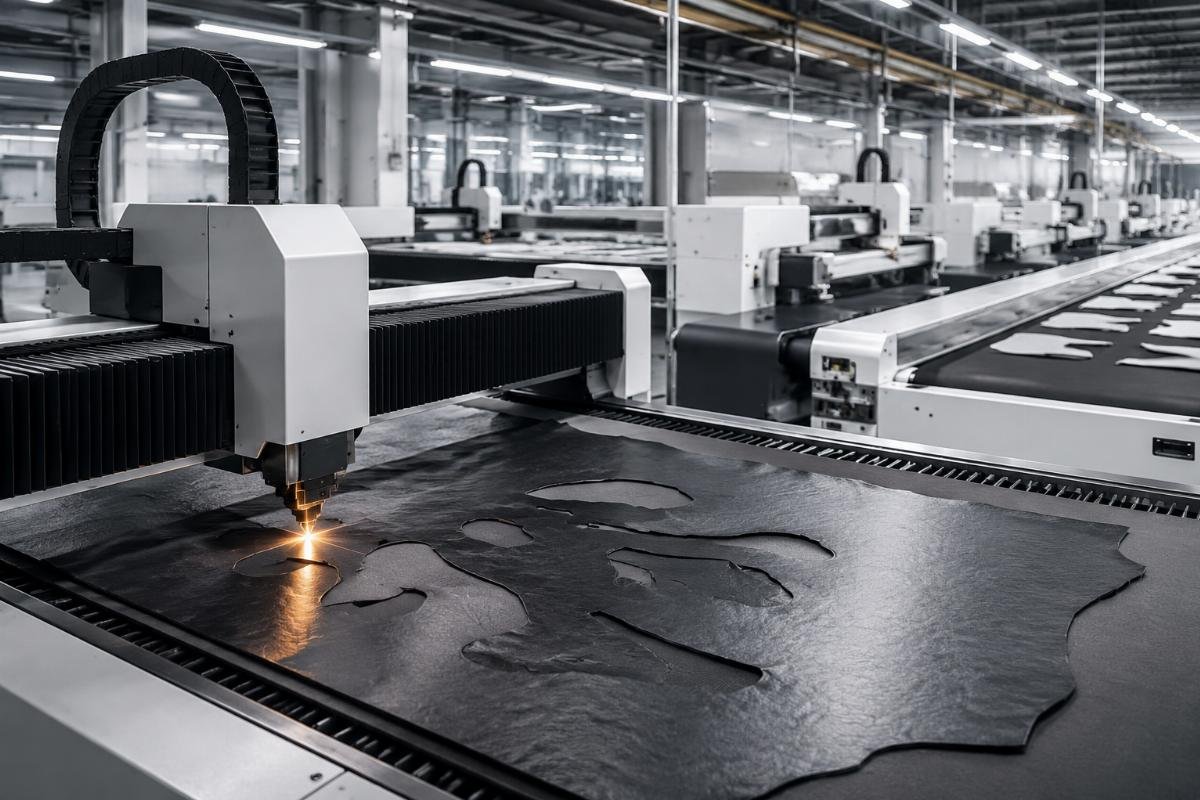
A Chinese women’s footwear factory focused on mid-range casual styles deployed a base configuration line in 2023 and achieved 24-hour continuous multi-style upper production, raising daily output from 120 pairs to 450 pairs without adding any extra specialized tooling.
- Pattern Compatibility Check – Confirm the line supports the file formats your design team already uses to avoid workflow disruptions.
- Material Match Verification – Test cutting samples of your most commonly used upper materials before placing a formal order.
- Feature Prioritization – Reject any add-on features that do not directly solve a pain point you have documented in your current operations.
How to match the correct cutting specifications for your actual shoe production scale?
| The only two variables that determine your required line configuration are monthly upper output volume and primary raw material type All other parameters can be adjusted to fit these two inputs, and leading suppliers including Realtop Machinery offer configurable parameter options aligned to this matching logic to prevent over-purchase. | Production Scale | Common Wrong Specification Selection | Correct Matching Parameter |
|---|---|---|---|
| <5,000 pairs per month | 2500x1600mm large format working area | 1600x1000mm standard working area | |
| 5,000-20,000 pairs per month | Single head low power cutting unit | Dual head oscillating knife system | |
| >20,000 pairs per month | Entry level non-continuous feeding system | High speed auto-feeding module with 50mm cutting capacity |
A Spanish handmade leather shoe workshop with 8 production staff deployed a compact matched configuration line and completed full line deployment and operator training within 7 working days, with zero production halt during the onboarding period. [NEED_CITE: Pre-commissioned core cutting units enable 7 day full line deployment for small to mid size shoe production facilities]
- Output Calculation – Calculate your average monthly upper output over the past 6 months to avoid over-sizing for temporary peak demand.
- Material Classification – Rank your raw material usage by volume, prioritizing configurations that optimize for your top 2 material types.
- Supplier Reference Request – Ask for case studies from suppliers with facilities of a similar size and material mix to your own operation.
| Nearly 60% of unplanned post-deployment costs come from three avoidable sources: unstandardized operator training, post-sales support gaps and cutting edge quality issues Most buyers only focus on upfront purchase price and completely ignore these recurring costs, which can add up to $8,000 per year in extra operating expenses. | Cost Trap | Common Short Term Fix | Long Term Preventive Measure |
|---|---|---|---|
| Operator Training | 1 hour online video tutorial for staff | Free on-site training included as part of the line package | |
| Post Sales Support | 9 to 5 local time only support | 24/7 global online support for urgent issue resolution | |
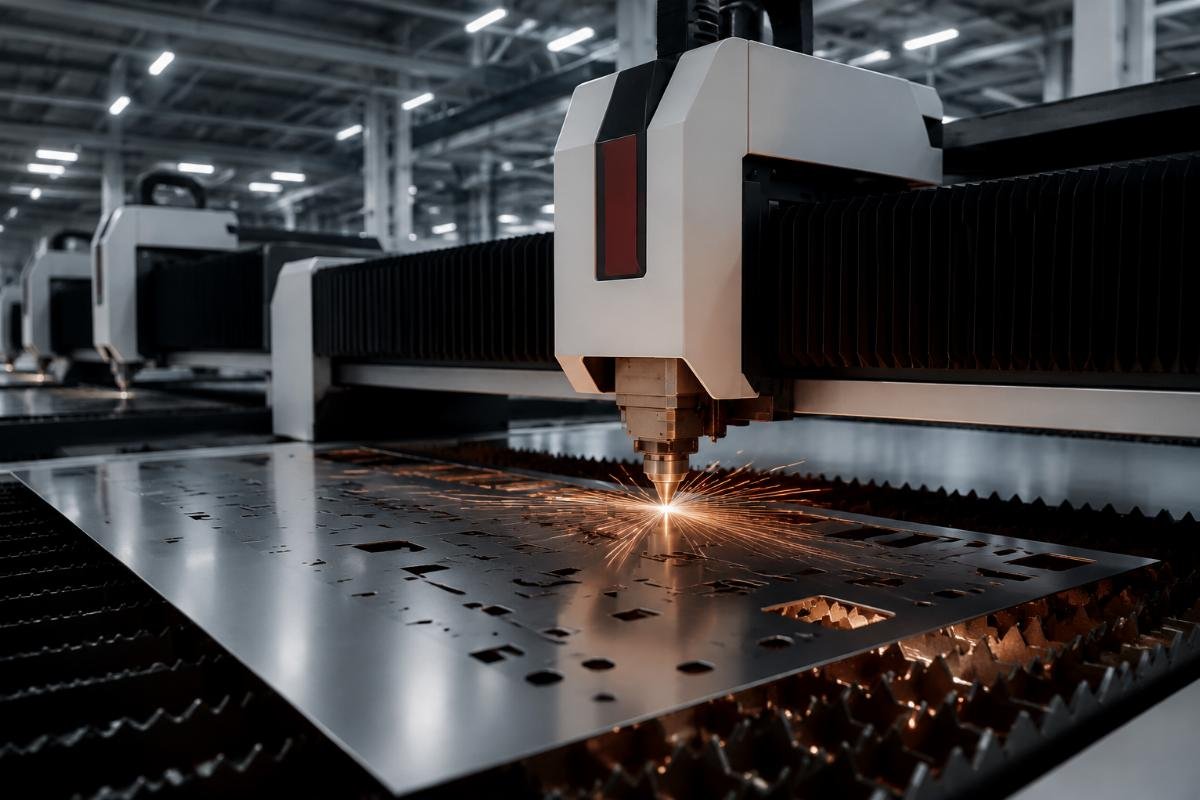
| Cutting Edge Quality | Manual trimming of burnt or ragged edges | Cold cutting technology with zero fume and no burn mark output [NEED_CITE: Cold cutting technology eliminates annual post-cutting rework and fume treatment costs averaging $8,000 per year] |
- Warranty Confirmation – Verify that core cutting components come with a minimum 3 year warranty and lifelong free software upgrades.
- Lead Time Validation – Confirm that pre-commissioned core units enable delivery and installation within 31 days for verified orders.
- On Site Support Clause – Write explicit on-site installation and training commitments into your purchase agreement to avoid unexpected fees.
Conclusion
Deploying a CNC cutting production line for shoe factories does not require complex custom engineering or multi-month lead times The core performance metrics that deliver real cost savings are consistent across all facility sizes and material types, with pre-configured matching frameworks that eliminate guesswork for buyers. Focus on repeat positioning accuracy and total cost of ownership instead of marketing claims about speed and extra features, and you will see measurable material cost reductions and output gains within the first month of operation. There is no need to overspend on


