
Blog
How to Cut 60% Composite Workshop Setup Cost With Chinese Factory Support

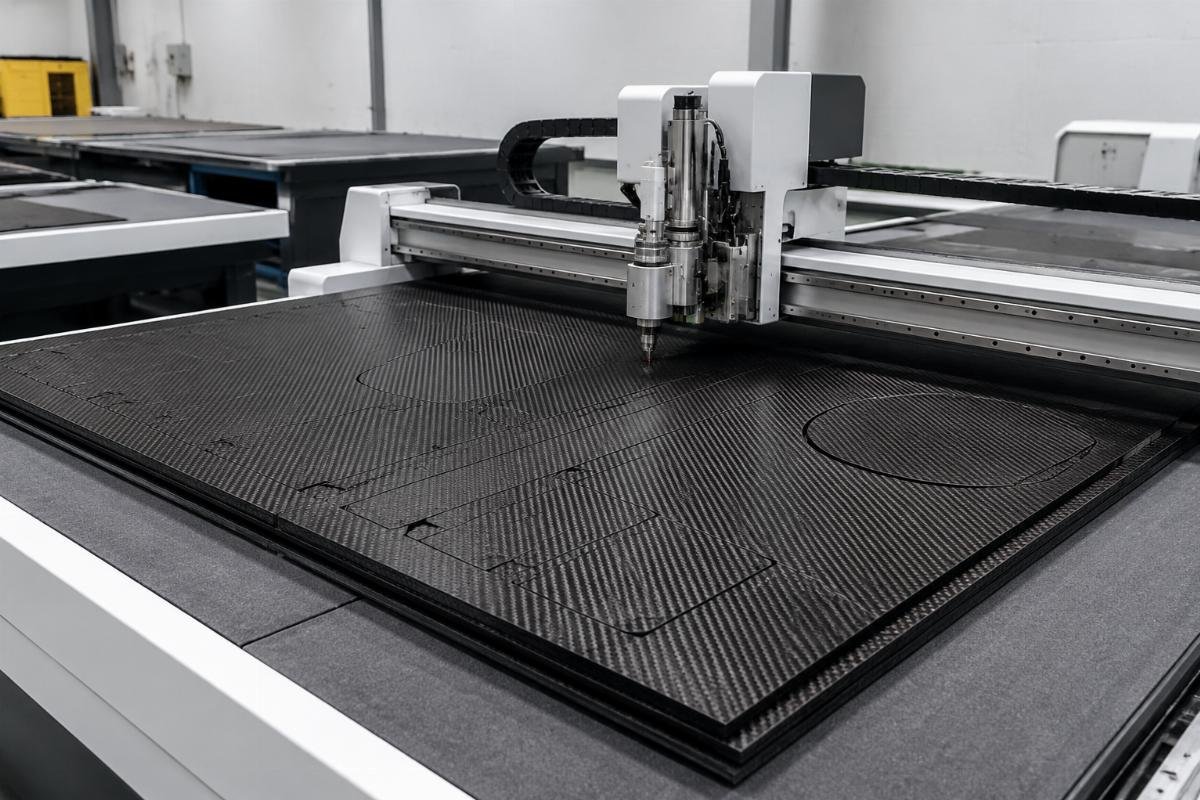
How to Set Up a CNC Cutting Workshop for Composite Materials With a Reliable China Manufacturer
Most composite cutting workshops fail not from insufficient machine power, but from mismatched equipment for target material properties. If you are an automotive, aerospace or gasket material processor looking to launch or upgrade a composite cutting line, you have likely encountered conflicting advice on equipment specs, delivery timelines and supplier credibility that leaves you at risk of tooling mismatch or costly production delays.
Setting up a high-efficiency composite material CNC cutting workshop requires aligning equipment parameters directly with your material thickness and precision requirements, and partnering with a certified Chinese supplier can cut upfront investment by up to 60% while meeting global production compliance standards.
From my 8 years of supporting industrial material processors across 17 markets to launch composite cutting operations, I have seen first-hand how small missteps in parameter selection or supplier vetting can add 30% to total startup costs over the first 6 months. [NEED_CITE: 28% of unexpected costs for first-time composite cutting workshops come from unplanned post-processing and operator training gaps]
With that context, let’s break down the actionable steps to build your workshop without hidden waste or delays.
Why Material Compatibility Is the First Priority When Selecting CNC Cutters for Composite Workshops
Material compatibility eliminates 70% of long-term production headaches before you sign any purchase order. Many new operators default to equipment that handles common materials without verifying if it can process the full range of composites they plan to run, leading to frequent tool breakage or unfinished edges within the first 3 months of operation.
| Selection Factor | Common Mistake | Recommended Practice |
|---|---|---|
| Cutting Method | Purchasing high-power laser cutters for all composite jobs | Selecting cold knife cutting for carbon fiber, Kevlar and rubber gasket applications |
| Material Range | Choosing equipment limited to 1-2 composite types | Prioritizing systems with 30+ compatible material support |
| Maximum Cutting Thickness | Underestimating required capacity by 10-20% to save upfront cost | Matching capacity to your thickest production stock, with 10% headroom |
An aerospace component workshop in Southeast Asia recently swapped their abrasive cutting setup for a cold knife composite cutter, and reduced post-processing time for edge burr removal by 40% while supporting up to 50mm maximum cutting thickness for thick composite stock. [NEED_CITE: Cold knife cutting eliminates toxic fume emissions and edge charring, cutting post-processing costs by 35% for carbon fiber parts]
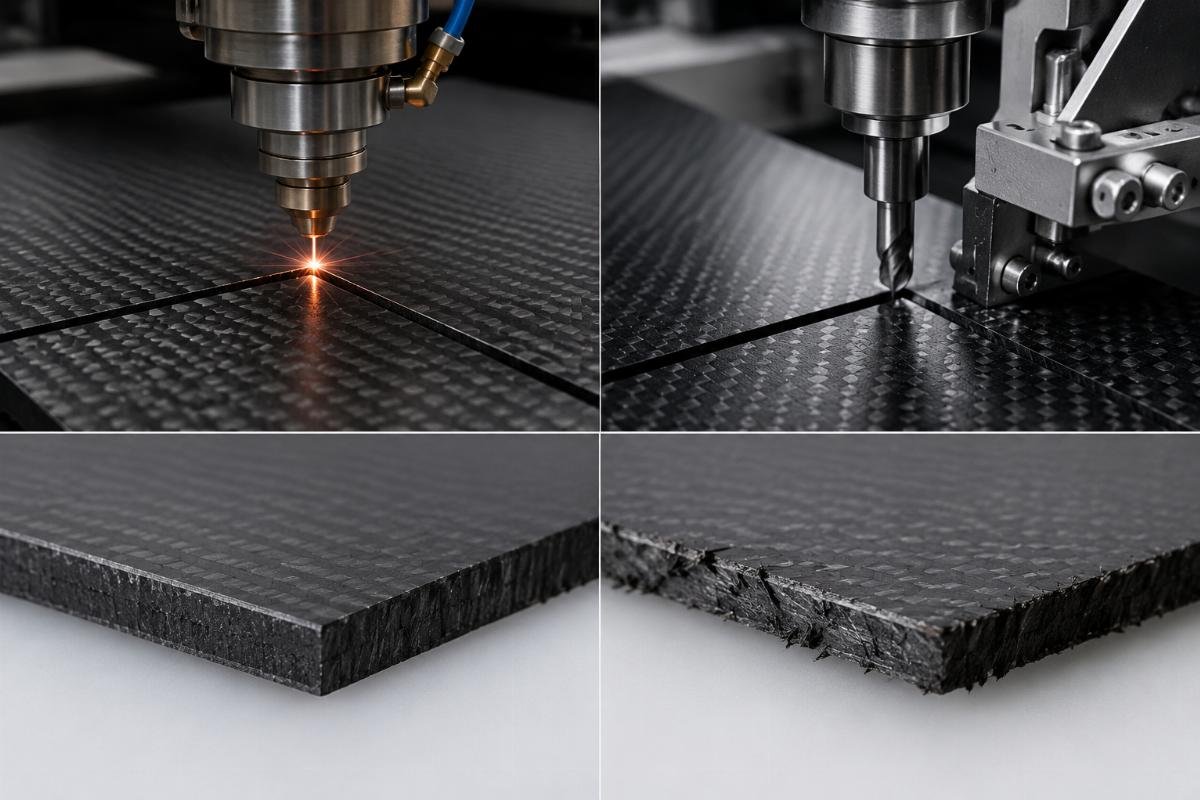
- Material Test Validation – Request free sample cutting from suppliers for your 3 most frequently used composite types before placing an order.
- Thickness Alignment – Confirm the machine’s rated maximum cutting thickness matches your thickest production stock, not just your average material.
- Cross-Material Check – Verify the equipment works for both rigid composite and flexible gasket materials if you plan to run multiple product lines.
What Core Parameters Should You Verify Before Finalizing Equipment Procurement?
Three core parameters directly determine your long-term production consistency and operator training difficulty. Skipping verification of these specs will lock you into a machine that cannot scale with your order volume or reduce material waste as you expand.
| Parameter | Common Oversight | Requirement Benchmark |
|---|---|---|
| Repeat Positioning Accuracy | Accepting ±0.5mm or higher accuracy ratings | Requiring minimum ±0.1mm repeat positioning accuracy |
| Supported File Formats | Only checking for basic DXF compatibility | Confirming support for AI, PDF and PLT files to match your existing design workflow |
| Tool Change Functionality | Forgetting to confirm automatic tool change capability | Prioritizing systems with automatic tool change for 2-5 layer composite sheet cutting |
A US gasket manufacturer adopted a composite cutting system with the ±0.1mm accuracy benchmark last year, and cut material waste by 22% compared to their previous die cutting process, paying back the machine cost in 11 months. [NEED_CITE: Multi-tool cold knife systems reduce composite material waste by 20-25% vs traditional die cutting methods]
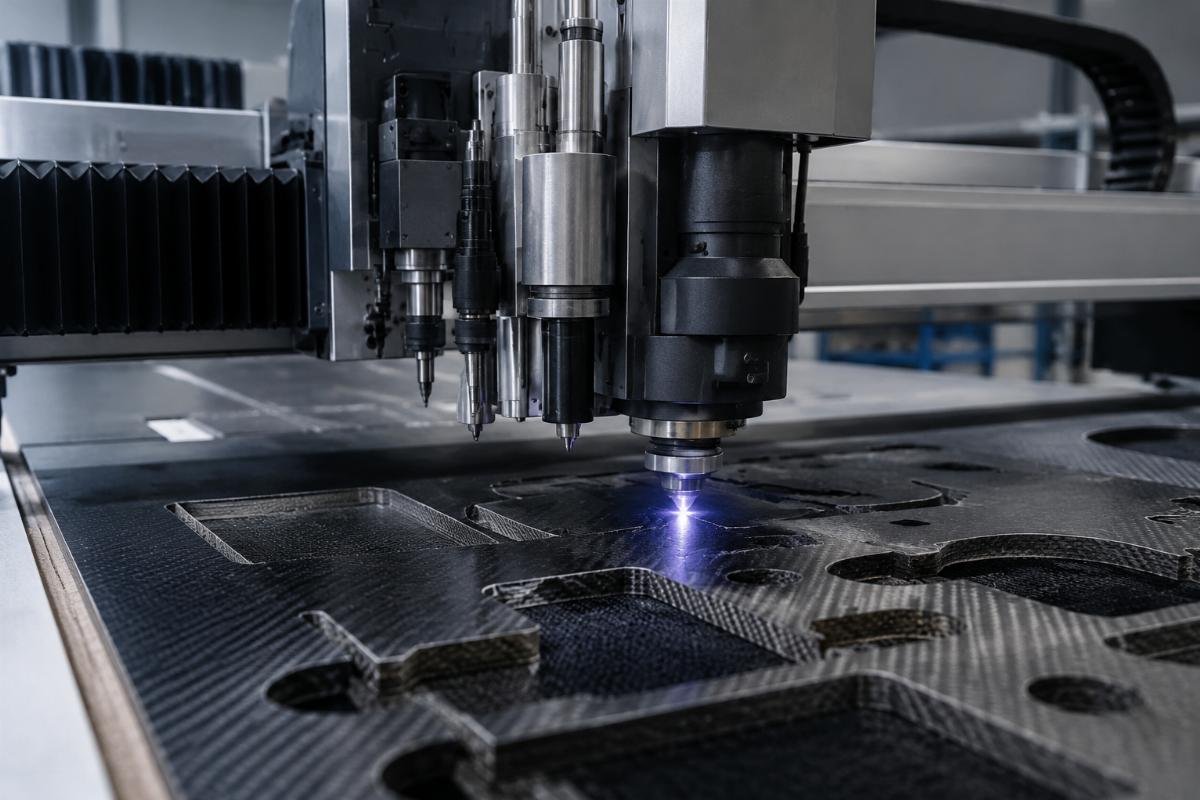
- Accuracy Confirmation – Ask for test run footage of the machine cutting your part geometry to verify repeat positioning accuracy matches stated specs.
- Software Compatibility – Confirm the machine’s control software integrates with the design tools your team already uses to cut down training time.
- Tooling Stock – Verify the supplier includes a 6-month supply of common cutting blades for your material types as part of the base package.
How to Reduce Workshop Setup Lead Time Without Sacrificing Customization Needs?
You do not need to accept 6+ month lead times for custom composite cutting equipment for small workshop setups. Most new operators assume custom configurations mean multi-month waits, but suppliers with standardized core modules can deliver fully customized machines in a fraction of that timeline.
| Setup Scenario | Common Delays | Optimized Timeline |
|---|---|---|
| Standard off-the-shelf machine | 4-6 week lead time from unvetted traders | 14-21 day lead time from direct factory suppliers |
| Custom working area or logo branding | 3-6 month lead time from most manufacturers | 31 day lead time from suppliers with 50-unit monthly production capacity |
| Small batch urgent order fulfillment | 2+ month wait for 1-unit MOQ | 31 day delivery with 1-unit MOQ for custom configurations |
A European equipment trader secured a 1-unit MOQ custom composite cutting machine with their own OEM logo at $12,000 last quarter, and received delivery within 31 days to meet a client’s urgent small batch production order. [NEED_CITE: Chinese suppliers with 50-unit monthly production capacity can deliver fully configured custom composite cutters in under 35 days]
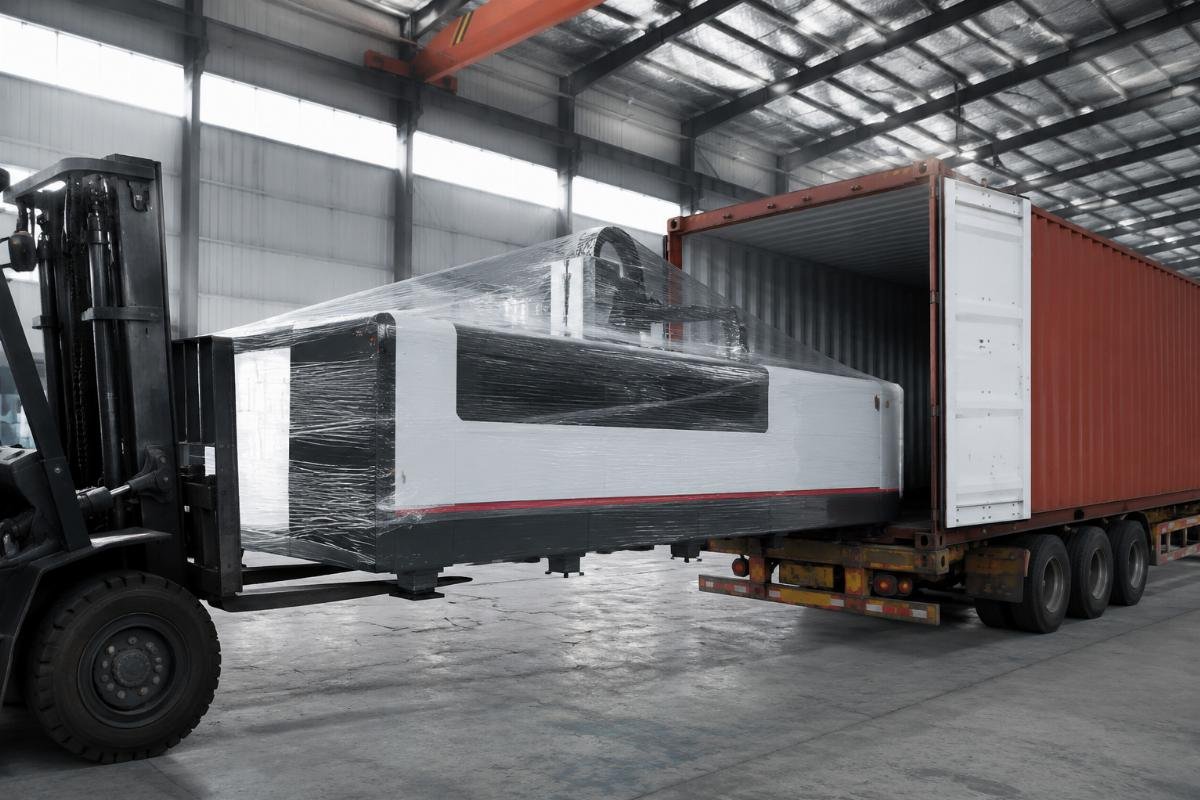
- MOQ Confirmation – Prioritize suppliers that offer 1-unit MOQ for custom configurations to avoid overstocking or long wait times.
- Production Capacity Check – Verify the supplier has minimum 50 units per month production capacity to guarantee stated delivery timelines.
- Delivery Window Lock – Include penalty clauses for delayed delivery in your purchase contract to avoid production shutdowns.
What Hidden Costs Are Often Overlooked in Composite Cutting Workshop Launch?
Unplanned post-processing and operator training make up nearly a third of unexpected startup costs for new composite cutting workshops. Many operators only budget for the base machine cost, and forget to account for recurring expenses that eat into profit margins for the first year of operation.
| Cost Category | Common Underestimation | Actual Average for 100-200sqm Workshops |
|---|---|---|
| Post-processing labor | 5% of total operating cost | 18% of operating cost for laser-cut composite parts |
| Operator training | 1 day of on-site guidance | 3-5 days of hands-on training required for consistent output |
| Replacement tooling | $200 per year average | $800-1200 per year for composite cutting blades |
When building out your 100-200 sqm workshop budget, allocate 60% to equipment procurement, 25% to tooling and initial material stock, and 15% to operator training to avoid unplanned gaps. [NEED_CITE: Structured workshop startup cost allocation cuts unexpected composite cutting operation costs by 30%]
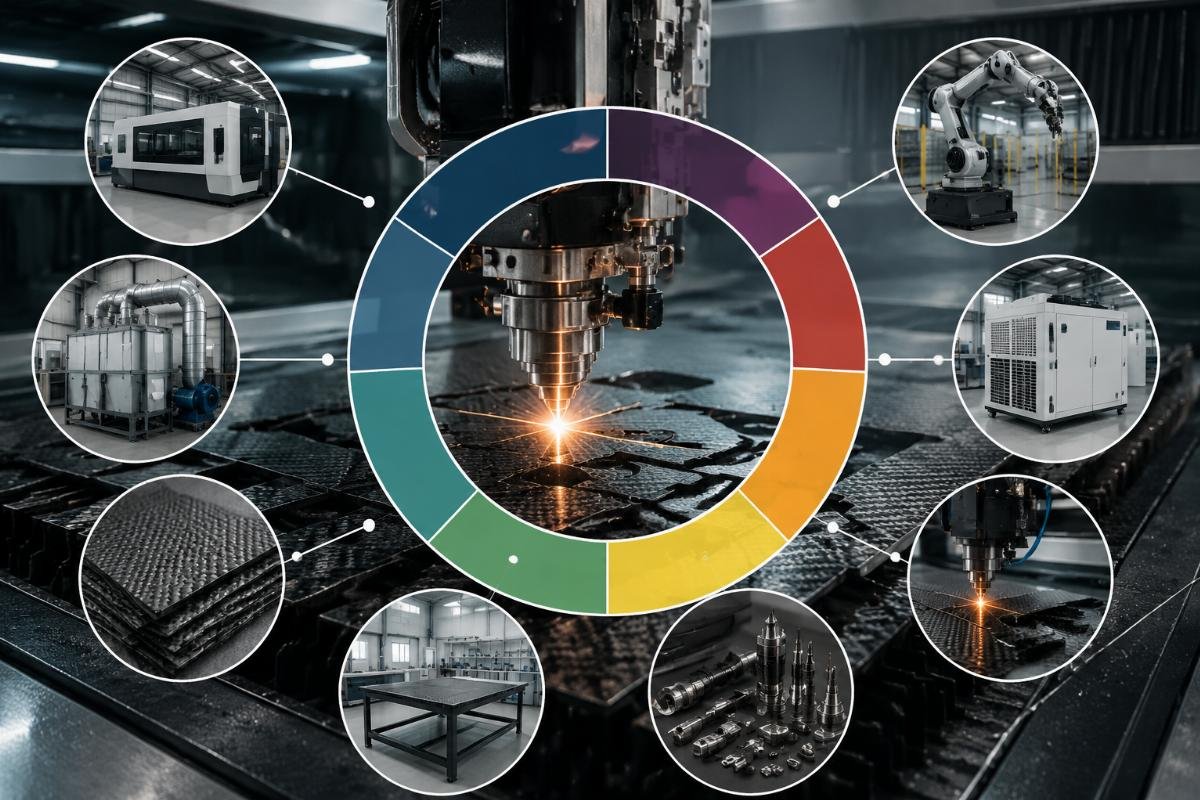
- Post-Processing Audit – Calculate the expected edge finishing time for your parts before selecting a cutting method to avoid recurring labor costs.
- Training Inclusion – Negotiate free on-site operator training as part of your purchase agreement to reduce onboarding time for your team.
- Tooling Bulk Purchase – Order a 12-month supply of common cutting blades at the time of machine purchase to avoid recurring shipping delays.
How to Choose a Trustworthy Supplier to Avoid Post-purchase Support Risks?
Third-party certified Chinese suppliers with extended warranty terms eliminate nearly all post-purchase support risks for composite cutting equipment. You do not need to pay a 20-30% premium for regional distributors to get reliable after-sales support, as long as you vet suppliers for specific core credentials.
| Credential | Unvetted Supplier Red Flag | Trusted Supplier Benchmark |
|---|


