
Blog
How distributors demonstrate cutting precision to automotive interior customers?

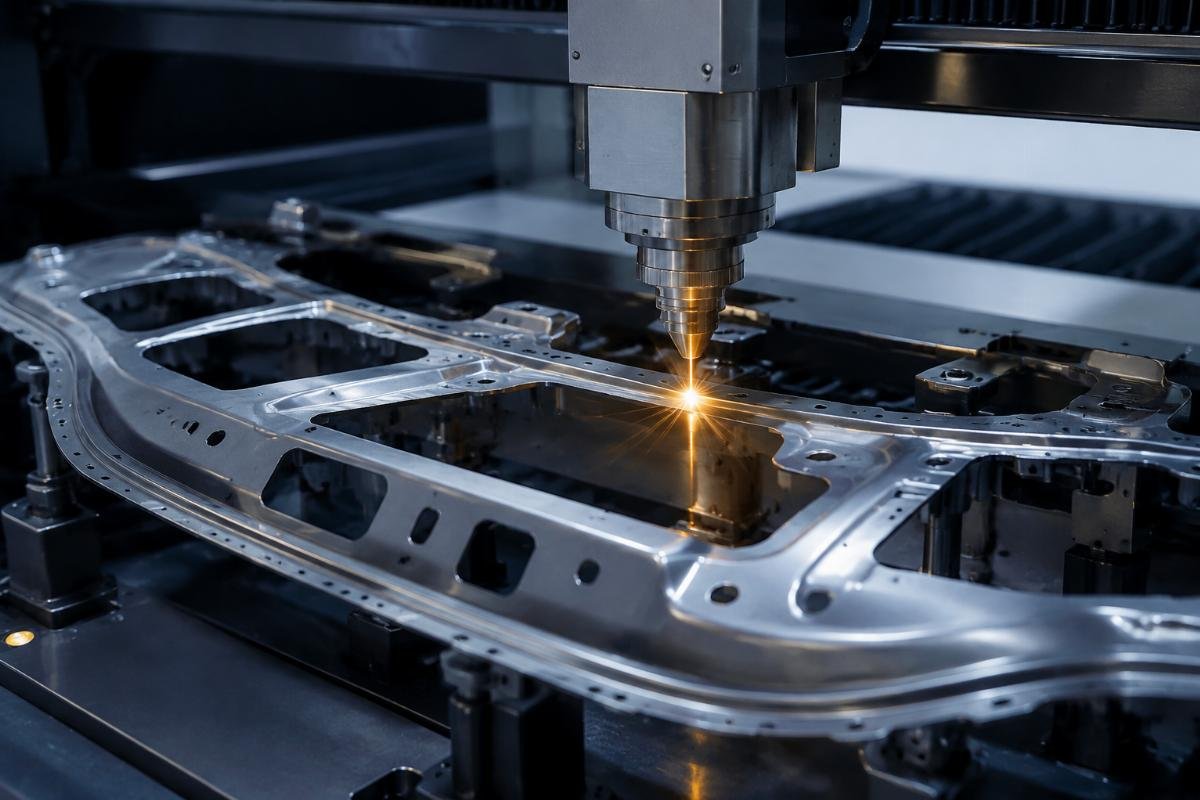
How distributors demonstrate cutting precision to automotive interior customers?
I once watched a distributor lose a major automotive seat manufacturer deal not because his equipment lacked precision, but because his demonstration felt like a magic trick the customer couldn't replicate. After training dozens of distributors on precision demonstrations for automotive interior applications, I've learned that customers don't reject cutting precision itself—they reject演示 that fail to prove stability on their actual production materials under real conditions.
Effective automotive interior precision demonstrations convert abstract specifications into customer-verifiable production costs by testing continuous cutting stability on actual materials, comparing edge quality that affects assembly defects, and providing measurement data customers can independently verify to assess long-term precision degradation risks.
The automotive interior industry operates under tolerances that packaging or advertising applications never encounter, and customers have been burned by equipment that performed perfectly in demonstrations but created defect rates in production that forced them to slow speeds or increase material waste. Let me show you what actually works when distributors need to prove precision that survives real manufacturing conditions.
Why do automotive interior customers distrust precision demonstrations?
In demonstrations I've directly participated in, I've noticed that automotive customers arrive with three specific anxieties that generic precision tests never address. They've experienced equipment that met advertised tolerances during purchase but drifted out of spec after three months of production, blade systems that maintained precision on demo materials but created edge fraying on their actual leather or fabric, and demonstration setups that showed perfect single cuts without revealing how the machine handles eight-hour continuous operation.
Customers perceive precision demonstrations as supplier-controlled performances rather than production previews because demonstrations typically use ideal conditions, fresh blades, and simplified patterns that don't replicate the thermal stress, material variation, and cutting sequence complexity of actual automotive interior manufacturing.
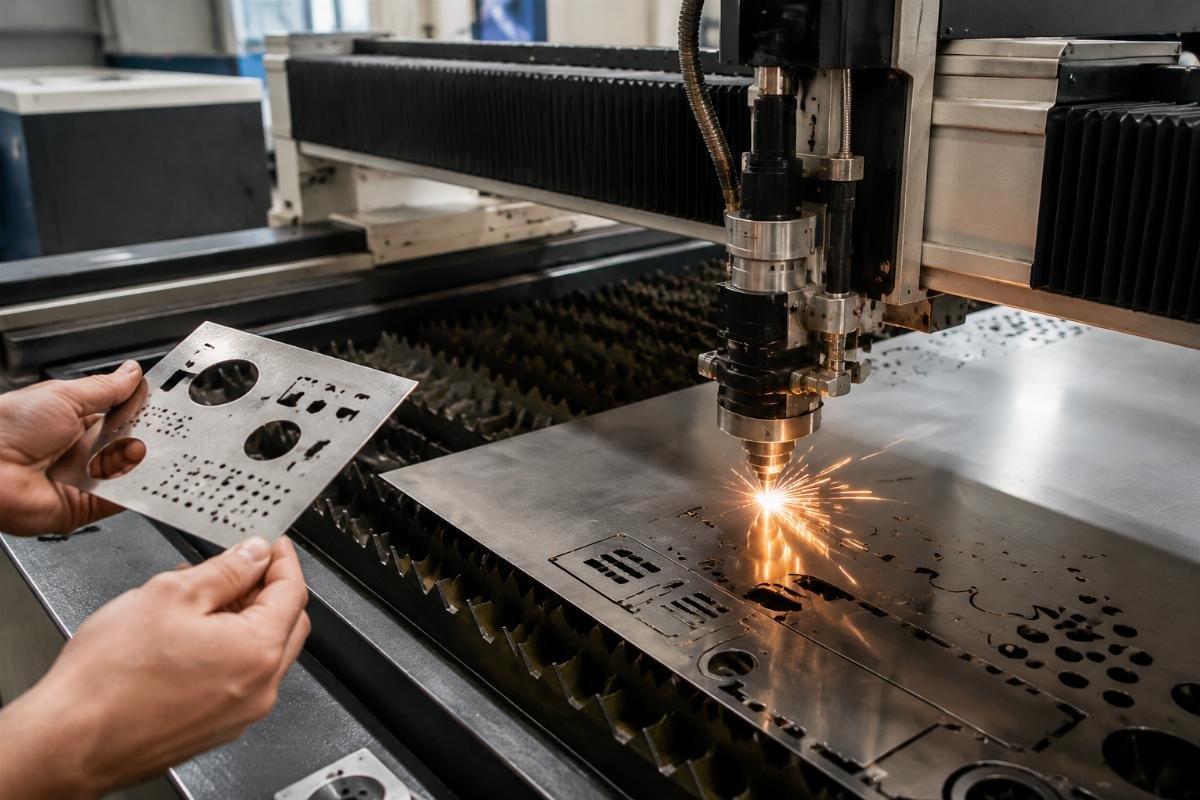
A distributor I trained in Germany lost a dashboard panel contract because he demonstrated precision using the machine manufacturer's standard composite sample rather than the customer's actual glass-fiber-reinforced thermoplastic material. The customer's production manager told him bluntly: "Your sample has uniform density and our material has resin-rich zones that cause blade deflection—I need to see how your machine handles variation, not ideal conditions."
What precision risks do automotive customers actually worry about?
Customers don't fear that equipment can't achieve specified tolerances when new and properly maintained—they fear three operational degradation scenarios that demonstrations rarely expose. The first anxiety is blade wear precision drift, where cutting accuracy deteriorates gradually as blades dull, forcing them to either accept increasing defect rates or interrupt production for frequent blade changes that destroy throughput targets.
The second concern involves material-specific performance gaps, where equipment maintains precision on homogeneous materials but creates edge quality problems on automotive interior materials that combine multiple layers, have directional grain structures, or contain adhesive layers that cause blade fouling. The third worry is thermal precision drift during extended production runs, where machine components expand from continuous operation and cause positioning errors that weren't visible during short demonstration cuts.
How do typical demonstrations create customer skepticism?
The most damaging demonstration pattern I've observed is what I call "single perfect cut syndrome"—distributors show one beautiful cut on ideal material, then immediately transition to discussing technical specifications without proving that the machine can repeat that precision continuously. In a demonstration I attended in Michigan, a distributor cut a perfect automotive seat pattern from leather, then the customer production engineer asked: "Can you cut that same pattern twenty times in sequence so I can measure variation?" The distributor couldn't, because he'd only loaded one piece of material.
Another trust-destroying approach is using manufacturer-supplied demo materials instead of the customer's actual production materials. Automotive interior materials vary significantly in cutting behavior—the bonded foam used in headliners behaves completely differently from the perforated leather used in seat bolsters, and door panel fabrics have backing materials that affect blade interaction. When distributors demonstrate with generic materials, customers mentally discount the entire demonstration because they've learned that lab materials never predict production performance.
The third credibility killer is emphasizing technical parameters without connecting them to production costs or defect risks the customer actually experiences. I've watched distributors spend fifteen minutes explaining stepper motor resolution and blade oscillation frequency while the customer sat there thinking "I don't care about your specifications—I need to know if this will reduce my edge fraying defects that currently cause 3% rework rates." The disconnect between technical capability and customer problems destroys trust faster than any equipment limitation.
What demonstration approach actually builds automotive customer confidence?
In demonstrations I've participated in that resulted in actual orders, distributors structured the demonstration as a customer-controlled verification test rather than a supplier performance. They started by asking the customer to bring production materials and describe their current precision problems, then designed the demonstration to specifically test whether the equipment could solve those problems under conditions that replicated the customer's production environment.
Effective automotive interior precision demonstrations use customer materials to expose precision limitations, run continuous cutting sequences that reveal stability rather than peak performance, and provide measurement data that customers can verify independently rather than asking them to trust supplier claims.
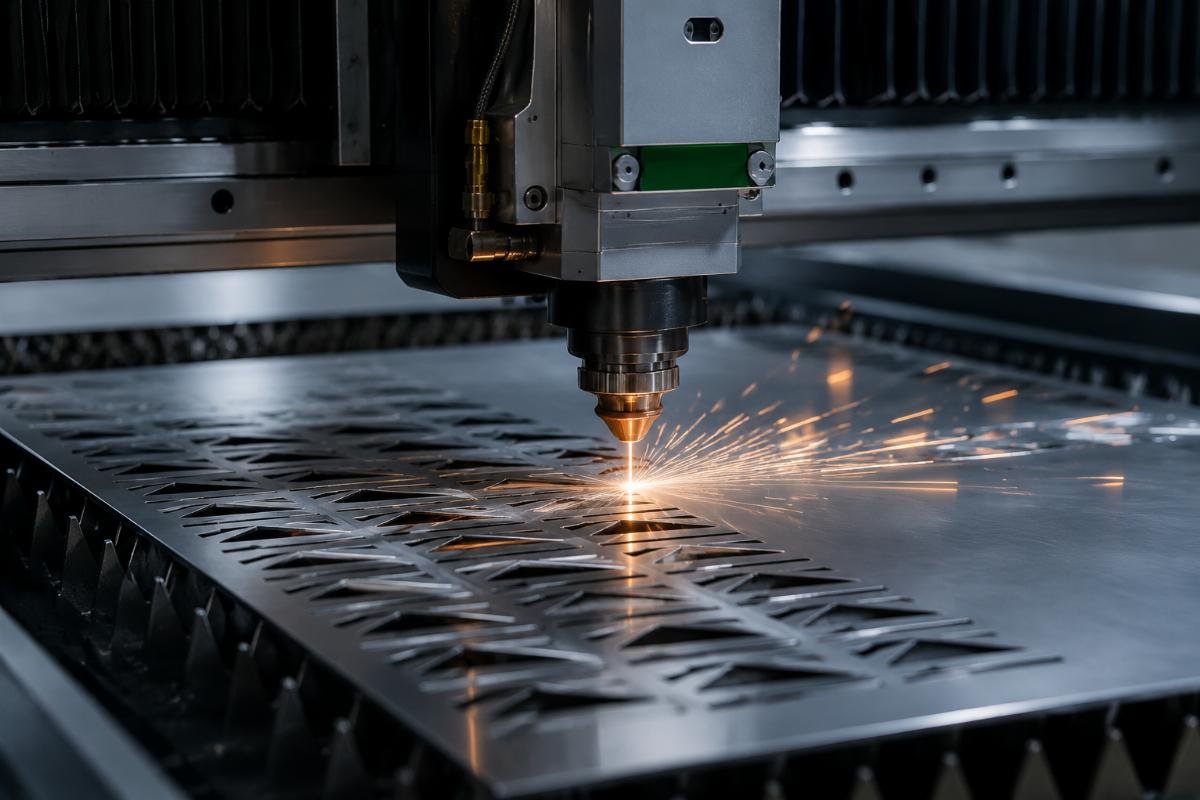
A distributor I worked with in Italy won a major automotive leather goods contract by structuring his demonstration completely differently than his competitors. Instead of showing perfect single cuts, he loaded ten pieces of the customer's actual seat leather and cut the same complex pattern sequence the customer used in production. After each cut, he invited the customer's quality inspector to measure edge straightness, corner radius accuracy, and mark positioning using the customer's own measurement tools. By the fifth piece, the customer could see precision consistency with their own eyes and their own instruments.
How should distributors demonstrate precision on customer materials?
When customers bring their actual production materials to demonstrations, distributors must understand that the demonstration has fundamentally changed purpose—it's no longer about showing what the machine can do, but about proving what it can do with materials the customer already knows are difficult. In a demonstration I conducted for a dashboard manufacturer, the customer brought a three-layer composite panel with a decorative fabric layer, foam core, and rigid backing that their current equipment struggled to cut without layer separation or edge delamination.
Rather than cutting a simple shape to show precision, we designed the test to expose the exact failure mode they experienced in production. We cut an intricate pattern with tight internal corners and small radius curves—the geometry where their existing equipment created layer separation—and then cut that same pattern ten times in sequence. After each cut, the customer's production engineer examined the edges under magnification to check for delamination. By the seventh piece, he said "Your machine maintains layer adhesion better than our current equipment, and I can see the quality isn't degrading across multiple cuts."
The critical insight is that customers need to see precision consistency more than peak precision capability. I've trained distributors to always run multi-piece sequences rather than single cuts, because variation between pieces reveals precision stability that single cuts hide. For automotive applications where customers might run thousands of pieces per day, seeing ten consecutive cuts with consistent edge quality builds more confidence than seeing one perfect cut followed by technical specification discussions.
What measurement methods prove precision to skeptical customers?
Automotive interior customers trust their own measurement tools more than they trust any demonstration performed by suppliers. In demonstrations I've supported, the most confidence-building moment came when distributors handed measurement responsibility to the customer rather than presenting supplier-generated data. I watched a demonstration in South Korea where the distributor invited the customer to use their own coordinate measuring equipment to verify cut positioning accuracy rather than showing printouts from the machine's control system.
This approach works because it eliminates the perception of supplier-controlled data. When customers measure results themselves using tools they trust and procedures they already use in their quality control process, they can directly compare demonstration performance to their current equipment's performance using identical measurement methods. The data becomes comparable and verifiable rather than abstract.
I recommend distributors establish a simple measurement protocol before starting cutting demonstrations: identify which dimensions matter most to the customer's application, agree on measurement tools and methods, and measure those dimensions on multiple pieces throughout the demonstration. For automotive seat patterns, this might mean measuring the distance between bolt holes that must align during assembly. For dashboard trim panels, this might mean measuring edge straightness on long cuts where their current equipment creates waviness. By focusing measurement on customer-identified critical dimensions, distributors prove that precision exists where the customer actually needs it.
How do you expose long-term precision stability during short demonstrations?
The fundamental challenge in automotive precision demonstrations is the time mismatch—demonstrations last hours but customers need to predict performance over months of continuous production. Customers know that blade wear, machine component degradation, and accumulated calibration drift will change precision over time, and they've learned that demonstration day performance rarely predicts six-month performance.
Distributors build long-term precision confidence by demonstrating continuous operation rather than intermittent cuts, comparing cutting performance on fresh versus worn blades to show degradation patterns, and providing customers with blade life data from similar automotive interior applications rather than claiming universal stability.
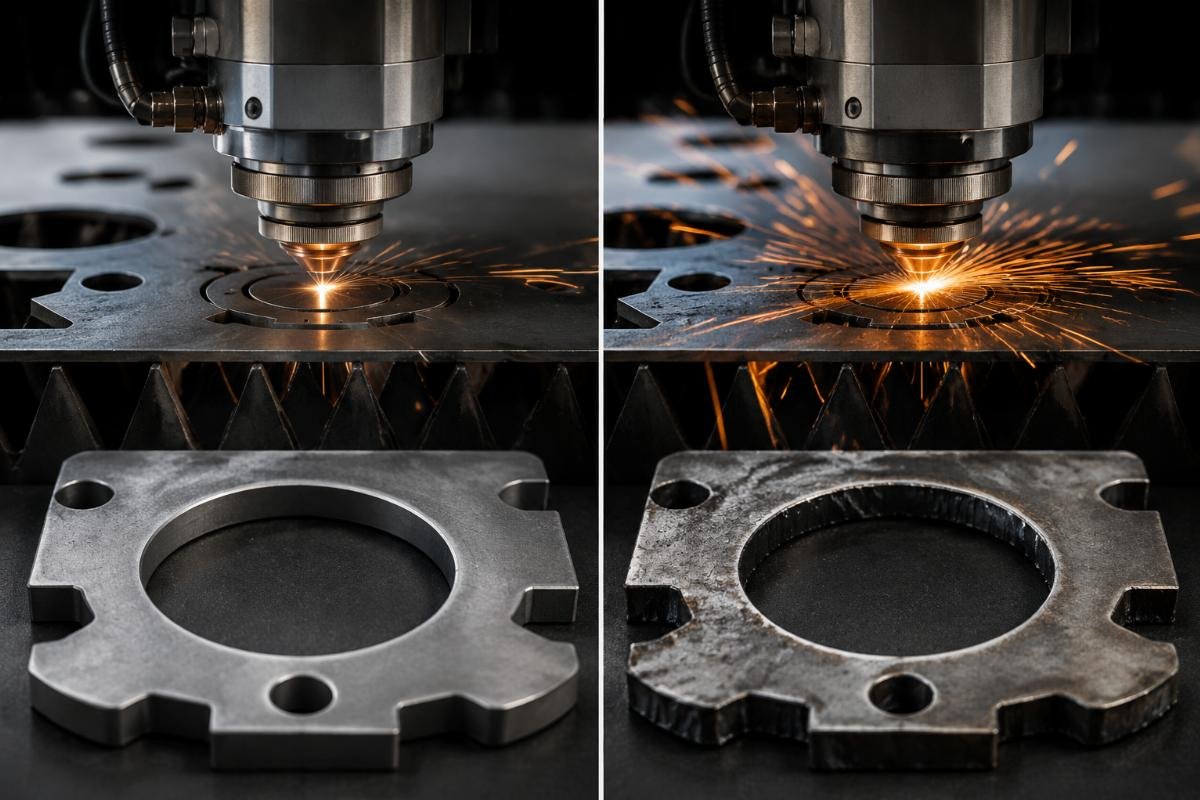
A distributor I trained in France developed an approach that addressed this time compression problem effectively. Instead of running the demonstration with a fresh blade and ideal machine setup, he deliberately used a blade that had already cut approximately 70% of its expected life. He explained to the customer: "I'm not showing you best-case performance with a new blade—I'm showing you typical performance under normal production conditions." This immediately changed the customer's perception because they could see that even with blade wear already present, the machine still maintained precision adequate for their application.
How can distributors simulate production duration in short demonstrations?
In demonstrations I've participated in with tight time constraints, distributors can't literally run equipment for eight-hour production shifts, but they can structure demonstrations to expose the failure modes that occur during extended operation. The most effective approach I've observed is running continuous cutting sequences without stopping the machine between pieces—load material, cut, remove, load next material, cut again—maintaining the thermal and operational conditions that build up during production rather than allowing the machine to cool between demonstration cuts.
This continuous operation approach reveals precision issues that stop-and-start demonstrations hide. Machine components reach thermal equilibrium, blade temperature stabilizes, and any positioning drift from continuous motor operation becomes visible. In a demonstration I supported for an automotive headliner manufacturer, we ran continuous cutting for ninety minutes to simulate a production shift segment. The customer could see that precision remained stable even as the machine reached normal operating temperature, which addressed their specific concern about thermal drift causing positioning errors.
Another time-compression technique is using accelerated blade wear testing by deliberately cutting abrasive materials to show how precision degrades with blade condition. I've had distributors cut the customer's production material until blade sharpness visibly declined, then demonstrate how that worn blade affects edge quality. This approach requires having multiple blades available and being willing to consume blade life during demonstration, but it directly addresses customer anxiety about precision degradation over time.
What blade life data builds customer confidence?
Automotive interior customers need to predict blade replacement costs and schedule blade changes without disrupting production, but most demonstrations avoid discussing blade life because it exposes consumable costs and maintenance requirements. In demonstrations I've conducted, I've found that proactively addressing blade life with specific data from similar applications builds more trust than avoiding the subject.
I recommend distributors maintain blade life records from existing automotive interior customers using similar materials and provide those data ranges during demonstrations. For example: "In installations we support cutting similar leather materials for automotive seats, customers typically achieve 40 to 60 hours of continuous cutting before blade sharpness declines enough to affect edge quality, depending on leather thickness and cutting speed." This bounded data helps customers predict their own blade replacement frequency and cost without making unrealistic universal promises.
The critical insight is connecting blade life to precision maintenance rather than treating them as separate topics. Customers understand that blades wear and need replacement—what they need to know is how blade wear affects precision and when they need to change blades to maintain quality. By showing cutting performance with blades at different wear stages, distributors help customers establish their own blade replacement criteria based on their quality tolerances rather than forcing them to guess.
How do you connect precision demonstrations to production costs?
Technical precision specifications mean nothing to automotive interior customers until distributors translate them into production cost differences. I've watched demonstrations fail because distributors discussed positioning accuracy in millimeters while customers mentally calculated waste percentages, rework rates, and throughput losses from their current precision problems.
Effective distributors convert precision demonstrations into visible cost differences by comparing material waste from improved nesting efficiency, calculating defect cost reduction from better edge quality, and quantifying throughput increases from eliminating manual correction steps that compensate for positioning errors.
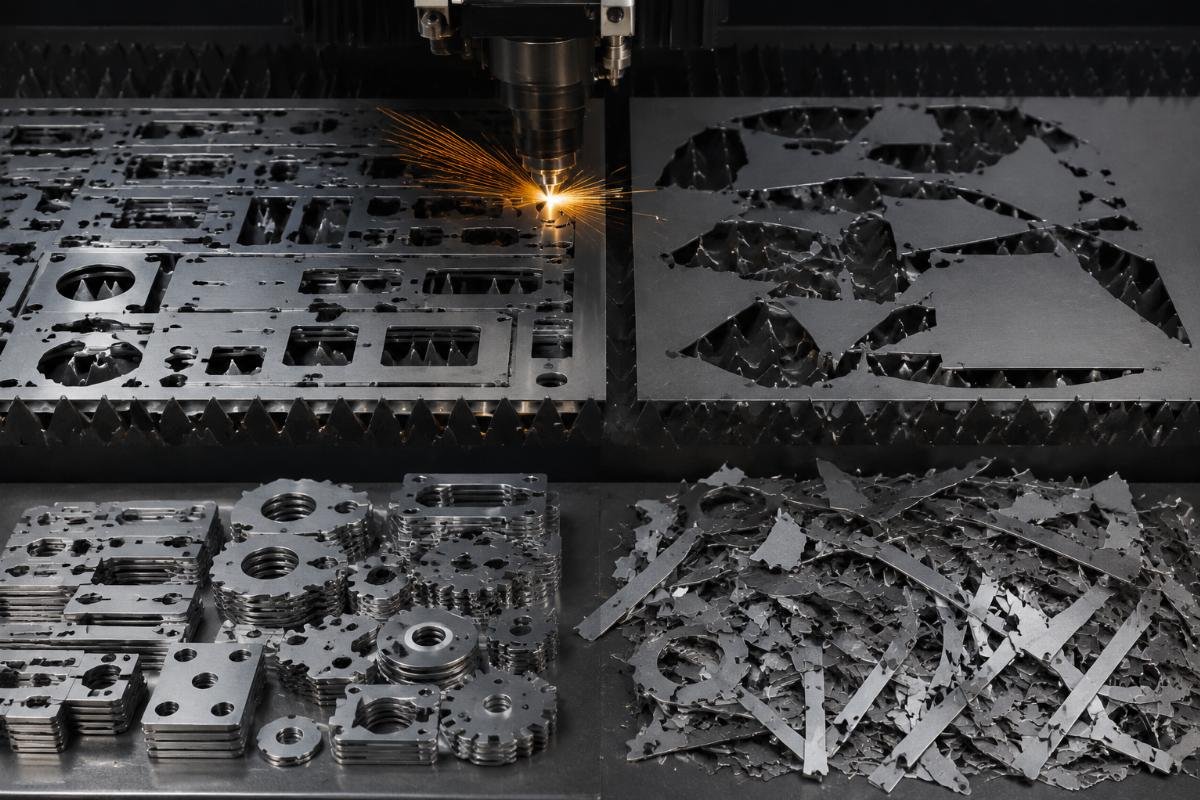
In a demonstration I supported for an automotive door panel manufacturer, the customer's primary concern wasn't absolute positioning accuracy—they cared about reducing material waste that currently ran at 18% due to poor nesting efficiency and edge trim requirements. The distributor structured the demonstration to directly address waste: he cut the customer's production pattern using our machine's nesting software, then measured the material utilization and compared it to the customer's current waste percentage. When the customer could see that improved cutting precision enabled tighter nesting that reduced waste from 18% to 12%, the abstract precision specification became a concrete cost reduction they could calculate in annual savings.
What cost comparisons matter to automotive customers?
Automotive interior manufacturers operate under intense cost pressure from vehicle manufacturers who continuously demand price reductions, so precision improvements only matter if they reduce production costs or enable premium pricing through quality improvements. In demonstrations I've participated in, the cost categories that resonate most strongly are material waste reduction, rework and scrap cost elimination, and labor cost reduction from eliminating manual operations.
Material waste reduction is the most immediate and calculable cost benefit. For expensive materials like automotive-grade leather or specialty technical fabrics, even a 2-3% improvement in material utilization translates to substantial annual savings on high-volume production. During demonstrations, I've trained distributors to calculate waste reduction live with the customer by comparing their current nesting efficiency to the utilization achieved with improved precision, then multiplying the material savings by the customer's annual material consumption to show total cost impact.
Rework and scrap costs from precision defects often exceed material waste costs but are harder to quantify because many customers don't track defect costs separately. I recommend distributors ask customers about their current defect rates and typical causes during pre-demonstration discussions, then structure the demonstration to show how precision improvements eliminate those specific defect modes. For example, if a customer experiences frequent assembly fit problems from positioning errors in bolt holes, demonstrate tight hole positioning tolerance and let the customer measure hole-to-hole distances that would affect assembly.
How do you demonstrate precision benefits customers can verify after purchase?
The most powerful cost arguments are those customers can verify themselves after equipment purchase, because customers deeply distrust cost claims they can't validate. In demonstrations I've supported, distributors who provided customers with verification methods generated more trust than those who simply presented cost calculations.
One effective approach I've observed is providing customers with before-and-after measurement protocols they can use to track precision benefits in their own production. For example, a distributor might say: "After installation, measure edge straightness on 50 consecutive pieces using your current quality control procedure and compare it to the measurements from your existing equipment. This will show you the actual precision improvement in your production environment with your materials." This approach positions precision claims as testable hypotheses rather than supplier promises.
Another verification technique is conducting pilot production runs rather than just demonstrations. Some distributors I've trained arrange for customers to bring a production quantity of material—perhaps enough for several hours of cutting—and run an actual production sequence rather than demonstration samples. The customer receives cut parts they can attempt to assemble using their normal production process, which exposes whether precision improvements actually eliminate assembly problems or whether other factors still cause fit issues. This pilot approach requires more time and material commitment, but it provides customers with production-relevant verification that builds confidence for major equipment investments.
What demonstration mistakes destroy automotive customer confidence?
I've watched promising demonstrations collapse because distributors made critical mistakes that triggered customer skepticism even when the equipment performed well technically. These mistakes usually involve misrepresenting capability, avoiding customer questions about limitations, or structuring demonstrations that feel supplier-controlled rather than customer-verified.
The most damaging demonstration mistakes are showing only ideal conditions without exposing realistic limitations, using technical specifications to avoid discussing practical operational issues customers actually face, and rushing through demonstrations without allowing customers time to examine results and raise concerns.
In a demonstration I participated in for a major European automotive seat manufacturer, a competing distributor destroyed his credibility by refusing to cut the customer's actual leather material, insisting that his manufacturer's demo leather would better show the machine's capability. The customer's purchasing manager later told me: "If he's afraid to cut our material, he knows something will go wrong with it, and I'm not buying equipment that works on demo materials but not production materials."
Why do customers reject demonstrations that look too perfect?
I've learned that demonstrations producing flawless results under ideal conditions often generate more customer skepticism than demonstrations that expose realistic limitations. Automotive interior customers have extensive manufacturing experience, and they know that production involves material variation, environmental changes, operator differences, and dozens of other factors that prevent perfect consistency. When demonstrations show unrealistic perfection, customers assume conditions have been manipulated to hide problems.
I recommend distributors deliberately introduce realistic complications into demonstrations rather than controlling every variable. Use production materials with normal variation rather than laboratory-grade samples. Run demonstrations in the customer's actual factory environment if possible rather than in the distributor's showroom where temperature, humidity, and cleanliness are controlled. Allow the customer's operators to load material and start cutting cycles rather than having the distributor's technician handle everything. These realistic complications make demonstration results credible because customers can see the equipment handling conditions that match their production reality.
The deeper insight is that customers gain more confidence from seeing how equipment handles problems than from seeing perfect operation. In a demonstration I conducted for an automotive headliner manufacturer, the cutting machine encountered a material edge that wasn't perfectly straight, causing the vacuum hold-down to be less effective on one corner. Rather than stopping and correcting the material, I let the machine complete the cut so the customer could see how the machine's cutting force and path planning compens


