




Fast Shipping
Carrier information

20k products
Payment methods

24/7 Support
Unlimited help desk

2-day Delivery
Track or off orders
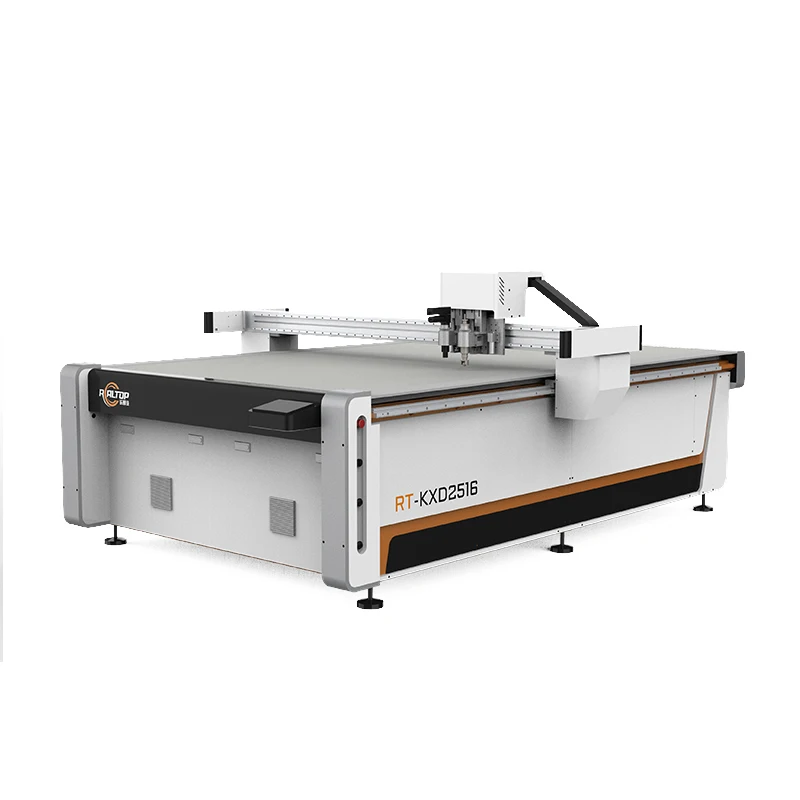
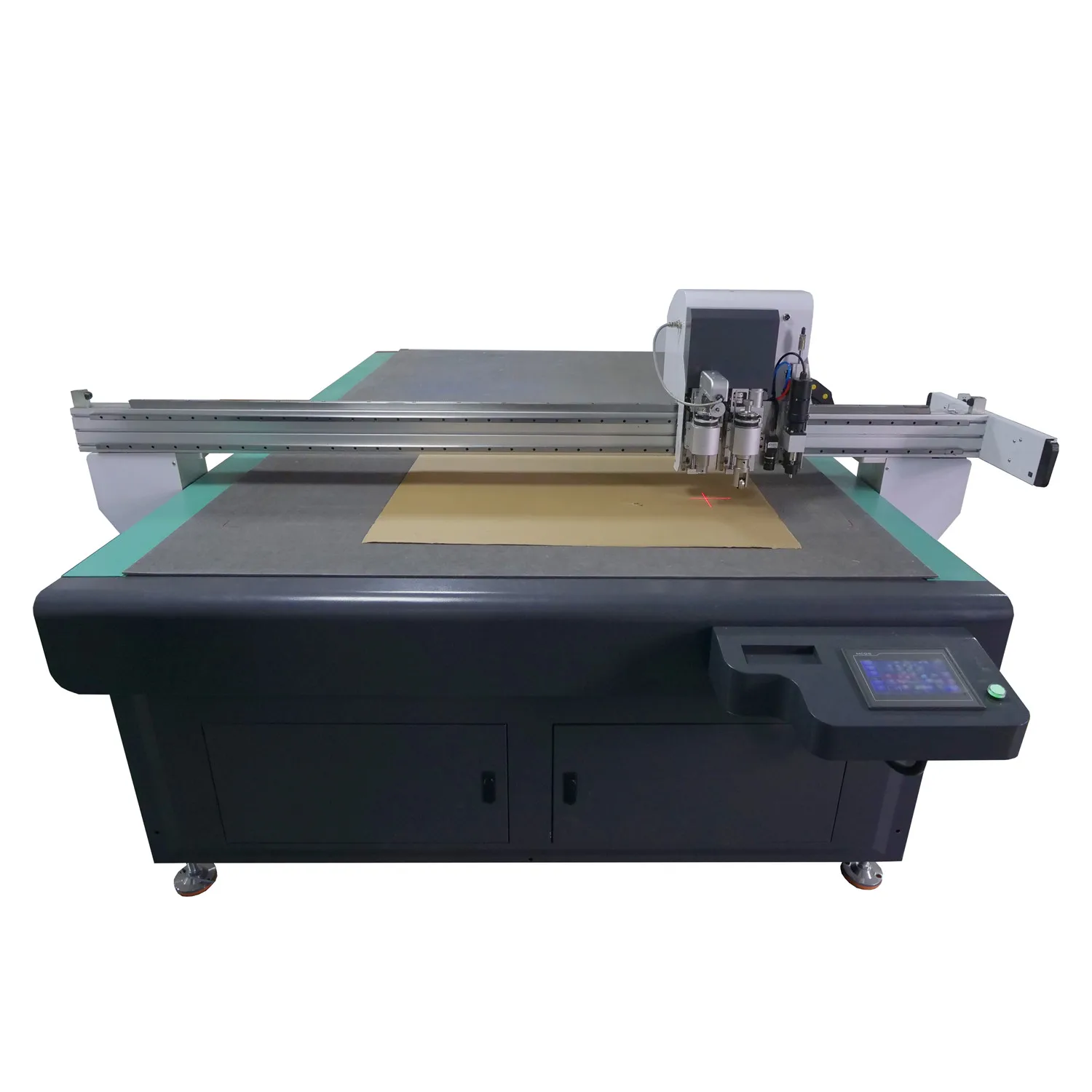
Specified configuration — tool head, vacuum zoning and carton nesting software are matched against the buyer’s actual corrugated board grade and flute profile, not just the working area on the nameplate.
Technical Specifications
| Parameter | Value |
|---|---|
| Model | RT-D2516 / RT-S2516 |
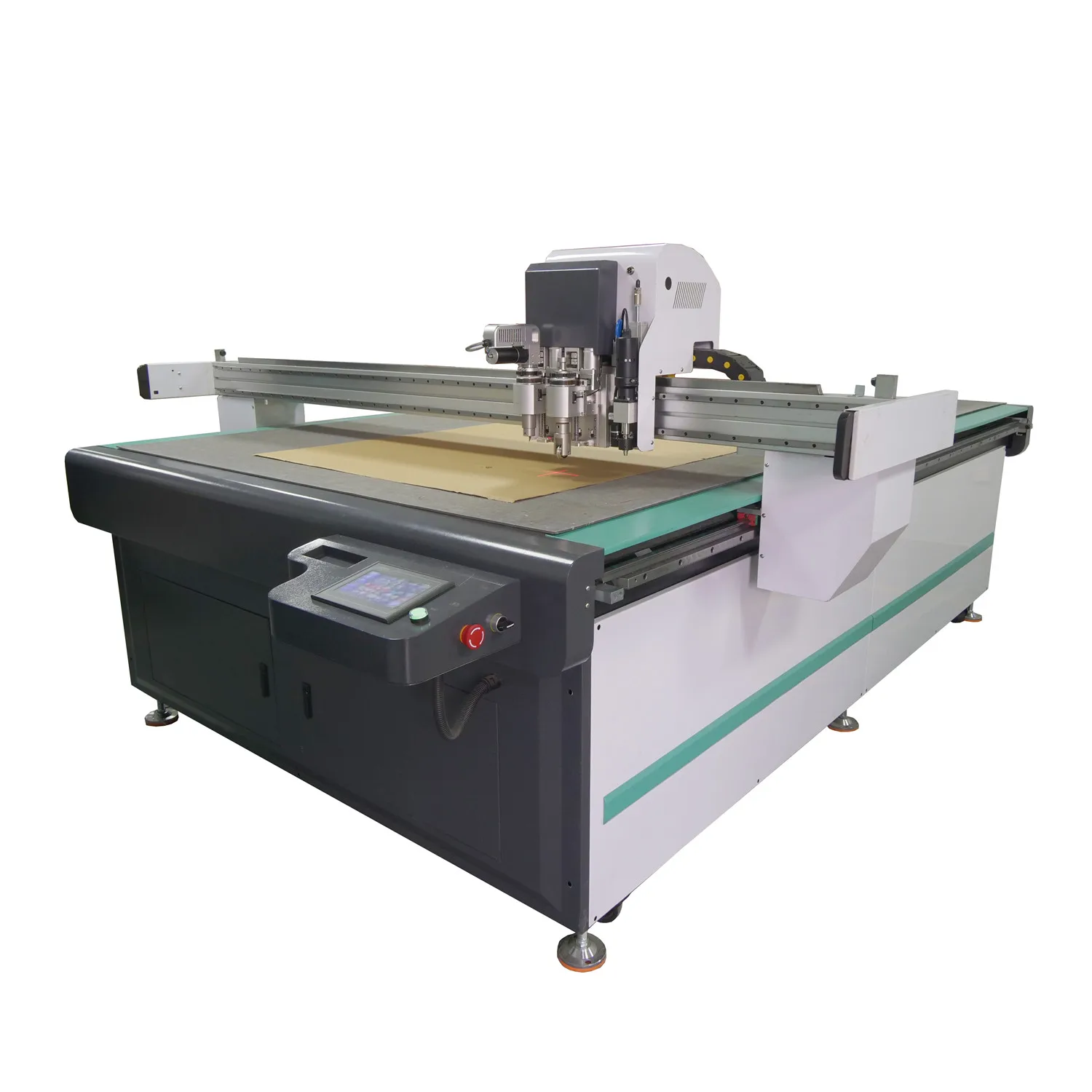
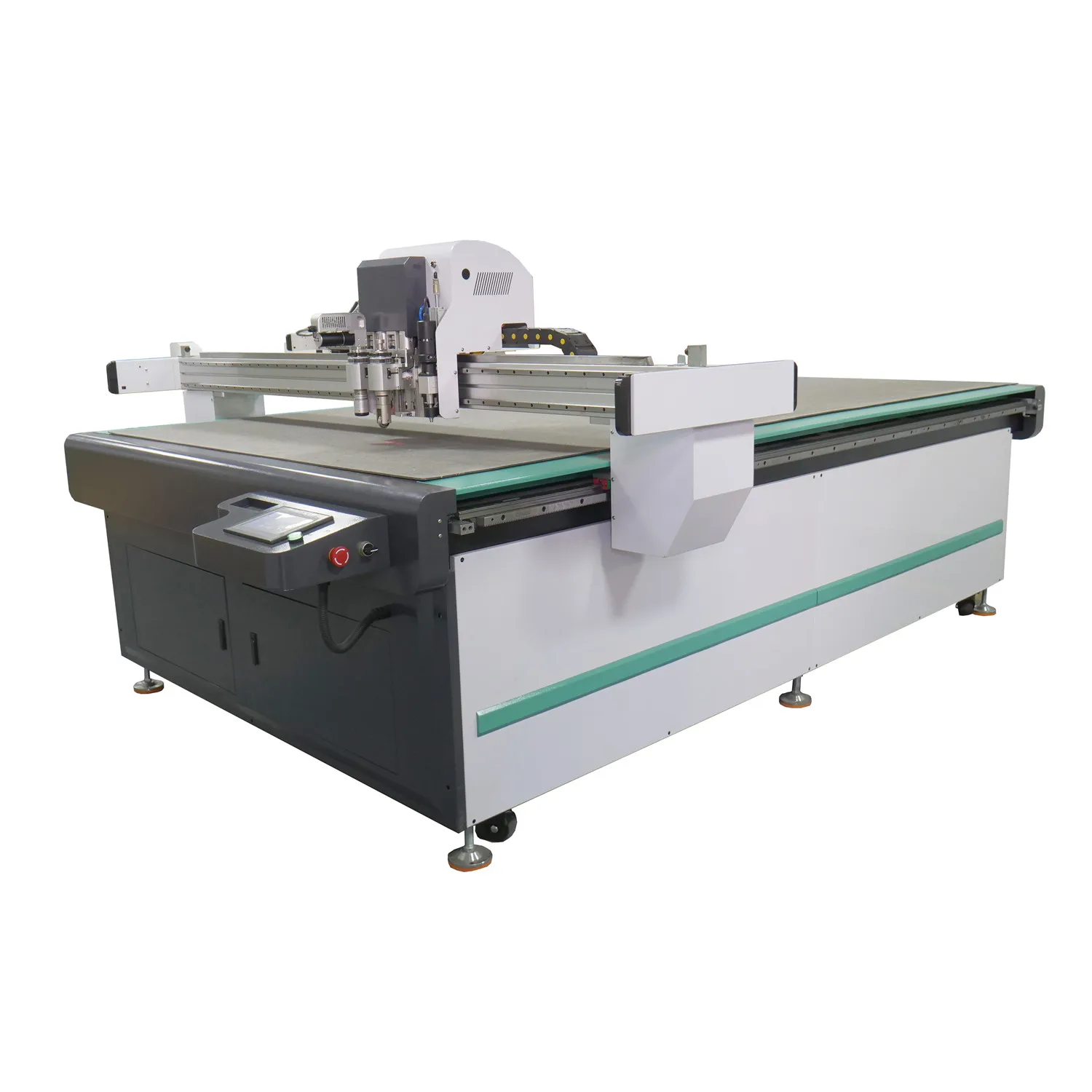
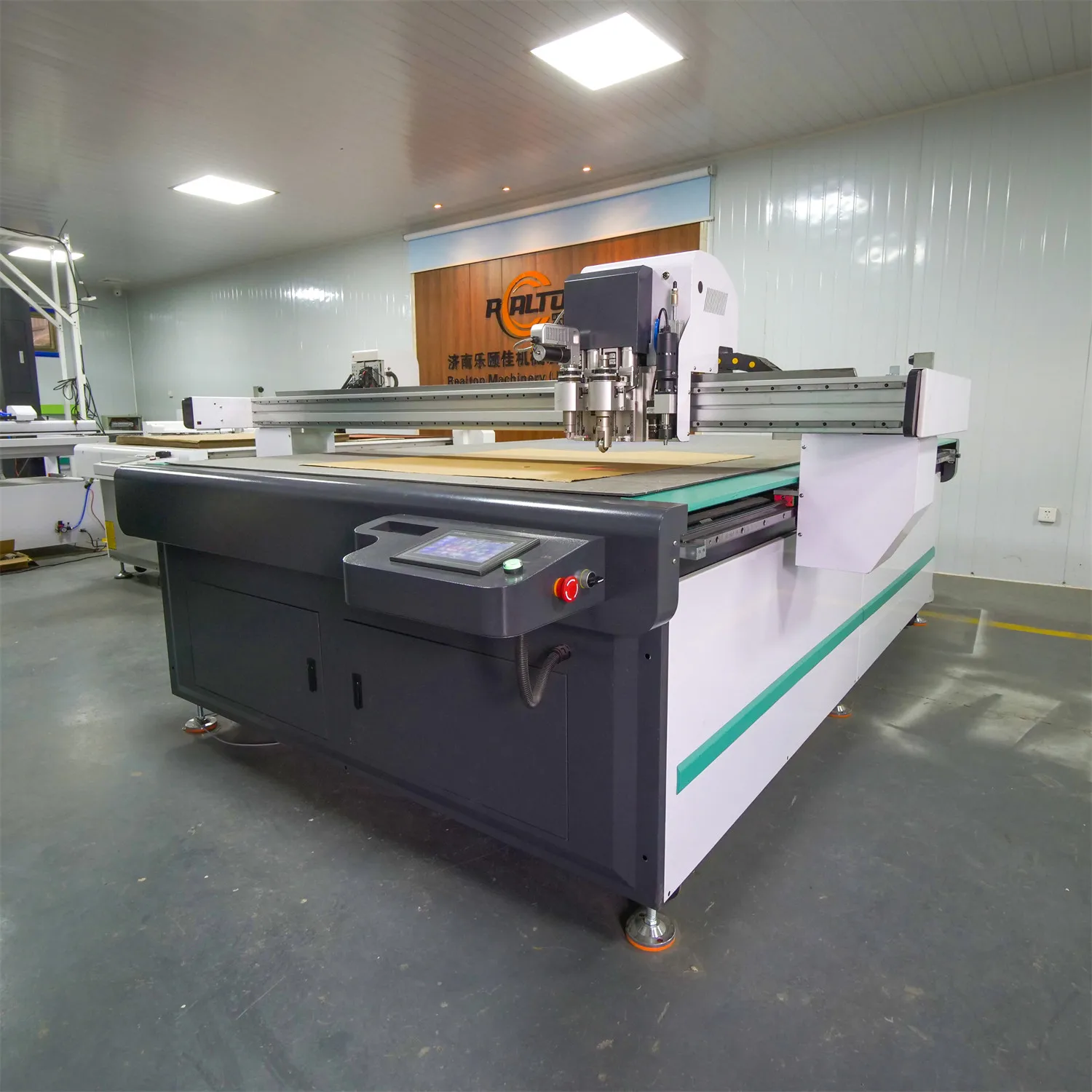
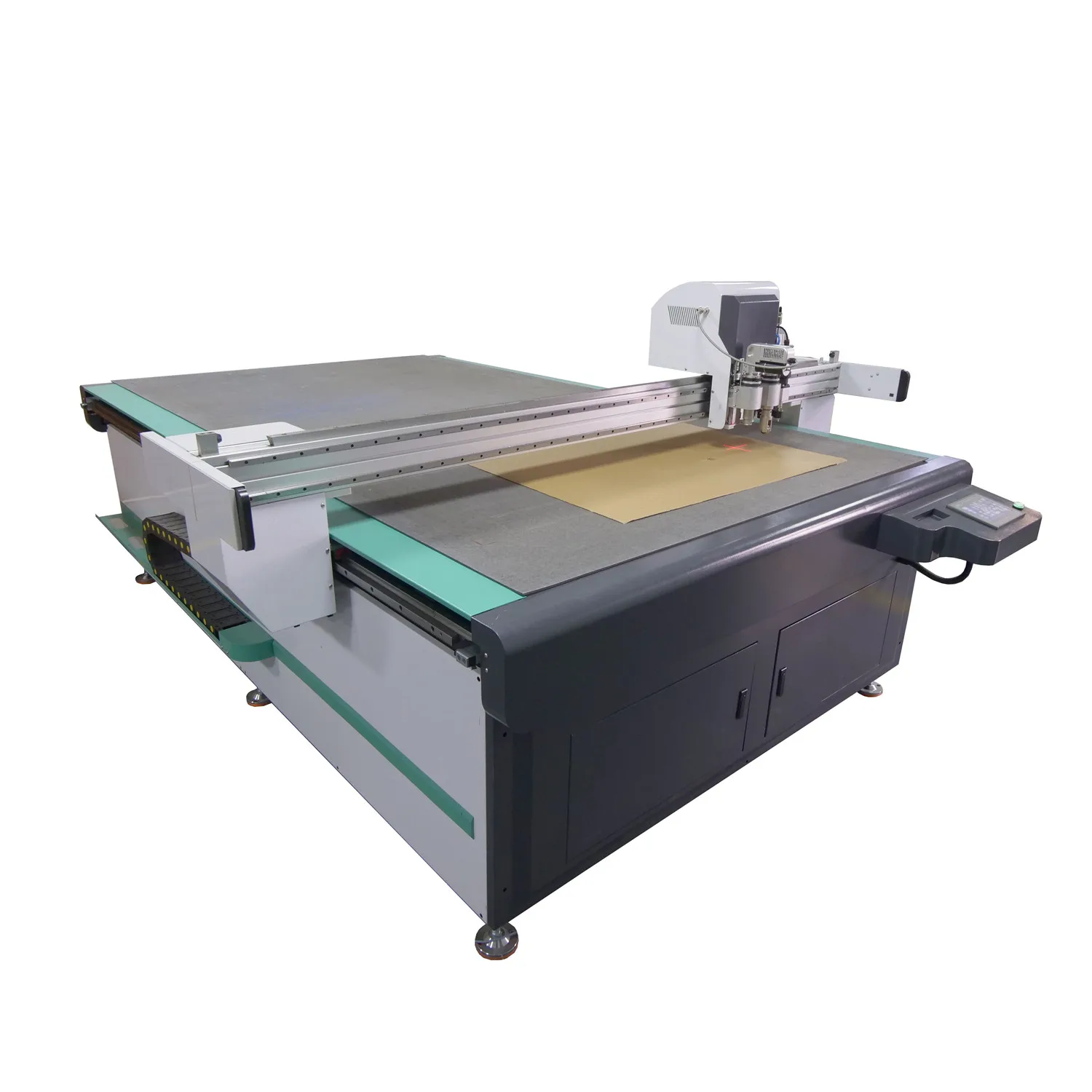
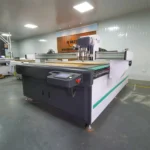
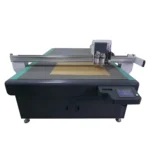
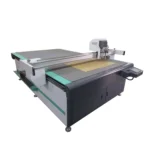
| Product Type | CNC Digital Oscillating Knife Cutting Machine for Corrugated Carton and Packaging |
| Working Area | 1600 × 2500 mm |
| Machine Dimensions (L × W × H) | 3450 × 2300 × 1250 mm |
| Rated Power | 9 kW |
| Voltage | 380V ± 10% |
| Vacuum Pump | 7.5 kW |
| Table Type | Aluminum alloy honeycomb structure, auto-follow zone adsorption |
| Tool Head | Multifunctional: Swiss imported oscillating knife, full cut, half cut (creasing), cursor location |
| Translational Velocity | 800 – 2000 mm/s |
| Cutting Speed | 200 – 800 mm/s (varies with material) |
| Repeated Accuracy | ≤ 0.1 mm |
| Transmission System | Rack transmission, Taiwan Hiwin linear guide, synchronous belt, ball screw |
| Servo Motor & Driver | Taiwan Delta |
| Control System | HP-GL compatible format |
| Software | Professional carton nesting software; automatic positioning for cutting, marking, creasing |
| Cutting Thickness | ≤ 100 mm (varies with material) |
| Safety Device | Infrared sensors, emergency stop |
| Language Options | Customizable (English, Russian, Italian, Chinese) |
Application Suitability
| Application | Material or Output |
|---|---|
| Carton sample making and short-run production | Single, double, triple wall corrugated board across B, C, E, BC, BE flute profiles |
| Large format packaging | Greyboard and heavy-duty corrugated for electrical goods and express shipping boxes |
| Sticker and label contour cutting | Self-adhesive vinyl, printed label stock, PVC films |
| Premium packaging inserts | Sponge composite, soft glass, silicon, rubber gaskets for gift box inlays |
| Signage and display cutting | Foam board, billboard stock, business card and hang tag materials |
Why the Vacuum Zone Layout Matters More Than the Working Area
A 1600×2500mm table only holds your parts flat if the zoning matches your smallest offcut geometry.
I see this pattern repeat across packaging workshops: a buyer specifies a CNC oscillating knife cutting machine specifications sheet based on maximum sheet size, then struggles with small carton tabs lifting mid-cut because the vacuum zones are too wide. When a 40mm glue flap sits between two 300mm zones, neither zone pulls it down hard enough. The knife drags the board, the crease line wanders, and the sample fails the fold test. Before any order is placed, the nesting file needs to be checked against the zone map to confirm every part boundary falls within a single active suction area [NEED_CITE: vacuum zone sizing principles for flatbed digital cutting tables].
Matching the Tool Head to the Flute Profile
The multifunctional head on the RT-D2516 and RT-S2516 pairs a Swiss imported oscillating knife with cursor location capability in a single work cycle. For single-wall E-flute stock, the oscillation frequency and blade angle produce a clean shear through the flute peaks without crushing the liner. On double-wall BC profiles, the same head switches to half-cut mode for crease lines, compressing the flutes to a controlled depth rather than severing them. This matters because a crease that cuts too deep will crack on the folding machine, while one that is too shallow will resist the fold and cause the carton to spring open.
How the Honeycomb Platform and Rack Transmission Work Together
The aluminum alloy honeycomb vacuum platform provides a flat reference surface across the full 1600×2500mm area, and the auto-follow adsorption activates only the zones under the cutting head. This reduces the vacuum pump load compared to full-table suction. Underneath, the rack transmission with Taiwan Hiwin linear guides and Delta servo drives maintains the ≤0.1mm repeated accuracy that packaging contour work demands. When the knife makes a tight radius turn around a carton lock tab, any backlash in the drive system shows up as a visible notch in the cut edge — the kind of defect that causes a sample to be rejected by a brand client during approval.
Reading the Specification Sheet Against the Production Job
Cutting speed of 200–800mm/s is a range, not a promise — the actual figure depends on whether you are scoring 1.5mm E-flute sticker stock or full-cutting 15mm triple-wall corrugated. The 7.5kW vacuum pump rating tells you the suction capacity available, but the zoning layout determines how much of that capacity reaches each part. The dedicated carton nesting software handles cut, crease, and mark path generation from imported DXF and PLT files, and the control language can be confirmed before the machine leaves the factory. What the specification sheet cannot tell you is whether the crease depth will match your particular board supplier’s fibre composition — that requires a sample cutting report on your own material [NEED_CITE: corrugated flute profile standards and board grade classifications].
The Cost of Skipping the Material Trial
A carton sample cutting table configured for standard B-flute will struggle with five-layer double-wall board if the oscillation amplitude and blade penetration are not adjusted. The knife can chatter through the top liner, leave a ragged edge on the bottom flute, and produce crease lines that fracture during folding. In a short-run packaging operation, that means re-cutting sheets, wasting board, and missing sample approval deadlines. These are the failures that never show up on a quotation but consume real hours on the shop floor [NEED_CITE: typical material-related rework causes in packaging sample making].
Why This Build Approach Works for Packaging Producers
In-house design covers the knife cutting platform from frame to software, so the tool head selection is made against your actual material rather than a default catalog entry. The honeycomb vacuum zoning is specified after reviewing your nesting file, not assumed from the table size. Carton nesting software and file format compatibility are confirmed before the order is placed, avoiding the situation where a DXF import drops crease layers. Voltage, plug type, and control language are documented and verified against your facility standards. Sample cutting on your corrugated board grade is completed before the machine ships, providing a baseline for cut depth, crease quality, and edge finish.
Documentation & Verification
- Machine specification sheet listing tool head, vacuum zoning layout and confirmed cutting thickness for your board grade
- Electrical schematic with voltage, frequency and plug type matching your facility supply
- Sample cutting report on your corrugated material showing cut depth, crease line and edge quality
- Software licence with file format compatibility note for DXF, PLT and HP-GL imports
- Factory test record with repeated accuracy measurement before dispatch
Installation, Commissioning & Support
- Floor space allocation for 3450×2300mm machine footprint plus material staging area at both ends
- Dedicated 380V ± 10% three-phase circuit rated for 9kW machine load plus 7.5kW vacuum pump
- Complete machine delivery with optional conveyor belt for in-line feeding workflows
- First-run parameter setting for oscillation frequency, blade depth and vacuum zone activation mapped to your board grade
- Operator training covering nesting software path generation, tool change and crease depth adjustment
- Spare parts list covering oscillating knife blades, creasing wheels and vacuum seal strips
What to Include in Your Inquiry
Send the corrugated board grade and flute profile you run most often, along with the smallest part geometry in your typical nesting file. Confirm your facility voltage, frequency and the control language your operators need. If you have an existing CAD workflow, share a sample DXF or PLT file so software compatibility can be verified before the quotation is finalised.
Frequently Asked Questions
Q: How is cutting thickness verified for different corrugated flute profiles?
A: We run your actual board through the machine and document achieved cut depth, edge quality, and crease line integrity. B, C, E, BC and BE flute profiles each respond differently to blade oscillation frequency and penetration depth. The sample cutting report becomes the baseline setting for your production files, not a generic catalog value.
Q: How do I confirm vacuum zoning is adequate for my smallest carton parts?
A: Share your nesting file with the smallest part geometry highlighted. We map it against the honeycomb platform zone layout to verify each part falls within a single active suction area. If small glue flaps or lock tabs span two zones, we adjust the zone boundaries in the control system before the machine ships.
Q: Which tool head suits my board thickness and crease requirement?
A: The multifunctional head carries the Swiss imported oscillating knife for full cuts and half cuts in one cycle. For thin E-flute sticker stock, the oscillating knife handles both cutting and scoring. For heavier double-wall board, a separate creasing wheel may be specified alongside the knife. We confirm the tool configuration after reviewing your material samples.
Q: What software file formats are supported and how is the workflow validated?
A: The carton nesting software imports DXF, PLT, and HP-GL compatible formats with automatic positioning for cut, crease, and mark paths. Before your order is confirmed, we import your actual production file and verify that all layers — cut lines, crease lines, and registration marks — translate correctly without manual redrawing.
Q: What voltage and control language customization is confirmed before shipment?
A: The standard configuration is 380V ± 10%, but voltage and plug type are confirmed against your facility supply before production. The control system language — English, Russian, Italian, Chinese, or other options — is set and documented so operators can navigate menus and error messages in their working language from day one.


商品评价
Clear filtersThere are no reviews yet.