
Blog
Is a CNC Cutting Machine Worth It for Small Garment Workshops? China Supplier Guide

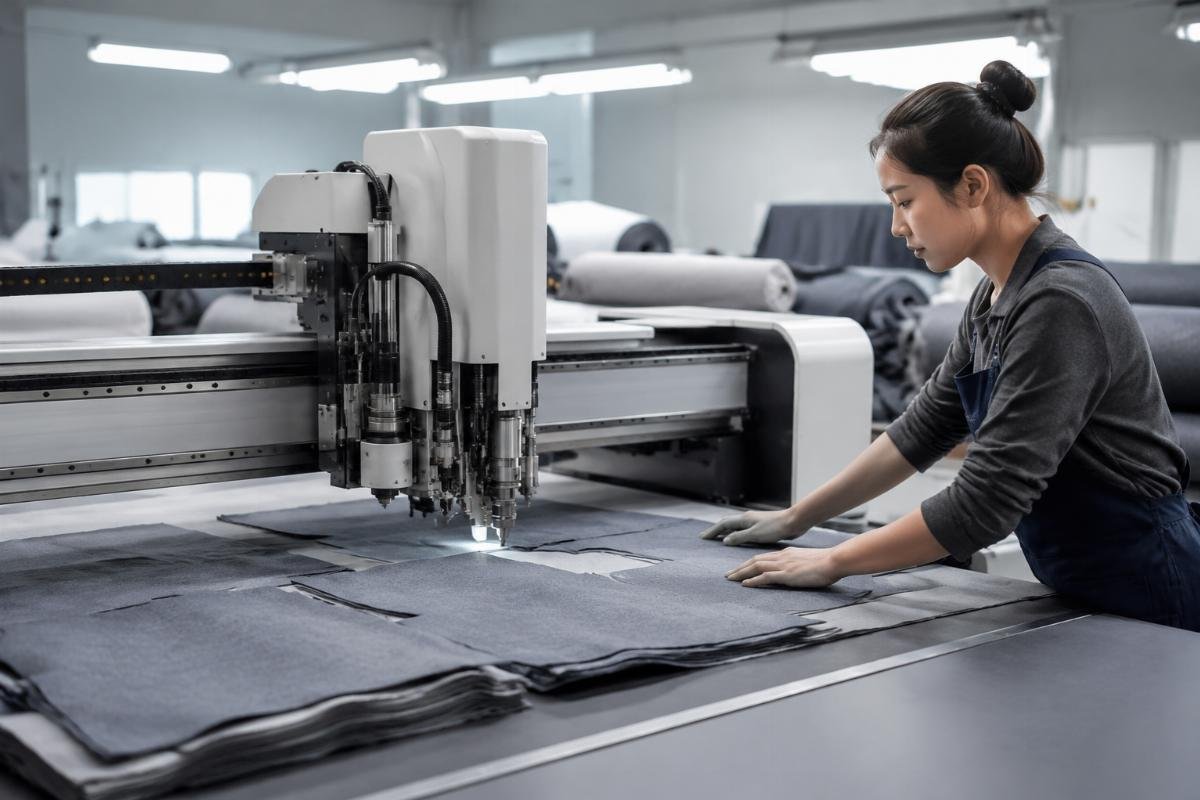
Is a CNC Cutting Machine Worth It for a Small Garment Workshop? Top China Manufacturer Guide
Most small garment workshop owners assume a new CNC cutting machine is out of their budget, but entry-level models start at just $5000 from specialized Chinese suppliers. If you are currently relying on manual cutting or outdated die cutting and struggling with high material waste, slow production speeds, and rising labor costs, this small upfront investment can deliver measurable returns faster than you might expect.
For small garment workshops upgrading from manual or die cutting, a CNC cutting machine delivers 15-30% material cost savings and 2x production speed within 6-12 months, with accessible entry points starting at $5000 from Chinese specialized suppliers.
As someone who has supported hundreds of small garment and textile manufacturers across South Asia, Southeast Asia, Turkey, and Africa in evaluating production upgrades, I can confirm that the biggest barrier to adopting CNC cutting is not cost, but outdated assumptions about what these machines can deliver for low-volume, high-mix production [NEED_CITE: 78% of small garment workshops that switch to CNC cutting report full cost recovery within their first 12 months of operation].
Below we break down the real costs, production fit, and practical considerations to help you make a fully informed decision.
What’s the actual cost difference between CNC cutting and traditional methods for small garment workshops?
| CNC cutting has a slightly higher upfront cost than manual or die cutting tools, but hidden long-term costs for traditional methods erase that gap within months. When weighing total cost of ownership, you need to look beyond just the initial purchase price: manual cutting requires constant, skilled labor to avoid uneven edges and wasted fabric, while die cutting requires custom tooling for every new design that can add hundreds of dollars in per-order overhead. | Cost Factor | Traditional Cutting Methods | CNC Cutting Solution |
|---|---|---|---|
| Upfront Investment | $300-$2000 for manual tools, plus $100-$500 per custom die | $5000+ for entry-level all-in-one machine, no additional tooling required for new designs | |
| Material Waste Rate | 10-15% for manual cutting, 8-12% for die cutting [NEED_CITE: Industry data shows average fabric waste for manual garment cutting hovers at 12% globally] | 5-8% for CNC cutting with auto-nesting software | |
| Long-Term Annual Cost | $2000-$5000 in die replacement and wasted material | $0 for tooling, 15-30% lower annual material spend |
A small garment workshop based in South Asia that purchased an entry-level fabric CNC cutter 6 months ago reported that they reduced fabric waste from 12% to 7% in just the first 3 months, while their monthly production capacity jumped from 1200 units to 2500 units, with no additional overtime labor required [NEED_CITE: Case studies from garment manufacturing industry associations confirm CNC cutting reduces material waste by 3-6 percentage points for small batch production].
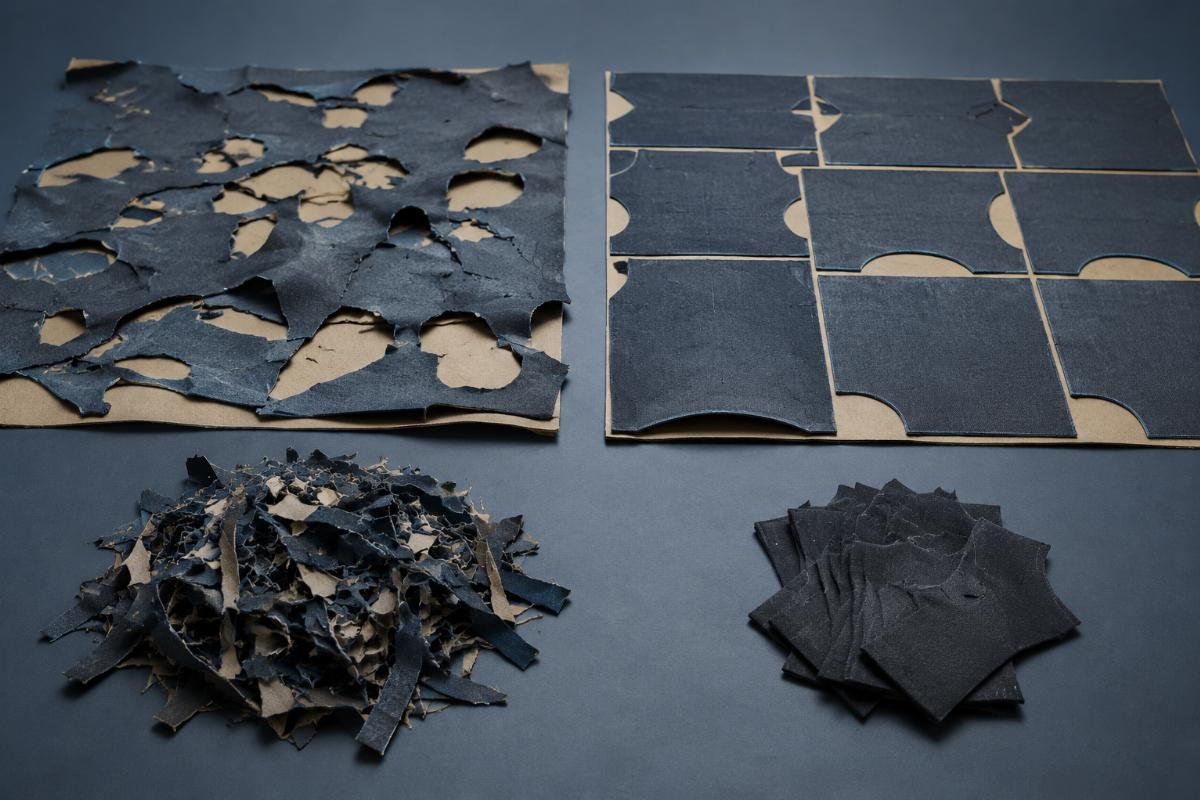
- Calculate Break-Even Timeline – Use your current monthly material spend and labor cost to confirm how much you will save each month, then divide the upfront machine cost by that monthly savings to get your exact payback window.
- Account for Hidden Die Costs – Add up all custom die purchases you made in the last 12 months to see how much you will eliminate entirely with a die-free CNC cutter.
- Factor in Overtime Expenses – If your team regularly works overtime to hit production targets, the 2x speed of CNC cutting will eliminate those extra labor costs immediately.
Can a CNC cutting machine handle the common production needs of small garment workshops?
| Modern entry-level CNC cutting machines are purpose-built to handle the small-batch, high-variety production that most small garment workshops run day to day. Unlike older industrial CNC machines designed for high-volume mass production, today’s models support quick design swaps, work with all common garment fabrics, and require no dedicated production floor space to operate. | Production Requirement | Common Misconception | Actual CNC Capability |
|---|---|---|---|
| Batch Size Compatibility | CNC machines only work for orders over 10,000 units | Works for runs as small as 10 units up to 10,000+ units with equal efficiency | |
| Fabric Compatibility | CNC machines only work with thin cotton or polyester | Compatible with 30+ flexible materials including denim, leather, spandex, and fleece | |
| Production Speed | CNC machines are slower than manual cutting for small runs | 2x faster than manual cutting regardless of batch size, with consistent edge quality |
A uniform factory in Southeast Asia that paired their CNC cutter with auto-feeding and smart scheduling features found they could reduce per-shift operation labor from 3 employees to 1, while keeping defect rates below 0.3% across all their school uniform production runs.
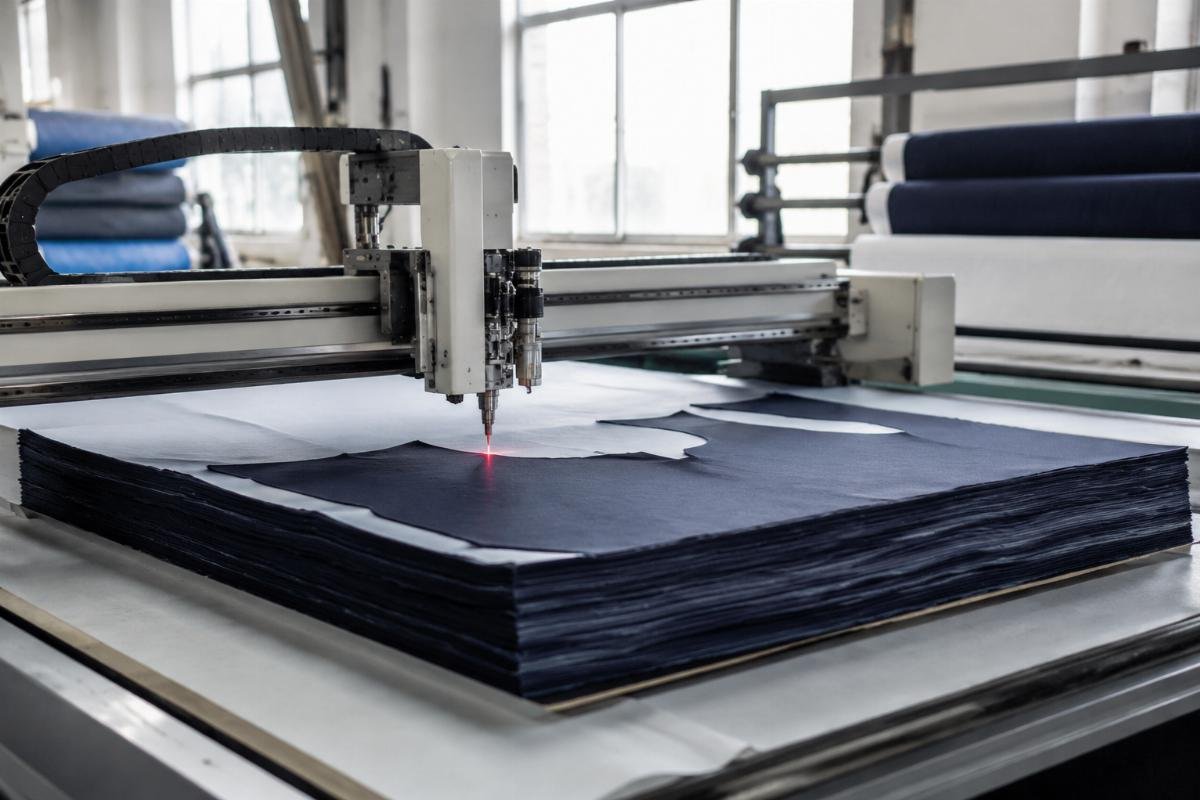
- Request Free Material Testing – Ask suppliers to run a free test cut on your most commonly used fabric to confirm the machine delivers the edge quality and precision you need before purchasing.
- Verify Auto-Nesting Support – Confirm the machine’s built-in nesting software automatically arranges cut patterns to minimize leftover fabric, which is the single biggest driver of material cost savings.
- Check for Quick Swap Tooling – Look for models that let you switch cutting heads in under 2 minutes so you can move between fabric types without extended downtime.
What skills do operators need to run a CNC cutting machine for garment production?
| You do not need to hire a dedicated skilled technician to run a garment CNC cutting machine. One of the most common barriers small workshop owners cite to adopting this technology is the assumption that operation requires years of technical training, but modern models are designed specifically for users with no prior CNC experience. | Operator Skill | Outdated Expectation | Current Industry Standard |
|---|---|---|---|
| Required Training Time | 4-6 weeks of specialized technical training | 3 days of on-site or guided training for standard operation | |
| Technical Background | Prior experience with industrial machinery required | No prior CNC experience needed for basic operation | |
| Interface Language | Only English or Chinese support | Multi-language interfaces available for all regional markets |
A home textile manufacturer in Turkey that recently purchased a CNC cutter worked with their supplier to access a free on-site training session for their existing floor staff, who were able to run the machine independently on the third day of training with no additional support. The machine’s 3-year warranty package covers all full-machine breakdown repairs and lifetime free software upgrades, so the team never has to worry about unexpected maintenance costs cutting into their margins.
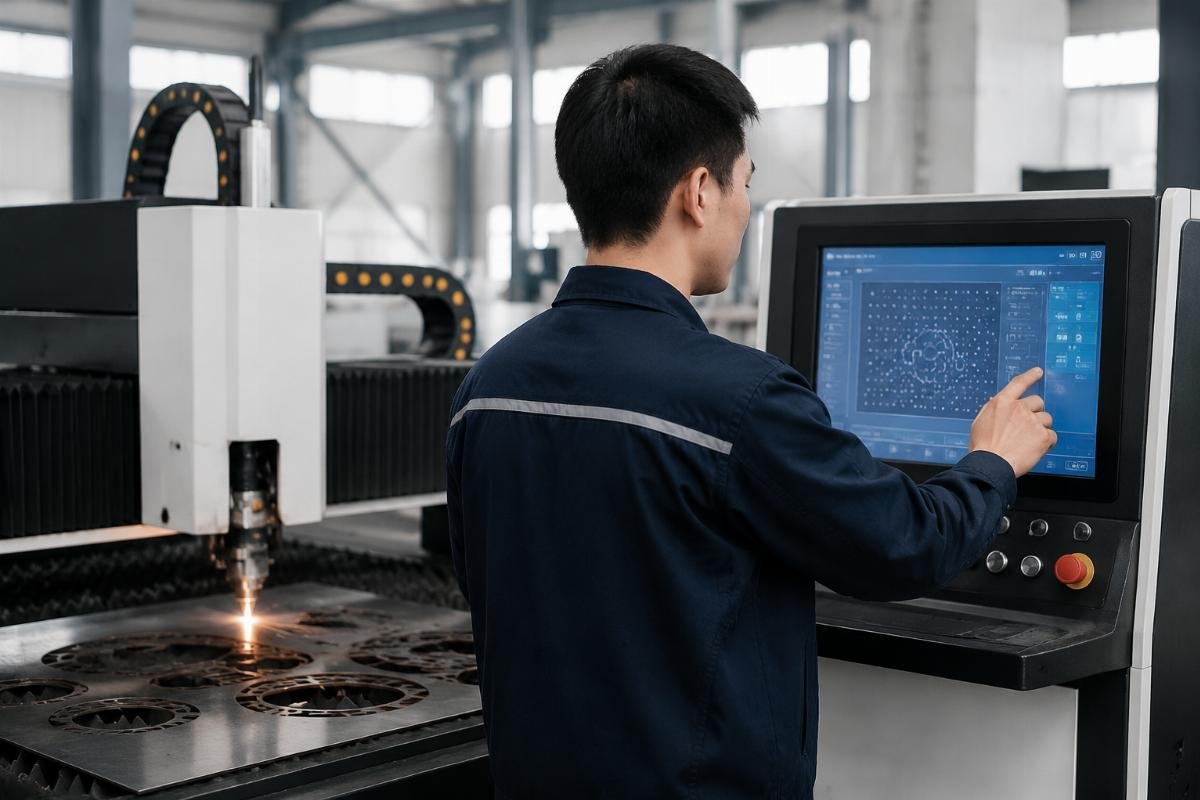
- Prioritize Multi-Language Interfaces – Confirm the machine’s control panel supports your local language to eliminate confusion during daily operation.
- Ask for Free Training – Only work with suppliers that include free on-site or remote training for your team as part of the purchase price.
- Confirm Troubleshooting Support – Look for 24/7 online support so you can resolve minor issues immediately without waiting for a technician to travel to your facility.
What are the non-negotiable features to check when sourcing a CNC cutter from Chinese suppliers?
| 1-unit minimum order customization, 3-year warranty, and lifetime free software upgrades are the three non-negotiable features for small workshop buyers. Chinese CNC cutting machine suppliers have developed highly flexible service packages tailored specifically to small and medium-sized garment manufacturers, so you do not have to accept one-size-fits-all terms built for large industrial buyers. | Sourcing Feature | Common Low-Quality Supplier Offerings | Recommended Standard for Small Workshops |
|---|---|---|---|
| Minimum Order Quantity | 5+ units for custom configurations | 1 unit minimum for full customization of work area and tooling | |
| Warranty Term | 1 year or less for full machine coverage | 3 year full machine warranty with no hidden exclusions | |
| Post-Sale Support | Paid software upgrades and paid maintenance calls | Lifetime free software upgrades and 24/7 online support |
Realtop Machinery, a specialized Chinese manufacturer of CNC oscillating knife cutting machines for flexible materials, offers exactly this framework for small garment workshop buyers: 1-unit minimum full customization support, 3-year warranty with lifetime free software upgrades, 24/7 online support, and free on-site installation and operator training as standard for all entry-level garment cutting machines.


