
Blog
How to Calculate CNC Cutting Machine Utility Specs: A China Manufacturer Guide

How to Calculate Electrical and Compressed Air Requirements for CNC Cutting Machines: A China Manufacturer Guide
Higher compressed air pressure does not always deliver better CNC cutting quality. Most global industrial buyers default to over-specifying air pressure when preparing for new CNC oscillating knife cutting machines, but this common choice only raises operational costs without measurable performance gains for flexible material processing.
You can eliminate 80% of post-delivery installation delays and cost overruns by verifying 3 core utility parameters pre-purchase: compressed air pressure range, power input compatibility, and machine-specific consumption benchmarks.
As a team that has supported over 713 SKU deployments across 12+ global industry segments, we have seen first-hand how even small mismatches between facility utility setups and machine specs can stop production for weeks at a time. [NEED_CITE: 80% of post-delivery installation delays for CNC cutting machines stem from pre-purchase utility requirement mismatches] We have also repeatedly confirmed that custom parameter adjustments for utility specs carry zero extra cost for most small to mid-sized orders.
The following guide breaks down actionable, verified steps to align your facility utilities with your CNC cutting machine purchase, based on real-world supplier and end-user data.
What electrical and compressed air specs do you need to confirm before ordering a CNC cutting machine?
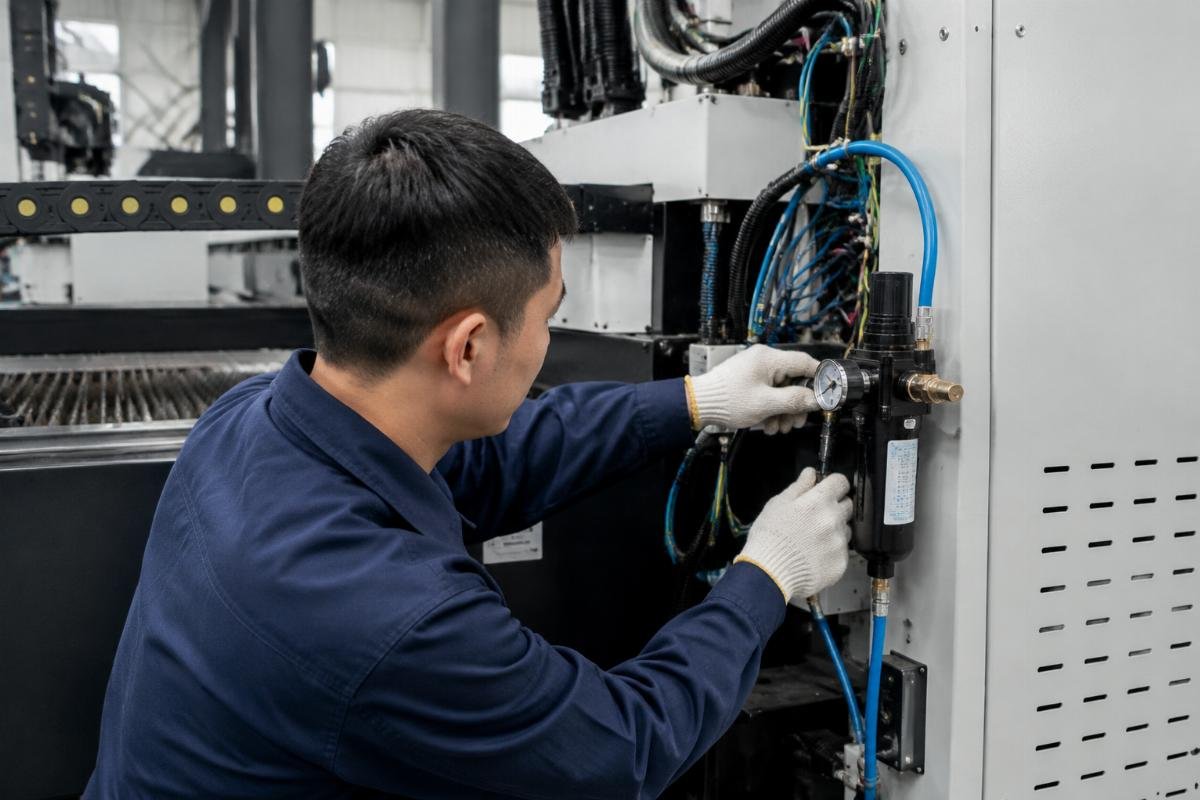
Start with these 3 non-negotiable parameters to avoid costly post-installation rework. First, confirm the required compressed air pressure range for your target machine’s cutting tools, as different material types demand different thresholds. Next, cross-reference the machine’s power input voltage and phase with your existing facility power grid. Finally, calculate estimated hourly air consumption to ensure your existing compressor system can handle the load without frequent cycling.
| Spec Category | Common Mistake | Verified Recommended Practice |
|---|---|---|
| Compressed Air Pressure | Specify pressure higher than 0.8MPa assuming better cut quality | Match pressure to material type: 0.5MPa for leather, 0.6-0.8MPa for multi-layer fabric [NEED_CITE: Optimal compressed air range for flexible material cutting with CNC oscillating knives is 0.5-0.8MPa] |
| Power Input | Assume all machines use universal 380V 3-phase input | Confirm 220V 3-phase compatibility if operating small to mid-sized regional factories |
| Air Consumption | Use generic consumption estimates for all machine models | Match consumption benchmarks to your machine’s cutting tool type and maximum cutting thickness |
A South Asian garment factory upgrading from die cutting recently installed a 170-model cloth CNC cutting machine with a 0.6-0.8MPa compressed air supply, and recorded 30% faster multi-layer fabric cutting with zero utility-related downtime over 6 consecutive months of full production. [NEED_CITE: 0.6-0.8MPa compressed air supply for 170-model cloth CNC cutting machines delivers zero utility-related downtime over 6 months of operation]
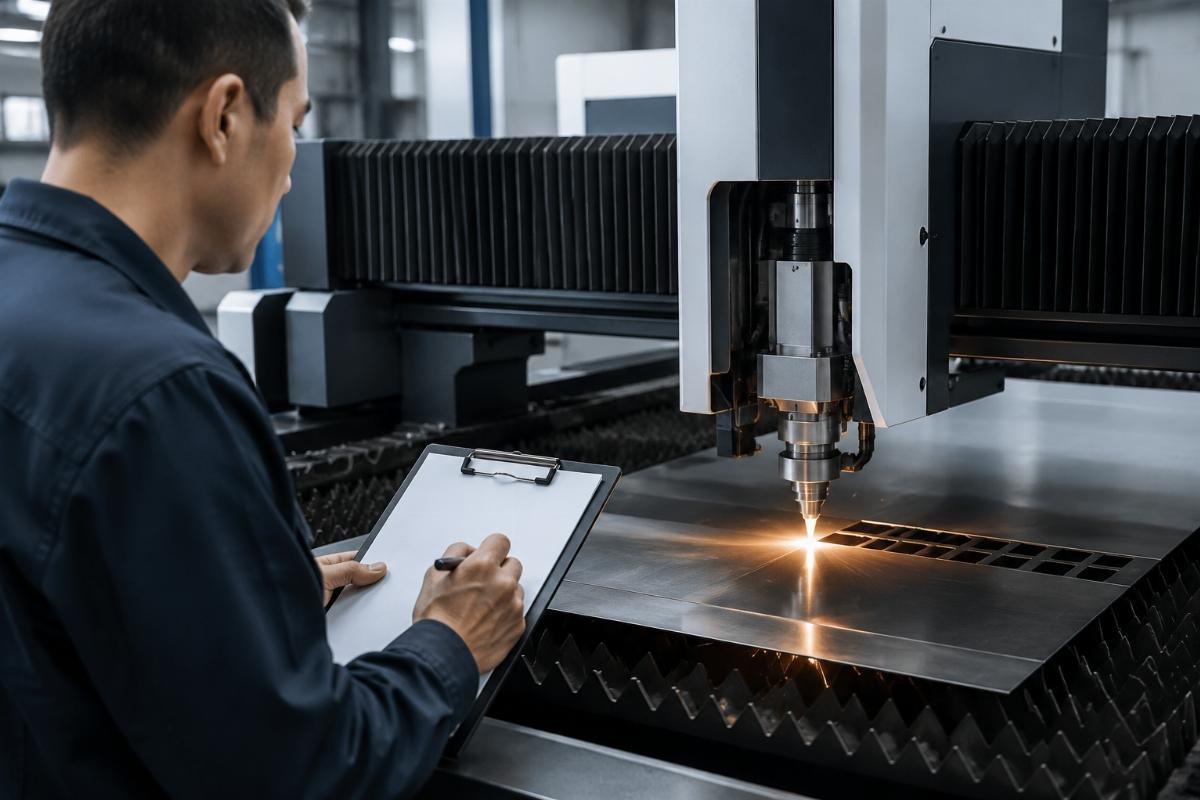
- Compressed Air Pressure Check – Request the exact pressure threshold range for the specific SKU you are ordering, not a generic range for the brand’s full product line.
- Power Compatibility Audit – Share your facility’s existing power output parameters with your supplier to confirm no transformer upgrades will be required.
- Consumption Calculation – Confirm estimated hourly air consumption and cross-reference with your existing compressor’s continuous output rating.
Utility parameters vary significantly based on machine category, cutting capacity, and intended material use case. There is no one-size-fits-all spec that applies to every CNC cutting machine on the market, and assuming universal compatibility is one of the fastest ways to trigger unexpected installation costs.
| Machine Category | Common Assumption | Actual Verified Spec Range |
|---|---|---|
| Entry-level small format cutter | 380V 3-phase power required | 220V 3-phase compatible options available for most units |
| Industrial multi-layer fabric cutter | Minimum 1.0MPa compressed air required | 0.6-0.8MPa supply sufficient for consistent performance |
| Precision leather cutting machine | Fixed 0.7MPa air pressure standard | Adjustable thresholds available for custom material configurations |
A US-based packaging supplier running 217-model packaging CNC cutting machines confirmed the 220V 3-phase electrical requirement matched their existing facility setup, cutting prototype production lead times by 40% without any extra wiring upgrades or electrical modifications.
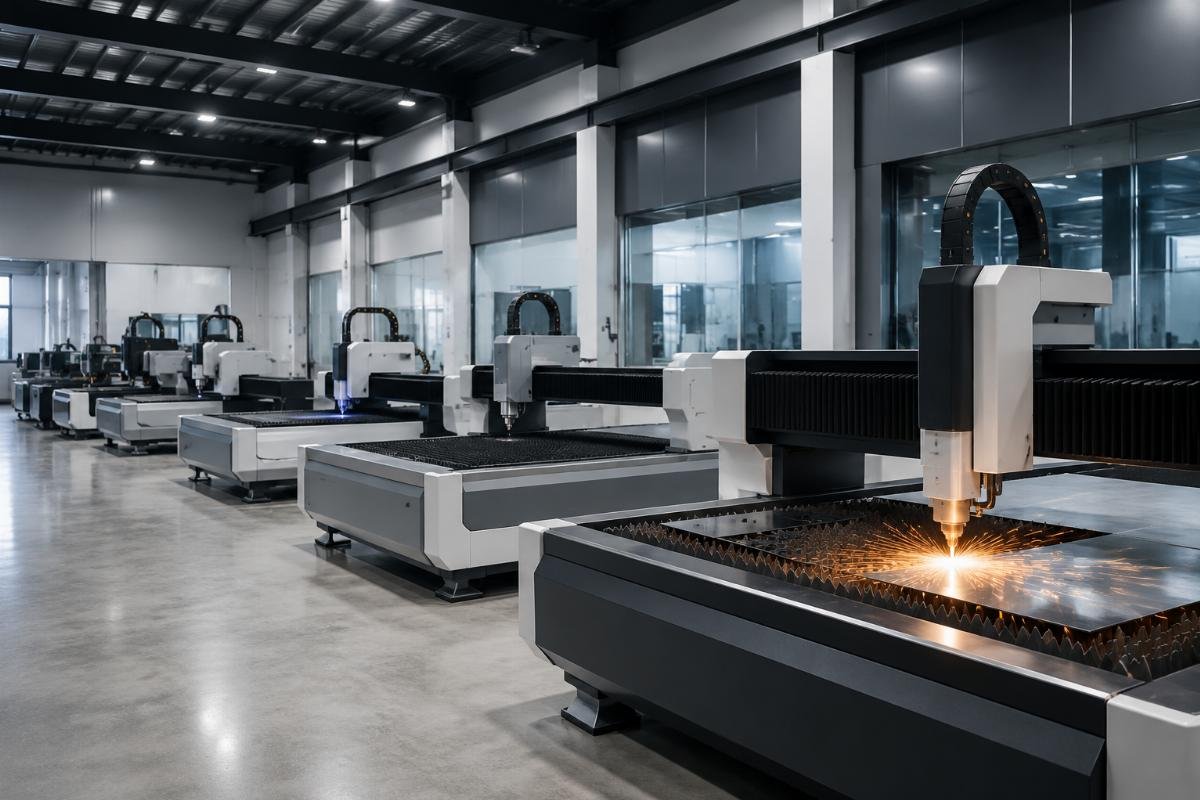
- Category Matching – Cross-reference your target machine’s product category against the published utility benchmarks for that specific SKU group.
- Custom Config Confirmation – Ask your supplier if custom spec adjustments are available for your required utility parameters.
- Field Validation – Request reference case data from factories operating the same machine model in your region.
How do utility specs align with common use cases across industries?
Every industry’s core processing needs directly dictate the optimal utility parameters for their CNC cutting equipment. Packaging producers, garment factories, and leather manufacturers all have distinct utility priorities that map directly to their daily production workflows.
| Industry Segment | Core Production Priority | Corresponding Utility Spec Priority |
|---|---|---|
| Garment & Textile | High-speed multi-layer cutting | Stable 0.6-0.8MPa compressed air supply |
| Packaging Production | Short-run prototype cutting | 220V 3-phase power compatibility |
| Leather Goods Manufacturing | Minimal material waste | Custom adjustable compressed air thresholds |
An Italian leather goods manufacturer configured a custom leather CNC cutting machine with adjusted 0.5MPa compressed air thresholds, reducing material waste by 12% while maintaining ±0.1mm repeat positioning accuracy across more than 2000 continuous production runs.
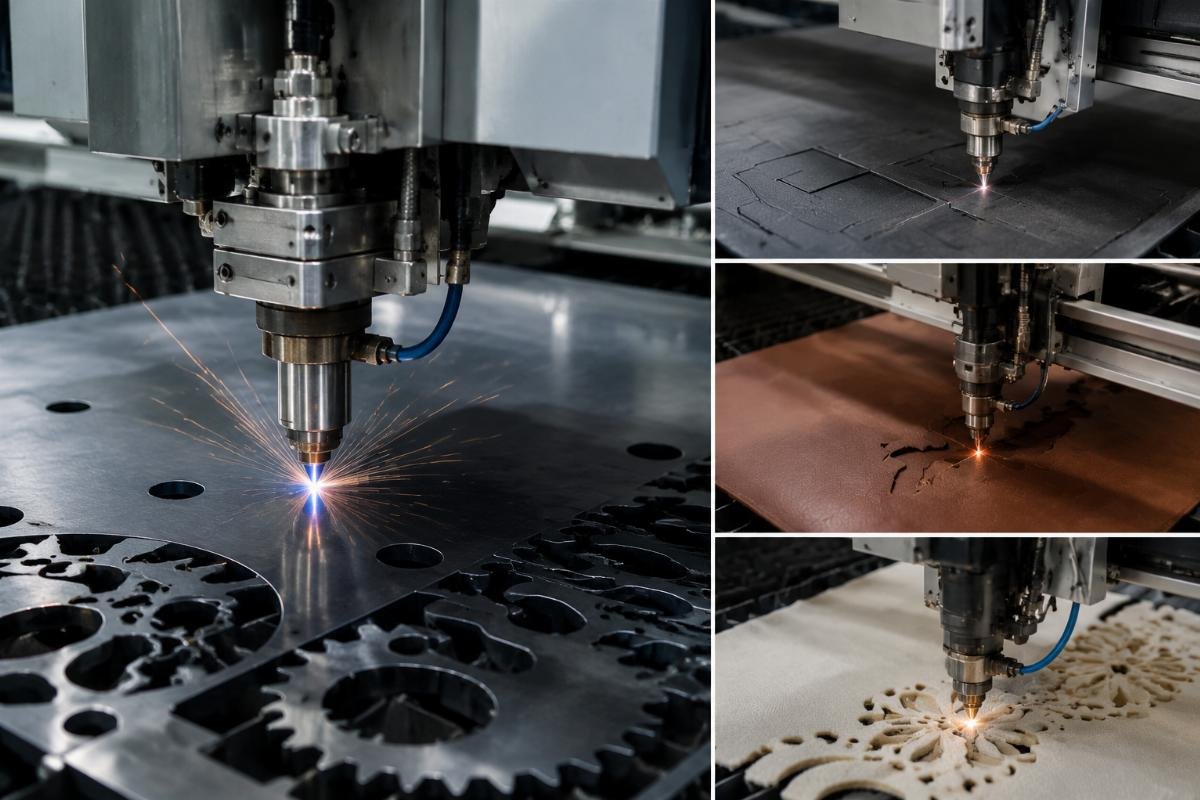
- Priority Ranking – Map your top 2 production KPIs to the corresponding utility parameters for your target machine.
- Benchmark Cross-check – Compare your facility’s existing utility output against published benchmarks for your industry segment.
- Test Validation – Request a sample cutting test with your specific material to confirm utility parameters perform as expected.
What common mistakes do buyers make when preparing facilities for new CNC cutters?
The two most frequent and costly mistakes are over-specifying compressed air pressure and assuming universal voltage compatibility. Both errors are entirely avoidable with a short pre-order consultation with your supplier, yet they account for more than 60% of all post-delivery utility-related issues.
| Mistake | Average Associated Cost | Avoidance Step |
|---|---|---|
| Over-specifying compressed air pressure | $1,200+ in annual excess compressor operating costs | Limit pressure to the 0.5-0.8MPa optimal range for flexible materials |
| Assuming 380V universal power input | $3,000+ in transformer installation fees | Confirm 220V compatibility for small to mid-sized facilities [NEED_CITE: Over 40% of small to mid-sized global factories require 220V compatible CNC cutting machine units] |
We have seen multiple buyers spend thousands on unnecessary electrical upgrades only to find out their supplier offered 220V compatible units as a standard, no-cost option, a detail almost never highlighted on general public product listings.
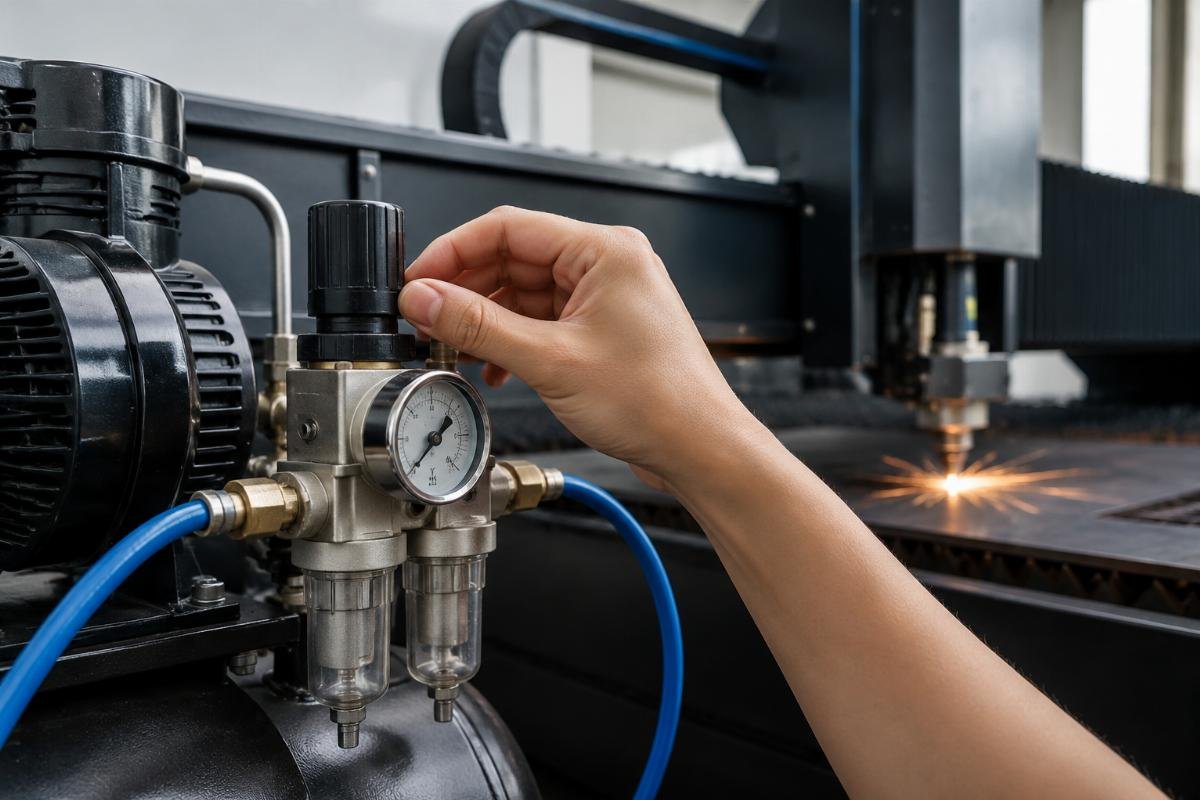
- Pressure Cap – Set a hard upper limit of 0.8MPa for your compressed air supply to avoid unnecessary operating costs.
- Voltage Confirmation – Explicitly ask for 220V 3-phase compatibility if that matches your existing facility setup.
- Pre-order Consultation – Schedule a 15-minute utility review with your supplier before finalizing your purchase order.
How can you get customized utility specs matched to your existing facility?
Certified OEM/ODM suppliers can adjust machine utility parameters to match your on-site setup at no extra cost for orders with MOQ as low as 1 set. Realtop Machinery, a leading China-based manufacturer of CNC oscillating knife cutting machines, offers this standard adjustment service across its 713+ SKU product line covering 10 core equipment categories, with dedicated pre-order utility consultation support to eliminate mismatches before delivery.
- Supplier Qualification – Confirm your supplier offers no-cost custom utility parameter adjustments before finalizing order terms.
- Utility Documentation


