
Blog
Can a rotary cutter cut cardboard?

Can a rotary cutter cut cardboard?
When customers call our sales line, this is one of the most common questions I hear. They want a simple yes or no answer, but the real answer is more nuanced than that.
A rotary cutter can cut cardboard, but success depends on three critical factors: the cardboard type you're working with, its thickness, and whether you're doing sampling work or full production runs. Thin single-layer cardboard works well with rotary knives, while thick corrugated materials often require different tooling approaches.
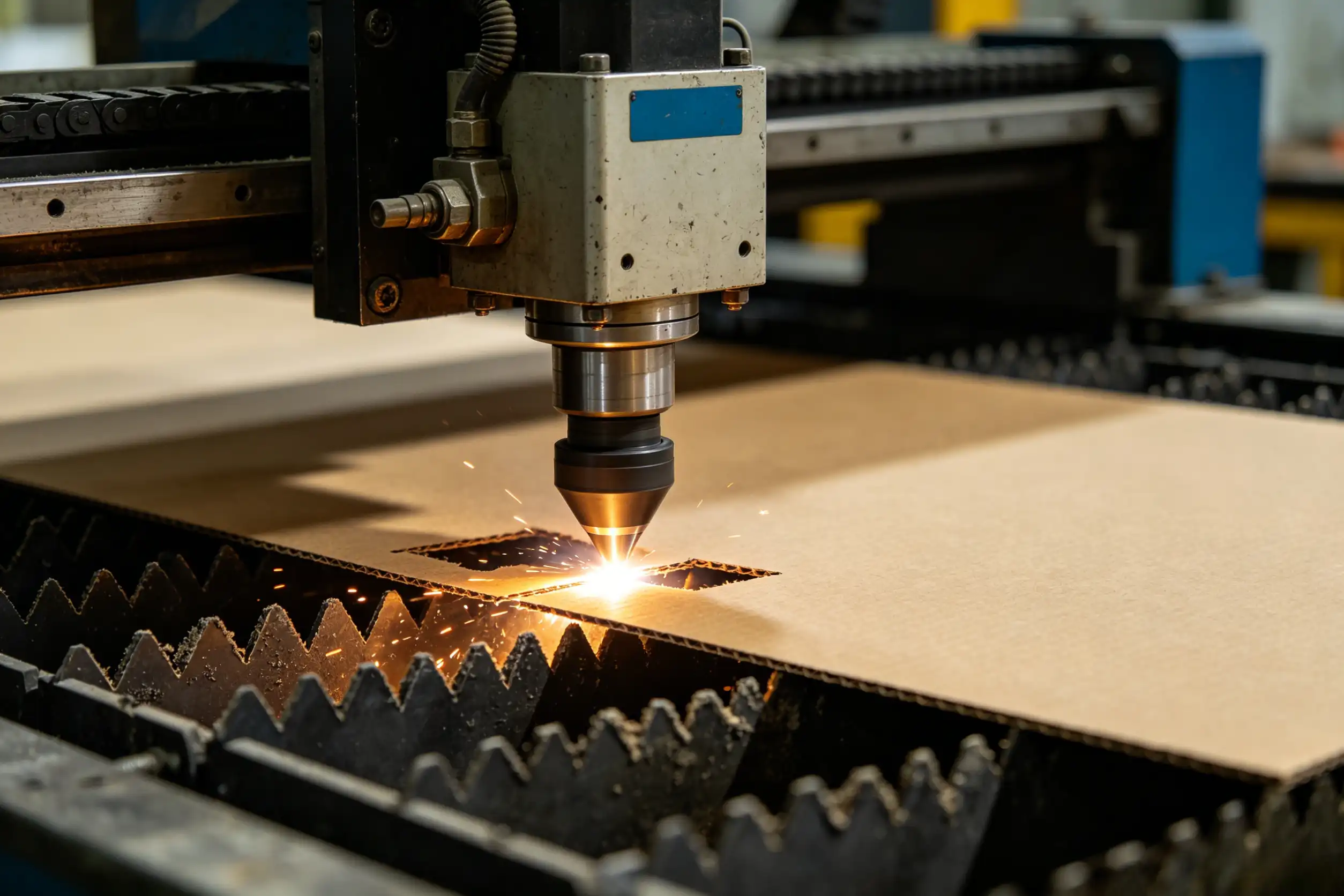
Here's what I've learned from hundreds of customer conversations: buyers who ask this question usually already own a rotary cutter and want to know if they can expand into cardboard work, or they're shopping for equipment and trying to understand if one machine can handle multiple materials. Either way, the answer requires mapping your specific constraints to the right tool configuration.
What types of cardboard work with rotary cutters?
The first question I ask customers is: what kind of cardboard are you cutting? This isn't just technical nitpicking—different cardboard structures behave completely differently under a rotary knife.
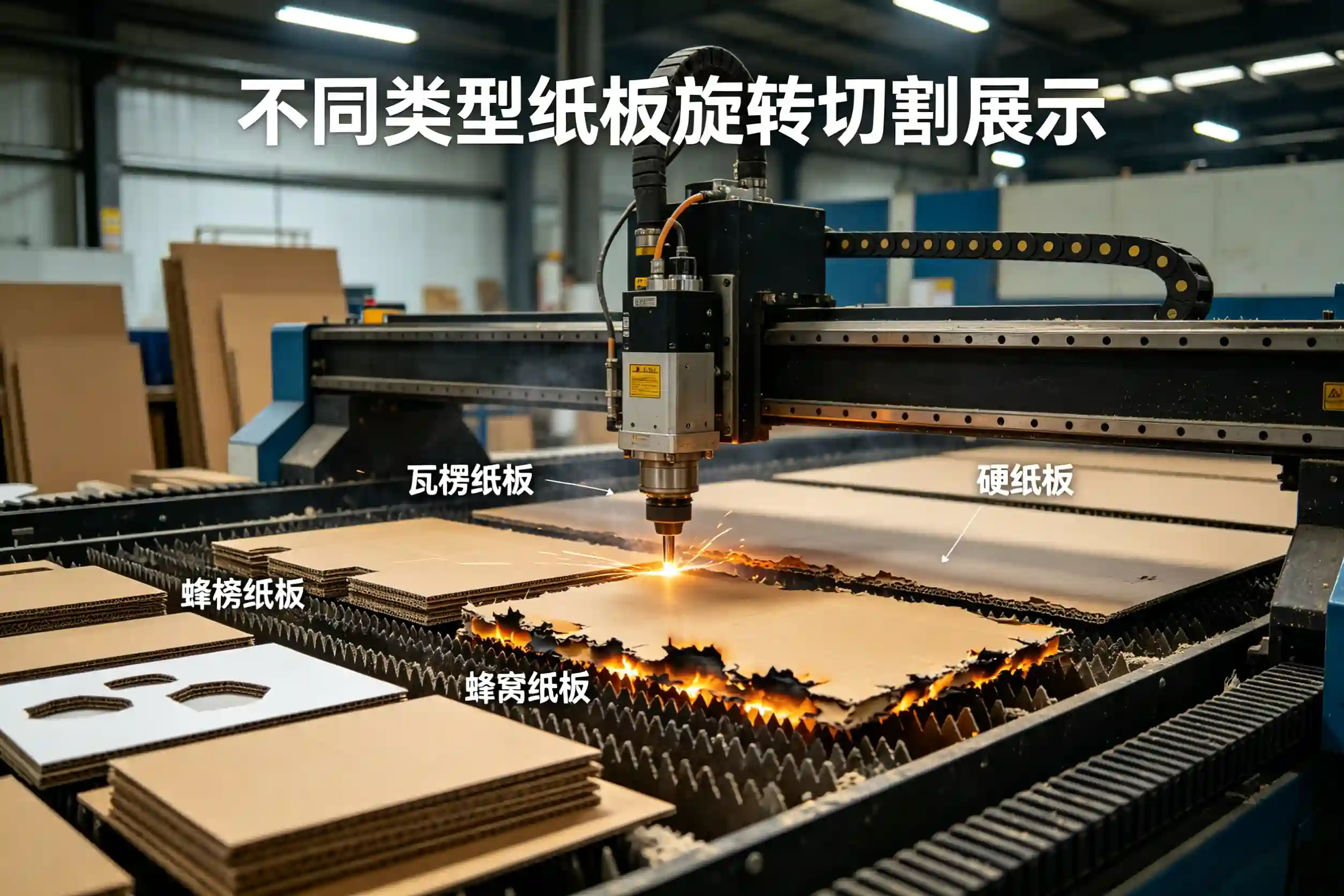
Not all cardboard is the same. Single-layer white cardboard, kraft cardboard, and grey board respond well to rotary cutting when they're under 2mm thick[^1]. Multi-layer corrugated cardboard with flute structures creates compression problems that rotary knives struggle to handle cleanly[^2].
How cardboard structure affects rotary knife performance
When I walk customers through this, I break down cardboard into three structural categories that matter for cutting tool selection:
| Cardboard Type | Structure | Thickness Range | Rotary Knife Suitability |
|---|---|---|---|
| White cardboard | Dense single layer | 0.3-1.5mm | Excellent - clean edges, minimal tool wear |
| Kraft/Grey board | Compressed fiber layers | 1.0-3.0mm | Good for thin grades, acceptable edge quality |
| Corrugated board | Fluted layer between liners | 3.0-8.0mm | Poor - compression issues, edge fraying |
The key difference is how the material responds to rotary knife pressure. Single-layer materials support themselves during the cut. Corrugated structures have air gaps that collapse under blade pressure, which creates two problems: the edge compresses instead of separating cleanly, and the knife has to work harder to penetrate each layer.
I've seen customers try to force corrugated cutting with rotary knives by increasing blade pressure. This sometimes works for sampling work where you need just a few pieces, but it accelerates blade wear dramatically and the edge quality never matches what you'd get from an oscillating knife or a drag knife with depth control.
The material density matters too. White cardboard used in packaging and printing is tightly compressed, which gives the rotary blade something solid to cut against[^3]. Recycled grey board has looser fiber structure, so edges tend to fuzz more even when the thickness is technically within range.
Does cardboard thickness change the cutting approach?
After we identify the cardboard type, the next constraint is thickness. This is where I see the biggest gap between customer expectations and actual machine capability.
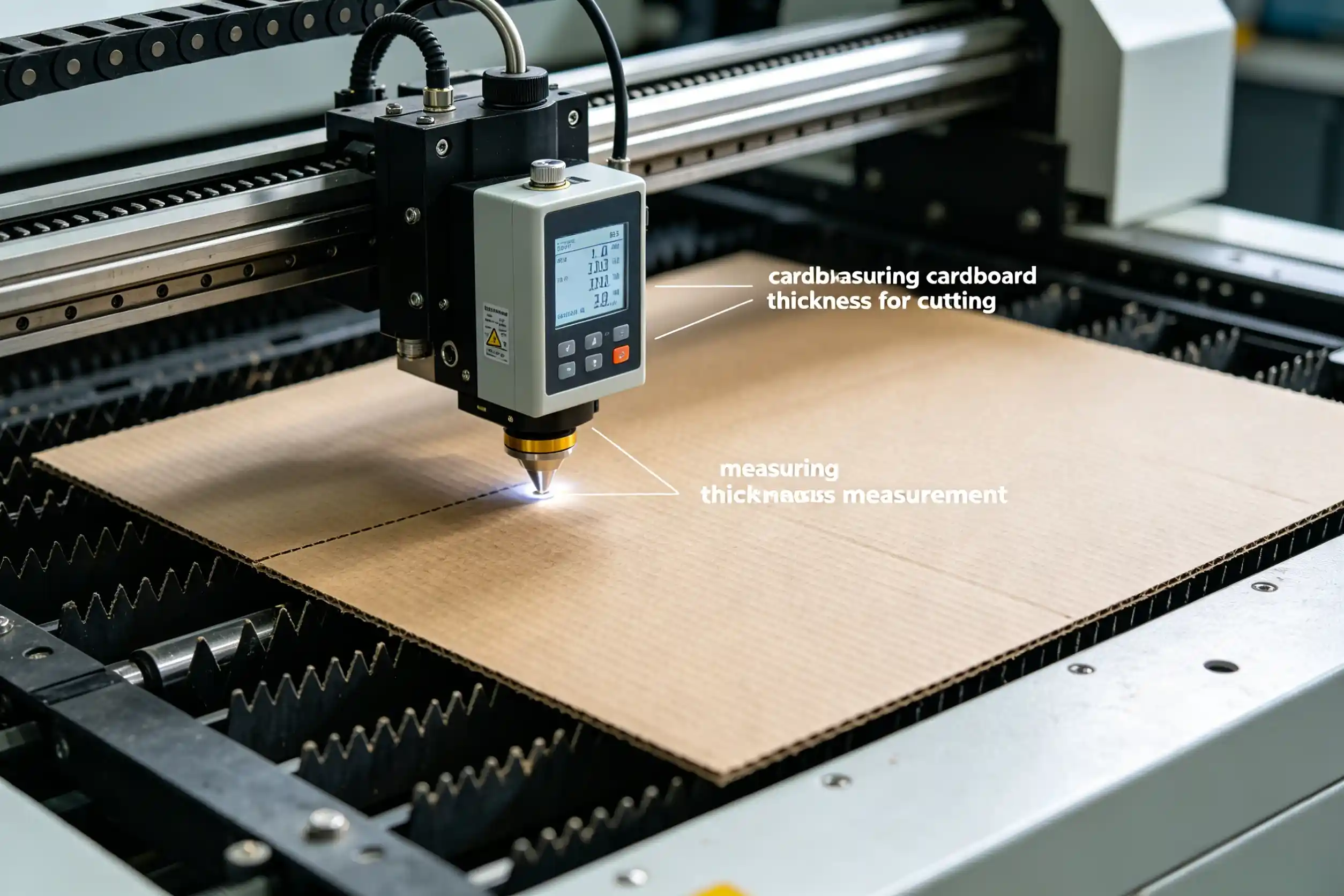
Thickness determines not just whether a rotary knife can cut, but whether it should. Rotary cutters handle materials up to 2mm efficiently with standard blade configurations[^4]. Beyond 2mm, you're trading speed, edge quality, and tool life for the convenience of using one machine.
Why thickness isn't just a spec number
Customers often look at equipment specs and see "cutting thickness up to 3mm" and assume that means all 3mm materials cut equally well. In practice, thickness interacts with material density and blade geometry in ways that change the practical working range[^5].
For white cardboard between 0.3mm and 1.0mm, rotary knives are often the best choice. The blade rolls through cleanly, edges are sharp, and cutting speed stays high. I rarely hear complaints about this range.
Between 1.0mm and 2.0mm, you're in a transition zone. Rotary cutting still works, but you start seeing tradeoffs:
- Blade pressure needs to increase, which means more frequent sharpening[^6]
- Cutting speed may need to decrease to prevent material shifting
- Corner quality suffers slightly because the blade can't pivot as crisply through thick material
Above 2.0mm, I usually tell customers to consider their task type before committing to rotary tooling. If you're making prototypes and only need a few pieces per day, rotary cutting might be acceptable. If you're running production volumes, the tool wear and edge quality issues will compound quickly.
One customer I worked with was cutting 2.5mm grey board for packaging inserts. They started with a rotary knife and could complete the cuts, but they were resharpening blades every two days and the corners had visible compression marks. When they switched to an oscillating knife tool, blade life jumped to two weeks and corner quality improved enough that they eliminated a secondary finishing step.
Should you use rotary cutting for sampling or production?
This is the third variable that determines whether rotary cutting makes sense for cardboard. Task type changes the acceptable tradeoffs between speed, quality, and cost.
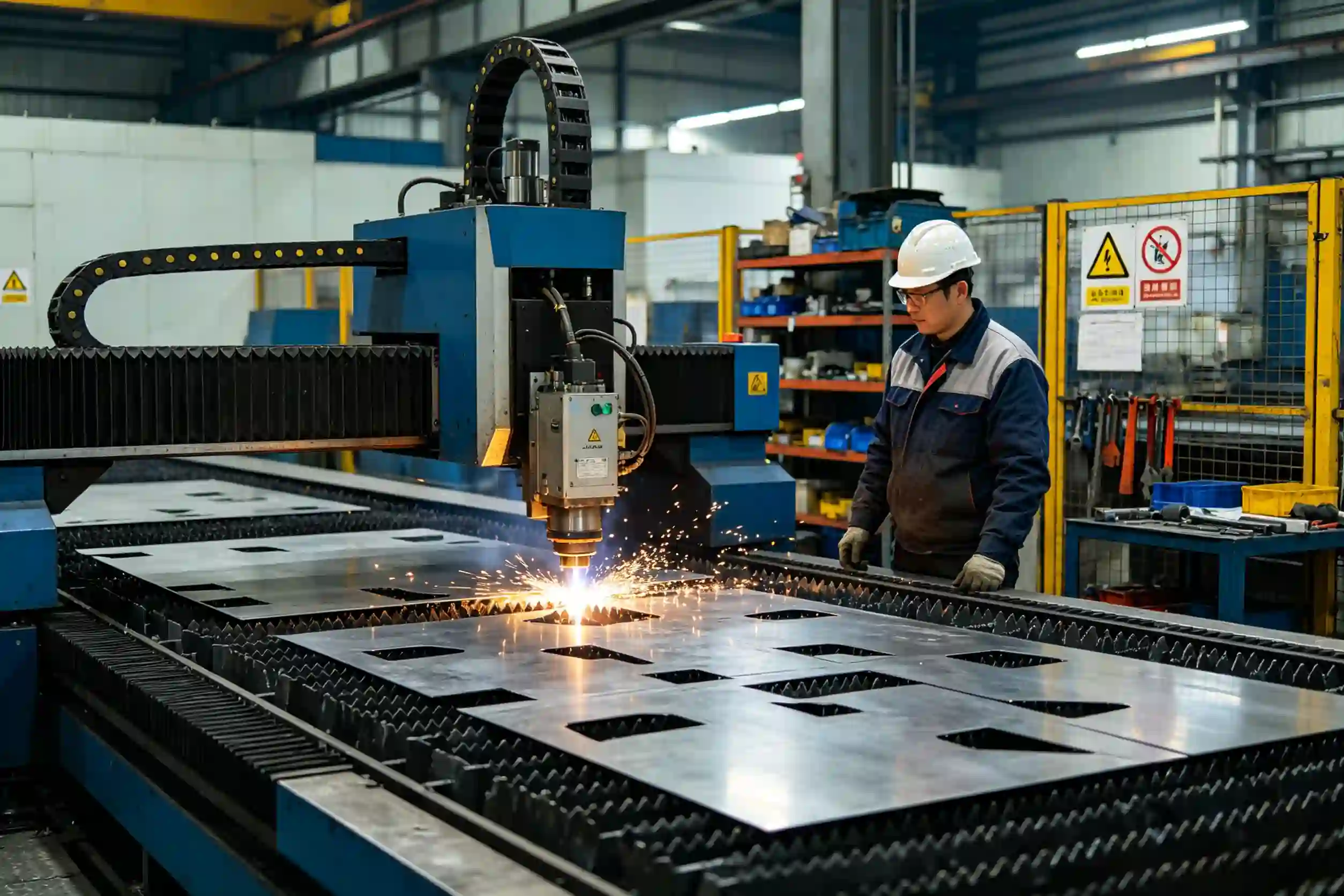
For sampling and prototype work, rotary knives offer fast setup and good-enough quality on thin cardboard. For production runs, material thickness and edge quality requirements determine whether rotary tooling remains cost-effective compared to alternative cutting methods.
How task volume affects tooling decisions
When I talk to sign shops or packaging design studios, they're usually doing sampling work: small quantities, frequent design changes, quick turnarounds. In this context, rotary cutting for thin cardboard makes complete sense. Setup is fast, you're not wearing out tools rapidly because total cut volume is low, and any edge quality compromises are acceptable for mockups and prototypes.
Production scenarios create different math. Let me break down the cost factors that shift the equation:
| Cost Factor | Sampling Impact | Production Impact |
|---|---|---|
| Blade wear | Low - total cut length is small | High - frequent resharpening or replacement |
| Edge quality consistency | Less critical for prototypes | Critical for customer-facing products |
| Cutting speed | Setup time matters more | Per-piece cycle time compounds |
| Material waste | Higher acceptable scrap rate | Waste directly impacts margin |
I've watched several customers make the transition from sampling to production and hit this constraint hard. One packaging company started with rotary cutting for all their white cardboard prototype work. When they won a contract for 5,000 pieces monthly, they tried scaling up with the same rotary knife setup. Within two weeks, they were back on the phone asking about oscillating knife options because blade costs and edge quality complaints were eating their margin.
The task type also determines what "acceptable" edge quality means. For internal prototypes, slight compression at corners or minor fuzz on edges doesn't matter. For retail packaging that customers will handle, these defects become rejection points.
If you're cutting thin white cardboard for sampling and your volume stays under 50 pieces per day, rotary cutting usually remains the most efficient approach. If you're moving into production volumes or working with thicker materials, you need to calculate total tool cost per piece, not just initial equipment cost.
When should you choose alternative cutting tools instead?
After explaining the rotary knife constraints, customers usually ask what alternatives exist. I don't push specific solutions, but I do outline where other tooling approaches make more sense than forcing rotary cutting to work.
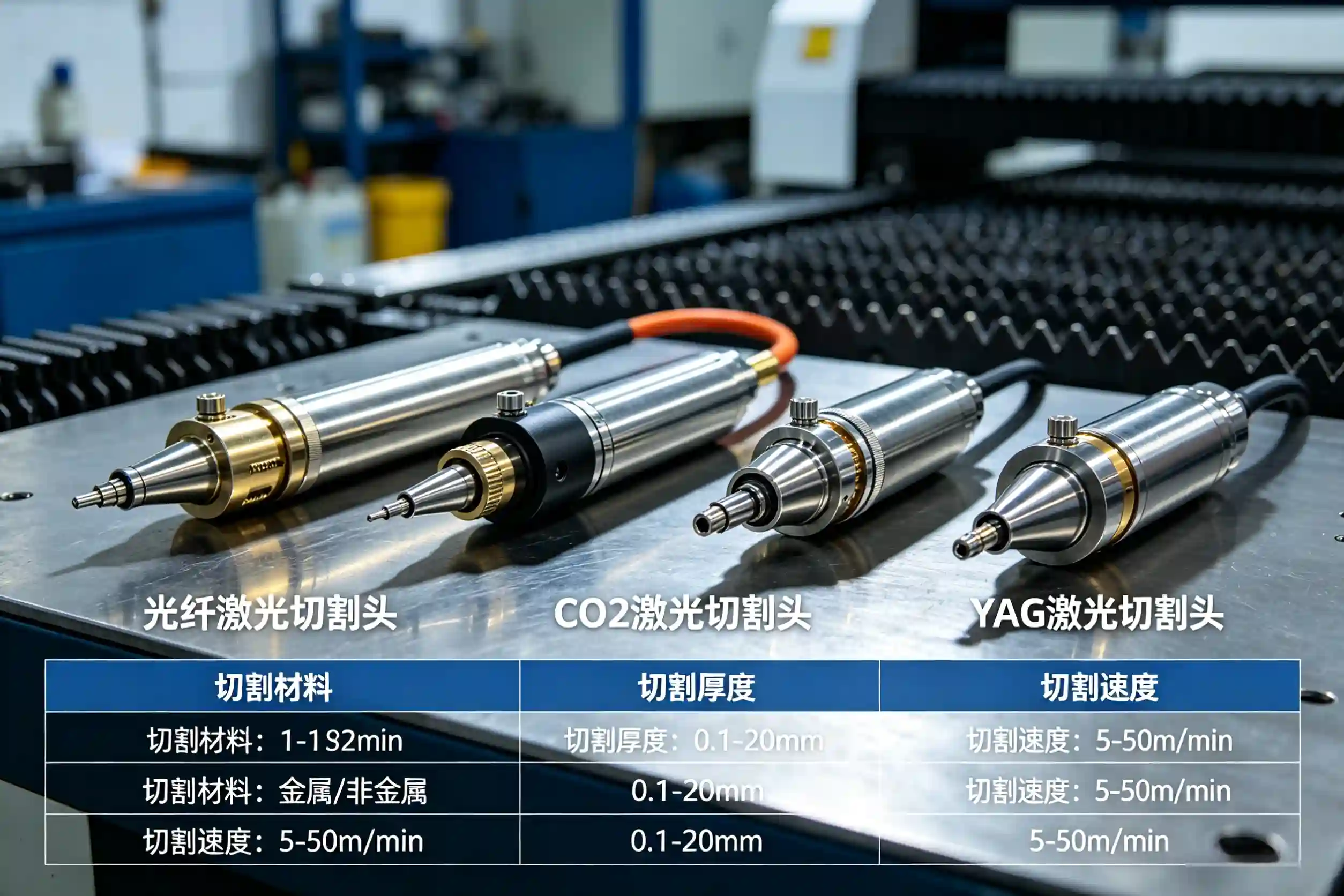
Oscillating knives handle thick cardboard and corrugated materials better than rotary blades because they use vertical reciprocating motion instead of rolling pressure[^7]. Drag knives offer the cleanest edges on thin materials when cutting speed isn't the primary constraint.
Matching tool type to cardboard characteristics
The selection framework I use with customers maps material characteristics to tool strengths:
For corrugated cardboard above 3mm, oscillating knives are usually the default choice. The vertical cutting action doesn't compress the flute structure, and depth control prevents the blade from dragging through bottom layers[^8]. You lose some speed compared to rotary cutting, but edge quality and tool life improve dramatically.
For thin white cardboard where edge appearance matters more than cutting speed, drag knives sometimes beat rotary cutters. The blade rides at a fixed angle and slices rather than rolls, which minimizes edge compression. Setup is more complex and cutting speed is slower, but if you're making high-end packaging prototypes where appearance is critical, the tradeoff makes sense.
I don't position these as competing technologies—they're complementary tools for different constraint profiles. Some customers end up with multi-tool machines that can switch between rotary, oscillating, and drag knife heads depending on the job. Others stick with single-tool systems and just accept that some materials won't work within their process.
The key mistake I see is trying to make one tool type handle all cardboard applications. Customers buy a rotary cutter for fabric work, then try to force it to cut thick corrugated board, and end up frustrated when edges look poor and blades wear out quickly. The machine isn't failing—it's just being used outside its optimal material range.
What practical limitations should you expect?
Beyond the material and task variables, there are practical constraints that affect rotary cutting performance even when the material technically falls within the acceptable range.
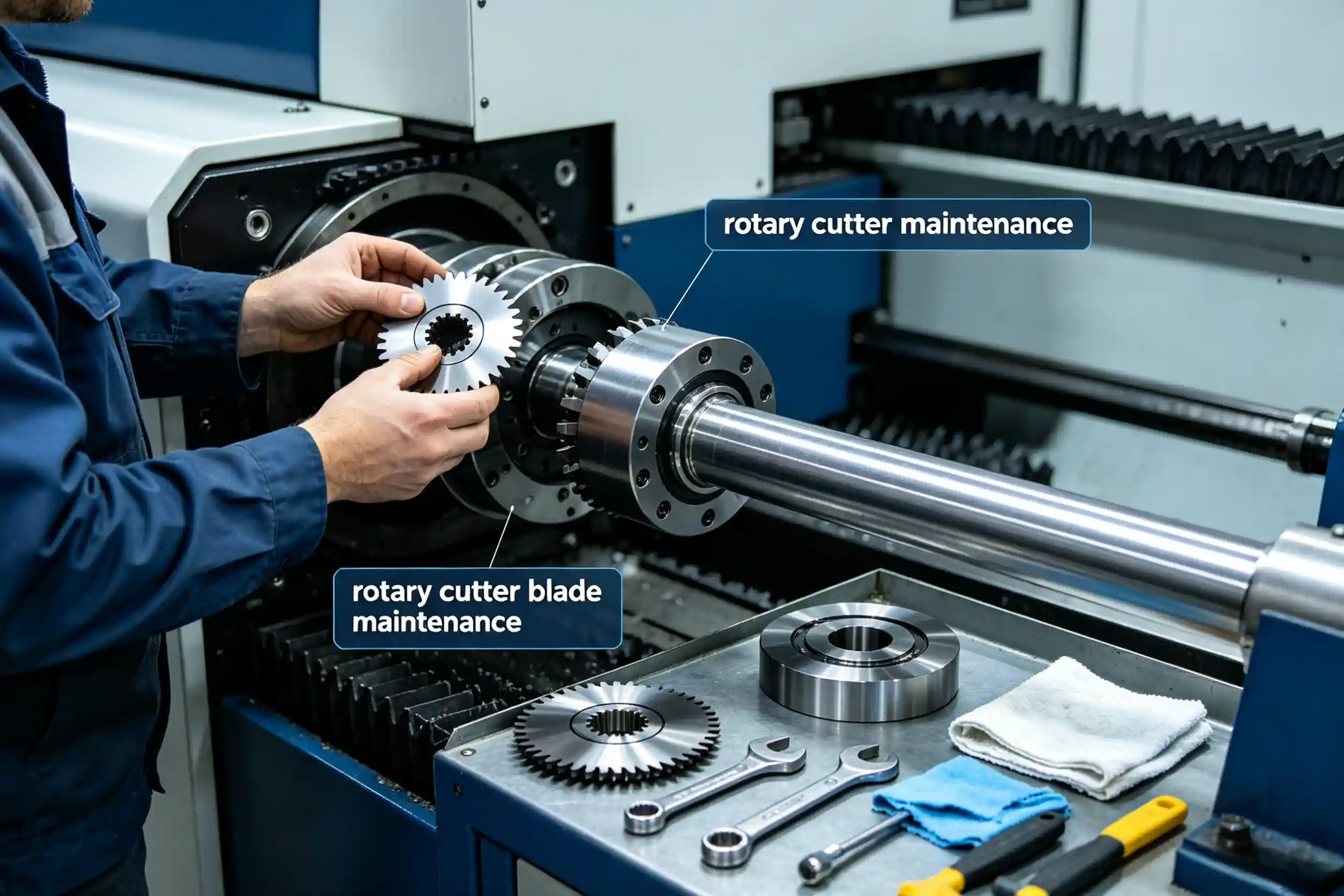
Rotary knife cutting on cardboard creates dust, requires proper blade pressure calibration, and needs more frequent blade maintenance than softer materials like fabric. These operational factors affect total cost and quality consistency even when the basic cutting capability exists.
Operating considerations beyond basic capability
Cardboard is an abrasive material compared to textiles[^9]. The fiber structure dulls blades faster, which means sharpening cycles that might run monthly for fabric cutting might drop to weekly or even daily for cardboard work[^10]. This isn't a failure—it's just a maintenance reality that affects labor cost and downtime.
Dust management becomes more important with cardboard. Fabric cutting produces lint that's easy to vacuum away. Cardboard creates fine paper dust that gets into guide rails, bearing surfaces, and motion components[^11]. Without proper dust collection, you'll see accelerated wear on non-cutting components.
Blade pressure calibration is less forgiving with cardboard than with fabric. Too little pressure and the blade skips or makes incomplete cuts. Too much pressure and you accelerate wear, compress edges, and risk material shifting. The acceptable pressure window is narrower, which means operators need more training and attention to setup parameters.
I've seen customers successfully run cardboard on rotary cutters for years, but they all share common practices: they track blade performance metrics, they have proper dust collection, and they don't try to push thickness or hardness limits to maximize machine utilization.
Conclusion
Whether a rotary cutter can cut your cardboard depends on matching material characteristics and task requirements to tool capabilities. Know your constraints, test within realistic parameters, and choose tooling that fits your actual production needs rather than forcing one machine to handle everything.
[^1]: "Is rotary die cutting equipment suitable for thick cardboard or ...", https://www.dongshengcartonmachine.com/news/is-rotary-die-cutting-equipment-suitable-for-thick-cardboard-or-corrugated-paper.html. Industry research on converting equipment indicates that rotary cutting tools are commonly specified for paperboard materials in the 0.3-2.0mm range, though optimal performance varies by material density and fiber orientation. Evidence role: general_support; source type: research. Supports: typical thickness ranges for rotary cutting of paperboard materials. Scope note: This supports general thickness ranges but does not specifically validate the named cardboard types or their comparative performance characteristics. [^2]: "Compressive Strength of Corrugated Paperboard Packages with ...", https://pmc.ncbi.nlm.nih.gov/articles/PMC10054506/. Packaging engineering literature documents that corrugated board's air-gap structure responds poorly to continuous lateral pressure, as the flutes collapse rather than separate cleanly, resulting in edge compression and delamination. Evidence role: mechanism; source type: research. Supports: the mechanical challenges of cutting corrugated structures with continuous-pressure tools. [^3]: "[PDF] Specifications for Corrugated Paperboard - National Archives", https://www.archives.gov/files/preservation/storage/pdf/corrugated-board.pdf. Paper science resources indicate that solid bleached sulfate (SBS) board, commonly called white cardboard, typically has densities of 700-850 kg/m³, providing uniform resistance during cutting operations compared to lower-density grades. Evidence role: mechanism; source type: education. Supports: the density characteristics of white paperboard and their relevance to cutting operations. [^4]: "Rotary International - Wikipedia", https://en.wikipedia.org/wiki/Rotary_International. Manufacturing equipment studies suggest that rotary cutting systems maintain optimal speed and edge quality on sheet materials below 2mm, with performance degradation increasing progressively at greater thicknesses due to blade deflection and increased cutting forces. Evidence role: general_support; source type: research. Supports: typical thickness ranges for efficient rotary cutting operations. Scope note: This supports a general thickness threshold but does not specifically validate 2mm as a universal standard across all rotary cutter configurations. [^5]: "Effects of Hardness, Blade Angle and the Micro-Geometry of ... - PMC", https://pmc.ncbi.nlm.nih.gov/articles/PMC10420138/. Mechanical engineering research on cutting processes demonstrates that required cutting force scales with both material thickness and density, while blade geometry (particularly rake angle and edge radius) determines how efficiently this force translates into material separation. Evidence role: mechanism; source type: research. Supports: the mechanical relationships between material properties and cutting tool geometry. [^6]: "The Study of the Effect of Blade Sharpening Conditions on ... - PMC", https://pmc.ncbi.nlm.nih.gov/articles/PMC12251231/. Tribology research indicates that cutting tool wear rate increases non-linearly with applied force, as higher contact pressures accelerate both adhesive and abrasive wear mechanisms at the blade edge. Evidence role: mechanism; source type: research. Supports: the relationship between cutting force and tool wear progression. [^7]: "Compression Strength Estimation of Corrugated Board Boxes for a ...", https://pmc.ncbi.nlm.nih.gov/articles/PMC9864211/. Cutting technology research shows that reciprocating vertical motion minimizes lateral forces that cause layer compression in multi-layer materials, whereas continuous rotary motion applies sustained lateral pressure throughout the cutting path. Evidence role: mechanism; source type: research. Supports: the mechanical differences between oscillating and rotary cutting actions on layered materials. [^8]: "Experimental Analysis of the Correlation Between Cutting ...", https://pmc.ncbi.nlm.nih.gov/articles/PMC12692830/. Packaging material processing research indicates that controlled-depth cutting with vertical blade motion allows selective penetration of layered structures, reducing compression forces on internal layers compared to through-cutting methods that apply force across the entire material thickness. Evidence role: mechanism; source type: research. Supports: how controlled-depth vertical cutting preserves layered material structure. [^9]: "(PDF) Cutting Technology of Autoclaved Cellulose Fibre Reinforced ...", https://www.academia.edu/72370962/Cutting_Technology_of_Autoclaved_Cellulose_Fibre_Reinforced_Cement_Board. Materials science literature indicates that paper-based materials containing mineral fillers and sizing agents exhibit higher abrasiveness than most textile fibers, with silica and calcium carbonate particles contributing to accelerated tool wear. Evidence role: general_support; source type: research. Supports: the relative abrasiveness of cellulose-based materials compared to textile fibers. [^10]: "The Study of the Effect of Blade Sharpening Conditions on ... - PMC", https://pmc.ncbi.nlm.nih.gov/articles/PMC12251231/. Industrial cutting tool research documents that paper and cardboard materials, particularly those containing mineral fillers, can increase blade wear rates by factors of 3-10 compared to synthetic textiles, though actual tool life depends heavily on material grade and cutting parameters. Evidence role: general_support; source type: research. Supports: the differential wear rates of cutting tools on paper-based versus textile materials. Scope note: This supports the general principle of accelerated wear but does not validate the specific monthly-to-weekly/daily sharpening frequency comparison. [^11]: "A Study on Dust Emission, Particle Size Distribution and ...", https://pubmed.ncbi.nlm.nih.gov/10963710/. Research on paper converting operations shows that mechanical cutting of paper-based materials generates airborne particles predominantly in the 1-50 micron range, which can infiltrate precision mechanical assemblies and accelerate wear through abrasive contamination. Evidence role: mechanism; source type: research. Supports: the dust generation characteristics of paper cutting operations and particle infiltration.


