
Blog
Should Distributors Promote Knife Cutting Machines to Packaging Insert Manufacturers?

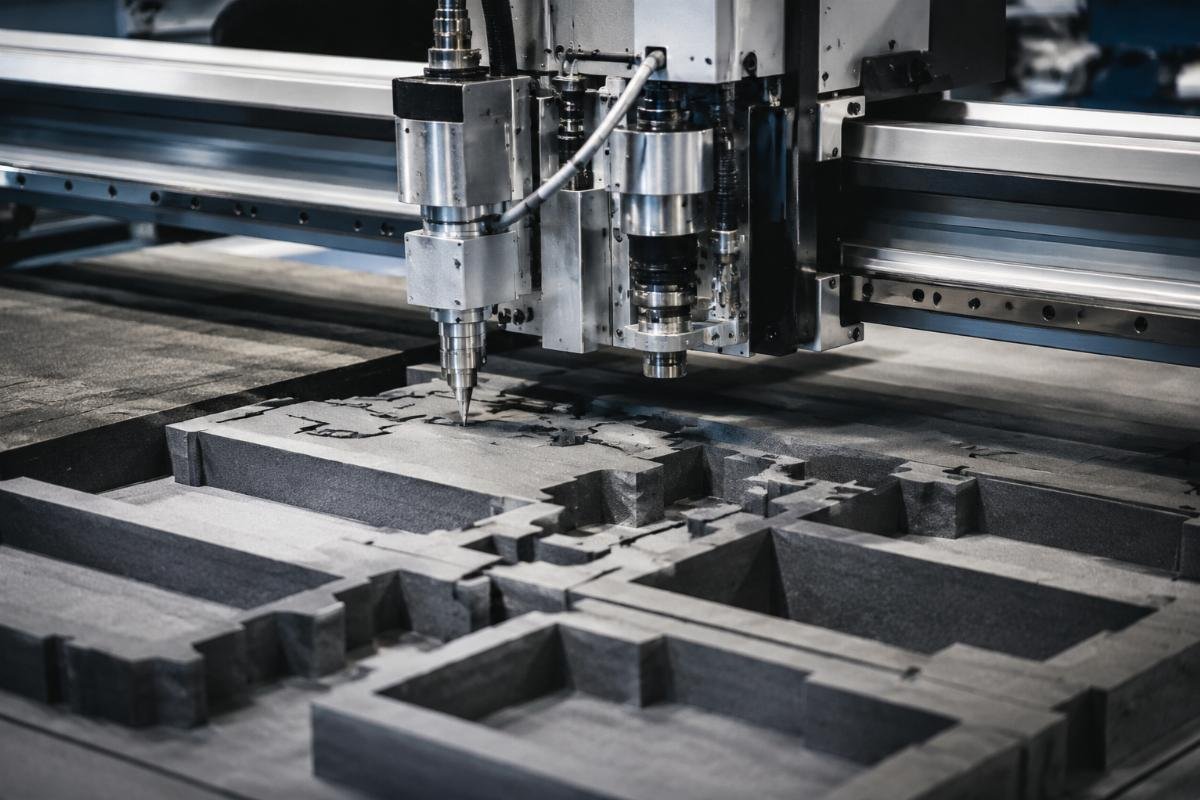
Should Distributors Promote Knife Cutting Machines to Packaging Insert Manufacturers?
When packaging insert buyers contact us, they often ask the wrong question first. They want to know if a knife cutting machine is "suitable" without defining what they actually need. This creates confusion for both sides and delays the real decision.
The right question is not whether knife cutting works, but which batch size, material range, and precision requirement makes it economically viable compared to die-cutting. Most buyers misjudge the decision because they focus on abstract features instead of their actual production task variables.
In our sales conversations, we see this pattern repeat: buyers ask for a price quote before specifying material type, thickness, cut complexity, daily volume, or tolerance. This leads to mismatched expectations and frustrated follow-ups. If you distribute cutting equipment or manufacture packaging inserts, understanding the real decision framework will save time and reduce misquotes.
What Do Packaging Insert Buyers Misunderstand About Knife Cutting Machines?
Packaging insert buyers typically make three misjudgments when evaluating knife cutting machines. These mistakes come from incomplete information or assumptions borrowed from other cutting technologies.
First, they assume all knife cutters are the same. They do not realize that blade type must match material properties. A blade configuration that works for uncoated cardboard will dull quickly on coated paper or foam-backed inserts.[^1] When we receive inquiries, buyers rarely mention whether their material has a coating, adhesive layer, or moisture content variation.
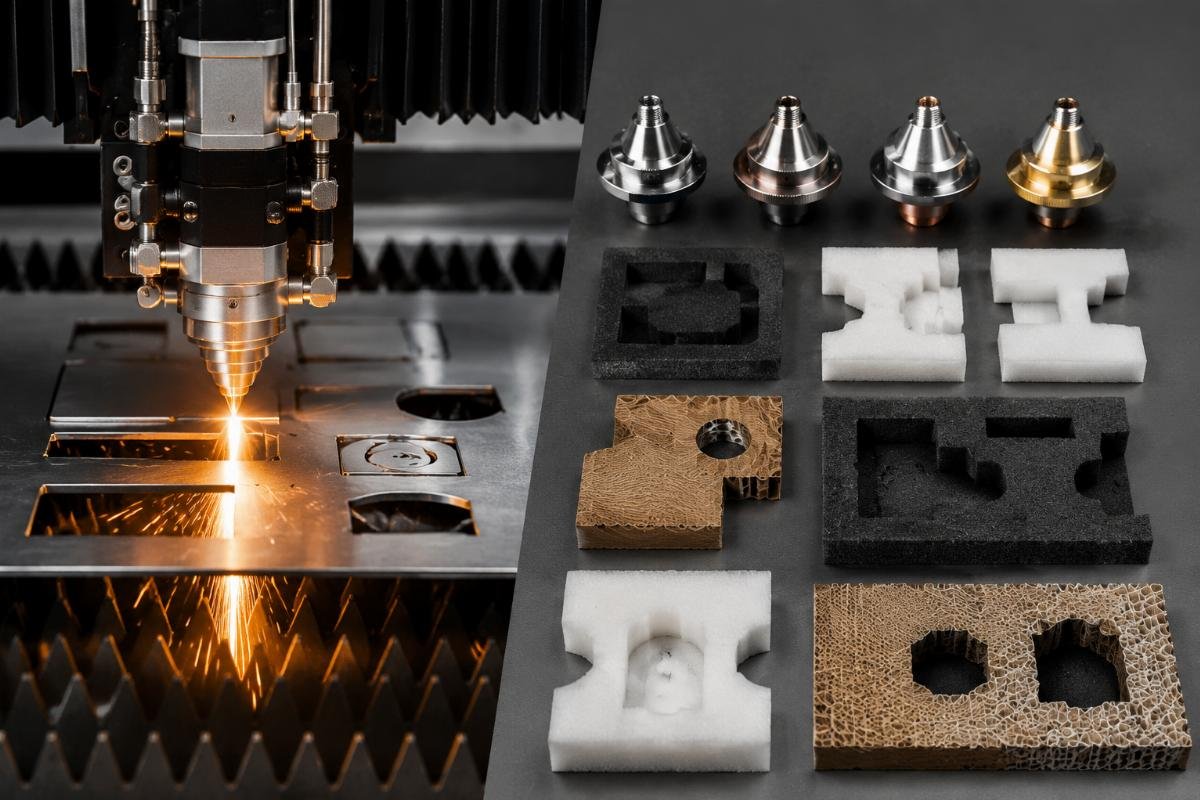
Second, buyers underestimate contour complexity capability. They think knife cutting is only for simple rectangles or rounded corners. In reality, modern CNC knife cutters handle intricate shapes, nested layouts, and multi-layer cuts without requiring new tooling[^2]. The limitation is not shape complexity but whether the machine can maintain cut quality across repeated cycles with the specified material.
Does Contour Complexity Affect Knife Cutting Viability?
Contour complexity does affect cycle time and blade wear, but it does not determine whether knife cutting is viable. The key variable is whether your production task involves frequent shape changes or multiple SKUs in small batches.
| Task Profile | Die-Cutting Performance | Knife Cutting Performance |
|---|---|---|
| Single shape, high volume, stable over months | Fast per-unit cycle, low per-unit cost after tooling amortization | Slower per-unit cycle, higher per-unit cost due to no amortization benefit |
| Multiple shapes, low to medium volume, design changes every few weeks | High tooling cost per shape, long setup lead time, high waste if design changes | No tooling cost, fast setup, lower waste due to nesting optimization |
| Prototype or sampling runs before mass production | Expensive and slow due to tooling requirement | Fast and economical, no tooling investment needed |
If your customer changes insert shapes every month or runs many low-volume SKUs, knife cutting eliminates the fixed tooling cost and lead time. If they produce the same shape for six months at high volume, die-cutting will have a lower per-unit cost after the tooling investment is recovered.
Third, buyers overestimate the payback period because they ignore small-batch and sampling cost logic. They compare the machine purchase price to their current die-cutting per-unit cost without accounting for the cost of making new dies, storing dies, or scrapping inventory when designs change. In our experience, buyers who run frequent design iterations or serve clients with custom packaging needs recover their investment faster[^3] than those with stable, high-volume orders.
How Should Distributors Frame the Knife Cutting vs Die-Cutting Decision?
The decision is not about which technology is "better" in abstract terms. It is about fixed tooling cost versus setup flexibility. Buyers should evaluate their production task along four dimensions before requesting a quote.
Material type and thickness matter because they determine blade wear rate and maintenance frequency. A buyer who cuts 0.3mm coated paper will have different blade replacement costs than a buyer who cuts 2mm corrugated board. If a buyer does not specify this in their inquiry, any quote we provide will be incomplete.
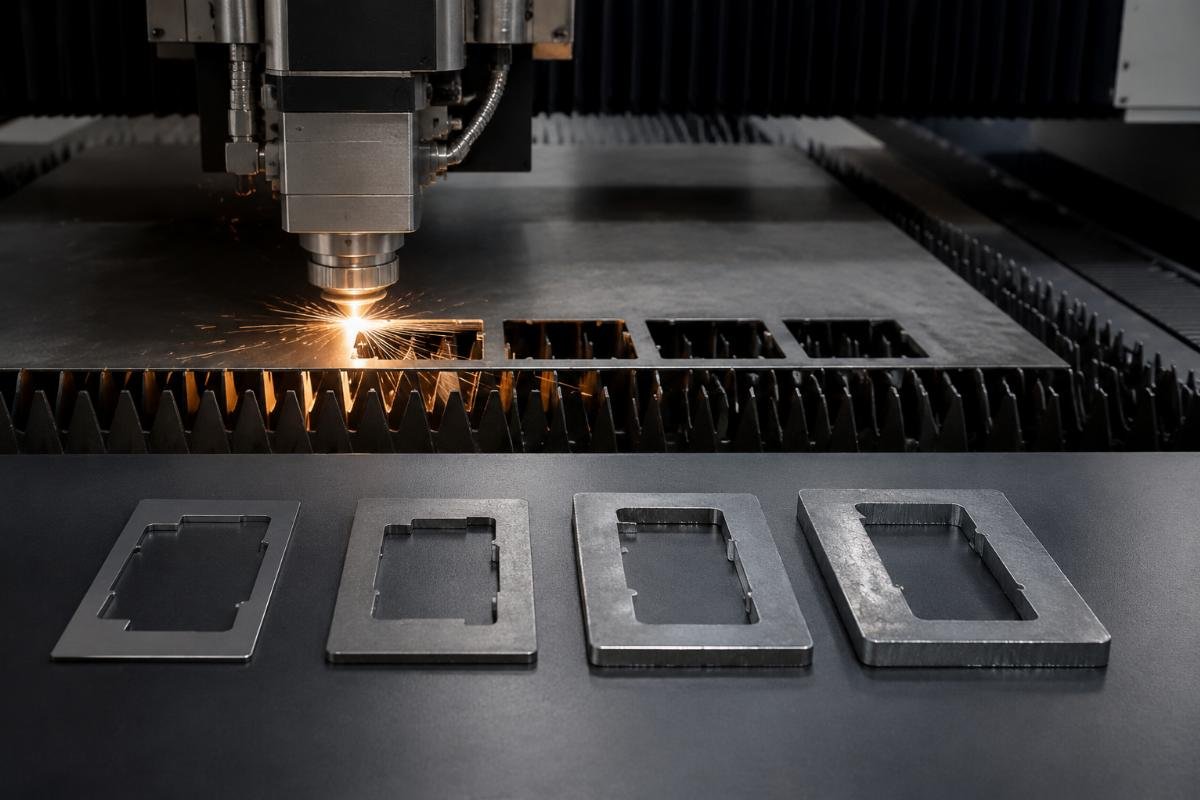
Daily volume and batch size determine whether the slower per-unit cycle time of knife cutting is acceptable. A buyer producing 50,000 identical inserts per day will struggle with knife cutting speed.[^4] A buyer producing 500 inserts across ten different shapes per day will benefit from knife cutting's zero setup time between shapes.
What Are the Key Variables Buyers Should Specify Before Requesting a Quote?
Buyers should answer these questions before contacting a distributor:
- What material am I cutting? (Coated paper, uncoated cardboard, corrugated board, foam, adhesive-backed material, laminated layers)
- What is the material thickness range? (Single thickness or variable across different products)
- How many different shapes do I produce per week? (Single shape, five shapes, twenty shapes)
- What is my typical batch size per shape? (100 units, 1,000 units, 10,000 units)
- How often do shapes change? (Never, monthly, weekly)
- What is my required tolerance? (±1mm, ±0.5mm, ±0.2mm)
Without this information, distributors cannot determine whether a knife cutting machine matches the buyer's task. We have seen cases where buyers request a quote, we provide a machine recommendation, and then they reveal they need to cut foam-backed inserts at ±0.2mm tolerance. That changes the machine category and price range entirely.
Cut complexity is also a variable, but it is less critical than material and volume. Most CNC knife cutters handle complex contours without difficulty. The real question is whether the machine can maintain cut quality across repeated cycles with the buyer's specific material. A distributor should ask: "Does this machine's blade system and cutting pressure control match the material properties of the buyer's task?"
Does Nesting Capability Reduce Material Waste for Packaging Insert Production?
Nesting capability is one of the primary advantages of knife cutting machines for packaging insert manufacturers. It allows the software to arrange multiple shapes on a single sheet to minimize unused material.
In our sales conversations, buyers often overlook this benefit because they focus only on cutting speed. However, material waste reduction can offset the slower per-unit cycle time[^5], especially when working with expensive coated or laminated materials.
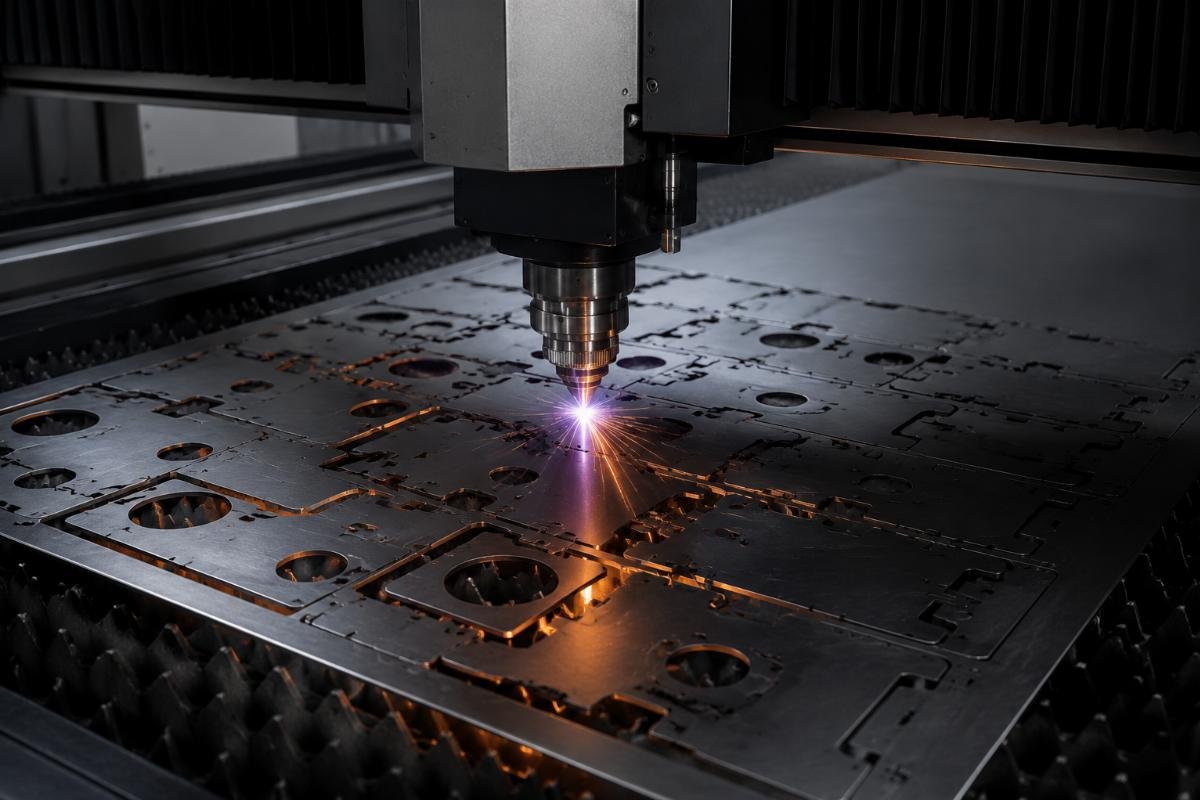
Die-cutting does not support dynamic nesting. Once a die is made, the layout is fixed.[^6] If you want to combine multiple shapes on one sheet, you need a custom die for that specific combination. Knife cutting lets you change the nesting layout for every batch without any tooling cost or lead time.
How Does Nesting Affect Total Cost Per Unit?
Nesting efficiency depends on shape geometry and material sheet size. Simple rectangular shapes nest with minimal waste. Irregular shapes with curves or angles create more waste but still benefit from dynamic optimization.[^7]
| Scenario | Die-Cutting Waste | Knife Cutting Waste with Nesting |
|---|---|---|
| Rectangular inserts, fixed layout | 10-15% material waste | 8-12% material waste (optimized spacing) |
| Irregular inserts, fixed layout | 20-30% material waste | 12-18% material waste (rotated and nested) |
| Mixed shapes on one sheet | Requires custom die for each combination, high waste if not perfectly planned | Software optimizes layout for each batch, lower waste |
If your customer runs multiple SKUs or frequently changes designs, nesting capability reduces material cost per unit. This savings accumulates over time and should be included in the payback calculation.
When Should a Distributor Recommend Knife Cutting Over Die-Cutting?
A distributor should recommend knife cutting when the buyer's task profile matches these conditions: low to medium volume per shape, frequent design changes, multiple SKUs, or high cost of fixed tooling relative to total production value.
Do not recommend knife cutting if the buyer produces the same shape at high volume for extended periods without design changes. In that case, die-cutting's per-unit cost advantage will outweigh the tooling investment.
We have seen buyers invest in knife cutting machines and then discover they only run one shape at 20,000 units per month. They would have been better off outsourcing to a die-cutting service. The machine purchase was not wrong in itself, but it did not match their production task.
What About Sampling and Prototyping Needs?
Sampling and prototyping are strong use cases for knife cutting. If your customer serves clients who request custom packaging inserts before committing to large orders, knife cutting eliminates the lead time and cost of making sample dies[^8].
A packaging insert buyer who regularly produces 50 to 200 sample units across multiple designs per week will recover the machine investment quickly. They avoid paying for sample dies and can deliver prototypes to their clients within hours instead of days or weeks[^9].
However, if the buyer's clients rarely request samples and always proceed directly to high-volume production, this advantage disappears. The distributor should ask: "How often do you produce samples or prototypes?" before emphasizing this benefit.
What Should Distributors Avoid When Promoting Knife Cutting Machines?
Distributors should avoid three common mistakes when promoting knife cutting machines to packaging insert manufacturers.
First, do not claim knife cutting is universally better than die-cutting. Each technology has a cost and speed profile that fits specific production tasks. Presenting knife cutting as a replacement for all die-cutting creates unrealistic expectations and leads to dissatisfied customers.
Second, do not give one-size-fits-all recommendations without understanding the buyer's task variables. If a buyer contacts you and says "I need a knife cutting machine for packaging inserts," your first response should be a set of questions, not a product brochure. Ask about material, volume, batch size, and change frequency before suggesting a machine category.
Should Distributors Emphasize Speed or Precision in Sales Conversations?
Distributors should not emphasize speed or precision in abstract terms. These features are meaningless without context. The buyer does not need "high speed" in general; they need enough throughput to meet their daily volume target with their specific material and cut complexity.
Similarly, the buyer does not need "high precision" in general; they need a tolerance range that matches their customer's assembly requirements. If the packaging insert fits into a product with ±1mm clearance, ±0.2mm cutting precision is unnecessary and may increase machine cost without delivering value.
Instead of saying "This machine is fast and precise," say "This machine can process 200 sheets per hour of 1mm coated paper with ±0.5mm tolerance. Does that match your daily volume and quality requirement?" This approach filters out mismatches early and focuses the conversation on fit rather than features.
Third, do not ignore the buyer's current production process. If they already have die-cutting equipment or an outsourcing relationship, switching to knife cutting involves transition costs, operator training, and workflow changes[^10]. The distributor should acknowledge these costs and help the buyer evaluate whether the long-term flexibility benefit outweighs the short-term disruption.
How Should Distributors Qualify Packaging Insert Buyer Inquiries?
Qualifying inquiries early prevents wasted time on both sides. We use a simple framework to determine whether a buyer's task matches knife cutting technology.
Start by asking about batch size and shape variety. If the buyer produces one shape at 10,000 units per day with no design changes expected, stop the conversation and suggest they continue with die-cutting or outsourcing. Do not try to force-fit knife cutting into a task where it is not economically viable.
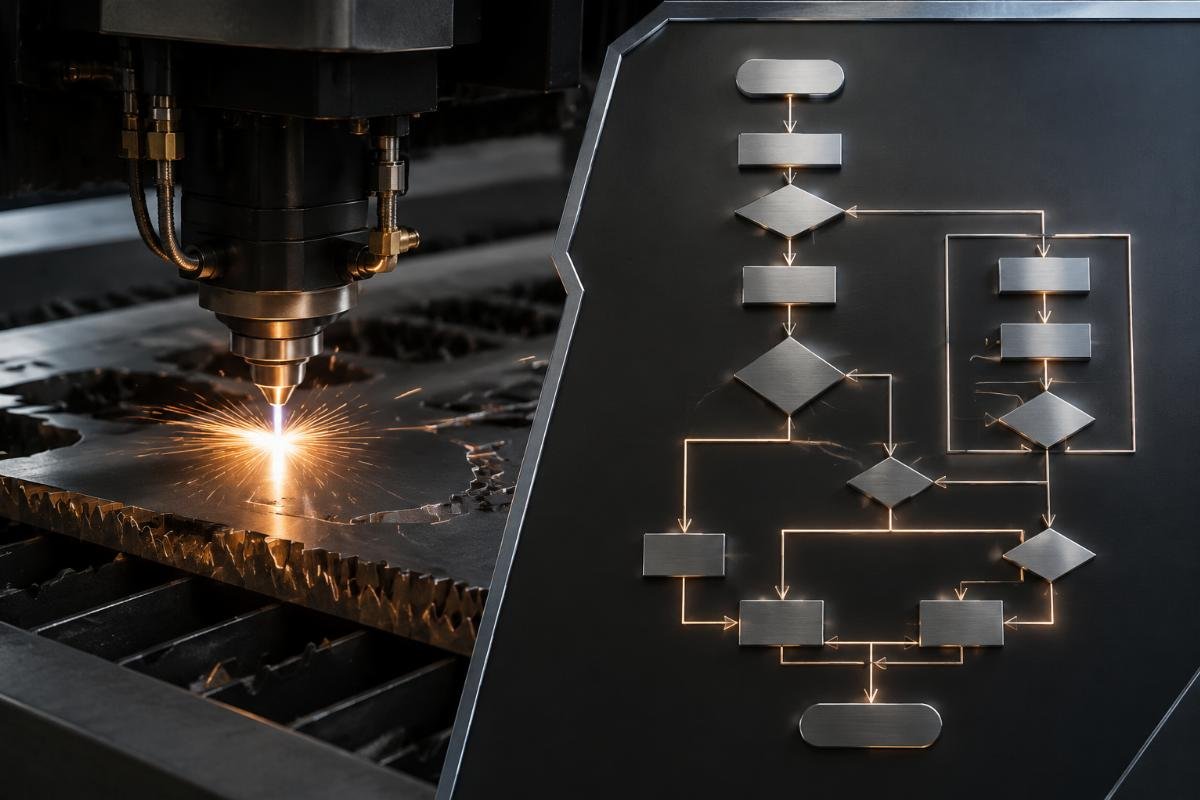
If the buyer produces multiple shapes, ask how often shapes change. If they change monthly or more frequently, knife cutting becomes attractive. If they change yearly, the benefit is weaker.
What Material Information Is Essential for Accurate Quoting?
Material type and thickness are essential because they determine blade life, cutting speed, and whether the machine can maintain quality over repeated cuts. A distributor cannot provide an accurate quote without this information.
We recommend asking for a material sample or at least a detailed specification sheet. If the buyer cannot provide this, the quote should include a disclaimer that the price is conditional on material testing. Do not commit to a final price without verifying that the machine can handle the buyer's material.
Coated paper, corrugated board, and foam-backed materials all require different blade configurations and cutting pressures.[^11] If a buyer switches between these materials frequently, they may need a machine with quick-change blade systems or multiple tool heads. This affects machine cost and should be discussed upfront.
Conclusion
Promoting knife cutting machines to packaging insert manufacturers requires understanding the decision framework, not just listing machine features. Distributors should focus on batch size, material range, and design change frequency to determine whether knife cutting is economically viable compared to die-cutting for each buyer's specific task.
[^1]: "Effects of Hardness, Blade Angle and the Micro-Geometry of ... - PMC", https://pmc.ncbi.nlm.nih.gov/articles/PMC10420138/. Research on industrial cutting processes demonstrates that material surface properties, including coatings and adhesive layers, significantly influence blade wear rates and edge retention compared to uncoated substrates. Evidence role: mechanism; source type: research. Supports: Material properties affect blade wear rates in industrial cutting applications. Scope note: The source addresses general cutting mechanics rather than packaging-specific blade configurations [^2]: "5 Reasons Why Chooses Multi-layer CNC Cutting Machine", https://cncamor.com/5-reasons-why-chooses-multi-layers-cutting-machine/. Manufacturing engineering literature confirms that computer-controlled cutting systems use software-defined tool paths to execute complex geometries without requiring dedicated physical tooling for each shape variation. Evidence role: general_support; source type: education. Supports: CNC cutting systems can execute complex geometries through software control without physical tooling. [^3]: "Eliminate Production Bottlenecks with an FMS | DEVELOP LLC", https://develop-llc.com/insights/how-flexible-manufacturing-systems-deliver-roi/. Manufacturing economics research indicates that flexible production systems demonstrate favorable return on investment in environments characterized by frequent product variations and lower batch volumes, where fixed tooling costs become prohibitive. Evidence role: general_support; source type: research. Supports: Flexible manufacturing systems show improved economics in high-variety, low-volume production scenarios. Scope note: The source addresses general flexible manufacturing principles rather than specifically knife cutting equipment [^4]: "High-level Process Planning and Manufacturability Evaluation", https://isr.umd.edu/Labs/CIM/ospam/node5.html. Manufacturing process selection literature establishes that dedicated tooling processes (such as die cutting) achieve lower per-unit cycle times at high volumes, while flexible processes trade speed for setup time elimination in lower-volume scenarios. Evidence role: general_support; source type: education. Supports: Process selection in manufacturing depends on volume-speed-cost relationships. Scope note: The source provides general manufacturing principles rather than specific threshold values for knife cutting [^5]: "An analysis of material flow cost accounting in companies using ...", https://pmc.ncbi.nlm.nih.gov/articles/PMC11872585/. Manufacturing cost analysis frameworks demonstrate that total production cost depends on multiple factors including material utilization, cycle time, and setup costs, where improvements in one area can offset disadvantages in another depending on relative cost magnitudes. Evidence role: generalsupport; source type: education. Supports: Manufacturing cost optimization involves trade-offs between material efficiency and production speed. Scope note: The source addresses general cost trade-off principles rather than specific knife cutting economics [^6]: "Die (manufacturing) - Wikipedia", https://en.wikipedia.org/wiki/Die(manufacturing). Manufacturing process documentation defines die-cutting as a process using hardened steel rules or forms shaped to specific geometries, which inherently fixes the cutting pattern until the physical die is replaced or modified. Evidence role: definition; source type: education. Supports: Die-cutting uses fixed physical tooling that determines part layout. [^7]: "[PDF] Part Design Geometry-Driven toolpath Optimization for Additive ...", https://huskiecommons.lib.niu.edu/cgi/viewcontent.cgi?article=8190&context=allgraduate-thesesdissertations. Computational studies of two-dimensional nesting problems show that irregular part geometries with non-orthogonal features reduce packing density compared to rectangular shapes, though optimization algorithms still achieve measurable waste reduction over non-optimized layouts. Evidence role: mechanism; source type: research. Supports: Part geometry complexity affects nesting efficiency and material utilization. [^8]: "10 Tips to Reduce the Costs and Lead Time of Rapid Prototyping ...", https://formlabs.com/blog/rapid-prototyping-tips/. Product development literature establishes that manufacturing processes eliminating dedicated tooling requirements reduce both lead time and fixed costs in low-volume and prototype production scenarios, enabling faster design iteration cycles. Evidence role: general_support; source type: education. Supports: Toolless manufacturing processes reduce lead time and cost in prototyping applications. Scope note: The source addresses general rapid prototyping principles rather than specifically knife cutting for packaging [^9]: "Reduce Die Casting Manufacturing Lead Time - Dynacast", https://www.dynacast.com/resources/article/reducing-manufacturing-lead-time. Manufacturing process literature indicates that traditional die-making processes typically require multiple days to weeks for design, fabrication, and testing, while digital cutting systems can begin production immediately after file preparation, measured in hours. Evidence role: general_support; source type: education. Supports: Tooling fabrication adds significant lead time to traditional cutting processes. Scope note: Specific timeframes vary by die complexity, manufacturer capabilities, and cutting system configuration [^10]: "A Case about the Upgrade of Manufacturing Equipment for Insertion ...", https://pmc.ncbi.nlm.nih.gov/articles/PMC6696624/. Technology management literature identifies that manufacturing process transitions involve multiple cost categories including operator training, workflow redesign, process validation, and temporary productivity losses during the learning curve period. Evidence role: general_support; source type: education. Supports: Manufacturing technology adoption involves implementation costs beyond equipment purchase. [^11]: "Cutting-Force Modeling Study on Vibration-Assisted Micro ...", https://pmc.ncbi.nlm.nih.gov/articles/PMC10384012/. Materials processing research demonstrates that substrate characteristics including density, hardness, surface coatings, and layer composition require corresponding adjustments in cutting tool geometry, blade angle, and applied force to achieve clean cuts without material damage. Evidence role: mechanism; source type: research. Supports: Material properties determine optimal cutting tool geometry and process parameters.


