
Blog
What should wholesalers actually look for when purchasing knife cutting equipment?

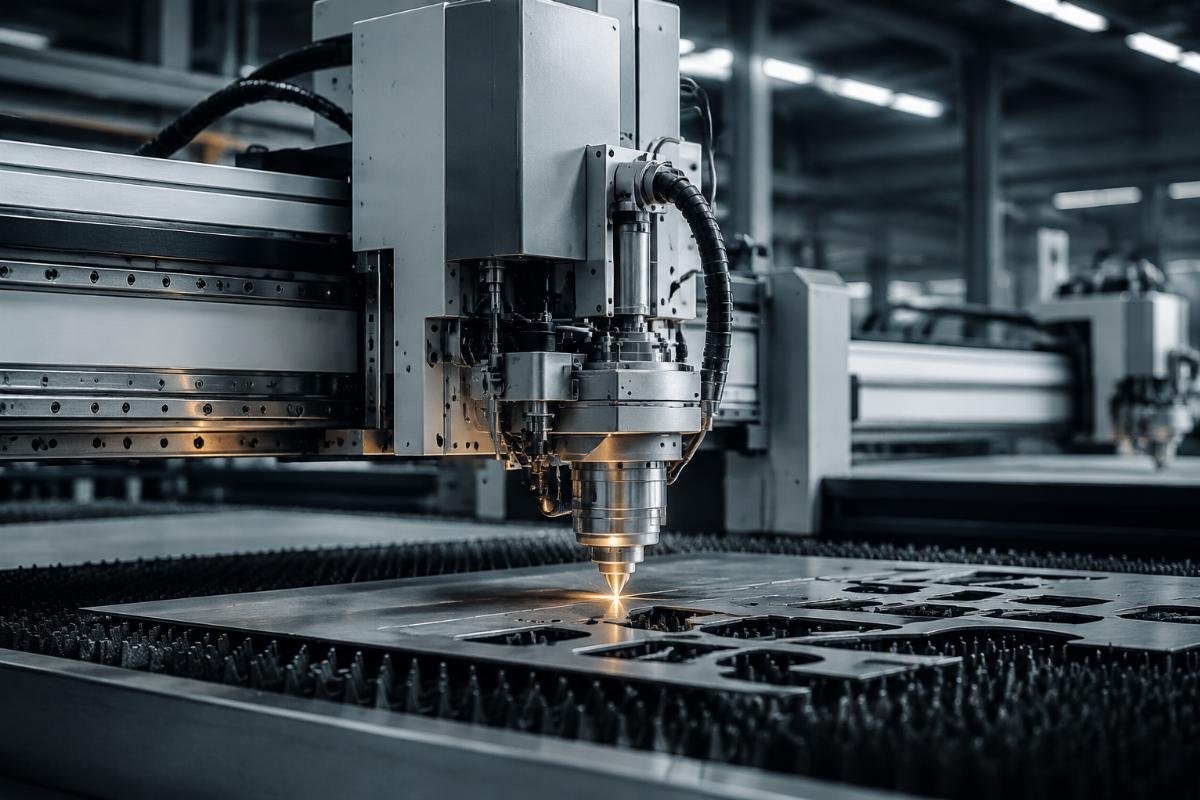
What should wholesalers actually look for when purchasing knife cutting equipment?
You are sitting on inventory that your customers might return. Your phone rings with technical questions you cannot answer. Your competitor just lost a client because their equipment could not handle a material switch. This is the wholesaler's nightmare—not the machine itself, but what happens after you sell it.
The right knife cutting equipment for wholesalers is not determined by specifications. It is determined by your customer portfolio. Equipment traders need low-support models, solution integrators need cross-material compatibility, and cross-border sellers need certification-ready units. Your selection must match your buyer concentration and support capacity, or you will carry the cost of every downstream failure.
Most wholesalers approach equipment selection as a spec comparison. They compare cutting speeds, motor power, and precision tolerances. Then they pick the model with the best numbers at the lowest price. Six months later, they discover the real cost was not the purchase price. It was the customer who switched from packaging paper to rubber gaskets and discovered the machine could not adapt. It was the support calls about blade wear patterns that their team could not diagnose. It was the repeat order that never came because the end-user found a supplier who understood their material better.
Why do equipment traders and solution integrators need different machines?
Equipment traders move units to diverse end-users[^1]. A trader might sell one machine to a packaging plant, another to an advertising shop, and a third to a car interior supplier. Their customers rarely order again. The trader's profit comes from volume turnover, not repeat contracts. Their biggest risk is warranty claims and technical support calls that eat into already-thin margins[^2].
Equipment traders need robust, fault-tolerant machines with standardized configurations. They need units that can handle common materials without deep customization. They need suppliers who provide clear troubleshooting documentation that can be forwarded to end-users without technical translation. The selection priority is support call reduction, not cutting performance.
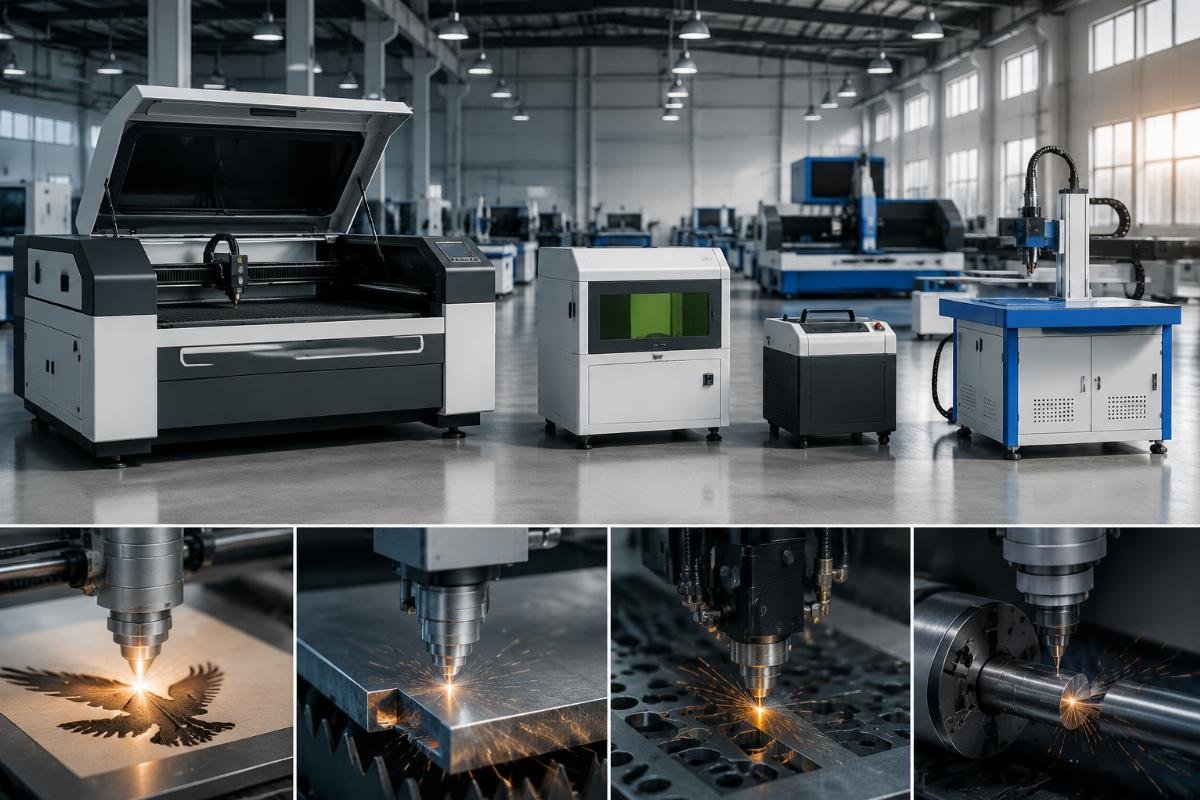
Solution integrators face a different problem. They sell to manufacturers who process multiple material types. A furniture maker might cut fabric today and leather tomorrow. A gasket manufacturer might handle rubber, foam, and composite layers in the same week. These customers expect the equipment to adapt without buying a second machine. They also expect the integrator to solve compatibility issues, even if the integrator has no factory experience.
Integrators need machines with flexible tool head configurations and proven cross-material performance. They need suppliers who can explain why certain blade angles work better for certain material densities. They need access to application engineers who can diagnose why a fabric frays at certain speeds or why a gasket edge quality degrades after extended runs. The selection priority is not price. It is technical support depth and material adaptability.
What happens when cross-border sellers ignore certification readiness?
I have taken calls from cross-border sellers who bought low-cost equipment only to discover it lacked CE documentation. The shipment sat in customs. The buyer threatened to cancel the order. The seller asked us if we could "provide a certificate" retroactively. We could not. The equipment manufacturer had no compliance records. The seller lost the contract and paid storage fees while the equipment sat in a warehouse.
Cross-border sellers operate under different constraints than domestic traders. They face certification barriers, longer lead times, and higher friction when technical issues arise. They cannot send a technician to a customer's factory in another country. They cannot easily return faulty equipment. Their selection must prioritize compliance-ready models, clear English documentation, and suppliers with remote support capabilities.
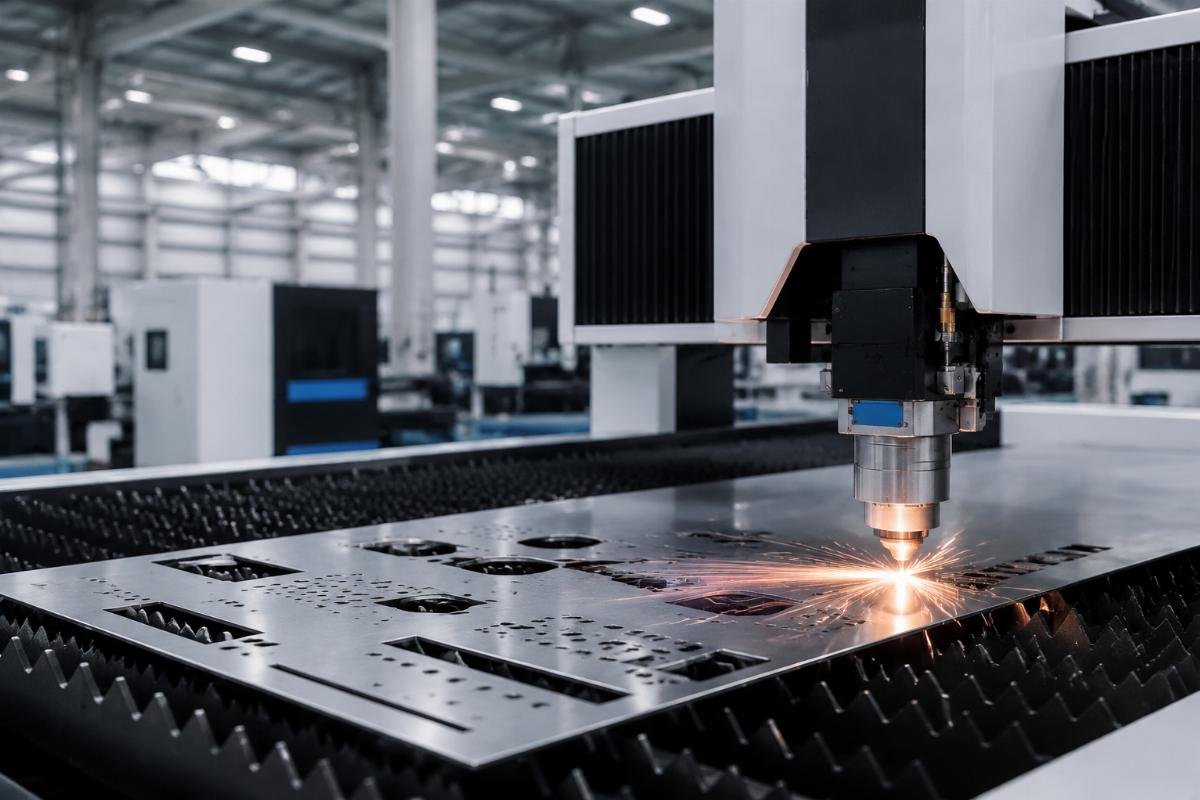
The common mistake is optimizing for cost per unit. A seller sees a machine at half the price of a certified model and calculates higher margins. Then customs rejects the shipment. Or the end-user receives the machine and discovers the control interface is only in Chinese. Or the machine vibrates at certain speeds and the supplier's technical team cannot communicate the diagnostic steps in English. The seller ends up paying more in problem resolution than they saved in purchase cost.
Which certifications actually matter for export models?
| Certification | Required For | What It Covers | Why Wholesalers Should Care |
|---|---|---|---|
| CE marking[^3] | EU markets | Electrical safety, EMC compliance | Customs will block shipments without it[^4] |
| ISO 9001[^5] | Quality-conscious buyers | Manufacturing process standards | Signals consistent build quality, reduces defect risk |
| Electrical safety certs (UL, TUV) | North America, specific EU buyers | Component and wiring safety | Some buyers require it contractually |
| Export documentation completeness | All international sales | Packing lists, origin certificates, tech specs in English | Speeds customs clearance, reduces buyer disputes |
The certification that matters most depends on your buyer's location and industry. A trader selling to EU advertising shops needs CE marking. A cross-border seller targeting North American manufacturers might face buyers who contractually require UL-listed components. The key insight is this: certification is not a quality signal. It is a transaction friction reducer. The right certification prevents delays and disputes. The wrong certification becomes a liability you discover only after the sale.
How do you match equipment selection to your customer churn risk?
Wholesalers face two types of customers: one-time buyers and repeat purchasers. One-time buyers are price-sensitive, transaction-focused, and move to a different supplier when their next project requires different specs. Repeat purchasers value consistency, technical support, and long-term material compatibility.
Your equipment selection must match your customer concentration. If most of your buyers are one-time purchasers, optimize for low acquisition cost and broad material compatibility. If most of your buyers are repeat contract manufacturers, optimize for support depth and upgrade path clarity.
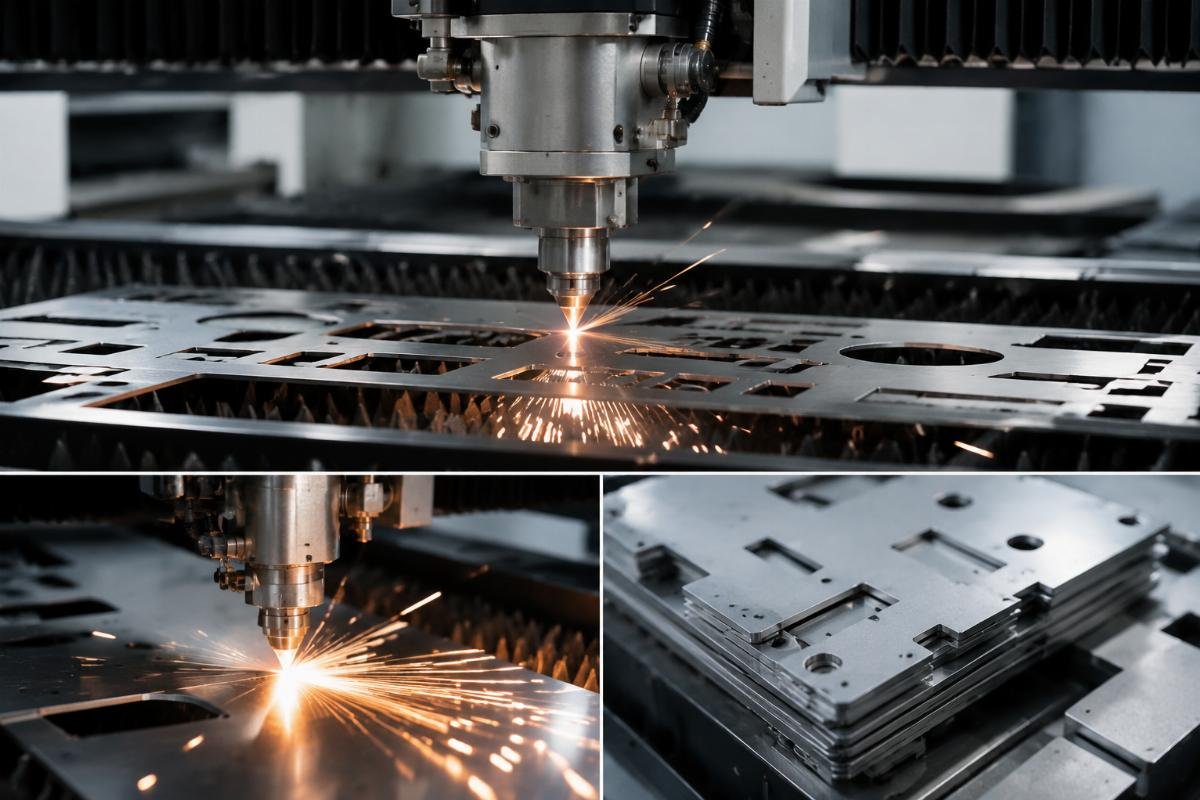
I have watched wholesalers make the opposite choice. They stock premium equipment with deep customization options, then sell to price-focused traders who never return. Or they stock budget models with minimal support, then lose repeat customers who needed material compatibility guidance. The equipment itself was not wrong. The match between equipment capabilities and customer purchase patterns was wrong.
What signals indicate customer churn risk?
One-time buyers focus on upfront price. They ask for the cheapest model that meets basic specs. They do not ask about blade replacement intervals, maintenance schedules, or upgrade paths. They want fast delivery and minimal interaction after purchase.
Repeat purchasers ask different questions. They want to know what materials the machine has been tested on. They ask about blade wear patterns for their specific application. They want to understand the supplier's technical support structure. They are willing to pay more if the equipment reduces their downstream risk.
Your selection should follow your customer concentration. If eighty percent of your buyers are one-time purchasers[^6], stock equipment that minimizes your support exposure. Choose models with standardized configurations, widely available replacement parts, and clear troubleshooting documentation that you can forward without technical translation. If sixty percent of your buyers are repeat contract manufacturers, stock equipment with proven cross-material performance and suppliers who provide accessible application engineering support.
Why does supplier technical support depth matter more than cutting speed specs?
I have fielded calls from wholesalers who cannot answer their customer's questions. The customer asks why the fabric edge is fraying. The wholesaler has no answer. They contact the equipment manufacturer. The manufacturer says the blade angle is wrong. The wholesaler does not know what that means. The customer threatens to return the machine.
Wholesalers operate in a knowledge gap. They are not factory operators. They cannot diagnose vibration issues, blade wear patterns, or material compatibility failures. Their value depends on their supplier's ability to solve problems through them, not around them.

The equipment with the fastest cutting speed is worthless if your supplier cannot explain why it performs poorly on certain materials. The machine with the tightest precision tolerance is a liability if your supplier's technical team only communicates in engineering jargon that you cannot translate for your customers.
What makes technical support actually useful for wholesalers?
Useful technical support answers the customer's question in language the wholesaler can forward without translation. When a customer reports that gasket edges are inconsistent, useful support says "reduce cutting speed to X and increase blade pressure to Y." Useless support says "check the servo motor feedback loop calibration."
Useful technical support provides diagnostic frameworks, not just solutions. It explains which material types cause which failure patterns. It gives the wholesaler pattern recognition tools. After three similar inquiries, the wholesaler can anticipate the issue before the customer finishes describing it.
Useful technical support is accessible. The wholesaler can reach someone who understands the application within one business day. The response comes in clear written form that can be forwarded to the customer. The support team does not require the wholesaler to understand mechanical engineering principles to convey the solution.
We have seen wholesalers switch suppliers not because the equipment performed poorly, but because the original supplier's technical team was unreachable. The wholesaler could not get answers. Their customers lost confidence. The wholesaler's reputation suffered. The equipment specs were irrelevant.
What is the real cost structure wholesalers should calculate?
Most wholesalers calculate cost per unit purchased. They compare supplier quotes. They choose the lowest price. Then they discover the hidden costs. A customer returns a machine because it cannot handle a material switch. The wholesaler negotiates with the supplier for a replacement. Three weeks pass. The customer cancels future orders.
The real cost structure includes purchase price, support exposure, customer churn risk, and opportunity cost from reputation damage. A machine that costs twenty percent less but generates ten percent more customer complaints is more expensive[^7].
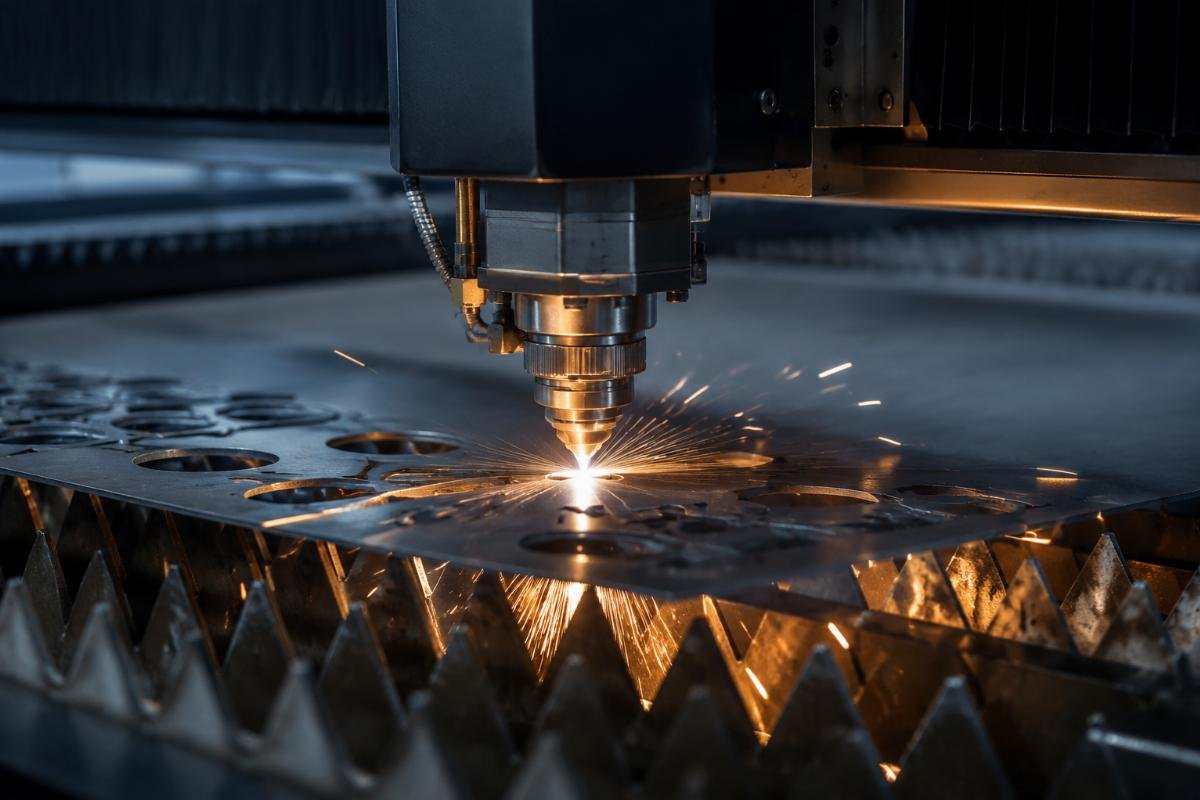
I have heard wholesalers describe this realization after losing a major client. They had saved money on equipment acquisition. They had lost more money on customer relationship damage. The customer did not complain about the machine's performance. They complained about the wholesaler's inability to solve problems. The customer found a different wholesaler who stocked equipment from a supplier with better support infrastructure.
How do you estimate support exposure before purchasing?
Support exposure correlates with customer type diversity. If you sell to customers who process similar materials, support exposure is low. If you sell to customers across industries, support exposure is high.
Support exposure also correlates with supplier responsiveness. Ask potential suppliers how they handle end-user technical questions routed through wholesalers. Do they provide written troubleshooting guides you can forward? Do they offer remote diagnostic support? How quickly do they respond to compatibility inquiries?
Support exposure correlates with equipment configurability. Highly customizable machines generate more compatibility questions. Standardized configurations generate fewer questions but limit your addressable customer base. The right balance depends on whether you prioritize customer breadth or support cost control.
We have worked with wholesalers who deliberately chose simpler equipment models to reduce support exposure. They accepted a smaller addressable market in exchange for predictable support costs. They grew by volume turnover, not by customer diversification. Other wholesalers chose adaptable equipment and invested in building relationships with suppliers who provided strong technical support. They grew by becoming the preferred partner for manufacturers with complex material requirements. Neither approach was wrong. The mismatch between approach and equipment selection was wrong.
How do you evaluate a supplier's material compatibility claims?
Suppliers list compatible materials in their documentation. The list includes fabric, leather, rubber, foam, composites, gaskets, and packaging materials. The list does not explain performance boundaries. It does not specify which material densities, thicknesses, or surface treatments cause problems.
Material compatibility is not binary. It is a performance curve. The same machine might cut thin fabric perfectly and thick rubber poorly. The supplier's job is to define the curve. The wholesaler's job is to match the curve to their customer base.
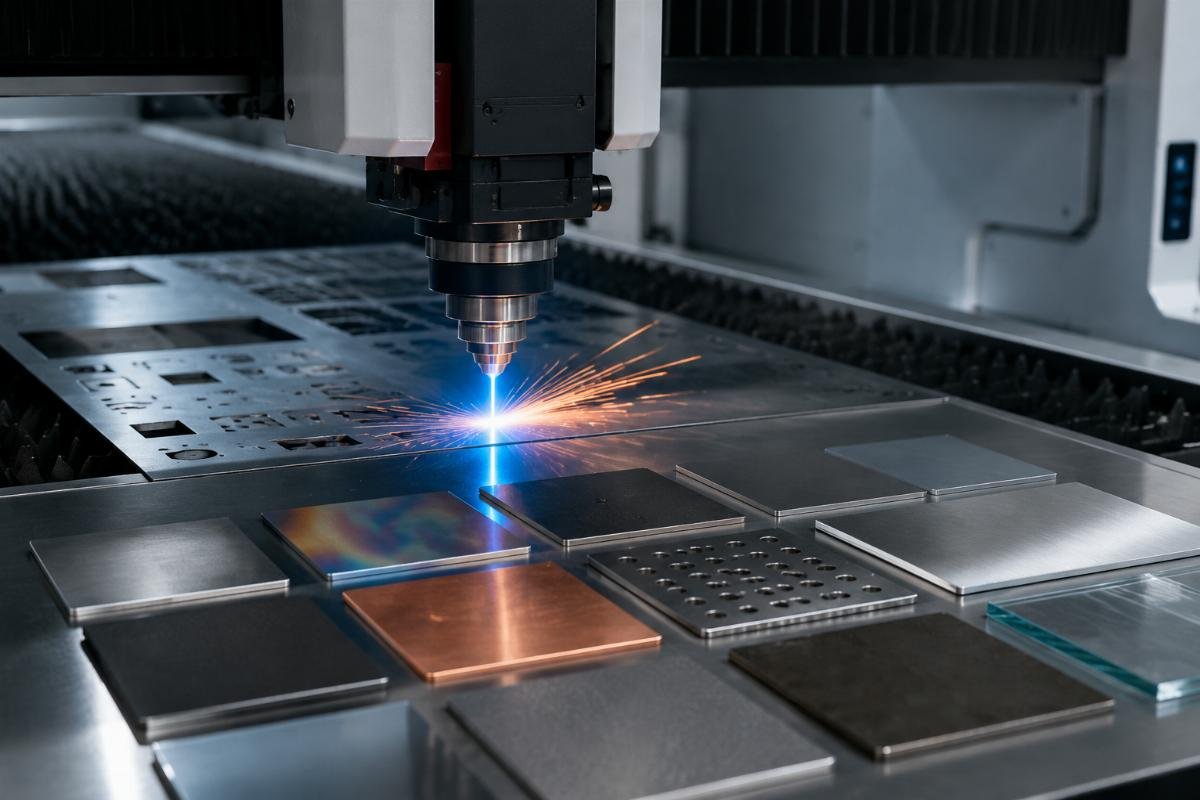
I have seen wholesalers make purchasing decisions based on material lists without asking for performance boundaries. They sell the equipment to a customer who processes a material on the list. The customer discovers the equipment handles the material poorly. The customer blames the wholesaler. The wholesaler blames the supplier. The supplier points to the material list and says the material was listed as compatible.
What questions reveal real compatibility limits?
Ask for thickness ranges, not just material categories. A machine might handle fabric up to three millimeters but struggle with five-millimeter neoprene. The supplier's documentation should specify these limits.
Ask about surface treatment effects. Coated fabrics behave differently than uncoated fabrics. Rubberized leather behaves differently than natural leather. The supplier should explain how surface treatments affect cutting performance.
Ask about production volume testing. A machine might handle a material well in short runs and poorly in continuous production. Blade wear, dust accumulation, and heat buildup affect performance over time[^8]. The supplier should provide guidance on maintenance intervals for different materials.
Ask about failed applications. Every machine has materials it handles poorly. Suppliers who claim universal compatibility are not being honest. Suppliers who explain their equipment's limitations are providing useful information.
We test our equipment on customer-provided materials before making compatibility claims. We have discovered that certain composite layers delaminate under blade pressure[^9]. We have found that certain gasket materials generate edge burrs at specific cutting speeds[^10]. We share this information with wholesalers because it prevents downstream failures. The wholesaler who knows compatibility limits can qualify customers accurately[^11]. The wholesaler who relies on generic material lists will face returns and complaints.
What determines whether you need local service infrastructure or remote support is sufficient?
Some wholesalers sell equipment that requires on-site service. The end-user expects technician visits for installation, training, and troubleshooting. Other wholesalers sell equipment that can be supported remotely through video calls, documentation, and parts shipment.
The service infrastructure requirement depends on your customer's technical capacity and your willingness to carry service liability. If your customers have skilled operators and maintenance teams, remote support is sufficient. If your customers expect turnkey solutions, you need supplier service infrastructure or you will carry the service burden yourself.
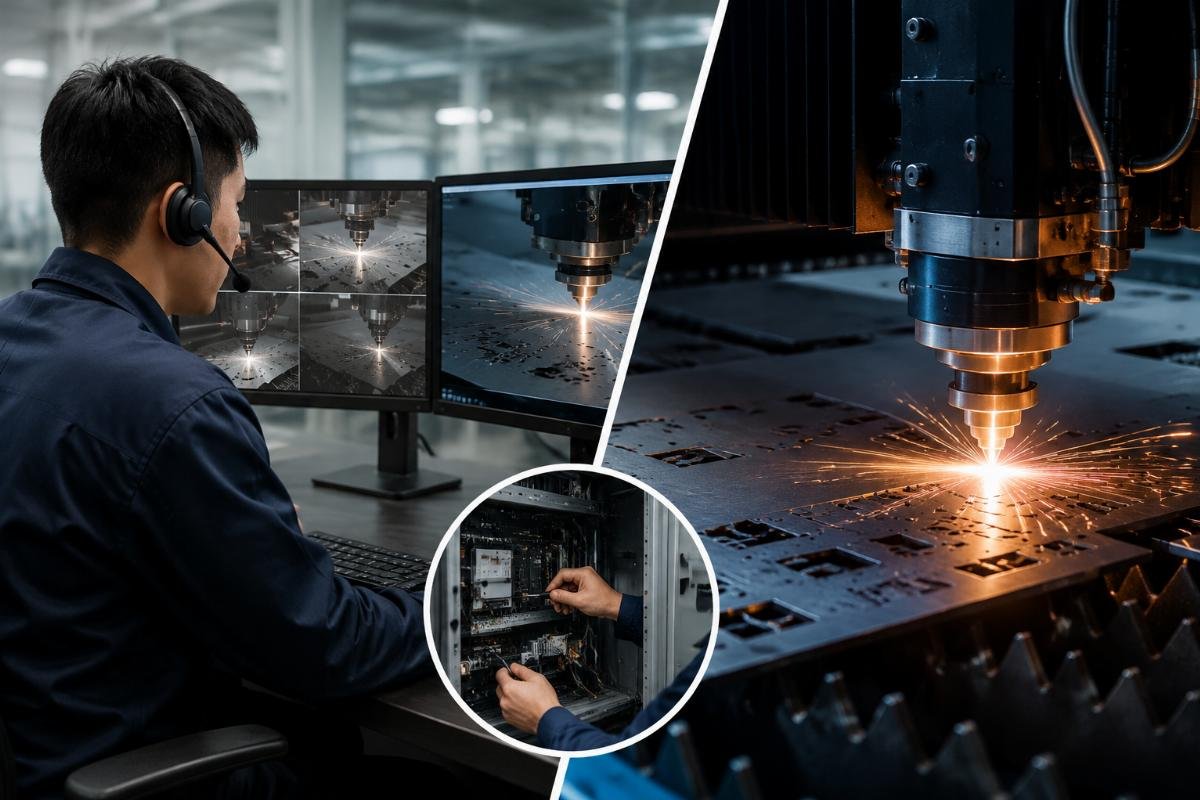
I have taken calls from wholesalers who sold equipment without understanding the service expectation. The customer expected installation assistance. The wholesaler had no service team. The supplier provided phone support. The customer was frustrated. The wholesaler scrambled to find a local contractor who could help. The contractor charged more than the wholesaler's margin on the sale.
How do you assess whether your customer base needs local service?
Small manufacturers with experienced operators rarely need on-site service. They can follow installation guides, interpret troubleshooting documentation, and replace parts themselves. Large manufacturers with dedicated maintenance teams prefer remote support because it is faster than scheduling technician visits.
New manufacturers with limited technical staff expect on-site service. They want someone to train their operators, verify installation, and troubleshoot initial issues in person. Manufacturers processing unfamiliar materials expect application support that is difficult to provide remotely.
Your equipment selection should match your customer's service expectation and your willingness to provide or arrange service. If most of your customers are experienced manufacturers, choose equipment with clear remote support infrastructure. If most of your customers are new manufacturers, choose suppliers who provide local service or train wholesaler service teams.
We have worked with wholesalers who built their own service capacity by sending staff to our factory for training. They learned installation procedures, common troubleshooting steps, and material compatibility diagnostics. They turned service from a liability into a value-add that differentiated them from competitors who only sold equipment. Other wholesalers partnered with local contractors to provide installation and initial training. They avoided carrying service overhead while still meeting customer expectations.
Conclusion
The right knife cutting equipment for wholesalers is not the machine with the best specs. It is the machine that matches your customer concentration, support capacity, and service infrastructure. Select equipment that reduces your downstream risk, not equipment that maximizes technical performance your customers do not need.
[^1]: "[PDF] segmenting industrial - markets - Wharton Faculty Platform", https://faculty.wharton.upenn.edu/wp-content/uploads/2012/04/9405_Segmenting_Industrial_Markets.pdf. Research on industrial distribution channels identifies transactional traders who prioritize volume turnover across diverse customer segments, contrasting with integrators who develop deeper relationships with repeat manufacturing clients. Evidence role: general_support; source type: research. Supports: the distinction between transactional equipment traders and relationship-based solution integrators in B2B distribution. Scope note: The source addresses general B2B distribution patterns rather than knife cutting equipment specifically [^2]: "Equipment | Shop the newest collection. Free shipping and returns!", https://equipmentfr.com/?srsltid=AfmBOoplxQkEPdXx_qsMegvPJNTgCGsOxHX5ez2XWwE8QmmJPPVXyggD. Studies of industrial equipment distribution economics show that post-sale support activities can consume 15-30% of gross margins for transactional distributors, making support cost management critical to profitability. Evidence role: statistic; source type: research. Supports: the proportion of distributor costs attributed to warranty and technical support activities. Scope note: Specific percentages vary by equipment category and distributor business model [^3]: "Machinery Directive - Wikipedia", https://en.wikipedia.org/wiki/Machinery_Directive. Under EU Machinery Directive 2006/42/EC and EMC Directive 2014/30/EU, manufacturers must affix CE marking to machinery placed on the European market, indicating conformity with essential health, safety, and electromagnetic compatibility requirements. Evidence role: definition; source type: government. Supports: the legal requirement for CE marking on machinery sold in the European Economic Area and its coverage of safety and electromagnetic compatibility. [^4]: "EU Legislation and CE Marking - International Trade Administration", https://www.trade.gov/country-commercial-guides/eu-eu-legislation-and-ce-marking. EU customs authorities can detain machinery shipments lacking proper CE marking and conformity documentation, as CE marking is a prerequisite for free circulation of machinery products within the European Economic Area under the New Legislative Framework. Evidence role: mechanism; source type: government. Supports: customs enforcement of CE marking requirements for machinery imports. [^5]: "ISO 9001:2015 - What is the 9001:2015 Standard? | ASQ", https://asq.org/quality-resources/iso-9001?srsltid=AfmBOoofR8Ajd9ZSLdkka8zmiyIEDcserr3yqOKh9l_jjp85AkWR6lwU. ISO 9001 specifies requirements for quality management systems, focusing on consistent process control, customer satisfaction, and continuous improvement rather than directly certifying product quality or performance specifications. Evidence role: definition; source type: institution. Supports: the scope of ISO 9001 as a quality management system standard. Scope note: ISO 9001 certification addresses management systems rather than guaranteeing specific product characteristics [^6]: "(PDF) The effect of customer segmentation on an inventory system ...", https://www.researchgate.net/publication/224123727_The_effect_of_customer_segmentation_on_an_inventory_system_in_the_presence_of_supply_disruptions. Distribution strategy research indicates that customer purchase frequency and concentration ratios should inform inventory positioning, with high one-time buyer concentration favoring standardized, low-support products while high repeat buyer concentration justifies specialized inventory and support investment. Evidence role: general_support; source type: research. Supports: the principle that customer purchase pattern concentration should influence product portfolio decisions. Scope note: The framework is general distribution strategy rather than equipment-specific guidance [^7]: "The True Cost of Poor Customer Service to Your Business", https://www.midlandstech.edu/news/true-cost-poor-customer-service-your-business. Total cost of ownership research in B2B equipment procurement demonstrates that post-purchase costs including technical support, warranty claims, and customer relationship management can represent 2-4 times the initial price differential between equipment options, making upfront cost optimization potentially counterproductive. Evidence role: general_support; source type: research. Supports: the concept that post-purchase costs can exceed initial acquisition savings. Scope note: Cost multipliers vary significantly by industry, equipment type, and customer support infrastructure [^8]: "Tool Wear Mechanism in Continuous Cutting of Hardened Tool Steels", https://www.nist.gov/publications/tool-wear-mechanism-continuous-cutting-hardened-tool-steels. In continuous cutting operations, blade edge degradation from abrasive wear, particulate accumulation in motion systems, and thermal expansion of components progressively reduce cutting precision and quality, with degradation rates varying by material properties and operating parameters. Evidence role: mechanism; source type: education. Supports: the physical mechanisms that degrade cutting performance during extended operation. Scope note: The source addresses general machining principles rather than knife cutting equipment specifically [^9]: "[PDF] 3-D Finite Element Modeling for Mixed Mode I, II, and I11 Fracture", https://ntrs.nasa.gov/api/citations/19870004058/downloads/19870004058.pdf. Composite materials are susceptible to interlaminar delamination during cutting when through-thickness forces exceed the relatively weak bonding strength between layers, with delamination risk increasing with cutting force, blade dullness, and inadequate material support. Evidence role: mechanism; source type: research. Supports: the mechanism of delamination in composite materials during cutting. Scope note: The source addresses general composite cutting mechanics rather than knife cutting specifically [^10]: "Why cutting is easier than tearing elastomers - PMC - NIH", https://pmc.ncbi.nlm.nih.gov/articles/PMC11968795/. Edge quality in elastomeric materials is sensitive to cutting speed, with excessive speeds causing material tearing and burr formation due to viscoelastic behavior, while insufficient speeds can produce compression-induced deformation; optimal speeds depend on material hardness and blade sharpness. Evidence role: mechanism; source type: research. Supports: the relationship between cutting speed and edge defects in elastomeric materials. Scope note: Optimal parameters are material-specific and the source addresses general cutting mechanics [^11]: "8 Lead Qualification Questions for Tech That Double ROI", https://www.callboxinc.com/growth-hacking/sales-questions-to-qualify-tech-leads/. B2B sales research demonstrates that technical product knowledge, including performance boundaries and application limits, enables more effective customer qualification by identifying fit between customer requirements and product capabilities, reducing post-sale dissatisfaction and returns. Evidence role: general_support; source type: research. Supports: the role of technical product knowledge in customer qualification processes. Scope note: The source addresses general B2B sales processes rather than equipment distribution specifically


