



Fast Shipping
Carrier information

20k products
Payment methods

24/7 Support
Unlimited help desk

2-day Delivery
Track or off orders
Custom Tool Head and Vacuum Configuration — matched to your corrugated flute type, board density, and production volume before the machine ships.
Technical Specifications
| Parameter | Value |
|---|---|
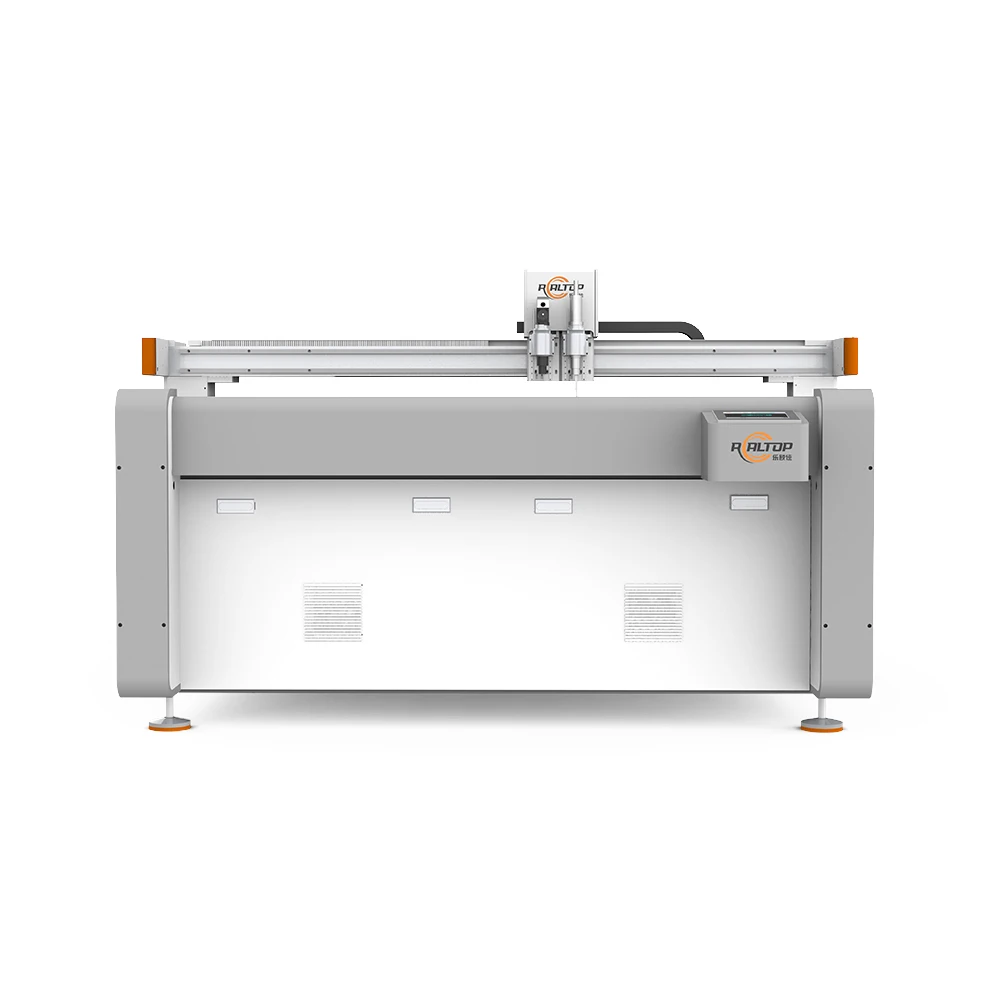
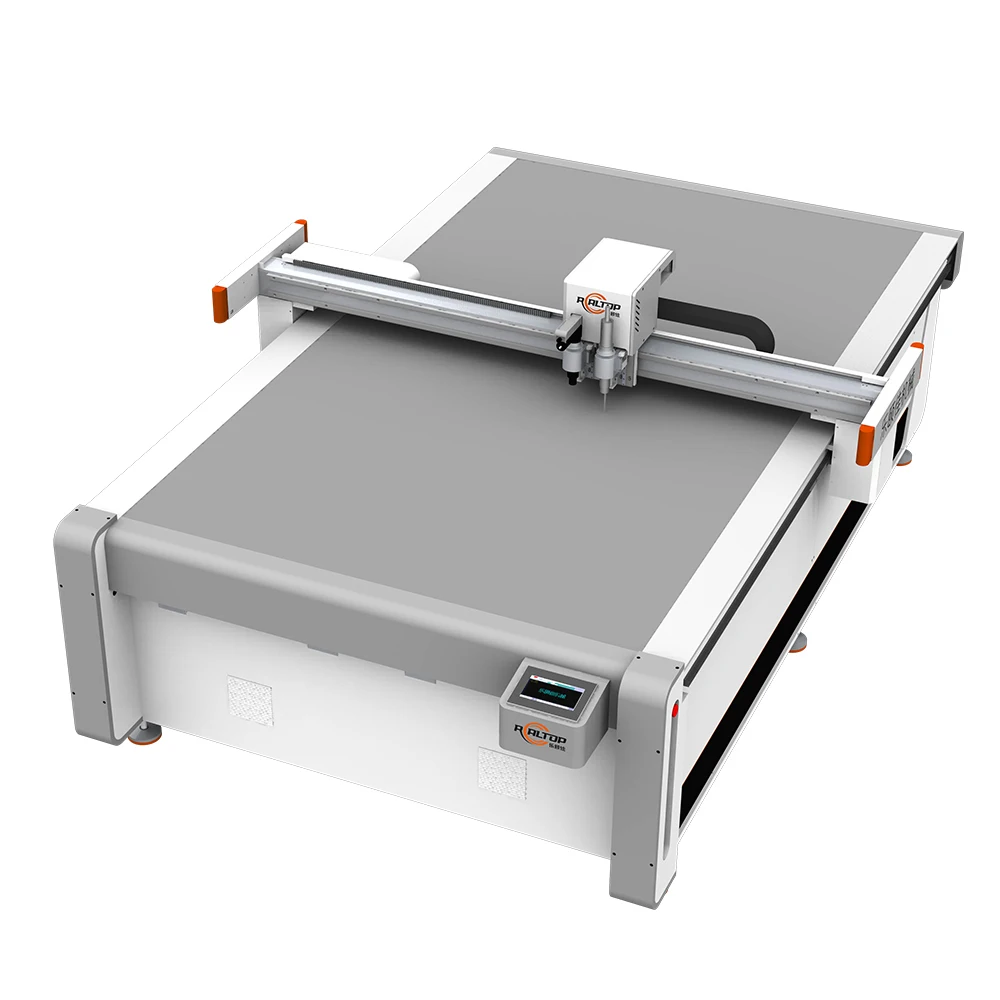
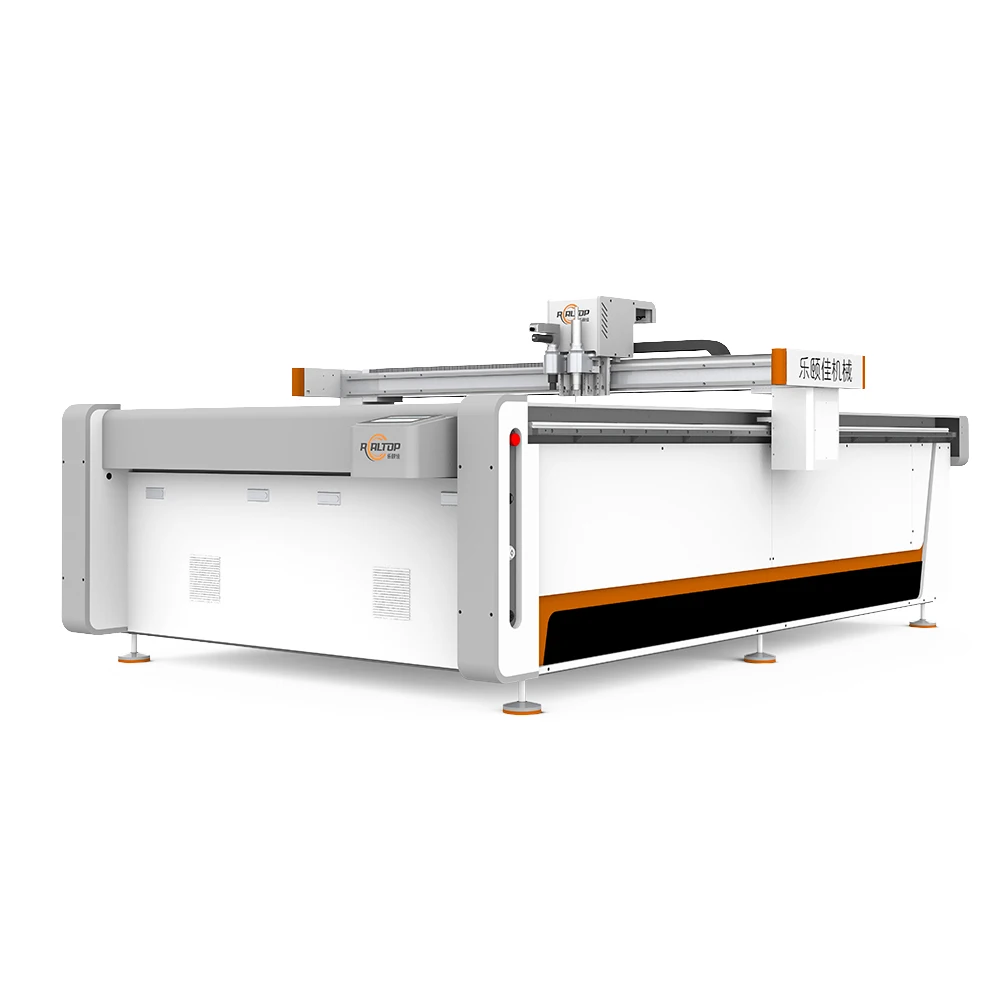
| Product Type | CNC Oscillating Knife Cutting Machine |
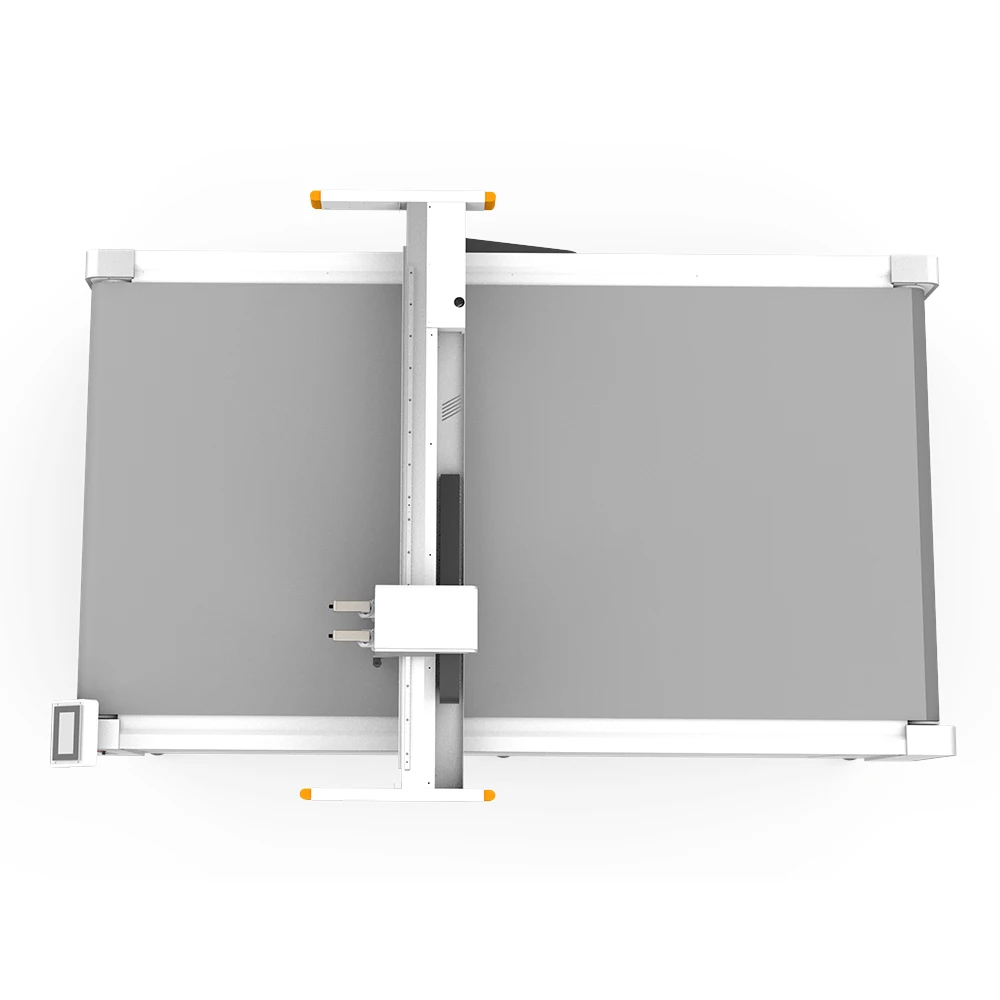
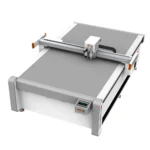
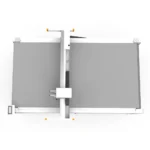
| Working Area | 1600×2500 mm |
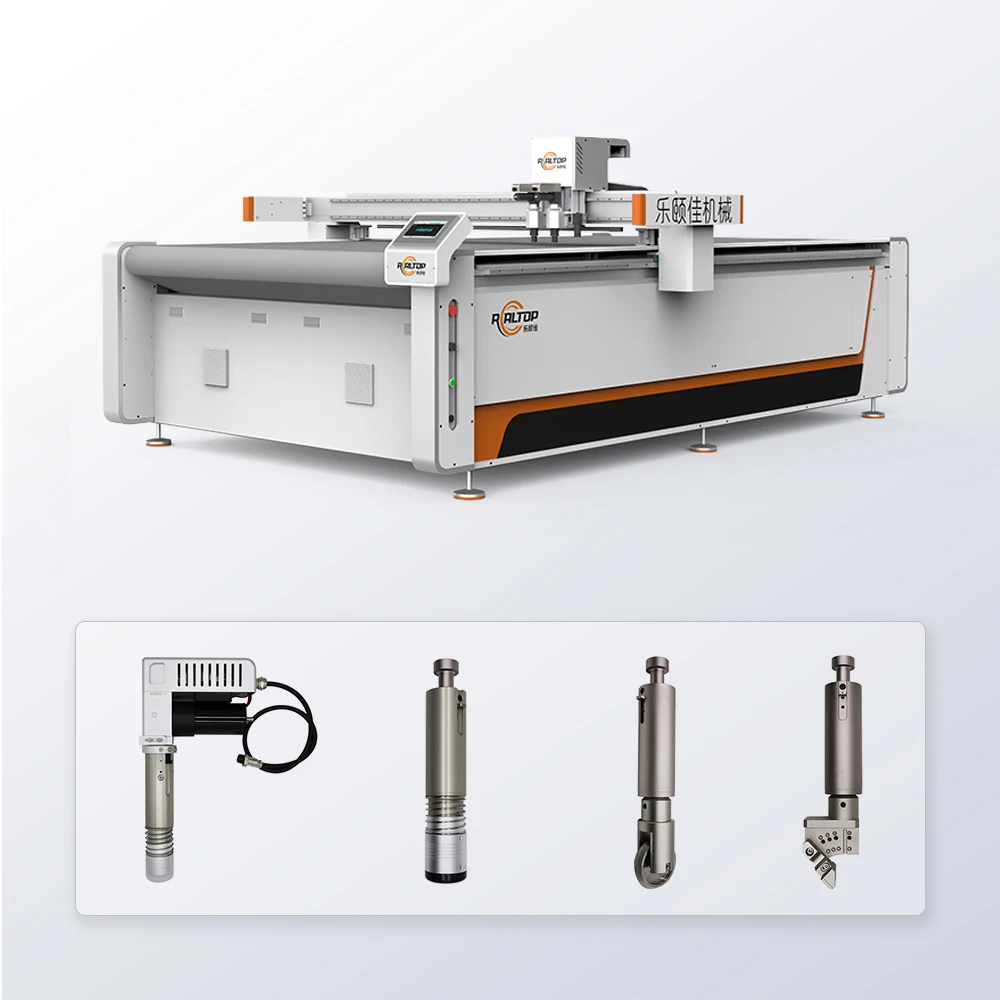
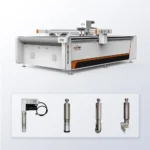
| Tool Head Type | Oscillating knife, Driven rotary knife, Creasing wheel, Kiss cutting tool, Pneumatic knife, Milling tool, V groove knife |
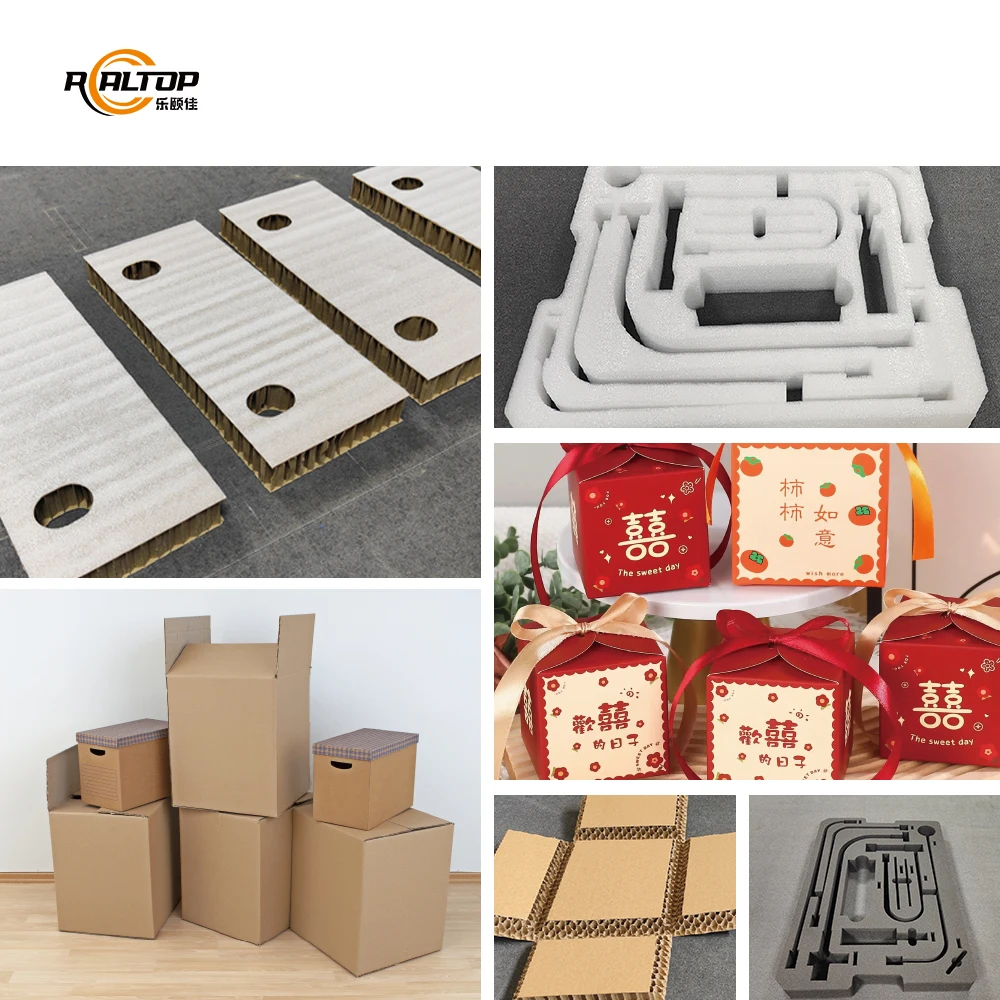
| Applicable Materials | Fabric, Cardboard, Carton, Mats, PVC, EVA, Leather, Acrylic, Foam, PTFE, Rubber |
| Cutting Speed | 0–1500 mm/s |
| Cutting Thickness | ≤ 40 mm |
| Cutting Accuracy | ±0.1 mm |
| Vacuum Pump Power | 9 kW |
| Vacuum Table | Aluminum bellows vacuum table |
| Control System | PLC control panel with optional display languages |
| Software Compatibility | PLT, DXF, AI, PDF |
| Voltage Options | 110V, 220V, 380V (basis not stated in source — confirm frequency and phase configuration) |
| Servo Drive Options | Panasonic, Delta, Dorna |
| Safety Device | Infrared sensor device and emergency stop device |
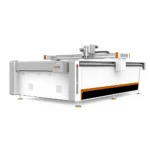
| Machine Size | 3300×2100×1350 mm |
| Standards | CE |
Application Suitability
| Application | Material or Output |
|---|---|
| Packaging sample making and carton prototyping | E-flute, B-flute, BC-flute corrugated board, greyboard, cardstock, art paper |
| Protective insert fabrication | EVA, EPE, PU foam sheets, honeycomb cardboard, composite padding |
| Short-run custom box production without die-cut molds | Single-ply and multi-wall corrugated, specialty paper, velvet/fleece fabric |
| Non-metallic gasket and inlay cutting | Rubber mats, PVC, PET, synthetic leather, adhesive-backed composite materials |
Why Tool Head Selection Matters More Than Working Area
Most buyers start by filtering CNC oscillating knife cutting machine specifications based on table size, but a machine with the wrong knife stroke frequency and oscillation amplitude will crush honeycomb cores and leave ragged edges on BC-flute board.
The cutting edge quality depends on matching the knife oscillation parameters and tool head combination to the specific ply count and flute geometry of your packaging stock.
A few years ago, a packaging customer in Shandong ordered a standard vibrating knife setup for corrugated cardboard sample making. What they were actually running was a honeycomb cardboard and EPE composite material for premium protective packaging. The standard tool head compressed the cellular structure, leaving crushed edges and severe burring. The entire sample batch was scrapped. This is not a rare failure mode — it happens whenever the tooling is specified by a generic material category rather than the buyer’s actual substrate [NEED_CITE: corrugated flute types and board density variations in packaging applications].
Oscillation Frequency, Tool Selection, and Flute Integrity
When evaluating a CNC oscillating knife cutting machine, how to choose the right tool head depends entirely on what is under the knife. Single-ply cardstock requires a high-frequency, low-amplitude oscillation to prevent tearing. Multi-wall corrugated board, especially BC-flute, demands a slower, deeper stroke that severs the flute walls cleanly without collapsing the structure.
This system offers oscillating knife, driven rotary knife, creasing wheel, kiss cutting, pneumatic knife, milling, and V-groove tool options. A packaging sample job often requires a creasing wheel and an oscillating knife to run in the same program — folding lines first, then contour cuts. The machine supports these tool changes within a single setup, eliminating manual re-fixturing between operations.
Vacuum Zoning and the Small-Part Lift Problem
High-speed contour cutting generates aerodynamic lift on lightweight packaging substrates. If the vacuum table is not zoned correctly, small die-line components detach from the surface mid-cut, ruining the piece and risking knife damage. The aluminum bellows vacuum table on this unit is paired with a 9 kW vacuum pump, and the zoning configuration can be specified to match your typical nesting layout.
Buyers producing intricate carton samples with multiple small cutouts need more vacuum zones than those running large-format box blanks. The zoning layout should be defined during the specification stage, not discovered at commissioning [NEED_CITE: vacuum table zoning requirements for CNC digital cutting of lightweight packaging materials].
Reading the Specs for Your Production Reality
The 1600×2500 mm working area accommodates most standard packaging sample sheets and short-run carton production layouts. The stated cutting thickness of ≤ 40 mm covers honeycomb panels, multi-layer EPE, and thick corrugated composites, but actual penetration depth depends on board density and tool head selection.
The ±0.1 mm cutting accuracy is relevant when your die-lines include registration marks for multi-panel folding cartons. The PLC control panel with multi-language display options needs to be confirmed before shipment — a control interface in the wrong language adds unnecessary friction on the shop floor. Software compatibility with PLT, DXF, AI, and PDF files ensures your existing packaging CAD workflow imports directly without file conversion errors.
What Happens When the Configuration Is Wrong
Choosing a drag knife instead of an oscillating knife for honeycomb cardboard does not just produce poor edges — it delaminates the face sheets from the core, making the panel structurally useless for protective packaging applications. An undersized vacuum pump causes intermittent part lift that is blamed on the software nesting algorithm when the real fault is mechanical hold-down [NEED_CITE: causes of edge delamination in honeycomb composite cutting operations].
A control panel language mismatch forces operators to memorize button positions rather than read prompts, which increases setup errors during job changeovers. These are not warranty claims — they are specification failures that could have been resolved during the quotation stage.
Why Source This Oscillating Knife Cutter Here
The tool head and table configuration is specified per material and production volume, not sold as a fixed package. If your stock is BC-flute corrugated, the oscillation amplitude and knife geometry are selected for that substrate, not for generic cardboard.
Sample cutting on your own material is completed before order commitment, so edge quality, flute integrity, and cutting depth are verified against your actual stock. Software compatibility is confirmed against your existing nesting or CAD workflow, preventing file format conflicts at commissioning. Voltage, plug standard, and control language are documented and matched to your facility before the machine ships. The aluminum bellows vacuum table zoning is configured to your typical nesting pattern, addressing small-part lift at the specification stage rather than on the production floor.
Documentation & Verification
- Sample cutting report on your corrugated or honeycomb board confirming edge quality before shipment
- Tool head and table configuration list specifying knife type, creasing wheel, and vacuum zone layout
- Electrical schematic and voltage confirmation matching your facility supply and plug standard
- Software licence and file format compatibility note for PLT, DXF, AI, and PDF workflows
- Factory test record documenting cutting accuracy and tool head performance on specified materials
- Packing photographs showing machine condition and crate integrity before dispatch
Installation, Commissioning & Support
- Foundation must be level within tolerance across the 3300×2100×1350 mm machine footprint
- Dedicated electrical circuit required for the 9 kW vacuum pump plus PLC control system
- Machine arrives in shipping configuration; vacuum table leveling and tool head calibration at site
- First-run parameter setup for oscillation frequency and cutting speed matched to your board stock
- Operator training covers tool head changeover between creasing wheel and oscillating knife
- Spare parts list provided covering knife blades, creasing wheels, and vacuum table wear components
Before You Request a Quotation
Provide the exact packaging substrate you are running — flute type, ply count, board density, and typical sheet dimensions. Specify your daily sample or short-run volume and the nesting software you currently use. Confirm your facility voltage, frequency, and the control panel language your operators need.
Frequently Asked Questions
Q: How do I verify the cutting thickness is adequate for my corrugated flute type?
A: Provide your board specification including flute type and measured thickness. A sample cutting test on your actual material confirms whether the oscillating knife stroke and cutting depth produce clean edges without crushing the flute structure or delaminating composite layers.
Q: Which tool heads do I need for combined creasing and cutting on carton samples?
A: A creasing wheel and oscillating knife are the standard combination for corrugated carton sample making. Both tools are configured on the same machine, allowing fold lines and contour cuts to execute in a single program without manual re-fixturing between operations.
Q: How is the vacuum table zoned to prevent small parts from lifting?
A: The aluminum bellows vacuum table zoning is specified based on your typical nesting layout. Buyers running intricate die-lines with small cutouts need finer zone segmentation than those cutting large box blanks, and this is defined during the quotation stage.
Q: What voltage and control language options are confirmed before shipment?
A: Voltage options include 110V, 220V, and 380V configurations. Frequency, phase, and plug type are confirmed to match your facility supply. The PLC control panel display language is specified to match your operator requirements before the machine leaves the factory.
Q: Can I test my packaging material on the machine before placing an order?
A: Sample cutting on your own substrate is completed before order commitment. The report documents edge quality, flute integrity, and cutting depth on your specific material, so you verify performance before the machine ships.


商品评价
Clear filtersThere are no reviews yet.