








Fast Shipping
Carrier information

20k products
Payment methods

24/7 Support
Unlimited help desk

2-day Delivery
Track or off orders
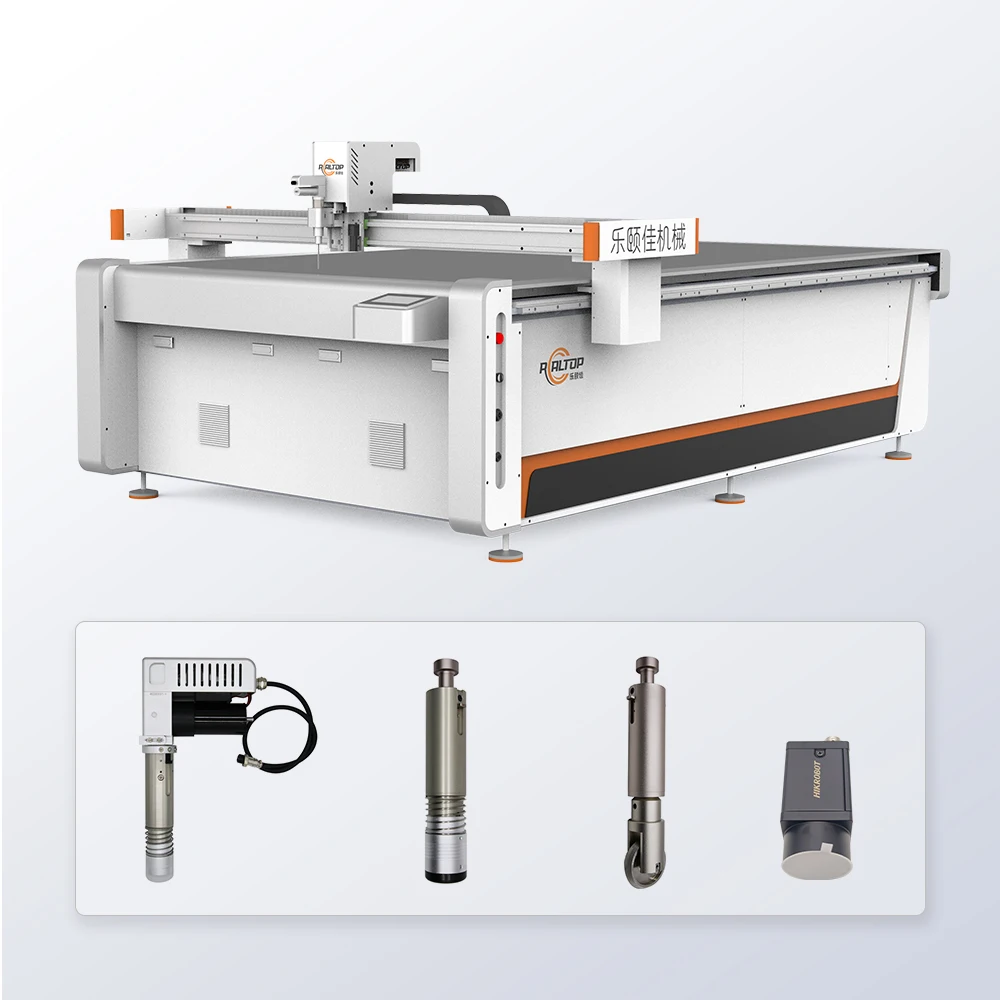
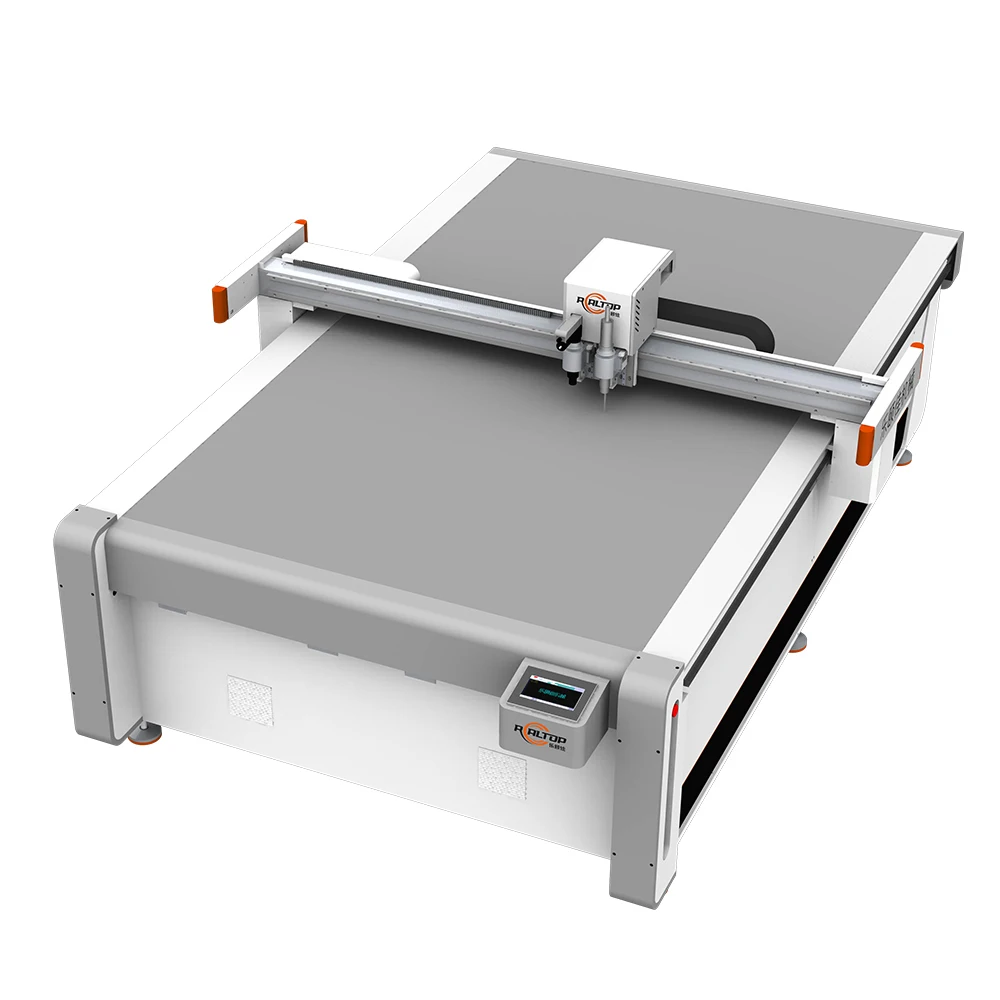
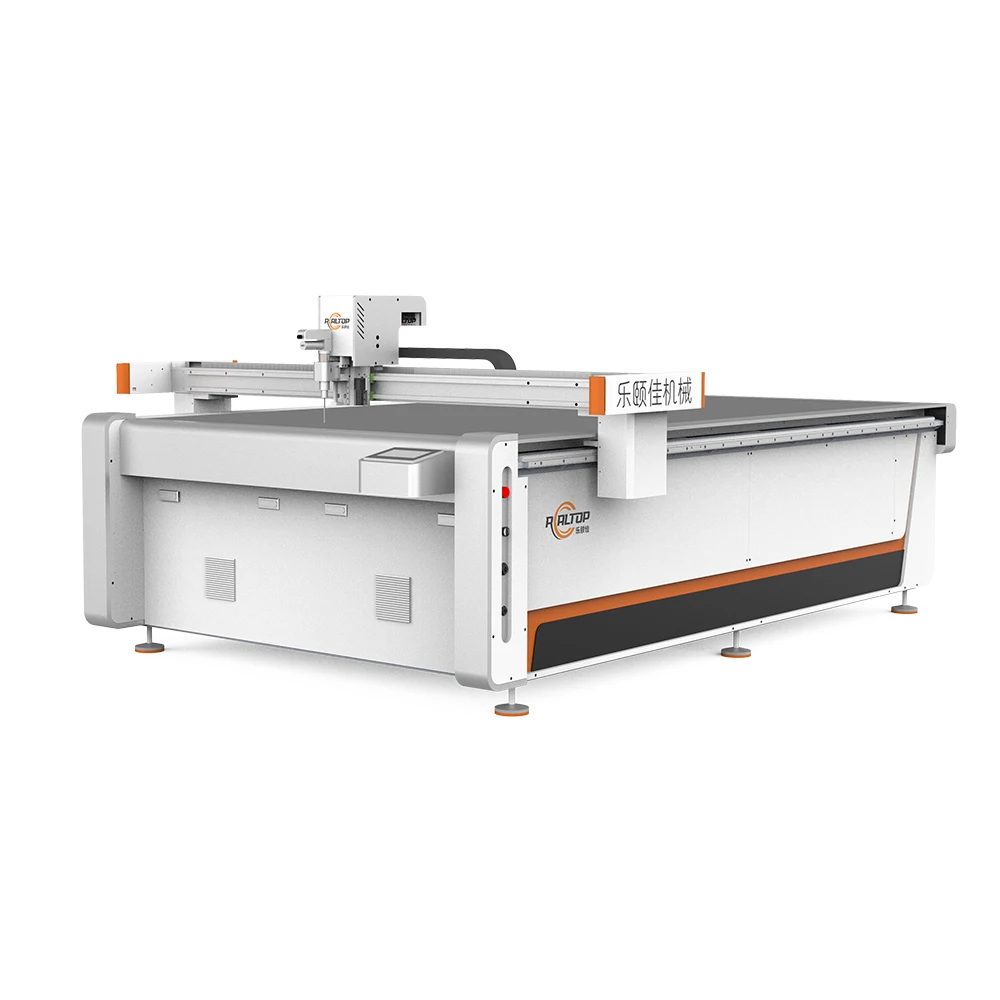
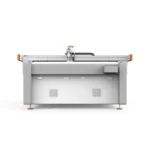
Configurable Flatbed Architecture — Every 1625 cutting table ships with tool heads and vacuum zones matched to your actual board grade and flute profile, not sold as a fixed catalog unit.
Technical Specifications
| Parameter | Value |
|---|---|
| Product Type | CNC Oscillating Knife Cutting Machine |
| Model | 1625 |
| Working Area | 1600×2500 mm |
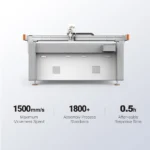
| Cutting Speed | 0-1500 mm/s |
| Cutting Thickness | ≤ 40 mm (basis not stated in source — confirm material type / density) |
| Cutting Accuracy | ±0.1 mm |
| Tool Options | Oscillating knife, Driven rotary knife, Creasing wheel, Kiss cutting tool, Pneumatic knife, Milling tool, V groove knife |
| Vacuum Table | Aluminum bellows vacuum table |
| Vacuum Pump | 9 kW |
| Control System | PLC control panel |
| Servo Motor Options | Panasonic, Delta, Dorna |
| Voltage Options | 110V, 220V, 380V |
| Profile Formats | PLT, DXF, AI, PDF |
| Safety Devices | Infrared sensor and emergency stop |
| Machine Size | 3300×2100×1350 mm |
| Software Languages | English, Russian, Italian, Chinese, custom options |
| Packaging Software | Dedicated packaging box structure design software included |
| Certification | CE |
Application Suitability
| Application | Material or Output |
|---|---|
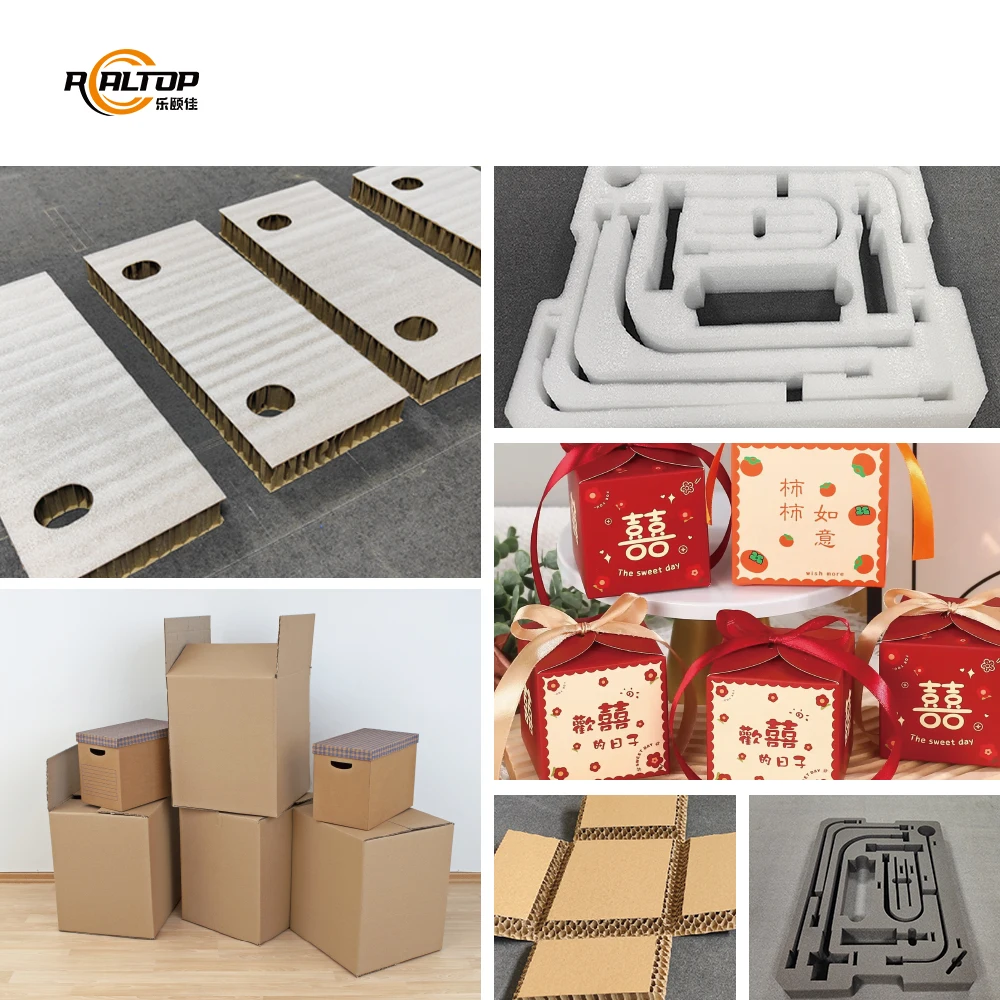
| Packaging sample making and short-run production | Corrugated cardboard (E-flute, B-flute, BC-flute), greyboard, cardstock, art paper |
| Folding carton converting with creasing and cut-out | Specialty paper, art paper, PVC and PET thin sheets |
| Protective packaging insert fabrication | EVA foam, EPE foam, PU foam stock |
| Gasket and seal prototyping | Rubber mats, synthetic leather, composite materials |
| Textile and soft packaging component cutting | Velvet, fleece fabric, non-woven fabric |
| Adhesive and laminated material processing | Adhesive-backed composites, thin plastic sheets |
Why Board Thickness Alone Never Tells the Full Story
Specifying a flatbed cutter on working area and maximum cutting depth without testing your actual stock is how short-run packaging jobs fail on the first sheet. The machine must be validated on your board grade, flute type and moisture condition before configuration is locked.
I once set up a digital cutter for a packaging plant in Kenya using the corrugated samples they sent. The parameters held perfectly on those sheets. When production started on their recycled board stock, the creasing wheel tore through the surface and left ragged edges across every crease line. The board density was different, and the tool pressure that worked on the sample destroyed the actual material. Three days of re-tuning followed. CNC oscillating knife cutting machine specifications mean little until they are proven against what really runs on your table [NEED_CITE: corrugated board grade variability in recycled fibre streams].
Tool Head Selection by Flute and Board Weight
The 1625 offers seven tool options, and choosing the wrong one is the most common cause of edge quality failure in packaging sample work. An oscillating knife handles straight and curved cuts through BC-flute corrugated cleanly, while a creasing wheel produces the fold lines that a knife cannot replicate. For kiss-cutting adhesive layers without penetrating the release liner, a dedicated kiss cutting tool is required. The driven rotary knife suits continuous contour work on thinner cardstock where an oscillating blade would chatter.
CCD Contour Alignment for Printed Packaging Artwork
Printed carton prototypes require the cutter to locate registration marks and align the cut path to the printed graphic, not to the sheet edge. The CCD camera system on this CNC oscillating knife cutting machine reads printed marks and adjusts the cutting path in real time. This matters most when sheet feed position varies slightly between jobs, which it almost always does in short-run sample environments. Without camera-based alignment, operators waste sheets repositioning material manually until the cut matches the print [NEED_CITE: CCD registration accuracy in digital die-cutting workflows].
What the Specification Numbers Actually Mean on the Shop Floor
The 1600×2500 mm working area accommodates standard packaging sheet formats, but the aluminum bellows vacuum table is what determines whether small die-cut parts stay flat during cutting. A 9 kW vacuum pump provides the suction to hold corrugated sheets that tend to warp, particularly in humid conditions. The ±0.1 mm cutting accuracy keeps crease lines aligned with cut edges on folding carton structures where misalignment shows immediately when the box is assembled. PLC control with servo drive options from Panasonic, Delta or Dorna gives consistent motion across long cut paths, which matters when a single carton blank involves dozens of crease and cut segments.
The Hidden Cost of Wrong Vacuum Zoning
A vacuum table with insufficient zoning lets small cut parts lift off the bed during the final cuts of a nesting layout. The oscillating knife then catches the lifted edge, tears the material and forces a restart of the entire sheet. On corrugated board this shows as delamination at the cut exit point. On foam inserts it produces stepped edges where the material shifted mid-cut. Proper vacuum zone configuration matched to your typical part size is a configuration decision, not a machine feature [NEED_CITE: vacuum hold-down requirements for nested die-cut patterns].
Why Procurement Happens Here
In-house design covers both the mechanical frame and the tool head interface, so the 1625 is not a generic platform with bolt-on accessories. Each machine ships with a tool head and table configuration list matched to the buyer’s material stack rather than a generic option sheet. Software compatibility with PLT, DXF, AI and PDF workflows is confirmed before the order, not discovered during commissioning. Voltage and control language are set for the destination market before the machine leaves the factory. Sample cutting runs on the buyer’s own material before commitment, so cutting depth and edge quality are verified facts, not catalog claims. The dedicated packaging box structure design software arrives pre-installed with file import tested against your existing design workflow.
Documentation & Verification
- Factory test record showing cut quality on your specified board grade and flute type
- Electrical schematic with voltage, frequency and plug type confirmed for destination market
- Tool head and vacuum zone configuration list matched to your material stack
- Sample cutting report with edge quality photographs on your actual stock
- Software licence with file format compatibility note for PLT, DXF, AI and PDF
- Operation and maintenance manual in your selected control language
Installation, Commissioning & Support
- 3300×2100 mm footprint requires level concrete floor with clearance for sheet loading on both long sides
- 9 kW vacuum pump plus PLC and servo drives need a dedicated circuit matching your confirmed voltage
- Machine ships as a single assembled frame; vacuum table and gantry require on-site alignment
- First-run commissioning includes tool pressure calibration on your actual board samples
- Operator training covers crease wheel setup, knife depth adjustment and CCD mark teaching
- Spare parts list covers oscillating knife blades, creasing wheel inserts and vacuum seals
Sending a Meaningful Inquiry
To get a configuration that works on day one, share your primary board types with flute profiles and typical sheet dimensions. Specify whether you need creasing, kiss-cutting or through-cutting in the same job. Confirm your workshop voltage, frequency and preferred control language so the electrical and software setup matches your environment before shipment.
Frequently Asked Questions
Q: How is cutting thickness verified for my specific board weight and flute profile?
A: We run sample cuts on your actual board stock before the configuration is finalised. The test covers your most demanding flute type and board weight, and the results are documented in a sample cutting report with edge quality photographs. This confirms whether the oscillating knife, pneumatic knife or driven rotary tool delivers the clean edge you need.
Q: Which tool head combination handles both creasing and cutting in a single setup?
A: The 1625 can be configured with a creasing wheel alongside an oscillating knife or pneumatic knife, allowing fold lines and cut contours to be produced in one pass. The specific creasing wheel diameter and pressure setting are matched to your board thickness during the sample cutting phase.
Q: Does the CCD system track printed registration marks at production speed?
A: The CCD camera reads printed marks and adjusts the cut path in real time. Tracking reliability depends on mark contrast, size and placement on your artwork. We test the camera against your typical printed sheet during the sample phase to confirm it holds alignment across the full bed.
Q: Can the control panel and software be set in my local language before shipment?
A: The PLC control panel and packaging design software support English, Russian, Italian, Chinese and custom language options. Your preferred language is configured during production so operators can begin work immediately after installation without navigating an unfamiliar interface.
Q: What vacuum zone layout is needed to hold small die-cut parts without lift?
A: The aluminum bellows vacuum table supports multiple zones that can be activated independently. The zone layout is configured based on your typical nesting pattern and smallest part size, ensuring suction is concentrated where material must stay flat during the final cuts of each sheet.


商品评价
Clear filtersThere are no reviews yet.