








Fast Shipping
Carrier information

20k products
Payment methods

24/7 Support
Unlimited help desk

2-day Delivery
Track or off orders
Custom Tooling First — we configure the oscillating knife frequency and creasing wheel pressure to your specific board density before quoting, not after the machine arrives.
Technical Specifications
| Parameter | Value |
|---|---|
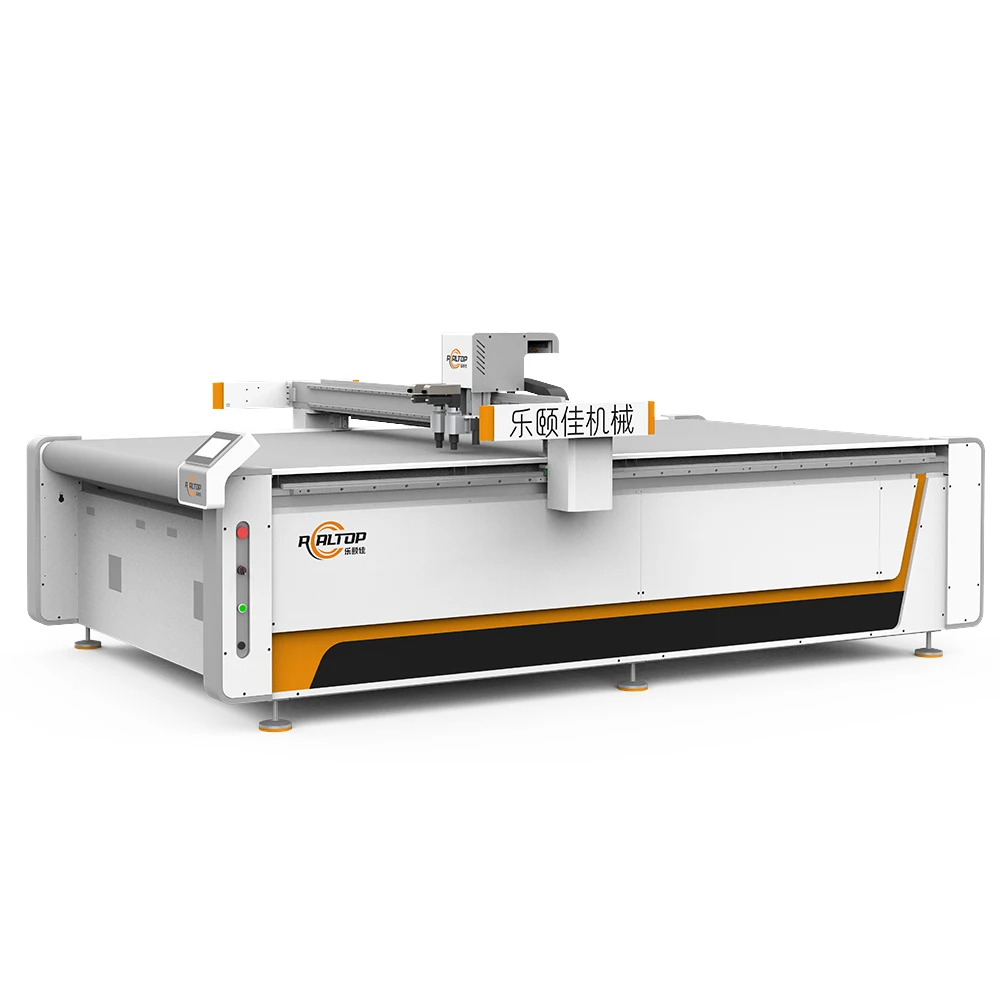
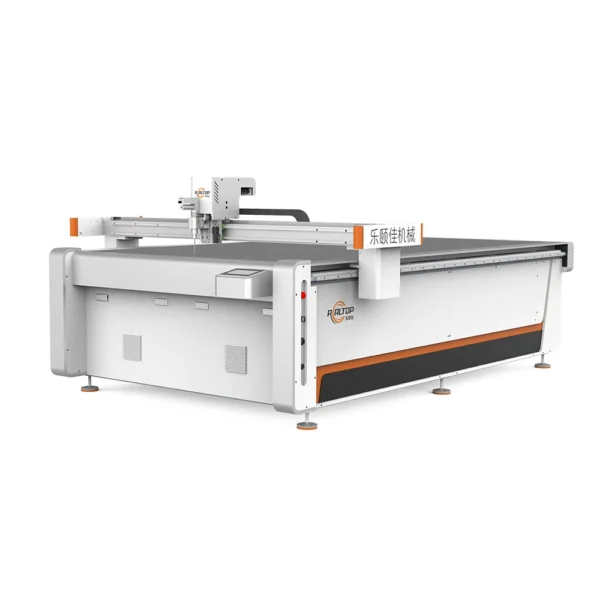
| Product Type | CNC Oscillating Knife Cutting Machine |
| Working Area | 1600×2500 mm |
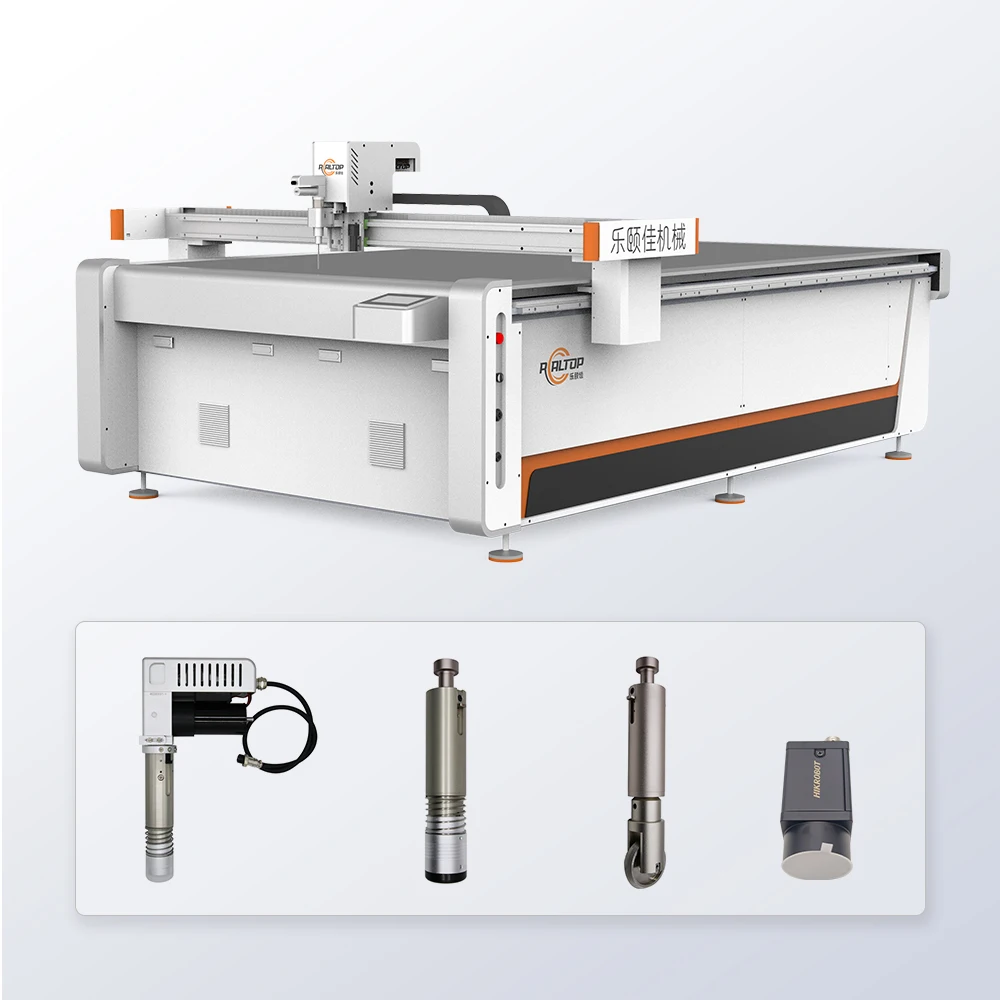
| Tool Head Options | Oscillating knife, Driven rotary knife, Creasing wheel, Kiss cutting tool, Pneumatic knife, Milling tool, V groove knife |
| Cutting Speed | 0–1500 mm/s |
| Cutting Thickness | ≤ 40 mm |
| Cutting Accuracy | ±0.1 mm |
| Vacuum Pump | 9 kW |
| Vacuum Table | Aluminum bellows vacuum table |
| Control System | PLC control panel |
| Servo Drive Options | Panasonic, Delta, Dorna |
| Voltage Options | 110V, 220V, 380V |
| File Formats | PLT, DXF, AI, PDF |
| Safety Device | Infrared sensor device and emergency stop device |
| Machine Size | 3300×2100×1350 mm |
| Language Options | English, Russian, Italian, Chinese (special languages customizable) |
| Software | Dedicated packaging box structure design software |
| Certification | CE |
Application Suitability
| Application | Material or Output |
|---|---|
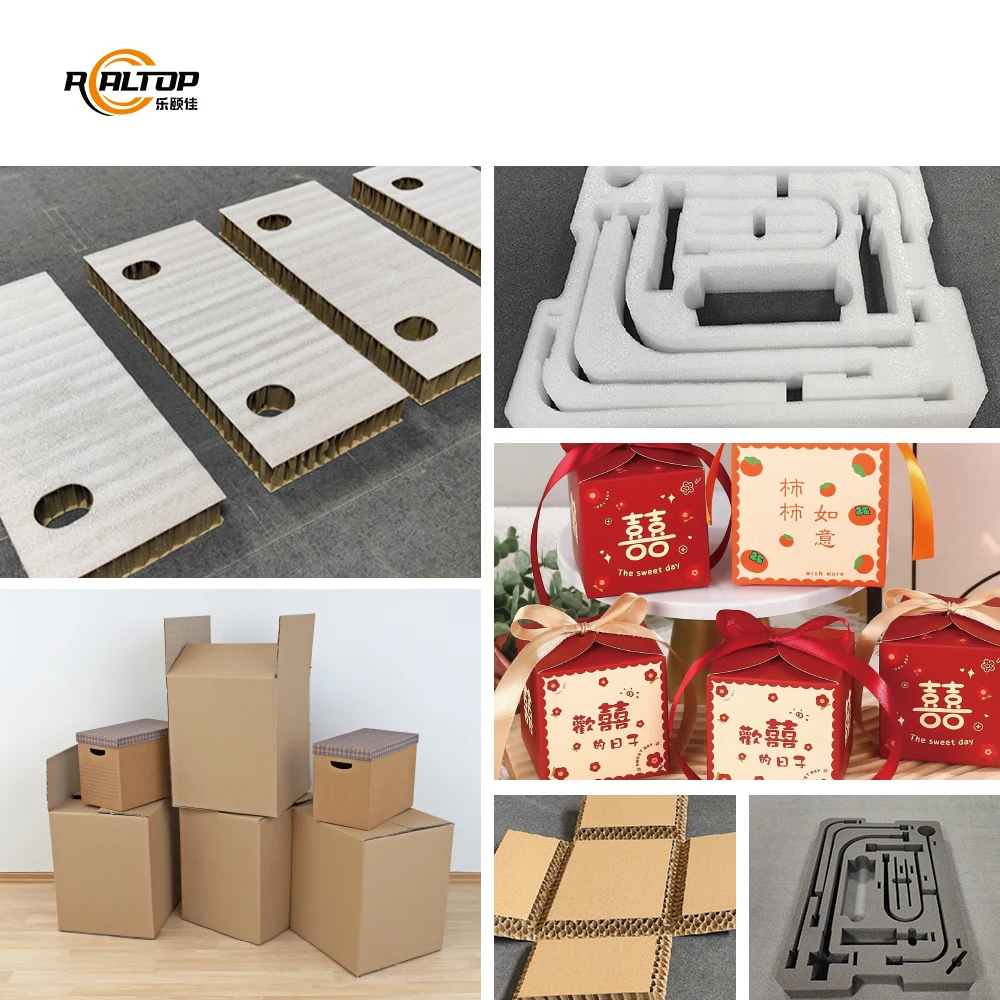
| Corrugated packaging sample making | E-flute, B-flute, BC-flute corrugated cardboard |
| Hard cover book and luxury box prototyping | Greyboard, cardstock, art paper, specialty paper |
| Protective insert cutting | EVA foam, EPE foam, PU foam |
| Gasket and seal production | Rubber mats, PTFE, adhesive-backed composites |
| Textile and soft material cutting | Velvet, fleece fabric, non-woven fabric |
| Thin plastic component cutting | PVC, PET, thin plastic sheets |
| Leather goods sample cutting | Leather, synthetic leather |
Why Tool Head Selection Matters More Than Working Area
Matching the oscillating knife frequency and creasing wheel pressure to your actual board density prevents the ragged edges and crushed flutes that ruin packaging samples.
I spent years on the assembly floor before moving into technical sales here in Shandong. Last year a customer producing premium hardcover book covers sent me greyboard samples that cut cleanly on our standard setup. When his real production material arrived — high-density binder’s board — the oscillating knife could not penetrate it cleanly. The edges tore, the creasing wheel crushed the surface instead of folding it, and an entire batch of covers was scrapped. That is the risk when a machine is specified by working area alone without testing the actual material. [NEED_CITE: common causes of edge delamination in corrugated and greyboard cutting]
The CNC oscillating knife cutting table specifications on a datasheet will tell you the maximum thickness and speed, but they will not tell you whether the knife oscillation frequency suits your 2mm B-flute or your 3mm greyboard. That distinction only emerges when you run your own stock on the machine.
Knife Frequency and Board Density
The oscillating knife on this 1600×2500 mm table vibrates at high frequency to slice through fibrous and cellular materials without dragging or tearing. On corrugated cardboard, the correct frequency keeps the flute structure intact through the cut. On dense greyboard, it prevents the knife from deflecting and leaving a ragged underside. Swapping to the driven rotary knife for thinner art paper or specialty stock avoids the compression that an oscillating blade would cause on those lighter weights.
Creasing Without Crushing
The creasing wheel applies controlled downward pressure to form fold lines without cutting through the material. On multi-ply corrugated, the pressure must compress the flute just enough to create a clean hinge point. Too much pressure collapses the board structure on both sides of the fold; too little leaves a crease that cracks when the box is assembled. The V groove knife complements this by cutting partial-depth channels for rigid box and hardcover applications where a sharp 90-degree fold is required. [NEED_CITE: creasing force requirements for different board calliper grades]
Reading the Spec Sheet for Your Production Floor
Cutting accuracy of ±0.1 mm across the full 1600×2500 mm working area means registration marks on printed packaging samples stay within tolerance even on long diagonal cuts. The 9 kW vacuum pump paired with the aluminum bellows vacuum table holds flat stock firmly without requiring mechanical clamps that would interfere with the tool path. The aluminum bellows construction maintains table flatness over time, which matters when you are cutting thin veneers or kiss-cutting adhesive-backed materials where even a slight surface deviation causes the knife to cut through the backing or leave it uncut.
Servo drive selection across Panasonic, Delta, and Dorna options lets you match the motion control to your existing maintenance capability and spare parts supply chain. The PLC control panel runs dedicated packaging box structure design software that imports PLT, DXF, AI, and PDF files, so your design team does not need to rebuild artwork in an unfamiliar format before the first sample cut.
The Cost of Skipping the Sample Cut
A machine quoted on working area and maximum thickness alone may still fail on your specific material. I have seen buyers commit to a configuration, wait through production and shipping, then discover that the standard oscillating knife frequency chews through their EVA foam inserts instead of slicing them cleanly. The vacuum table zoning on that configuration was set for large sheets, so small foam pieces lifted during cutting and produced dimensional errors across the entire batch. [NEED_CITE: vacuum hold-down requirements for small-format packaging components]
Correcting this after delivery means reconfiguring the tool head, reprogramming the vacuum zones, and potentially replacing worn knife holders — costs that a pre-shipment sample cut on your own material would have identified before the machine left the factory.
Why This Configuration Is Specified Per Job
The tool head roster on this machine — oscillating knife, driven rotary knife, creasing wheel, kiss cutting tool, pneumatic knife, milling tool, and V groove knife — exists because no single cutting method handles every packaging material cleanly. We select and test the combination against your actual stock before finalizing the build.
The aluminum bellows vacuum table is chosen over honeycomb or belt alternatives because packaging sample making demands a flat, rigid surface that maintains suction across the entire cutting area, not just at the centre. The infrared sensor and emergency stop devices are integrated into the frame rather than added as aftermarket accessories, so safety interlocks function from the first power-on.
Software compatibility is confirmed before order placement: we verify that your existing PLT, DXF, AI, or PDF design files import correctly into the packaging structure design software and that nesting workflows produce expected material yield figures. [NEED_CITE: file format interoperability standards in packaging CAD workflows]
Documentation & Verification
- Sample cutting report generated on your specific board grade and thickness before order confirmation
- Tool head and vacuum table configuration list matched to your material and production format
- Electrical schematic with voltage confirmation for your local 110V, 220V, or 380V supply
- Software licence and file format compatibility note covering PLT, DXF, AI, and PDF imports
- Factory test record documenting cutting accuracy and edge quality on your supplied material
- Packing photographs showing machine condition before crate closure
Installation, Commissioning & Support
- Floor space requirement based on the 3300×2100 mm machine footprint plus operator access clearance on three sides
- Dedicated electrical circuit sized for the 9 kW vacuum pump plus servo and PLC load at your confirmed voltage
- Machine arrives partially assembled; table frame and gantry require on-site alignment and calibration
- First-run commissioning includes vacuum zone mapping and tool head pressure adjustment for your material
- Operator training covers tool changeover between oscillating knife, creasing wheel, and V groove knife
- Spare parts list identifies knife blades, creasing wheels, and vacuum seals by part number
What We Need to Configure Your Machine
Send us the material types you cut most often, the board thickness range, and a few sample sheets so we can run them on the table before quoting. Tell us your local voltage and frequency, the control language your operators prefer, and whether you need CCD camera positioning for printed contour work. If you have existing nesting software or a preferred file format workflow, share that too so we confirm compatibility before production starts.
Frequently Asked Questions
Q: How do I choose between the oscillating knife and the creasing wheel for corrugated cardboard?
A: The oscillating knife performs the through-cuts that define the box outline and internal cutouts, while the creasing wheel forms fold lines without penetrating the board. On E-flute and B-flute, both tools typically work in the same job sequence. On thicker BC-flute, we adjust oscillation frequency and creasing pressure separately and verify edge quality on your actual stock before locking in the configuration.
Q: Will the vacuum table hold small packaging parts flat during cutting?
A: The aluminum bellows vacuum table can be divided into independently controlled zones. For small carton components or foam inserts, we configure the zoning so that only the area under the current cut path draws suction, preventing uncut sections from lifting. This zoning setup is documented in the configuration list we provide before shipment.
Q: Can the CCD camera system track printed registration marks on my packaging samples?
A: CCD camera contour recognition is available as an option for printed packaging work. It reads registration marks on your stock and adjusts the cut path to compensate for print-to-cut offset. We test this on your printed samples to confirm mark detection at your target production speed before adding it to the build specification.
Q: What edge quality should I expect on multi-ply corrugated at full cutting speed?
A: Edge quality on multi-ply corrugated depends on matching knife oscillation frequency to flute structure and board moisture content. At the upper speed range, you may see slight fibre pull on the underside of BC-flute if the frequency is not tuned to that grade. We set the speed-to-frequency ratio during sample testing on your material to find the point where throughput and edge quality both meet your standard.


商品评价
Clear filtersThere are no reviews yet.