




Fast Shipping
Carrier information

20k products
Payment methods

24/7 Support
Unlimited help desk

2-day Delivery
Track or off orders
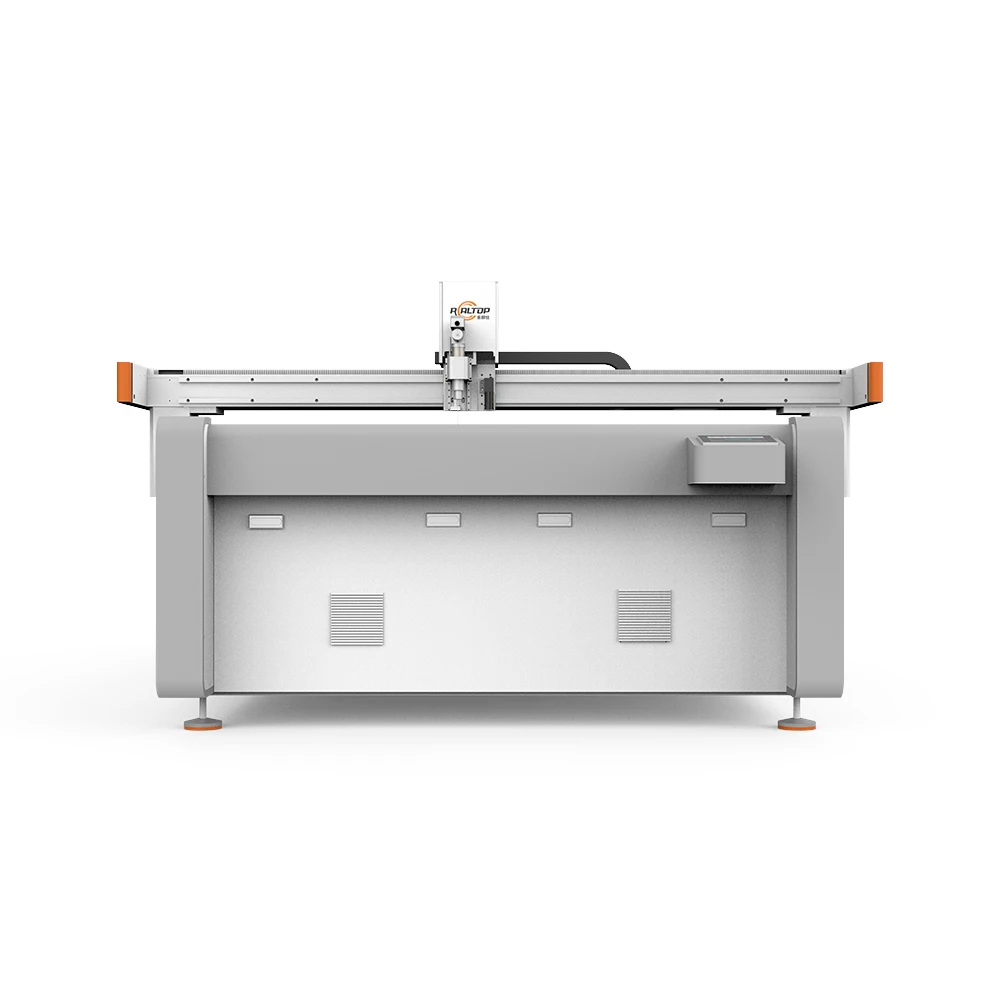
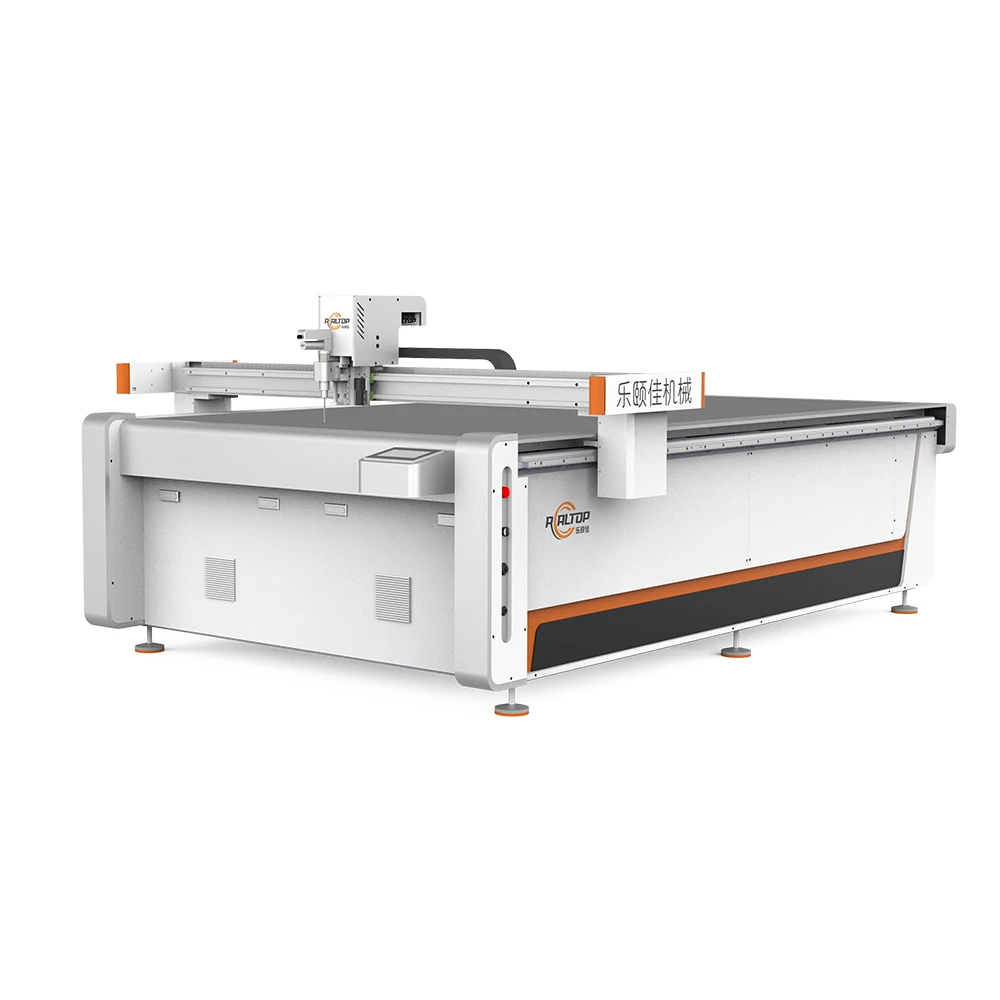
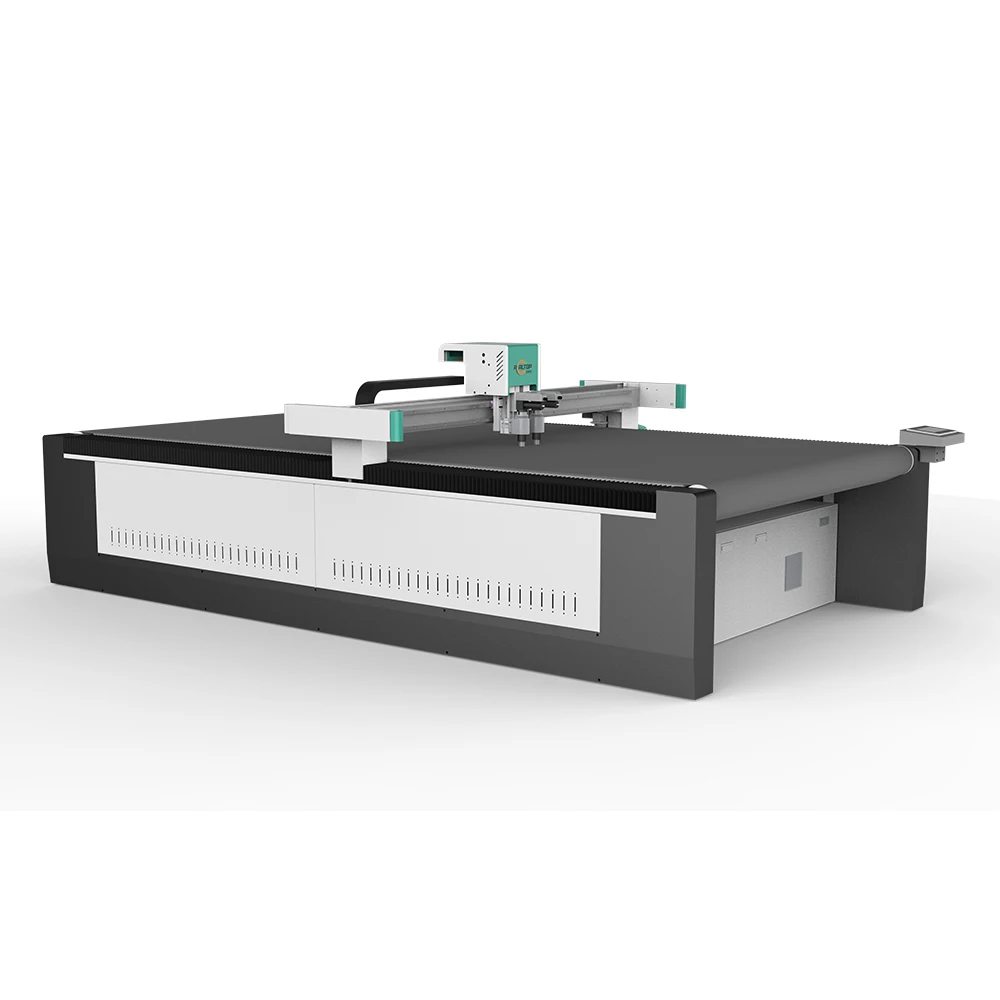
Precision Tool Head Matching — Every composite material cuts differently, and this machine lets you swap between oscillating, rotary, and milling tools to find the exact edge quality your carbon fiber prepreg or acoustic foam demands.
Technical Specifications
| Parameter | Value |
|---|---|
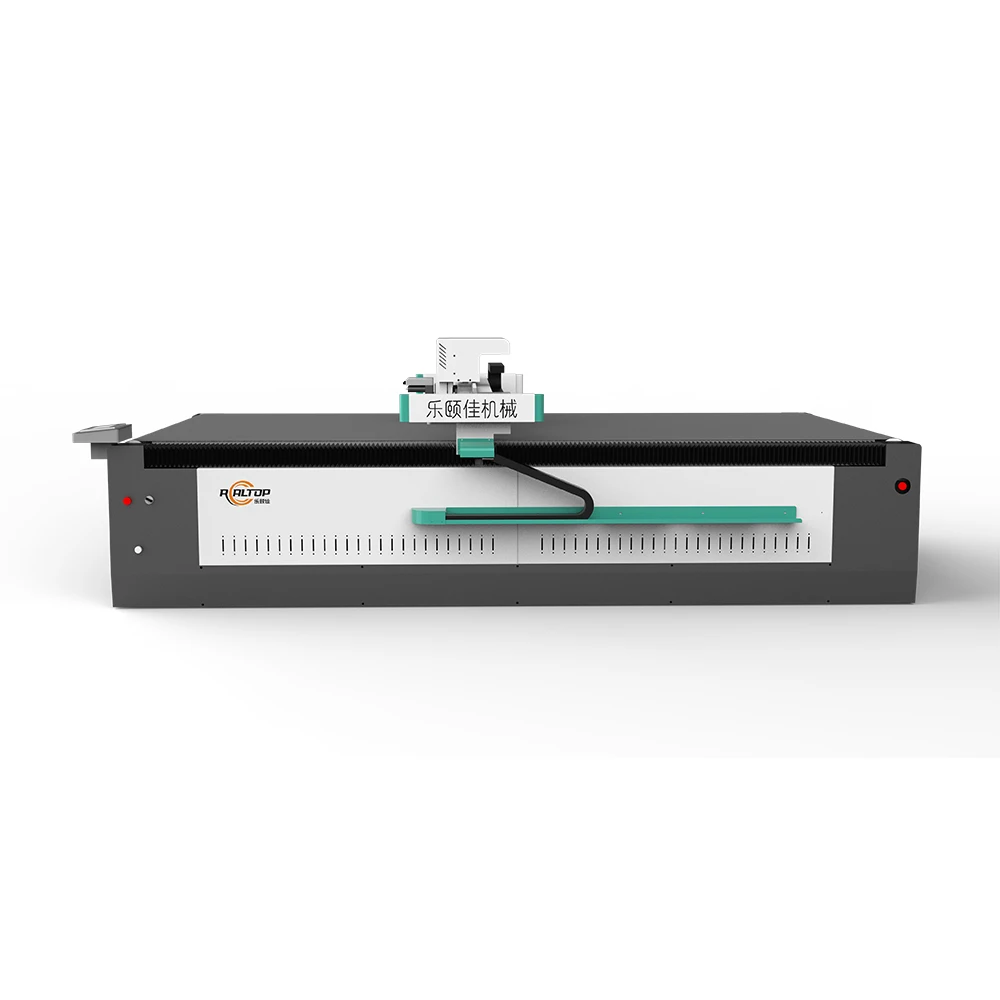
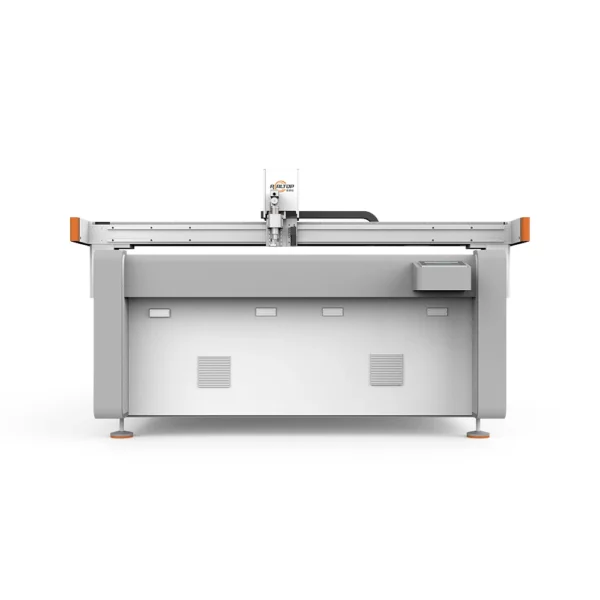
| Product Type | CNC Oscillating Knife Cutting Machine |
| Working Area | 1600 × 2500 mm |
| Tool Options | Oscillating knife, Driven rotary knife, Creasing wheel, Kiss cutting tool, Pneumatic knife, Milling tool, V groove knife |
| Cutting Speed | 0–2000 mm/s |
| Cutting Thickness | ≤ 30 mm |
| Cutting Accuracy | ±0.1 mm |
| Vacuum Pump | 9 kW |
| Vacuum Table | Aluminum bellows vacuum table |
| Machine Frame | Heavy-duty frame with precision-ground surface |
| Servo Motors | Panasonic, Delta, or Dorna options |
| Control Panel | PLC with optional display languages |
| Voltage Options | 110V, 220V, 380V |
| Profile Format | PLT, DXF, AI, PDF |
| Safety Device | Infrared sensor device and emergency stop device |
| Machine Size | 3300 × 2100 × 1350 mm |
| Compliance | CE |
Application Suitability
| Application | Material or Output |
|---|---|
| Aerospace interior trim and seals | Carbon fiber prepreg, aramid honeycomb, fiberglass cloth, thermal and acoustic insulation foam |
| Automotive and rail cabin interiors | Acoustic felt, damping pads, headliner composites, floor carpets, seat foam, sealing strips |
| Wind energy blade preforms | Fiberglass cloth, carbon fiber cloth, vacuum infusion mesh, PET and PVC foam core materials |
| High-performance sporting goods | Carbon fiber sheets, Kevlar fabric, high-performance foam, composite fabrics for bicycle frames, helmet liners, and surfboards |
Why the Wrong CNC Oscillating Knife Cutting Machine Specifications Destroy Composite Edge Quality
Cold cutting preserves resin integrity — but only if the tool head matches the laminate structure.
When a composite fabricator orders a cutting table based on working area alone, the first sign of trouble is the edge. Carbon fiber prepreg shows melted resin smearing across the cut face. Aramid honeycomb frays into tangled fibers. Acoustic foam compresses under the blade and springs back with a ragged, torn profile. These are not software problems or feed rate issues — they trace directly to a tool head that was never selected for the material in question [NEED_CITE: composite cutting tool selection by material type and laminate structure].
I walked into a shop last year where an automotive interior supplier was cutting acoustic felt on a machine configured only with a drag knife. The felt layered at three different densities, and the drag knife pulled the top ply sideways while the bottom ply stayed put. Every piece came off the table with a visible step between layers. We swapped to an oscillating knife with adjusted amplitude and the delamination stopped immediately. The machine had always been capable — the configuration had not been matched to the job.
Cold Cutting Eliminates Thermal Damage to Resin Systems
Thermoset resins in carbon fiber and Kevlar composites degrade under heat. Laser cutting chars the cut edge and releases styrene fumes from polyester-based laminates. The CNC oscillating knife cutting machine specifications on this platform describe a purely mechanical process — the blade vibrates at high frequency and shears through the material without generating the thermal load that compromises resin bonds. For aerospace gaskets and interior trim panels where edge integrity is inspected visually and dimensionally, this matters on every single part.
Interchangeable Tool Heads for Layered and Honeycomb Structures
Composite stacks are rarely uniform. A headliner might combine a non-woven acoustic layer, a foam spacer, and a decorative face fabric in a single layup. The oscillating knife handles most of these stacks cleanly, but denser or more abrasive materials — fiberglass cloth with heavy sizing, carbon fiber prepreg with tacky resin — respond better to a driven rotary knife or a dedicated milling tool. Having these options available on the same table means the operator can switch tools between jobs rather than forcing one blade through materials it was never designed for [NEED_CITE: oscillating versus rotary knife performance on composite laminates].
Reading the Specification Sheet Against Your Material Stack
The ±0.1 mm cutting accuracy listed in the CNC oscillating knife cutting machine specifications is achievable on flat, stable composite sheets — but achieving it in production depends on how the material sits on the table. The aluminum bellows vacuum table provides full-surface adsorption, which holds flexible prepreg and thin foam core materials flat without mechanical clamps that would interfere with the cutting path. The 9 kW vacuum pump generates enough suction to keep small gasket parts from lifting during the final passes, a problem that becomes visible only when nested parts start to shift and throw the entire nest out of tolerance [NEED_CITE: vacuum table zoning requirements for small composite parts].
Specification Details That Determine Production Reality
The 1600 × 2500 mm working area accommodates standard composite roll widths and sheet formats used in automotive interior production. Cutting speed ranges from 0 to 2000 mm/s, but the usable speed on any given composite depends on thickness and blade geometry — a 30 mm acoustic foam block cuts at a different rate than a 2 mm carbon fiber prepreg ply. The heavy-duty machine frame with precision-ground surface resists deflection under the lateral loads that oscillating knives generate when cutting dense fiberglass. Servo motor selection between Panasonic, Delta, and Dorna allows buyers to match the control system to existing factory standards or local service availability. File format support for PLT, DXF, AI, and PDF means the machine reads directly from most nesting software outputs without an intermediate conversion step that can introduce contour errors.
What Happens When Configuration Is an Afterthought
A wind energy blade shop once received a cutting table configured for signage vinyl — correct working area, correct voltage, entirely wrong tool head. When they loaded fiberglass cloth for infusion mesh preforms, the drag knife dragged fibers out of the weave instead of cutting them. The ragged edges then failed to seat properly in the mold, creating dry spots in the cured laminate that showed up only during ultrasonic inspection. The fix required a return visit, new tool heads, and recalibration — all avoidable if the material had been specified during the initial configuration discussion [NEED_CITE: composite cutting edge quality requirements for wind blade infusion preforms].
Why Procurement From This Manufacturer Works for Composites
The in-house design team covers both knife and laser cutting technologies, so the conversation starts with the material rather than forcing every composite onto one machine type. Tool head and vacuum table configuration are specified per material and production volume before the order is finalized. CCD camera positioning is available for printed contour work on decorated composite panels where the cut path must follow a printed registration mark. Software compatibility with the buyer’s existing nesting workflow and file formats is confirmed before shipment, not discovered during installation. Sample cutting on the buyer’s own composite material is standard practice — the machine runs the actual prepreg, foam, or fabric that will be processed in production, and the cut edge is evaluated before any commitment is made [NEED_CITE: sample cutting validation process for composite materials].
Documentation & Verification
- Machine specification sheet listing all tool heads and vacuum table zones configured for your composite material
- Electrical schematic with voltage and frequency confirmed for your facility power supply
- Sample cutting report on your own composite material showing edge quality and achievable thickness
- Software licence and file format compatibility note for PLT, DXF, AI, and PDF workflows
- Factory test record documenting cutting accuracy and tool head performance before dispatch
Installation, Commissioning & Support
- Heavy-duty frame requires level concrete floor; machine footprint 3300 × 2100 mm with clearance for material loading
- 9 kW vacuum pump and servo systems require dedicated circuit matching confirmed voltage (110V, 220V, or 380V)
- Full assembly and leveling on-site with vacuum table flatness verification across the 1600 × 2500 mm working area
- First-run parameter setup including oscillation amplitude, blade depth, and vacuum zoning for your specific composite stack
- Operator training covers tool head changeover, file import from PLT/DXF/AI/PDF sources, and nesting workflow integration
- Spare parts list with wear items identified — blades, oscillation bearings, vacuum seals — for local stocking
What to Include in Your Inquiry
Send the specific composite material type, layup structure, and total thickness you need to cut. Include your standard sheet or roll dimensions, daily part volume, and the nesting software you currently use. Confirm your facility voltage, frequency, and preferred control panel language so the CNC oscillating knife cutting machine specifications can be locked before production begins.
Frequently Asked Questions
Q: How do I choose between oscillating knife and rotary knife for my composite material?
A: Oscillating knives work well on most foam, felt, and layered composites up to 30 mm thick. Driven rotary knives perform better on abrasive materials like fiberglass cloth with heavy sizing or tacky carbon fiber prepreg where blade drag would distort the weave. Send a sample of your material for test cutting so the correct tool head can be confirmed before the machine is configured.
Q: Will small composite gasket parts stay flat during cutting on this vacuum table?
A: The aluminum bellows vacuum table provides full-surface adsorption, but zoning matters for small parts. If your nest includes gasket pieces under 50 mm across, confirm vacuum zone layout during the configuration stage so each small part sits over an active suction area and does not lift during the final cut passes.
Q: How is voltage and control language confirmed before the machine ships?
A: The machine supports 110V, 220V, and 380V configurations with corresponding plug types. Electrical schematics are provided for verification against your facility supply. Control panel language is set during production — specify your preference at the inquiry stage so it is included in the documentation package at dispatch.
Q: Can I request sample cutting on my own composite material before ordering?
A: Yes. Send your actual composite sheet or roll sample including the full layup structure. The sample is cut using the proposed tool head and parameters, and a cutting report is provided showing edge quality, achievable thickness, and cut accuracy. This confirms the configuration matches your production material before any order commitment.
Q: Is the software compatible with my existing nesting workflow and file formats?
A: The control system accepts PLT, DXF, AI, and PDF files directly. Software licence details and file format compatibility are confirmed and documented before order placement. If your nesting software outputs in a different format, this is identified during the inquiry stage and resolved before the machine enters production.


商品评价
Clear filtersThere are no reviews yet.