




Fast Shipping
Carrier information

20k products
Payment methods

24/7 Support
Unlimited help desk

2-day Delivery
Track or off orders
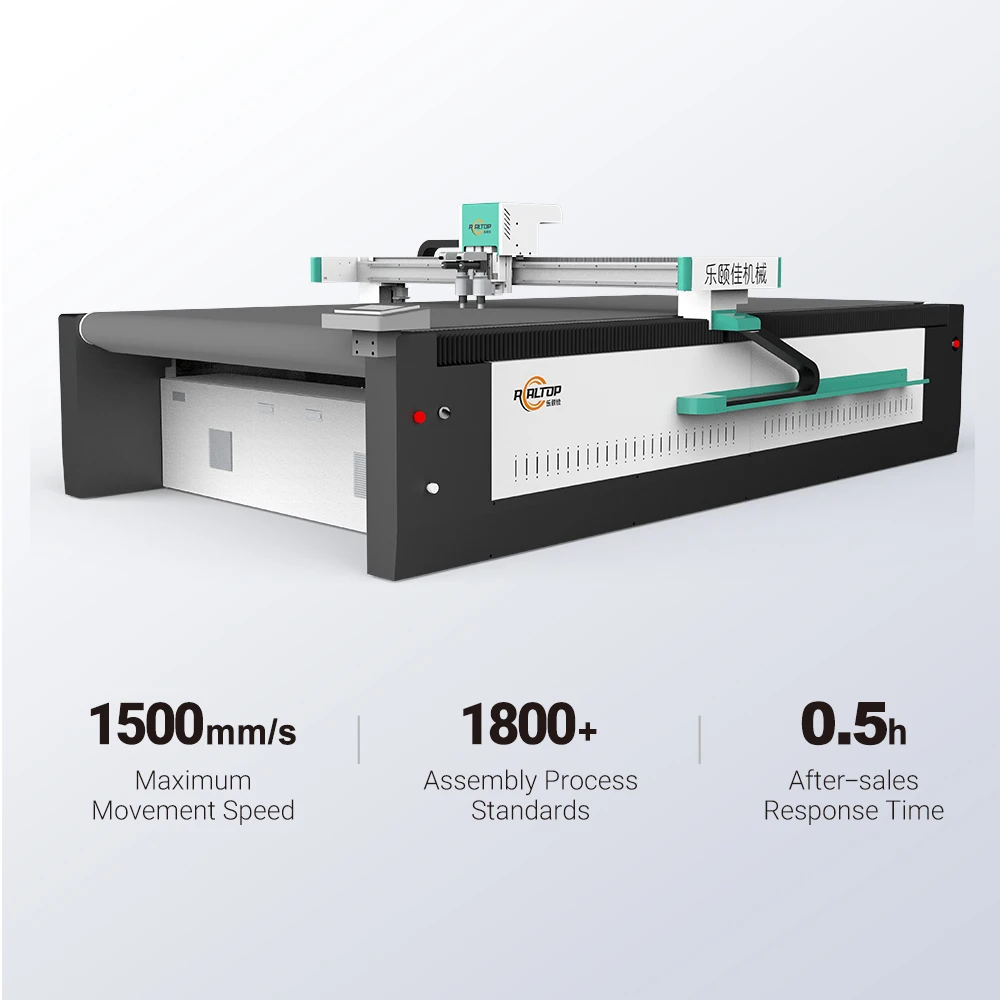
Precision Tooling Configuration — Knife type and vacuum zoning are matched to your composite formulation and ply schedule, then proven by cutting your actual material before order confirmation.
Technical Specifications
| Parameter | Value |
|---|---|
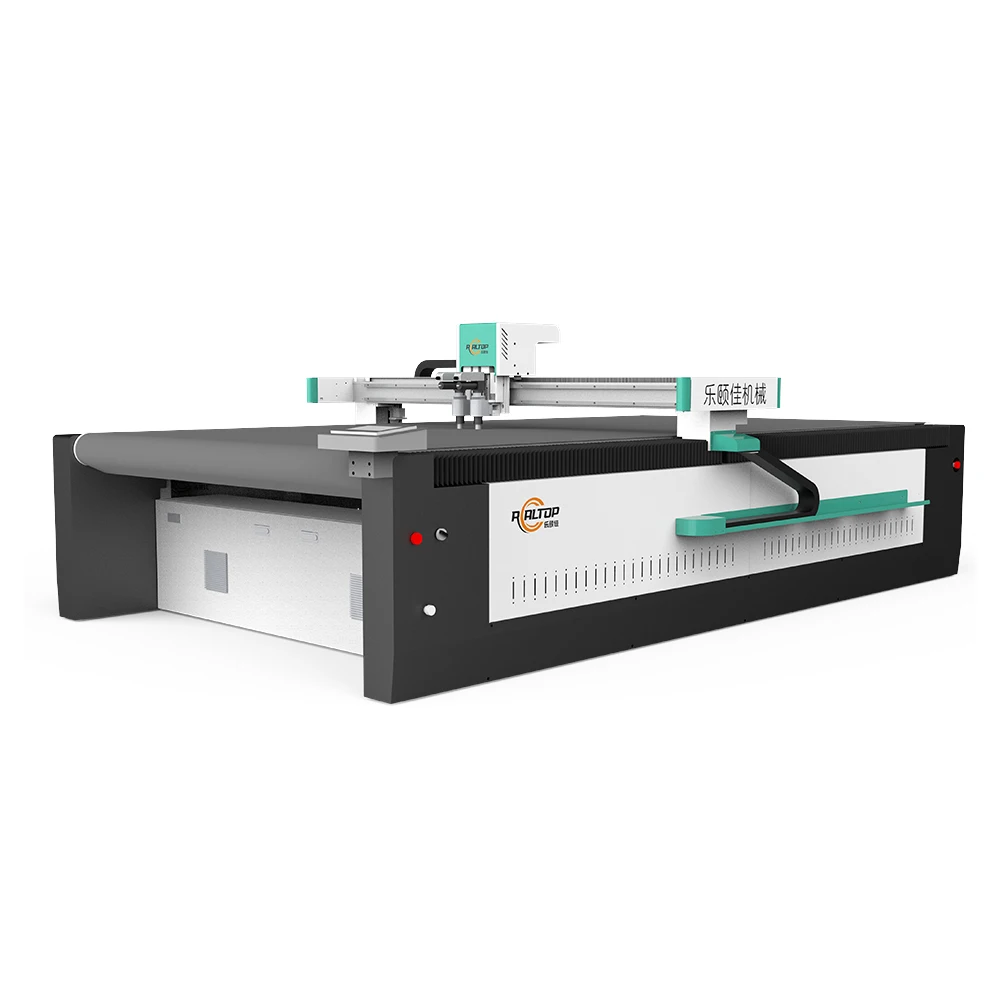
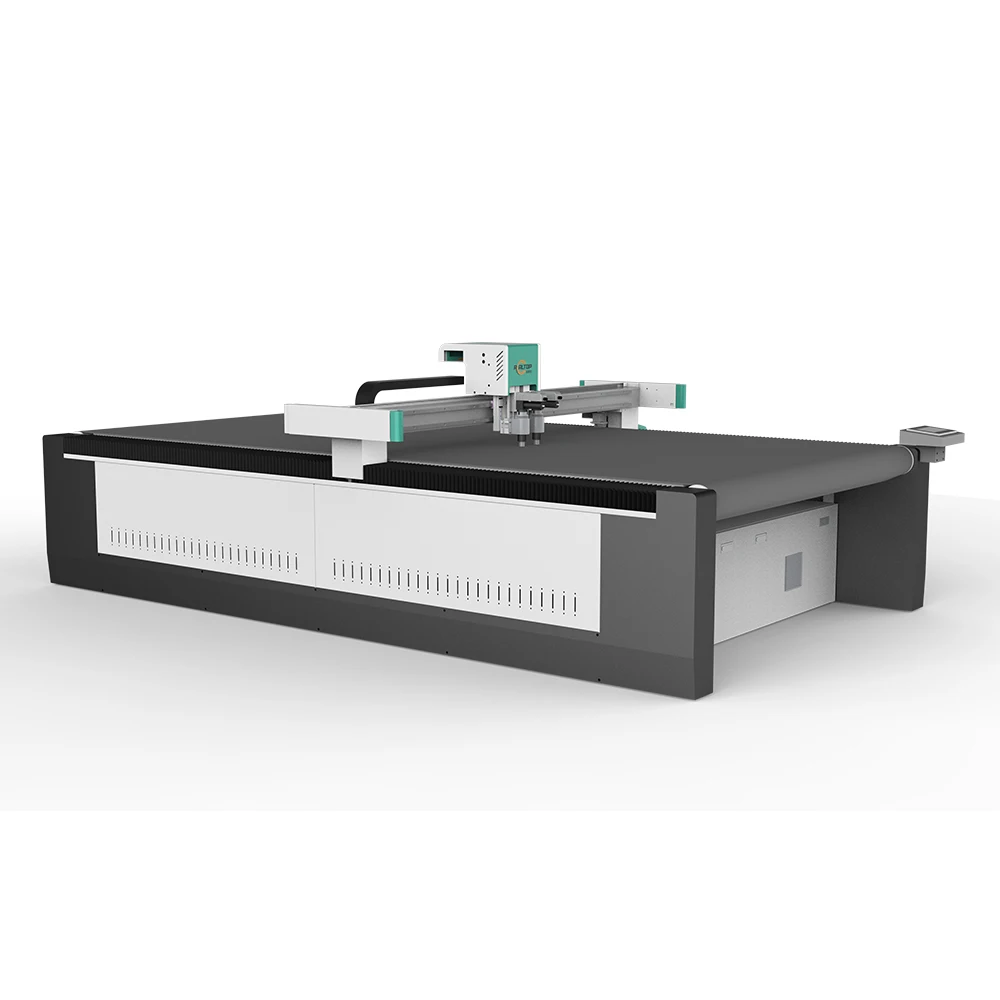
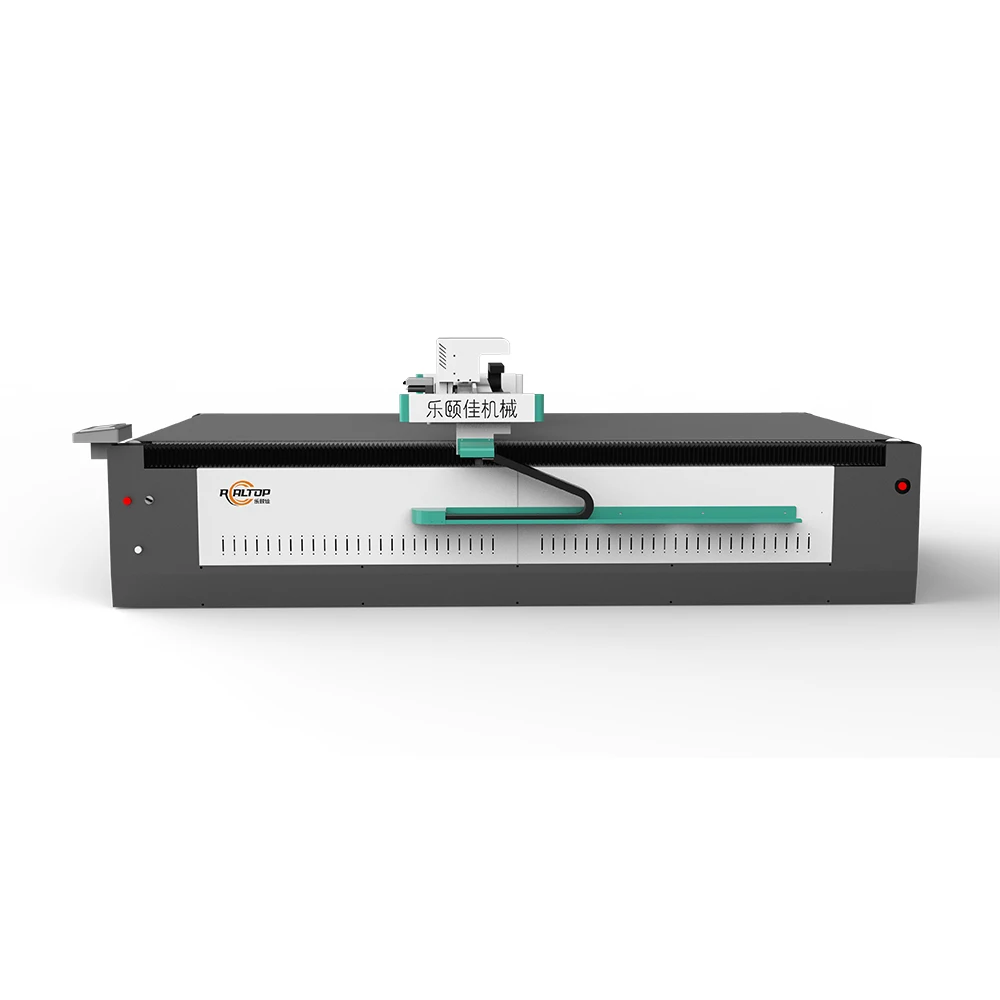
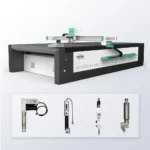
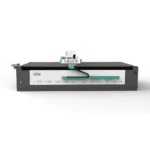
| Product Type | CNC Oscillating Knife Cutting Machine |
| Working Area | 1600 × 2500 mm |
| Cutting Speed | 0–2000 mm/s |
| Cutting Thickness | ≤ 30 mm (basis not stated in source — confirm material density and tooling) |
| Cutting Accuracy | ±0.1 mm |
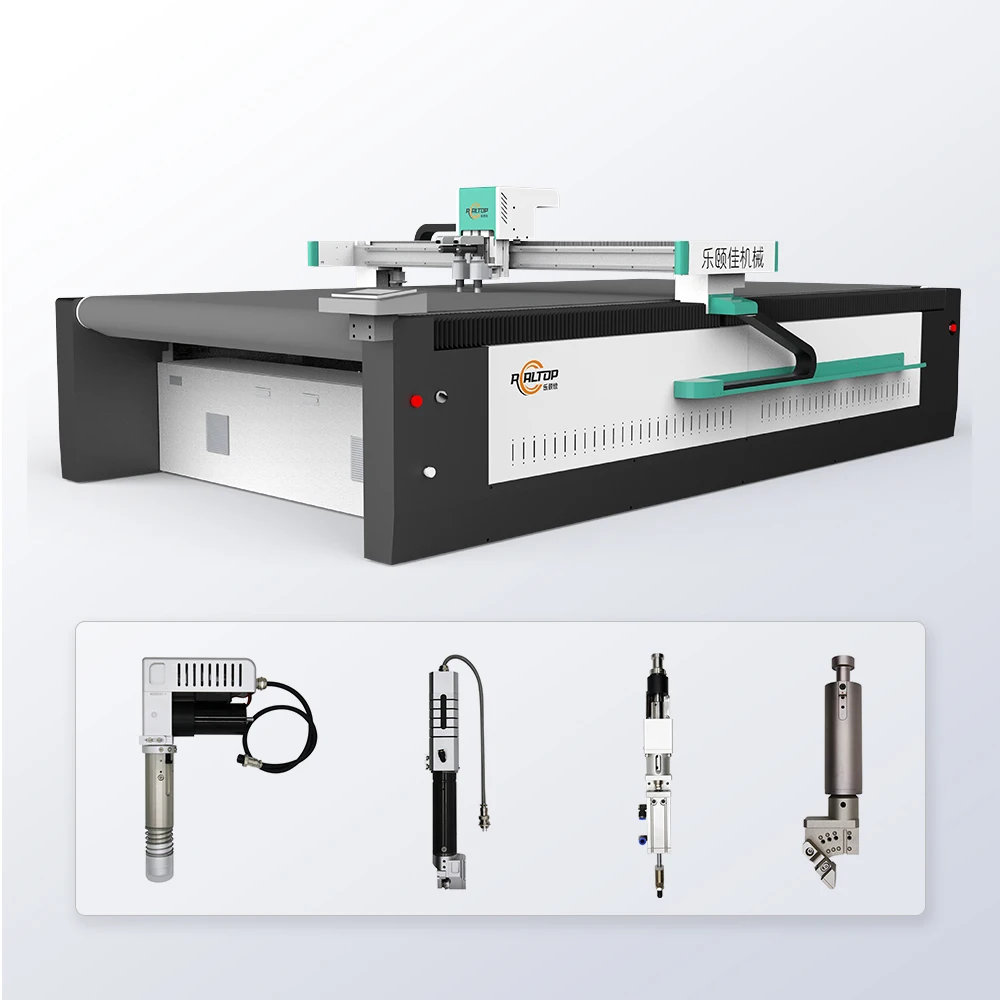
| Tool Head Options | Oscillating knife, driven rotary knife, pneumatic knife, creasing wheel, kiss cutting tool, milling tool, V-groove knife |
| Vacuum Table | Aluminum bellows vacuum table |
| Vacuum Pump Power | 9 kW |
| Servo Drive Options | Panasonic, Delta, Dorna (rated or peak not specified in source) |
| Control System | PLC control panel with configurable display languages |
| Supported File Formats | PLT, DXF, AI, PDF |
| Voltage Options | 110V, 220V, 380V (frequency not specified in source) |
| Language Options | English, Russian, Italian, Chinese (customizable) |
| Safety Devices | Infrared sensor, emergency stop |
| Machine Dimensions (L×W×H) | 3300 × 2100 × 1350 mm |
| Frame | Heavy-duty frame with precision-ground surface |
| Certification | CE declaration |
Application Suitability
| Application | Material or Output |
|---|---|
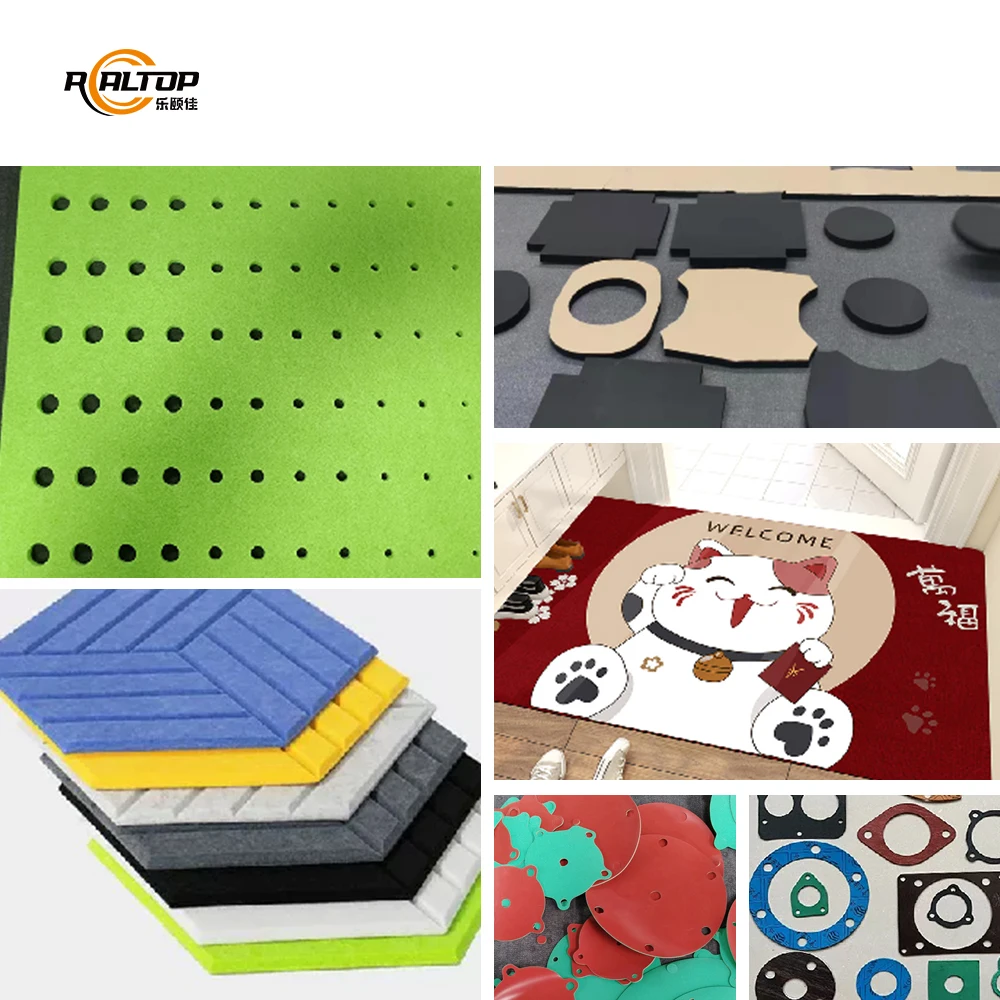
| Aerospace structural components | Carbon fiber prepreg, aramid honeycomb core, Kevlar laminates |
| Aircraft interior and insulation | Thermal and acoustic insulation foam, Nomex honeycomb panels |
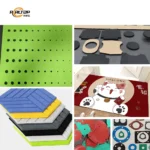
| Automotive and rail lightweighting | FRP panels, acoustic felt, damping pads, interior trim composites |
| Wind energy blade manufacturing | Large-format fiberglass cloth, PET and PVC structural foam core |
| Sporting goods and leisure equipment | Bicycle frame prepreg layups, helmet liners, surfboard blanks |
| Industrial gaskets and seals | PTFE sheets, rubber compounds, ceramic fiber blankets |
Why Oscillation Frequency Matters More Than Blade Sharpness on Composites
Selecting the correct CNC oscillating knife cutting machine specifications starts with the material recipe, not the brochure speed.
Composite cutting failures rarely come from a dull blade alone. More often the oscillation frequency is mismatched to the resin hardness or fiber weave density, causing the knife to drag rather than slice. On carbon fiber prepreg, a low-frequency stroke crushes the matrix and leaves delaminated edges. On Nomex honeycomb, the wrong amplitude tears the cell walls instead of shearing them cleanly [NEED_CITE: oscillation parameters for honeycomb and prepreg cutting]. The result is scrap parts that pass dimensional checks but fail downstream during layup or bonding. I once spent two days on a shop floor re-tuning frequency and depth passes after a batch of flame-retardant EPE foam refused to cut cleanly with settings that worked perfectly on standard-density stock. The additive package had changed the material hardness entirely.
Cold Cutting Preserves Resin Chemistry
Thermal cutting methods like laser or router bit friction can alter the resin matrix in carbon fiber and Kevlar prepregs. An oscillating knife cuts without generating heat at the kerf, preserving the chemical bond structure of uncured or B-staged prepreg materials. This matters when aerospace gaskets and insulation blanks must meet strict outgassing and thermal stability specifications after cutting. The cold process also prevents edge sealing on synthetic foams, which would interfere with adhesive bonding in subsequent assembly steps.
Tool Head Selection Dictates Edge Quality Across Dissimilar Layers
Composite stacks often combine materials with very different cutting behaviors — a fiberglass face sheet over a PET foam core, for example. The interchangeable tool head system on this CNC oscillating knife cutting machine allows producers to run an oscillating knife for the foam layer and switch to a driven rotary knife or pneumatic knife for the denser skin material. This avoids the compromise of forcing one tool type through a multi-material stack, which typically produces ragged transitions at the layer boundary [NEED_CITE: tool head selection for multi-layer composite stacks].
Reading the Spec Sheet Against Your Actual Production Variables
The ±0.1 mm cutting accuracy holds relevance when nesting complex aerospace gasket profiles where kerf deviation accumulates across long cut paths. The 9 kW vacuum pump paired with the aluminum bellows table must generate enough hold-down force across the full 1600 × 2500 mm area to prevent thin prepreg sheets from lifting during high-speed traverses. If your parts are small and numerous, vacuum zoning becomes critical — a single-zone table will lose suction on areas not covered by material, and lightweight carbon fiber offcuts can shift mid-cut. The PLC control panel with configurable language options reduces operator error on multilingual shop floors where misread parameters cause depth-setting mistakes. Servo drive selection from Panasonic, Delta, or Dorna affects axis response during direction changes on intricate contours.
What Happens When the Configuration Does Not Match the Material
A machine selected only on working area size often fails when the composite material is harder or more abrasive than assumed. Ceramic fiber blankets dull standard blades within hours, requiring specialized knife geometries that were never discussed during the quoting stage. Aramid honeycomb demands a specific oscillation amplitude; too little and the knife pushes cell walls aside rather than severing them, creating fuzzed edges that compromise bonding surface area [NEED_CITE: aramid honeycomb cutting defects from incorrect amplitude]. G10 epoxy boards generate fine abrasive dust that infiltrates linear guides if the machine enclosure and dust extraction are not specified for that material class.
Why This Source Fits Composite Processing Workflows
In-house design covering both knife and laser technologies means the cutting method is matched to the composite rather than forced into a single process. Tool head and table configurations are specified against your material type and ply thickness rather than quoted from a standard package. Sample cutting on your actual composite stock provides edge quality documentation before any purchase commitment. Electrical schematics with voltage and frequency are confirmed for your destination market before production begins. Software compatibility is verified against your existing nesting files in PLT, DXF, AI, or PDF format so workflow integration happens at order stage, not after delivery [NEED_CITE: file format compatibility verification in CNC cutting procurement].
Documentation & Verification
- Machine specification sheet listing confirmed tool heads for your composite type
- Electrical schematic with voltage and frequency matched to destination grid standards
- Sample cutting report on your composite material with edge quality photographs
- Tool head and vacuum table configuration list tied to your material thickness range
- Software licence and file format compatibility note for your nesting workflow
- Factory test record documenting cutting accuracy on your specified composite stock
Installation, Commissioning & Support
- Heavy-duty frame requires level concrete floor to maintain ±0.1 mm accuracy across the 3300 × 2100 mm footprint
- 9 kW vacuum pump and servo drives need dedicated circuit matching confirmed 110V, 220V, or 380V supply
- Machine ships partially assembled; final rail alignment and vacuum table sealing completed on-site
- First-run calibration includes oscillation frequency and depth tuning on your composite material samples
- PLC control panel language set to operator preference during commissioning, with training on tool change procedures
- Oscillating and rotary knife blades listed as consumables with replacement intervals based on composite abrasiveness
Preparing Your Inquiry for a Composite Cutting Configuration
To get a tooling recommendation that actually works on your line, share the composite material type, resin system, ply thickness, and whether you are cutting cured, B-staged, or uncured stock. Specify the largest sheet dimension and the smallest part in your nesting pattern so vacuum zoning can be sized correctly. Confirm your facility voltage and frequency along with the control language your operators need.
Frequently Asked Questions
Q: How do I match the tool head type to my composite material and thickness?
A: Oscillating knives work well on foam cores and soft prepregs, while driven rotary or pneumatic knives handle denser face sheets like G10 or cured FRP. Thickness and material hardness determine the oscillation amplitude and blade geometry. We run sample cuts on your actual composite stock to confirm the tool head before finalizing the configuration.
Q: Can voltage and control language be customized for our destination country?
A: The machine supports 110V, 220V, and 380V options with frequency to be confirmed for your grid. The PLC control panel display language is configurable across English, Russian, Italian, Chinese, or other languages on request. Electrical schematics are reviewed and confirmed with you before production starts.
Q: How does vacuum table zoning affect small composite parts?
A: Small nested parts on a large table can lose hold-down force if the vacuum zone is not segmented. The aluminum bellows table can be configured with zoning to concentrate suction where material is present, preventing lightweight prepreg or honeycomb pieces from lifting during high-speed cutting passes.
Q: Will the software accept our existing nesting files?
A: The system supports PLT, DXF, AI, and PDF file formats. Before order confirmation, we verify compatibility with your current nesting software output and confirm that tool path generation handles your specific composite cutting sequences without manual file conversion.
Q: How does the sample cutting process work before we commit?
A: Send a sheet of your actual composite material including the specific resin formulation and ply schedule. We run cutting tests with multiple tool head and parameter combinations, then provide a report with edge quality photographs and dimensional accuracy measurements so you can evaluate results against your production standards.


商品评价
Clear filtersThere are no reviews yet.