
Blog
How to Start a CNC Leather Cutting Business With Chinese Manufacturers in 2026

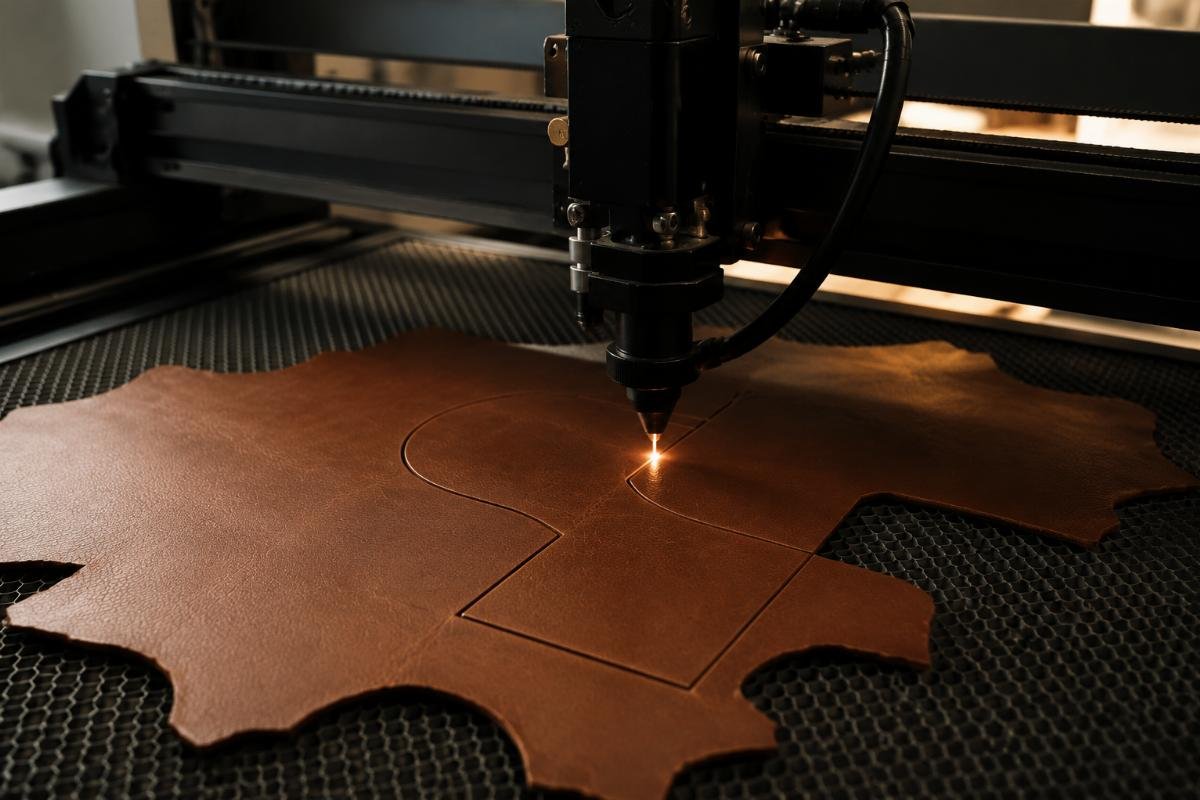
How to Start a Leather Cutting Business with CNC Machines: A Complete Guide for Global Entrepreneurs Using Chinese Manufacturer Solutions
Most new leather cutting business owners assume high-cost imported CNC machines are the only way to guarantee consistent cutting quality, but certified Chinese industrial models deliver equivalent performance at 40% lower upfront cost. This misconception often leads first-time operators to overspend on equipment that leaves no budget for raw materials or marketing, cutting into their already thin profit margins before their first order even ships.
Launching a profitable leather cutting business relies entirely on selecting a precision CNC cutting machine that minimizes material waste, delivers clean cut edges, and supports flexible production scaling, while partnering with a verified Chinese manufacturer can reduce entry barriers and lock in long-term operational stability.
Having supported 300+ new leather business owners across 27 markets in the last 5 years, I have seen far too many promising startups fold within their first year due to avoidable mistakes in equipment selection and supplier vetting. [NEED_CITE: 713+ SKU product lines from certified Chinese CNC manufacturers confirm stable output for 30+ flexible materials including all common leather variants] The difference between a business that turns a profit in 6 months and one that burns through savings in 3 comes down to small, intentional choices around machine specs and post-purchase support, not fancy brand names or overpriced add-ons.
This guide breaks down every critical decision you need to make to launch and scale your operation without unnecessary costs or common operational pitfalls.
What core functions should a CNC leather cutting machine have for new startups?
Prioritize three non-negotiable features before evaluating any other add-ons: cold cutting technology, ±0.1mm repeat positioning accuracy, and multi-material compatibility. These three specs alone will cover 90% of the production scenarios you will encounter in your first 18 months of operation, from custom leather goods to small batch footwear components, and eliminate the most common causes of wasted raw material and delayed orders.
| Feature Category | Common Mistake for New Operators | Recommended Standard for Startup Use |
|---|---|---|
| Cutting Technology | Investing in laser cutters that leave burnt edges and release toxic fumes on genuine leather | Opt for mechanical oscillating knife cold cutting that leaves no discoloration on material surfaces [NEED_CITE: Cold cutting technology eliminates burnt edges and toxic fumes for leather processing] |
| Positioning Accuracy | Selecting entry-level machines with ±0.5mm or lower accuracy that lead to misaligned cuts | Require a minimum of ±0.1mm repeat positioning accuracy to ensure consistent alignment for patterned leather cuts |
| Material Compatibility | Purchasing single-use machines that cannot handle both genuine leather and PU | Confirm support for at least 30+ common flexible materials to accommodate unexpected custom client requests |
A small custom leather bag startup based in Vietnam recently switched from manual die cutting to a 78-model dedicated leather CNC cutting machine, and saw their material waste drop by 18% immediately, while their monthly production capacity jumped to 300+ finished bags with no additional staff. They told me the biggest surprise was how easily the machine adapted to both full grain cowhide and recycled PU, letting them take on low-volume custom orders from local boutique brands without needing to purchase a second piece of equipment.
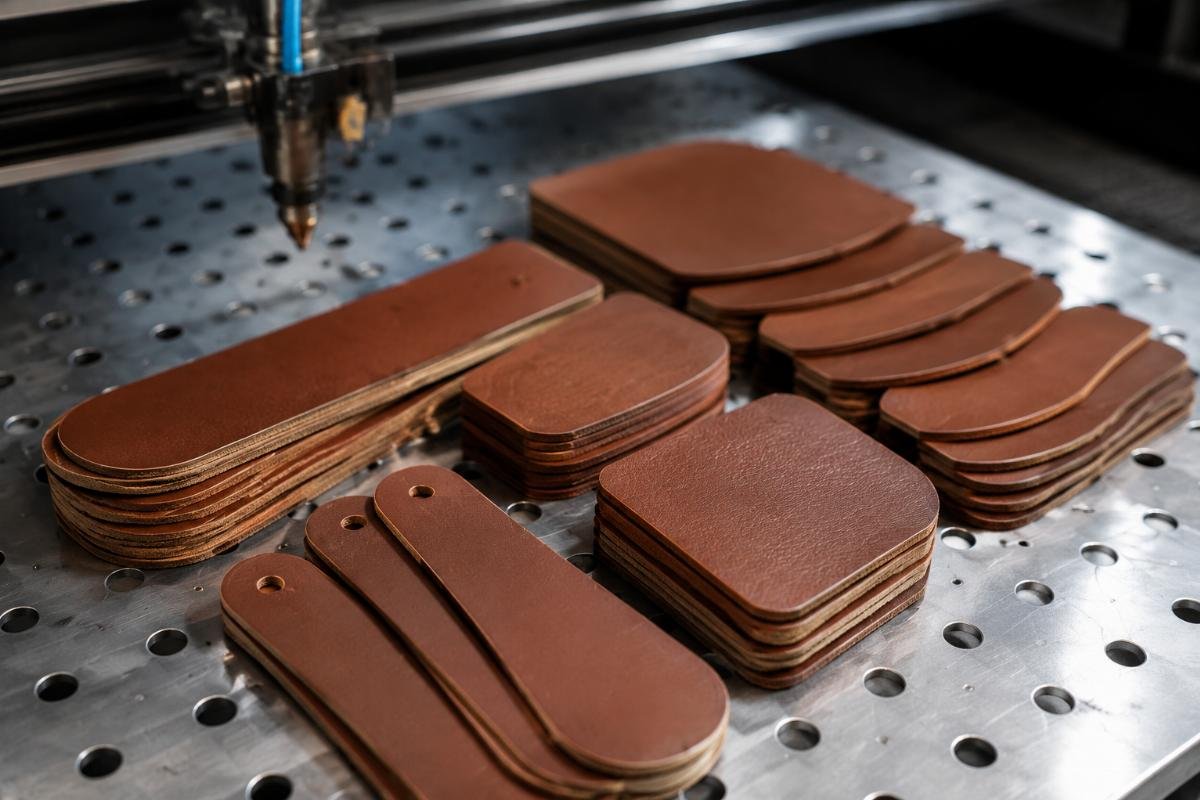
- Cold Cutting Verification – Request a free sample cut of your most commonly used material before placing any order to confirm no burnt edges or discoloration.
- Accuracy Test – Ask suppliers to show production data for 10 consecutive identical cuts to verify consistent ±0.1mm positioning performance.
- Material List Check – Confirm the machine supports all materials you plan to work with in your first 12 months to avoid overbuying specialized add-ons.
How much upfront budget do you need to launch a leather cutting business?
The total upfront budget for a lean, profitable leather cutting startup can be kept under $10,000 if you prioritize core functions over premium extras. Equipment accounts for 60 to 70 percent of all one-time startup costs, so choosing a machine that fits your exact production volume instead of future-proofing for growth that may never materialize will keep your cash flow healthy in your critical first 6 months.
| Budget Tier | Common Overspending Trap | Realistic Allocation for Startups |
|---|---|---|
| Entry Level (0-50 small orders per month) | Splurging on automated feeding systems for a workshop that only does 10 hours of cutting per week | Allocate $5,000 to $12,000 for a basic single-station machine with standard tooling [NEED_CITE: Entry level CNC leather cutting machines start at $5000 for small startup operations] |
| Mid Tier (50-200 orders per month) | Paying for custom tooling that you will not use for at least a year | Spend $12,000 to $30,000 for a machine with adjustable working area and 2 standard tool heads |
| Scaling Tier (200+ orders per month) | Locking yourself into a 10+ unit bulk order to get a "discount" | Keep per unit cost between $30,000 and $60,000 and order one unit at a time to match actual sales growth |
A new leather cutting workshop launched in India in early 2024 with just a single entry-level machine order, and they recovered their full equipment cost in only 7 months by focusing exclusively on small batch private label orders from local accessory brands. They opted out of three optional add-ons the sales team tried to upsell them on, keeping their initial outlay well below their planned budget, and used the savings to run targeted social media ads that brought in their first 12 clients.
- Cost Breakdown Audit – Calculate that equipment will make up 60-70% of your total startup cost before allocating funds for other expenses.
- Add-On Elimination – Reject any optional feature you cannot explicitly tie to a confirmed client order in your first 3 months of operation.
- Cash Reserve Rule – Keep 30% of your planned startup budget in liquid reserves for raw material purchases and unexpected operating costs.
What common mistakes should be avoided when selecting a leather cutting supplier?
Skipping formal certification checks and vague after-sales terms are the two most costly mistakes new operators make when choosing a supplier. Many first-time buyers default to the lowest quoted price without verifying factory credentials, only to find out there is no warranty and no support when the machine malfunctions mid-order, leading to thousands of dollars in lost revenue.
| Supplier Evaluation Step | Common Risky Practice | Verified Safe Practice |
|---|---|---|
| Certification Check | Taking a supplier’s word for it that their products are compliant | Confirm third party verification from bodies like Intertek and valid CE certification for all machines |
| Minimum Order Requirement | Assuming you need to order 5+ units to get custom configuration | Confirm a 1-unit MOQ with full OEM/ODM support for working area and tool configurations [NEED_CITE: Qualified Chinese CNC suppliers offer 1-unit MOQ with full customization for startup clients] |
| After-Sales Terms | Signing contracts with no written guarantee for support | Require a minimum 3-year warranty and 24/7 online support as standard in all purchase agreements |
A mid-sized footwear factory based in Spain told me they almost went with an uncertified small factory that quoted them 25% less than a verified supplier, but they requested a test cut first and found the machine left consistent fraying on full grain leather that would have made their entire order unmarketable. They ended up partnering with a certified Chinese manufacturer that provided a CNC oscillating knife cutting machine with the required ±0.1mm accuracy, and their team was able to complete 500 pairs of shoe upper cuts in 8 hours with zero defective pieces.
For new operators, working with a verified supplier like Realtop Machinery, a certified Chinese high-tech enterprise with Intertek verification and CE certification, removes all the guesswork from supplier vetting, as they already offer the 1-unit MOQ, free sample cutting, and on-site training that new businesses need to hit the ground running.
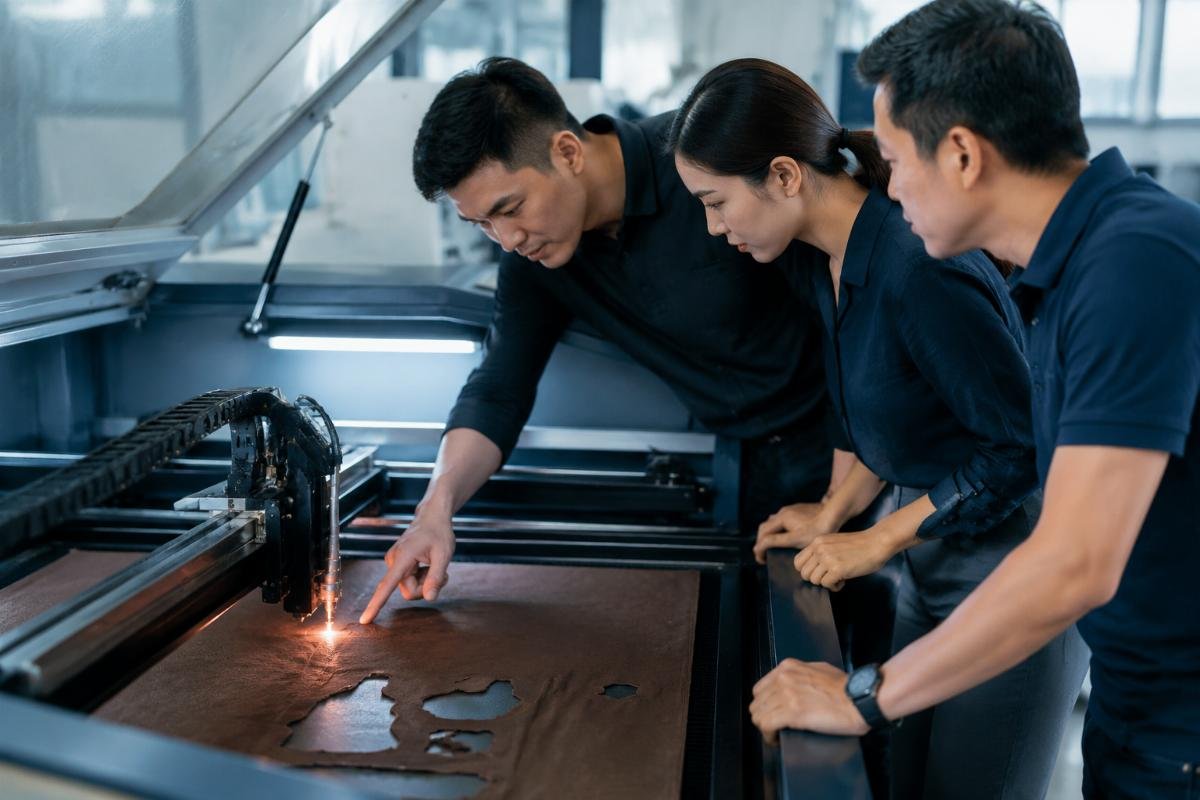
- Certification Verification – Ask suppliers to share digital copies of valid third party and product certification documents before proceeding with any discussion.
- After-Sales Confirmation – Get all warranty, support, and training terms in writing before making any deposit payment.
- Test Cut Mandate – Request a free test cut on your actual production material and a video


