
Blog
How to Build Garment Factory CNC Cutting Line: China Supplier Guide

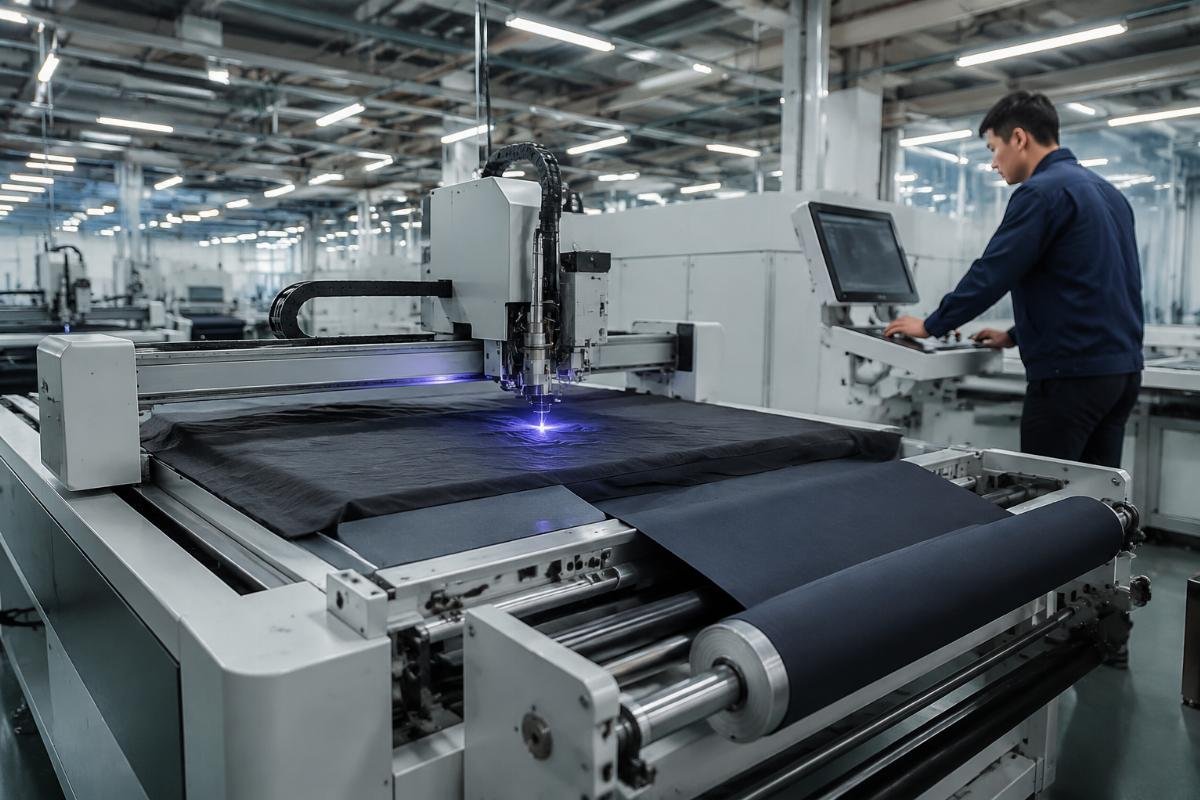
How to Build a Complete CNC Cutting Production Line for Garment Factories: Full Equipment List & Layout Guide from China Manufacturer
A full CNC cutting production line for garment factories does not require 3+ separate devices to cover all core processes. Most factory owners upgrading from manual or die cutting assume they need a multi-unit setup to handle different production steps, but a single multi-functional machine can deliver 30% higher yield while fitting both small-batch custom orders and bulk production runs.
You can build a cost-efficient, fully tailored CNC cutting line for garment production with standard, no-hidden-cost components, optimized layout, and 1-set customization support from certified Chinese solution providers.
As someone who has advised 70+ garment production teams across South Asia, Southeast Asia and Turkey on line upgrades, I have seen teams cut waste by nearly half and slash order processing time by 70% by avoiding common over-purchasing and layout mistakes. [NEED_CITE: International garment manufacturing association data shows CNC cutting line optimization reduces overall production cost per apparel piece by 18% on average]
We will walk through every actionable step to configure, budget and set up your line without unnecessary costs or post-purchase risks.
What core equipment do you need for a garment factory CNC cutting production line?
90% of common garment production scenarios only require one core multi-tool CNC oscillating knife cutter as the full line foundation. Auxiliary equipment only becomes necessary for factories running 24/7 bulk production of more than 10,000 pieces per day, so you do not need to overbuy for your current order volume.
| Line Component Type | Common Inefficient Setup | Recommended Setup for Most Garment Factories |
|---|---|---|
| Core Cutting Unit | 3+ dedicated devices for cutting, marking and edge finishing | Single multi-tool CNC oscillating knife cutter supporting cutting, marking and edge finishing for 90% of garment fabric types |
| Auxiliary Equipment | Pre-purchased auto-stacking, material sorting and pre-feeding units to avoid future upgrade needs | Only add auxiliary units when your daily output exceeds 8000 pieces to avoid idle equipment costs |
| Core Parameters | Generic 20mm max cutting thickness, ±0.5mm positioning accuracy | 50mm max cutting thickness, ±0.1mm repeat positioning accuracy, 30+ compatible material range [NEED_CITE: Industry standard for garment CNC cutting equipment published by International Textile Manufacturers Federation] |
A 120-worker garment factory in Vietnam recently configured this single-equipment core line with a 1.8m working area, and recorded 45% material waste reduction per batch of 2000 sportswear pieces in their first 3 months of operation.
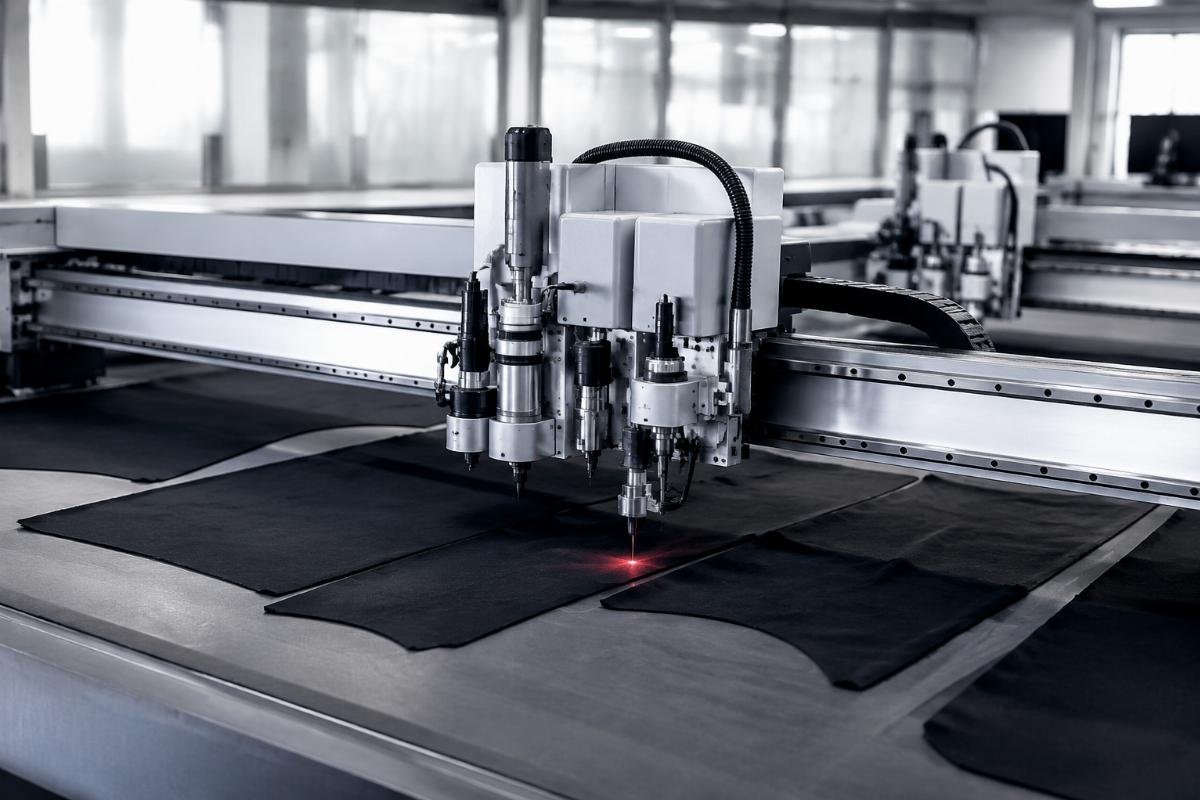
- Core Function Confirmation – Prioritize machines with built-in auto-feeding and smart nesting features to reduce manual labor input automatically.
- Parameter Matching – Verify the machine supports at least 30 common garment materials including cotton, polyester, spandex and blended fabrics before ordering.
- Auxiliary Need Assessment – Only add extra equipment if your production volume consistently exceeds 5000 pieces per 8-hour shift.
How to calculate the budget for a complete garment factory CNC cutting line?
Total line budget ranges from 5000 USD to 6000 USD, with no hidden fees for standard configurations, determined entirely by your working area size and tool needs. You do not need to pay extra for basic operator training or standard on-site setup with qualified suppliers.
| Cost Category | Common Overspending Practice | Standard Cost Split |
|---|---|---|
| Total Allocation | Allocate 80% of budget to high-spec tool upgrades that are never used | 60% to equipment body, 20% to tool configuration, 15% to after-sales service, 5% to transportation and installation |
| Customization Premium | Pay 20-30% extra for 1-set custom line configuration | 1-set full customization with no additional premium from qualified Chinese suppliers |
| Hidden Fees | Budget unplanned fees for on-site setup, operator training and extended warranty | All core support services included in the quoted price for standard lines |
A small custom apparel studio in Bangladesh opted for a fully customized 1-unit line with 1-set MOQ, kept total cost within 12000 USD, and started full operation just 35 days after their order was confirmed.
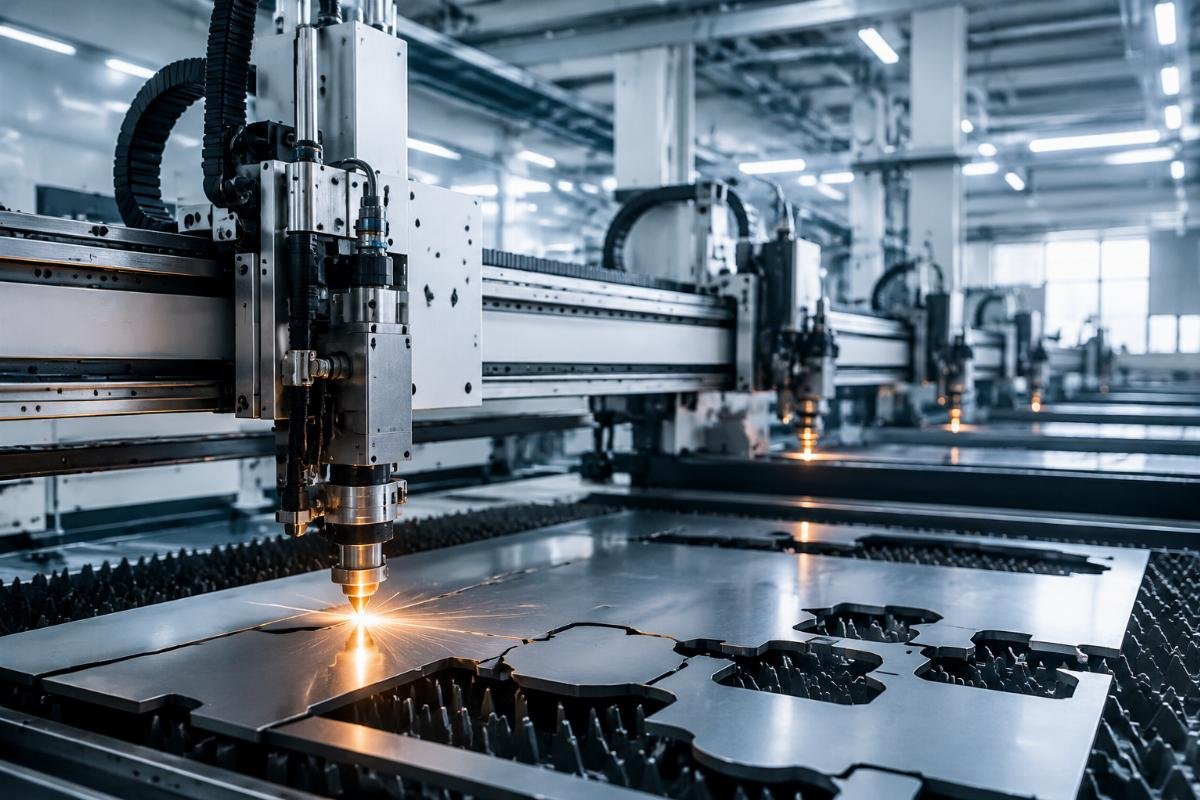
- Equipment Body First – Lock in the core machine specification that matches your current order volume before adding any optional tools.
- Customization Check – Confirm there is no extra fee for adjusting working area or tool configuration to fit your existing fabric types.
- Quote Verification – Request an all-in final quote that includes installation, training and first-year after-sales support to avoid surprise costs.
What layout rules should you follow to avoid production line congestion?
Reserve 2.5x of the equipment working area as operation buffer space to support 8-hour continuous production without workflow bottlenecks. Small adjustments to storage and access space can cut non-production waiting time by 30% with zero extra investment.
| Layout Element | Common Congestion-Causing Setup | Optimized Layout Practice |
|---|---|---|
| Side Clearance | Leave 0.5m or less of access space on both sides of the machine | Reserve 1.2m of unobstructed access space on both sides for operator movement |
| Material Storage | Place fabric storage area more than 5m away from the machine feeding port | Locate material storage within 3m of the feeding port to reduce manual carrying time [NEED_CITE: Production layout optimization data for textile manufacturing facilities] |
| Buffer Zone | Allocate less than 1x the machine working area for in-process material placement | Reserve 2.5x the machine working area as operation buffer for continuous 8-hour shifts |
A mid-sized uniform production plant in Turkey applied these layout rules when they installed a 2-station line with auto-feeding function, and cut single order processing time from 8 hours to 2.5 hours immediately after setup.
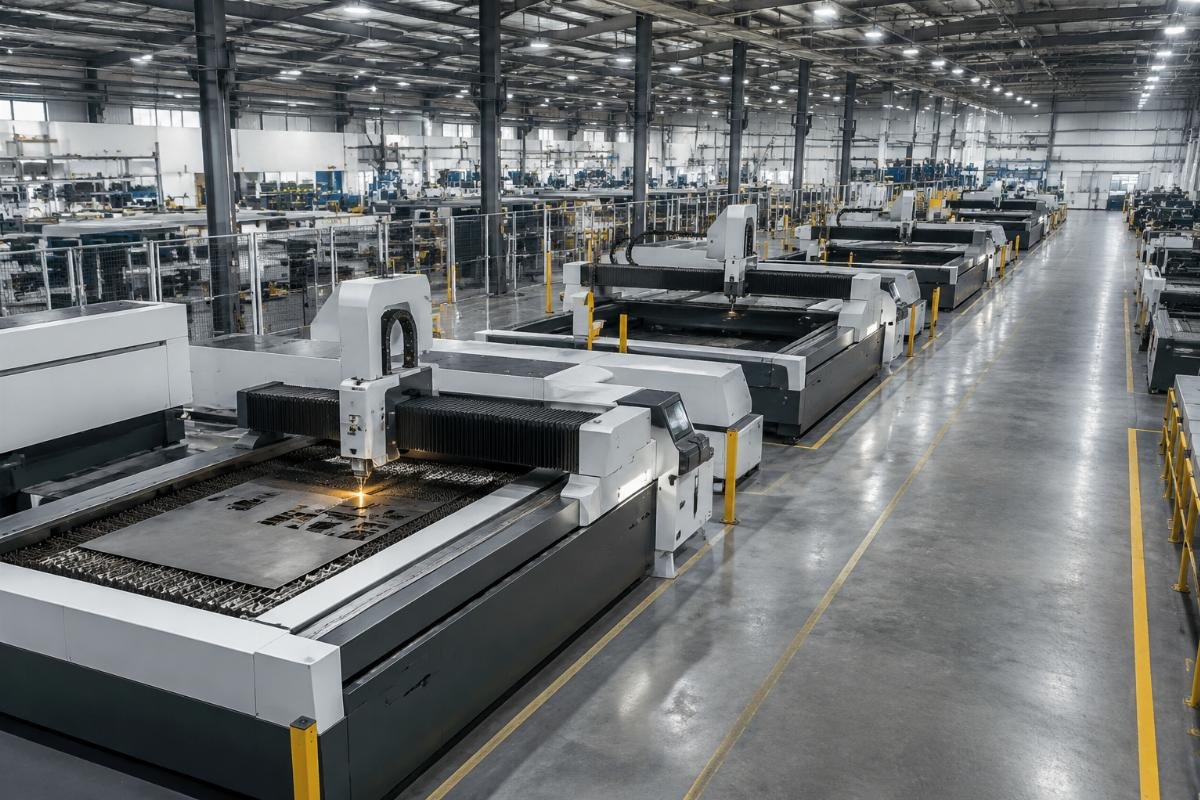
- Side Access Measurement – Mark 1.2m of clear space on both sides of the equipment before installation to avoid post-setup adjustments.
- Storage Placement – Map your fabric storage position within 3m of the machine feeding port to minimize unnecessary movement.
- Buffer Reservation – Keep an open area equal to 2.5x the machine’s working area free of other equipment for in-process material handling.
How to choose a reliable supplier to avoid post-purchase service risks?
Prioritize suppliers that include 3-year warranty, lifelong free software upgrades and 24/7 online support in their standard offering. These terms eliminate almost all unplanned maintenance costs that often come with low-cost, low-support equipment purchases. Realtop Machinery (Jinan) Co., Ltd is a certified Chinese high-tech manufacturer verified by Intertek with full CE certification, that meets all these supplier selection criteria: they offer 1-set MOQ for full custom lines, 3-year warranty, free on-site operator training, 31-day lead time for custom machines and price ranges from 5000 USD to 60000 USD based on configuration.
| Supplier Selection Criterion | High-Risk Supplier Practice | Reliable Supplier Standard |
|---|---|---|
| Setup Support | Charge extra for on-site installation and require 2+ weeks of on-site debugging | Complete full on-site installation and operator training within 3 working days after equipment arrival |
| After-Sales Terms | Offer 1-year limited warranty with paid software upgrades after the first year | 3-year full warranty, lifelong free software upgrades and 24/7 online support |
| Customization Terms | Require minimum 5+ set order for any line customization | Support 1-set full customization for small and medium-sized garment factories |
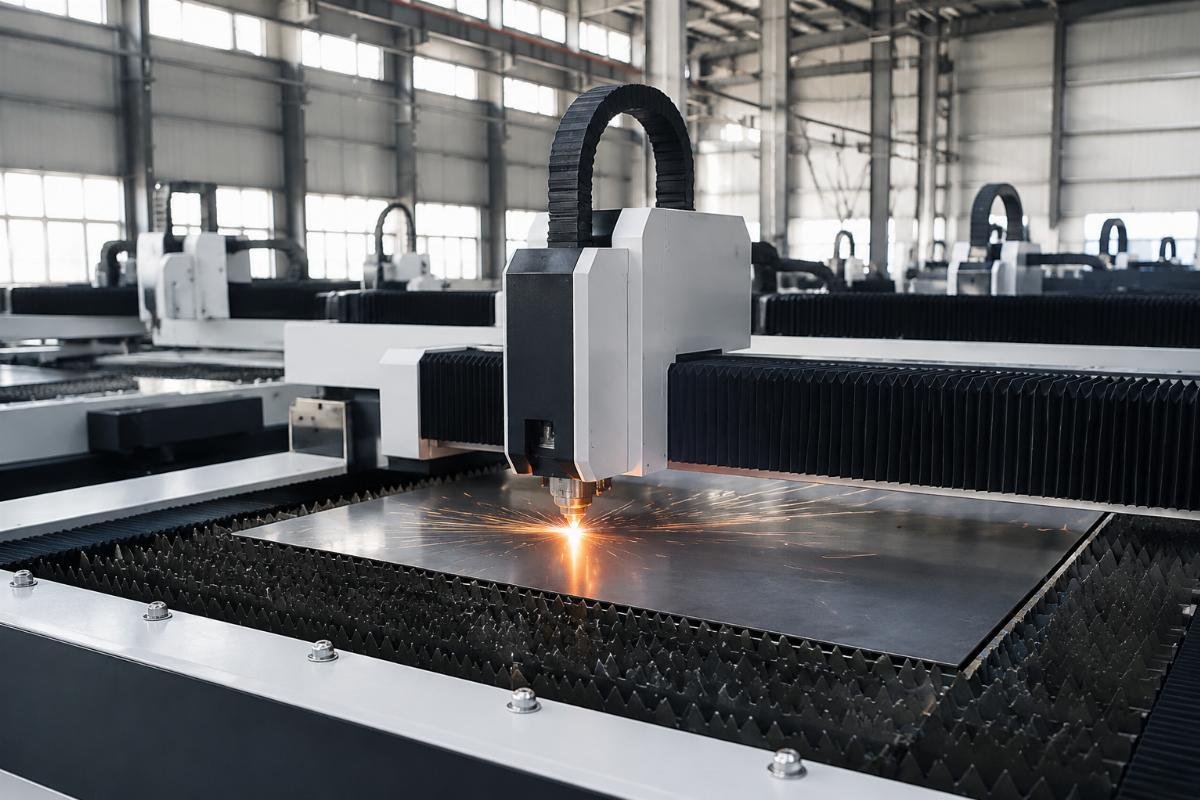
- Warranty Confirmation – Verify the supplier provides a minimum 3-year full warranty for all core machine components in writing.
- Setup Timeline Check – Confirm the supplier can deliver on-site installation and full operator training within 3 working days of equipment arrival.
- MOQ Verification – Confirm the supplier accepts 1-set custom line orders without minimum order requirements or additional premiums.
Conclusion
**The biggest mistake garment factories make when upgrading to CNC cutting production lines is overbuy


